
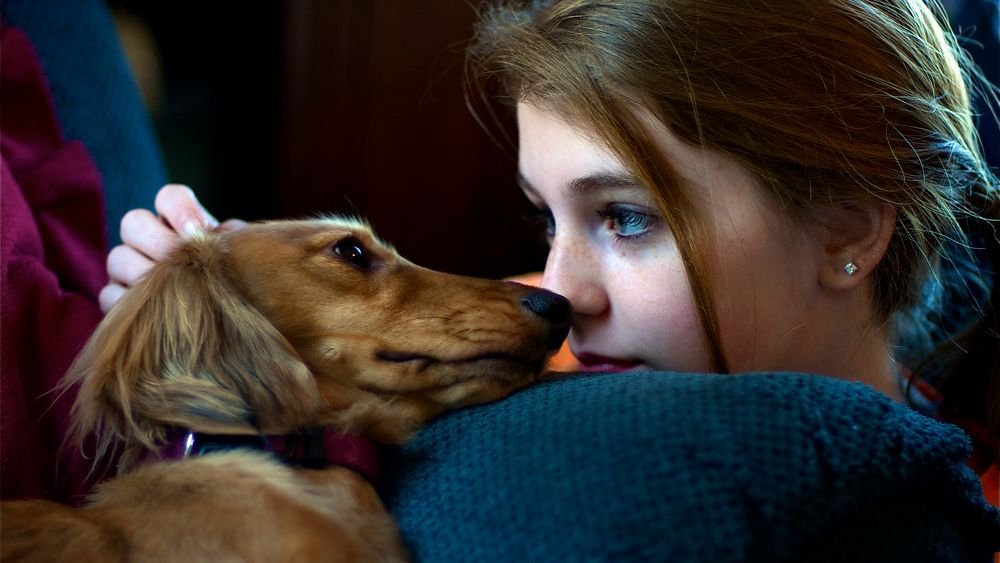
Have you ever noticed how your dog seems to magically appear by your side when you’re having a rough day? It’s not just coincidence. Dogs possess an extraordinary gift that goes beyond simple companionship. They have this remarkable ability to sense our emotional shifts, reading the invisible signals we give off when sadness creeps in. Whether it’s a tough day at work, a heartbreak, or just one of those inexplicable melancholy moments, our four-legged friends become our silent therapists.
What’s truly fascinating is how they do it without needing words or explanations. Through a combination of keen observation, powerful senses, and what many believe is genuine empathy, dogs respond to our emotional distress in ways that feel almost human. Let’s dive into the beautiful and sometimes surprising ways our canine companions step up to comfort us when we need it most.
1. They Offer Gentle Nuzzles and Physical Touch
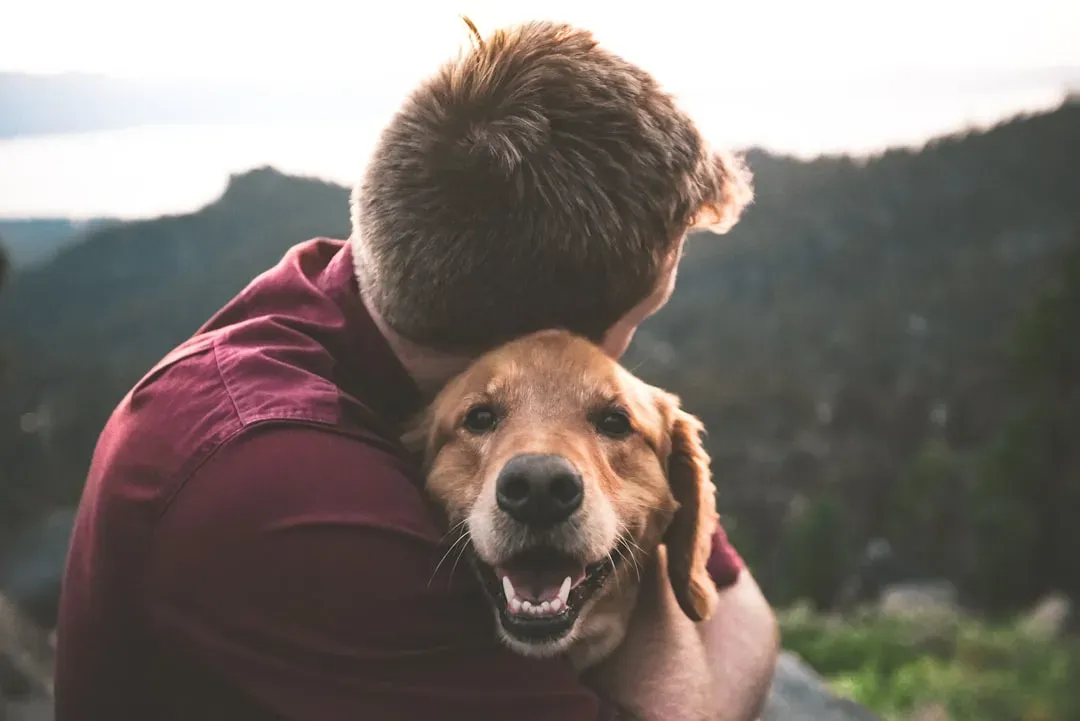
One of the most heartwarming ways dogs comfort sad humans is through gentle nuzzling of our necks, demonstrating their desire for physical closeness as a gesture of affection and reassurance. You might be sitting on the couch, tears streaming down your face, when suddenly you feel a warm, wet nose pressing gently against your hand or neck. It’s their way of saying, “I’m here with you.”
This physical touch isn’t random. Dogs instinctively understand that this act can help alleviate stress and anxiety, providing a soothing effect that promotes feelings of safety and comfort. Think about it like a canine hug, a wordless reminder that you’re not alone. The warmth of their body pressed against yours can feel like a safety blanket during emotional storms.
2. They Make Direct Eye Contact to Connect

Unlike their interactions with other dogs, dogs often engage in direct eye contact with humans as an expression of love and trust. When you’re sad, your dog might sit directly in front of you, staring into your eyes with an intensity that feels almost spiritual. It’s honestly one of the most profound forms of canine communication.
Eye contact is crucial for dogs in understanding human emotions, and studies show that eye contact between dogs and their owners stimulates the release of oxytocin, the “love hormone,” enhancing their bond and emotional connection. This mutual gaze creates a feedback loop of comfort and connection. Your dog isn’t just looking at you; they’re truly seeing you in that vulnerable moment.
3. They Lick Your Tears Away
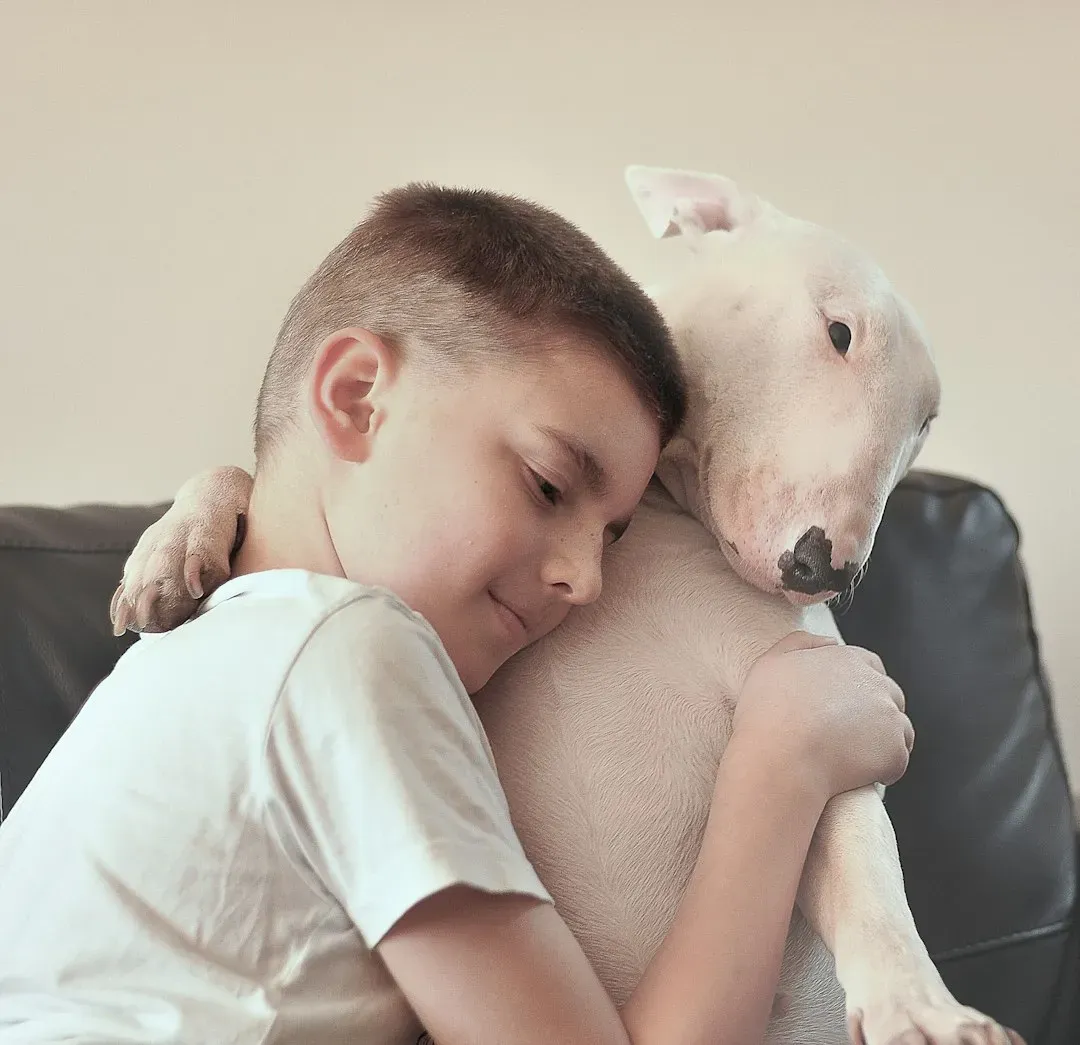
You may notice when you’re sad your dog starts to lick you, as licking is often their way of offering comfort and support, similar to how they might comfort each other within their own pack. While some might dismiss this as simply tasting the salt from tears, there’s something deeper happening. It’s grooming behavior that signals care and affection within their social structure.
This behavior can feel incredibly soothing, even therapeutic. The rhythmic sensation of your dog’s tongue on your hand or face can ground you in the present moment. It’s their version of wiping away your tears, a gesture that says they want to make you feel better, even if they can’t fully understand why you’re upset.
4. They Bring You Their Favorite Toys

A dog might quietly walk away when their owner is crying, then return with one of their favorite toys and quietly put it in their lap while gently licking their hand, knowing they were trying to comfort them and hoping that the toy which made them happy might also help their owner feel better. This behavior is absolutely precious and reveals the depth of canine empathy.
Let’s be real, when your dog brings you that slobbery tennis ball or squeaky toy, they’re offering you their most prized possession. In dog language, that’s the ultimate act of generosity. They’re essentially saying, “This makes me happy, so maybe it’ll help you too.” It’s a gesture that reveals just how much they care about your emotional wellbeing.
5. They Prioritize You Above Everything Else

Dogs have an extraordinary ability to prioritize their human companions above all else, and studies show that when we are sad, they will prioritize coming to us over anything else in the area, including ignoring their favorite person, toys, or even food. This finding alone should tell you something profound about the bond between humans and dogs.
Imagine being so attuned to someone that you’d drop everything – even your dinner – to be there for them. That’s exactly what dogs do. Of the 18 dogs in a study, 15 approached their owner or a stranger during crying fits, while only six approached during humming, suggesting that it’s emotional content, not curiosity, that brings the dogs running, and the dogs always approached the crying person, never the quiet person.
6. They Give You Space When Needed
While some dogs lick their pet parents to provide comfort when they’re sad, others might react differently, as some dogs will sense our sadness and choose to give us space, as they may pick up on the fact that we’re feeling vulnerable or upset. Not every comforting gesture involves physical closeness, and this demonstrates an even more nuanced understanding of human emotions.
It might seem strange, but some dogs may give their owners space if they sense any emotional upheaval; it’s not because your dog doesn’t care, and it actually might mean the opposite, as dogs often give other dogs space when they sense a member of their pack is in emotional distress, and your dog is also trying to give you a respectful amount of space to process your own emotions. Think of it as canine wisdom knowing when to hover and when to retreat.
7. They Display Increased Stress Themselves

Research has shown that dogs experience an increased heart rate when they hear their owners crying or expressing sadness. This physiological response reveals that your sadness doesn’t just register cognitively with your dog; it actually affects them on a biological level. They feel your pain in a very real sense.
Dogs who were able to push through a door to “rescue” their owners showed less stress, meaning they were upset by the crying but not too upset to take action, and as for the dogs who didn’t push open the door, it wasn’t because they didn’t care – it seemed they cared too much, as those dogs showed the most stress and were too troubled by the crying to do anything. This demonstrates the genuine emotional investment dogs have in our wellbeing.
8. They Stay Close and Refuse to Leave Your Side
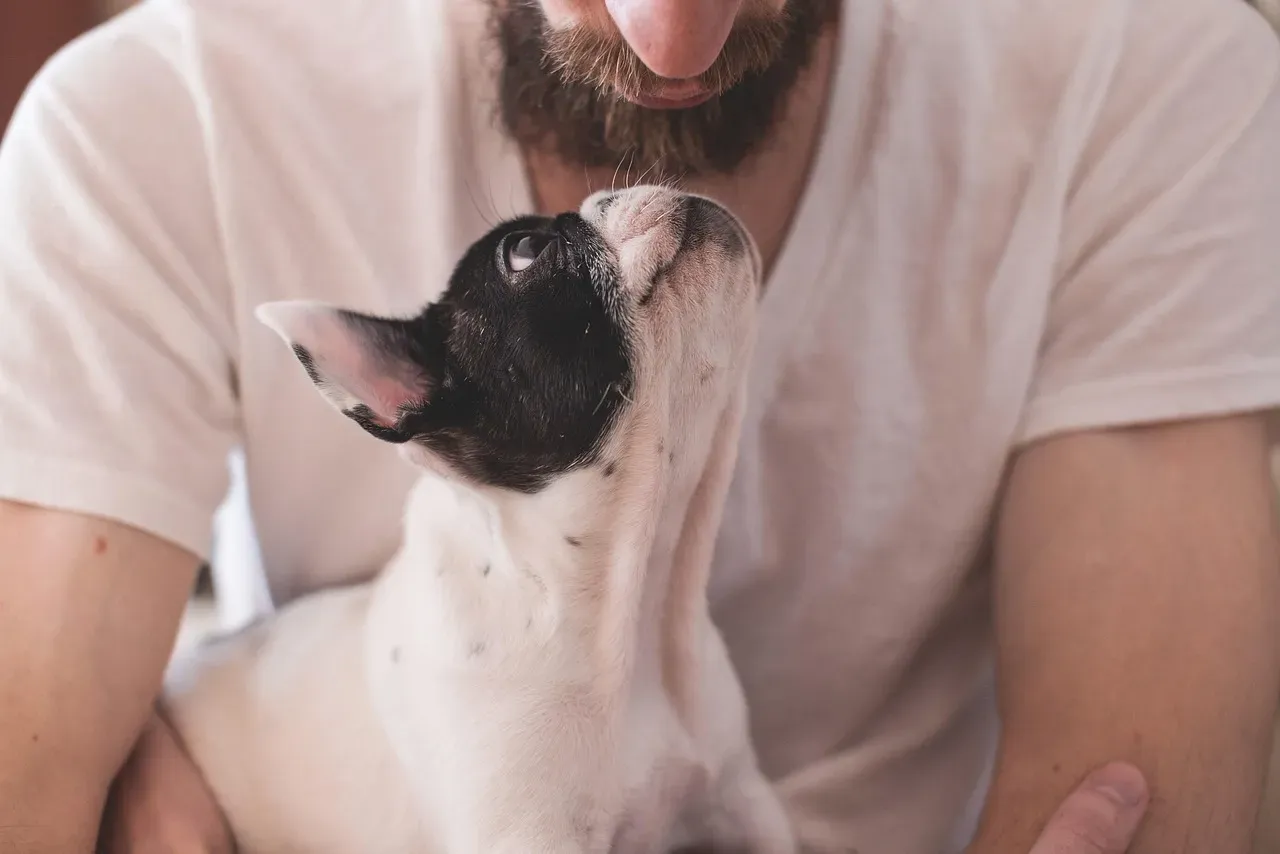
When dogs sense their human best friends are sad, they make an effort to stick close to you and offer more cuddles and attention. You might find your dog shadowing you from room to room, pressing their body against your leg, or simply lying at your feet. This constant presence is their way of standing guard over your emotions.
Dogs possess a natural instinct to provide comfort and seek proximity to their owners when they sense distress. It’s deeply rooted in their pack mentality. In the wild, members of a pack stay close together during times of vulnerability. Your home is your dog’s pack, and when you’re sad, they’re fulfilling their role as a loyal pack member who refuses to abandon you in your time of need.
9. They Use Multiple Senses to Detect Your Sadness
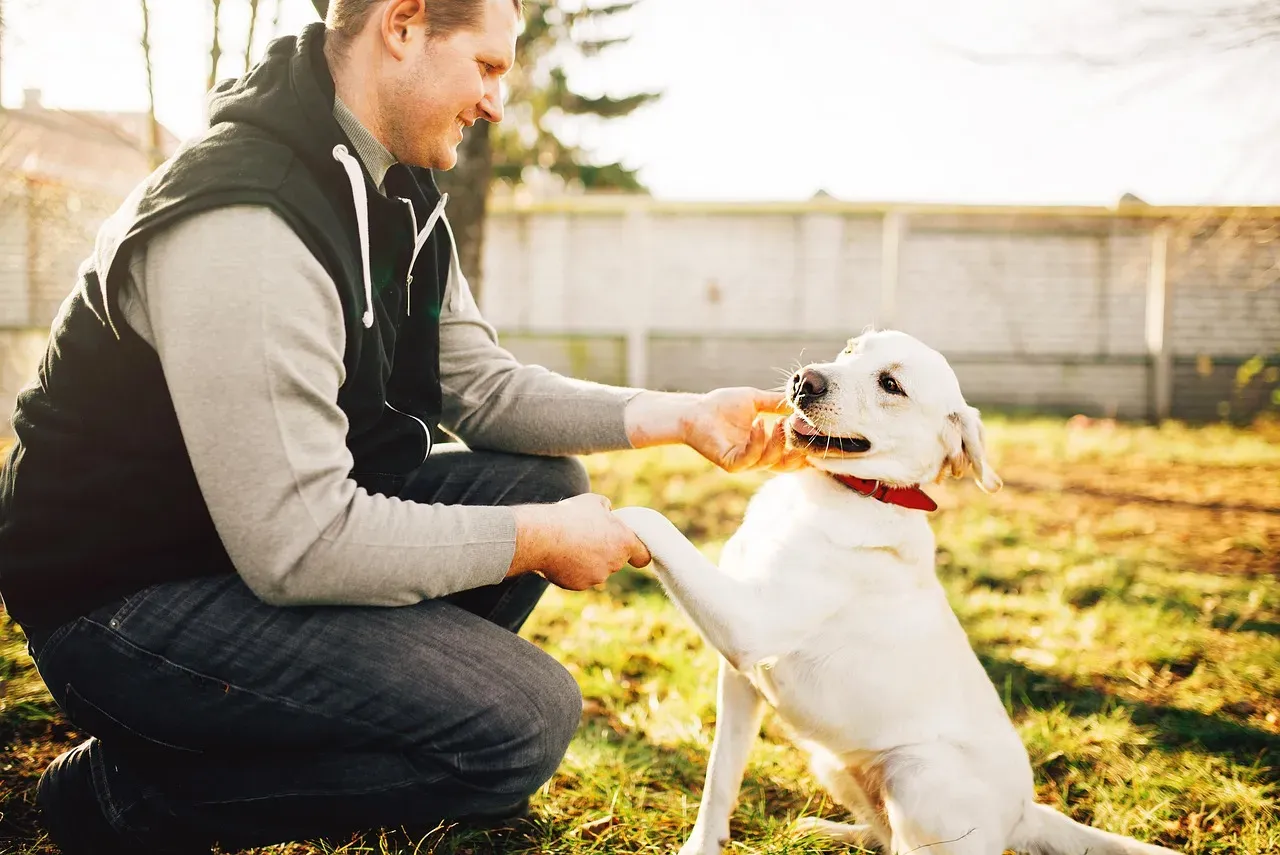
Dogs use a combination of visual and auditory cues to understand how someone is feeling, and they can decipher between positive and negative emotions. This isn’t a single-sense operation. They’re observing your facial expressions, listening to changes in your voice, watching your body language, and even detecting chemical changes through smell.
They use their acute sense of smell to detect hormonal changes in us, which helps them understand how we’re feeling; for example, when we’re stressed, we release cortisol, and dogs can sense this. Additionally, dogs have the superpower to sense changes in a human’s emotion through their sense of smell, as they can detect chemical changes in a person’s feelings. It’s like they have an emotional radar that picks up signals we don’t even know we’re broadcasting.
10. They Respond Faster to Distress Than to Other Behaviors
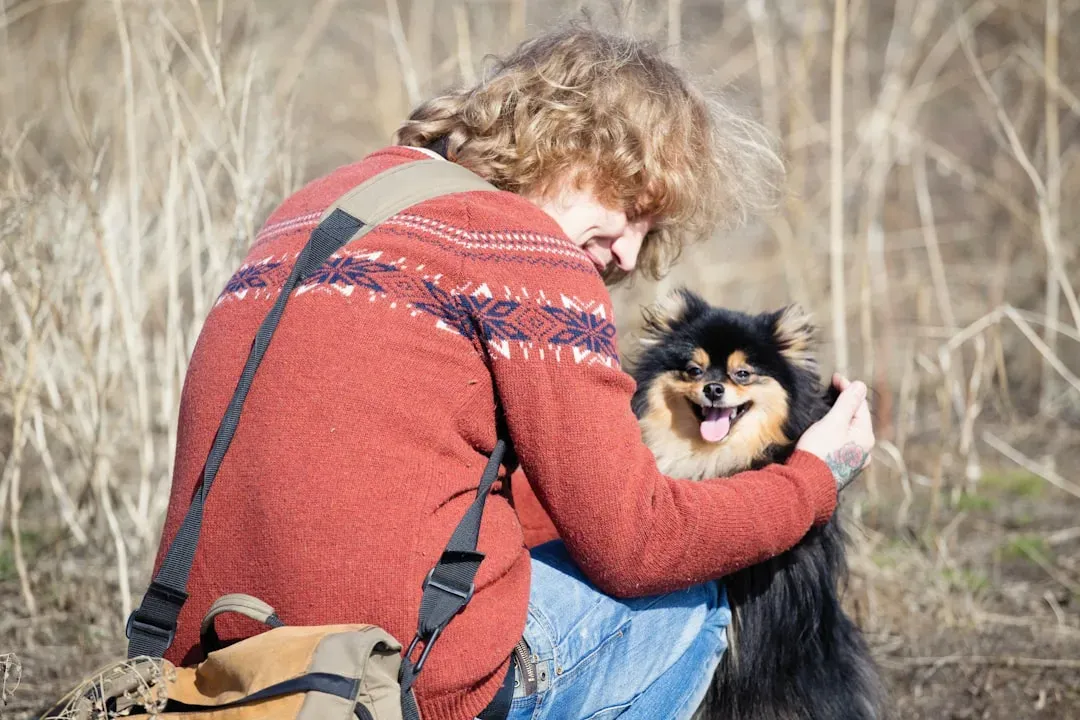
Prior studies have found dogs to be highly responsive to human crying, and research showed that dogs who detect emotional distress will hurry to do something about it. This urgency reveals something important: dogs don’t just passively notice our sadness; they’re motivated to act on it quickly.
A study finds that dogs not only feel distress when they see their owners sad but will also try to do something to help. The speed of their response matters because it shows intentionality. They’re not wandering over out of boredom or curiosity. The fact that dogs differentiated between crying and humming indicates that their response to crying was not purely driven by curiosity, rather, the crying carried greater emotional meaning for the dogs and provoked a stronger overall response than either humming or talking.
Conclusion
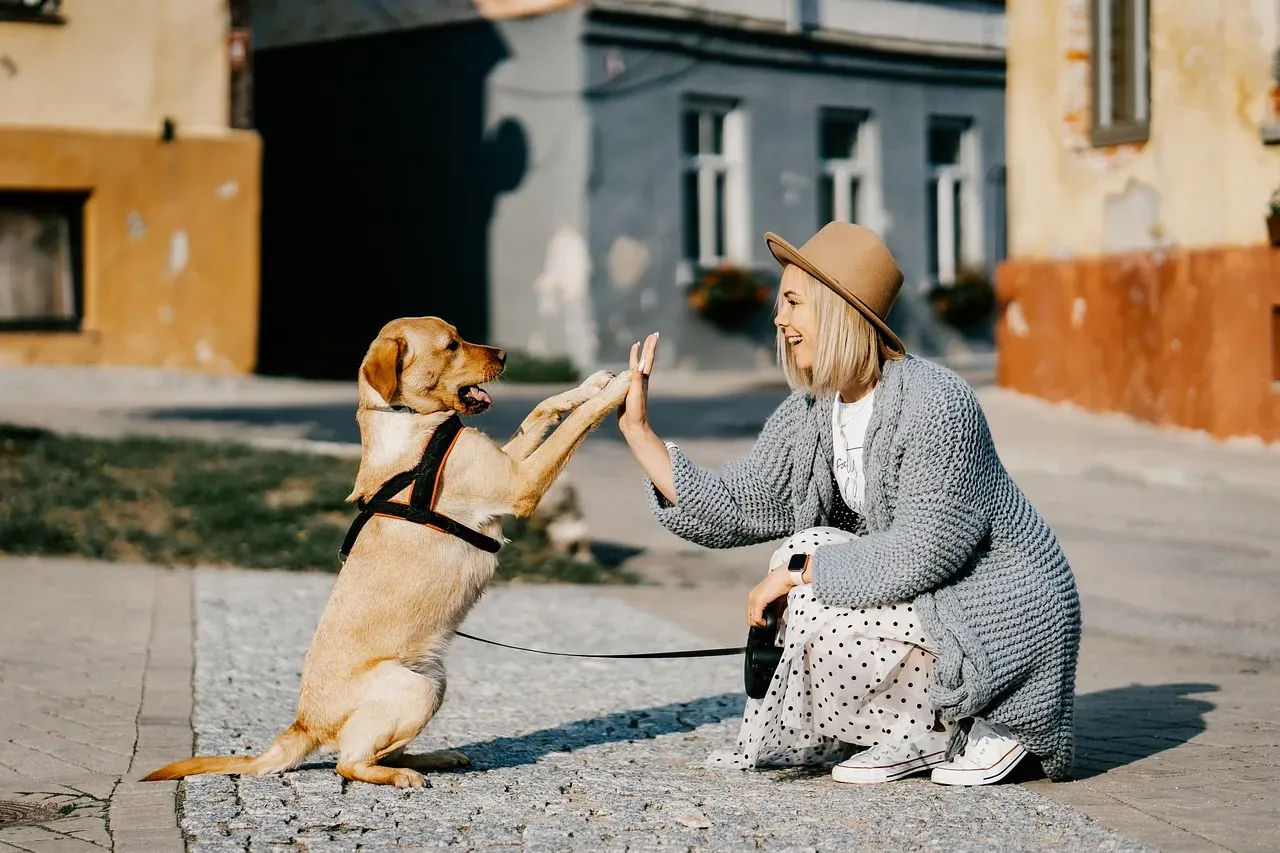
The ways dogs comfort us when we’re sad reveal a profound truth about the human-canine bond that has evolved over thousands of years. These aren’t trained behaviors or learned tricks; they’re genuine responses rooted in empathy, observation, and a deep emotional connection. Research shows that dogs and humans have a unique evolutionary history and have co-evolved for a very long time, and dogs will respond to our emotional state through behaviors such as licking or avoidance.
Whether your dog nuzzles you, brings you toys, stays glued to your side, or simply gazes into your eyes, they’re offering comfort in the best way they know how. Next time you’re feeling down and your furry friend appears at your side, remember: they’re not just being a good dog, they’re being a true friend. Have you noticed which comforting behaviors your dog uses most? The beauty lies in recognizing these gestures for what they truly are – acts of love from a creature who sees your pain and wants nothing more than to ease it.


