
You’ve always wanted a cat. Maybe you grew up dreaming about those Instagram-perfect moments, your feline companion purring softly in your lap while you sip tea and read a book. It sounds idyllic, right? Here’s the thing, though: not all cats got that memo.
Some breeds are less lap cat and more walking tornado. Some demand more attention than a toddler at a theme park, while others come with grooming routines that rival a full-time salon appointment. Let’s be real, if you’re new to cat ownership, jumping headfirst into the wrong breed can turn that dream into a bit of a wake-up call. So let’s dive into eight breeds that might make you question your decision to become a cat parent.
1. Bengal Cats: The High-Octane Diva
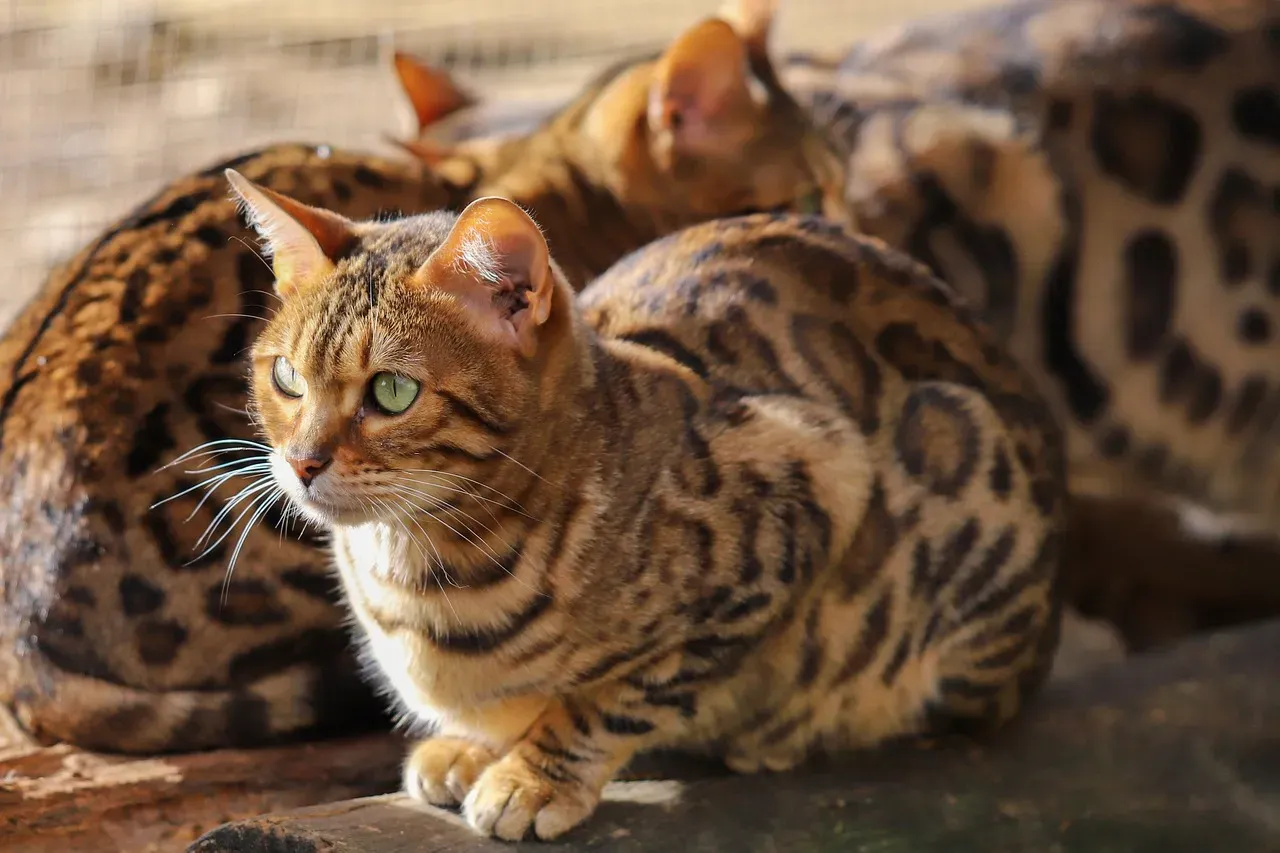
Bengals are definitely not the cat for everyone, or for first-time cat owners. These miniature leopards are stunning to look at, no doubt about it. Those rosettes and marbled patterns scream exotic elegance. Still, beauty comes with a price tag in the form of sky-high energy and relentless demands.
Bengals will resort to aggression when they feel angry, frustrated, or bored, and they tend to be hyperactive from the moment they are born. If you don’t channel their energy through interactive play and mental stimulation, you’re setting yourself up for trouble. When Bengals have nothing to do, they scratch furniture, knock over decorations, chew on shoes and cushions, and wreak all sorts of havoc.
The most frequent behaviors often classified as problematic by owners were destructive behaviors, followed by pica, aggression toward animals, and urination outside the litter tray. Think of them as the feline equivalent of a Jack Russell Terrier. They need companions, constant engagement, and boundaries that are consistently reinforced.
Honestly, unless you’re ready to commit to daily interactive sessions, puzzle feeders, and possibly another cat for company, this breed will leave you exhausted. They’re clever escape artists too, so securing your environment is absolutely essential.
2. Siamese Cats: The Drama Queen of the Feline World
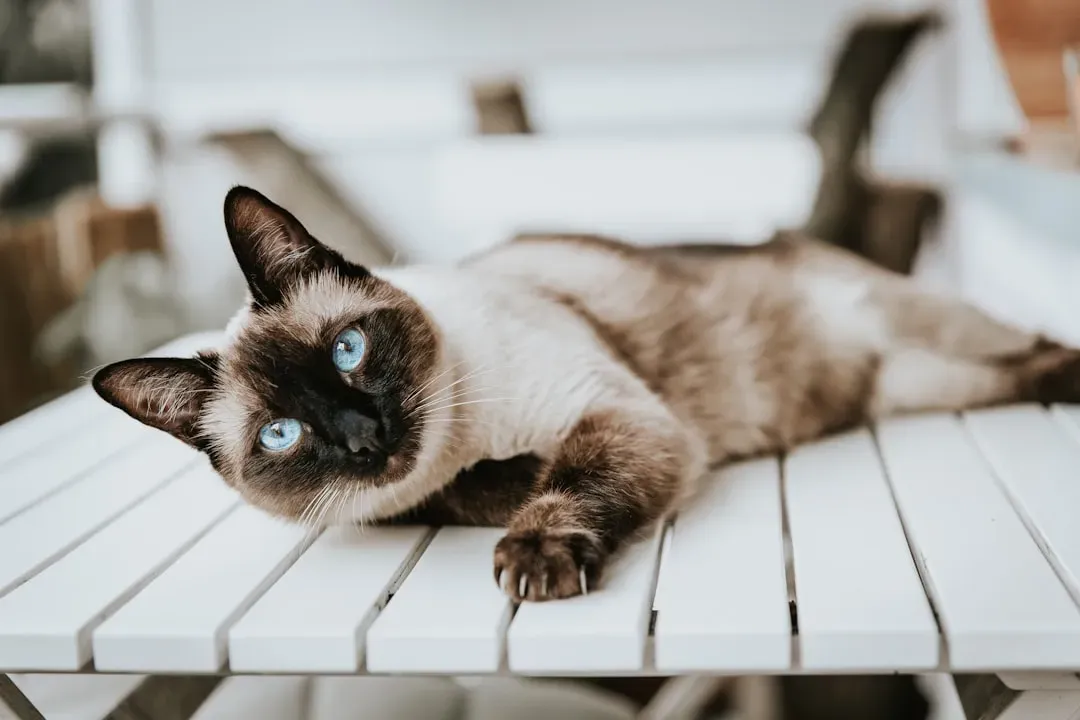
Highly intelligent and very vocal, the Siamese cat is a demanding cat breed who loves being the centre of attention. That’s putting it mildly. If you value peace and quiet, the Siamese is not your friend.
Their distinctive voice – loud, low, and almost hoarse – is part of the package. They’ll meow at you constantly. Morning, noon, and especially at three in the morning when they’ve decided it’s conversation time. They will demand your attention, express their dissatisfaction with you, or scold you for leaving them alone too long.
Due to their rather dependent nature and attachment to their person, Siamese often suffer from separation anxiety and may be better in pairs. If you work long hours and can’t provide near-constant companionship, you’re asking for behavioral problems. They often bond with a single family member, and they can turn aggressive if another person in the family tries to interrupt their snuggles.
It’s hard to say for sure, but I think Siamese cats are basically roommates who refuse to pay rent yet complain about everything. They’re affectionate and intelligent, sure, yet their neediness and noise levels can push even patient owners to the brink.
3. Savannah Cats: The Wild Child You Probably Shouldn’t Own
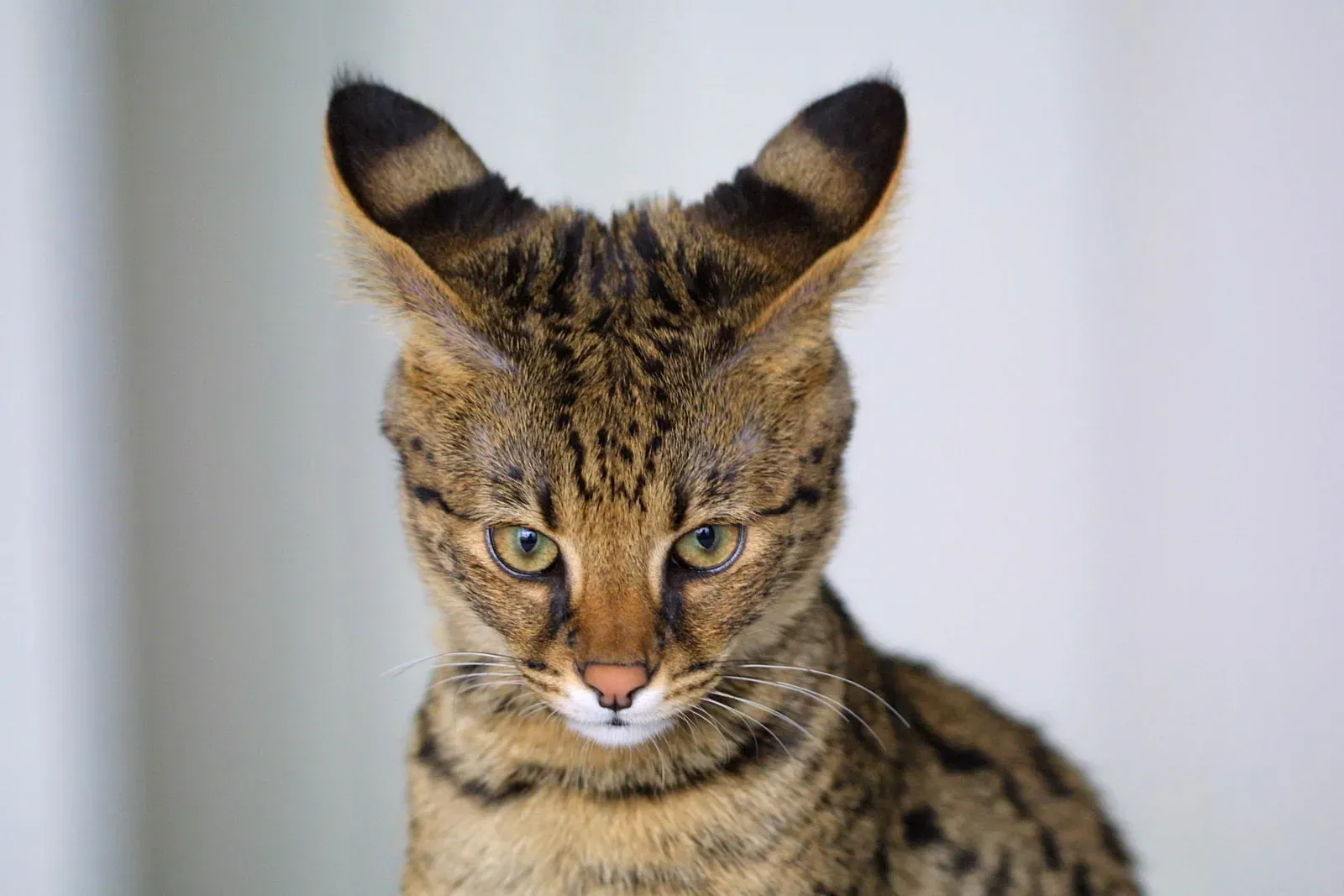
Savannah cats are a hybrid breed with wild ancestry, making them highly energetic and difficult to train, and they have a strong prey drive and require lots of space and enrichment. You know what that means? Your apartment is probably too small.
Savannah cats require more activity and care than some other breeds, and they’re easily bored and have lots of energy. They need ample mental and physical stimulation daily. The first consideration with the Savannah cat is that they are not legal to own in all areas due to their close relation to the African Serval. That’s right, before you even consider buying one, check your local laws.
They’re independent and aloof, and they’re best suited for owners who know how to give cats plenty of space. These cats aren’t cuddly lap warmers. They are considered high maintenance due to their high energy levels, need for mental stimulation, and regular grooming requirements.
Savannahs are more like having a wild animal on a leash than a traditional house cat. Unless you’re an experienced cat owner with tons of time, space, and patience, steer clear.
4. Maine Coons: The Gentle Giant with Giant Needs
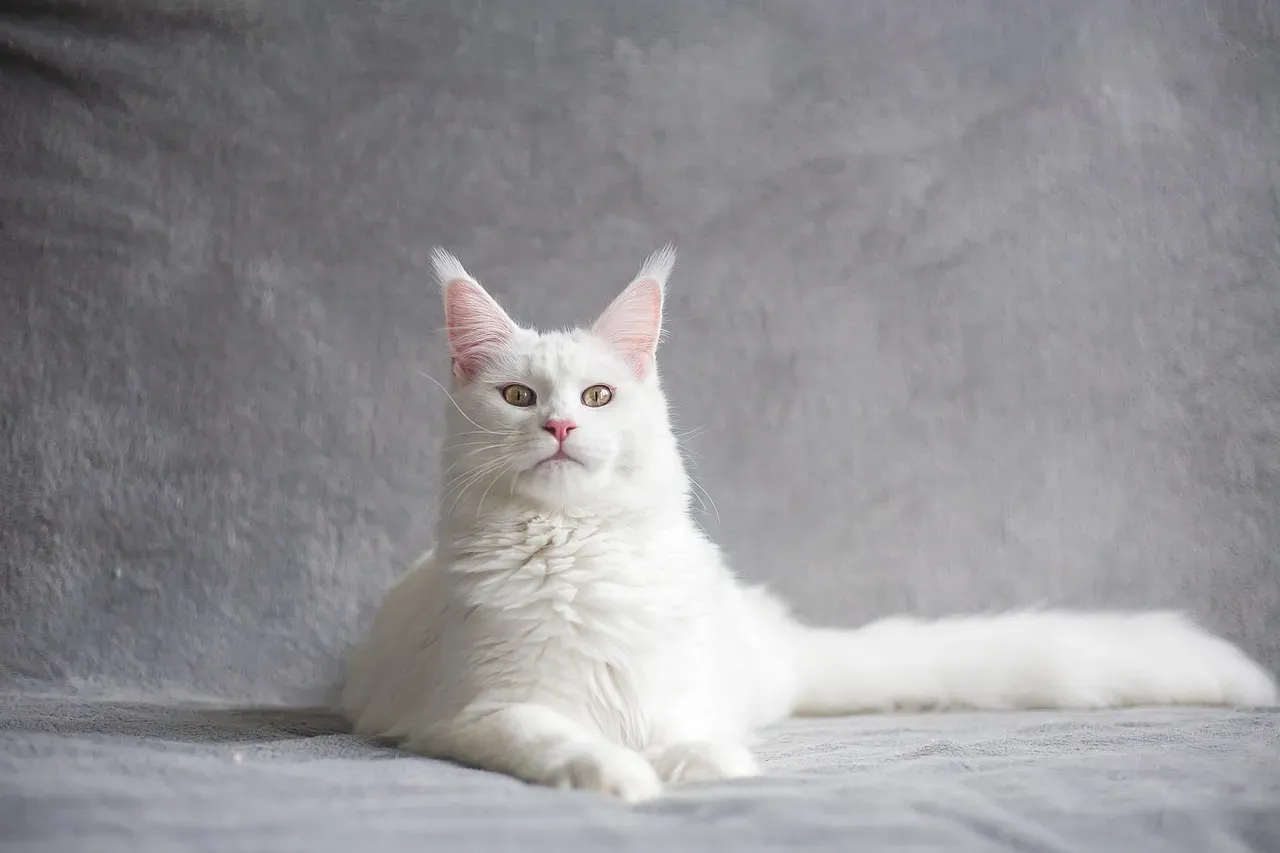
Maine Coons are one of the largest domesticated cat breeds, and their thick fur requires regular maintenance, and their playful nature can make them a handful. Don’t let their affectionate reputation fool you into thinking they’re low-maintenance.
The Maine Coon breed requires routine grooming to prevent matting and reduce their heavy shedding, and brushing your cat at home two to three times a week should do the trick. That’s a serious time commitment right there. Maine Coon cats shed up to two to three times more than other cat breeds due to their thick double coat.
Their sheer size also means larger litter boxes, bigger cat trees, and more space overall. Maine Coons are also at risk for hypertrophic cardiomyopathy, a heart condition that causes the walls of the heart to thicken. Regular vet visits become non-negotiable.
They’re wonderful cats for the right person, but if you’re unprepared for the grooming marathon and potential health complications, it’s easy to feel overwhelmed. I think they’re worth the effort, yet first-time owners might bite off more than they can chew.
5. Sphynx Cats: The Hairless Diva with High Maintenance
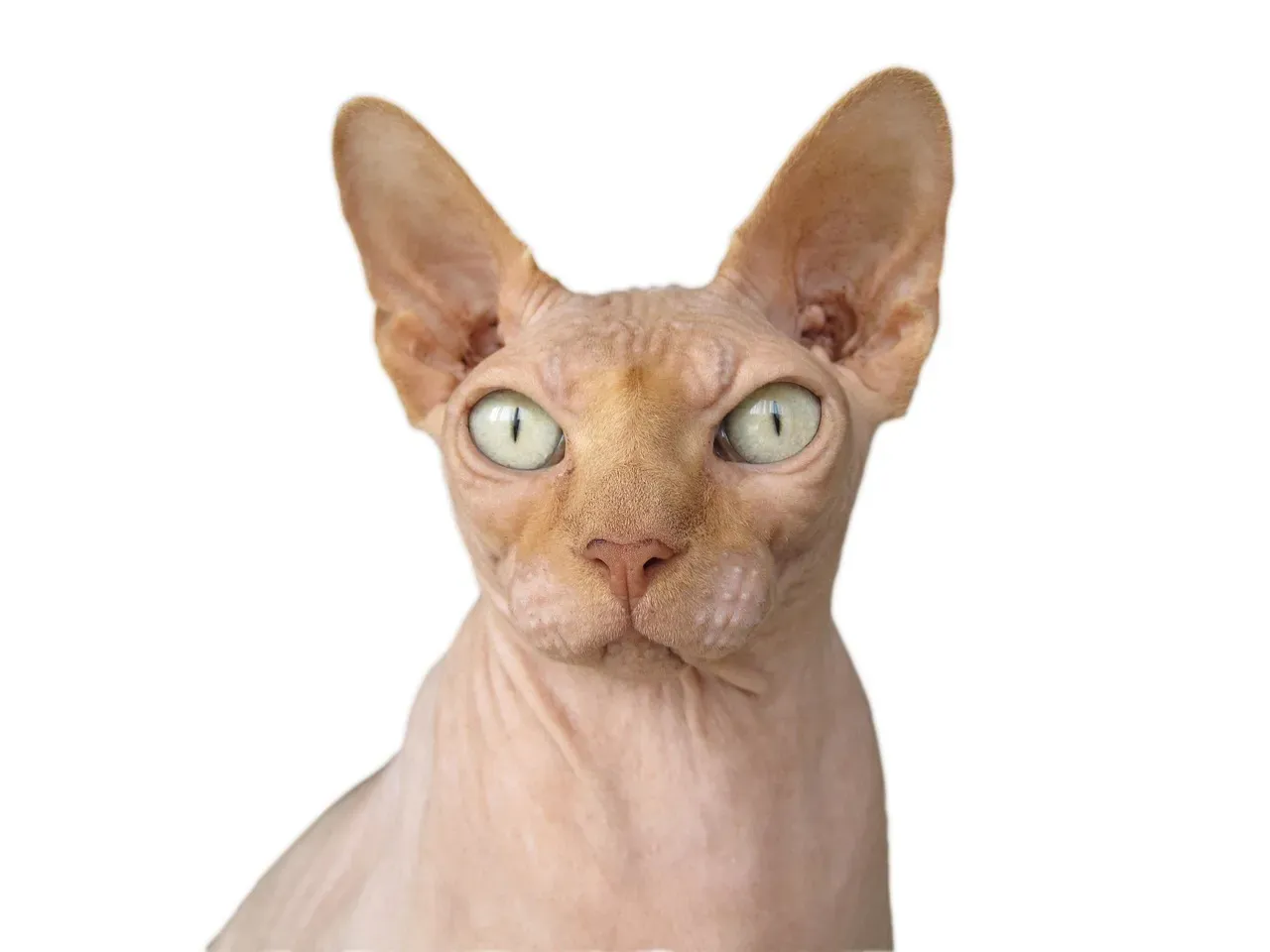
Their hairless bodies require frequent bathing to remove oil buildup from their skin, and they are highly social and crave constant attention. You’d think no fur means no grooming, right? Wrong.
These kitties are the epitome of high-maintenance, and their skin requires regular bathing to prevent oil buildup. Weekly baths are often necessary, and if you’ve ever tried bathing a cat that doesn’t want a bath, you know it’s no picnic. Plus, their lack of fur makes them sensitive to temperature extremes.
They are highly social and crave constant attention, which can be overwhelming for a first-time owner. Sphynx cats are affectionate to the point of being clingy. They’ll follow you everywhere, demand cuddles at all hours, and get genuinely upset if left alone for too long.
Let’s be real, if you wanted a pet that requires regular spa days and can’t handle solitude, you’d get a high-maintenance puppy. Sphynx cats are not the easy, independent feline you might be imagining.
6. Scottish Folds: The Adorable Heartbreaker
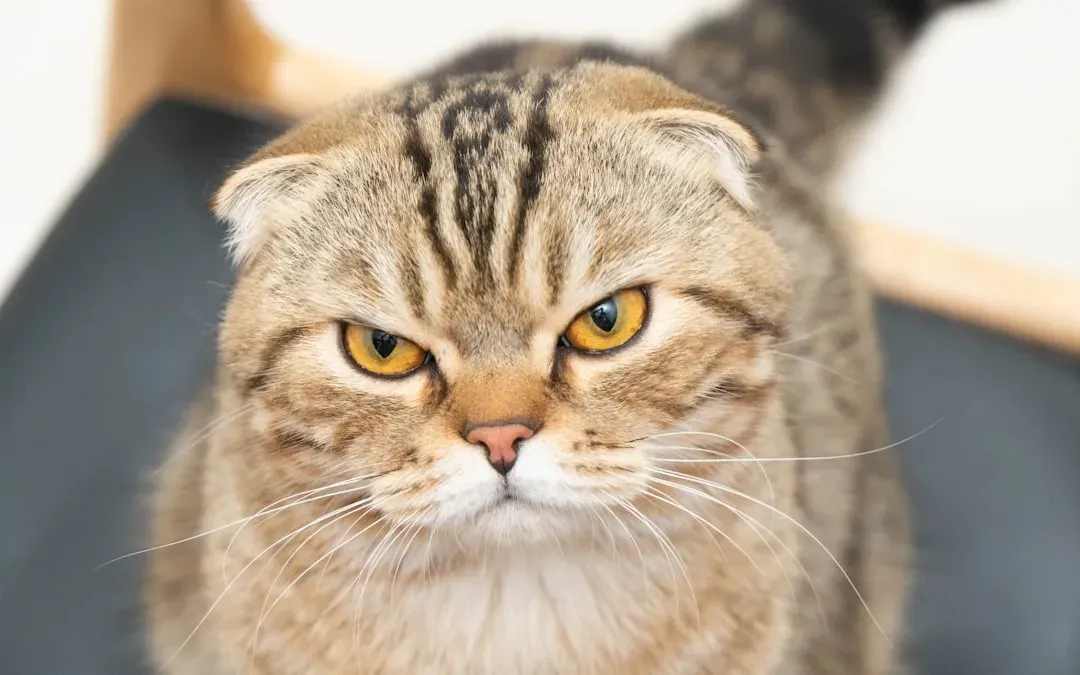
Scottish Folds are adorable with their folded ears, but they are prone to genetic health issues, particularly joint and cartilage problems, and owning one may lead to expensive vet bills. Those cute folded ears? They’re actually caused by a genetic mutation that can bring serious health complications.
Scottish Folds bond with a single family member at the expense of everyone else. That’s a recipe for jealousy and potential aggression in multi-person households. They tend to bond with only one or two people, showing extreme preference toward these people and avoiding others, and they are unsuitable for homes with other pets.
Their health issues can be heartbreaking and costly. Joint problems often emerge as they age, leading to chronic pain and mobility issues. First-time owners may not be prepared for the emotional and financial toll this brings.
It’s tempting to adopt based on looks alone, yet with Scottish Folds, you’re potentially signing up for a lifetime of veterinary interventions. That’s a heavy responsibility.
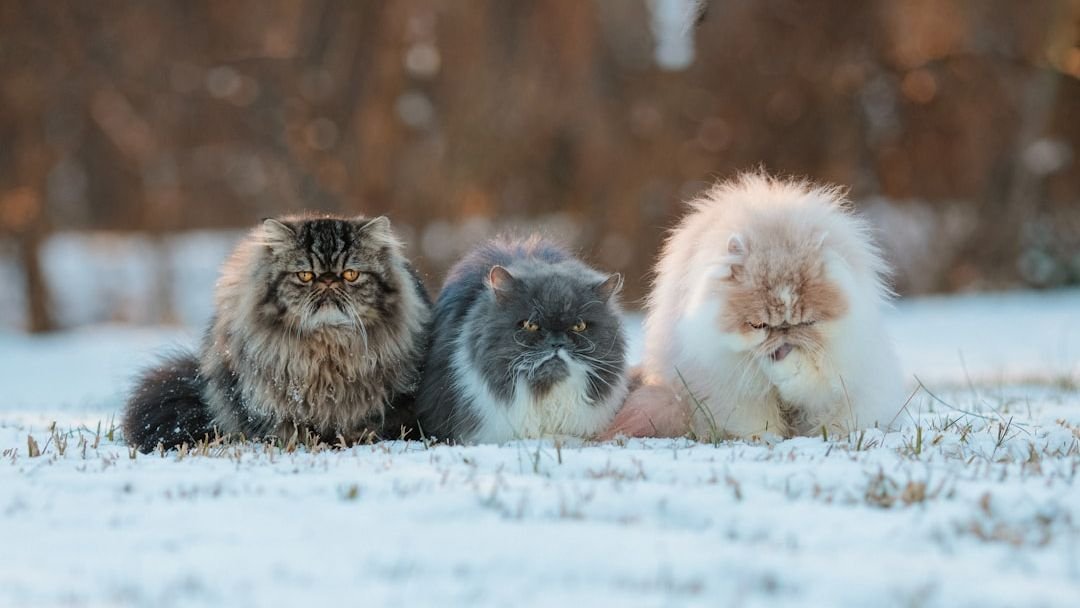
7. Persian Cats: The Luxurious Fluffball with Daily Demands
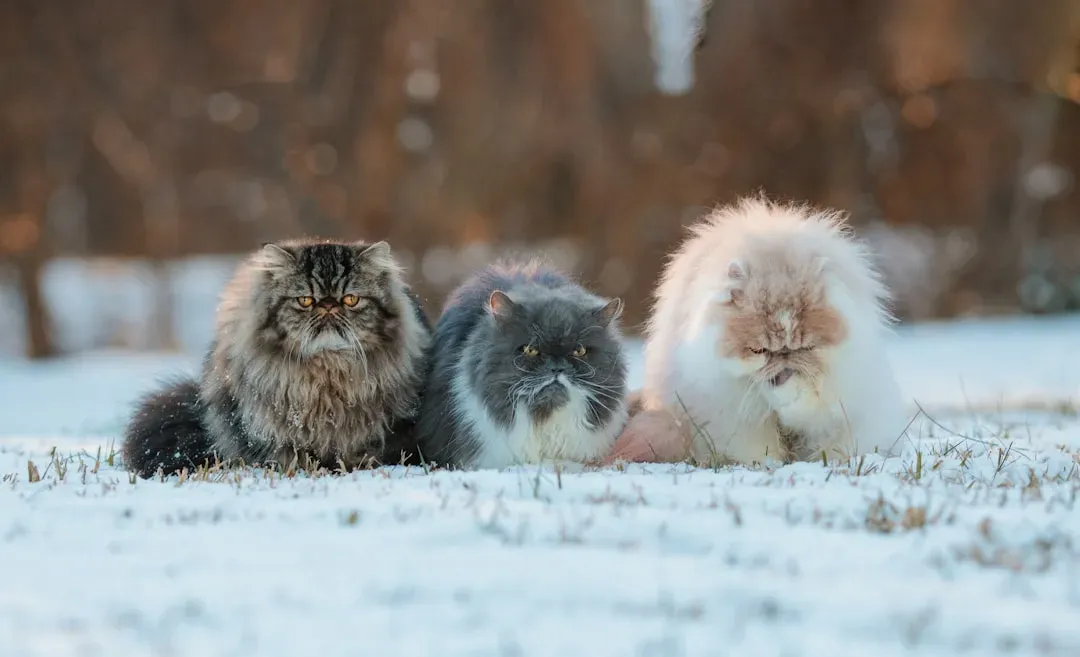
Persians are known for their luxurious long coats, but that beauty comes at a cost, as they require daily grooming to prevent matting and excessive shedding, and they are prone to respiratory issues due to their flat faces. Daily grooming isn’t optional with Persians. Miss a day, and you’ll be dealing with painful mats and tangles.
Their flat faces also make them vulnerable to breathing difficulties, eye discharge, and overheating. They have more of the allergy-causing protein in their fur than any other breed, so expect lots of red eyes and sniffles. That’s tough if anyone in your household has allergies.
Persians are sweet and affectionate, yet they’re also high-maintenance divas. They need calm, quiet environments and aren’t suited to chaotic households with young children or rambunctious pets. If you’re unprepared for the commitment, their stunning beauty can quickly become a burden.
Honestly, they’re beautiful cats, but they demand a level of care that can feel like a part-time job. First-time owners often underestimate just how much effort goes into maintaining that glamorous coat.
8. Turkish Van and Turkish Angora: The Energetic Troublemakers
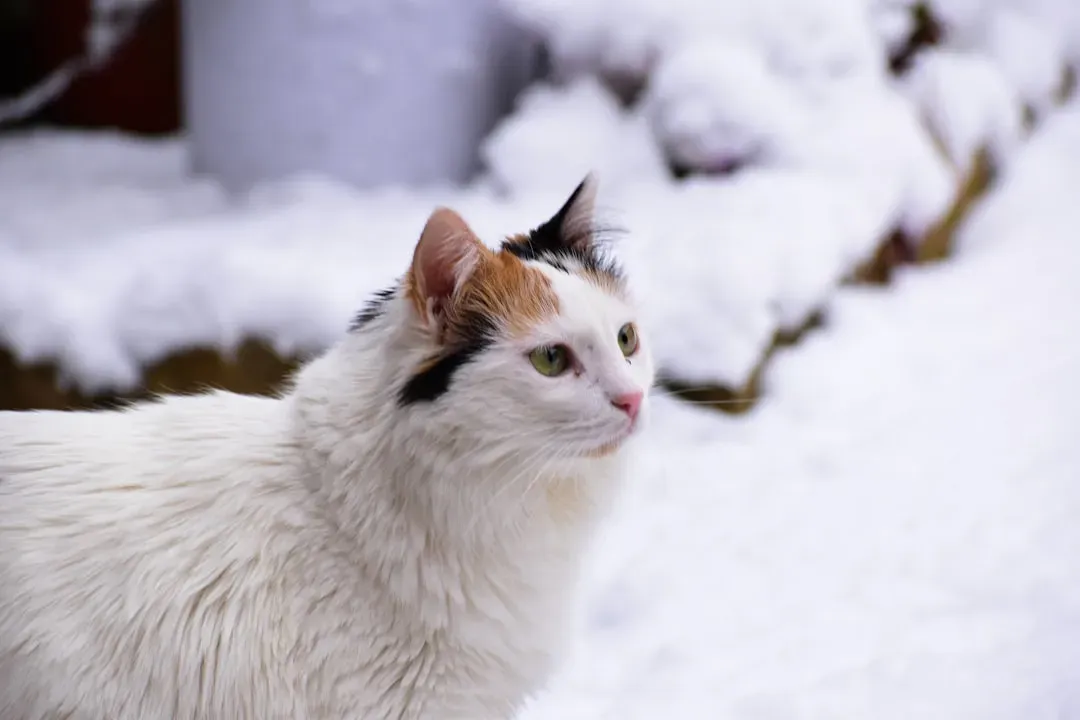
The Turkish Van is an uncommon cat known for their fun-loving nature and high level of intelligence, and they can be needy and require a lot of attention from their owners, and they are social and do not do well when left alone. These breeds are bundles of energy wrapped in gorgeous, fluffy packages.
One study put Turkish Vans at the top of the list for aggression toward other animals and people, and as time has passed, some of this aggression has been bred out, but they still require plenty of time and attention. They’re not lap cats. They’re active, athletic, and can be destructive when bored.
The Turkish Angora is another uncommon cat breed known for their mischievous but loyal and loving nature, and they are social with their people and are known as athletic cats that require lots of playtime, and they are intelligent and good at solving problems. Translation: they’ll get into everything.
Both breeds need experienced owners who understand how to channel their energy positively. If you’re not prepared for daily interactive play and enrichment, these cats will find their own entertainment, and you probably won’t like what they come up with.
Conclusion
Choosing your first cat is exciting, yet it’s crucial to match the breed to your lifestyle and experience level. The breeds we’ve covered are absolutely wonderful companions for the right person. Still, they’re challenging for first-timers who may not anticipate the grooming marathons, constant vocalizations, high energy levels, or potential health complications.
If you’re new to cat ownership, consider starting with a more easygoing breed like a Ragdoll or British Shorthair. Research thoroughly, meet the breed in person if possible, and be honest about how much time and energy you can realistically commit.
Every cat deserves a loving home where their needs can be met. By choosing wisely, you’re setting yourself and your future feline friend up for years of happiness together. So, what do you think? Did any of these breeds surprise you, or do you have experience with a challenging breed? Share your story in the comments below!


