
Let’s be honest. When we think about getting a dog, we usually focus on the adorable puppy photos and heartwarming reunion videos. We imagine endless walks, cuddles on the couch, and a loyal companion who’s always thrilled to see us walk through the door. What we don’t always consider, though, are the breed tendencies that might cause problems down the road. Some dogs have behavioral traits hardwired into their genetics, tendencies toward aggression that well-meaning owners often overlook until it becomes a serious issue. I’m not here to scare anyone away from adopting, but understanding what you’re truly signing up for is part of being a responsible dog lover. So let’s dive in.
Chihuahuas: Small Size, Big Attitude
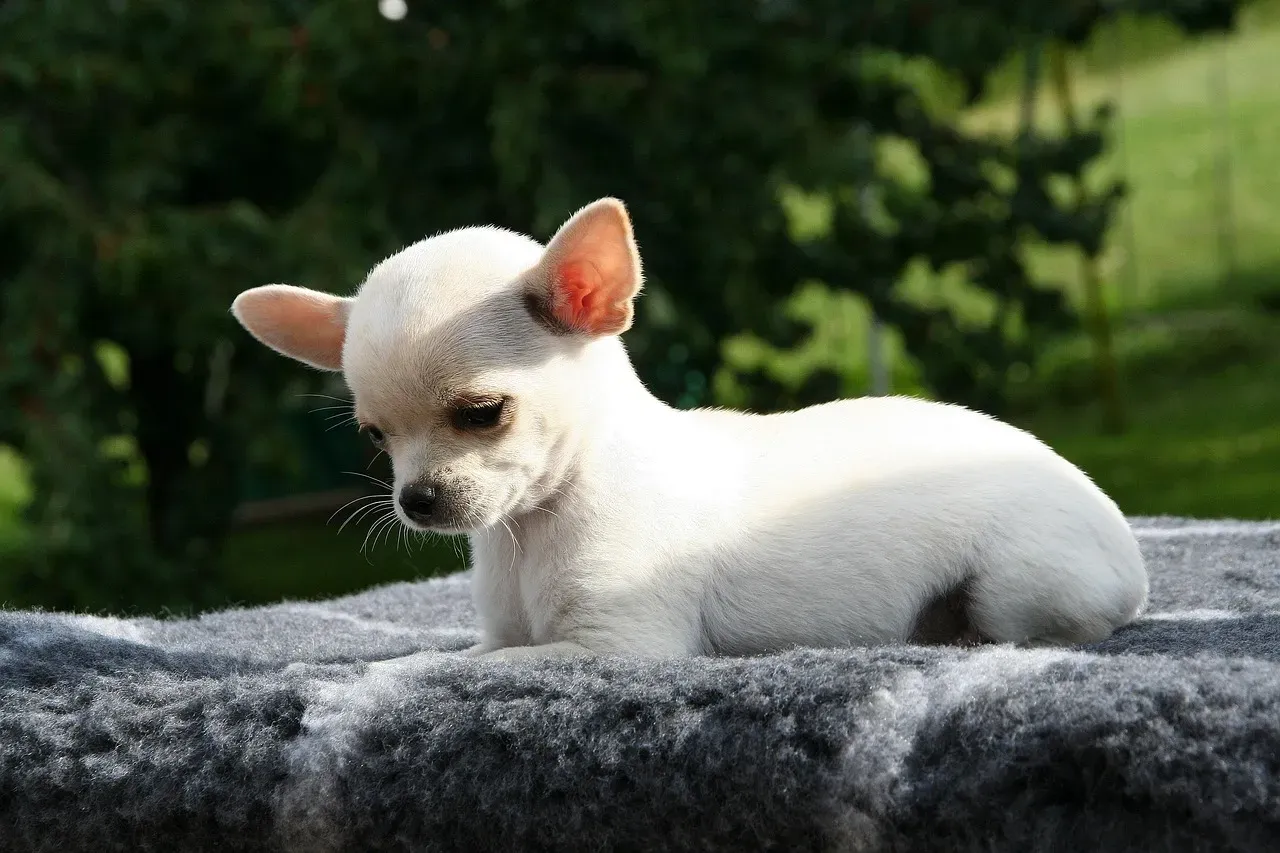
Chihuahuas might fit in your handbag, but their temperament can be surprisingly fierce. Studies have found that Chihuahuas are often reported as being the most aggressive, especially towards larger dogs they haven’t seen before. People tend to laugh off growling or snapping from such a tiny creature, but that’s exactly the problem. When owners don’t take their Chihuahua’s behavior seriously, these little dogs never learn boundaries.
Often, guardians think small dogs don’t need the training and social interactions that larger dogs do, but they actually do, and when Chihuahuas aren’t trained or well socialized, they don’t know what’s acceptable behavior and what’s not. Their aggression often stems from fear or feeling overwhelmed. Without proper socialization from puppyhood, Chihuahuas can become reactive to strangers, children, and other animals. Don’t let their size fool you into thinking aggressive behavior is cute or harmless.
Pit Bull Terriers: Misunderstood But Powerful
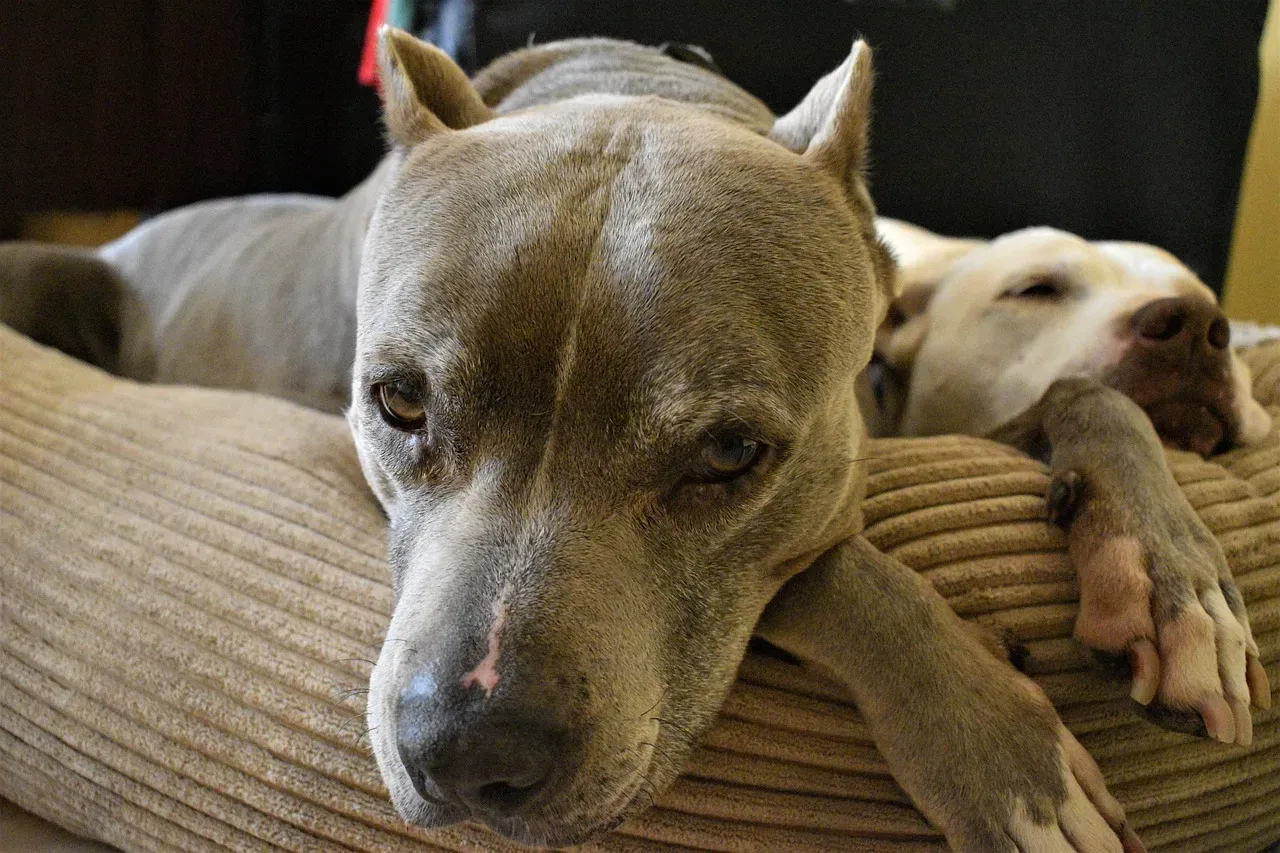
Here’s where things get complicated. The most dog bites by breed come from pit bulls, accounting for 22.5% of dog bites in the United States every year, and pit bull bites also tend to cause more severe injuries than other dogs. That’s a fact backed by statistics. Yet pit bulls can also be incredibly loving and loyal family companions when properly raised and trained.
Studies have shown that pit bulls’ aggression is largely due to their living conditions, and they aren’t necessarily naturally dangerous dogs. The problem is that these dogs require experienced owners who understand their strength and potential. Too many people adopt pit bulls without truly understanding what it takes to train and socialize them properly. Their powerful jaws mean that when things go wrong, the consequences can be severe. Responsible ownership is absolutely critical with this breed.
Dachshunds: The Feisty Sausage Dog
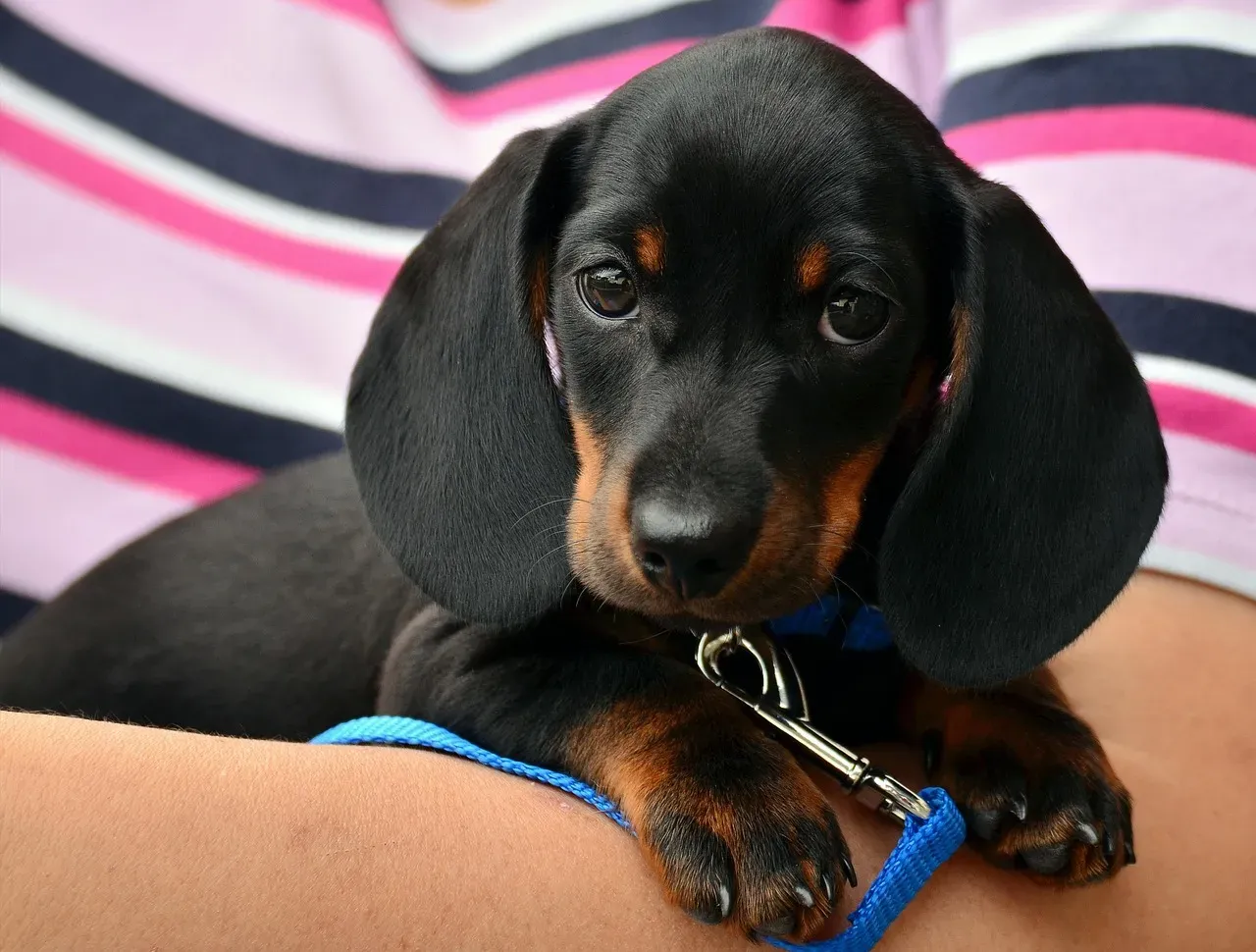
You might be surprised to see Dachshunds on this list, but these elongated bundles of personality have earned their spot. Smaller dog breeds, like the dachshund, were found to show the most aggression toward strangers through snaps and bites, with one-fifth of all dachshunds in studies receiving the maximum score for aggression. That’s higher than many breeds typically considered dangerous.
Dachshunds aren’t only aggressive toward strangers; they were also found to be the second most aggressive dog breed toward their owners. These dogs were originally bred to hunt badgers, which required tenacity and fearlessness. That hunting drive hasn’t disappeared just because they’ve become family pets. Without proper training and socialization, that feisty temperament can manifest as aggression. The problem is that owners often dismiss the behavior because dachshunds are small and seem harmless.
Rottweilers: Guardian Instincts Gone Wrong

Rottweilers were bred to be working dogs, guarding livestock and pulling carts. That protective instinct runs deep. As large and muscular guard dogs, they are known for their protective instincts which can turn into aggression if they perceive a threat, and Rottweilers account for around 10 percent of fatal dog attacks annually due to their strength. When raised by inexperienced owners who don’t establish clear boundaries, Rottweilers can become overly territorial.
The key issue with Rottweilers is that their size and strength make any aggressive incident extremely serious. A poorly socialized Rottweiler can view strangers, other dogs, or even family friends as threats. These dogs need consistent training from puppyhood, plenty of socialization, and an owner who can provide firm but loving leadership. Without that structure, their natural guarding instincts can spiral into dangerous aggression.
Jack Russell Terriers: Energy Turned Volatile
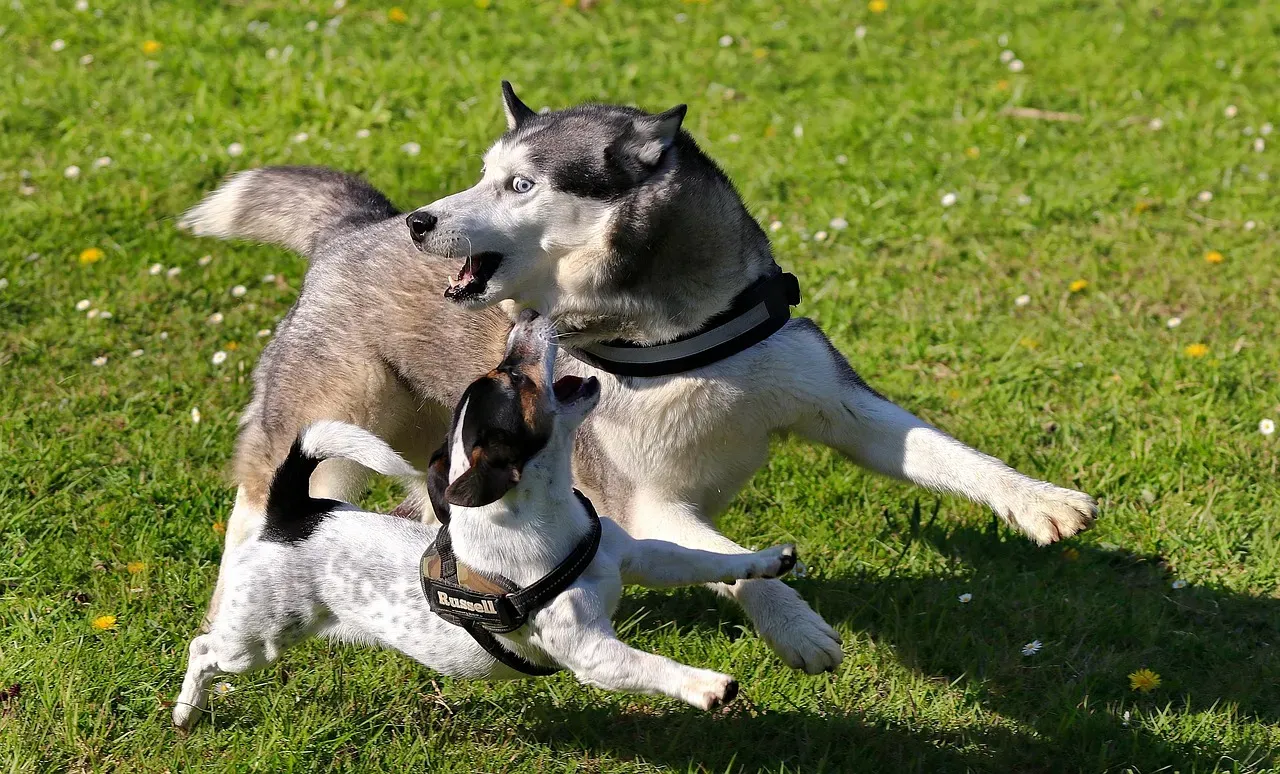
Jack Russells are bundles of pure, concentrated energy. They’re intelligent, athletic, and were bred for hunting. If Jack Russells feel cornered, fearful, or uncertain, their innate form of protection is to be aggressive, and most behavioral problems are due to a lack of companionship, discipline, activity, and exercise. This is where many owners fail them.
When Jack Russells don’t get enough physical and mental stimulation, that energy has to go somewhere. It often manifests as destructive behavior or aggression. These dogs need jobs to do, puzzles to solve, and plenty of exercise. They’re not couch potatoes, and they won’t tolerate boredom. Owners who adopt Jack Russells without understanding their intense needs often end up with a reactive, snappy dog who’s simply frustrated.
German Shepherds: Loyal Protectors or Liability?
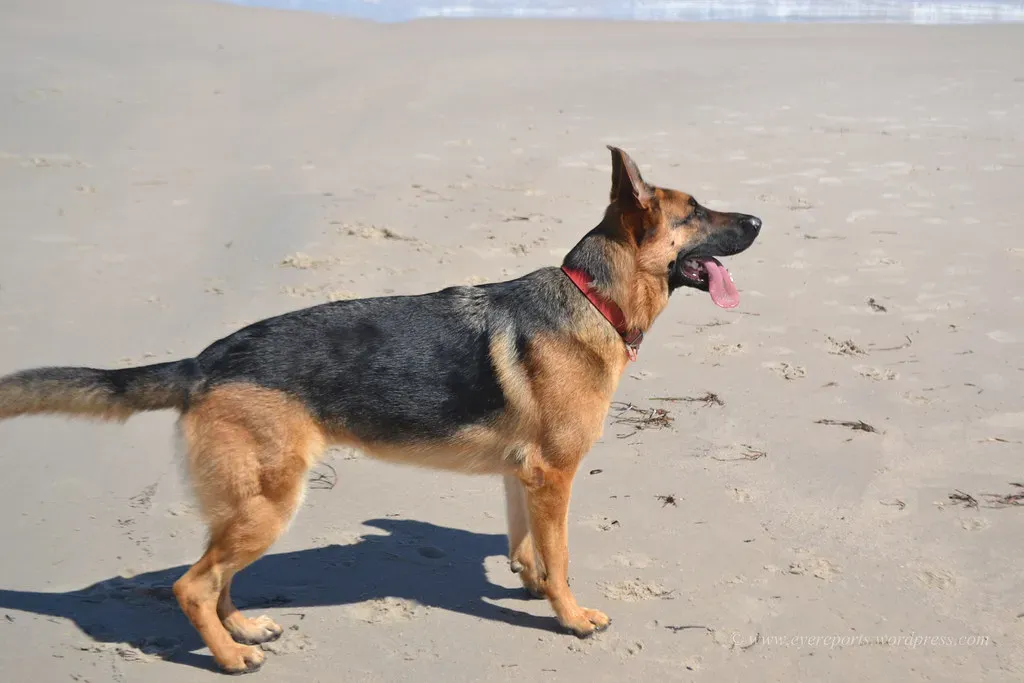
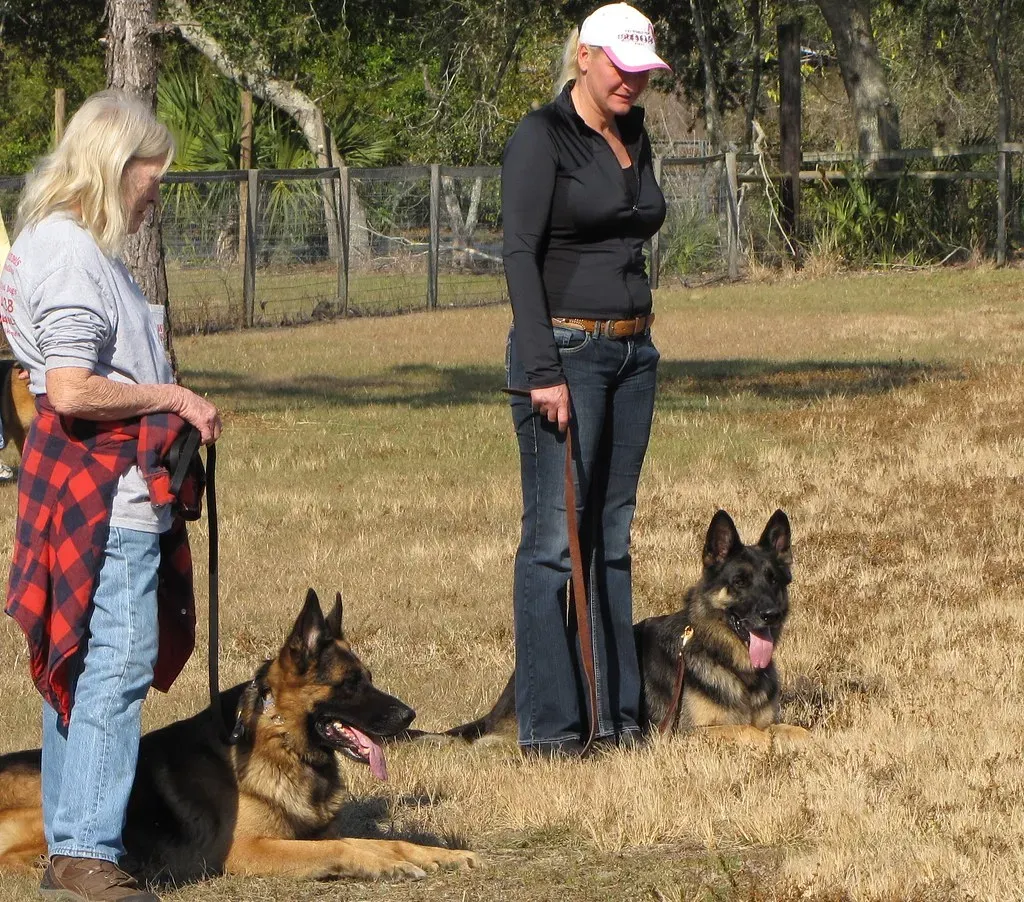
German Shepherds are one of the most popular breeds in the world, prized for their intelligence and loyalty. They’re used extensively in police and military work. Because they can be aggressive to protect themselves and others, German shepherds are common choices for police and military roles, and without proper training, a German shepherd’s protective instincts can quickly turn hostile toward strangers. That’s the double-edged sword of this breed.
Their protective nature can sometimes make them aggressive dogs if they are not properly trained or socialized, and while not responsible for as many fatalities as pit bulls or Rottweilers, German shepherds are still considered a high-risk dog breed. The problem arises when families adopt German Shepherds for their reputation without putting in the training work. These dogs need to learn the difference between actual threats and normal household visitors. Without that guidance, they can become overly reactive and dangerous.
Doberman Pinschers: Sleek But Serious
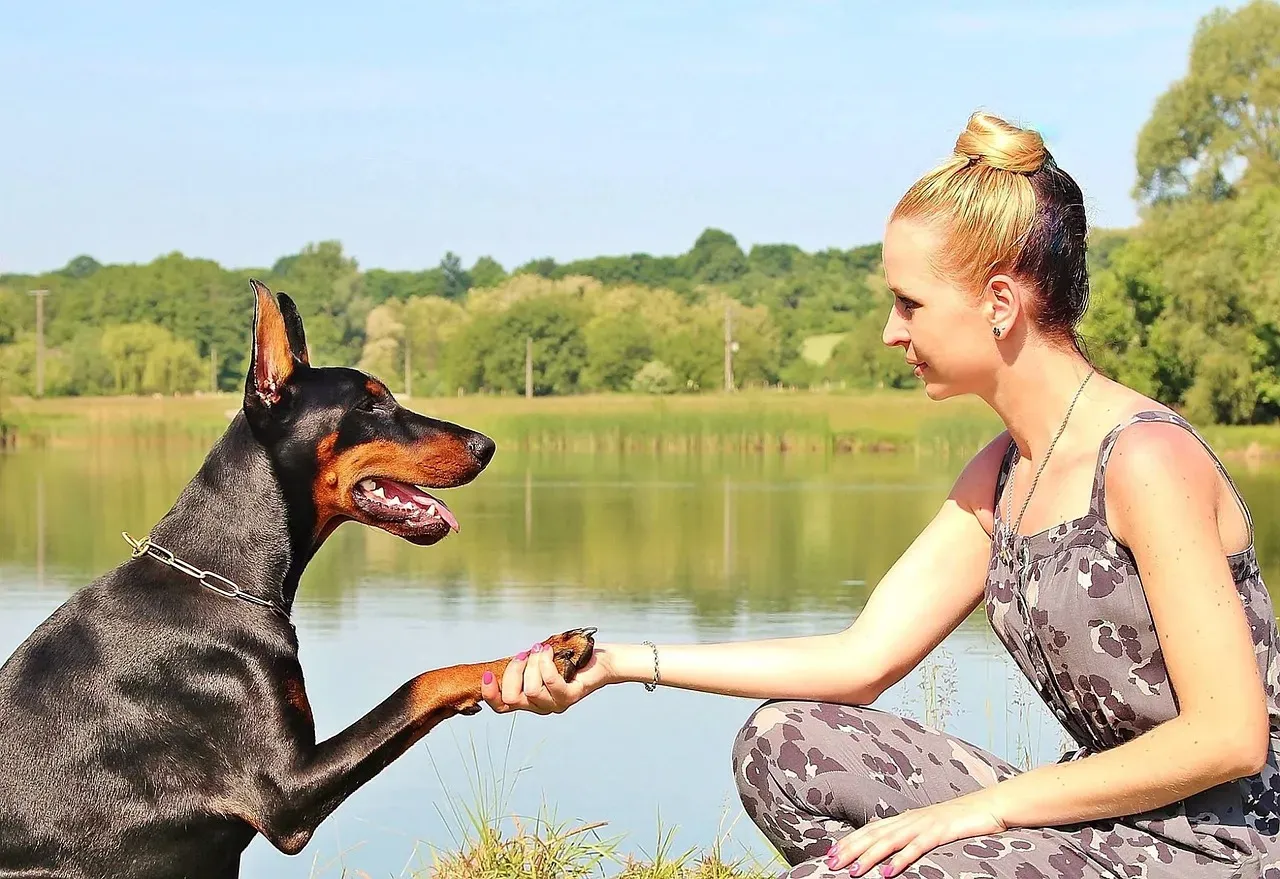
Dobermans have a reputation as guard dogs for good reason. This large breed developed in Germany is among the most intelligent, tenacious, and energetic of guard dogs, and Doberman Pinschers can become aggressive, especially with strangers, if not trained properly. Their athletic build and alertness make them excellent protectors when properly trained.
The issue is that Dobermans bond intensely with their families and can become overly protective. Without early socialization and consistent training, they may view anyone outside the immediate family as a potential threat. Their intelligence means they learn quickly, but it also means they can develop bad habits just as fast. Owners need to establish themselves as calm, confident leaders from day one.
Chow Chows: The Stubborn Fluffball
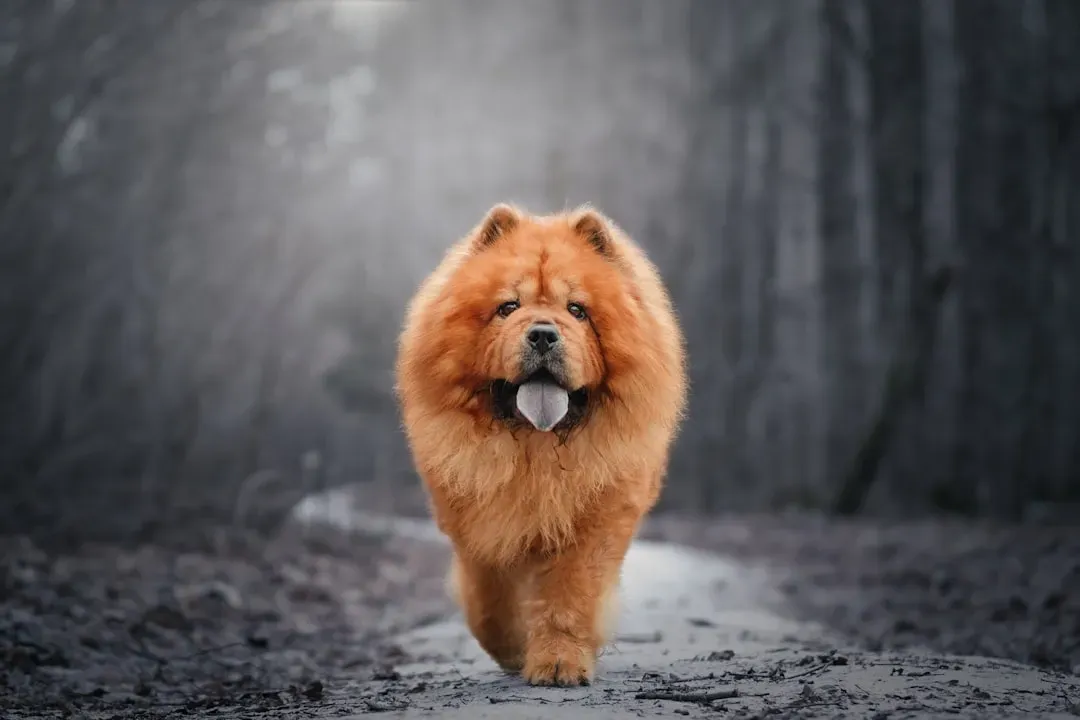
Don’t let that teddy bear appearance fool you. The Chow Chow might look like a cuddly teddy bear, but this breed is known for being highly territorial and independent, responsible for a surprising number of dog bite injuries, and their stubborn nature makes them difficult to train. These dogs were bred in China as guard dogs and hunters, and they retain that aloof, protective temperament.
Chow Chows don’t typically display the eager-to-please attitude that makes other breeds easier to train. They’re independent thinkers who can be downright stubborn. Without proper socialization during puppyhood, they become suspicious of strangers and can react aggressively when feeling threatened. Many owners are unprepared for just how challenging these beautiful dogs can be to manage.
Cane Corsos: The Italian Mastiff Challenge
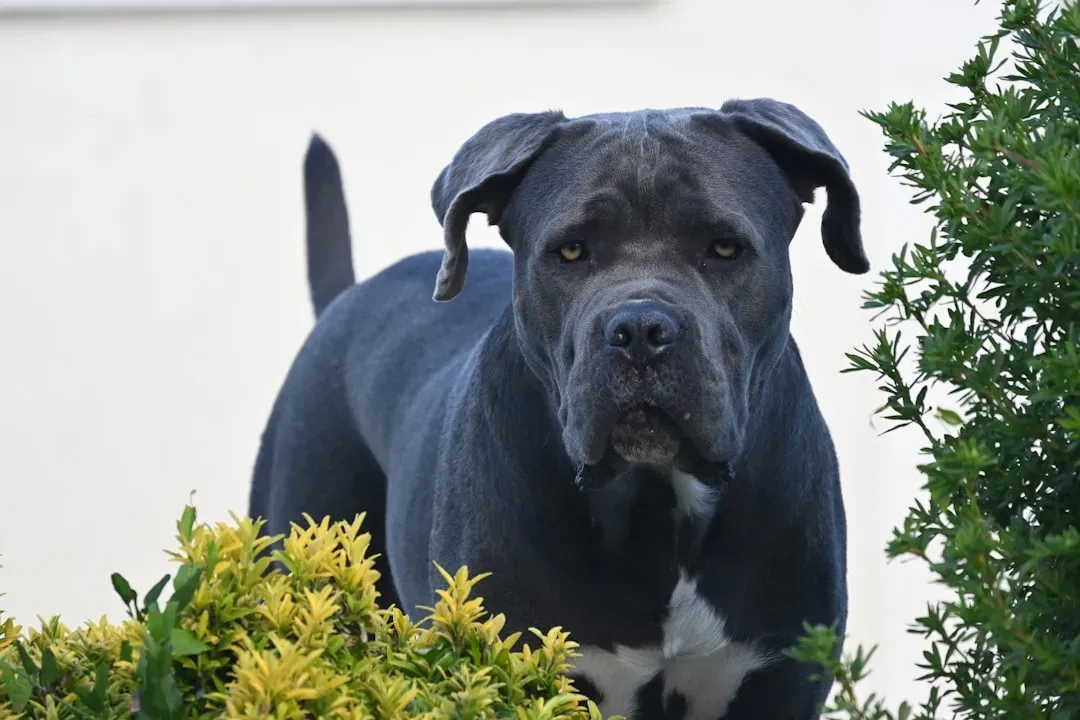
Cane Corsos are massive, powerful dogs bred as guard dogs and hunters. The Cane Corso is a breed that has been used for hunting because of their aggressive nature, and Cane Corsos are highly unlikely to be friendly with strangers. These dogs take their protective duties seriously, and in the wrong hands, that can become a major problem.
The sheer size and strength of a Cane Corso means that any aggressive incident can have catastrophic consequences. They require experienced owners who can provide firm, consistent training and extensive socialization. These aren’t dogs for first-time owners or families looking for a casual pet. Without proper management, their natural wariness of strangers can quickly escalate into territorial aggression.
Siberian Huskies: Beauty With a Wild Side
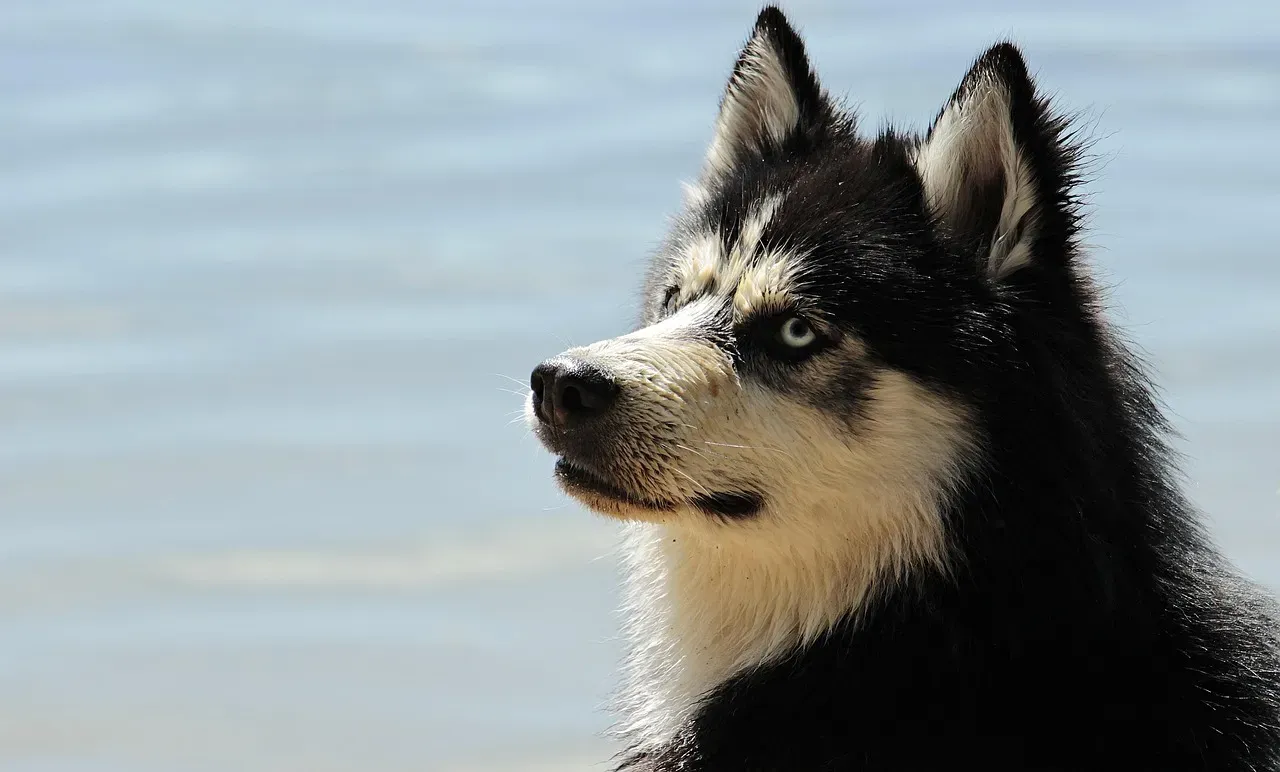
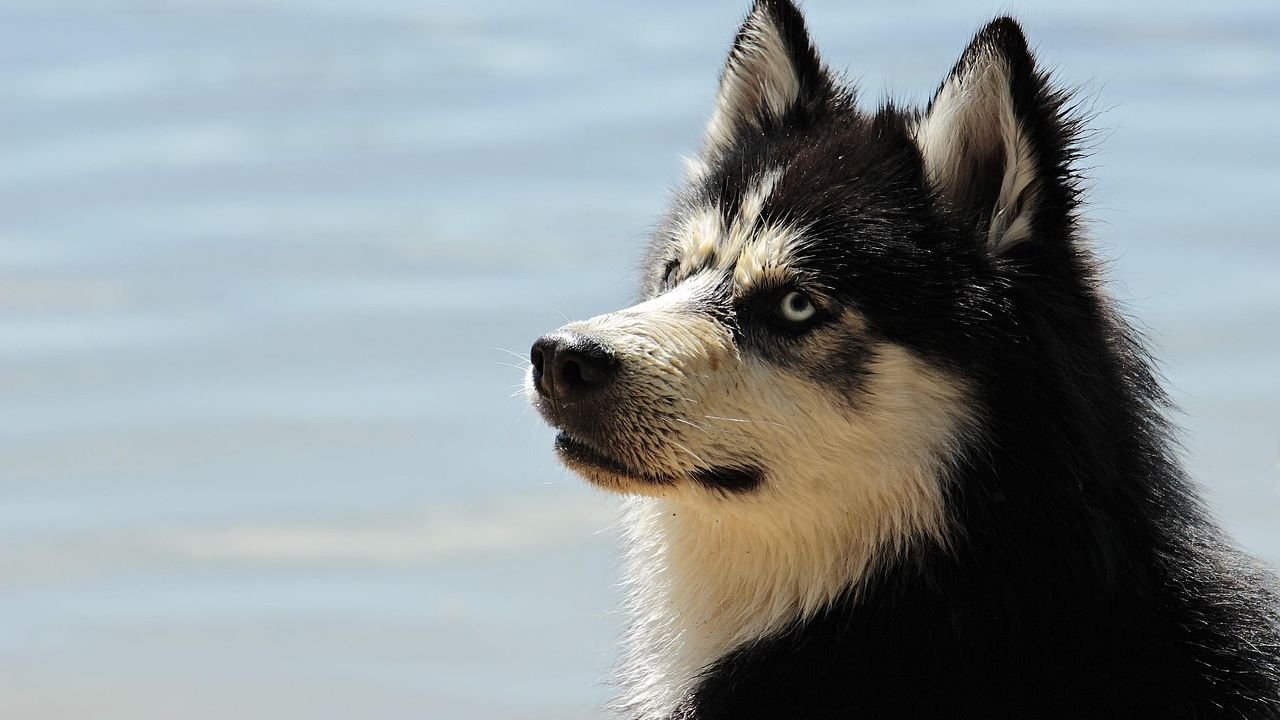
Huskies are gorgeous, with those striking blue eyes and wolf-like appearance. Alaskan malamutes and Siberian huskies are large, energetic dogs bred for endurance and strength, involved in a number of dog bite incidents each year, and their strong-willed nature can make them difficult to control without consistent training. People adopt them for their looks without realizing how challenging they are to manage.
Huskies have strong prey drives and pack instincts. They can be aggressive toward smaller animals and sometimes toward other dogs, especially when establishing dominance. Their independent nature means they’re not always obedient, and they require experienced handlers. The bigger issue is that many husky owners don’t provide adequate exercise, leading to frustration and behavioral problems, including aggression.
Cocker Spaniels: The Unexpected Biter
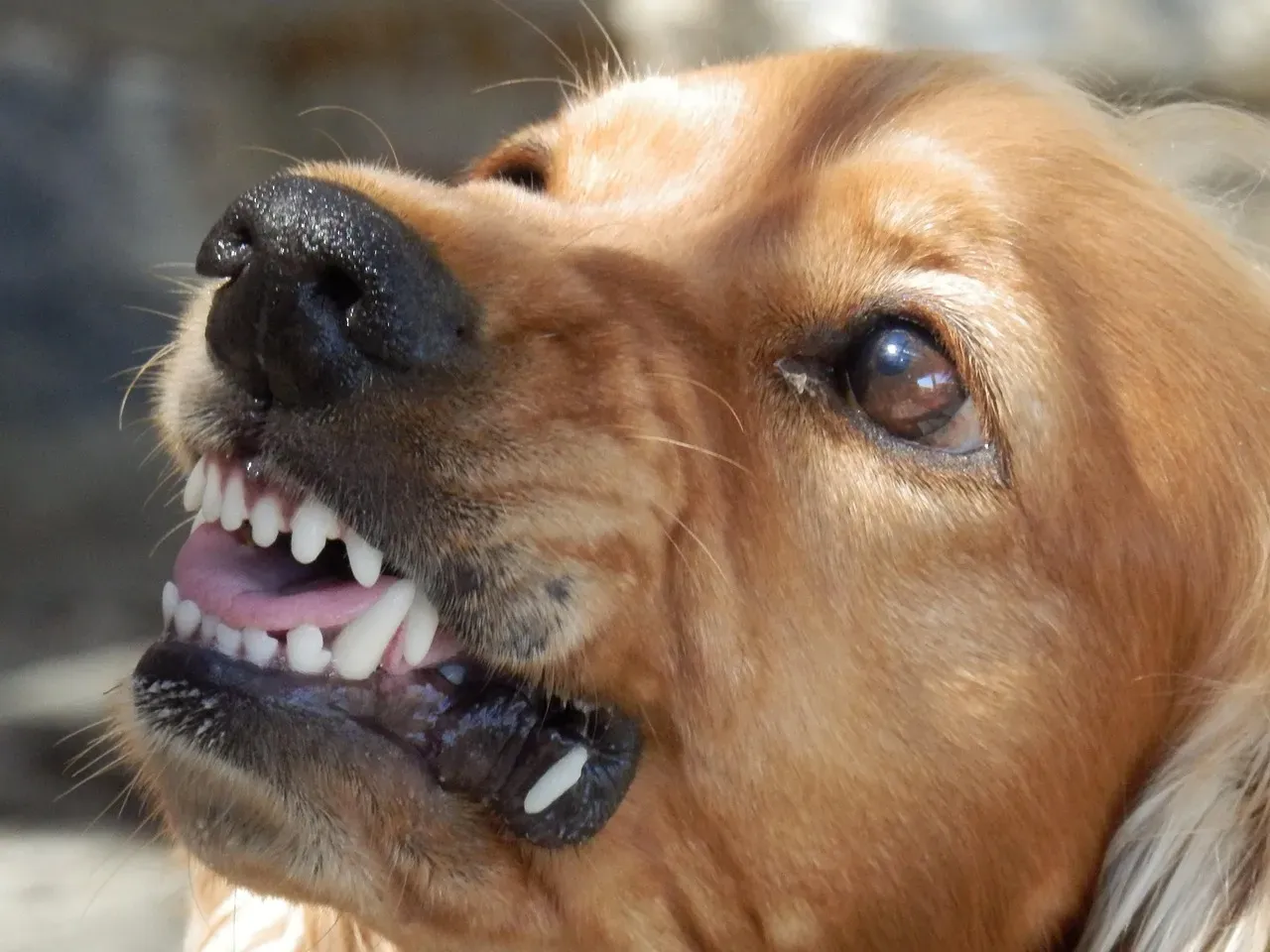
This might surprise you. Cocker Spaniels have a reputation as sweet family dogs. Cocker Spaniels might surprise some people by showing up on a likely to bite list, though they’re often seen as sweet family pets, multiple studies have noted spaniels among breeds frequently involved in bites, and back in the 1980s and 90s, there were many recorded bite incidents involving them, enough that some researchers identified unpredictable aggression seen in some poorly bred lines.
The problem with Cocker Spaniels stems largely from poor breeding practices. When popularity surged decades ago, backyard breeders produced dogs without regard for temperament, leading to genetic behavioral issues. While not as common today, aggression in Cocker Spaniels can still occur, particularly when they feel cornered or frightened. Owners need to watch for warning signs and address them early rather than dismissing concerning behavior as out of character.
Beagles: The Friendly Face With Hidden Issues
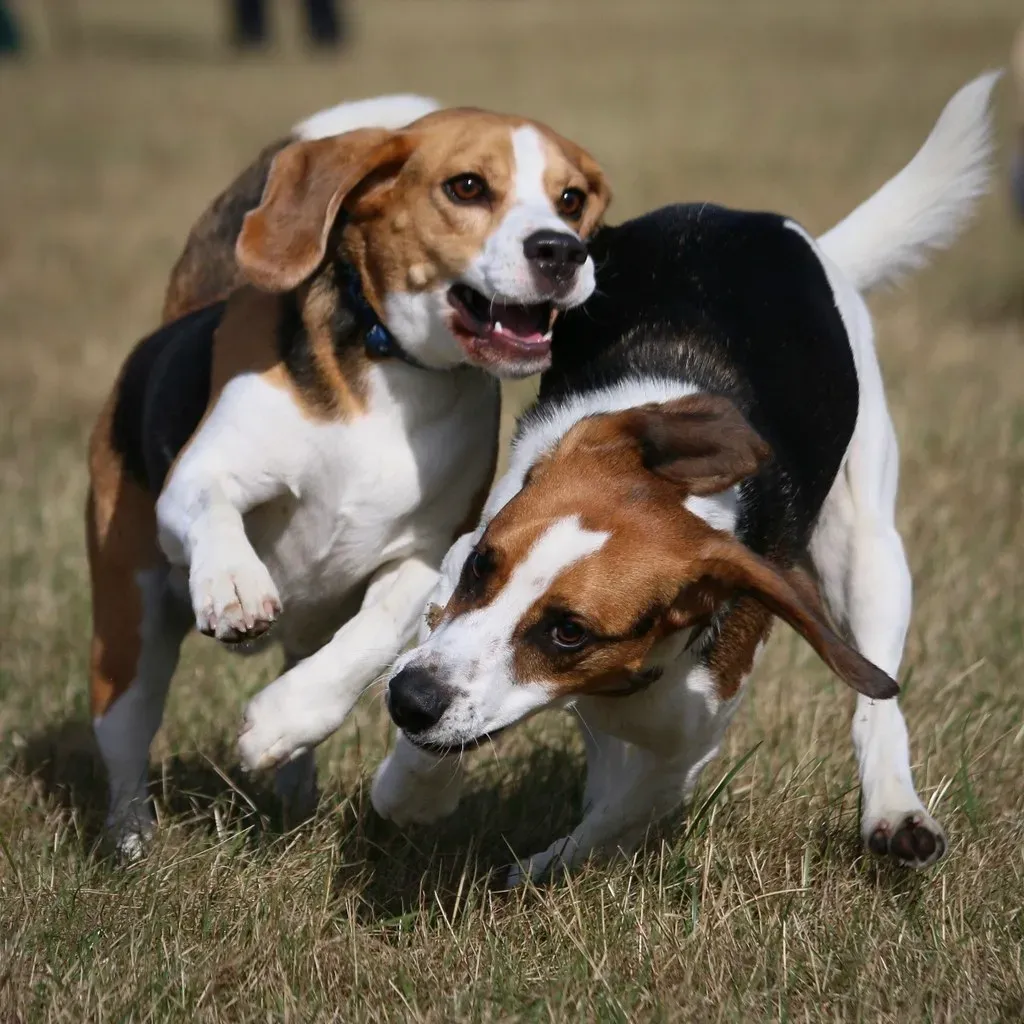
Beagles are often thought of as gentle, family-friendly dogs. They’re adorable and generally good-natured. However, smaller dog breeds were found to be the most aggressive toward their owners, with beagles coming out on top, as 7.9% of beagles in studies earned the highest aggression score, and dachshunds were the second most aggressive toward owners. That’s a statistic many potential beagle owners never see coming.
Beagles were bred as hunting dogs with strong pack instincts. When those instincts aren’t properly managed, or when beagles don’t receive adequate training and socialization, they can become possessive or reactive. Their stubbornness can also make training challenging. Many owners adopt beagles thinking they’re getting an easy, low-maintenance pet, then find themselves unprepared when behavioral issues emerge.
Understanding Early Life Trauma and Aggression
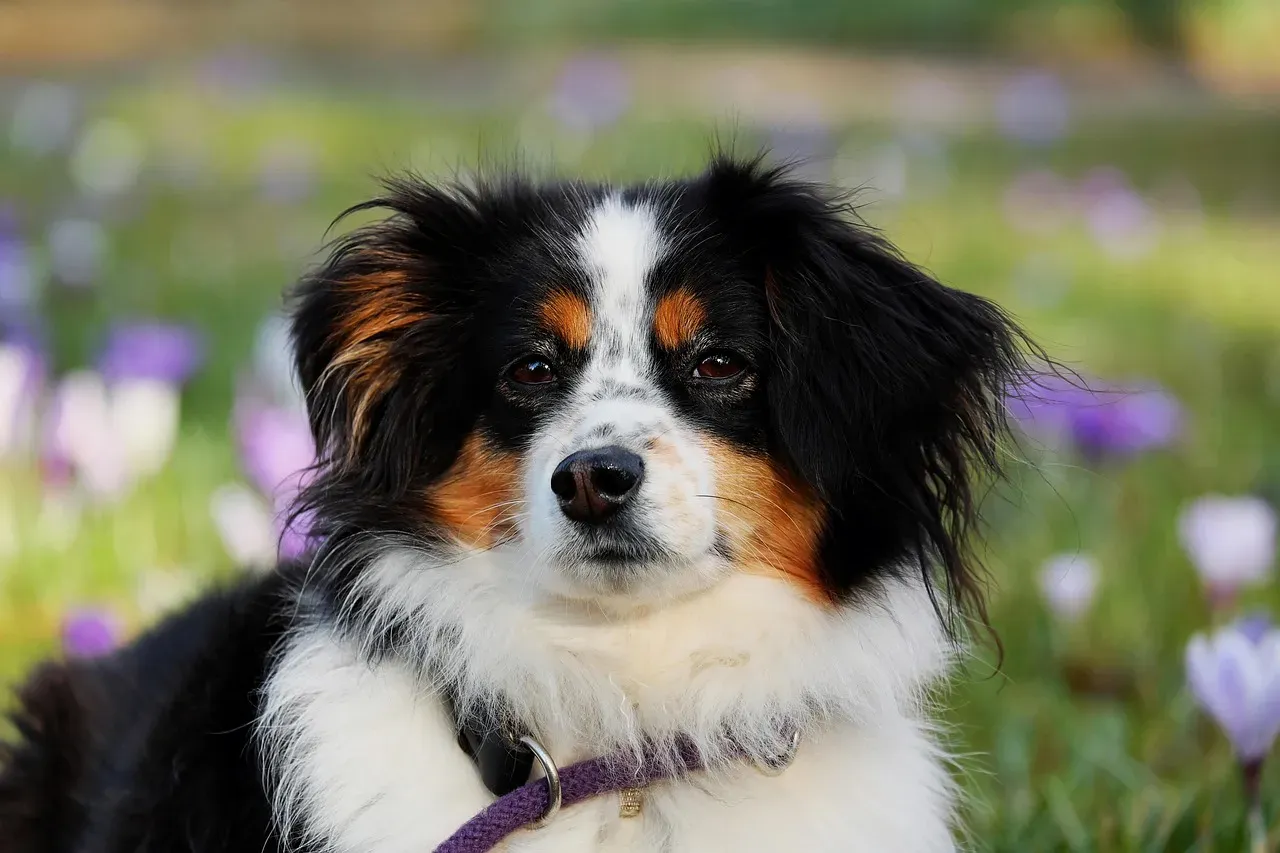
One critical factor that affects all breeds is early life experiences. Adverse experiences such as abuse or being given up during a dog’s first six months of life mean they are more likely to be fearful and aggressive as adults. This applies across all breeds but is especially important for breeds already predisposed to protective or reactive behaviors.
Adverse experiences in the first six months of life, such as abuse and relinquishment, were significantly associated with increased aggression and fearfulness in adulthood, even when accounting for various factors. This means that rescue dogs or dogs from questionable backgrounds may require extra patience, professional training, and behavioral support. Understanding your dog’s history helps you better address their needs and prevent aggressive incidents before they occur.
Conclusion: Knowledge Is Your Best Defense
Aggression in dogs isn’t about vilifying certain breeds. It’s about understanding genetic predispositions, recognizing warning signs, and committing to proper training and socialization. Aggression depends more on training, socialization, and environment than on breed alone, and while some breeds are more likely to develop these behaviors if their needs aren’t met or if they aren’t properly trained or socialized, responsible ownership focused on proper training is the key to preventing aggression.
Every breed on this list can make a wonderful companion in the right hands. The problem arises when owners ignore breed characteristics, skip training, or fail to socialize their dogs properly. If you’re considering any of these breeds, honestly assess whether you have the time, resources, and commitment to meet their needs. What do you think? Have you ever dealt with unexpected aggression in a dog breed typically considered friendly? Share your experiences in the comments below.


