

You walk through the front door after a long day at work, and your heart instantly sinks. That couch cushion you loved? Shredded. Your favorite pair of shoes? Unrecognizable. The doorframe? Scratched to pieces.
If this sounds familiar, you’re not alone. Some dogs just can’t handle solo time, no matter how much we love them. It’s not that they’re trying to punish us or being deliberately naughty. Often, it’s pure anxiety, boredom, or an overwhelming need for companionship that drives them to wreak havoc. Let’s be real, certain breeds are hardwired to stay busy, and when they’re left with nothing to do, well, chaos ensues. So let’s dive in and explore which furry friends are most likely to turn your home into their personal demolition site.
Labrador Retriever

Labrador Retrievers are among the most popular dog breeds globally, known for their friendly demeanor, intelligence, and versatility, but their intelligence and high energy levels also mean they can become destructive when bored. They’re those lovable goofballs who’ll greet you with boundless enthusiasm, but that same energy becomes a problem when there’s no outlet for it.
Labradors are known for their love of chewing, and when left alone or unstimulated, they can quickly turn to household items, such as shoes, furniture, and even walls, as chew toys, and they can develop separation anxiety, which often leads to destructive behaviors. Picture coming home to find your wooden chair leg gnawed down like a beaver got hold of it. Labs need constant activity, mental challenges, and companionship to stay out of trouble.
Siberian Husky
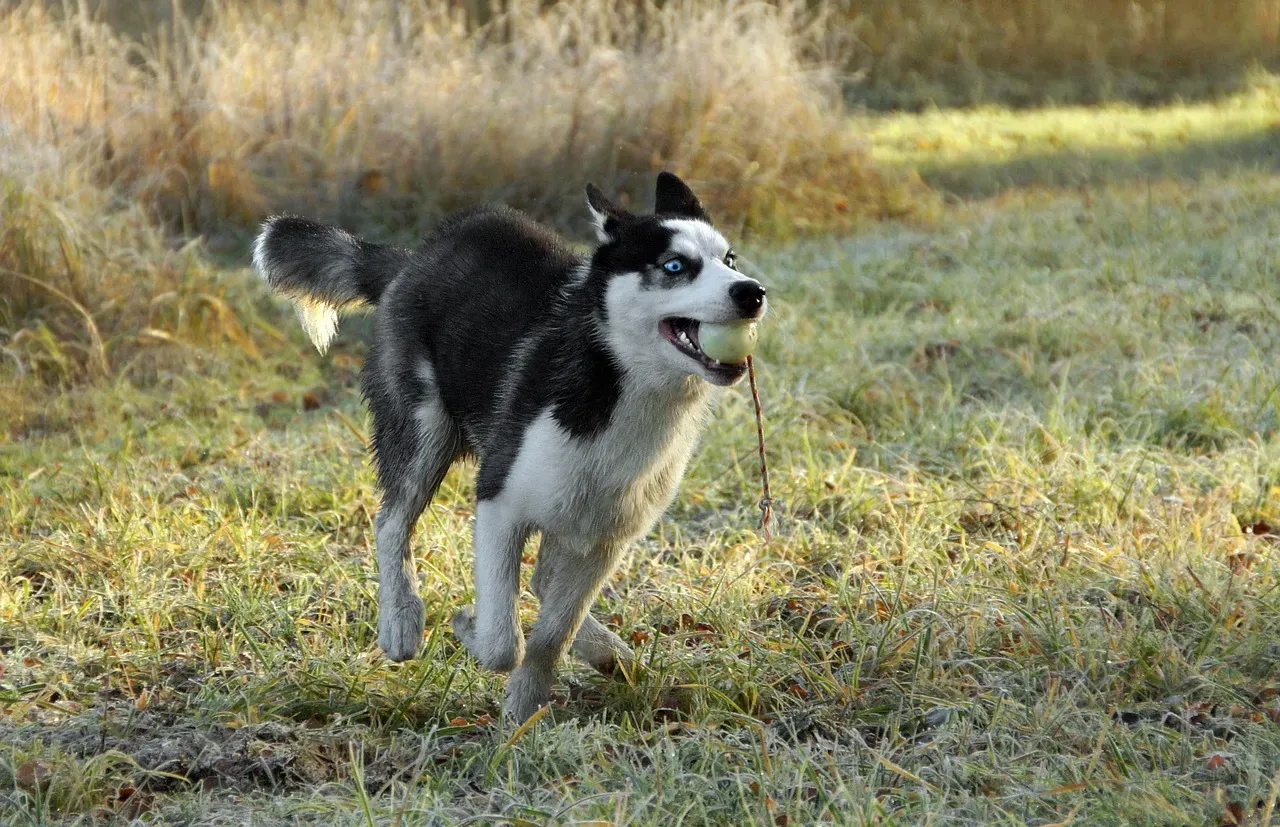
Huskies are known for their high energy and for being extremely social dogs that love being in packs, and because of their strong need to be in a pack and high-energy levels, they are prone to being destructive if left alone for long periods. These stunning dogs were bred to run for miles pulling sleds, so sitting around in an apartment all day? That’s torture for them.
When a Husky gets bored, things get wild. They’ll howl loud enough to wake the neighbors, dig through carpet like they’re tunneling to freedom, or chew everything within reach. Siberian Husky doesn’t handle being left alone with nothing to do, particularly if their energy needs for the day have not been met, and they have been bred as a pack animal, so isolation is hard for them to cope with. These escape artists need serious exercise and preferably some canine company to keep them satisfied.
Border Collie

Border Collies are considered by many to be the smartest dog breed on the planet, with one well-known Border Collie knowing more than 1,000 words and language commands. Sounds impressive, right? The problem is, all that intelligence needs somewhere to go.
The Border Collie will quickly become bored without anything to occupy them, which will result in destructive behavior like chewing and digging. I think this is one of those breeds where their brilliance works against them. Without a job to do, they invent their own tasks, and trust me, you won’t like what they come up with. These workaholics need hours of stimulation daily, or your home will pay the price.
Jack Russell Terrier

Don’t let their tiny size fool you. The Jack Russell Terrier is known for having a big personality in a small body, and this is a recipe for destructive behavior when they are bored, unhappy, or just missing their owners. These little firecrackers are basically chaos wrapped in fur.
Without enough exercise and playtime, a Jack Russell can get frustrated and let loose their energy in less-than-pleasant ways, including chewing up anything in sight or turning your flower beds into their personal digging zone. They’re stubborn, energetic, and need constant engagement. Honestly, owning a Jack Russell is like having a toddler who never grows up.
German Shepherd
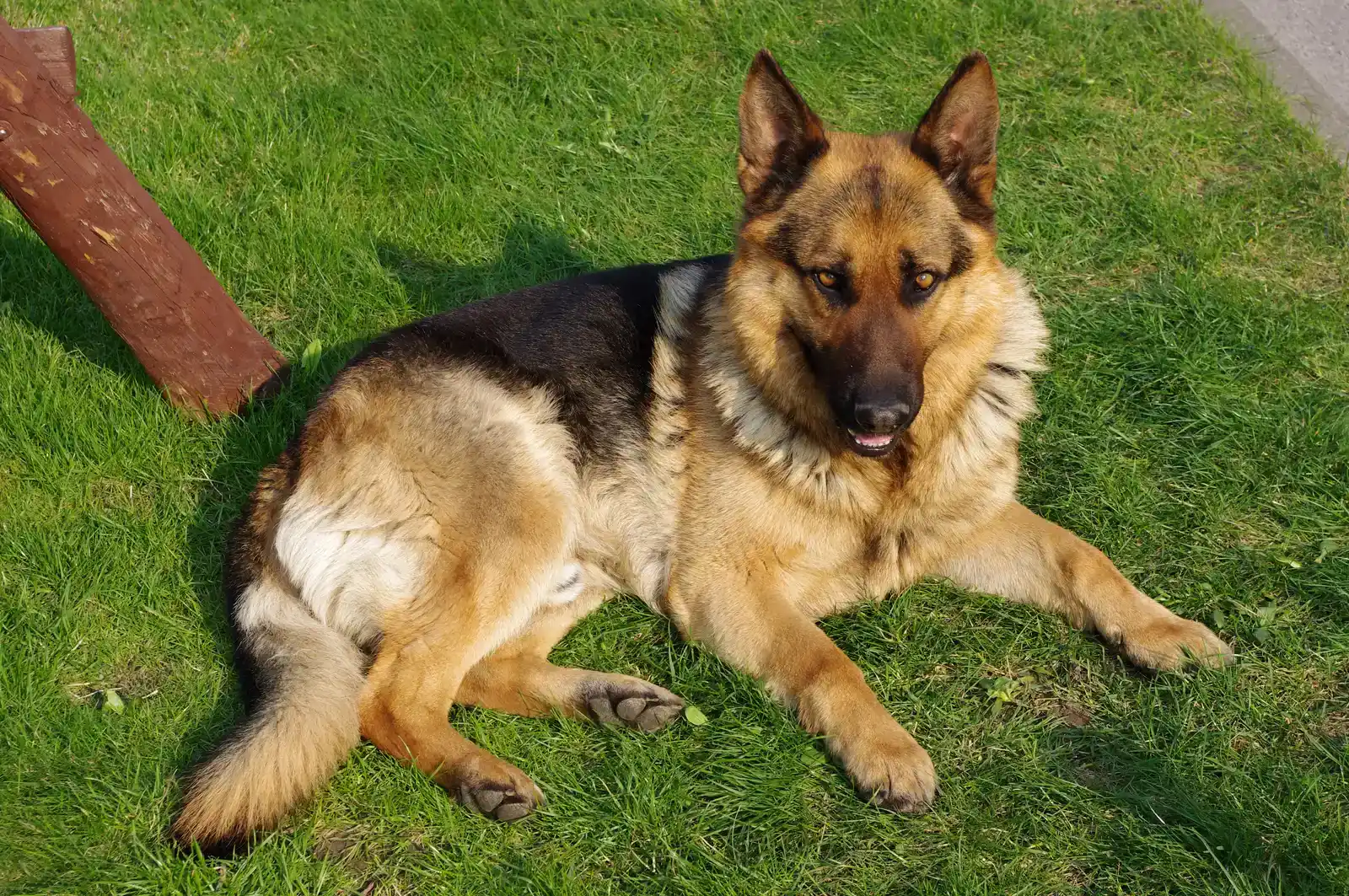
The German Shepherd is a dog breed that often suffers from separation anxiety, they are working dogs by breed and are devoted to people, and they can become anxious and stressed when left alone, leading to destructive behaviors. These loyal protectors form incredibly strong bonds with their families.
While they’re not always prone to separation anxiety, they can become very attached to their owners and may exhibit destructive behavior if left alone without adequate stimulation and training, and they need plenty of consistent training, adequate exercise, and a good routine to avoid behavior problems like separation anxiety. A bored German Shepherd is a dangerous combination of strength, intelligence, and frustration. They need purpose, activity, and structure to thrive.
Beagle

Beagles are hunting dogs with a strong pack instinct and they’re simply not built for being alone, this specific breed is both active when young, very driven by scent, and prone to loneliness, which can cause destructive behaviors when they’re home alone. Those adorable droopy ears and soulful eyes hide a mischievous spirit.
Boredom and separation anxiety often fuel a Beagle’s destructive behavior, they’re pack animals at heart and don’t like being left alone for long periods, and if they don’t have enough stimulation, they’ll try to find their own fun, often by chewing or digging. They’ll also howl like they’re auditioning for a wolf documentary. Beagles need companionship and plenty of mental enrichment to keep them happy.
Australian Shepherd

Despite their misleading name, Australian Shepherds were bred in the United States, not in Australia, and they may take their name from their connection with Basque shepherds who migrated from Australia. These gorgeous dogs with stunning coats are working machines at heart.
Australian Shepherds are not as large and powerful as some of the very strong-jawed dogs, but they are prone to destructive chewing. Similar to Border Collies, they were bred to herd and work all day long. Leave an Aussie alone without a job, and they’ll create one. That job usually involves redecorating your living room in ways you definitely didn’t approve.
Boxer

Boxers are clowns at heart, full of playful enthusiasm and muscle, and when left home alone, that energy can quickly turn to chaos, as they’re known for jumping on furniture, chewing up anything within reach, and even knocking over heavy objects during their bursts of excitement. These goofballs are perpetual puppies, even as adults.
Separation anxiety is common in Boxers, which often adds to their destructive tendencies, they bond deeply with their families and don’t like being left out of the action, and if they feel lonely or bored, they’ll express it in ways that can leave your house in shambles. A tired Boxer is your best friend. An energetic, lonely Boxer? Your worst nightmare.
Conclusion

Here’s the thing: destructive behavior isn’t about a dog being bad or spiteful. Behind each chewed-up shoe or bit of shredded couch cushion is a simple truth: dogs are smart, emotional beings, and their needs extend far beyond food, water, and a comfy bed, and it’s much more productive to consider their behavior a request for more attention, purpose, and engagement. These breeds we’ve explored aren’t trying to ruin your life. They’re just wired differently, with energy levels and intelligence that demand constant outlets.
If you own one of these breeds, or you’re thinking about adopting one, preparation is everything. Make sure you can commit to daily exercise, mental stimulation, training, and companionship. Puzzle toys, doggy daycare, and even a second pet can make a world of difference. The bond you’ll form with these incredible dogs is absolutely worth it, but only if you’re ready for the commitment. So, what’s your take? Have you experienced the destructive side of any of these breeds? Share your stories in the comments.


