
Every dog owner knows the feeling of those needle-sharp puppy teeth grazing their hands during playtime. It’s adorable when they’re tiny, sure, yet it raises an important question about how well dogs learn to control the force of their jaws. Bite inhibition isn’t just some fancy trainer talk. It’s a critical skill that determines whether a startled dog leaves you with a minor bruise or sends you to the emergency room.
Some breeds naturally struggle more than others when it comes to developing this essential control. Whether it’s genetics, breeding history, or temperament, certain dogs require extra attention during their formative months to learn proper mouth manners. Let’s explore which breeds tend to display poorer bite control and what makes them particularly challenging in this department.
Jack Russell Terriers: The Feisty Ratters
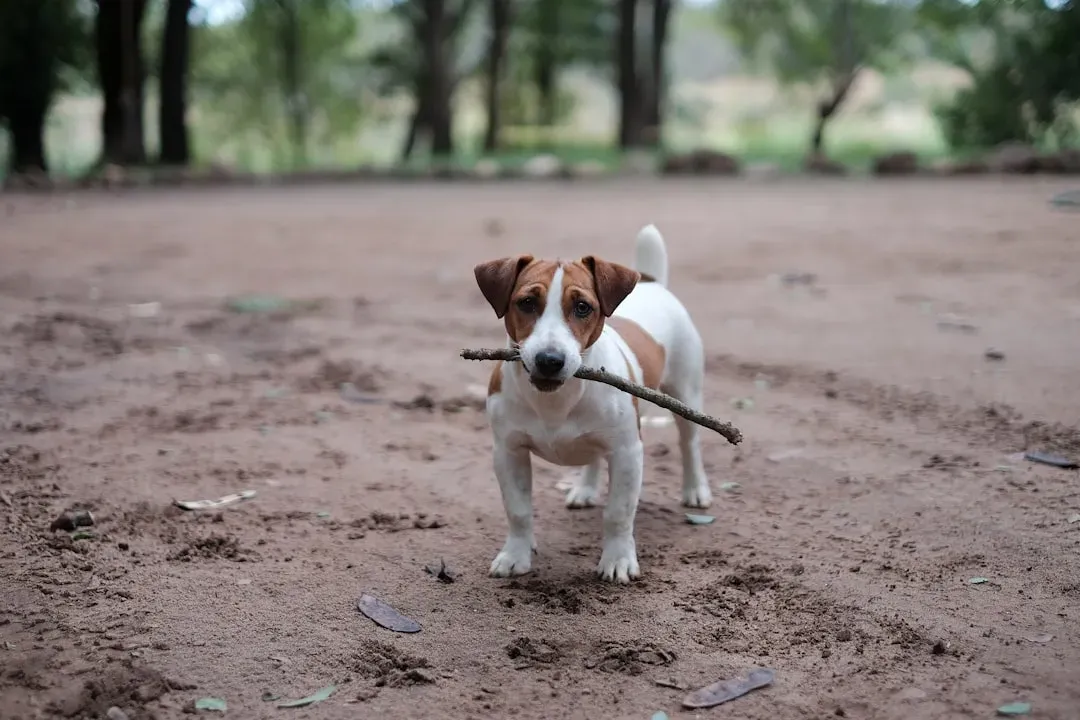
Jack Russell Terriers are classically hard-mouthed breeds, which makes perfect sense when you consider what they were originally bred to do. These compact terriers were designed to hunt, kill, and retrieve small game like rats and other vermin. That job required a firm, crushing bite rather than the gentle carry expected from retrievers.
The hard mouth characteristic is not preferred in terriers and ratters, who are expected to roughly shake and mangle pests to dispatch them quickly. This instinct doesn’t just disappear because your Jack Russell lives in a suburban home instead of a barn. Their natural tendency is to bite with purpose and pressure, making bite inhibition training absolutely crucial from the earliest age possible.
Mastiffs: Gentle Giants With Powerful Jaws
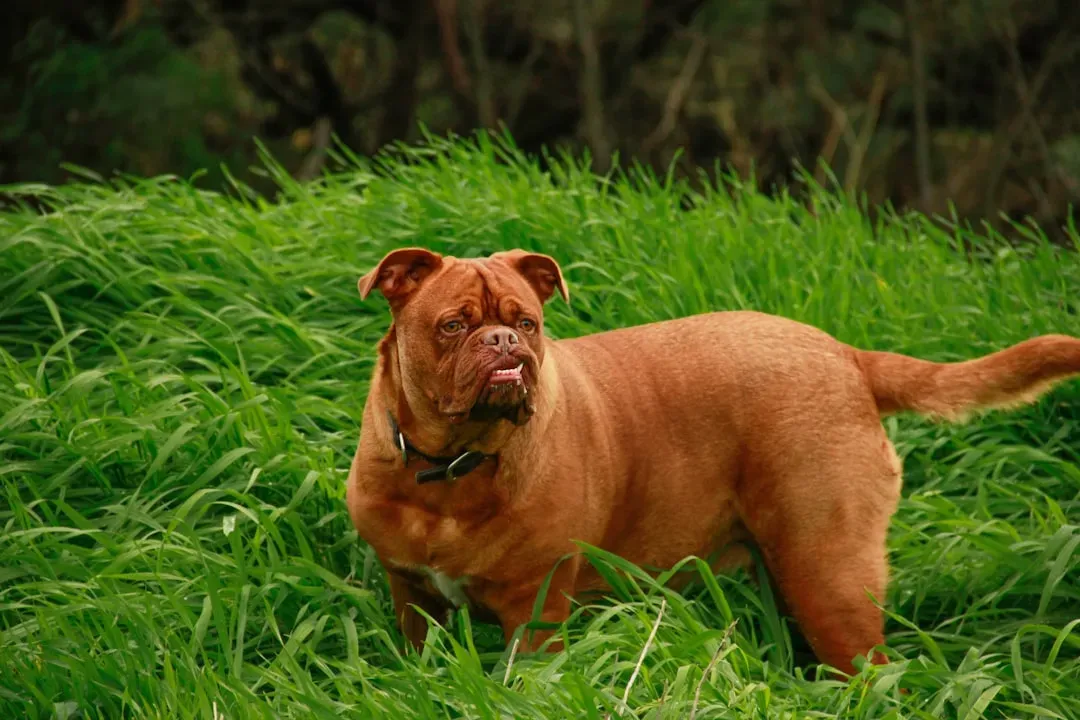
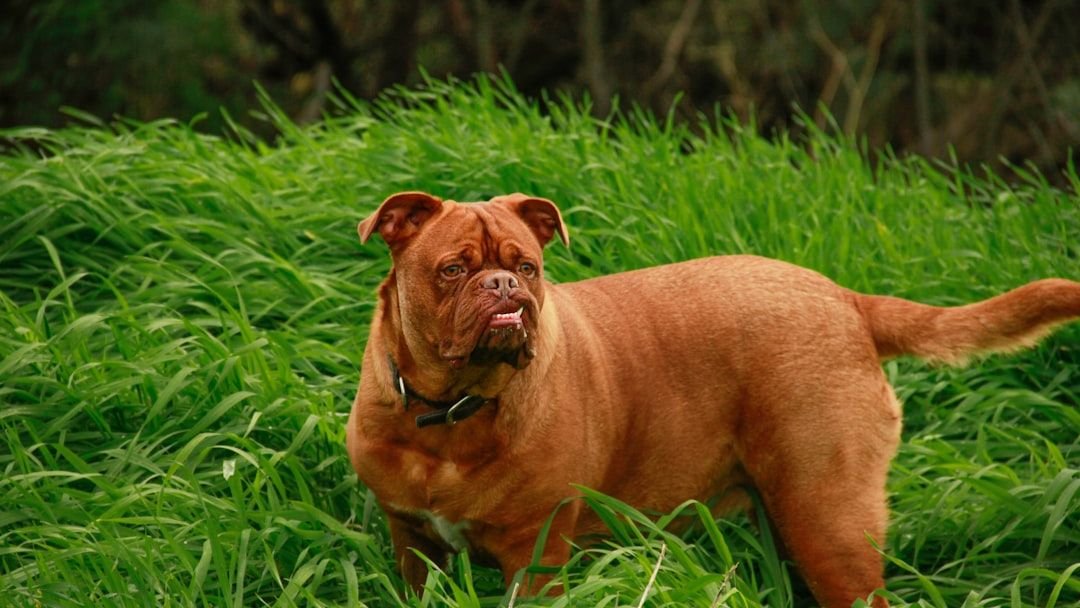
Despite their reputation as gentle family dogs, Mastiffs present a unique challenge in bite control simply due to their sheer size and jaw strength. There may be relatively soft-mouthed individuals in a litter of even classically hard-mouthed breeds such as Mastiffs, though the breed overall tends toward firmer mouth pressure.
The problem isn’t necessarily aggression. It’s more about awareness and control of their enormous physical power. A Mastiff puppy playing the same way as a Chihuahua puppy creates vastly different consequences. Even well-intentioned mouthing from an adult Mastiff can cause injury simply because these dogs sometimes don’t seem to realize their own strength. Consistent training during puppyhood becomes even more important with giant breeds.
Siberian Huskies: The Independent Spirits

Huskies are notorious for their strong prey drive and independent nature, which can translate into challenging bite inhibition issues. Orphaned puppies and those who are removed from their litters too early are far more likely to have poor bite inhibition, and singleton puppies often lack proper bite inhibition.
Their high energy and excitable temperament means Huskies can get overstimulated during play, leading to harder bites than intended. They’re also incredibly vocal and physical in their communication style, using their mouths frequently to interact with their environment. Training a Husky requires patience and persistence because their stubborn streak can make them less responsive to feedback compared to more people-pleasing breeds.
Australian Cattle Dogs: The Nipping Herders
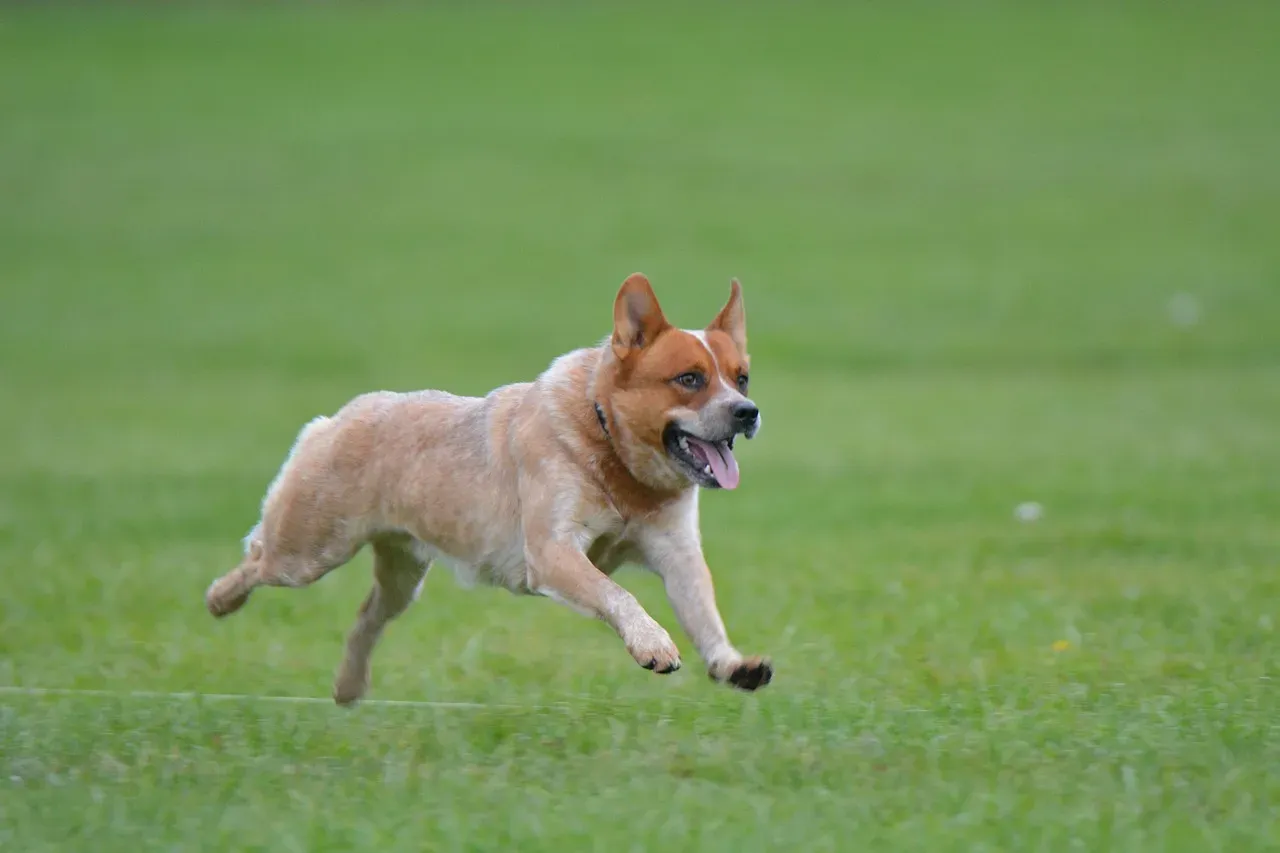
The clue is right there in their original purpose. Cattle dogs were bred to move livestock by nipping at their heels, which means controlled aggression and firm bites are literally hardwired into their DNA. This instinct doesn’t vanish just because there are no cattle in your backyard.
Australian Cattle Dogs are incredibly intelligent and energetic, which means they need both physical and mental stimulation. Without proper outlets, they may redirect that herding instinct toward family members, particularly children. Their natural inclination is to use their mouths to control movement, making early and consistent bite inhibition training absolutely essential. These dogs are workers at heart, and that work ethic includes a willingness to use their teeth when they think the job requires it.
Rottweilers: The Powerful Guardians
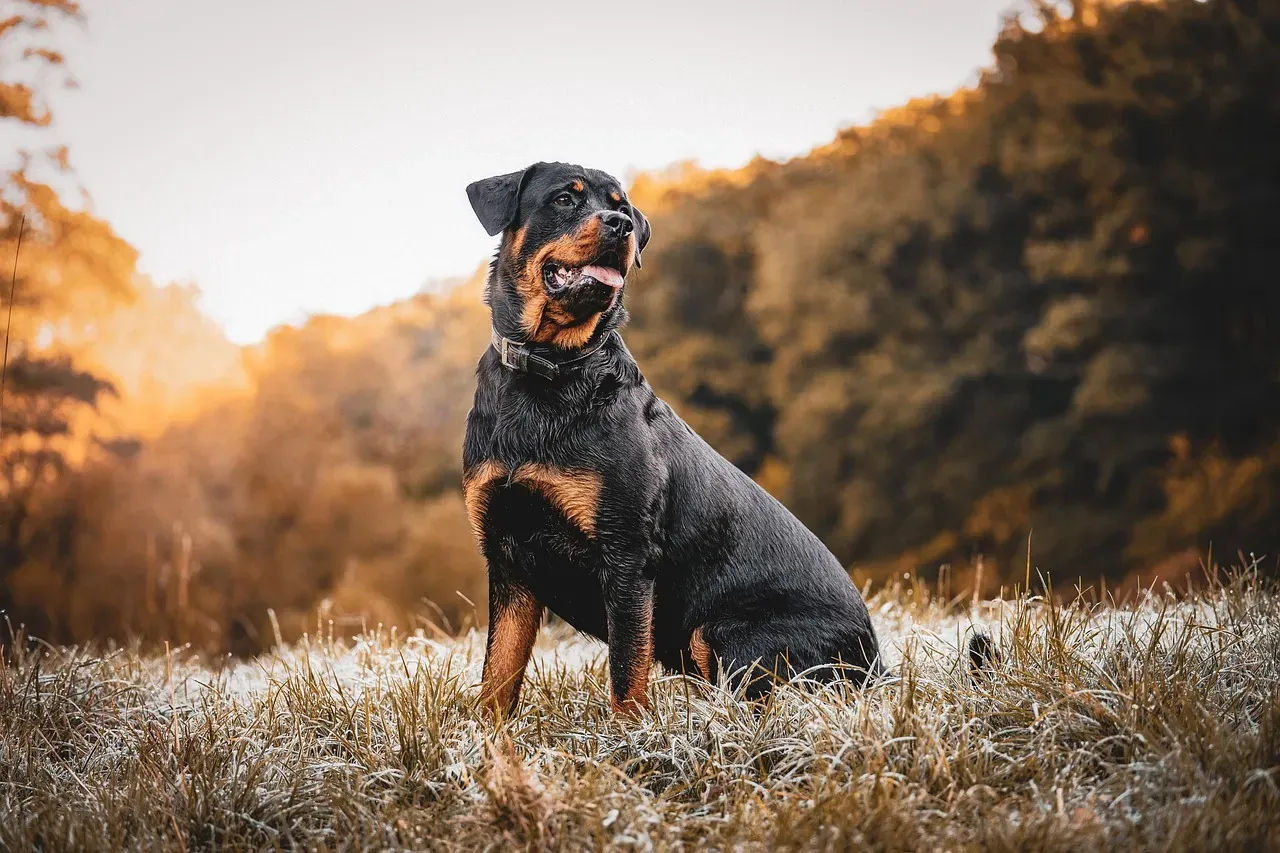
Dogs with excess testosterone are found to act out violently, and are far less likely to practice bite inhibition, especially without proper training. Rottweilers, being a guardian breed with naturally protective instincts, can display this tendency if not properly socialized and trained early on.
Their bite force is among the strongest of any domestic dog breed. This means even a playful nip can cause significant damage. Rottweilers are devoted and loving to their families, yet they need owners who understand the responsibility of raising a powerful breed. Without consistent training and clear boundaries established during the critical puppy stage, these dogs may struggle with appropriate bite control throughout their lives.
Pit Bull Type Breeds: Misunderstood But Powerful
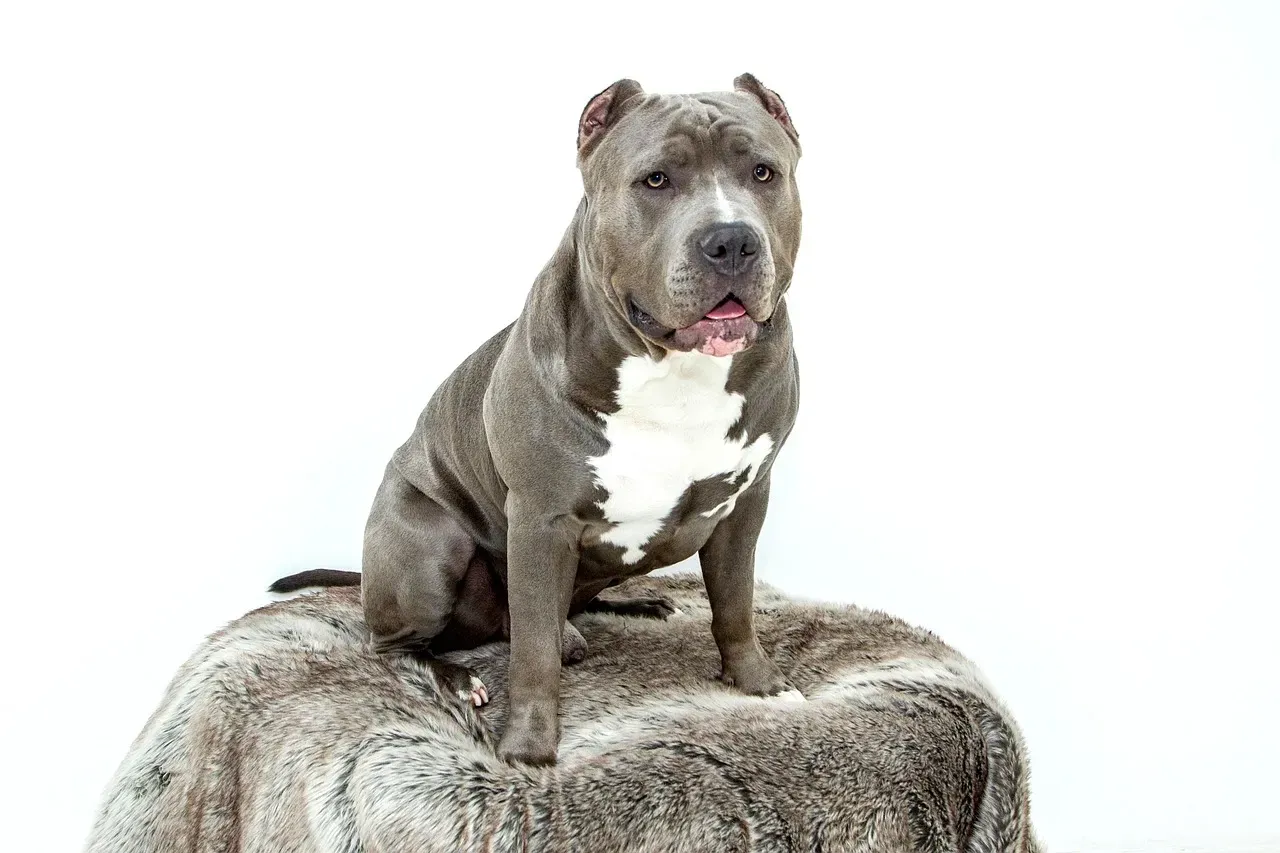
The controversy surrounding pit bull type breeds often overshadows important discussions about their actual characteristics. Some breeds of domestic dogs are less inclined to inhibit their bites than others because the traits were highly desired during the breeding process, and breeds used in bite sports, the military, private protection and police work often fall into this category.
Many pit bull type dogs were historically bred for activities that required tenacity and a strong bite. This doesn’t make them inherently dangerous, but it does mean they require dedicated training. Their muscular build and strong jaws mean that poor bite inhibition can result in serious injuries. Responsible ownership includes extensive socialization and training during the critical puppy months to ensure they develop excellent bite control.
German Shepherds: The Intense Workers
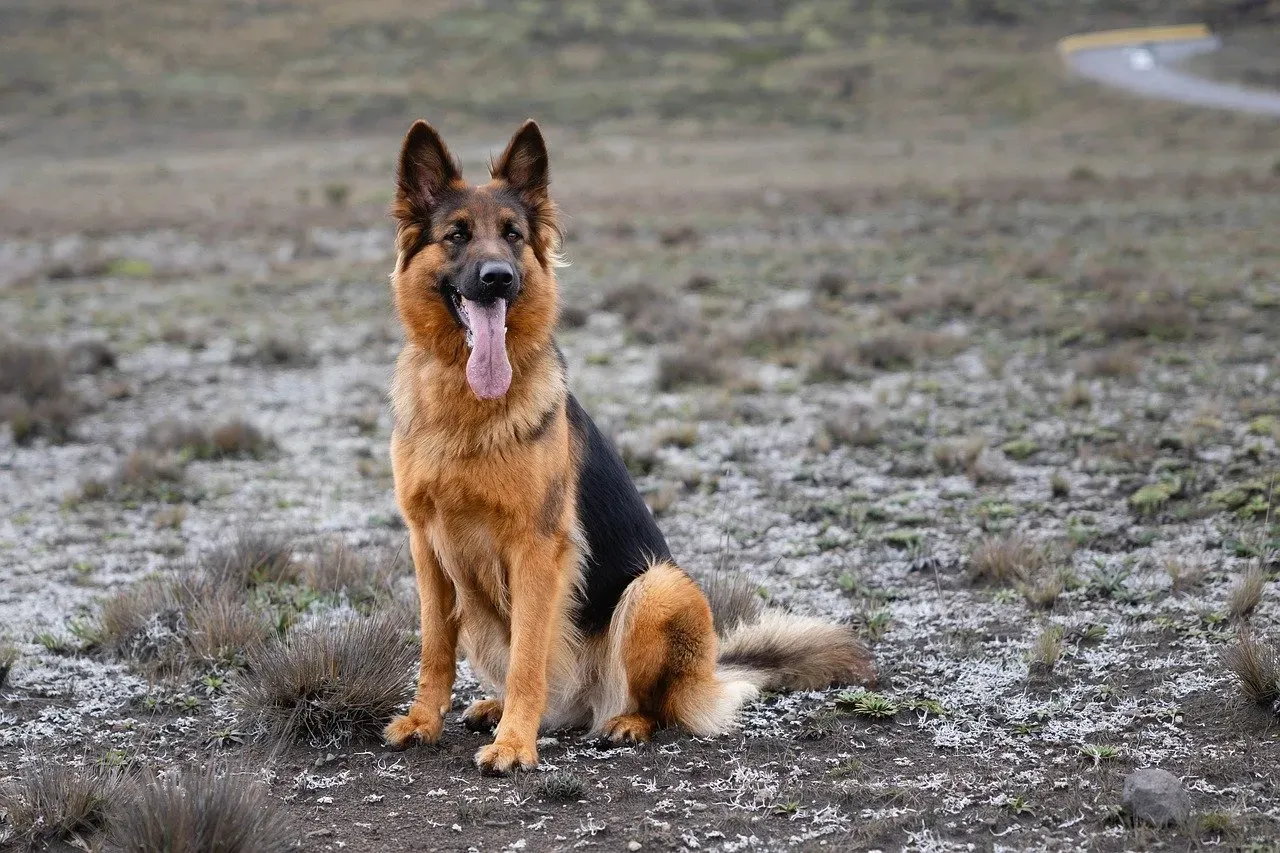
German Shepherds are brilliant, loyal, and incredibly trainable, which actually works in their favor despite their potential for bite control issues. The process of selecting for protectiveness in the development of guarding breeds may have exaggerated their agonistic behavior, which can affect their natural bite inhibition.
These dogs were bred to be protective and work closely with law enforcement and military operations. That means they have the instinct and jaw strength to bite when they perceive a threat. The good news is their intelligence makes them highly responsive to training. The challenge comes when they’re not properly trained or when their working drive is misdirected. An under-stimulated German Shepherd with poor bite inhibition is a recipe for problems.
Chow Chows: The Aloof Protectors
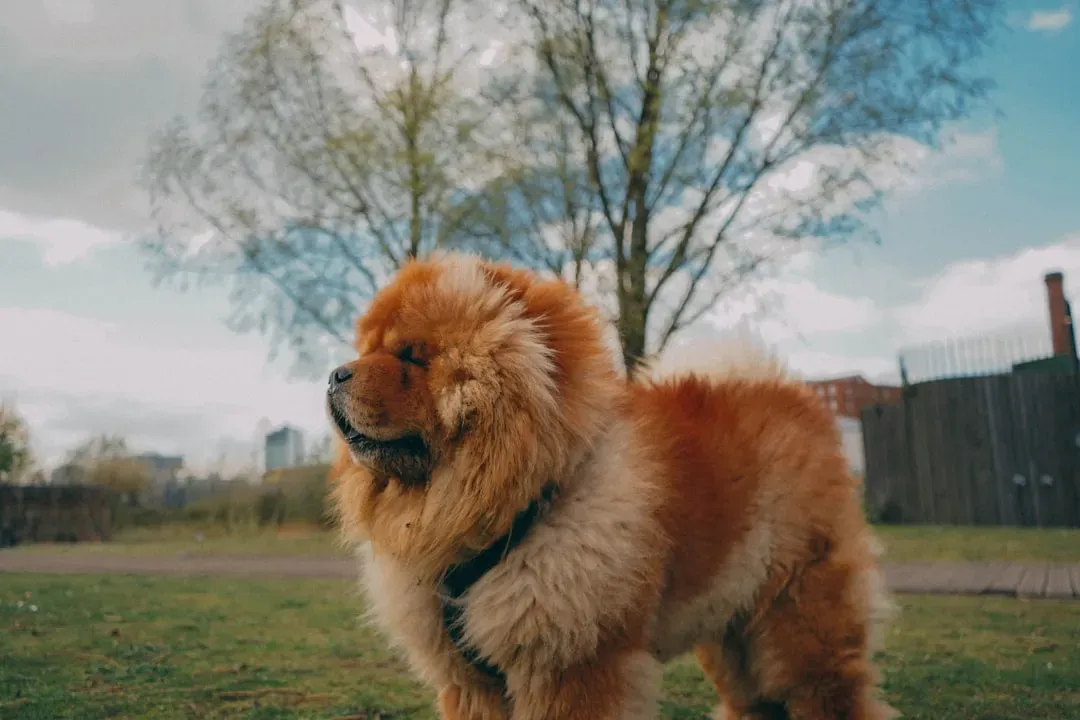
Chow Chows have a reputation for being standoffish and protective, with an independent streak that can make training more challenging than with other breeds. Dogs with excess testosterone are found to act out violently, and are far less likely to practice bite inhibition, and Chows can display territorial behavior that compounds bite control issues.
Their thick fur and bear-like appearance might seem cuddly, yet Chows were bred as guard dogs in ancient China. They tend to bond deeply with their family but can be suspicious or aloof with strangers. This protective nature, combined with their sometimes stubborn personality, means they need early and consistent socialization. Without it, their natural wariness can escalate into when they feel threatened or uncomfortable.
Understanding The Critical Training Window
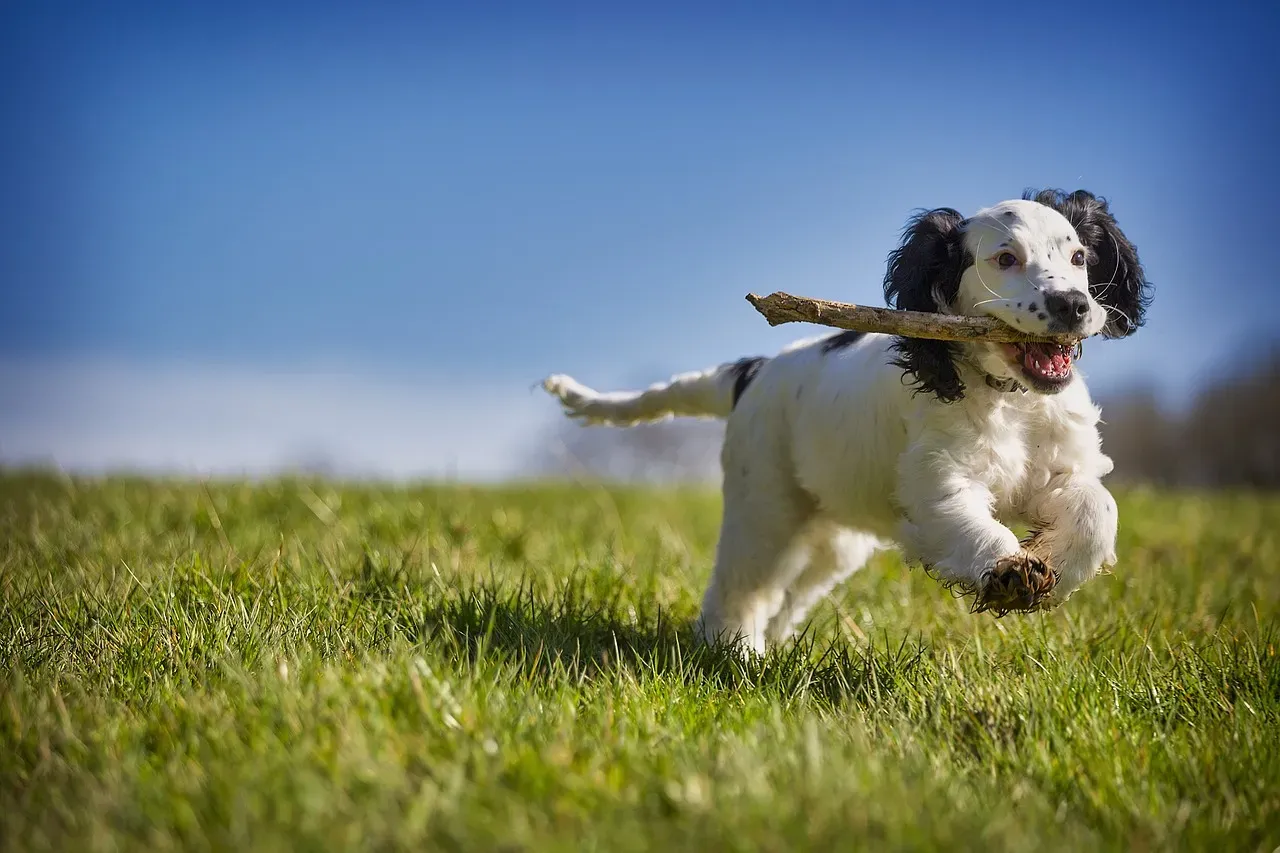
Here’s the thing that really matters: Young dogs normally learn bite inhibition from their littermates before about 18 weeks of age, and it appears that once puppies are past the socialization window, bite inhibition is not modifiable. That window is shockingly short, which is why early intervention is so crucial.
Bite inhibition is typically learned as part of juvenile play behaviors, when the animal is still in the company of its mother and siblings. When puppies bite too hard during play, their siblings yelp and stop playing, teaching them that excessive force ends the fun. This natural feedback system is how dogs learn to moderate their bite force. Missing this critical period or failing to reinforce these lessons can result in permanent bite control issues.
Why Some Breeds Struggle More Than Others
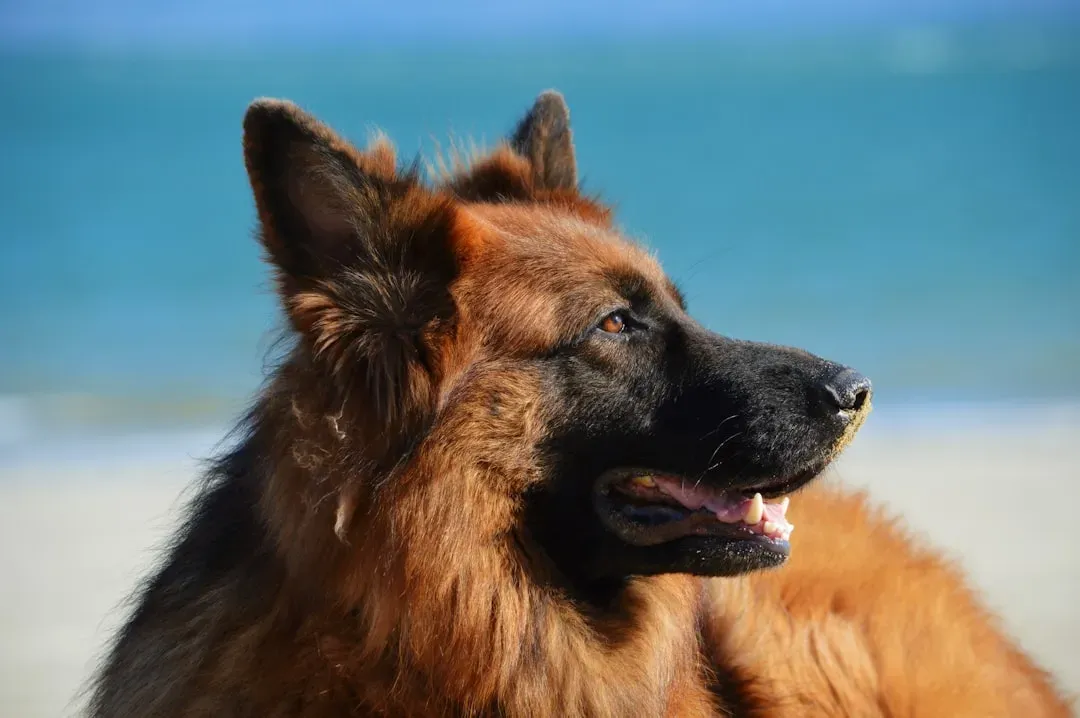
Most of the research on a dog’s ability for bite inhibition has to do with genetics, and some breeds are less inclined to inhibit their bites than others because the traits were highly desired during the breeding process. It’s not that these dogs are bad or aggressive by nature. They were simply bred for jobs that required firm, purposeful bites.
Think about it logically. A Golden Retriever bred to gently carry game birds needs an entirely different mouth than a terrier bred to kill rats or a guard dog bred to protect property. These aren’t moral judgments, just biological realities shaped by centuries of selective breeding. Modern owners need to understand their dog’s heritage and work with those instincts rather than against them through proper training and management.
The Bottom Line On Bite Control
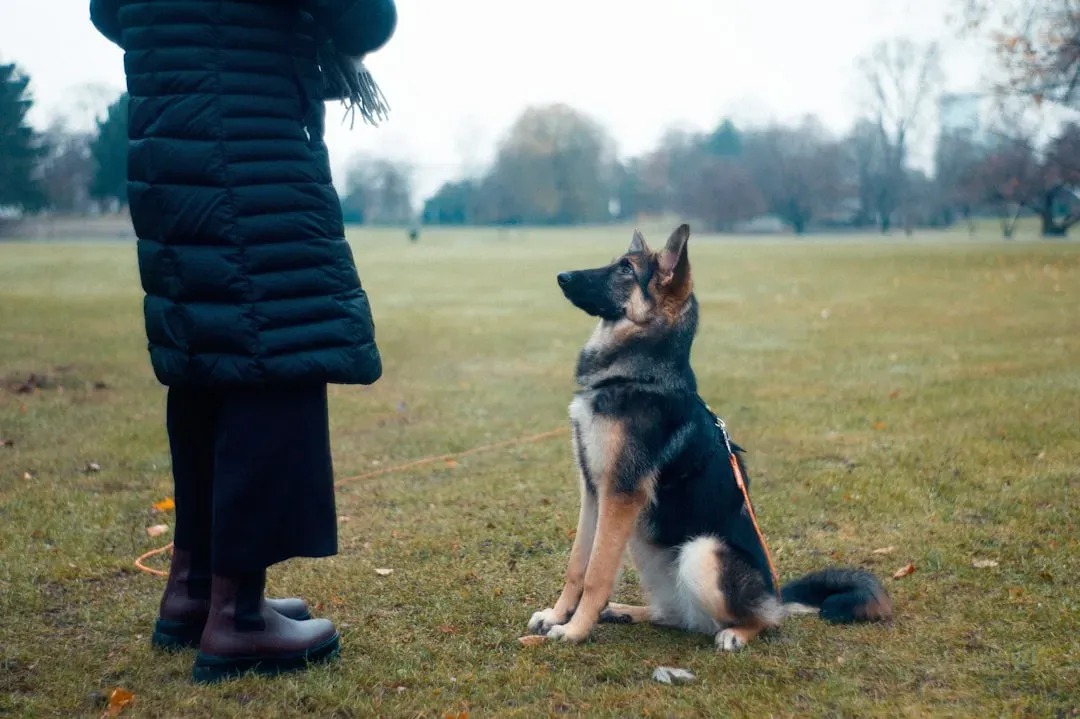
doesn’t mean a breed is dangerous or unlovable. It simply means these dogs require more dedicated training, earlier intervention, and more knowledgeable owners. When a bite happens, bite inhibition is what makes the difference between a moment of stunned silence and a trip to the nearest emergency room for both the victim and potentially the dog.
Every dog deserves a chance to learn proper mouth manners during that critical puppy stage. The breeds mentioned here just need a bit more attention and expertise to get there. With patience, consistency, and the right approach, even breeds with challenging bite control tendencies can become safe, well-mannered companions.
What’s your experience with teaching bite inhibition? Have you found certain breeds more challenging than others?


