
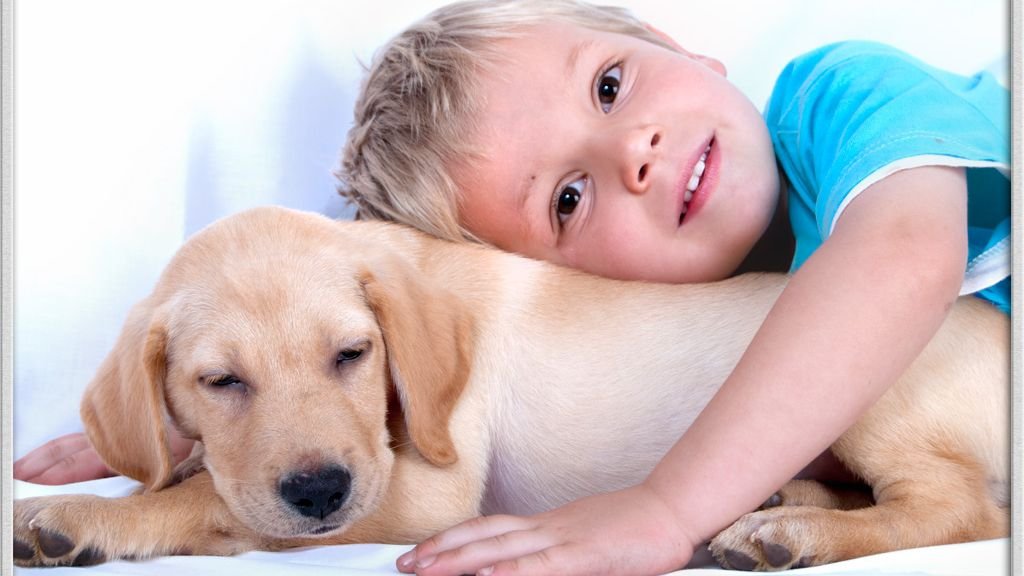
If you’ve ever walked into a dog park and watched the canine chaos unfold, you know that not all dogs are created equal when it comes to temperament. Some are natural nannies who instinctively protect and adore children, while others would rather skip the playdates entirely. It’s a hard truth to swallow when you’re a dog lover through and through.
The reality is that certain breeds just aren’t wired for the unpredictable energy that kids bring to the table. They may be spectacular companions for adults, but the noise, the sudden movements, the grabbing hands? That’s a different story. On the flip side, there are breeds that seem to have been put on this earth specifically to be best friends with your little ones. Understanding which is which can save you heartache, prevent dangerous situations, and help you find the perfect furry addition to your family. So let’s dive in and explore both ends of this spectrum.
1. Chihuahua
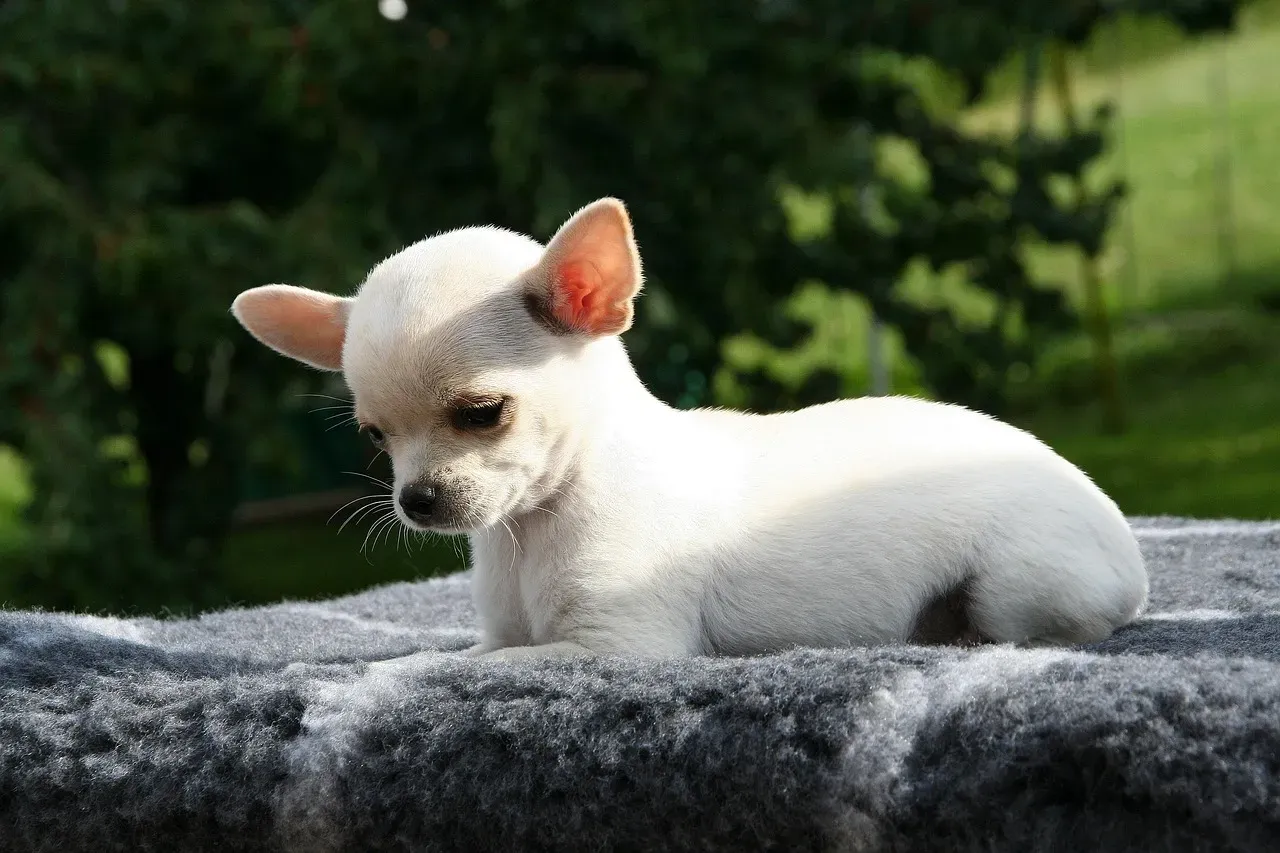
Chihuahuas can be extremely aggressive, territorial, and prone to biting, often described as a nervous breed that can snap with little warning. Their diminutive stature makes many people overlook just how feisty these little dogs can be. They are easily provoked by sudden movements and loud noises, and they may feel jealous of small kids and the attention they command.
Think about it from their perspective. Here’s a tiny creature who feels threatened by everything bigger than a shoe, and suddenly there’s a toddler stomping around. These feisty little dogs can be aggressive around young children, though early training when they are puppies may help.
2. Akita
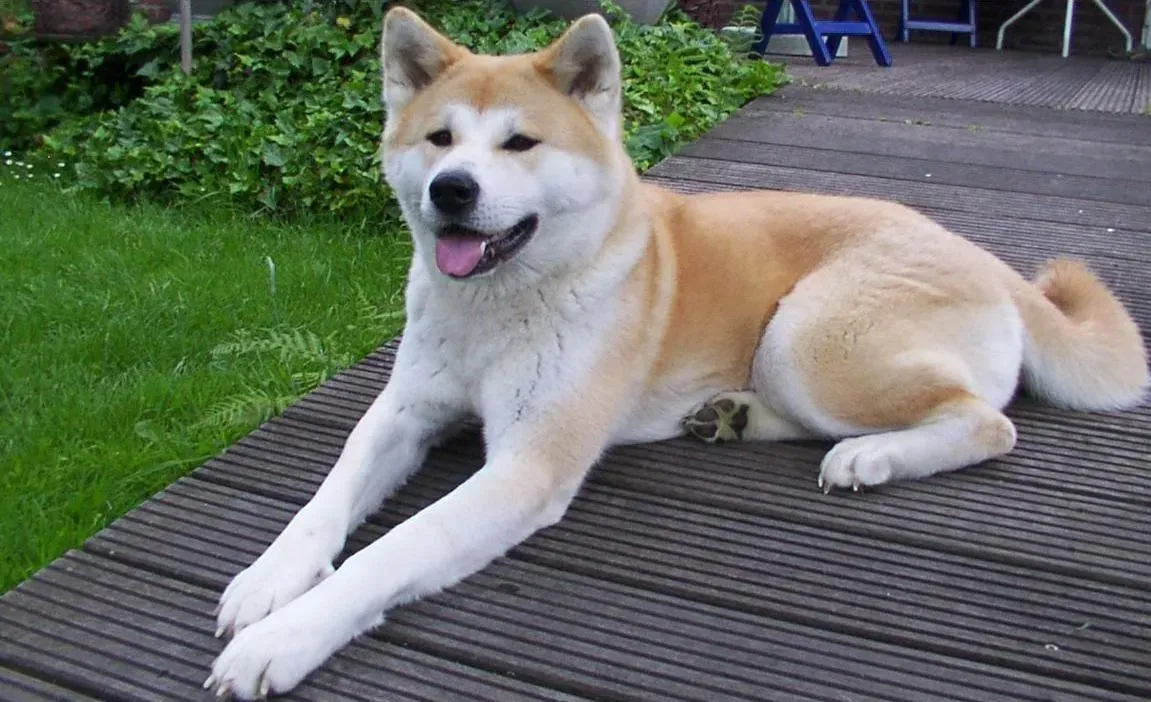
The Akita weighs in at an average 115 pounds, with a strong, muscled build and a dominant personality that tends to be territorial, having been bred as guard dogs. This isn’t a dog that tolerates roughhousing or unpredictable behavior well. They are not good with unfamiliar people and can be a problem if playdates and other guests come over to the house.
Akitas are naturally protective and can misinterpret children’s roughhousing or squeals as threats, making playdates or visiting kids particularly risky. Sure, they’re loyal and majestic, gorgeous dogs really. Still, their stubborn nature combined with wariness around strangers makes them better suited to experienced handlers without small children in the mix.
3. Alaskan Malamute
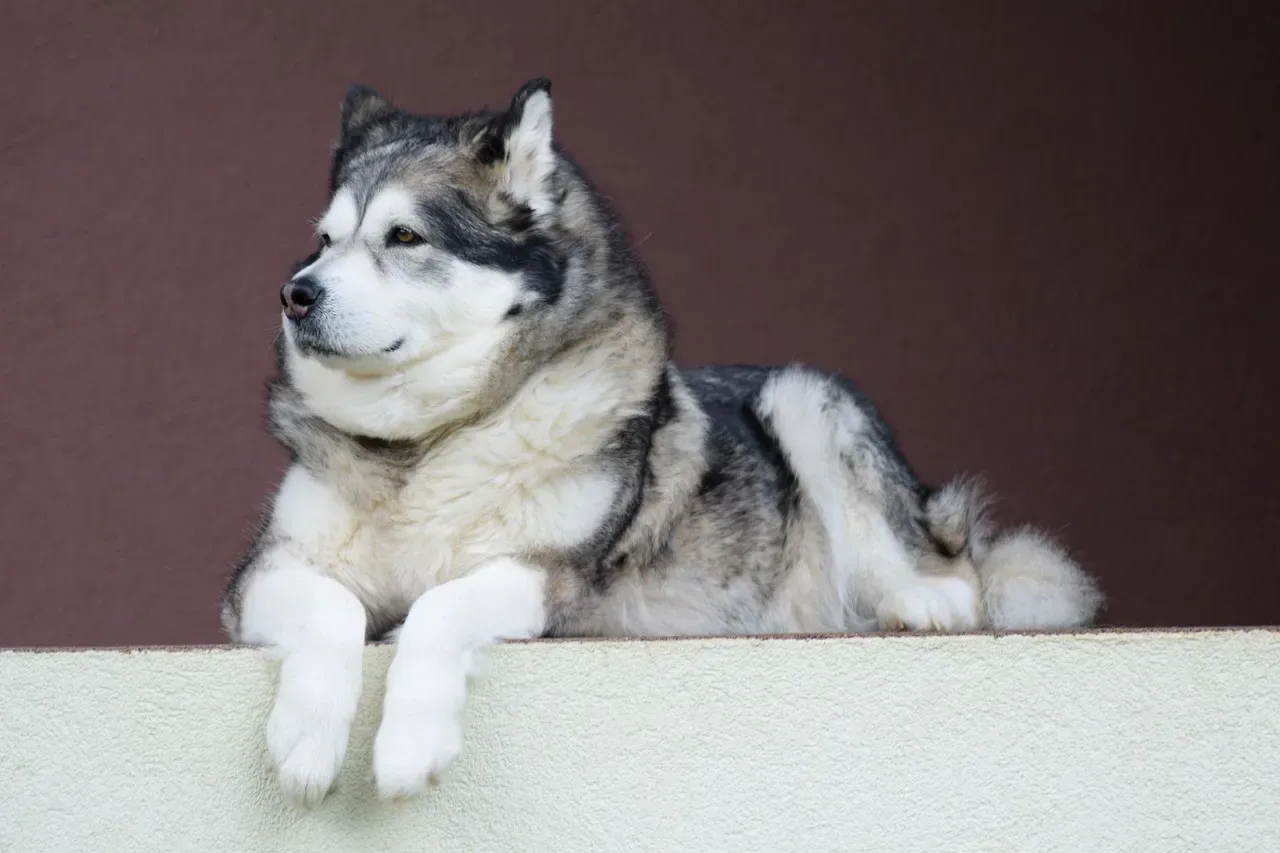
Alaskan Malamutes are still a bit wolf-like and possess an exceptional prey instinct, and they may play too rough with small children. These powerful working dogs were bred for the harsh Alaskan wilderness, not suburban family life. Their size and strength alone can be overwhelming for little ones.
It is not recommended to leave them unattended around small children, and this is a breed for an experienced dog handler and owner as they can be difficult to train. While some cultures raise them alongside children without incident, it requires serious commitment and expertise. Let’s be real, most families aren’t equipped for that level of intensity.
4. Dachshund
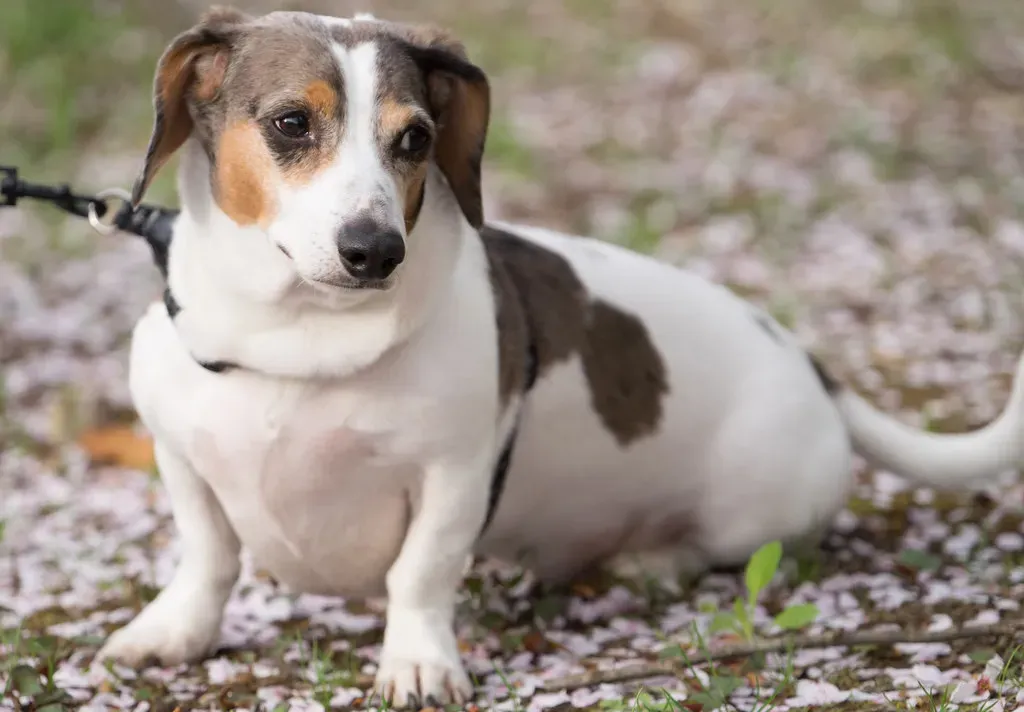
Don’t let the adorable wiener shape fool you. Dachshunds can be quite aggressive at times, much more than breeds like Rottweilers and Pit Bulls, which isn’t surprising given that these dogs were originally bred to chase badgers out of their holes. You need a serious mean streak to face down a badger.
That temperament is not what you want around small children. Their long backs also make them fragile to rough handling, so it’s a double-edged sword. Kids could inadvertently hurt them, and they might snap in response. It’s a setup for disaster, honestly.
5. Jack Russell Terrier
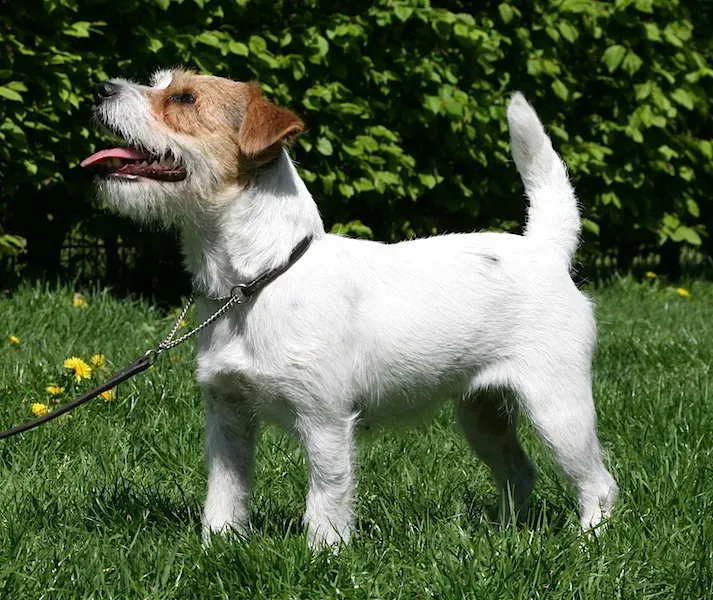
While these dogs are certainly fun to look at, they can be unbelievably aggressive and have actually caused multiple fatalities over the years, with sleeping infants particularly at risk as their small stature makes them resemble prey. That’s chilling to read, I know. These compact bundles of energy have terrier tenacity dialed up to eleven.
Their high prey drive and endless energy make them poorly suited for homes with young children who can’t keep up or who might trigger that instinct. Jack Russells need constant stimulation and firm boundaries, something that’s tough to maintain when you’re also managing toddlers.
6. Weimaraner

Weimaraners were bred to hunt large game like deer and bear, so their rough housing can get carried away with children, even larger ones. These sleek, elegant dogs are beautiful to look at but demand a regimented lifestyle. They require lots of attention and a set routine with lots of exercise and play or they can become nervous and excitable, which may not be a good choice for a family with a hectic, ever-changing schedule.
While they will tolerate a lot of abuse from children, they are proud, sometimes arrogant creatures who, if pushed beyond the limit, will not take it kindly. That pride can turn into a problem fast.
7. Chow Chow
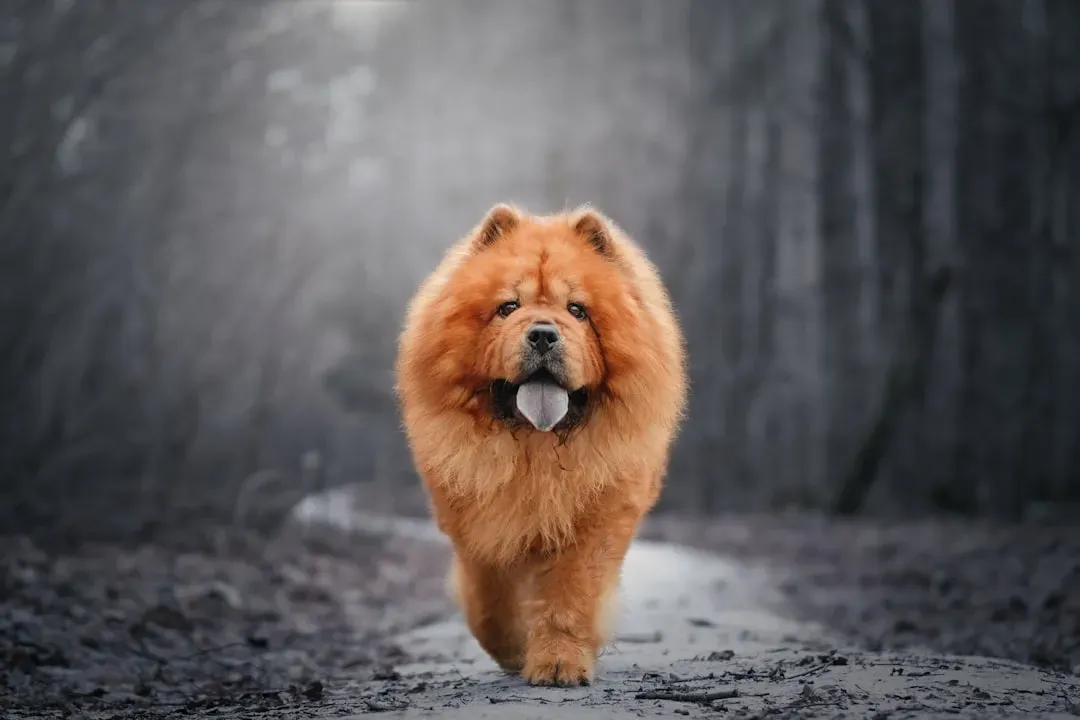
Chow Chows can be highly temperamental and bullying, and may snap at stray hands. With their lion-like mane and aloof demeanor, they look regal and they know it. These dogs form strong bonds with their families but are notoriously standoffish with strangers and children they don’t know well.
Their independent nature makes them less tolerant of the poking, prodding, and general chaos that kids bring. They’re not necessarily mean, just not interested in being a playmate. If your child doesn’t understand boundaries, a Chow Chow will enforce them, and that’s not always pretty.
8. Dalmatian
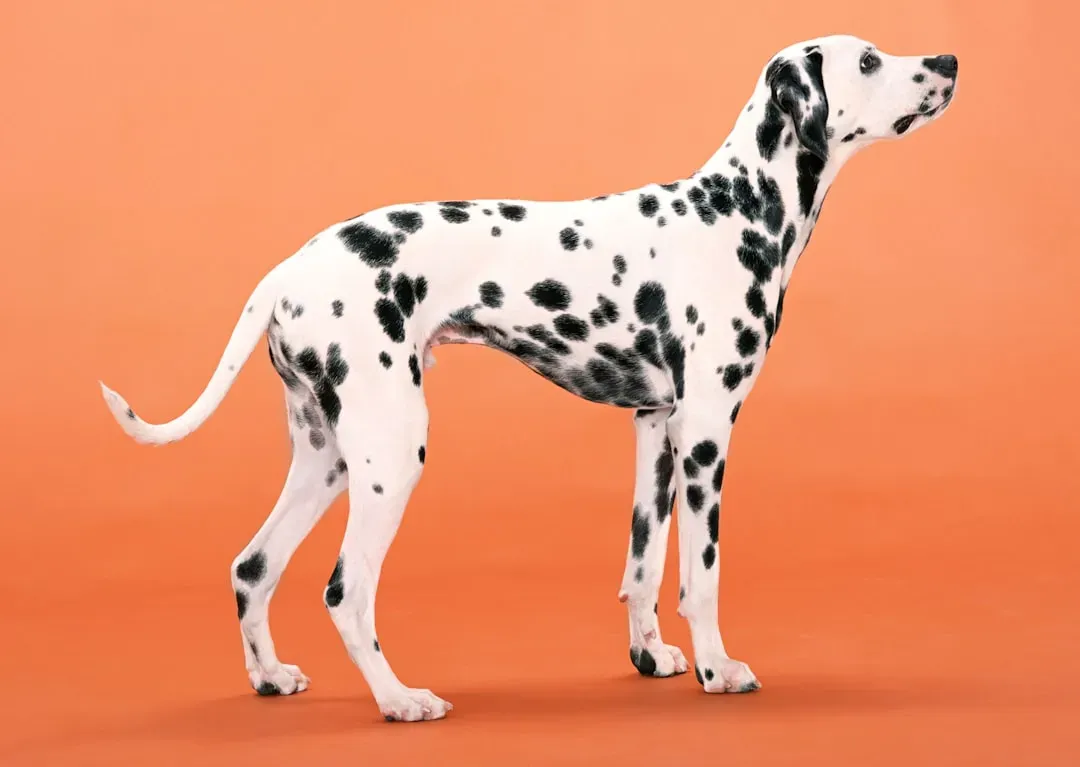
Many Dalmatians aren’t able to hear because of a genetic defect in the breed, so being around a toddler or small child might startle them often, which could result in accidental bites. That spotty coat is iconic, but the breed comes with challenges. Young Dalmatian pups can be incredibly hyperactive, which is fun for children initially, but they tend to grow quickly and might start getting too rough during play.
Dalmatians aren’t crazy about strangers. So if your kids have friends over constantly, this breed might become stressed and reactive. Proper training can help, sure, yet it’s an uphill battle with this high-energy, sometimes unpredictable breed.
9. Shar-Pei
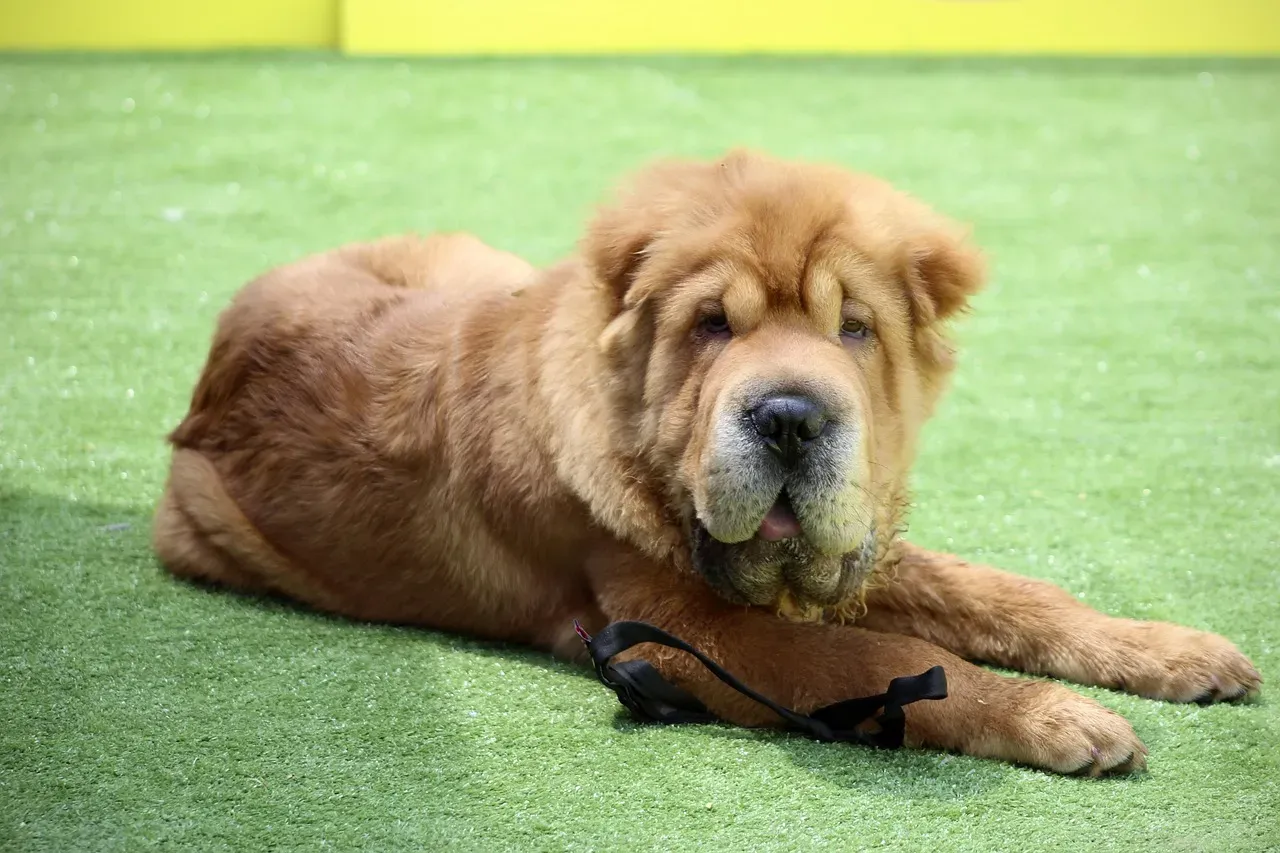
Despite their squeezable wrinkles and heart-warming expressions, some Shar Peis are rather grumpy and particular, and because of their watchful temperament, they may not be the best dogs to have with small children. Those adorable rolls come with a protective, sometimes territorial personality underneath.
They can be devoted to their families but wary of everyone else. Children’s high-pitched voices and erratic movements can put a Shar-Pei on edge, leading to defensive behavior. It’s not ideal when you want a dog who rolls with the punches.
10. Belgian Malinois
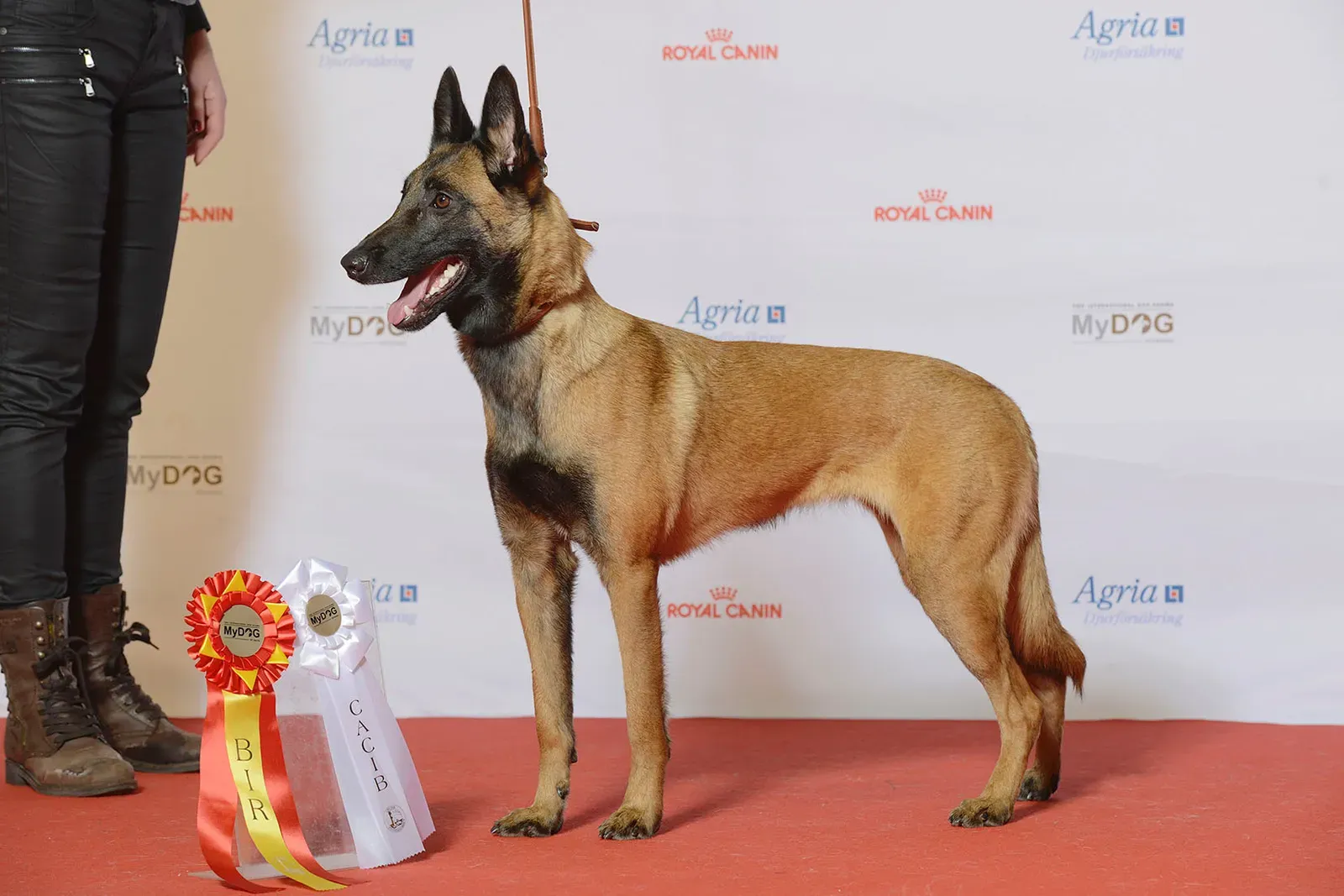
Having a growing Malinois and children at the same time can be stressful since both parties require extensive work, and Malinois can be heavy chewers if not properly exercised and mentally stimulated. These dogs are basically professional athletes in canine form. Malinois who are on the serious side might not want any part of small kid shenanigans, and you might have to wait for this breed until the kids are in the middle school age range.
If for any reason your Malinois nips your child, their powerful jaws can harm your child tremendously. They’re brilliant and loyal, but they need a job, not a household full of chaos.
11. Golden Retriever
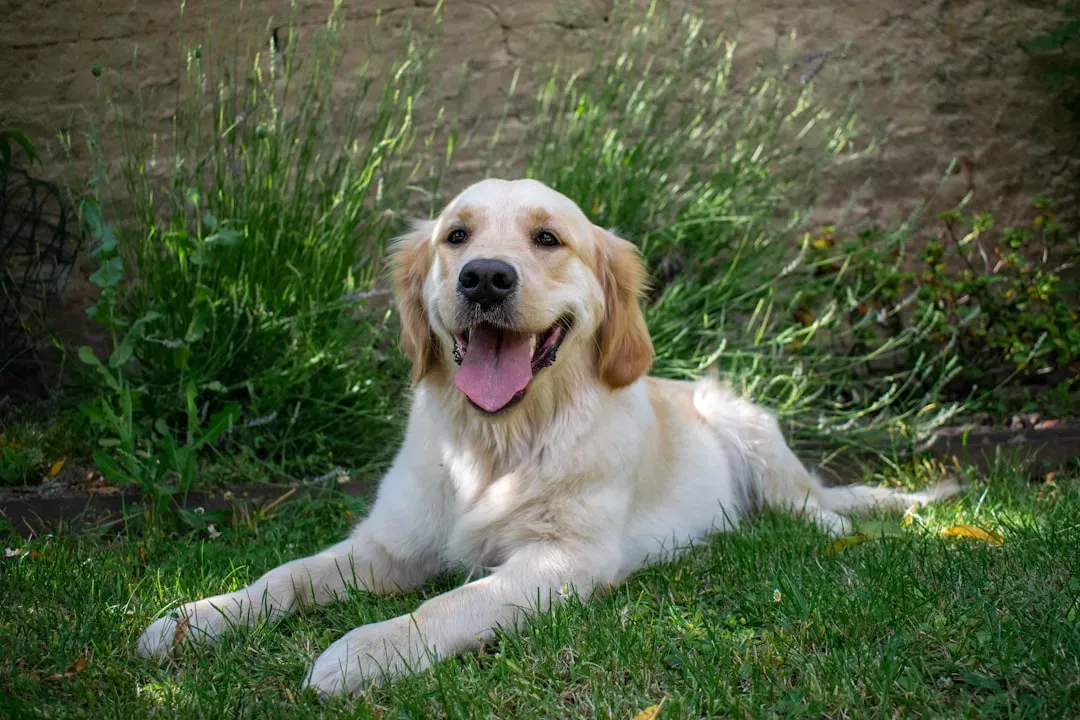
Golden Retrievers consistently rank as top family dogs due to their gentle mouths, patient temperaments, and natural love of children, being large enough to handle enthusiastic kids but gentle enough for toddlers. If there’s a poster child for family dogs, it’s the Golden. Their sunny disposition matches that gorgeous coat.
They are friendly, tolerant, and affectionate dogs known for their gentle demeanor, making them great with children. They thrive on being part of the action, whether it’s backyard fetch or snuggling during movie night. Honestly, it’s hard to find a more naturally kid-friendly breed.
12. Labrador Retriever
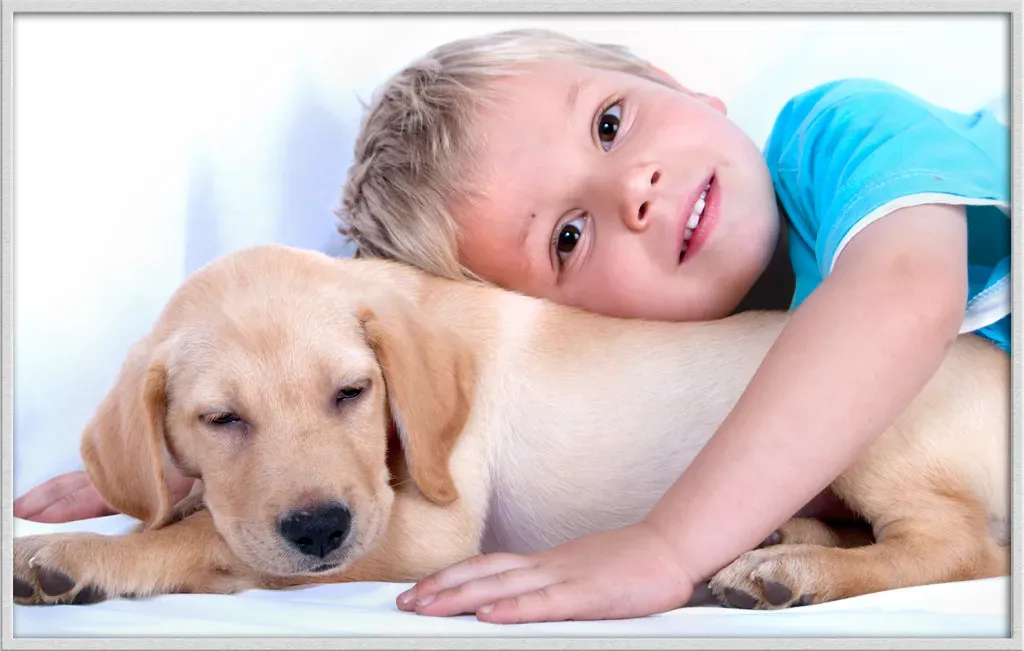
The Labrador Retriever is one of the most popular dogs in the United States for a reason, as these affable and outgoing dogs play well with others, are eager to please, and the breed is affectionate, patient, and trainable. Labs are just good dogs, plain and simple. They are loyal and friendly, get along well with other pets and people, and adore children, never being happier than when playing fetch or learning new tricks.
Labs are enthusiastic athletes that require lots of exercise, so they’re a great fit for active families who have the time and energy to keep up with them. If you’ve got kids who love being outdoors, a Lab is basically their dream companion.
13. Beagle
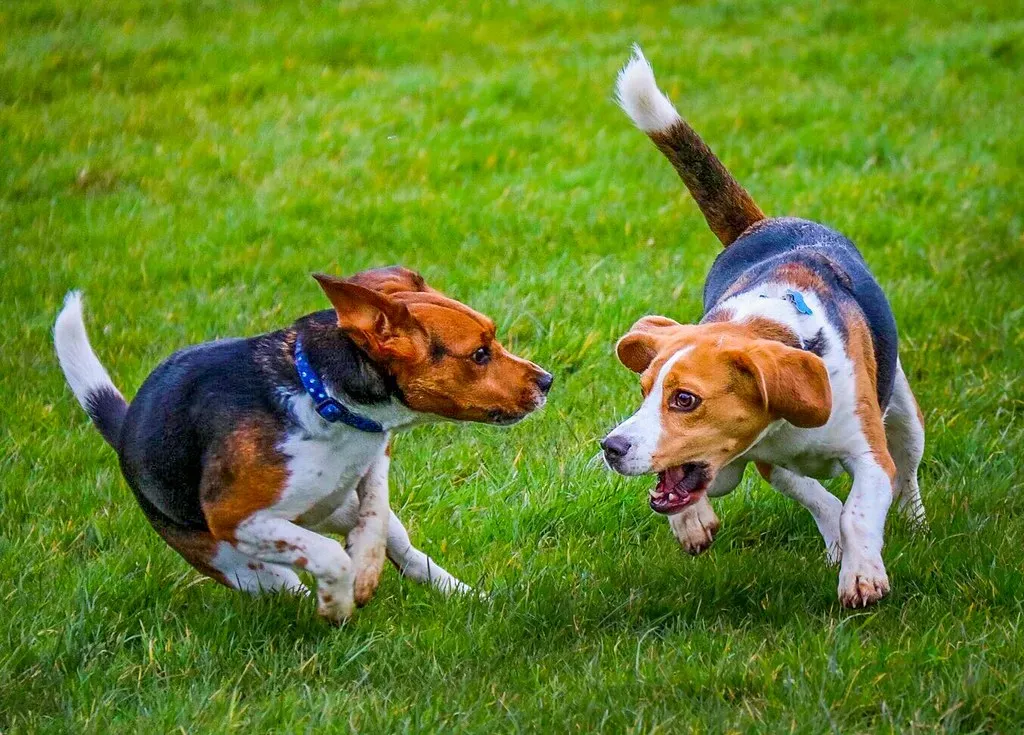
Beagles are generally good options as they are energetic, curious, and friendly, being merry, affectionate, and great with kids, typically between 20-30 pounds. Their compact size makes them manageable, and their temperament is wonderfully even. With energetic and cheeky personalities, they love their family and enjoy nothing more than getting up to mischief with their smaller companions, and despite their excitable nature they’re also generally very tolerant and calm with children.
Picture a Beagle following your kids around the yard, nose to the ground, tail wagging. That’s basically what you’ll get. These high-energy pups need lots of exercise for both body and brain, and lots of supervision as their keen sense of smell can lead them into mischief.
14. Cavalier King Charles Spaniel
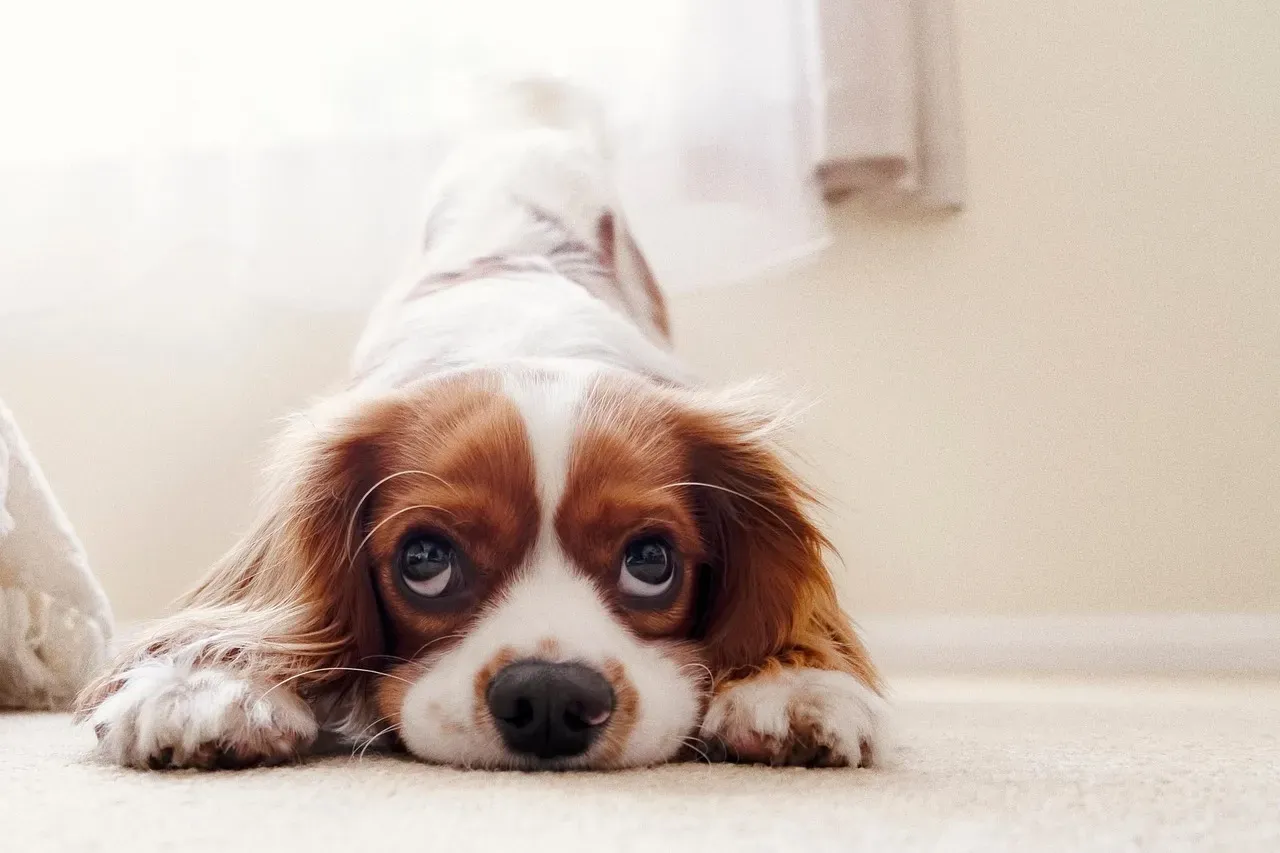
Loyal, affectionate, and patient, Cavalier King Charles Spaniels are one of the best dogs for families, with their smarts and eagerness to please their people making them easy to train with positive reinforcement. These little lap dogs are gentle souls wrapped in silky fur. They are affectionate, gentle, and friendly dogs known for their loving nature and tendency to form strong bonds with their families, being a lower energy breed that appreciates short daily walks and interacting with family members.
They’re small enough not to overwhelm toddlers but sturdy enough to handle some rough play. Perfect for families who want a dog that’s equally happy playing and cuddling.
15. Bulldog

The distinct and wrinkly Bulldog makes a wonderful companion to children, as these loyal dogs can adapt to most atmospheres and are happy to spend time with their families. Their laid-back attitude is legendary. The steady, unflappable, huggable Bulldog has a wealth of tolerance for even the youngest children, being careful dogs who, while not the most trainable breed, are naturally well behaved.
They’re not demanding endless walks or high-energy games. A Bulldog is content to waddle around the yard for a bit and then nap on the couch. That calm temperament is gold when you have unpredictable kids around.
16. Collie
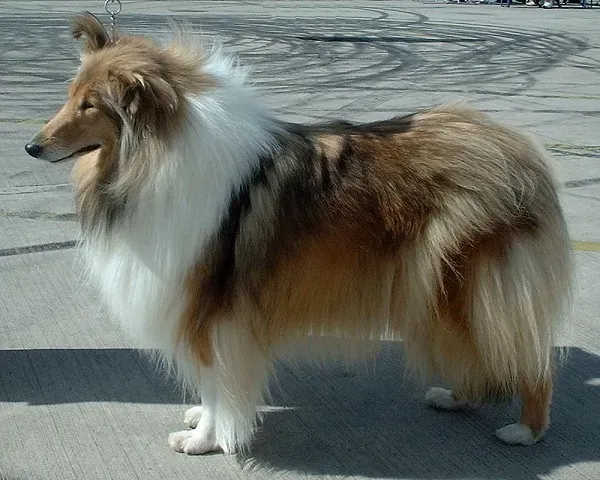
The watchful, reliable Collie is a faithful and intelligent dog who will play with, cuddle, and protect your kids, being easily trainable. Thanks to a certain television show, Collies have that wholesome family dog reputation, and they’ve earned it. Collies are one of the best family dog breeds, being loyal, gentle, patient with children, and one of the smartest dog breeds, though energetic dogs that do best with a family that loves being outside.
Many Collies are protective and controlling, which may make them gently nip their family to keep them in line. It’s a herding instinct, not aggression, but something to be aware of and manage through training.
17. Newfoundland
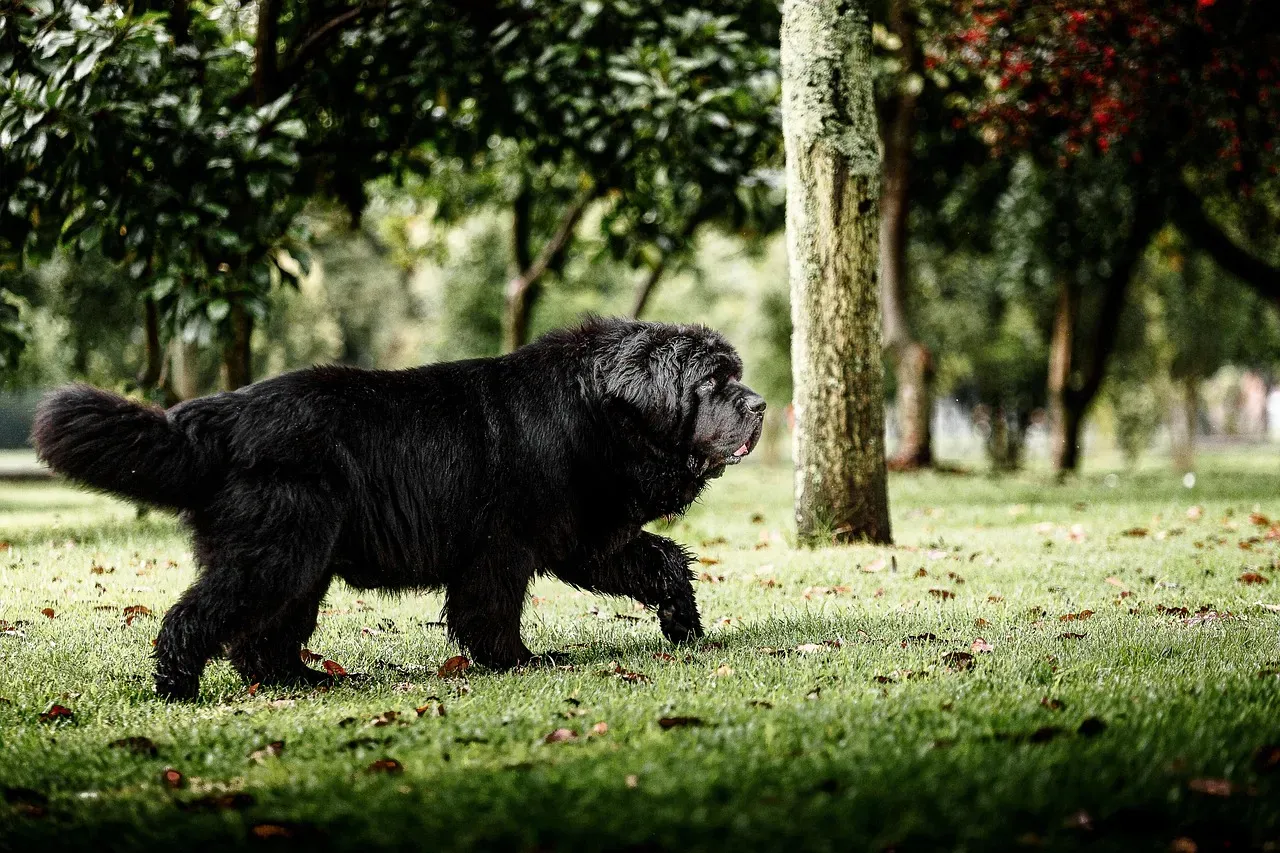
These gentle giants are famously good with children and have natural protective instincts combined with calm temperaments, often called nanny dogs due to their patient, protective nature with kids. Newfies are massive dogs with even bigger hearts. Sweetness of temperament is their hallmark, being loving and people-oriented, calm, easy-going, and patient, happiest when spending time with their family, with a natural instinct to help if something goes wrong.
Yes, they drool. Yes, they shed. Yet the trade-off is a dog that will watch over your children like they’re precious cargo, because to them, they are.
18. Poodle

Originally bred as working dogs, poodles are super smart, have plenty of energy for playing with children and are also generally kind and well-mannered when provided with enough entertainment. Don’t let the fancy haircuts fool you into thinking they’re just show dogs. There are three types of Poodle – Standard, Miniature, and Toy – so pet parents can choose the size that’s best suited to their home and ages of their children.
They’re also great for families with allergies as they’re considered to be hypoallergenic dogs given that they don’t shed their coat, though this does mean they will need regular professional grooming. Smart, adaptable, and gentle when needed? That’s a winning combination.
19. Irish Setter
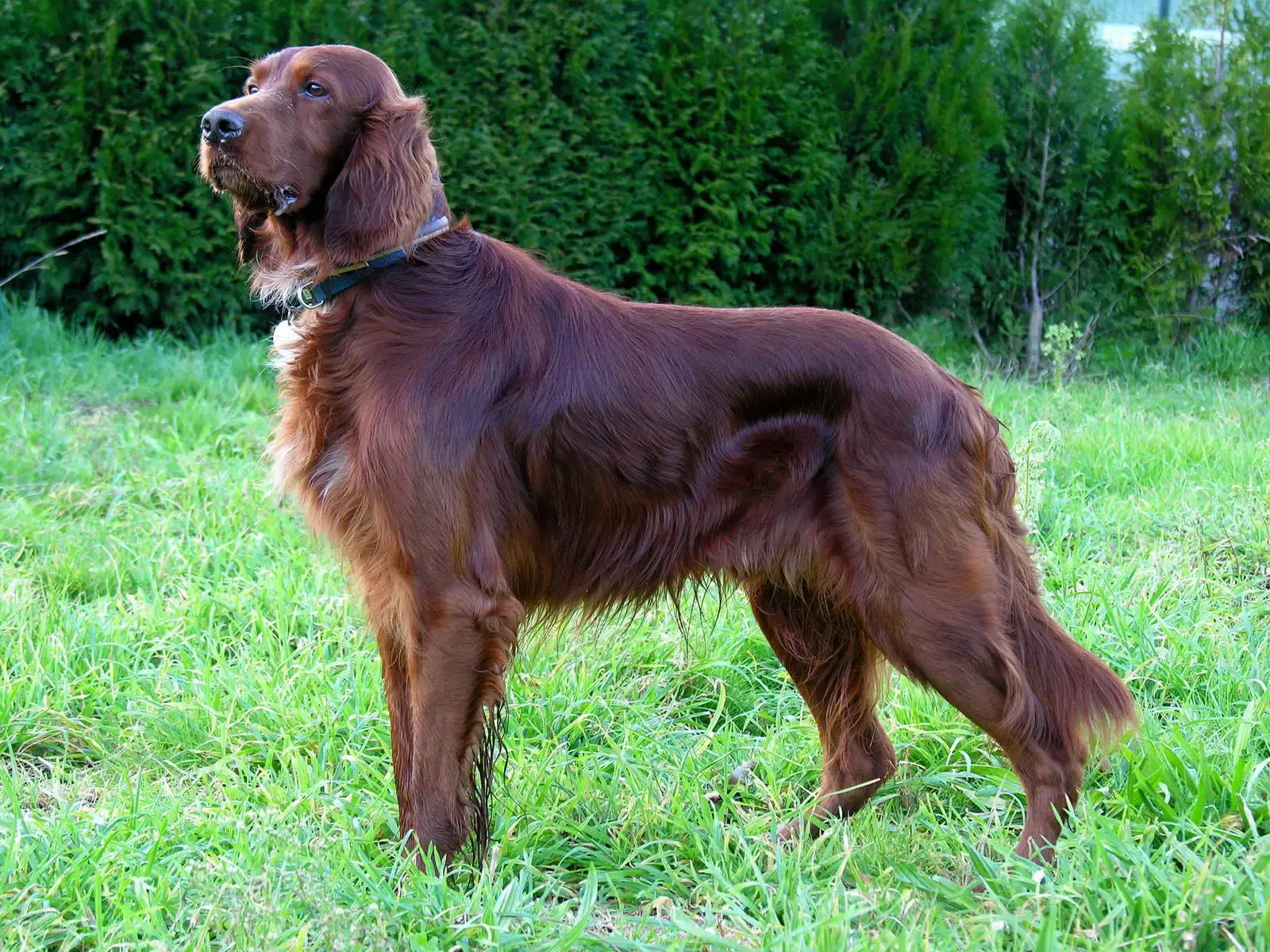
The beautiful, lovable Irish Setter combines a friendly disposition with a willingness to play all day, these gentle, sensitive pets being a good dog breed for kids of all ages, including babies, also a long-lived breed that will be a happy companion for years. Their stunning red coat and boundless enthusiasm make them stand out at the dog park. Irish Setters are energetic and playful dogs that do best in active families where they can play, swim, and hike alongside their humans, with a sweet and intelligent temperament making them good companions for children who want a cheerful and rambunctious friend.
They need space to run and families who can match their energy levels. If you’ve got active kids, an Irish Setter will keep pace with them beautifully.
20. Bernese Mountain Dog
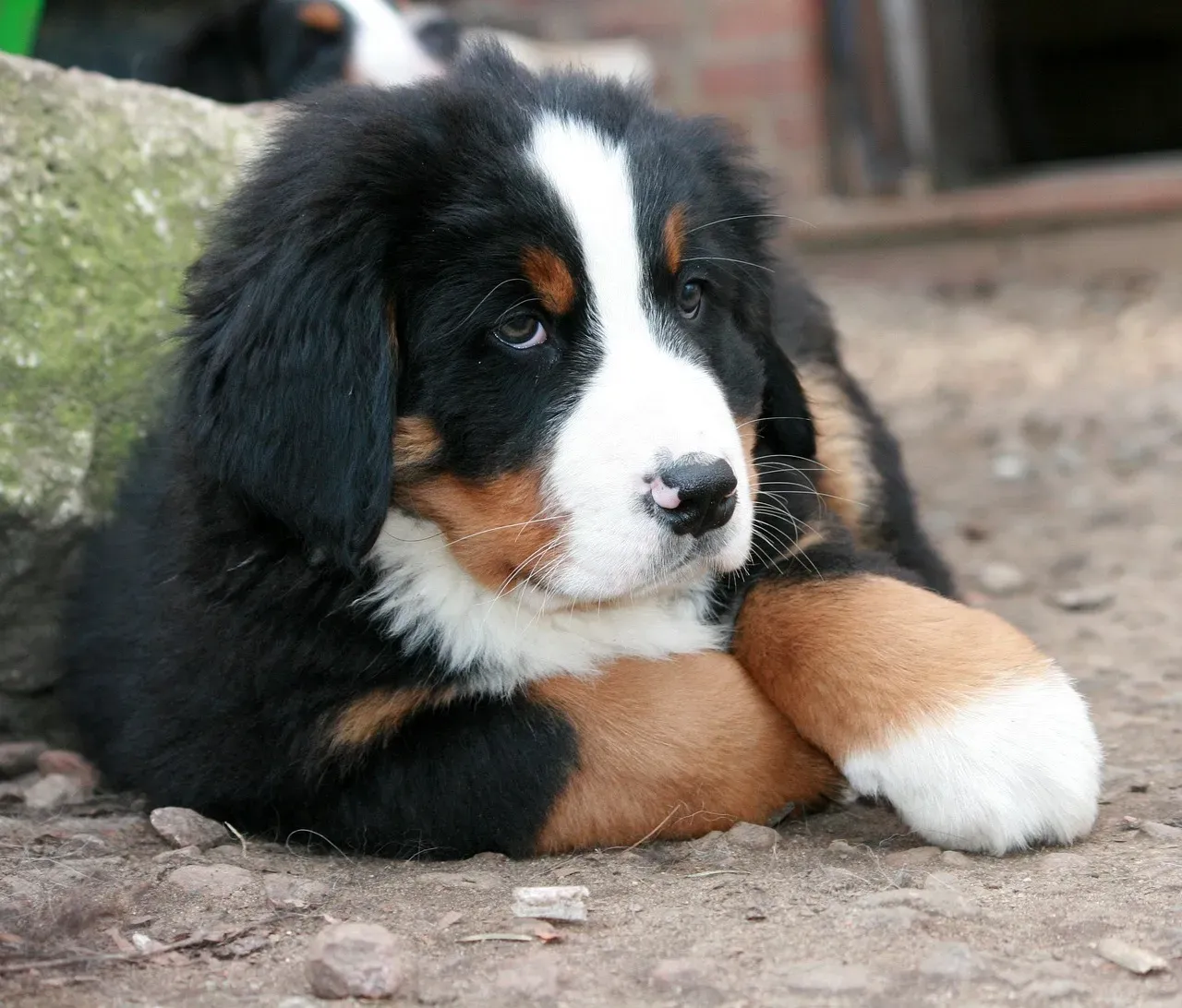
The charming, easygoing Bernese Mountain Dog is patient and sweet with children, enjoying work which includes carting the kids around the neighborhood. These big, fluffy dogs are gentle despite their size. Bernese Mountain Dogs are gentle giants with playful personalities who tend to be patient with children and other dogs, with adaptable natures meaning they can fit right into your home, though these giant dogs can grow to be over 27 inches tall and weigh more than 100 pounds.
Their calm demeanor combined with protective instincts makes them wonderful family guardians. They shed like crazy and prefer cooler weather, though, so be prepared for that. The loyalty and love they offer? Absolutely worth it.
Conclusion
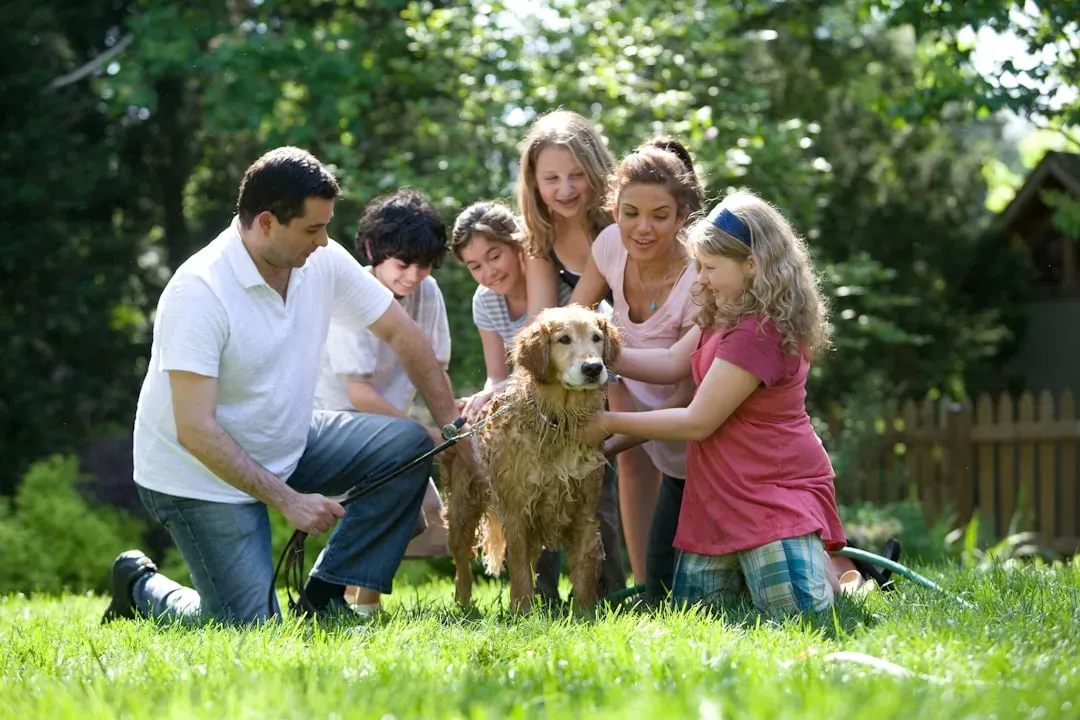
Choosing the right dog breed for your family is one of the most important decisions you’ll make as a pet parent. It’s not about labeling certain breeds as bad, it’s about understanding temperament, energy levels, and what each breed was originally designed to do. Some dogs thrive in the chaos of family life, while others need structure, quiet, and space that just isn’t compatible with young children running around.
The dogs that excel with kids share common traits: patience, adaptability, gentle mouths, and stable temperaments even when things get loud or unpredictable. Meanwhile, breeds that struggle often have high prey drives, nervous dispositions, territorial instincts, or simply weren’t bred to tolerate the unpredictability that children bring. It doesn’t make them lesser dogs, just not the right fit for every home.
Remember that even the most family-friendly breed needs proper training, socialization, and supervision around children. No dog is perfect right out of the box. Did this list surprise you in any way? What breed does your family have, and how has that worked out for you?


