
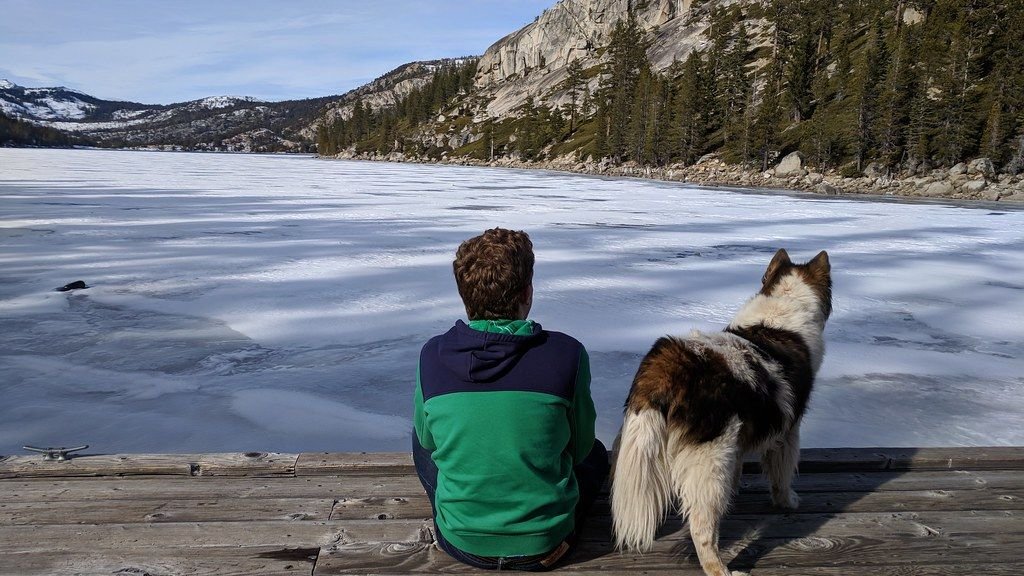
Have you ever watched a Labrador Retriever hurl itself joyfully into a lake, then looked over at your own dog who’s practically trembling at the sight of a shallow puddle? You’re not imagining things. The truth is, not every dog sees water as a friend. Some breeds would happily spend all day paddling through ponds, while others act like water is some kind of ancient enemy designed specifically to ruin their afternoon.
It’s honestly fascinating when you think about it. The differences run deeper than simple preference. We’re talking about centuries of selective breeding, physical features that either help or hinder swimming, early life experiences, and even personality quirks unique to individual dogs. Let’s be real, understanding why your furry friend reacts the way they do around water can help you become a better, more empathetic pet parent.
The Genetics Behind Water-Loving Breeds
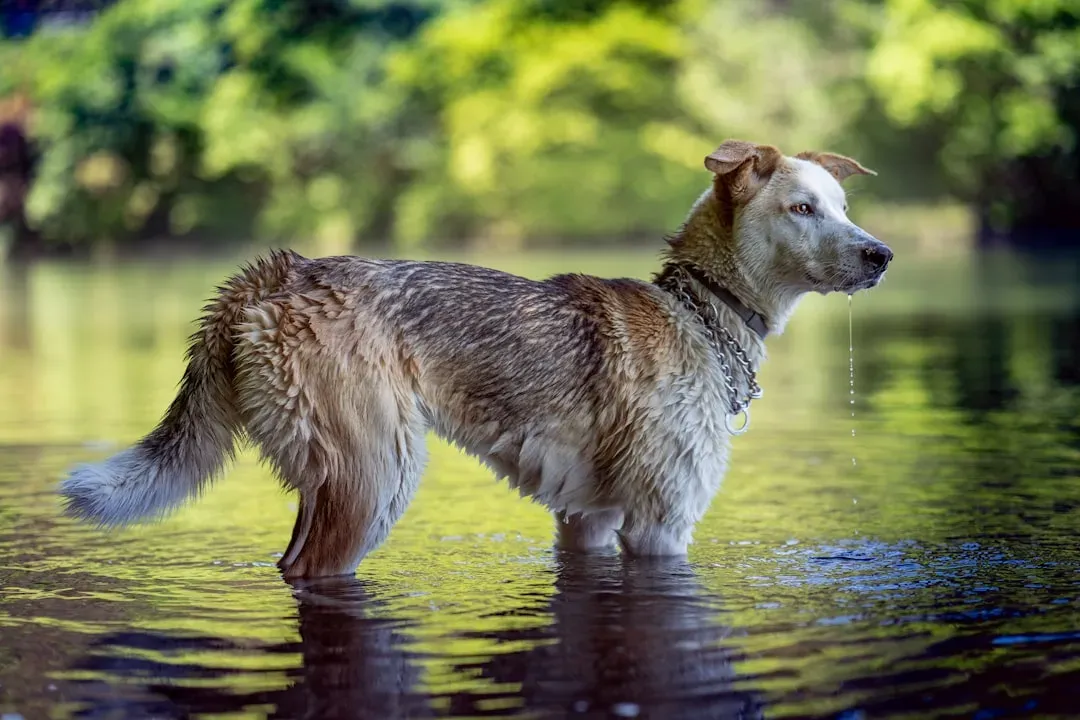
Here’s the thing: some dogs were literally designed to work in water. Breeds like Labs, Poodles, and Portuguese Water Dogs were born to swim and catch prey in the water, with webbed feet specific to breeds that have historically hunted waterfowl. Their bodies carry features that make aquatic life easier and more enjoyable.
These breeds have a membrane that connects the spaces between their toes, making swimming even easier. Think of it like nature’s built-in flippers. The extra skin between toes creates a broader paddle for efficient water displacement, enabling these dog breeds to swim faster and more efficiently.
The fact that some breeds of dogs are born with webbed feet is a genetic mutation, with all dogs having a slight bit of webbing on their feet, but some have far more than others due to genetics, and this mutation was bred purposefully in these breeds because it was found to be helpful. Breeders recognized the advantage and made sure it stuck around in certain lines.
Physical Features That Make Swimming Easier (or Harder)
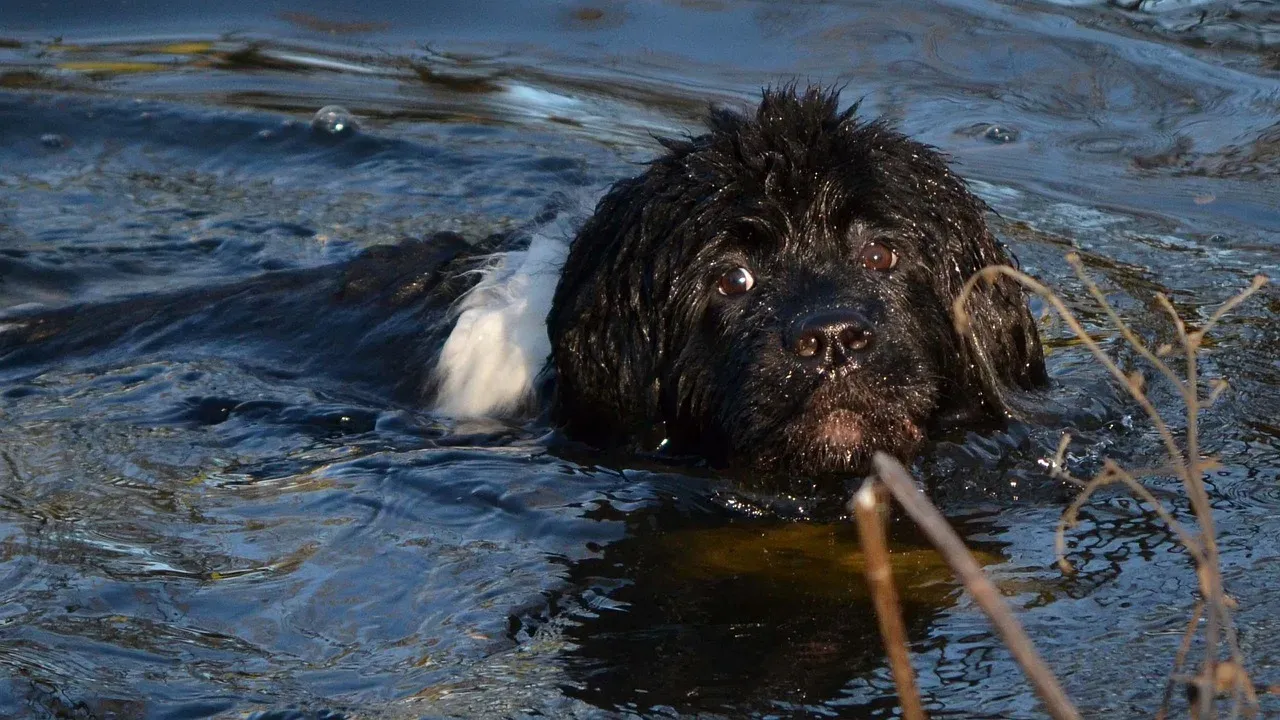
Physical build matters more than you’d think. Newfoundlands are gentle giants and natural water rescuers, with their webbed feet enabling powerful swimming strokes. Their large, powerful bodies slice through water with ease. Meanwhile, other breeds face real challenges.
Short-legged Chihuahuas and brachycephalic breeds, such as boxers, may need more assistance around water. Bulldogs have a hefty, muscular build, making them more of a heavyweight wrestler than a nimble swimmer, like trying to swim with a heavy backpack on, while Dachshunds, with their short legs and long bodies, are like mini submarines that aren’t quite fit for deep waters.
Coat type also plays a surprisingly major role. The topcoat helps protect a dog’s skin, repelling water and other elements, while the topcoat can keep water and dirt off your dog, and the undercoat can provide insulation in cold weather. Breeds like the Irish Water Spaniel have tightly curled, naturally water-repellent coats where the outer layer resists saturation while the undercoat provides insulation, so even after time in the water, their fur stays warm and rarely feels soaked to the touch. Pretty impressive biological engineering, honestly.
The Critical Role of Early Socialization
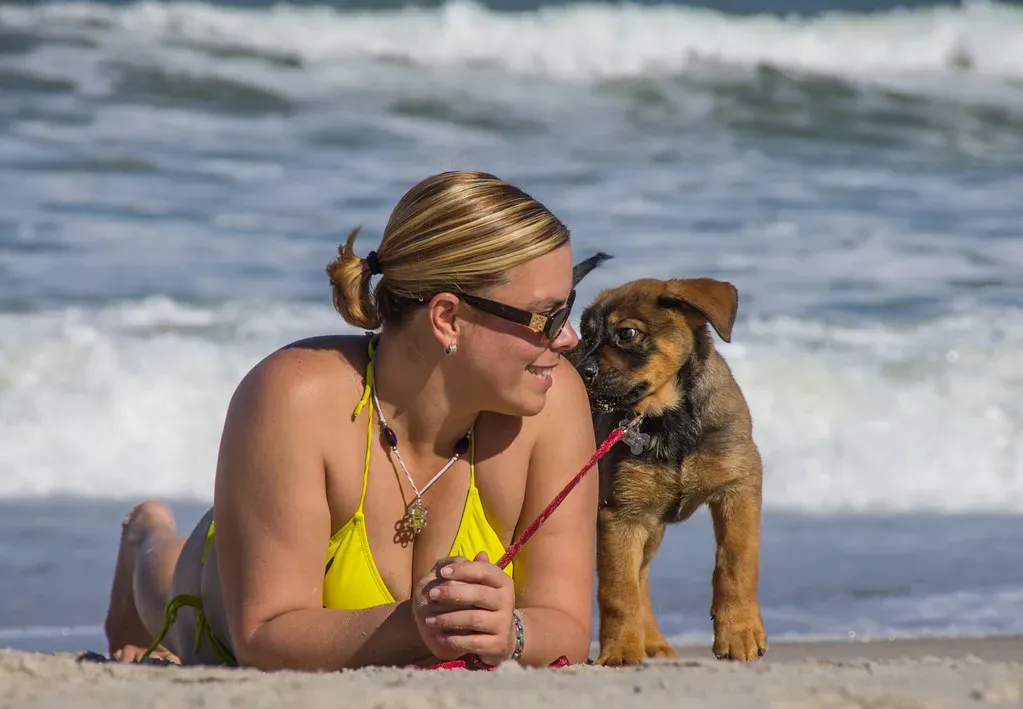
I can’t stress this enough: early exposure to water makes an enormous difference. The most critical socialization window is before 12 weeks of age but can last as long as 16 weeks of age, and this is the most impressionable time in a dog’s life, where they can learn to love, hate or be afraid of anything.
You may also increase your chances of instilling a lifelong love of the water if your pet is exposed to swimming during the first three months of their life. This is the time when puppies are most receptive to new experiences, and initial positive contact with water during this time can help develop a lifelong love of swimming.
Do not make your puppy’s first introduction to water be cold water, as this would result in a very poor water introduction and could cause problems down the road. Temperature matters just as much as timing. Get a nice warm day, don’t have cold water, and the first time your puppy sees water, he’s going to get in the water because you’re going with him.
When Past Trauma Creates Water Fear
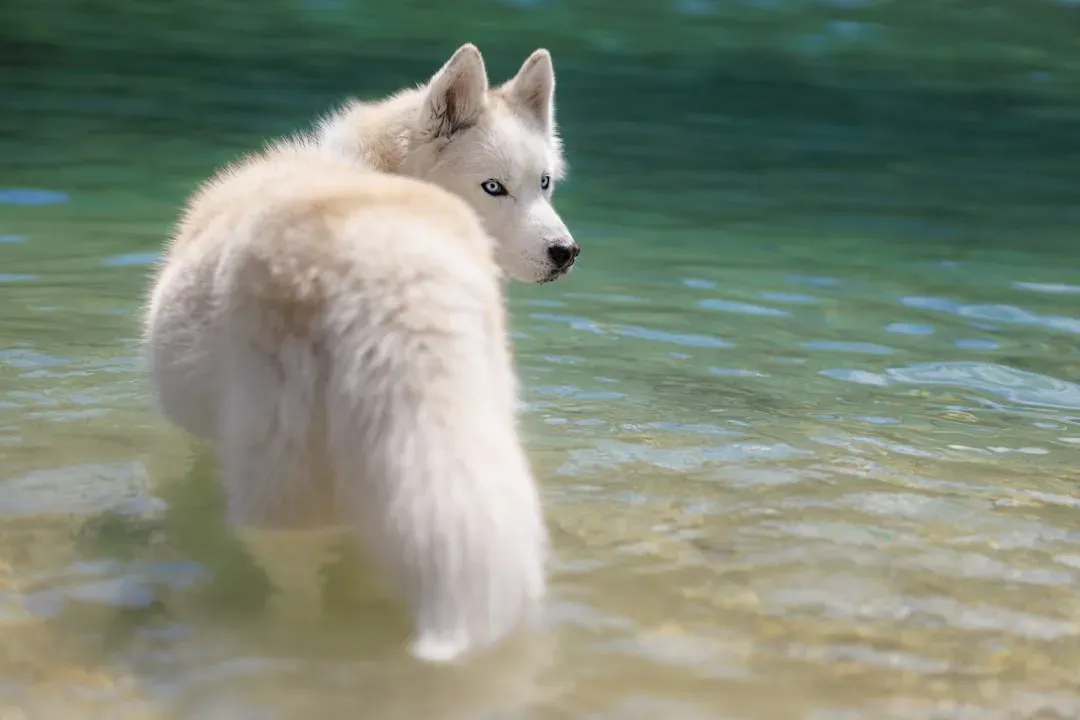
Sometimes a dog’s fear isn’t about breed or build at all. There are many reasons why dogs may be fearful of water, as it could simply be that it’s a new experience for them or that the water feels different under their paws or on their fur, and your pet may have also had a traumatic experience with water.
Dogs can hold onto bad memories, and if your pup accidentally fell into water as a puppy or was startled during bath time, that fear can stick around. Some dogs might have had really scary experiences, like near-drowning incidents, which can cause a deep-rooted fear of water, and for these dogs, seeing water isn’t just a small worry but like a big red alarm goes off in their heads saying danger.
One dog that came for training had a poor water introduction when she was young after falling out of a boat, and as a result, she was very fearful of the water and wouldn’t even go near the water’s edge. The good news? With patience, many dogs can overcome these fears. It’s not an overnight fix, though.
Lack of Exposure During Puppyhood
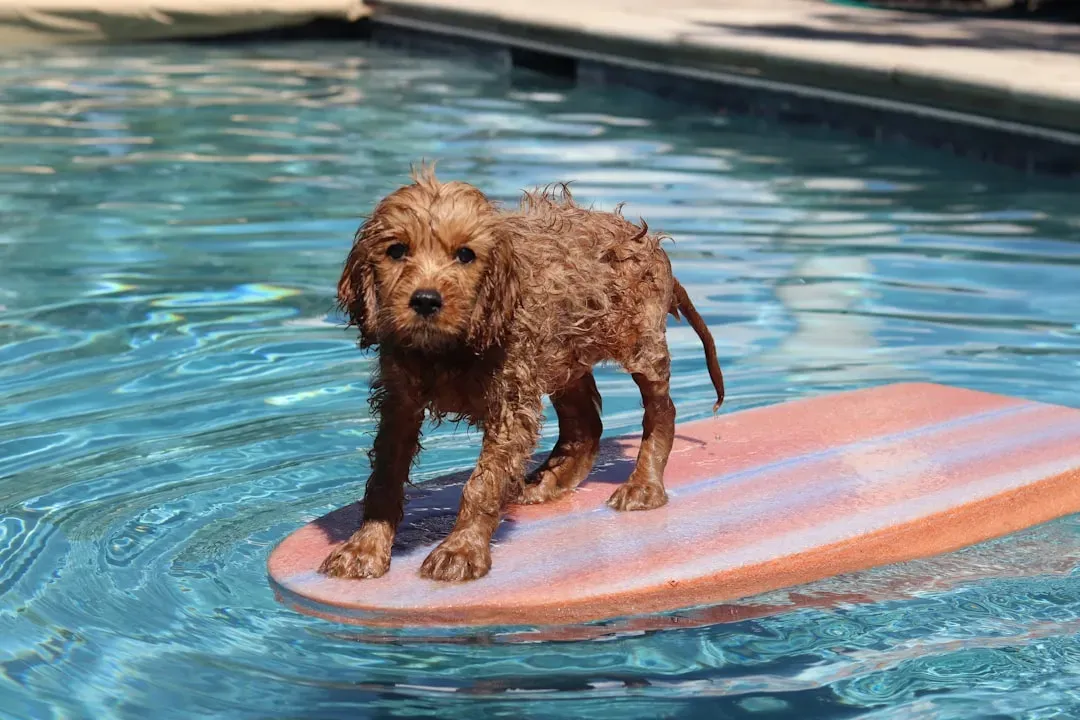
Let’s be real: if a dog never encounters water as a puppy, it’s going to seem pretty weird later on. Dogs have sensitive learning periods, and if a dog isn’t introduced to water at a young age, it can feel strange and intimidating later in life.
Some people grow up without learning how to swim because they didn’t spend much time around water, and the same goes for dogs, as if a dog hasn’t had much contact with water, especially during their puppy days, they might grow up to be a bit wary of it. There are also dogs who simply weren’t introduced to water early on, and now find it unsettling as adults.
If a dog’s early experiences don’t include splashing around in puddles, running through sprinklers, or having gentle baths, they might find the whole concept of water a bit strange and intimidating, like never having ice cream as a kid and then wondering what the big deal is when you’re older. That comparison actually makes a lot of sense when you think about it.
How to Help Your Water-Shy Dog Build Confidence
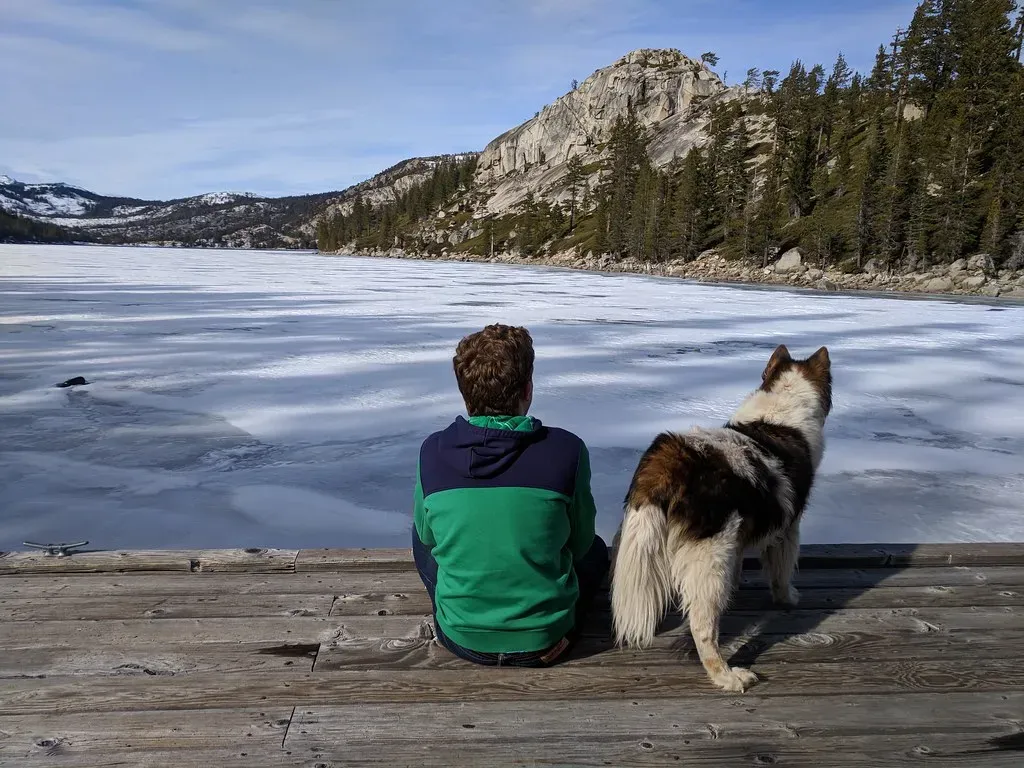
So what can you do if your dog treats water like it’s molten lava? Start slow and stay patient. Introduce your dog to water gradually, starting with small amounts in a controlled environment, beginning by offering treats near water sources and gradually moving closer, as this gradual exposure helps build positive associations and reduces anxiety.
Start small and never throw them into the water, walk with your pet along the shore to get their feet wet, then slowly head in a little deeper but stay in shallow water. You can start by offering your dog a shallow bowl or wading pool to play and splash in, as the sound and feel of water against paws can help reduce anxiety, filling it only slightly at first so your dog can jump in without fear, then slowly increase the amount of water to overcome your dog’s fear of depth.
Reward your dog for any positive behaviour around water using treats, praise, and toys to reinforce their bravery and encourage them to explore further, as this positive reinforcement helps build confidence and trust. Take each of these steps slowly, and over time you’ll have a confident swimmer, remembering that this is not a one-day training activity. Honestly, watching a once-fearful dog finally relax around water is one of the most rewarding experiences you can have as a dog owner.
Conclusion
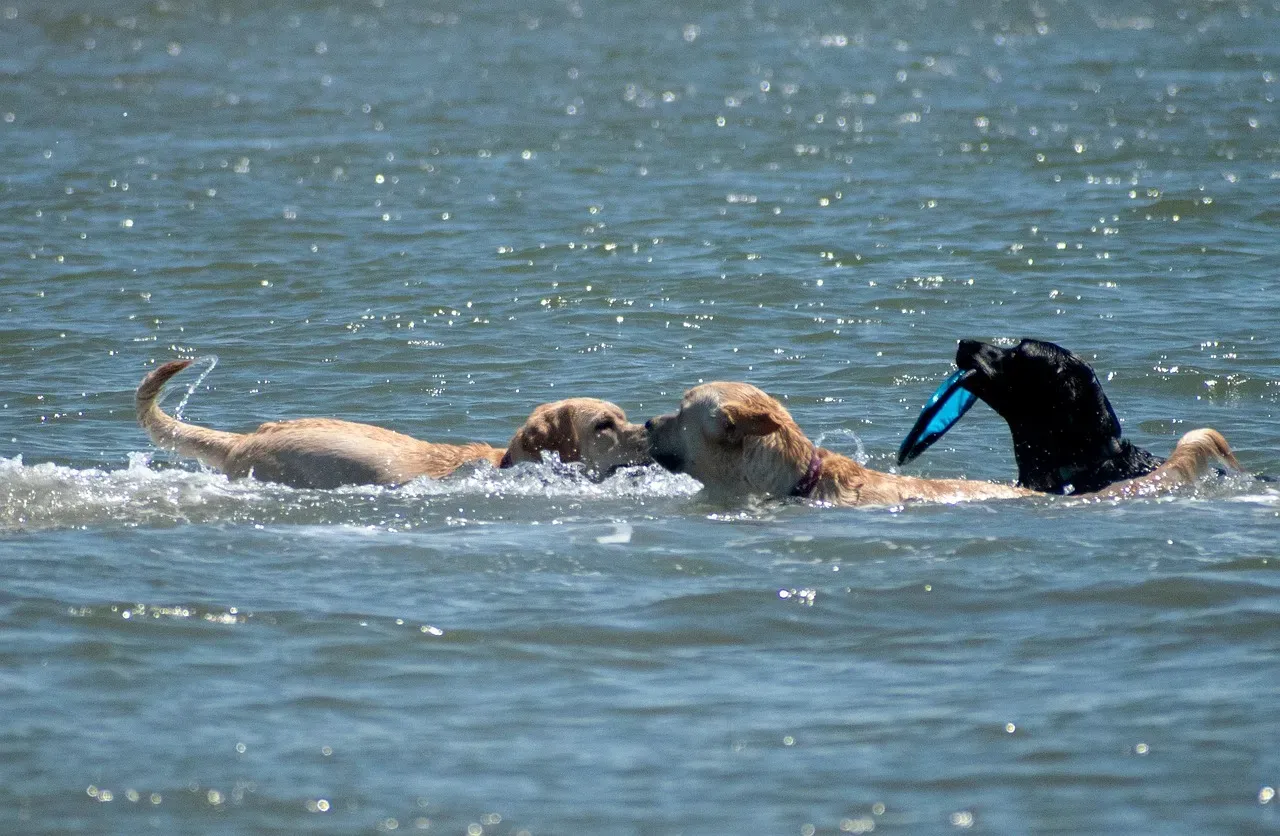
The relationship between dogs and water is far more complex than most people realize. It’s not just about whether your dog happens to like getting wet. We’re talking about generations of selective breeding, physical attributes that either support or hinder swimming, critical early-life experiences during sensitive developmental periods, and sometimes traumatic memories that can shape behavior for years.
The beautiful thing is that understanding these factors puts you in a better position to help your furry friend. Whether you have a natural-born swimmer or a dog who views puddles as personal threats, patience and proper introduction techniques can make a world of difference. Remember, every dog is unique, and there’s no shame in having a pup who prefers to keep all four paws firmly on dry land.
Does your dog love the water or avoid it like the plague? What experiences shaped their relationship with swimming?


