
You see the puppy at the shelter, with those eyes that melt your heart, or maybe you’ve fallen in love with a breed because of how they look in movies. People bring dogs home with the best intentions, imagining lazy Sunday mornings and peaceful walks in the park.
Then reality hits. Some breeds demand so much more than basic sit and stay commands. They need structure, consistency, mental gymnastics, and a level of dedication that catches even seasoned dog lovers off guard. This isn’t about intelligence, though. Often, the smartest breeds are the hardest to train because they’re too clever for their own good.
Let’s talk about those breeds that look adorable but come with a training manual thicker than a phone book. The ones that will test your patience, outsmart your strategies, and remind you daily that they were born with a job to do.
Siberian Husky
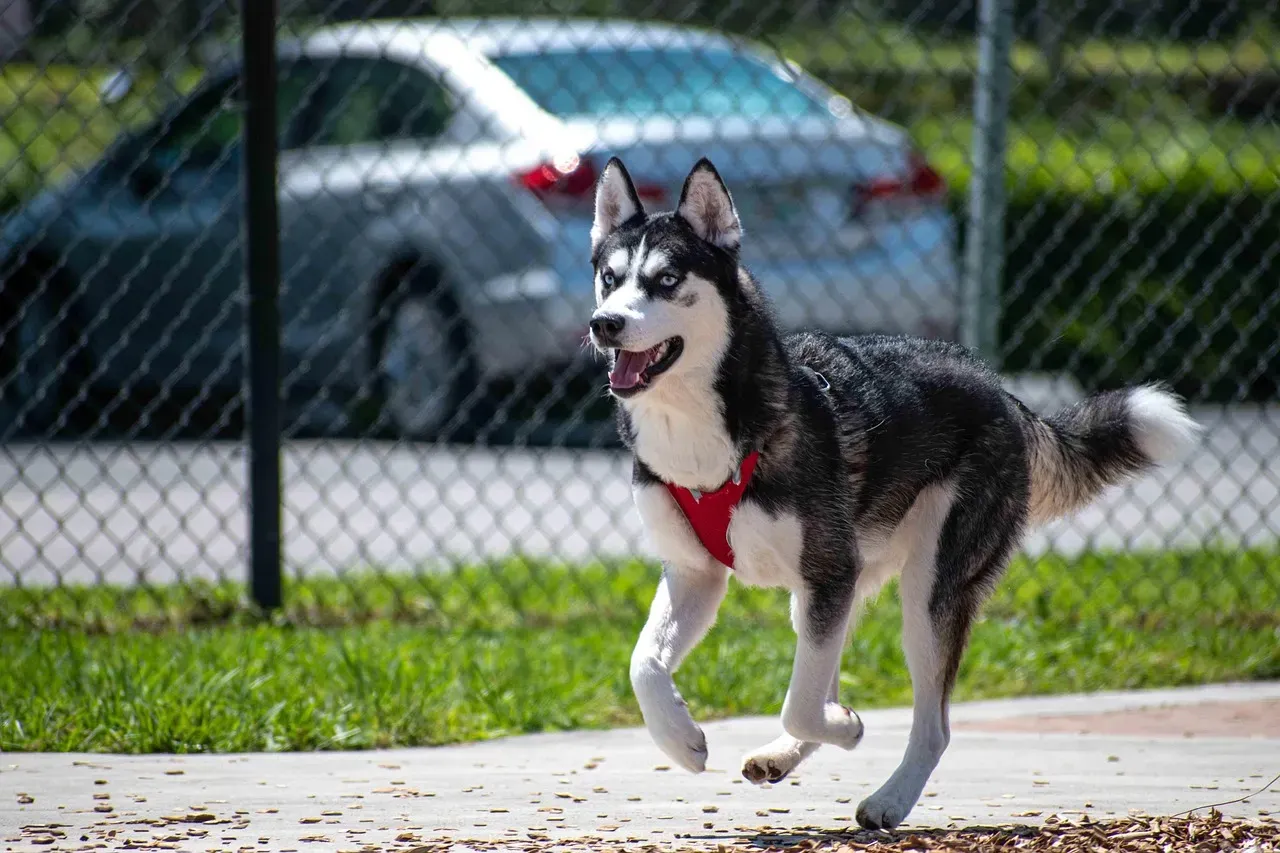
Huskies were originally bred to run for miles on end in frozen tundra, so their souls crave movement and purpose. They were bred to be independent, as this ensured a mushing group would ignore commands if the terrain was deemed unsafe, which means that independence translates to stubborn streak when it comes to listening to commands.
Picture this: you’re calling your Husky at the dog park, and they look straight at you, acknowledge your existence, then bolt in the opposite direction. These dogs are notorious escape artists. Without enough exercise, they will quickly become destructive. They need jobs, tasks, and hours of activity, not a quick walk around the block.
Huskies are intelligent, independent, and sometimes downright stubborn, and a bored Husky equals a destructive Husky. Training them requires creativity, endless patience, and accepting that recall might never be 100 percent reliable.
Border Collie
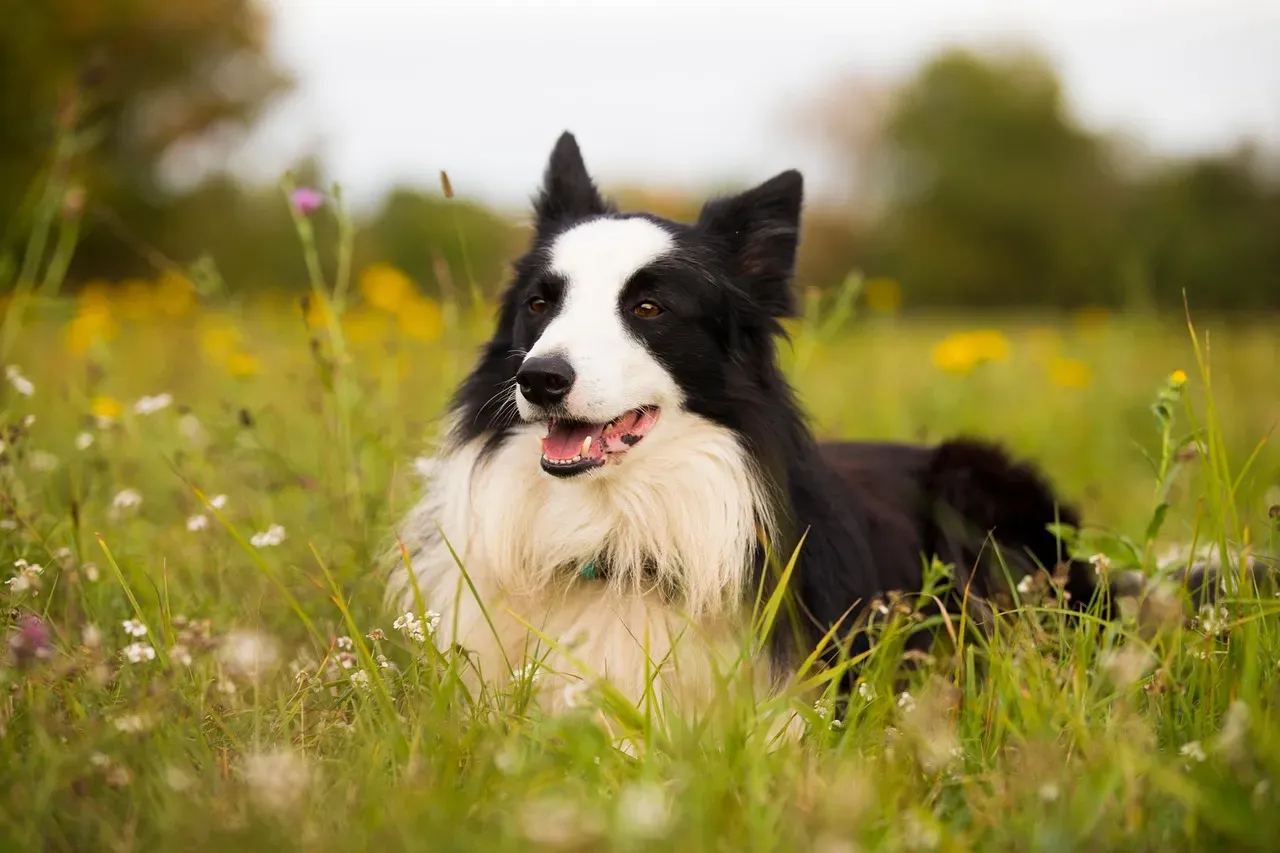
Here’s the thing about Border Collies: they’re geniuses. Border Collies have been ranked as the number one most intelligent dog, and can learn a new command with fewer than five repetitions. That sounds wonderful until you realize they’ll also learn every loophole in your training methods.
Border Collies were bred to run, think, concentrate and perform tasks all day, every day, and have been selectively bred to work all day and love doing it. An hour of fetch won’t cut it. Border Collies need ongoing challenge, and if you don’t give them something to learn, they’ll invent something to do, which might not line up with your idea of a peaceful home.
These dogs can develop reactivity issues, obsessive behaviors, and anxiety if their minds aren’t constantly engaged. They can be more intense, behave differently to certain situations than other dogs, and often play differently by treating things like kids and other dogs like sheep and trying to herd them, which is why reactivity can be a common problem.
They’re not content being pets. They need to be partners in a working relationship.
Dalmatian
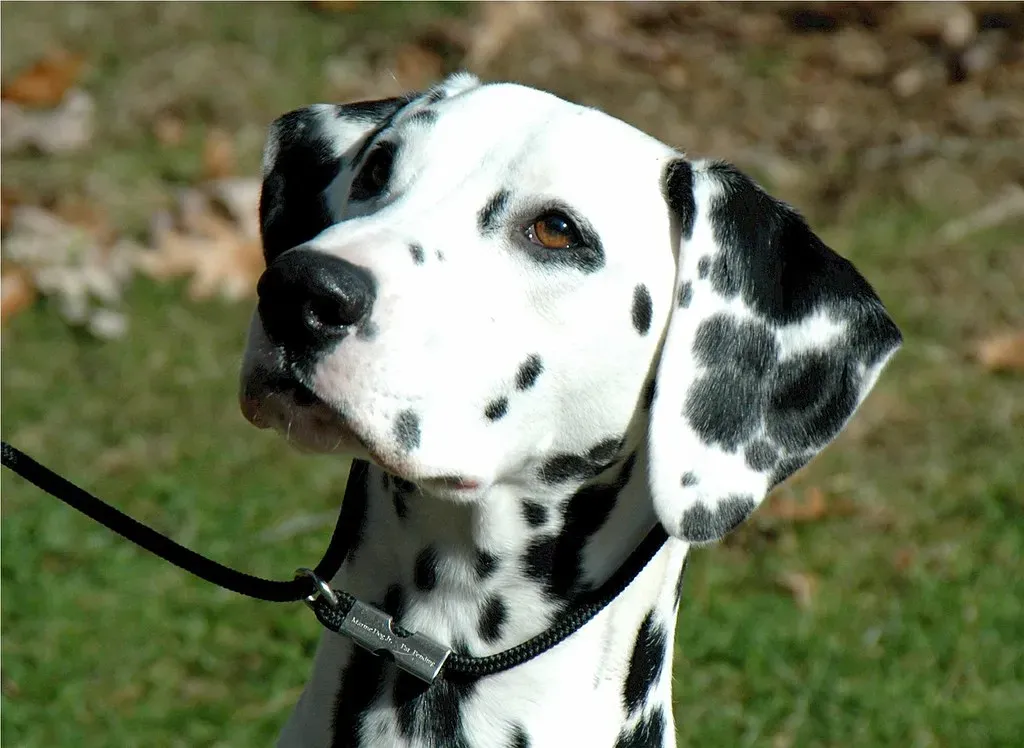
Those spots are deceiving. Dalmatians look like the perfect family dog, glamorous and athletic, but they come with challenges people don’t anticipate. Dalmatians are intelligent and eager to please, which makes them trainable, but their independent and sometimes stubborn nature can present challenges, requiring consistency, patience, and clear communication.
They require at least two hours of exercise daily, and without adequate physical activity, these dogs can develop destructive behaviors ranging from chewing furniture to excessive barking. Their energy isn’t just physical either. Dalmatians benefit from challenges like obedience training, puzzle toys, or jobs to keep their minds occupied.
They may present as being over-sensitive, reactive, distrustful or prone to resource guarding, so Dalmatian puppy training is required from a young age to minimize the risk of these issues developing. Some can be reserved with strangers, and approximately 10 to 12 percent of Dalmatians are born deaf in one or both ears, and deafness can cause communication difficulties leading to behavioral challenges.
Training a Dalmatian means committing to structure and activity for their entire lives.
Jack Russell Terrier
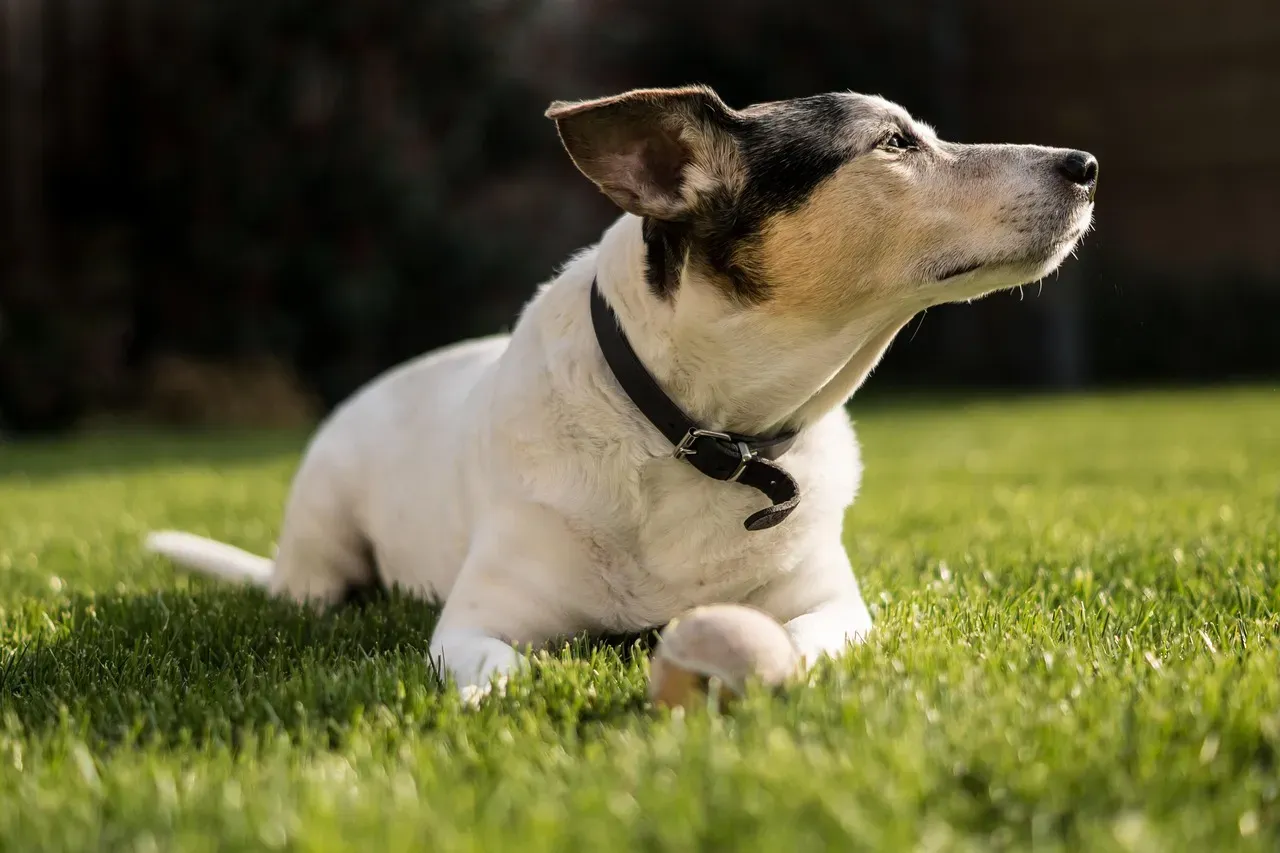
Don’t let the small size fool you. Jack Russells are first and foremost hunting dogs, and the traits that make them excellent hunting dogs, like digging, barking, and aggressive nature, are often interpreted as bad habits. They were bred to go into fox dens and flush out prey, which requires guts, independence, and relentless determination.
They can be stubborn, excitable and have a high prey drive, unsurprising given their breed history where they were bred to hunt foxes including going into their dens to flush them out. It’s next to impossible to make a terrier do something it doesn’t want to, which is a massive handicap to standard training.
The pursuit of fun is their main goal in life, and anything that prevents them from having a good time becomes an obstacle to be overcome. They’re easily bored by standard obedience classes. Jack Russell Terriers tend to get easily bored, requiring varied and stimulating training sessions, and their spirited nature can lead to stubbornness, making consistency in training an absolute necessity.
These little terrors need owners who can think like them and stay ten steps ahead.
Afghan Hound
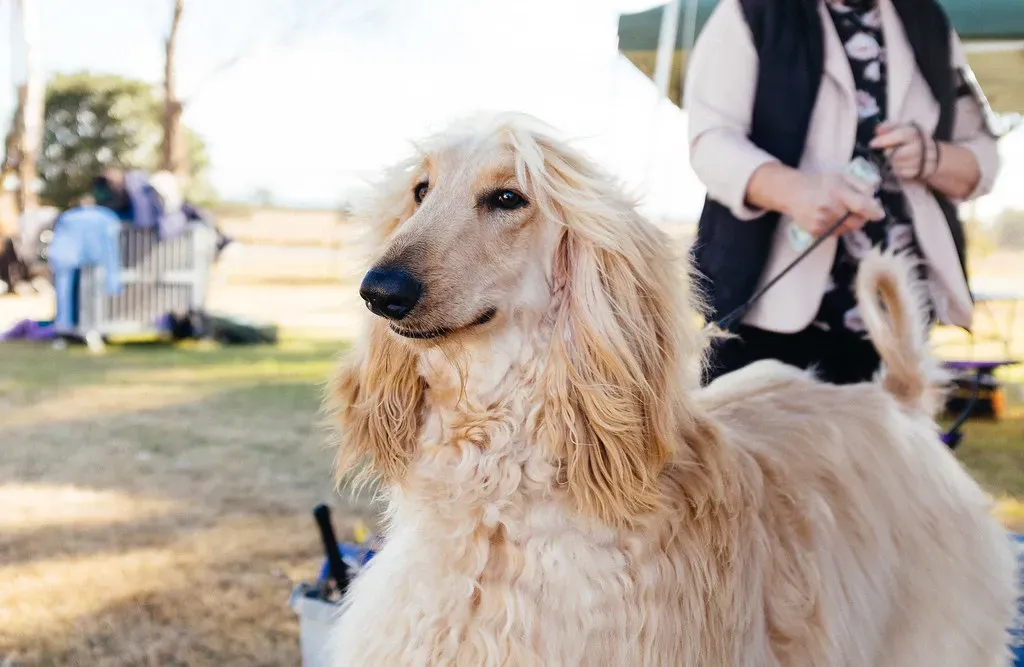
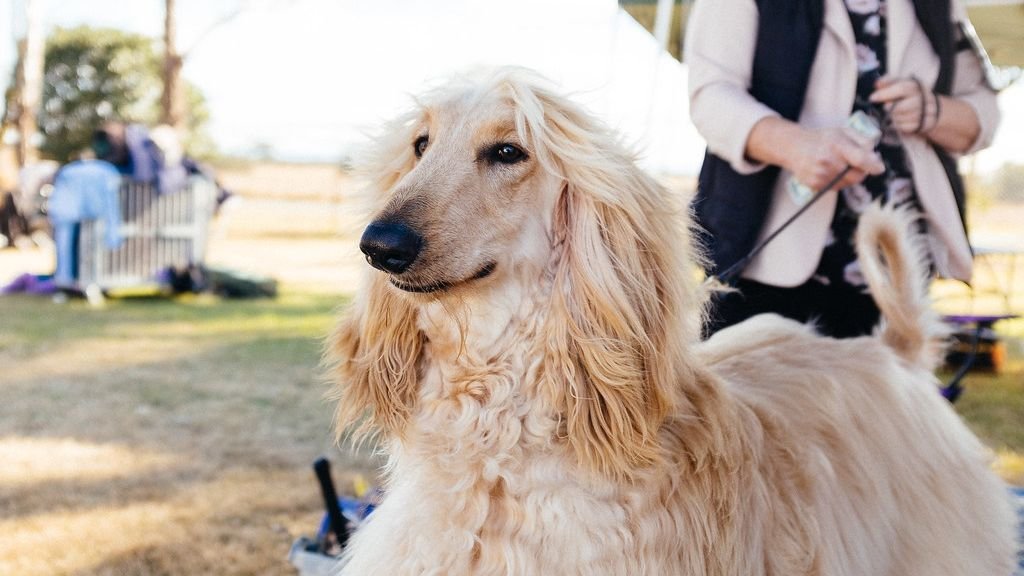
Elegant, regal, and breathtakingly beautiful, Afghan Hounds look like they stepped out of a painting. They also have the independent streak of a cat combined with the selective hearing of a teenager. Known for their independent nature and aloof demeanor, Afghan Hounds can be stubborn when it comes to training, and their strong hunting instincts and sensitivity to harsh handling require dedicated training and a gentle, reinforcement-based approach.
Their sensitivity is real. Harsh corrections will shut them down completely, turning training sessions into power struggles. These are sight hounds, bred to chase prey across vast distances without human direction, so independence is hardwired into their DNA.
They’re highly intelligent, sensitive and fiercely independent. They’ll learn commands, sure, but whether they choose to obey them is an entirely different matter. Training an Afghan requires infinite patience, creativity, and accepting that they’ll never be the most obedient dog at the park.
Recall? Forget about it. Once they spot something interesting, their brain switches off to everything else.
Basenji

Calm and highly independent, Basenjis stand out thanks to their catlike proclivities and the fact that they don’t bark. Sounds great, right? Less noise, more peace. The reality is more complicated. Basenjis are known for their cat-like personalities, being both independent and intelligent, and this breed is notoriously difficult to train due to their stubborn nature.
Although intelligent, basenjis are exceptionally independent-minded, and their desire to please is nonexistent; while they can pick up tricks and commands in a breeze, they won’t be at your every beck and call. They might decide to follow commands one day and then ignore you completely the next; basenjis know exactly what you want them to do, they’re just not interested.
They are curious and easily bored, requiring creative training techniques to keep them engaged. Traditional training methods bounce right off them. They need variety, mental challenges, and owners who understand that cooperation is a negotiation, not a guarantee.
Think of them as the free spirits of the dog world.
Chow Chow
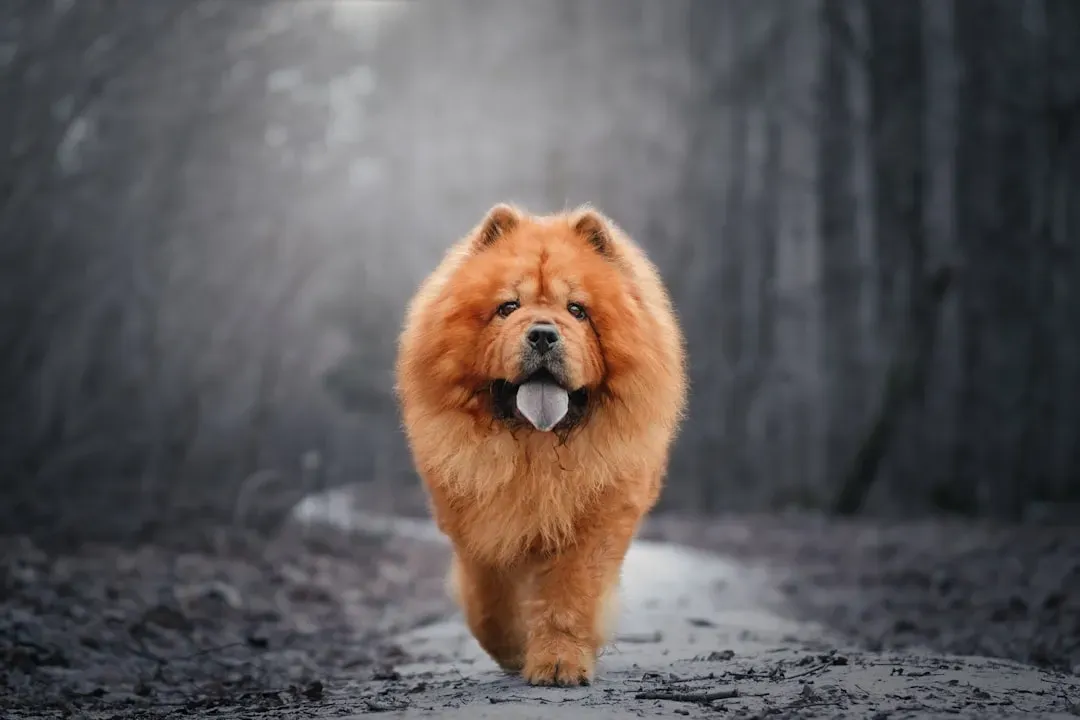
With their lion-like mane and blue tongue, Chow Chows are striking and memorable. Chow Chows are not just distinctive in appearance but also in personality; they tend to be aloof and very independent, which can make training a challenge. Chow Chows are not naturally inclined to obedience; instead, they’re independent thinkers who value autonomy.
They’re dignified dogs who aren’t interested in pleasing you just for the sake of it. Chow Chows have a reputation for being strong-willed and aloof, and they can be wary of strangers and may require extensive socialization. Early socialization is absolutely critical, as these dogs can become overly protective or suspicious without proper exposure.
Training a Chow Chow requires firmness, consistency, and reinforcement, and early socialization and obedience training are crucial for this breed. They respond to respect, not force. Push too hard and they’ll push back harder.
Honestly, living with a Chow Chow is like living with royalty who occasionally acknowledges your presence.
Beagle
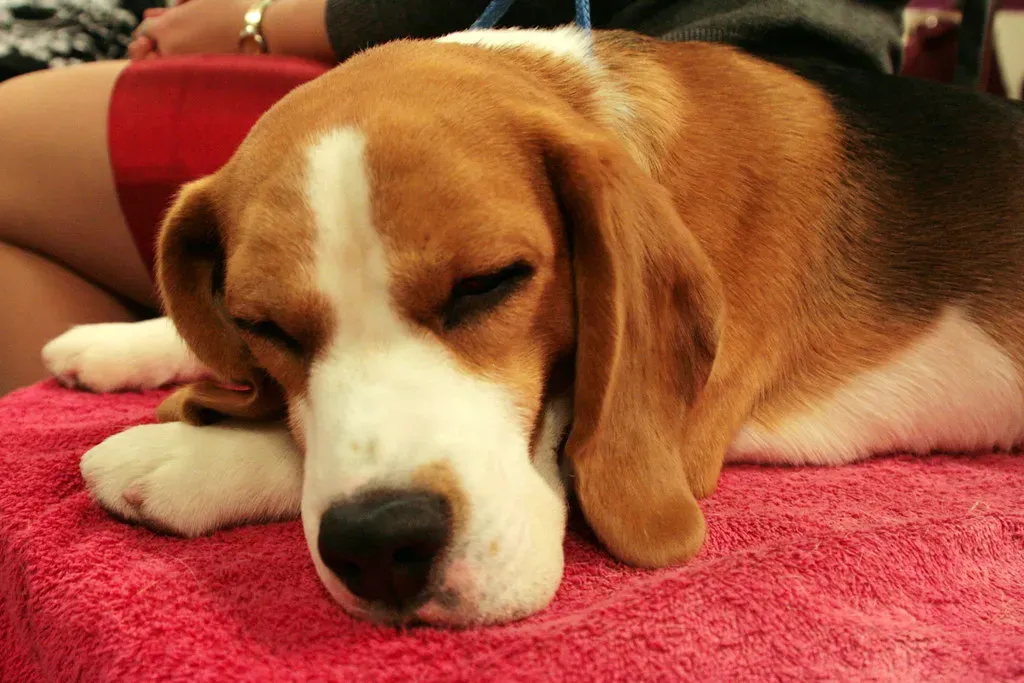
Those floppy ears and soulful eyes hide a nose that rules their entire existence. Beagles have a very strong focus on the smells around them and a strong genetic inclination to follow scent trails. Most of the reason why training Beagles is difficult comes down to a common hound problem: getting distracted by scents around them and wanting to trace the source, which makes training with distractions a considerable challenge.
This breed’s exceptional sense of smell often leads them to be easily distracted by scents, making training a challenge. You can be mid-command, and they’ll catch a whiff of something interesting and suddenly you no longer exist. They have extremely high energy levels, and their hyperactive nature typically prevents them from learning and listening to your commands.
The good news? The Beagle is incredibly food-motivated, so having high-value rewards on hand during training will help immensely. Training a Beagle means working around their greatest passion: following their nose wherever it leads.
They’re sweet, loving, and stubborn as all get-out.
Rottweiler
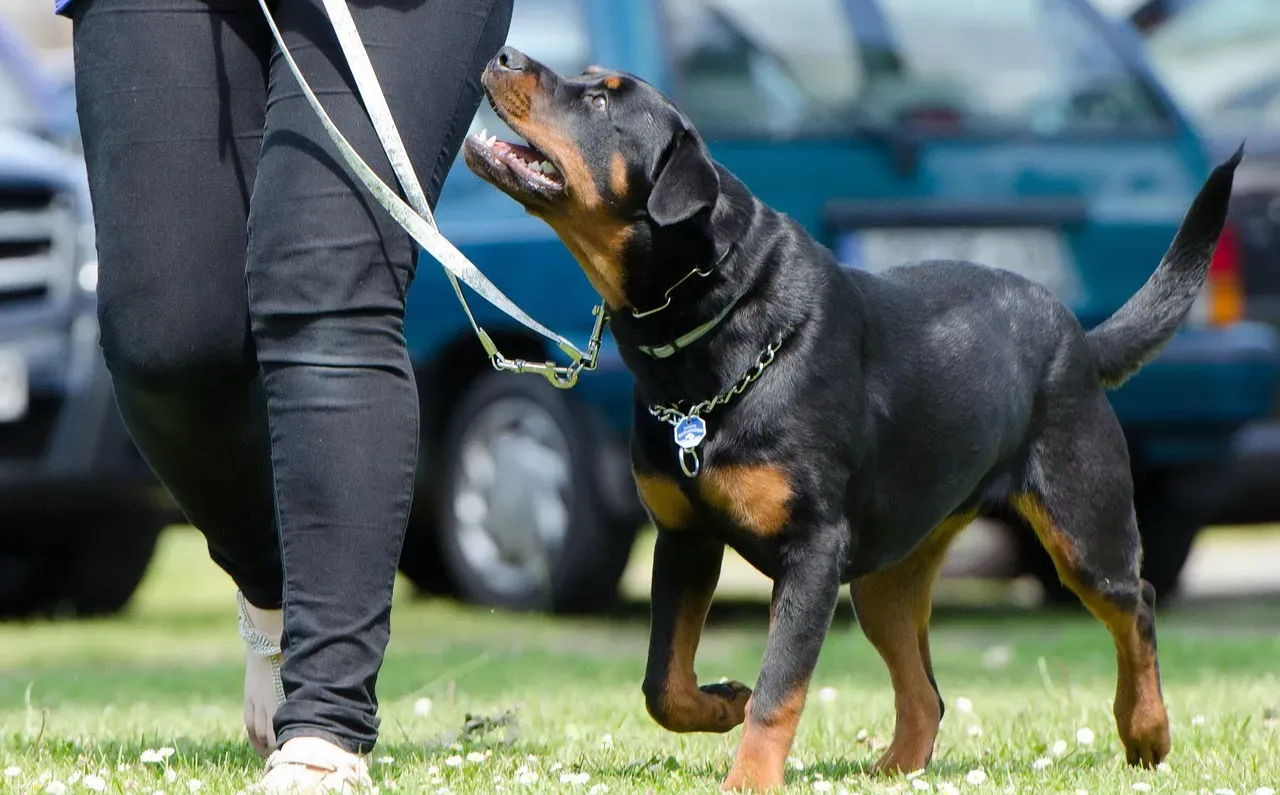
Powerful, loyal, and intimidating, Rottweilers are often misunderstood. The key to training a Rottweiler is early socialization and consistent, firm training, as they can be stubborn and become overly protective if not trained correctly. This breed requires an owner who understands the importance of establishing clear leadership and boundaries.
Their size and strength mean mistakes aren’t just inconvenient, they can be dangerous. When you run into problems with them being stubborn, there’s little you can do because of their massive size. They need an owner who’s confident, consistent, and willing to invest serious time in training.
The large Rottweiler is a natural protector that thrives when they have a job to do, which means that not only is the Rottweiler extremely trainable, but training is essential to their happiness. Without structure, they can become overprotective or difficult to manage.
These are working dogs who need purpose and direction from day one.
Bloodhound
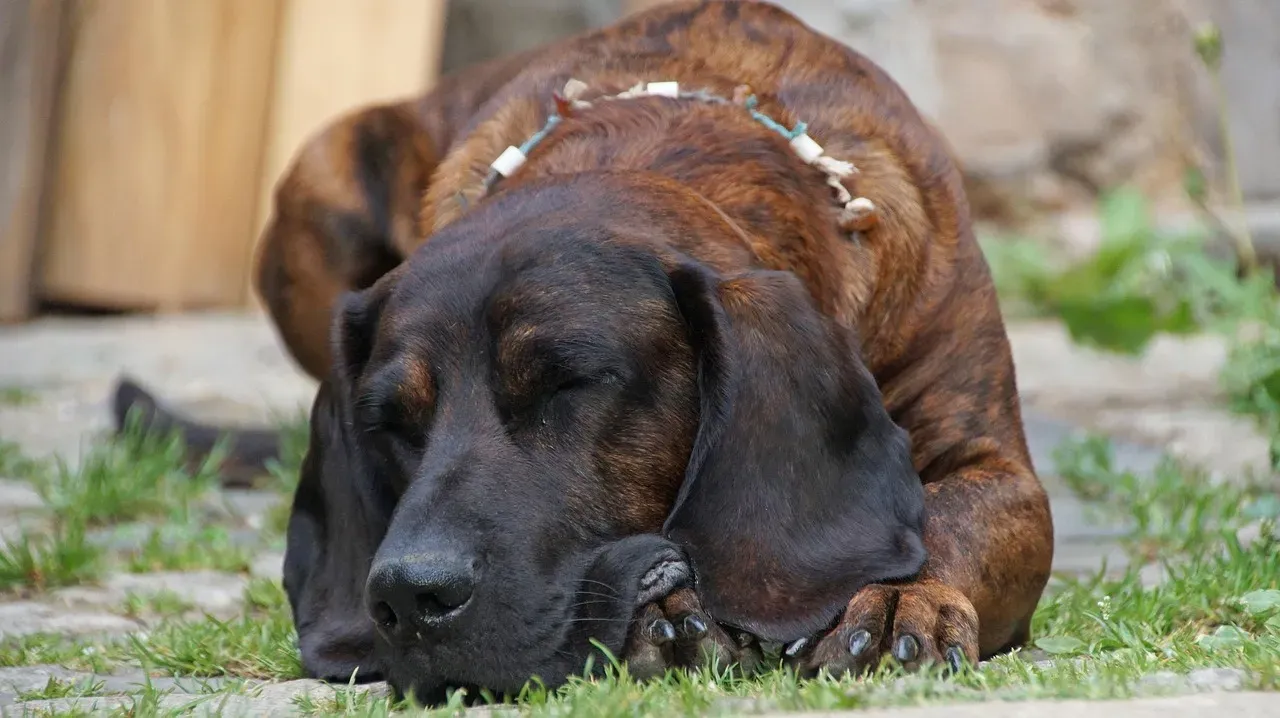
Bloodhounds are hunting dogs renowned for their exceptional sense of smell, and the bloodhound is law enforcement’s go-to choice to locate fugitives and find missing individuals. That incredible nose is also their greatest training challenge. Their instincts and self-reliance can pose a challenge during training, and bloodhounds are stubborn and easily sidetracked, making standard training techniques less effective.
Once they’re on a scent, good luck getting their attention back. Most hounds can get easily distracted by scents and ignore training, but that goes even more so for the Bloodhound. They’re also incredibly strong and determined, which means leash training becomes an Olympic event.
Though this breed can be affectionate with their families, they can easily develop a dominant streak and try to be the boss, which poses other challenges during training, and their stubbornness and sense of independence mean these dogs do better with experienced owners. Although bloodhounds are one of the hardest dogs to train, persistence, patience and positive reinforcement pay off in spades with this dog breed.
Training a Bloodhound is a marathon, not a sprint.
Conclusion
Training any dog takes commitment, patience, and time. These ten breeds, though, demand something extra. They weren’t bred to be easy companions lounging on sofas. They were created with specific jobs in mind, jobs that required independence, determination, and sometimes a healthy dose of stubbornness.
The truth is, none of these breeds are untrainable. They just require owners who understand what they’re signing up for. They need consistency, creativity, and a willingness to meet the dog where they are, not where you wish they were. If you’re willing to put in the work, these challenging breeds can become the most rewarding companions you’ll ever have.
Did you find your own dog on this list? What’s been your biggest training challenge?


