

Picture this: You’ve done all your research, chosen the perfect breed based on what you’ve read, brought your pup home, and then reality hits. Your dream dog turns out to need way more than you bargained for, but not in the ways the breed guides mentioned. Let’s be real, every breed description talks about grooming or exercise needs, but there’s so much more lurking beneath the surface. Some challenges with certain breeds go far beyond the basics, and honestly, most people don’t warn you about them until it’s too late.
You love dogs. I know you do. That’s why you’re here, ready to learn the truth about breeds that demand more than meets the eye. So let’s dive in and explore the hidden high-maintenance qualities of ten incredible breeds that deserve your full understanding before you commit.
1. Dalmatians: The Relentless Energy That Never Quits

Everyone recognizes those iconic spots, but few people realize what it’s really like living with a Dalmatian. Dalmatians are rambunctious, highly energetic, and need a lot of daily exercise, and without adequate activity, these dogs may develop undesirable behaviors to keep themselves entertained. We’re not talking about a casual stroll around the block here. Think closer to two hours of vigorous activity every single day.
Here’s the thing nobody mentions enough: One of Dalmatians’ most well-known health concerns is urinary tract issues, specifically urinary stones or crystals, due to a genetic predisposition causing difficulty metabolizing uric acid. This means constant vigilance with their diet, ensuring they get plenty of water, and regular vet checkups. It’s not just physical maintenance either. This is due to their excessive levels of energy and being prone to bladder issues.
Dalmatians also come with behavioral quirks. While Dalmatians are friendly and loving toward people they know, they can be aloof and uninterested when meeting new people, especially in adulthood, and once mature, Dalmatians as a breed are known to act distant and ignore unfamiliar people and dogs. That reserved nature means extensive socialization from puppyhood is absolutely essential.
2. Border Collies: The Brain That Never Switches Off
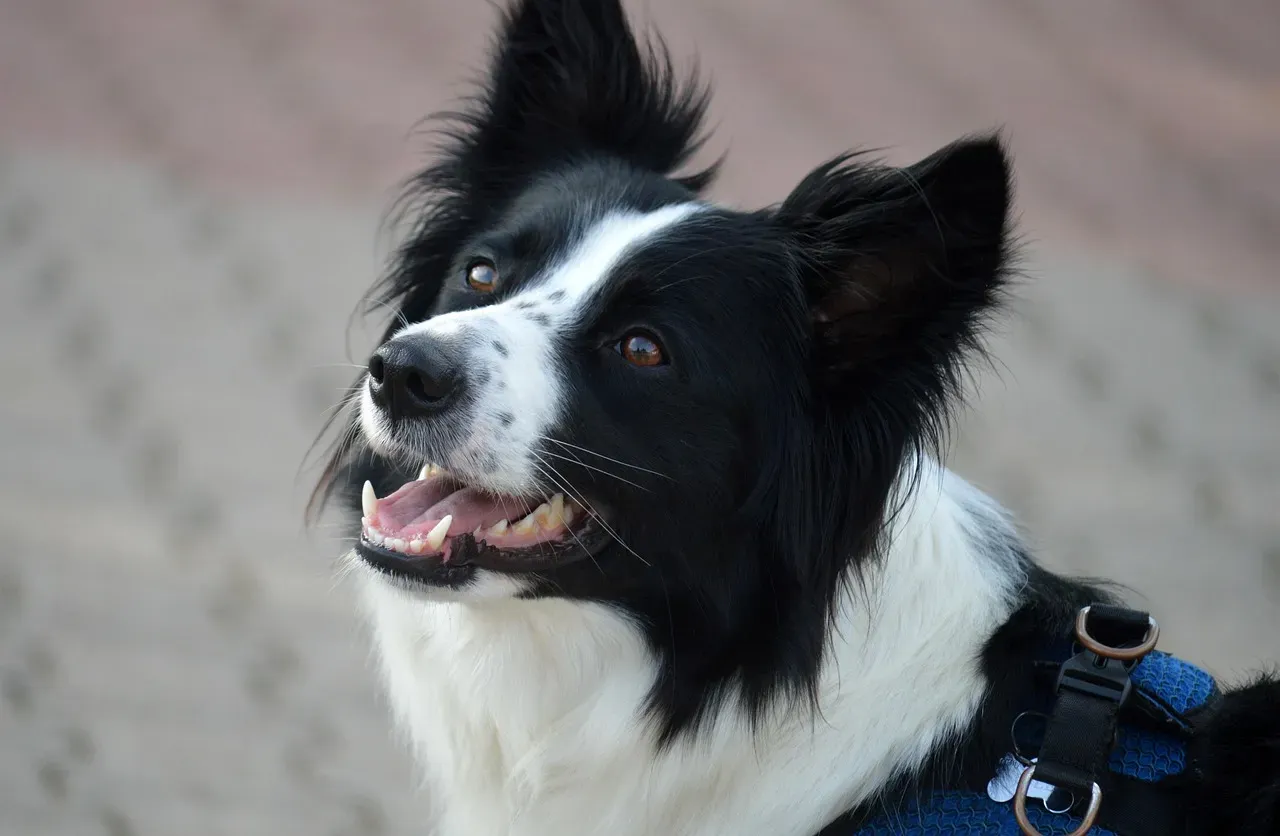
Border Collie checks just about every box when it comes to being high-maintenance, and rated the most intelligent of all the canine species, that big brain requires a whole lot of stimulation, both physical and mental. Most people expect the exercise demands but underestimate the mental exhaustion required to keep these dogs content.
Without adequate mental stimulation, these highly intelligent dogs can become restless, hyperactive, and may even develop behavioral issues. I’m talking about dogs who will literally invent their own jobs if you don’t give them one. They might start herding your kids, organizing your shoes, or finding creative ways to destroy your furniture out of sheer boredom.
The scary part? Border Collies are one of the most high maintenance dog breeds because they don’t just like lots of exercise and plenty of things to occupy their smart, busy brains, they need it, and a bored, under-stimulated Border Collie is no fun at all to live with and can become anything from hyperactive to noisy to destructive to aggressive. You need to be ready for puzzle toys, training sessions, agility courses, and constant engagement. It’s exhausting just thinking about it.
3. Akitas: The Stubborn Guardian With Trust Issues
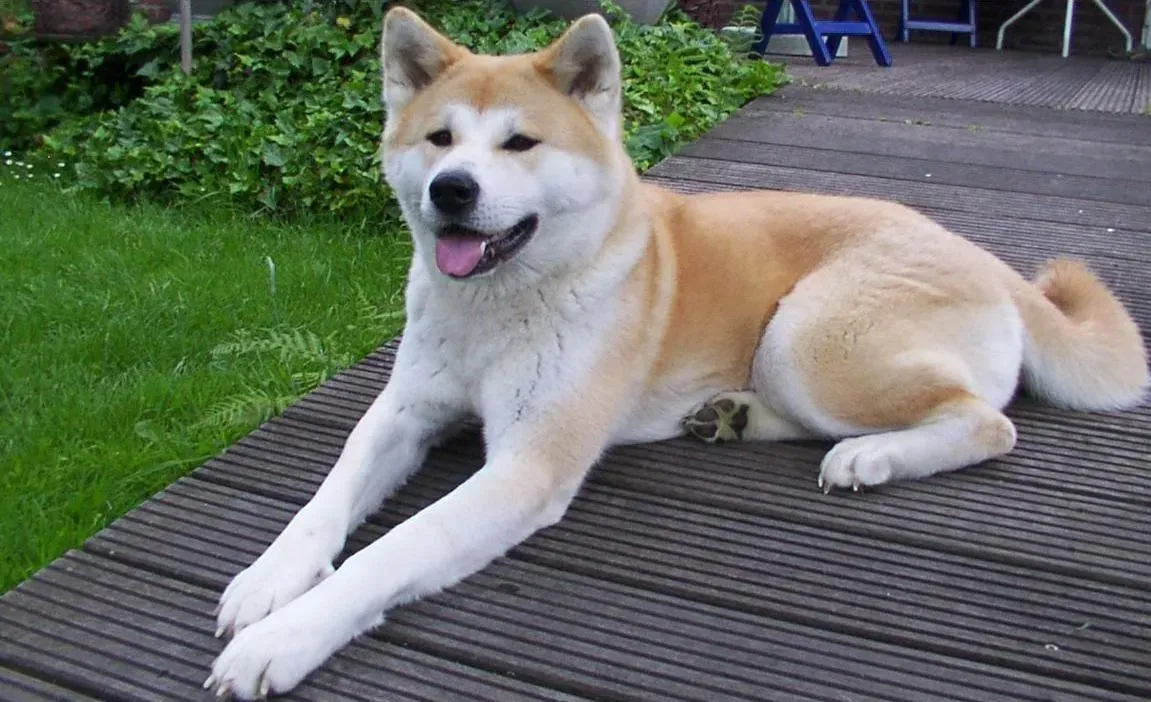
Akitas are stunningly beautiful and fiercely loyal, but they come with challenges that catch many owners off guard. Because of their hunting and guard dog heritage, they are naturally protective and territorial, displaying extreme loyalty towards their immediate family, and for an Akita, part of being protective includes instinctive suspicion of people they don’t know, including strange children.
Training an Akita isn’t like training your average Labrador. Akitas tend towards aggression with same-sex dogs and dominance with dogs in general, and there may be a limit to how much restraint you can expect from your Akita, so be realistic in your training goals. This breed demands an experienced handler who understands canine body language and isn’t intimidated by a strong-willed dog.
Socialization is absolutely critical. One of the key factors in managing Akita aggression is early and consistent socialization, and exposing an Akita to various animals, people, and environments from a young age can help mitigate aggressive tendencies. Miss that early window, and you could be dealing with a dog that’s reactive and difficult to manage in public settings.
4. Chow Chows: The Aloof Independent Who Does Things Their Way
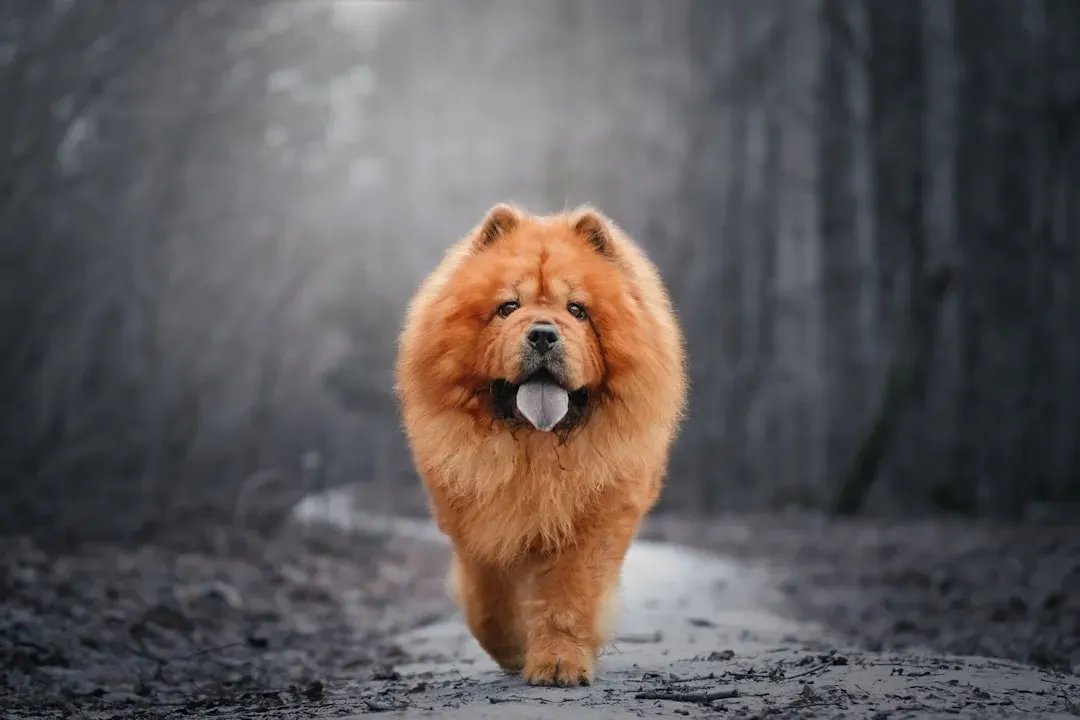
With their lion-like mane and blue-black tongue, Chow Chows look like living teddy bears. Don’t let that fool you. Chow Chows are known for being independent, dignified, and loyal dogs, typically good with children but may not be as affectionate as some other breeds, and they can be wary of strangers and need early socialization to be well-rounded dogs.
The grooming alone is a massive undertaking. Because of their high shedding coats, Chows can be particularly high-maintenance when it comes to grooming, and rough coated Chows have a thick, coarse, medium-length outer coat covering a softer, woolly undercoat that tends to require regular, daily brushing. That’s daily brushing, folks. Every. Single. Day.
Training presents its own headaches. Chow Chows are intelligent but also known for their stubbornness, and their independent thought process means they might ignore commands if they don’t see the benefit, requiring patience, creativity, and firm but gentle guidance. They’re not trying to be difficult; they just genuinely question why they should listen to you.
5. Afghan Hounds: The Glamorous Diva With Expensive Taste

Afghan Hounds are absolutely breathtaking to look at, with their flowing, silky coats that seem to float as they move. That beauty comes at a steep price. The Afghan Hound is a high-maintenance dog due to their coat, and it needs daily brushing, bathing once a week, drying carefully with a blow dryer or blaster, oil treatments, careful wrapping, clipping up out of the way, and snoods at mealtimes.
Their grooming routine sounds more like a spa day than dog care, and it’s not optional. Let their coat go for even a few days and you’ll be dealing with painful mats and tangles that can cause skin issues. The time commitment alone can feel like a part-time job.
Honestly, these dogs were bred to be independent hunters, which means they have their own ideas about things. Training can be frustrating because they’re smart enough to understand what you want but independent enough to decide whether they feel like complying.
6. Belgian Malinois: The Intense Working Machine
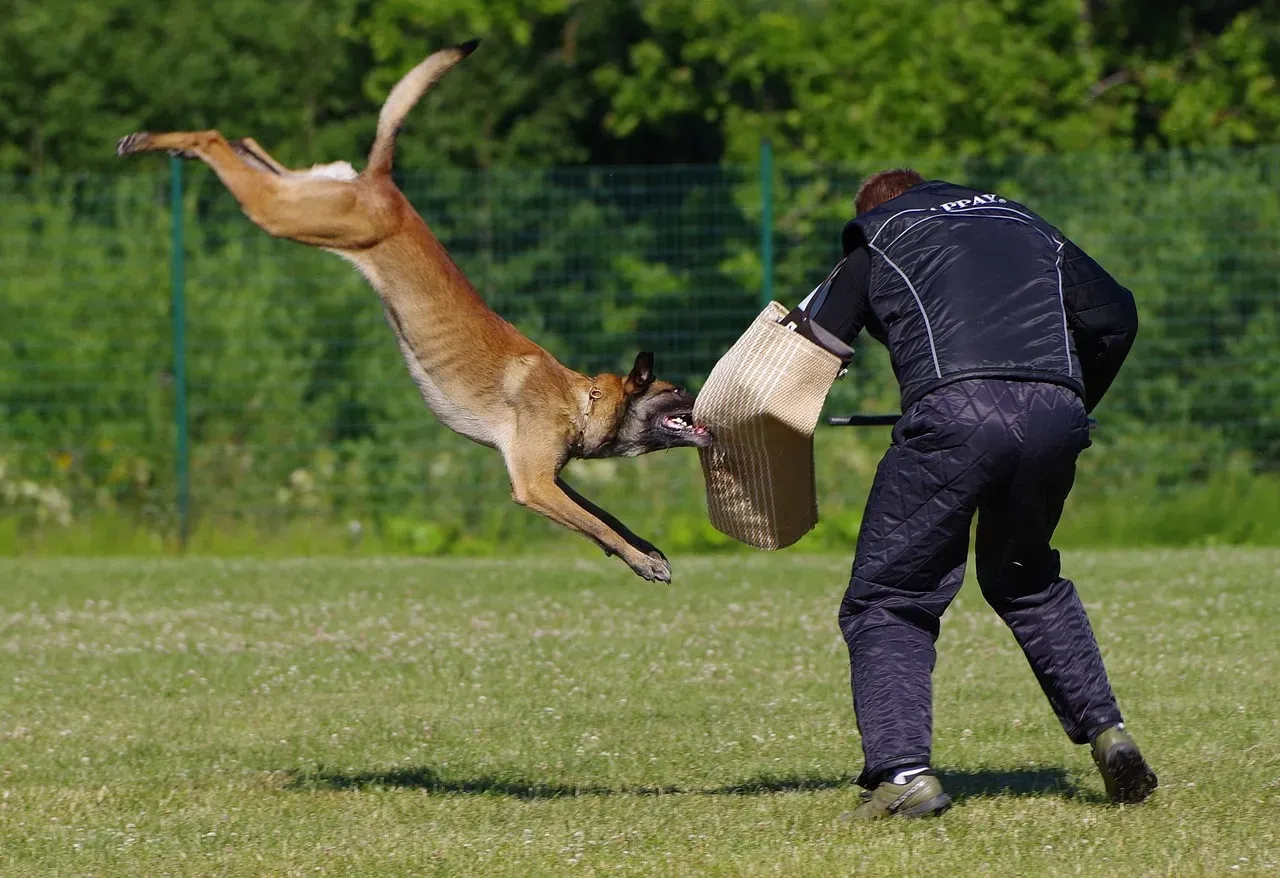
The coat may be easier to look after but that’s the only thing about a Belgian Malinois that is easy, and there is a reason they are known as Maligators, as they do enjoy biting and grabbing things with their teeth. This isn’t a pet for the casual dog owner. These are dogs bred for military and police work, and that drive doesn’t just disappear when they come home.
The exercise and mental stimulation requirements are absolutely brutal. They require hours of input, sensitive, expert training, and appropriate dog exercise every single day without fail, and there are no days off with this breed for at least the first two years and even then, only if you’ve put due diligence into teaching them to relax and chill. You need to be fully committed to their needs or behavior problems will emerge quickly.
7. English Bulldogs and French Bulldogs: The Medical Money Pits

These adorable squishy-faced pups have captured hearts everywhere, but their health issues are no joke. French Bulldogs might look cute but this short necked, short faced, dwarf legged breed is going to cost a lot to insure, and if not, vet bills may easily end up being in their thousands to mitigate conformation related problems, and skincare and heat management are serious considerations due to their breathing issues and skin rolls.
The maintenance goes beyond vet bills. Those adorable wrinkles need regular cleaning to prevent infections. Their breathing problems mean you need to watch them carefully in warm weather, avoid strenuous exercise, and be prepared for potential emergency vet visits.
Many owners don’t realize until too late that these breeds often require surgeries just to breathe properly. It’s heartbreaking and expensive, and it’s a direct result of how they’ve been bred.
8. Australian Shepherds: The Herding Machine That Never Rests
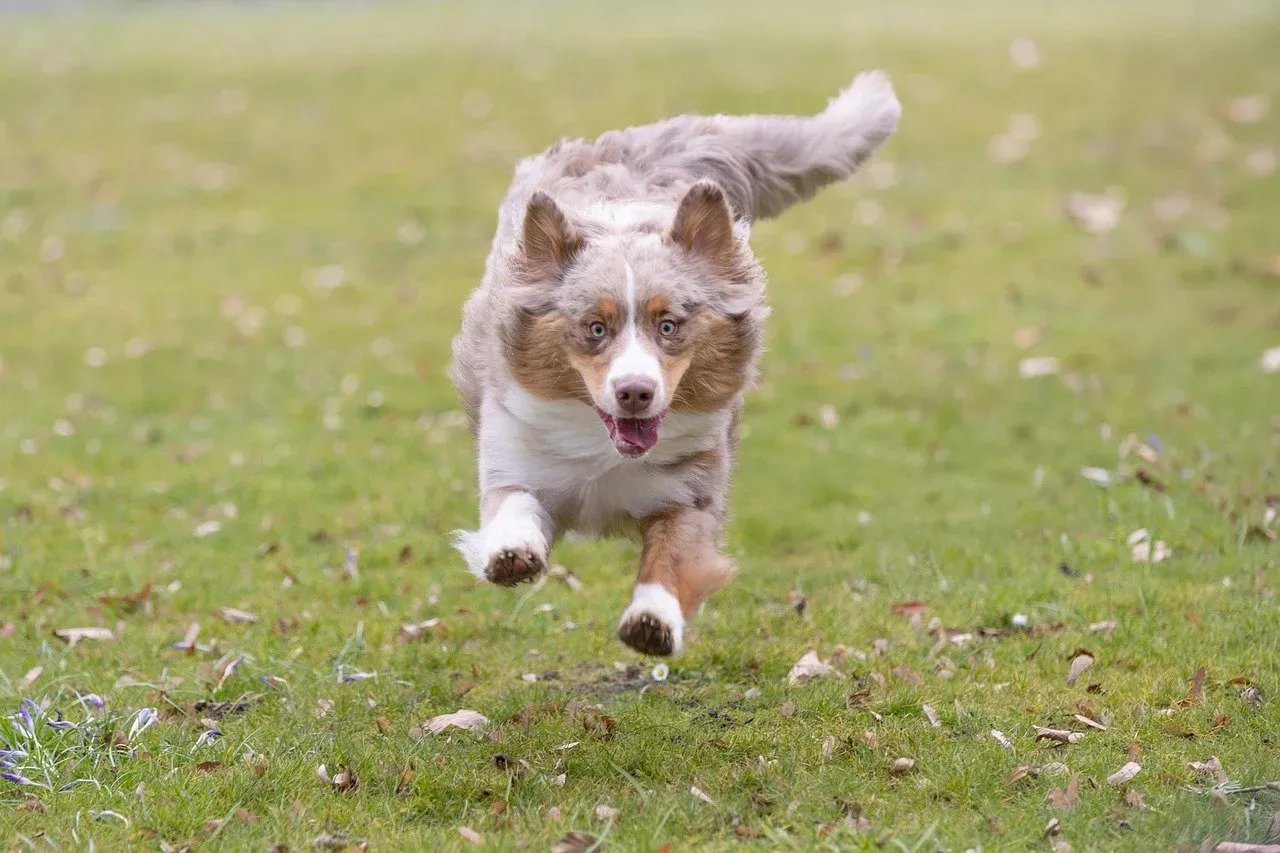
Australian Shepherds are energetic dogs with innate herding instincts and they’ll typically round up the family pets and kids for fun, and they are a high-maintenance breed due to their enormous capacity for exercise, needing a huge amount of physical activity and mental stimulation daily, plus they thrive on human companionship and interaction.
The herding instinct isn’t cute when they’re nipping at your children’s heels or obsessively trying to control the movement of everyone in your household. You can train it, but you can’t eliminate it completely because it’s hardwired into their DNA.
These dogs simply cannot be left to their own devices. This isn’t a breed who’ll just kip on the hearth all day long; you need to have as much energy as he does to keep him entertained and not left to his own devices. If you work long hours or prefer a calm household, an Aussie will make you miserable.
9. Cavalier King Charles Spaniels: The Velcro Dogs With Separation Anxiety

These sweet little spaniels seem like the perfect companion dogs, and in many ways they are. However, While these little spaniels’ grooming requirements are fairly low-maintenance, they are typically a very needy, clingy breed that craves human companionship and contact, bred to be lap dogs, so while they aren’t going to insist you walk them for hours every day, they will demand all your attention, and luckily they are affectionate and gentle and happy to sit on your lap, just don’t leave them alone for long spells.
That neediness becomes a serious problem if you work full-time or travel frequently. These dogs can develop severe separation anxiety, leading to destructive behavior, excessive barking, and genuine distress when left alone.
They’re wonderful for retirees or people who work from home, but for anyone with a busy lifestyle away from the house, a Cavalier might not be the right fit despite their charming personalities.
10. Beagles: The Nose-Driven Escape Artists

Beagles with their noses for adventure, while endearing, can lead them to mischief and make them quite stubborn at times, and daily exercise is a must to keep them from becoming bored, which can result in destructive behavior or excessive barking, and Beagles also have a strong prey drive which can lead to them chasing small animals.
That incredible sense of smell that makes them excellent hunting dogs also means they’re constantly following scent trails, often right out of your yard if given the opportunity. Beagles are notorious escape artists, and their stubborn streak makes recall training genuinely challenging.
The barking is another aspect people underestimate. Beagles are vocal dogs, bred to bay while hunting, and that trait doesn’t disappear in a suburban setting. Your neighbors might not appreciate your Beagle’s enthusiastic vocalizations as much as you do.
Conclusion
Choosing a dog breed based solely on appearance or basic descriptions is a recipe for heartbreak, both for you and the dog. These ten breeds are amazing in the right hands, but they demand so much more than the average family pet. From medical expenses to behavioral challenges to time-intensive grooming routines, the hidden high-maintenance aspects can overwhelm unprepared owners.
The truth is, there’s no such thing as a truly low-maintenance dog, but some breeds push the boundaries far beyond what most people expect. Before you fall in love with a specific breed, dig deeper than the surface-level information. Talk to actual owners, spend time with the breed, and be brutally honest with yourself about your lifestyle, experience level, and available resources.
Every dog deserves an owner who understands and accepts their needs fully. What’s your experience been with high-maintenance breeds? Have you been surprised by challenges you didn’t anticipate?


