
You know that feeling when you get up to grab a glass of water and your dog materializes beside you like a furry shadow? Or when you try to use the bathroom alone and suddenly you’re not so alone anymore? If you’re nodding your head right now, you’re not the only one. Dogs have this remarkable ability to stick to us like Velcro, trailing behind every single step we take throughout the house. It’s endearing, sometimes a little inconvenient, and honestly, pretty mysterious.
Why do they do it? Is it love, instinct, or something else entirely? The truth is, there’s a beautiful mix of reasons behind this constant companionship, and most of them will make your heart swell. Let’s dive into the fascinating world of canine devotion and uncover what your four-legged shadow is really trying to tell you.
They See You as Their Pack Leader
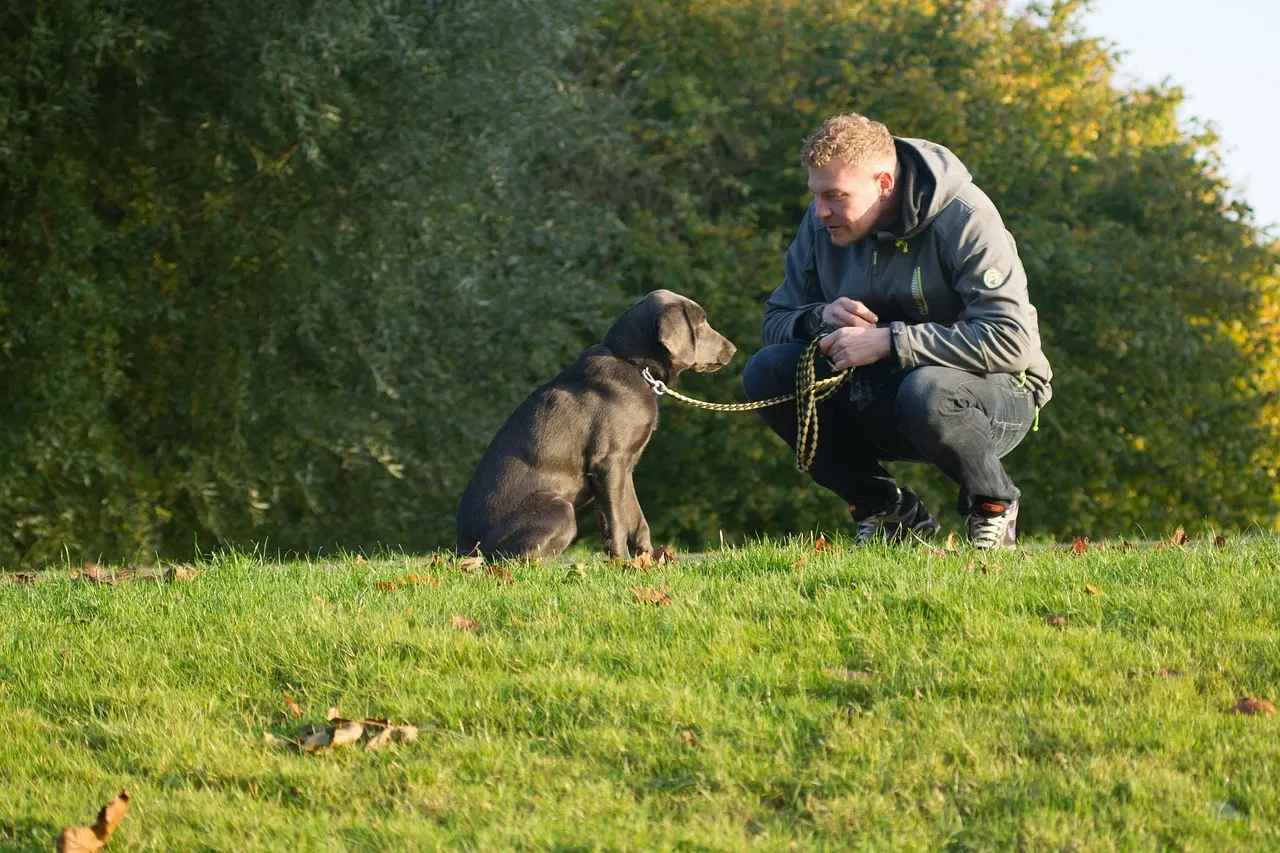
Your dog considers you to be the leader of the pack, the household. Dogs have a natural inclination to see themselves as part of a structured social group with roles and relationships, and they often apply these instincts within the family unit or household.
Following you around is their way of staying connected to the one they trust most. Think of it like this: in their world, you’re the decision-maker, the provider, the one who makes things happen. Naturally, they want to be where the action is.
This isn’t about dominance or control. It’s about providing stable, consistent leadership, and dogs are looking for a leader they can trust and respect. Your pup isn’t trying to take over your household. They just feel safest and most secure when they’re close to the person who guides them through life.
Emotional Bonding and Attachment Run Deep
When dogs interact with someone they like, the hormone oxytocin is released, often referred to as the ‘love hormone’ that makes you feel that warm glow. Every time your dog follows you and gets positive interaction, that chemical reward reinforces their desire to stay near you.
Following behavior is often a sign of strong emotional attachment, as dogs form intense social bonds with their owners, and physical proximity helps reinforce these connections. It’s beautiful when you think about it. Your dog’s brain literally lights up with feel-good chemicals just from being around you.
Young puppies anywhere from birth to six months of age can often imprint on their owners and look to them as they would their mother. If you brought your dog home as a young puppy, that bond goes even deeper. You’re not just their owner; you’re family.
They’ve Learned That Following You Pays Off

Let’s be real, dogs are pretty smart when it comes to figuring out what gets them rewards. Dogs are masters at picking up patterns and associations, and when following you leads to rewards like treats, meals, walks, or attention, they quickly learn that shadowing you has positive outcomes.
Even when you don’t mean to, you might be encouraging this behavior. When your dog follows you around, you might give them a pat, a cuddle or maybe even a nibble of food, and it’s possible that your dog has learnt that if they follow you around then they get good things.
Your dog has become a student of your routines. They know that when you head to the kitchen, food might appear. When you pick up the leash, a walk is imminent. Following you everywhere means they won’t miss a single opportunity for something wonderful to happen.
Pack Instinct Is Hardwired Into Their DNA
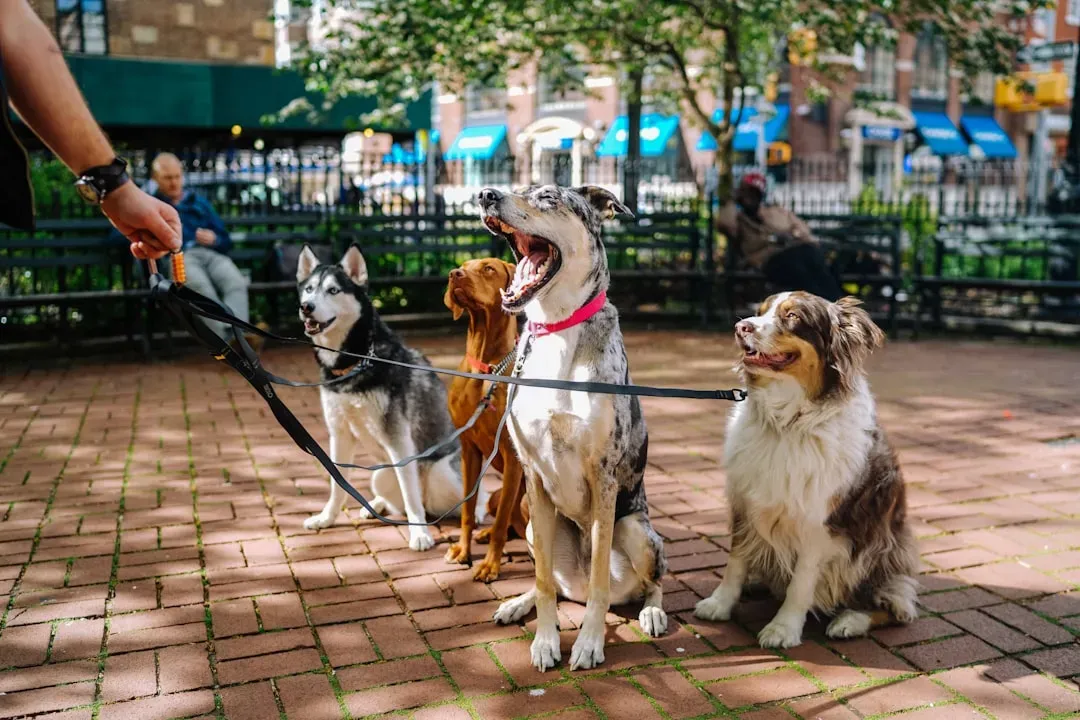
Dogs are descendants of wolves, and this heritage plays a crucial role in their following behavior. Pack mentality is not just about being social; it’s a survival mechanism where packs allow for efficient hunting, defense against larger predators, and care of young.
The pack mentality essentially means that your dog considers you to be the leader of the pack, therefore, they follow you everywhere you go. This isn’t something they consciously decide. It’s ancient instinct working beneath the surface.
In the wild, staying with the group meant safety and survival. Even though your living room isn’t exactly a wilderness, those deep-rooted instincts haven’t disappeared. Your dog’s DNA still whispers that staying close to their family unit is the smartest thing they can do.
Some Breeds Are Just Built That Way
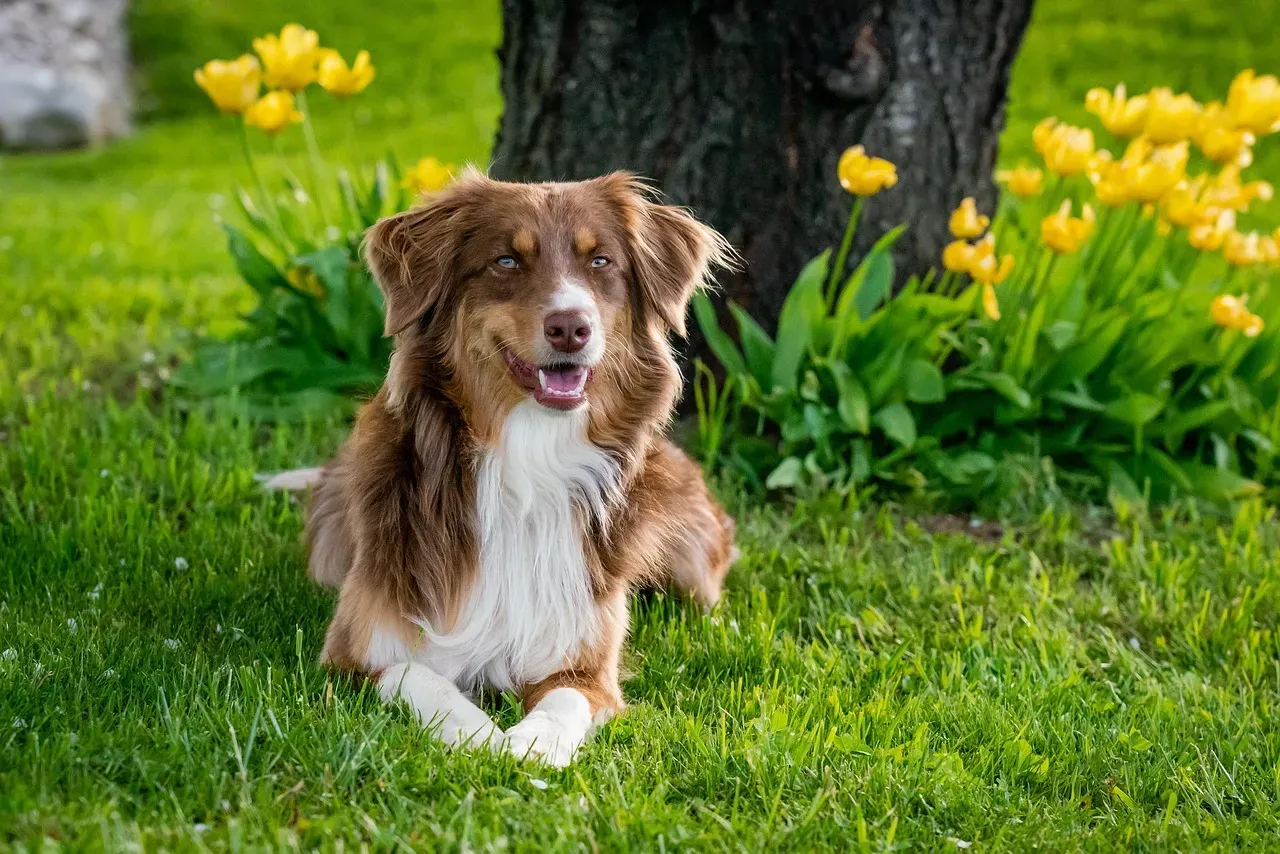
It’s not uncommon for certain breeds to over-attach to their owners, including dogs in the Working Group or Herding Group that are bred to work side-by-side with humans, as it’s a trait that’s prized and bred into their genetic history.
Border Collies, Labrador Retrievers, German Shepherds, and similar breeds were literally created to collaborate closely with humans. Following you isn’t a quirk for these dogs; it’s their job description written into their genes.
Some Toy breeds have been bred to be lap dogs and may be most comfortable being close to you and might follow you around waiting for a snuggle, while breeds that were bred to guard may also prefer to stick close to their owners. Whether your dog was meant to herd sheep or sit in your lap, their breed characteristics play a massive role in how closely they shadow you.
Curiosity Keeps Them On Your Heels
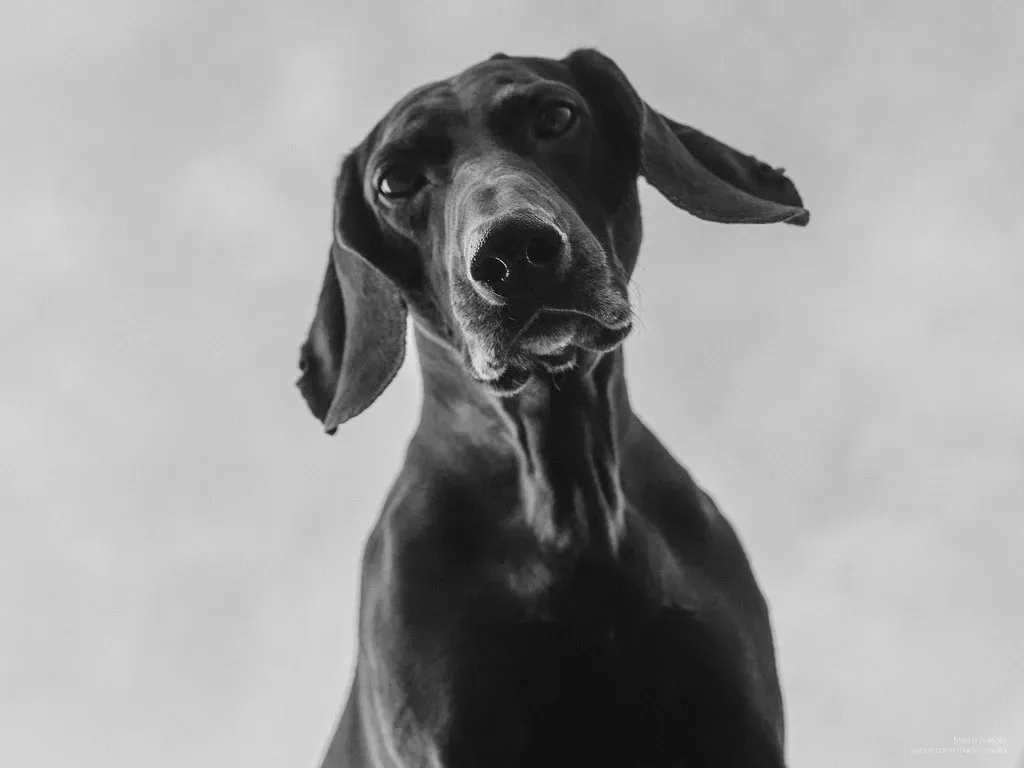
Dogs are naturally inquisitive creatures. Your daily routines, like cooking, cleaning, or simply moving from one room to another, intrigue your pet, and toy breeds and rescue dogs especially may follow you everywhere to feel included in the action or to seek reassurance in unfamiliar situations.
Think about it from their perspective. You’re the most interesting thing in their world. What are you doing in that room? Why did you suddenly stand up? Is something exciting about to happen? They don’t want to miss a single moment of the action.
This curiosity is also how they learn about their environment. By observing you, they’re gathering information about what’s safe, what’s interesting, and what might lead to something fun. It’s their way of staying informed and engaged with their world.
Boredom Drives Them to Seek Your Company
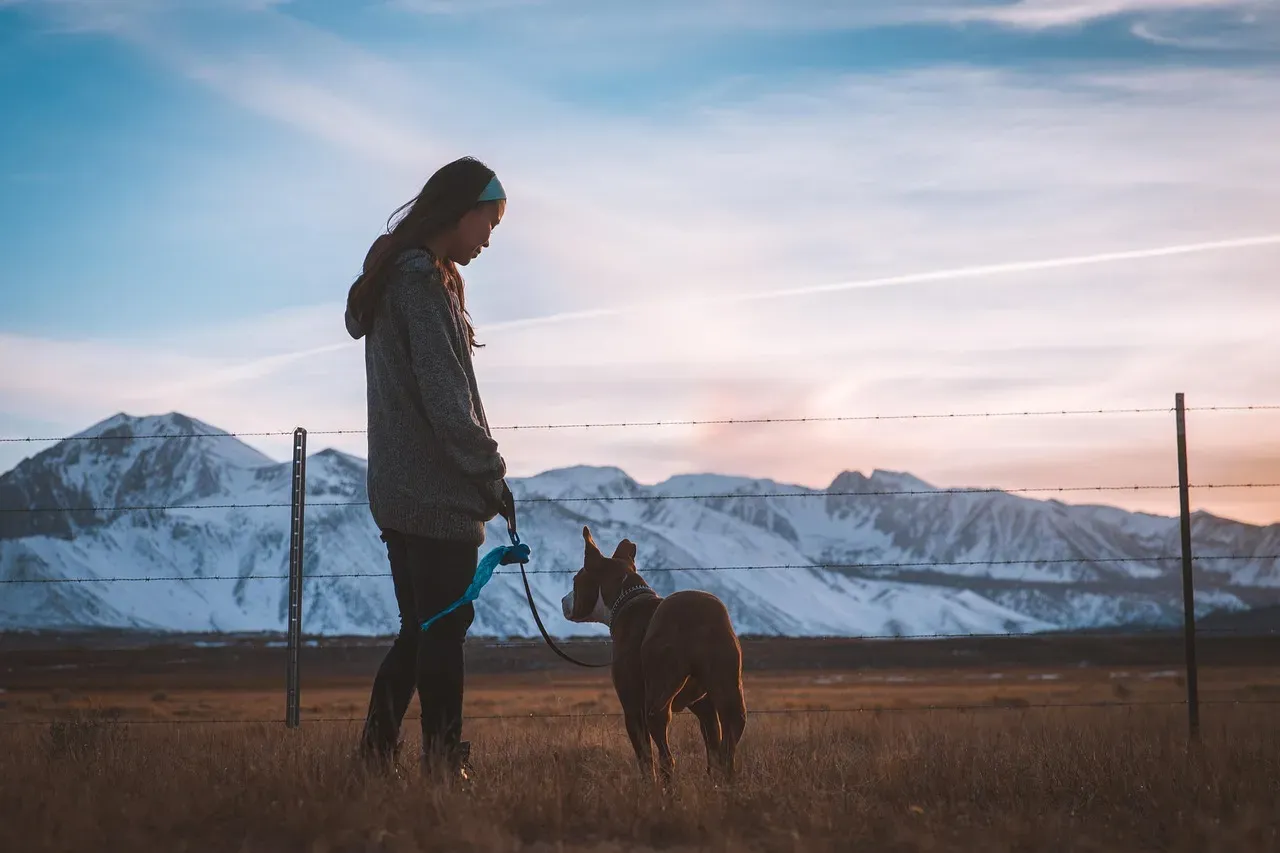
A dog with too much energy is more likely to be bored and restless and to follow you. Many dogs will follow their owners around due to boredom. When they don’t have enough mental or physical stimulation, you become the entertainment.
Some dogs just get bored, so they figure that if you’re doing something, why not tag along, and these dogs will often greatly benefit from more exercise. Your movements become fascinating simply because there’s nothing else capturing their attention.
A tired dog is usually a content dog. When dogs have adequate exercise, puzzle toys, and mental enrichment, they’re more likely to settle down independently. If your dog is glued to your side constantly, it might be worth evaluating whether they’re getting enough stimulation throughout the day.
Anxiety Makes Them Need You Close
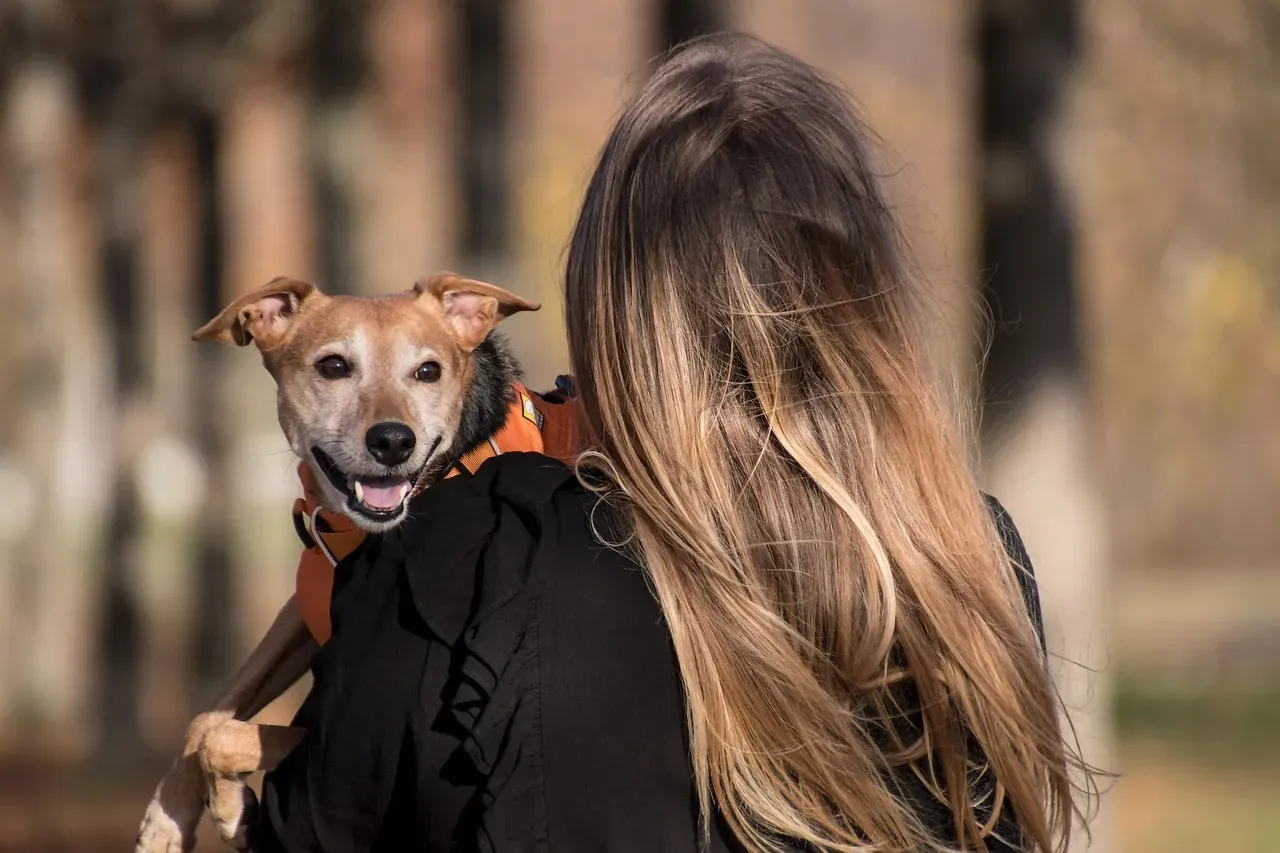
Anxiety and the need to feel supported by their owner is one of the main reasons dogs follow their humans. Your dog may be staying close to you as a coping mechanism to ease their nerves.
There’s a big difference between a dog that really enjoys being with you and a dog that is anxious when you’re not around, as dogs with separation anxiety tend to go to pieces when they are away from their owners. This is where following behavior crosses from sweet to concerning.
Dogs with separation-related problems will often show signs of excessive attachment to their owners, following them around when they are home and becoming distressed when their owners are preparing to leave the house. If your dog becomes panicked when you’re out of sight, pants excessively, or seems unable to relax unless you’re nearby, this might signal separation anxiety that deserves professional attention.
Health Issues Can Change Their Behavior
An older dog may be losing their sight or hearing, and as a result, they may become more fearful of the environment and dependent on having you near. A dog that suddenly becomes very clingy may be suffering from a physical ailment and keeping you in reach for comfort, and a checkup by the veterinarian is a good idea if this happens.
If your dog has suddenly started following you around the house it might be a sign that something is wrong, as they may not be feeling well or may have a problem with their senses. Pain, cognitive decline, or other medical conditions can make dogs seek comfort from their trusted person.
Senior dogs especially might follow you more as they age. Older dogs may follow their owners purely out of familiarity and habit, but if this is a new behavior, it may also indicate that things are changing for your dog, making them less confident. Never ignore sudden changes in following behavior; they could be your dog’s way of telling you something’s not right.
They Genuinely Adore Your Company
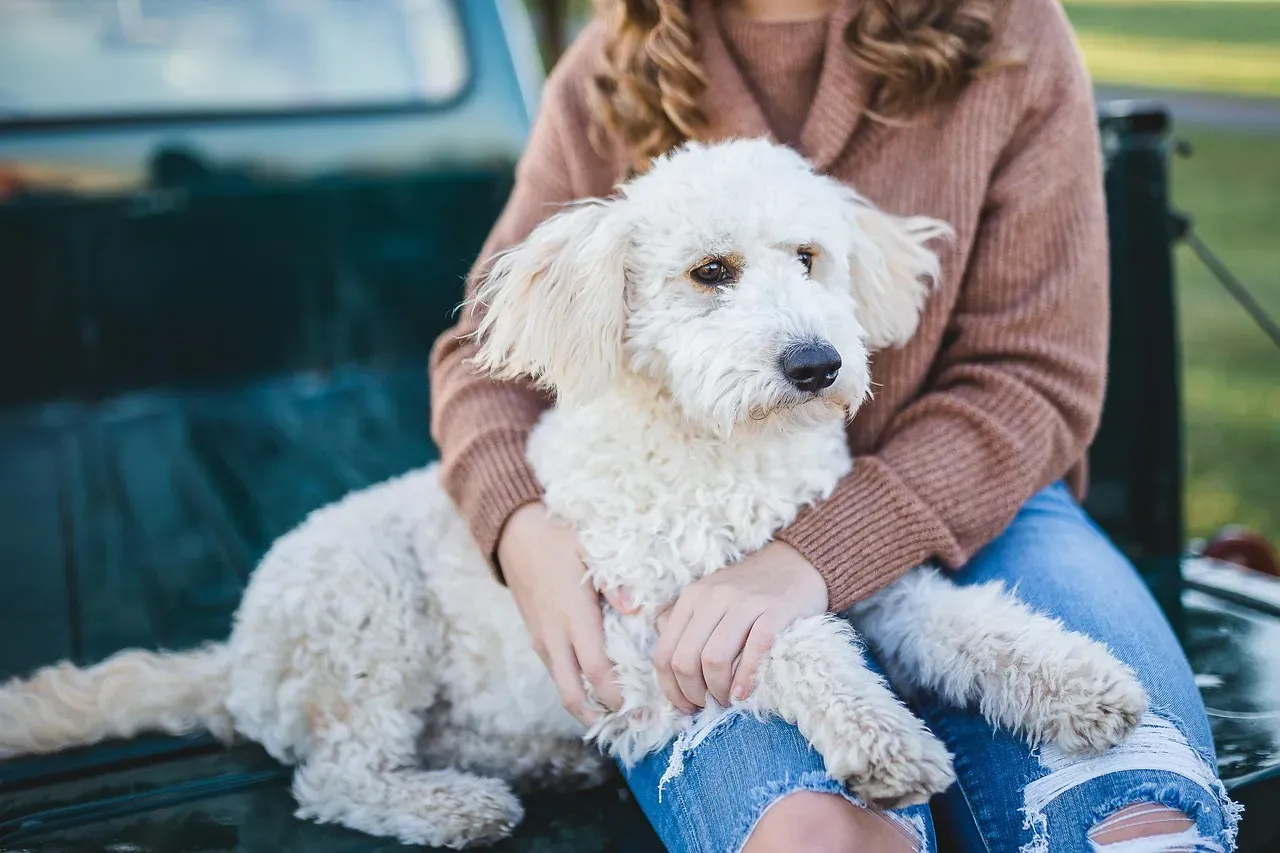
Here’s the thing: sometimes the simplest explanation is the truest one. Dogs are incredibly social animals and love to spend time with their owners; you are your dog’s whole world and being with you is a big part of their life as you make them feel happy, secure and safe.
If your dog follows you everywhere then it’s most likely a sign that they love and adore you. They don’t have complex schedules, social media to scroll, or a million distractions competing for their attention. Their priorities are beautifully simple: food, comfort, play, and you.
Most of the time, when your dog follows you around, it’s just a sign of love, loyalty, and a desire for companionship. Your presence makes their world complete. There’s something profoundly touching about being someone’s favorite person, and your dog reminds you of that every time they choose to be by your side.
Conclusion: Embracing Your Furry Shadow
Your dog’s constant companionship is rarely random or meaningless. It’s a beautiful tapestry woven from instinct, emotion, learned behavior, and pure love. Whether they’re following pack instincts buried deep in their DNA or simply can’t bear to miss a moment with their favorite human, that four-legged shadow is telling you something important: you matter to them.
The key is understanding whether your dog’s following behavior is healthy or if it signals something that needs addressing. Whether following behavior is cause for concern comes down to a simple distinction: does your dog prefer to be with you or are they unable to be without you?
Most of the time, this constant companionship is just one of the many ways our dogs show love. They don’t need grand gestures or expensive gifts. Just you, right there, where they can see you, follow you, and remind you every single day that you’re their whole world. Pretty amazing when you think about it, isn’t it? What does your dog’s following behavior tell you about your bond?


