

You’ve got all the right intentions. You feed your dog, take them for walks, give belly rubs, maybe even sneak them table scraps when nobody’s watching. You love your furry friend with everything you’ve got. Here’s the thing, though. Some of the everyday habits we think are harmless might actually be quietly stealing precious years from our dogs’ lives.
I know that sounds dramatic. Maybe even a bit harsh. Still, the truth is, many well meaning dog owners are unknowingly shortening their pets’ lifespans through small, seemingly innocent choices. The good news? Once you know what to look out for, making changes isn’t as hard as you might think. Let’s dive into the habits that could be costing your dog years of happiness and health.
That Extra Treat Is More Harmful Than You Think

We’ve all been there. Those puppy dog eyes staring up at you while you’re eating dinner. How can anyone resist that face? Up to 60 percent of dogs in the UK are now classified as overweight or obese, and the numbers are similar in the United States.
Here’s what many people don’t realize. Being just 10 percent overweight decreases a dog’s lifespan by one third and predisposes them to heart, kidney and liver disease as well as diabetes, arthritis, and cancer. That tiny piece of cheese you toss to your pup? Just 8 grams of cheese is like a person eating 1.5 hamburgers. Those calories add up fast on a smaller body.
Think about implementing a strict treat policy in your home. Treats or snacks should comprise no more than 10 percent of your dog’s daily calorie intake. Swap high calorie treats for healthier options like blueberries or small pieces of cucumber. Your dog won’t know the difference in love, but their body will thank you.
You’re Guessing at Portion Sizes

The biggest issue vets see is overfeeding. People often underestimate how much they feed their pups. When you eyeball the amount of kibble going into the bowl, you’re probably adding more than you realize.
Get a proper measuring cup and actually use it. Every single time. Check the feeding guidelines on your dog food bag, but remember those are just starting points. Your vet can help calculate your dog’s specific caloric needs based on their age, activity level, and body condition.
Exercise lowers rates of obesity, which is linked to a higher risk of diseases like diabetes, osteoarthritis, urinary incontinence, and impaired respiratory function that can shorten a dog’s life. Obesity has been linked to a shorter lifespan to the tune of about 2.5 years less. That’s a significant chunk of time you could be spending with your best friend.
Skipping Those Daily Walks

Life gets busy. I get it. Some days the couch looks way more appealing than bundling up and heading outside. Your dog has a backyard, right? That should be enough exercise. Wrong.
One of the most effective things you can do to help your pup live a long, healthy life is to exercise them regularly. Physical activity is linked to better cognitive health, and fewer owner reported medical diagnoses. Dogs don’t typically exercise themselves, even with yard access. They need you to motivate them.
It is generally recommended that your dog spend between 30 minutes to two hours being active every day and not just on the weekends. Consistency matters more than intensity. A daily 20 minute walk beats a two hour hike once a week. Make it part of your routine, like brushing your teeth.
Ignoring Your Dog’s Dental Health

When was the last time you looked inside your dog’s mouth? Really looked? An estimated 80 percent of dogs have some form of oral or dental disease, but most are undiagnosed because many dog owners never take a good look inside their dog’s mouth.
Dental disease isn’t just about bad breath. Severe dental disease can actually shorten a pet’s lifespan. Periodontal disease overlooked or left unchecked for years has been linked to many systemic diseases like lung, kidney and liver disease, heart failure and heart attacks. The bacteria in an infected mouth enters the bloodstream and travels throughout the body.
Poor oral hygiene has been shown to lessen the lifespan of dogs and cats by as much as 5 years. Five years! Start brushing your dog’s teeth daily with pet safe toothpaste. Get professional cleanings when your vet recommends them. Your dog’s heart, kidneys, and liver will benefit.
Overlooking Regular Vet Checkups
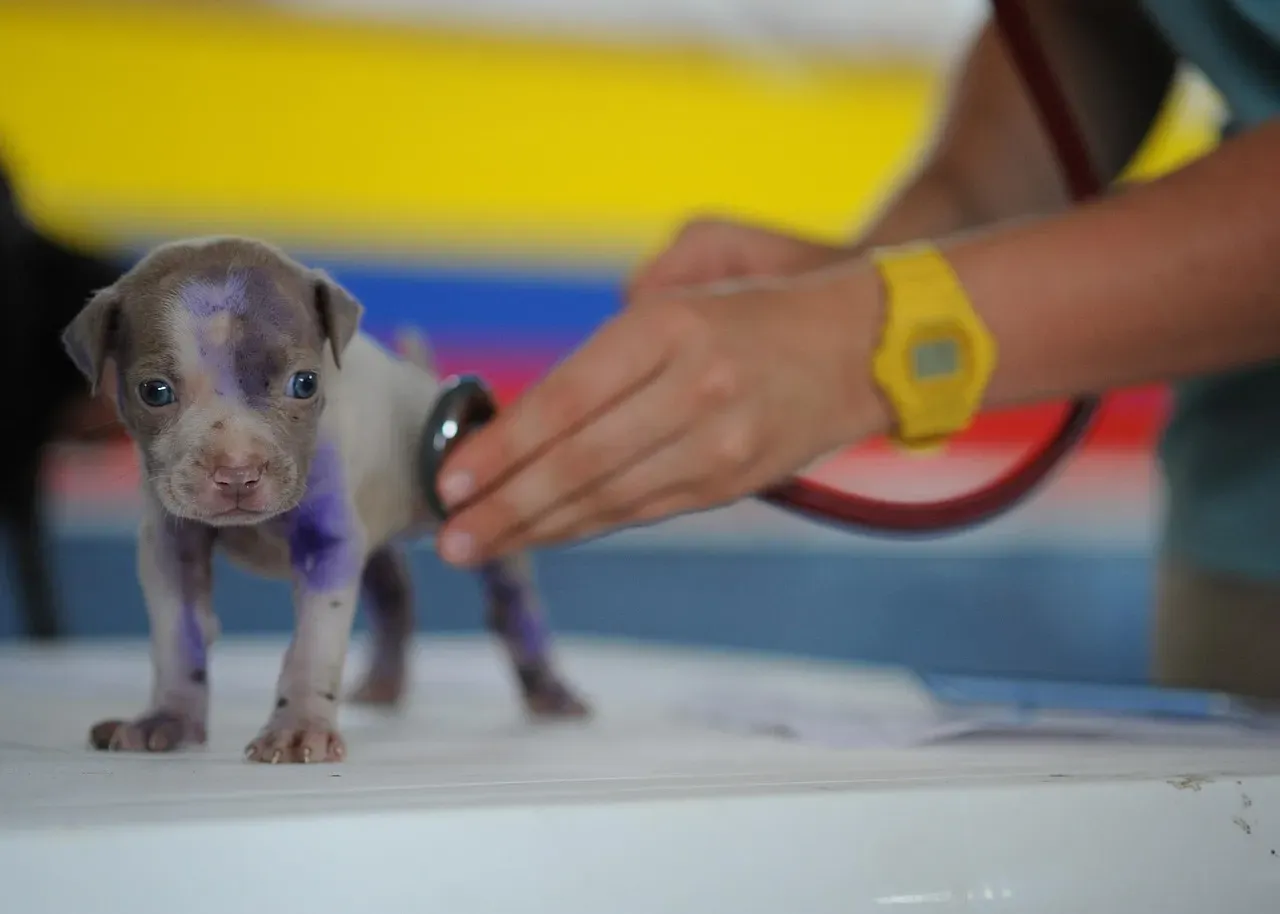
Your dog seems fine, so why spend money on a vet visit? This mindset could be costing your dog their life. Many serious conditions develop silently, without obvious symptoms until they’re advanced.
Scheduling routine exams for your pet can help you catch diseases earlier, start treatment sooner, and improve your dog’s long term health outcomes and lifespan. Early detection means better outcomes and often less expensive treatment in the long run.
Think of annual vet visits as preventive maintenance. Your vet can spot warning signs you’d never notice at home. Bloodwork can reveal kidney issues, diabetes, or thyroid problems before symptoms appear. Don’t wait until something seems wrong. By then, valuable time may have been lost.
Exposing Your Dog to Secondhand Smoke

You might step outside to smoke, thinking that’s enough protection for your family. What about your dog? Secondhand smoke is just as harmful to dogs as it is to humans. Exposure can trigger respiratory issues, allergies, and even cancer.
Dogs can’t leave the room or ask you to smoke outside. They’re stuck breathing whatever’s in their environment. Their smaller bodies and faster breathing rates mean they’re actually absorbing toxins more quickly than humans do.
Research shows that both humans and dogs carry the same toxic chemicals in their bodies. While these can take decades to manifest health problems in people, their impact on pets can be seen within just a few years. Toxins damaging to the owner are also damaging for the dog. If you smoke, do it away from your pets. Better yet, consider quitting for both your sakes.
Using Harmful Household Chemicals Carelessly
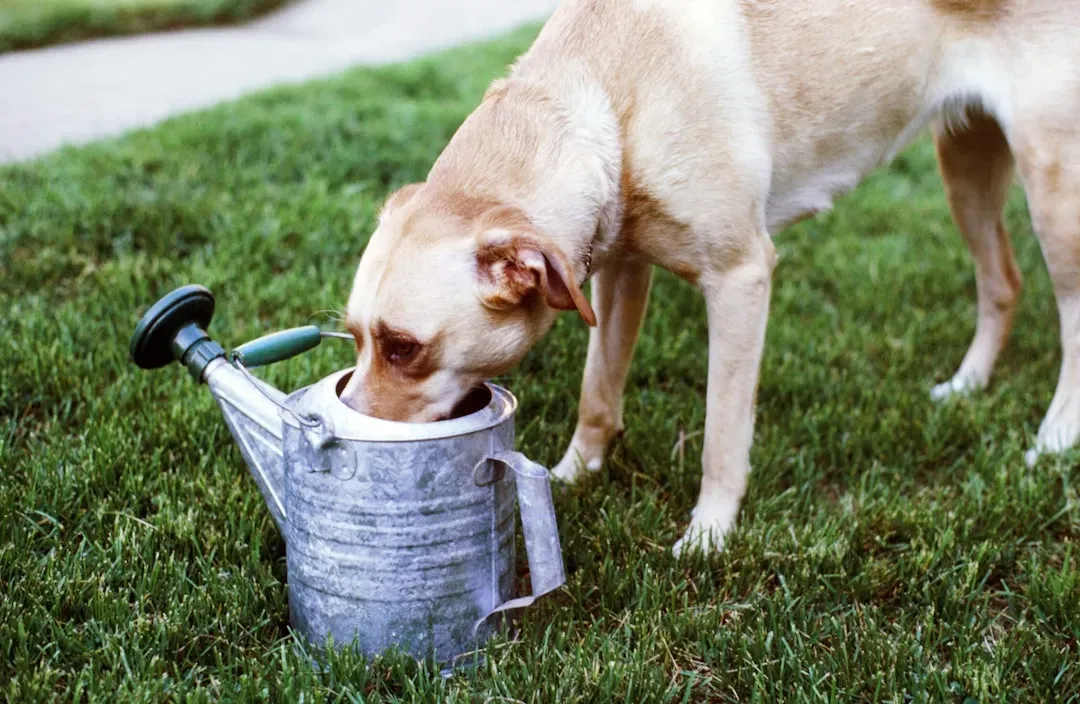
That sparkling clean floor might smell fresh to you, but what about your dog who walks on it and then licks their paws? Many common household cleaners contain chemicals that are toxic to dogs.
Household cleaners, pesticides, and even certain plants can be toxic to dogs if ingested or inhaled. Their inquisitive nature might make them lick or chew on harmful substances. Dogs explore the world with their mouths and noses, putting them at higher risk.
Switch to pet safe cleaning products when possible. Store chemicals securely out of reach. Rinse surfaces thoroughly after cleaning. Keep your dog out of rooms where you’ve just used strong cleaners until surfaces are completely dry. These small precautions can prevent serious poisoning incidents.
Letting Your Dog Jump Off Furniture Repeatedly

It looks cute when your little dog launches themselves off the couch to greet you. Harmless fun, right? Not exactly. Jumping off furniture or from high places might seem like harmless fun, but it can cause long term damage to a dog’s joints, especially in breeds prone to hip dysplasia. Small dogs like Yorkies, Chihuahuas, and Pomeranians leaping off furniture two to five times their height is equivalent to a human jumping off a wall three times their height.
Think about that comparison. Would you jump off a wall three times your height multiple times per day? The impact on joints adds up over time, leading to arthritis, ligament damage, and chronic pain as your dog ages.
Provide pet stairs or ramps for furniture access. Teach your dog to wait for help getting down. For smaller breeds especially, these accommodations can prevent years of joint deterioration and pain down the road.
Not Providing Enough Mental Stimulation

Physical exercise is important, but mental exercise matters just as much. Boredom can cause severe anxiety, destructive behavior, and even cognitive decline. Regularly engaging dogs with puzzle toys, training sessions, and new experiences keeps their mind sharp and prevents many behavioral issues.
Studies show that dog personality changes with age, and unfortunately, owners end up engaging less, leading to further reduced activity and dogs becoming less trainable and excitable. Providing mental stimulation elongates the dog’s lifespan and enables continued enjoyment. A bored dog is an unhappy dog, and chronic stress takes a physical toll on their body.
Invest in puzzle feeders, rotate toys to keep things interesting, practice training exercises, and introduce new walking routes. Hide treats around the house for them to find. Even ten minutes of mental work can tire a dog out more than a simple walk.
Feeding an Inappropriate Diet for Their Life Stage
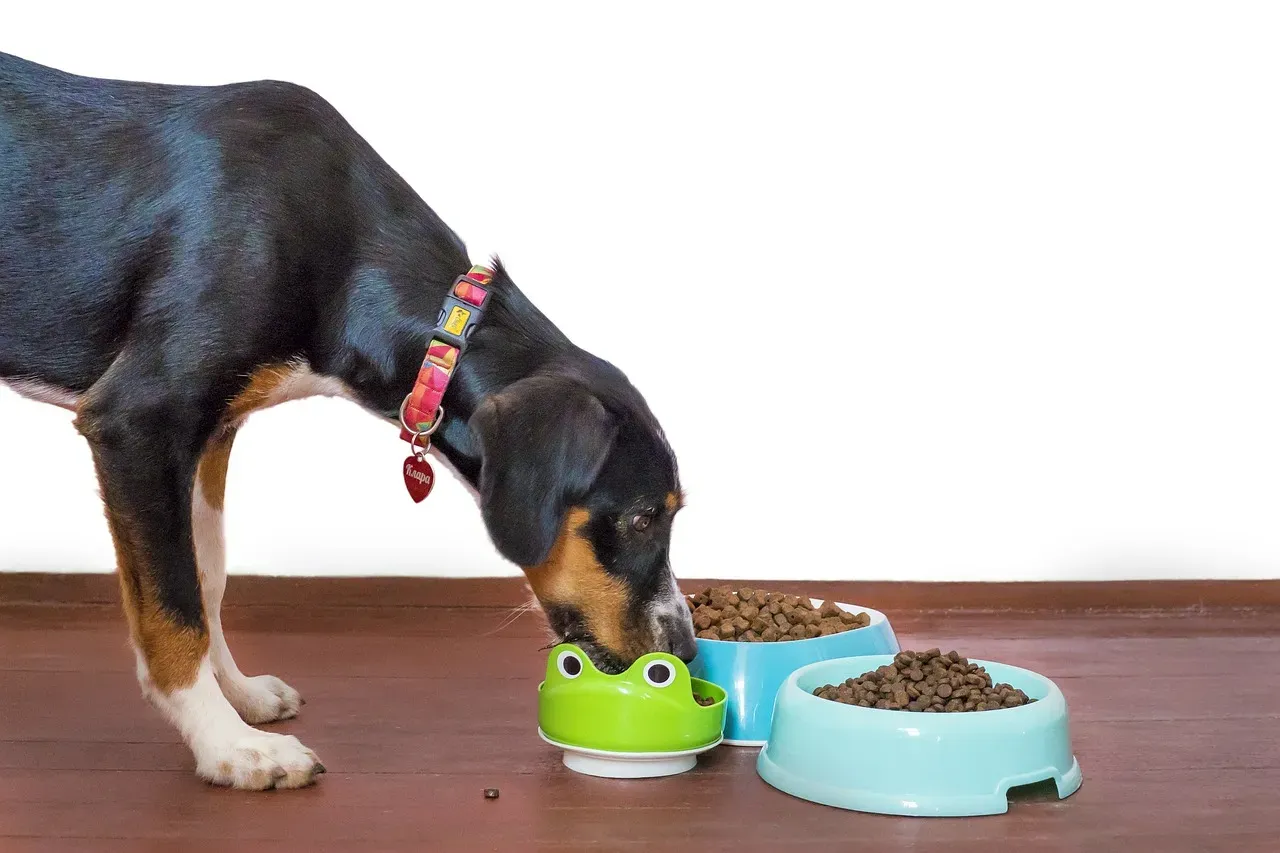
Many owners feed inappropriate foods such as table scraps as part of their dogs main meal, most do not consider their dog’s life stage when selecting a diet, and some are not able to recognize when their pets are overweight or obese. Puppies, adults, and senior dogs all have different nutritional needs.
Feeding your senior dog the same puppy food they ate years ago isn’t doing them any favors. Their metabolism has changed, their activity level is different, and their nutritional requirements have shifted. The same goes for feeding adult food to a growing puppy.
Both experts recommend choosing a pet food that meets the nutritional standards established by AAFCO. Look for AAFCO nutritional adequacy statements on the packaging, which guarantees the food is complete and balanced. Talk to your vet about the right food for your dog’s current life stage and health status.
Allowing Chronic Stress and Anxiety

Dogs experience stress just like humans do. Maybe your dog trembles during thunderstorms, barks frantically when left alone, or cowers around strangers. You might think it’s just their personality. Actually, chronic anxiety has real physical consequences.
Dogs that suffered from a fear or anxiety disorder experienced negative effects on health and lifespan. Specifically, dogs that were afraid of strangers had shortened lifespan and anxiety was associated with skin disorders. The constant flood of stress hormones takes a toll on every system in the body.
Don’t dismiss behavioral issues as quirks. Work with a professional trainer or veterinary behaviorist to address anxiety problems. Sometimes simple management changes help. Other times, behavior modification protocols or even medication might be necessary. Your dog deserves to feel safe and calm in their own home.
Neglecting Parasite Prevention

Your dog stays in your yard mostly, so they don’t really need heartworm prevention, right? This dangerous assumption costs dogs their lives every year. Mosquitoes can find your dog anywhere, even in a fenced backyard.
Feeding unhealthy foods, skipping vet visits, neglecting exercise, poor dental care, and lack of parasite prevention are common mistakes that can unknowingly shorten a dog’s lifespan. Proactive care is key to longevity. Heartworm disease is fatal if left untreated and expensive to cure. Prevention costs a fraction of treatment.
Fleas, ticks, and intestinal parasites also pose serious health risks. Ticks carry Lyme disease and other dangerous infections. Intestinal parasites can cause malnutrition, anemia, and organ damage. Stay current on all preventive medications your vet recommends. It’s not optional healthcare, it’s essential.
Inconsistent Exercise Patterns

You’re busy during the week, so you make up for it with a massive hike every Saturday. Sounds reasonable, right? Unfortunately, this weekend warrior approach can actually harm your dog. Dogs that are largely sedentary then do short bursts of excessive activity like an intense hike or long run on the weekends can experience a whole host of health issues.
Just like humans, dogs need consistent conditioning to build fitness safely. Going from couch potato to marathon runner in one day risks injuries, muscle soreness, and cardiovascular stress. Their bodies need time to adapt to increased activity levels.
When conditioning a dog to increase fitness, consistency is a key to success. It is far better to take a 20 minute walk every day than a 2 hour walk on Sunday. A slow, steady increase in time and intensity helps avoid injury and is more comfortable for the dog. Build a routine you can maintain throughout the week rather than trying to cram everything into weekends.
Ignoring Breed Specific Health Risks
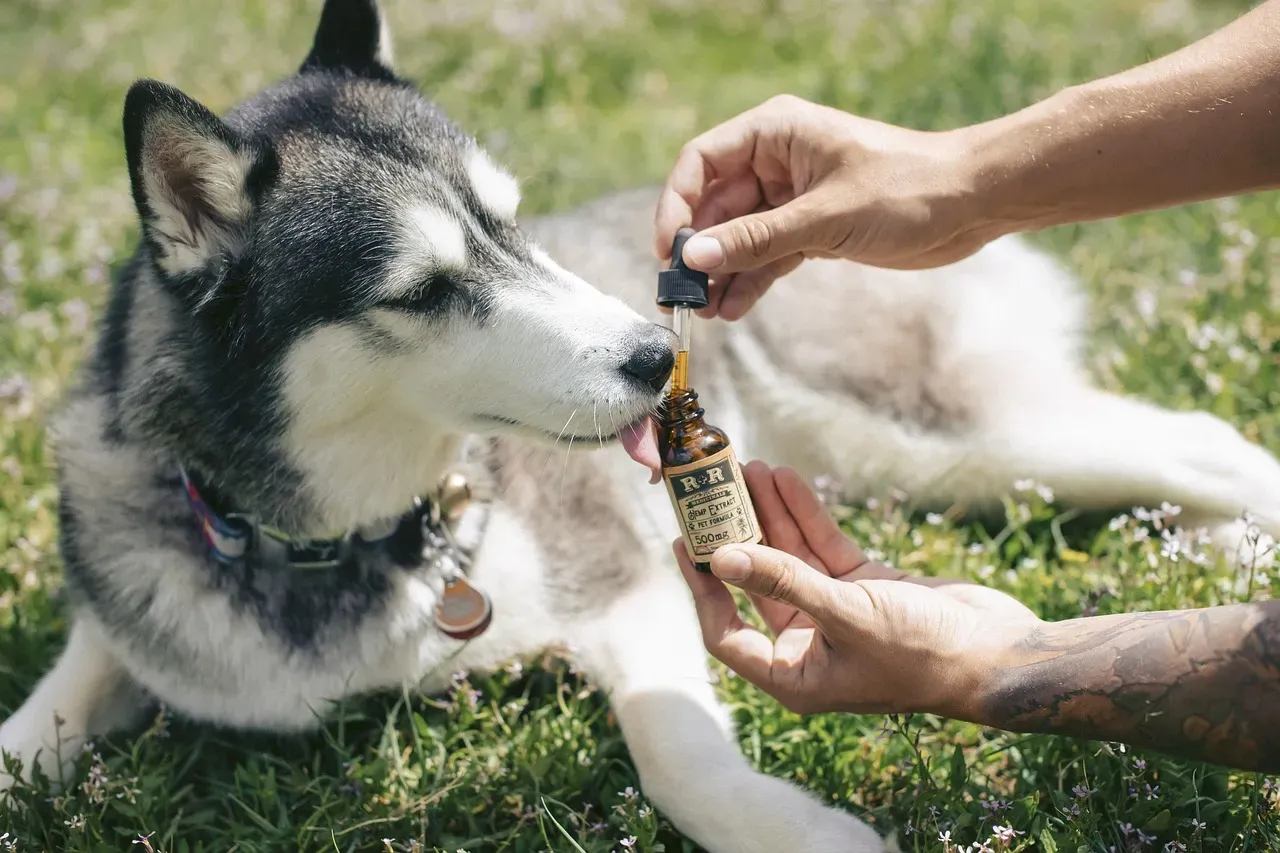
Every breed comes with certain predispositions. Golden Retrievers have high cancer rates. German Shepherds often develop hip dysplasia. Bulldogs face breathing problems. Knowing your dog’s breed specific risks helps you catch problems early.
A 2024 study published in Scientific Reports involving 584,734 British dogs across over 150 breeds revealed that larger breeds and those with flattened faces tended to have shorter average lifespans compared to smaller dogs and breeds with elongated snouts. Your dog’s breed matters when it comes to life expectancy and disease risk.
Research your dog’s breed thoroughly. Know what warning signs to watch for. Ask your vet about recommended screening tests. Some breeds benefit from cardiac evaluations, hip X rays, or eye exams at certain ages. Proactive screening catches problems before they become emergencies.
Overfeeding Based on Emotional Connection
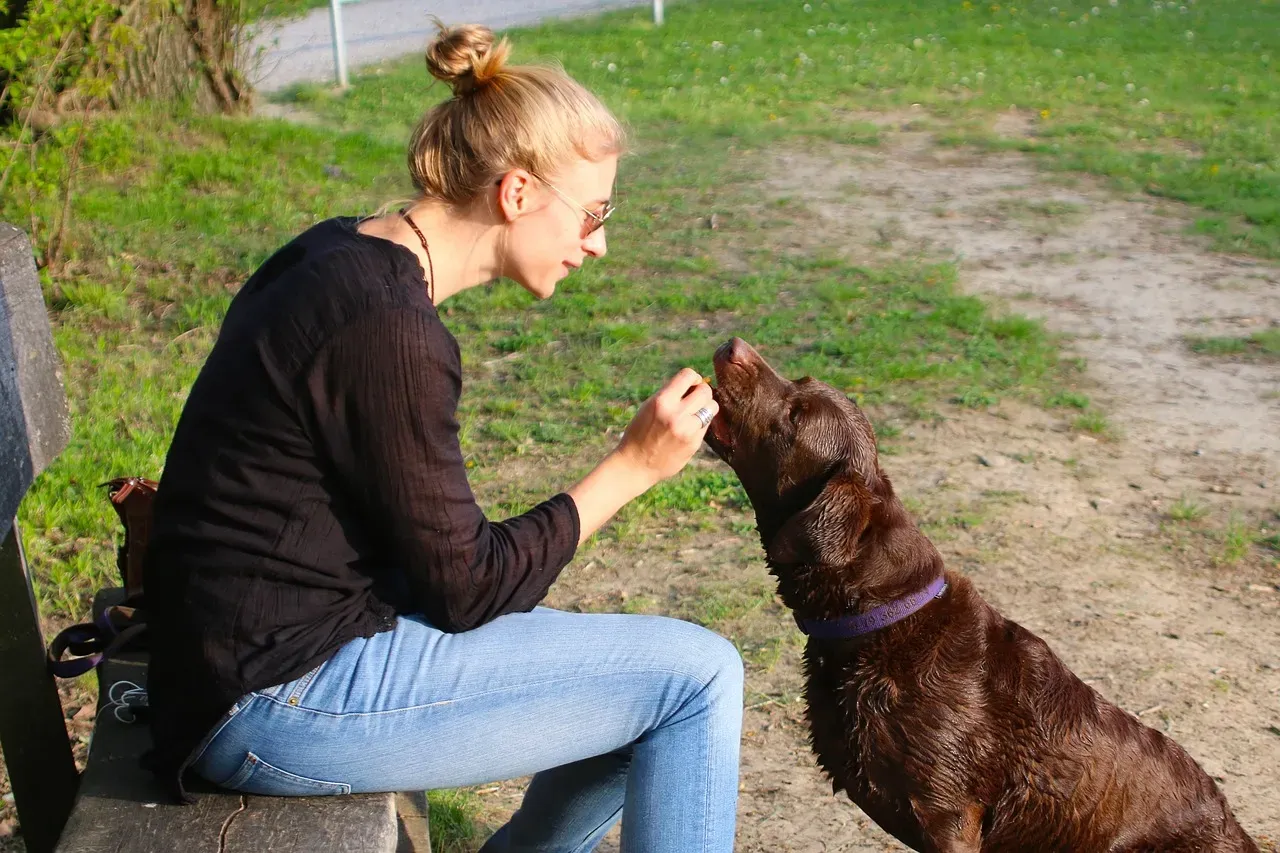
We show love through food. It’s human nature. When your dog looks at you with those adoring eyes, it’s hard not to share your snack. The problem is, food isn’t love to your dog, and overfeeding is actually hurting them.
In a longevity study conducted on dogs, researchers found dogs fed 25 percent fewer calories than normal lived an average two years longer. Even more exciting was that the dogs fed a little less food had a lot fewer medical problems. The study dogs also required less medications and remained more active well into old age. Less food equals more years together.
Find other ways to show your dog affection. Extra playtime, massage, training sessions, or simply sitting together can strengthen your bond without expanding their waistline. Your dog craves your attention and companionship far more than they crave extra calories.
Missing the Signs of Pain
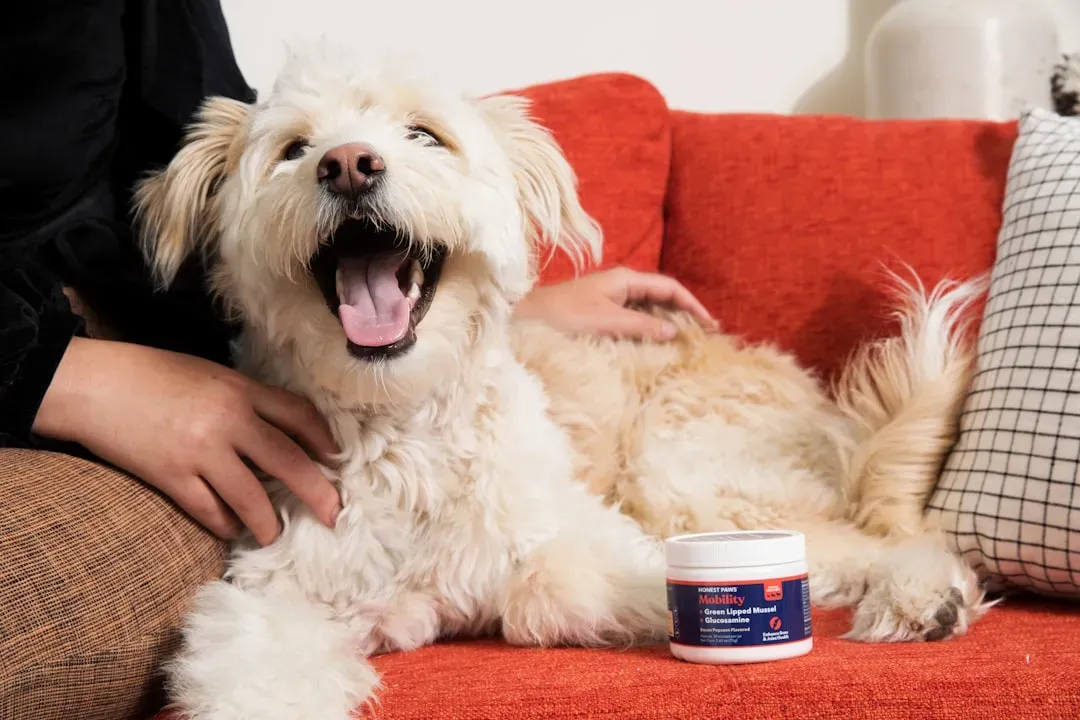
Dogs are masters at hiding discomfort. It’s an evolutionary survival trait. In the wild, showing weakness makes an animal vulnerable. Your dog might be suffering silently while you assume everything is fine because they’re still eating and wagging their tail.
Watch for subtle changes. Is your dog slower to get up in the morning? Less enthusiastic about walks? Hesitant to climb stairs they used to race up? These could all signal pain from arthritis, dental disease, or other conditions. Dogs don’t complain, but their behavior tells the story.
Depending on the severity of periodontal disease, it can be quite painful for dogs, and may cause them to stop eating. This is especially true if your pet develops a tooth root abscess. Abscesses are painful and are considered a medical emergency. Periodontal disease in dogs isn’t considered a medical emergency, but the sooner your pup gets treated for dental disease, the better. Don’t wait until pain becomes obvious. If you suspect discomfort, talk to your vet immediately.
Conclusion: Small Changes Equal More Years Together
None of us are perfect dog owners. We all make mistakes and take shortcuts sometimes. The point isn’t to feel guilty about past choices. The point is to do better moving forward. The habits we’ve discussed might seem small individually, but their cumulative effect on your dog’s lifespan is enormous.
Start with one or two changes this week. Maybe you’ll commit to daily tooth brushing, or finally schedule that overdue vet appointment. Perhaps you’ll measure food portions accurately or add an extra ten minutes to your daily walk. Whatever you choose, know that it matters. Your dog depends on you completely for their health and wellbeing.
Dogs that were overweight or had a previous traumatic life experience had shorter lives. High quality food and regular veterinary care were predictive of longer lifespans. You have more control over your dog’s longevity than you might think. Every positive choice you make adds up to more tail wags, more snuggles, and more precious moments together. What could be more worth it than that?


