
You know that moment when your dog greets you at the door, tail wagging wildly, and you just know they’re happy to see you. That’s the easy stuff, right? Those big displays of joy are unmistakable. Yet here’s the thing: your dog is constantly communicating their emotional state through dozens of tiny signals that most of us completely miss. Some of these cues are so subtle, so fleeting, that they disappear in a blink. Learning to spot them isn’t just about being a better dog owner – it’s about understanding your best friend on a deeper level.
The truth is, happiness in dogs isn’t always loud or obvious. Sometimes it whispers. Your dog might be content and peaceful in ways that don’t involve zoomies or enthusiastic barking. Maybe they’re quietly satisfied, deeply relaxed, or genuinely thriving in ways you haven’t noticed. So let’s dive into the subtle signs that reveal whether your dog is truly happy, starting with the signals hiding in plain sight.
The Eyes Have It: Reading Your Dog’s Gaze

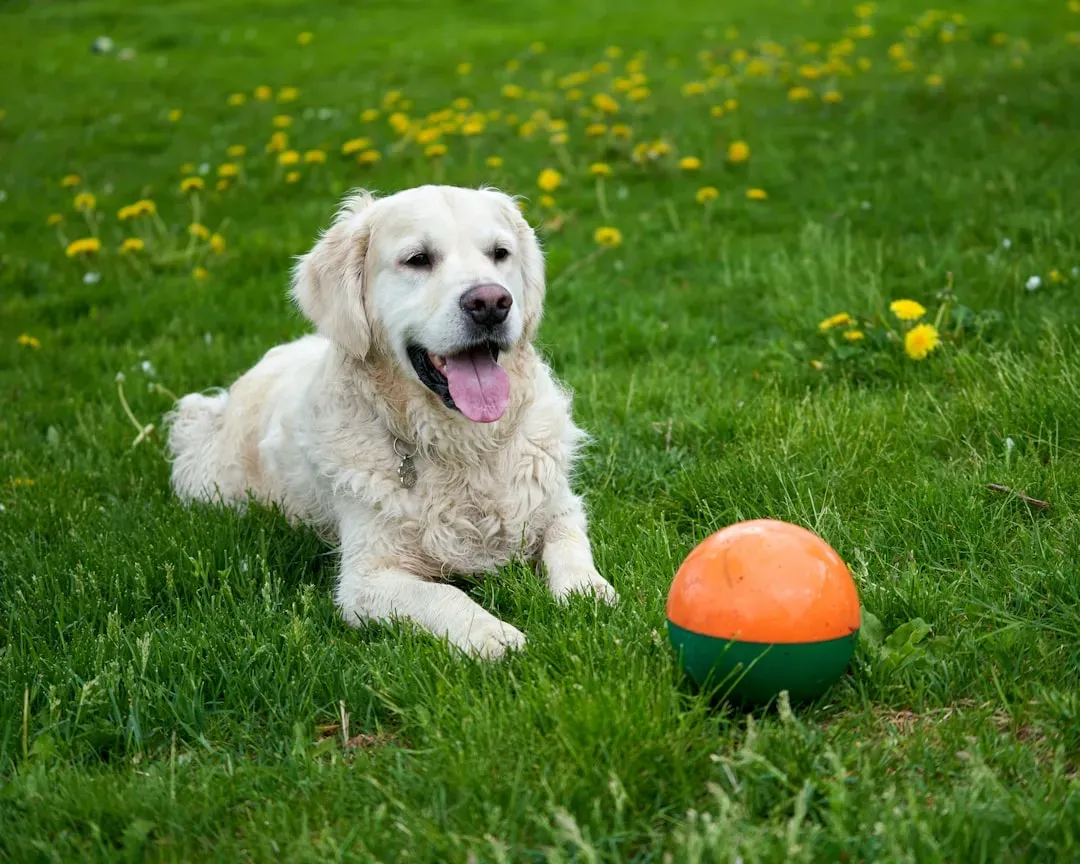
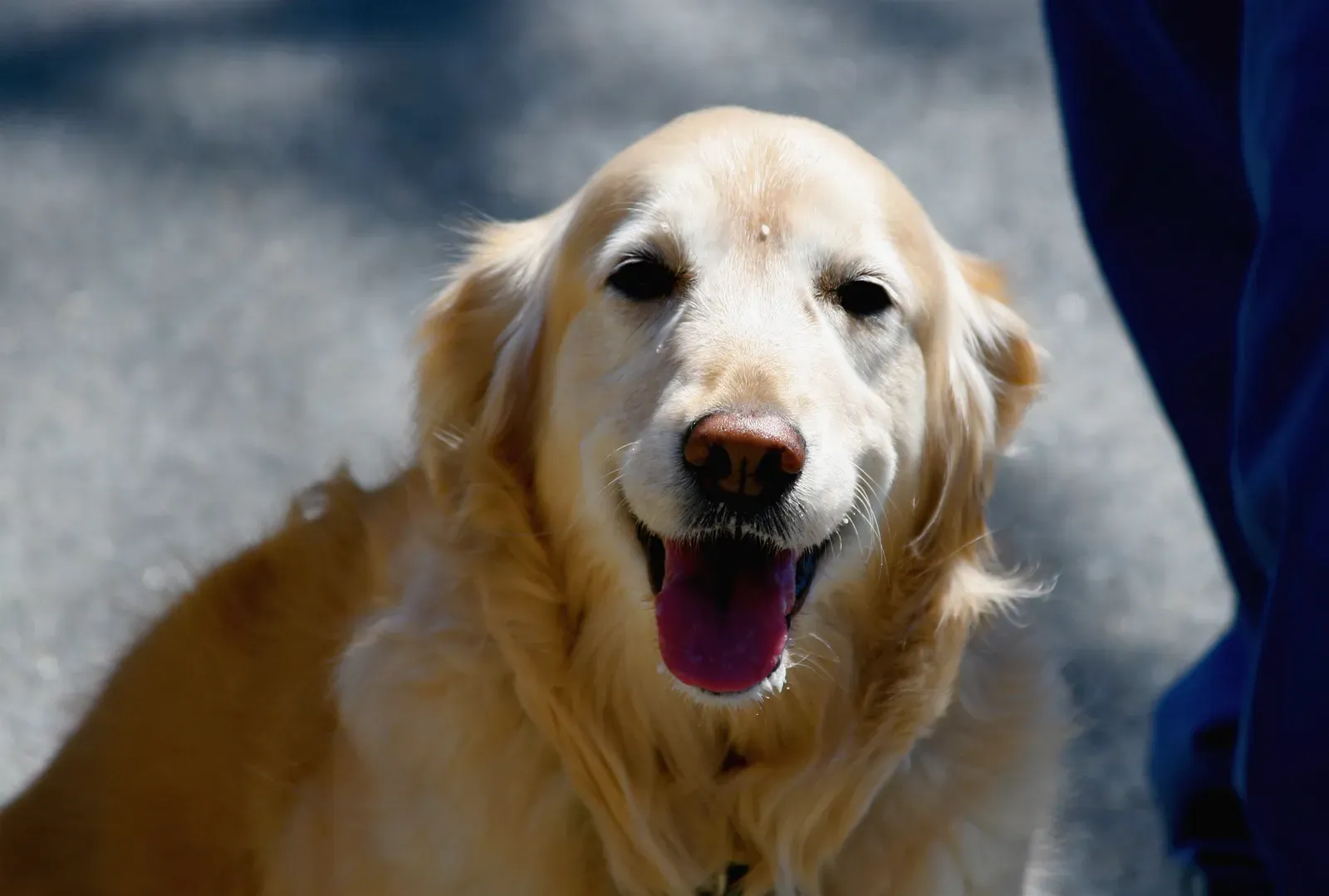
Happy dogs have soft, relaxed eyes, and instead of staring intensely or looking away nervously, their eyelids may droop slightly. Think of it as the doggy equivalent of a gentle smile. These eyes sometimes blink slowly, a quiet sign of comfort and trust. When your dog looks at you with those soft, squinty eyes, they’re telling you they feel safe in your presence.
Soft eyes have relaxed lids and can sometimes look like the dog is squinting, indicating the dog is calm or happy. Pay attention next time you’re having a quiet moment together. Do their eyes look gentle and peaceful, or are they wide and tense? The opposite is hard eyes, where the eyes seem to go cold, indicating a negative state of mind.
Tail Talk: Beyond the Basic Wag
Everyone knows a wagging tail means a happy dog, right? Not quite. Not all tail wags indicate a happy dog, but rather that your dog is in a state of arousal, and a low, gentle tail wag often indicates contentment, but a stiff, high wag may not. The speed, position, and direction of that wag matters more than you’d think.
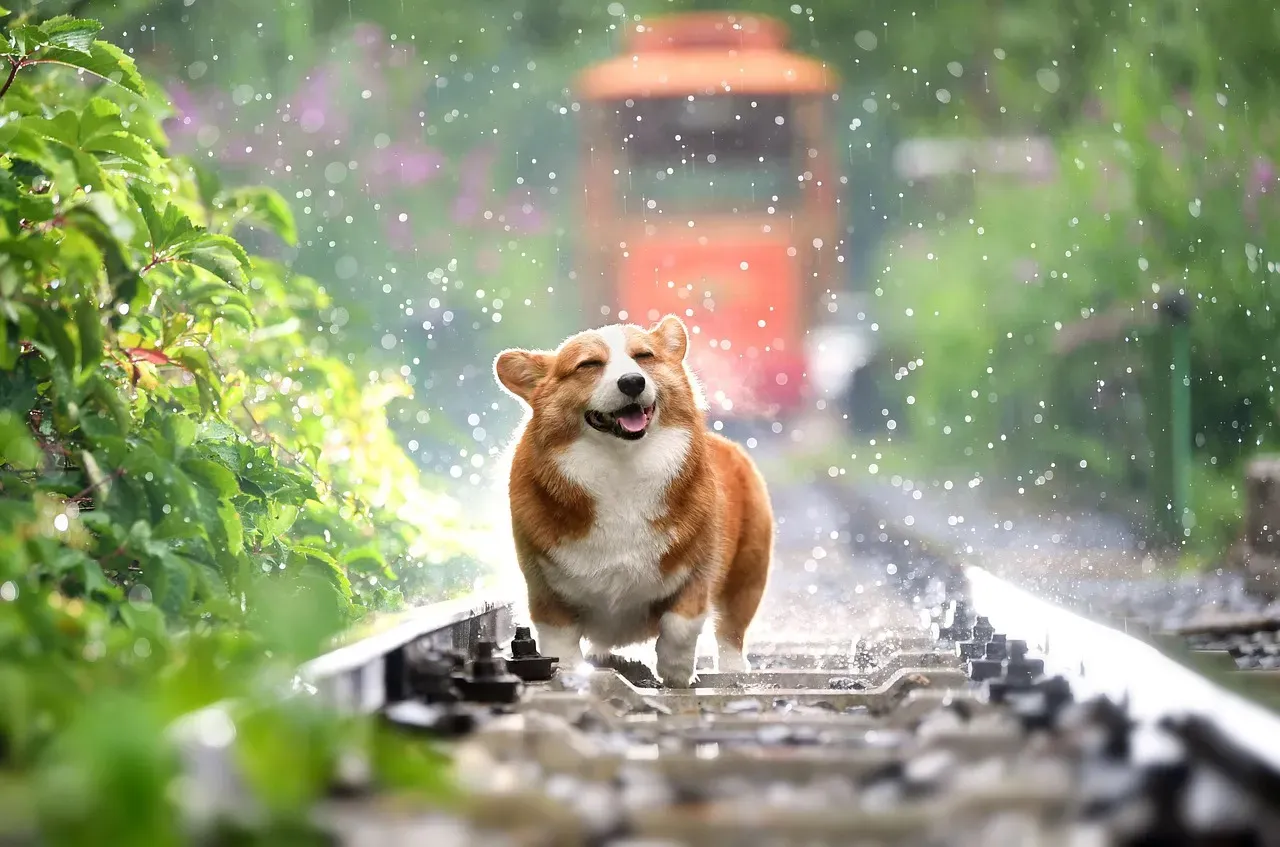
Dogs that are feeling happy may wag their tail slowly and widely from side to side, with their tail in a neutral position or slightly raised. Those long, slow, side-to-side tail sweeps your dog makes when greeting you – the type that wags the dog’s whole body – indicate a relaxed dog. Honestly, there’s something magical about a full-body wiggle. If your dog is wagging its tail in a circle, it is showing you that it is very happy and joyful. That helicopter tail? Pure happiness.
Body Language Speaks Volumes
A happy dog will display a loose posture, relaxed ears, and a wagging tail. The key word here is loose. A truly content dog looks almost floppy, with muscles that aren’t tense or rigid. A dog that’s feeling happy will have a loose, bouncy and smooth gait, and will also display normal dog behavior, such as sniffing at plants and flowers and engaging with other friendly dogs.
Watch your dog during their daily walk. Are they moving freely, exploring with curiosity? Or do they seem stiff and anxious? A happy dog’s ears are relaxed and rest naturally against their head, and some dogs will have one ear cocked up, or both may be loose and floppy. That little head tilt when you talk to them? That’s engagement and contentment wrapped into one adorable package.
The Play Bow and Other Invitations
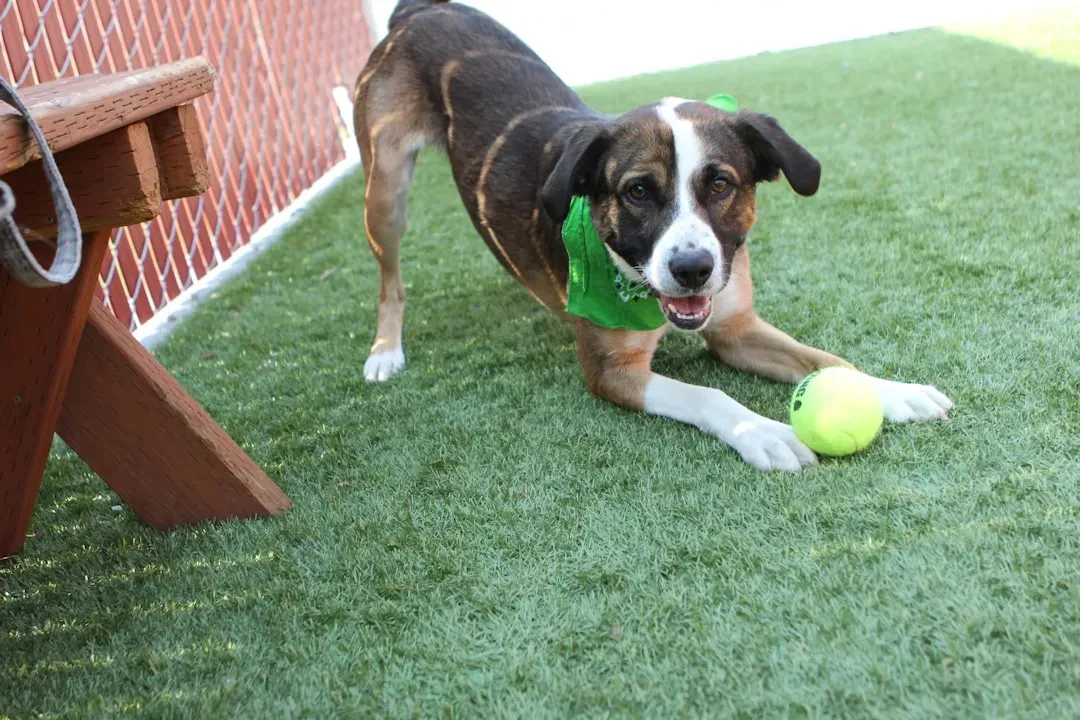
Dogs in a happy, playful mood may scooch their chest down to the floor with their bottom in the air in a stance called a play bow, and they will do this before a play session to signal that they are ready to play. This is one of the clearest signs that your dog is feeling joyful and wants to interact with you.
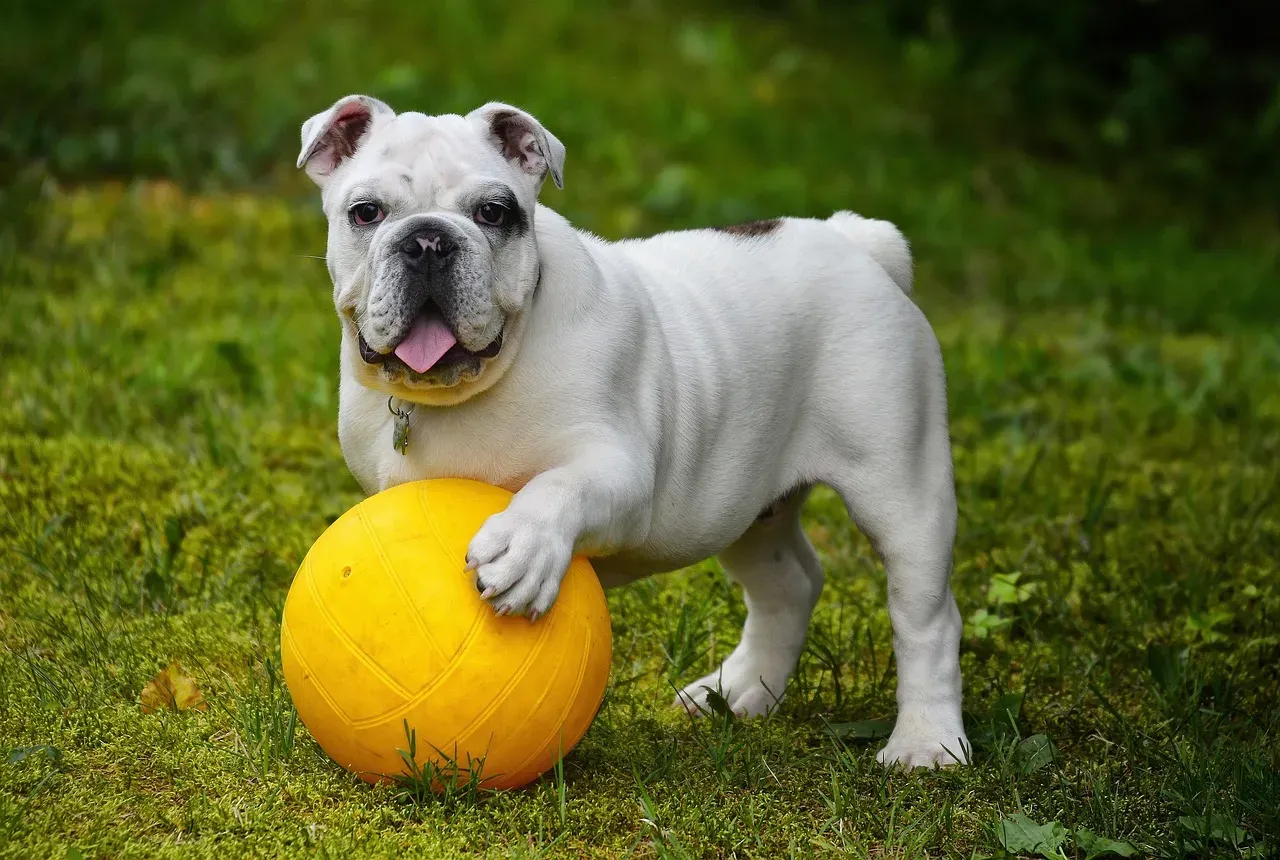
Joyful pups often invite interaction with play bows, chasing toys, or gentle nips during a game, and their energy is lively but not frantic or tired, striking a balance between excitement and calmness. If your dog regularly brings you toys or nudges your hand for attention, they’re not just seeking play – they’re showing you they’re happy and want to share that happiness with you. Let’s be real, few things are more heartwarming than a dog dropping a slobbery tennis ball at your feet with hopeful eyes.
Seeking Contact: The Lean and the Snuggle
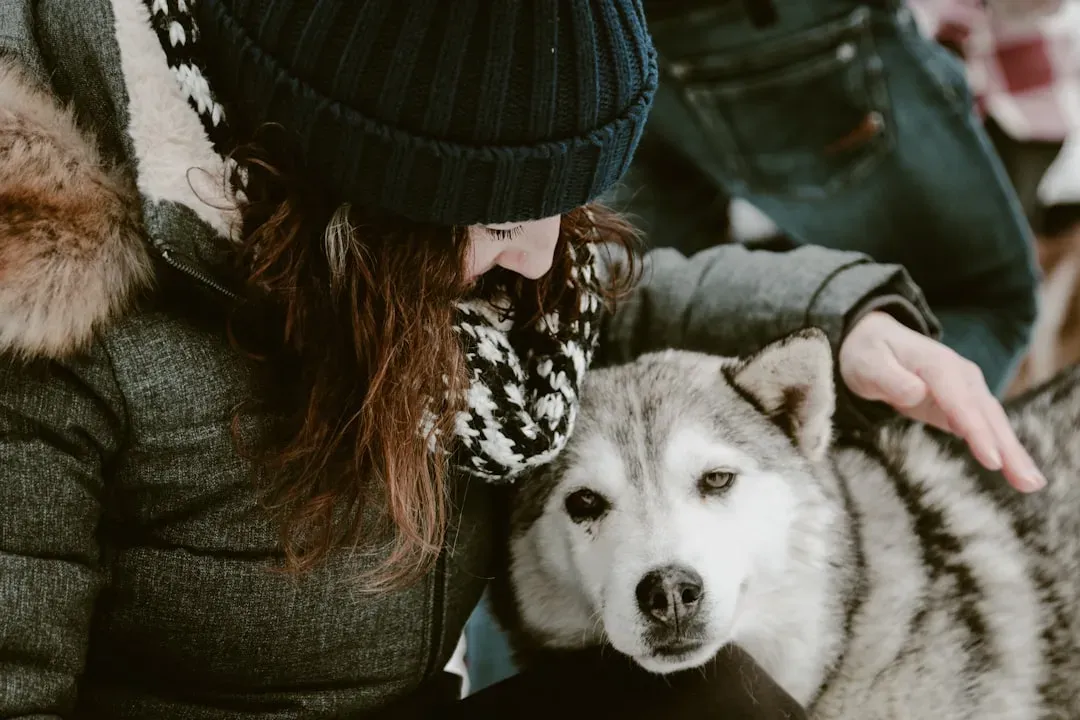
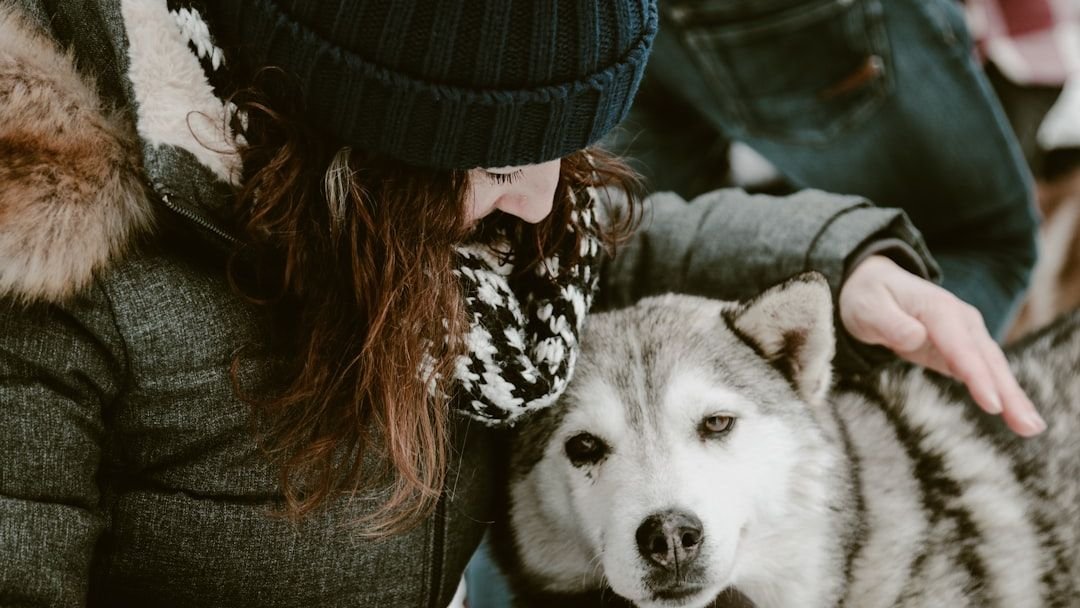
Happy dogs make a lot of body contact, and if your dog reacts, stays close, or even leans in toward your hand during petting, they’re enjoying the contact. That lean against your leg while you’re watching TV? That’s not just laziness. Leaning on you, snuggling and rolling over to request a belly rub are all behaviors generally associated with a strong human-animal bond, which is key for your dog’s happiness.
When petted, dogs’ levels of oxytocin (the feel-good hormone) rise – just like humans’ levels rise when petting their pup. Touch is a powerful communication tool for dogs. If your dog actively seeks your affection, rolls over to expose their belly, or simply stays close when you’re around, these are beautiful indicators of trust and contentment.
Appetite and Healthy Routines
If your dog is stressed or ill, they may refuse food, and while every dog has different eating habits, if your dog’s favorite time of day is dinnertime and they start to show a lack of interest in eating, then it tells you that something else might be going on. A happy dog typically maintains a consistent, healthy appetite.
It’s important to have a baseline for your specific dog. Some dogs are food-motivated enthusiasts who act like every meal is a miracle. Others are more casual grazers. Healthy adult dogs sleep 12-14 hours per day. Proper rest, consistent eating patterns, and regular bowel movements all indicate a dog whose needs are being met – and that’s a happy dog. Changes in these patterns deserve your attention.
The Absence of Destructive Behaviors
Happy dogs are unlikely to destroy your home or act naughty, and while chewing is natural, excessive chewing or destructive behavior, particularly in an adult dog, could be a sign of stress or boredom. A content dog doesn’t feel the need to shred your couch cushions or dig holes in the backyard out of anxiety.
Destructive behaviors – such as excessive barking, destroying toys, and digging – do not necessarily indicate your dog is unhappy, as these behaviors can be normal, happy dog behaviors too. Context matters here. A puppy exploring their world will chew things. A young dog with energy to burn might dig. However, sudden destructive behavior in a typically well-behaved dog often signals something’s wrong emotionally. Happy dogs usually have all of their needs met, so they’re calmer and pretty well-behaved, and they will be able to settle easily, follow cues and recover quickly from small stressors.
Conclusion: Becoming Fluent in Your Dog’s Language
Happiness in dogs isn’t one-size-fits-all. Your Labrador might show joy differently than your neighbor’s Chihuahua. Any interpretations of dog behavior depend on each dog’s personality, and there often aren’t cut-and-dry answers, so knowing your dog’s personality will help you know their feelings. That’s why paying attention matters so much.
The subtle signs we’ve explored – soft eyes, gentle tail wags, loose body language, play invitations, contact-seeking, healthy routines, and good behavior – paint a picture of a dog who feels safe, loved, and content. Missing these signals means missing opportunities to deepen your bond and ensure your dog’s emotional wellbeing. If you learn what your dog is saying, you will develop a deeper bond of trust and respect, and your newfound understanding can help you predict their behavior and prevent problems before they arise.
So take a moment today to really observe your dog. Watch how they move, how they look at you, how they choose to spend their quiet moments. What do you think you’ll notice that you’ve been missing? Share your observations in the comments – we’d love to hear what subtle signs your dog shows when they’re truly happy.


