
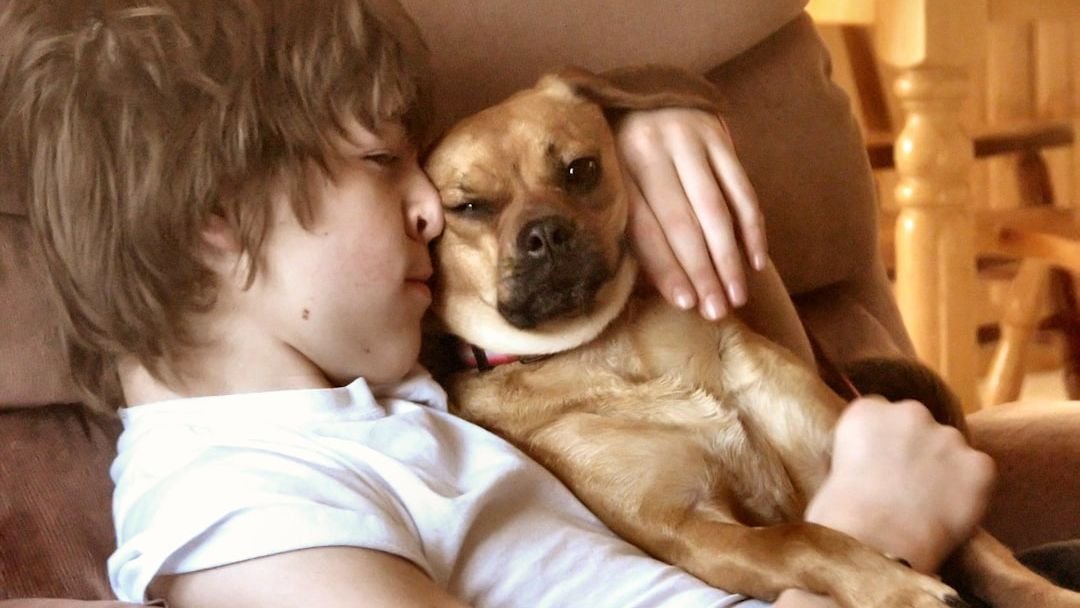
You might think building a deep connection with your dog takes elaborate training sessions or dramatic gestures of devotion. The truth feels more gentle than that. I’ve learned through years of loving dogs that the most powerful moments of bonding happen quietly, in the everyday rhythms of life together. They’re subtle, almost invisible, yet they’re transforming your relationship every single day.
These aren’t the big milestones you photograph or celebrate with fanfare. They’re the small exchanges, the fleeting glances, the wordless understanding that develops between two beings who’ve learned to read each other’s hearts. Let’s explore these tender moments you might be overlooking, the ones that are secretly weaving an unbreakable connection between you and your canine companion.
That Morning Gaze Before You Both Fully Wake Up
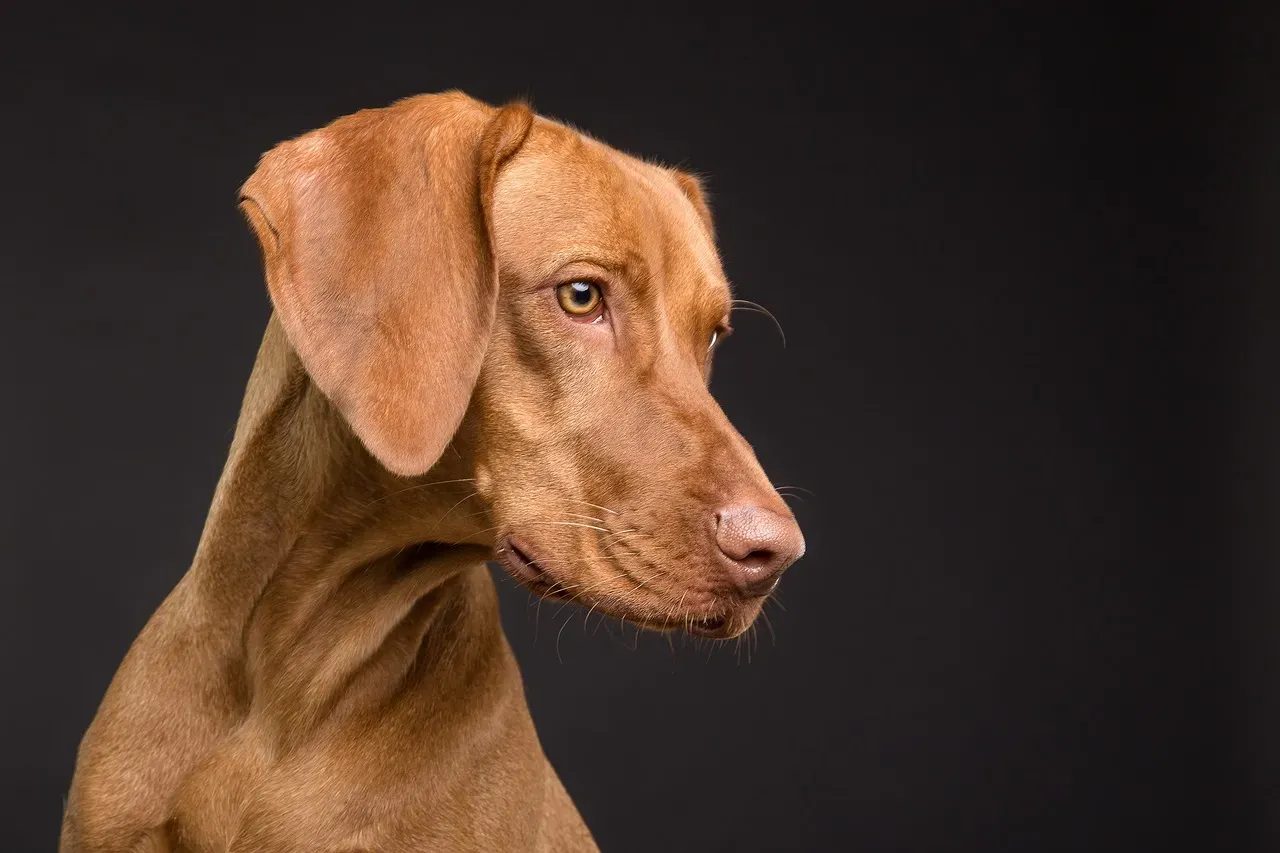
Picture this: your eyes flutter open, and there’s your dog, already watching you with soft eyes. Not demanding anything, just observing. That quiet morning stare is far more significant than you realize.
Mutual eye contact triggers the release of oxytocin in both species, creating a positive feedback loop that reinforces bonding behaviors and strengthens the emotional connection. When you lock eyes with your dog in those drowsy morning moments, you’re actually participating in a biochemical love exchange. It’s not just cute; it’s chemistry.
Dogs don’t gaze at just anyone this way. Wolves don’t show the same oxytocin response with humans, as they tend to use eye contact as a threat. Your dog has evolved specifically to connect with you through their eyes, and every morning they’re choosing you all over again.
When They Follow You From Room to Room
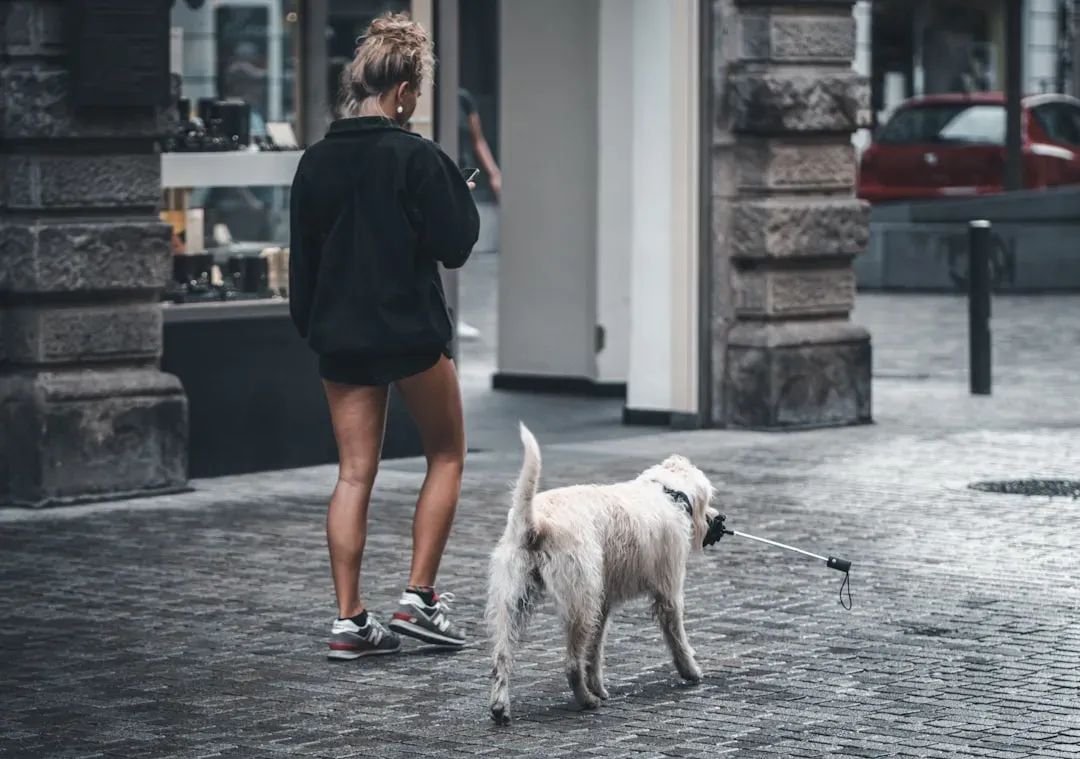
Does your dog trail behind you like a furry shadow, even when you’re just moving from the kitchen to the bathroom? This behavior might feel clingy or even mildly annoying some days, but it’s actually a profound declaration of attachment.
An emotionally attached dog will follow their human around the house from the moment they wake up, making sure that they are always within sight. They’re not being needy; they’re fulfilling a deep psychological need to remain close to their bonded companion. In their world, proximity equals security and love.
This constant presence creates what researchers call affiliative interactions. Frequent affiliative interactions between dogs and humans strengthen bond formation, and the amount of time dogs and owners spend together has a critical influence on functional relationships. Every moment your dog spends in your orbit is another stitch in the fabric of your connection.
The Enthusiastic Greeting After You’ve Been Apart
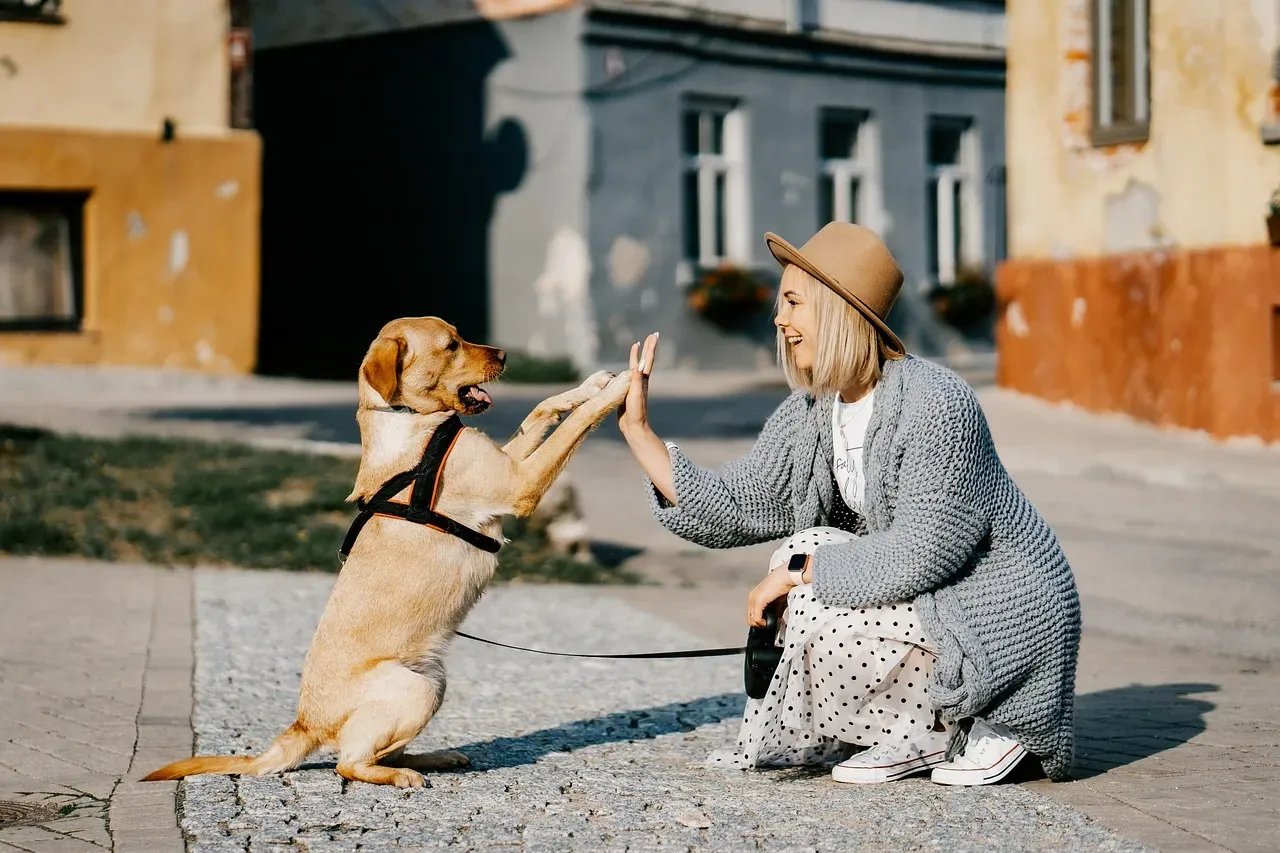
Whether you’ve been gone for five hours or five minutes, your dog greets you like you’ve returned from war. The tail wags, the whole body wiggles, maybe a few excited yips. This isn’t just habit or learned behavior.
Let’s be real, these jubilant reunions represent something deeper than excitement about potential treats. The jubilant welcome when you return home speaks volumes about your bond, as those wiggly dances and happy barks are expressions of profound relief and joy at your return. Your arrival genuinely matters to them on an emotional level.
These greetings release dopamine and other feel-good neurochemicals in both of you. Think about how your own mood lifts when you see that enthusiastic welcome. That mutual rush of positive emotion reinforces the bond every single time, making your reunion rituals far more than just routine.
Sharing Quiet Moments on the Couch
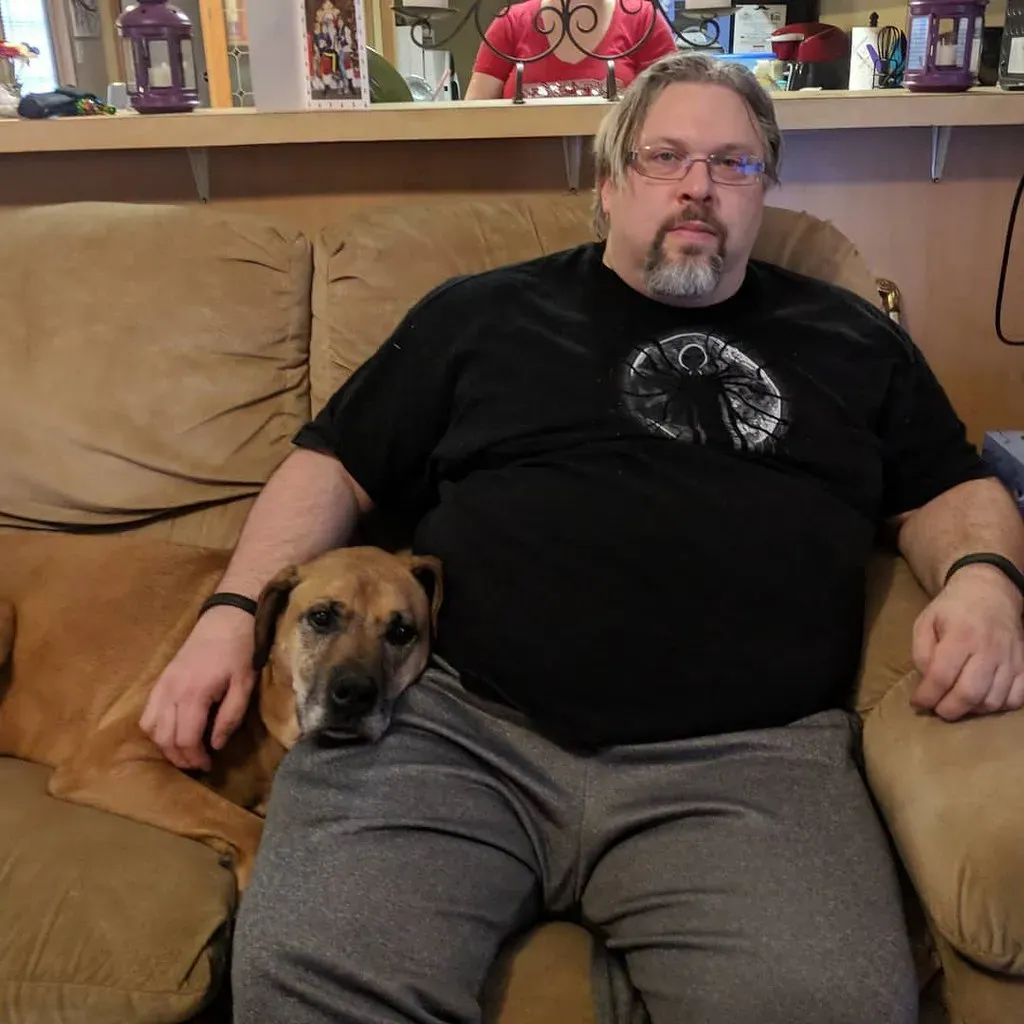
You’re scrolling through your phone or reading a book, and your dog settles against your leg, lets out a contented sigh, and drifts off to sleep. Nothing dramatic, just peaceful coexistence.
Cuddling releases oxytocin, known as the love hormone, and when your dog cuddles with you, it makes them feel happy and secure while strengthening your bond. These calm, physical connections are bonding gold. The warmth of their body against yours, the rhythm of their breathing syncing with your own, all of it creates a sense of safety and belonging for both of you.
In the wild, vulnerable moments like rest and sleep are when animals are most at risk. When your dog chooses to relax completely in your presence, they’re showing ultimate trust. They believe you’ll keep them safe while they’re defenseless, and that belief is the foundation of your entire relationship.
When They Lean Into Your Touch
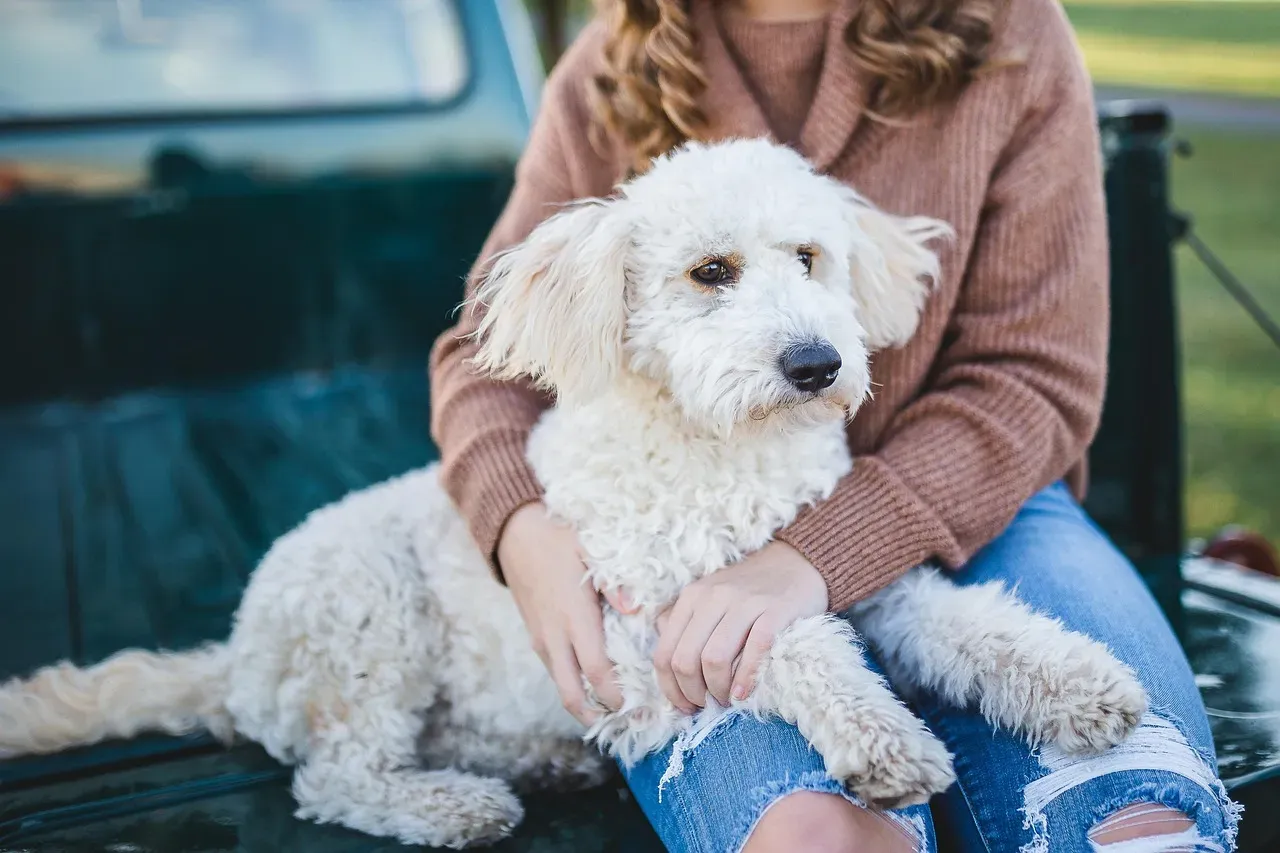
You reach down to pet your dog, and instead of just accepting the affection, they press their body weight into your hand. They lean against your leg while you’re standing. They melt into your touch.
When a dog leans on you, it’s a sign of affection and trust, with your dog saying they feel safe and secure with you. This behavior is particularly common in dogs who have strong bonds with their owners. It’s a request for continued contact and a statement of deep comfort in your presence.
Physical touch between bonded pairs reduces cortisol and increases feelings of calm security. Every time your dog leans into you, they’re choosing connection over independence, vulnerability over self-protection. And you, by responding with gentle affection, are confirming that their trust is well placed.
Bringing You Their Favorite Toy
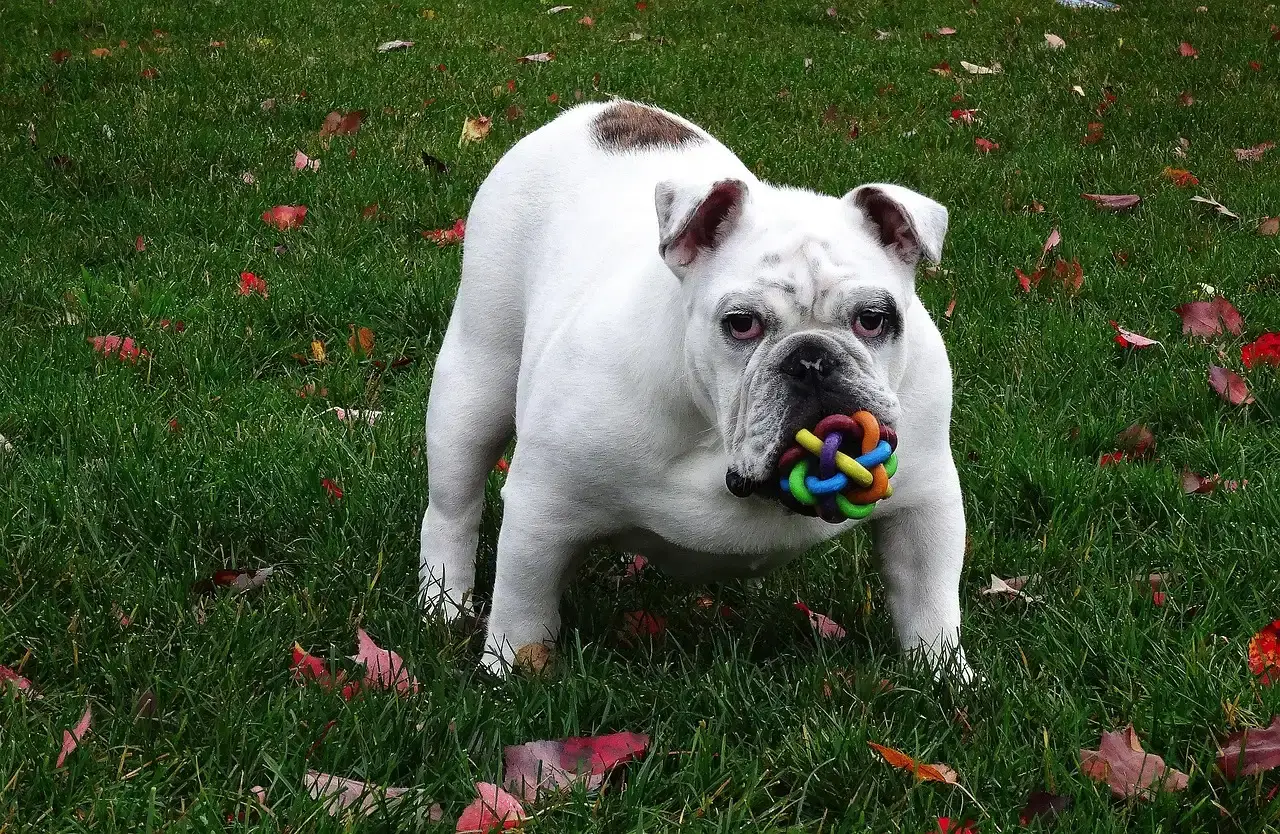
Your dog trots over with their most prized possession, that mangled squeaky toy or worn tennis ball, and drops it at your feet. You might think they just want to play, but the gesture carries deeper meaning.
Dogs bring you toys or bones as a gift, showing that they love and trust you, and by giving you a toy, your dog is saying they want to play with you and share this with you. They’re inviting you into their world, offering to share what brings them joy. It’s an act of generosity and inclusion.
This behavior also reflects their desire to engage with you specifically. They could chew that toy alone in the corner, but they’d rather involve you. These invitations to play strengthen your relationship by creating shared positive experiences and building a history of fun together.
The Way They Check In During Walks
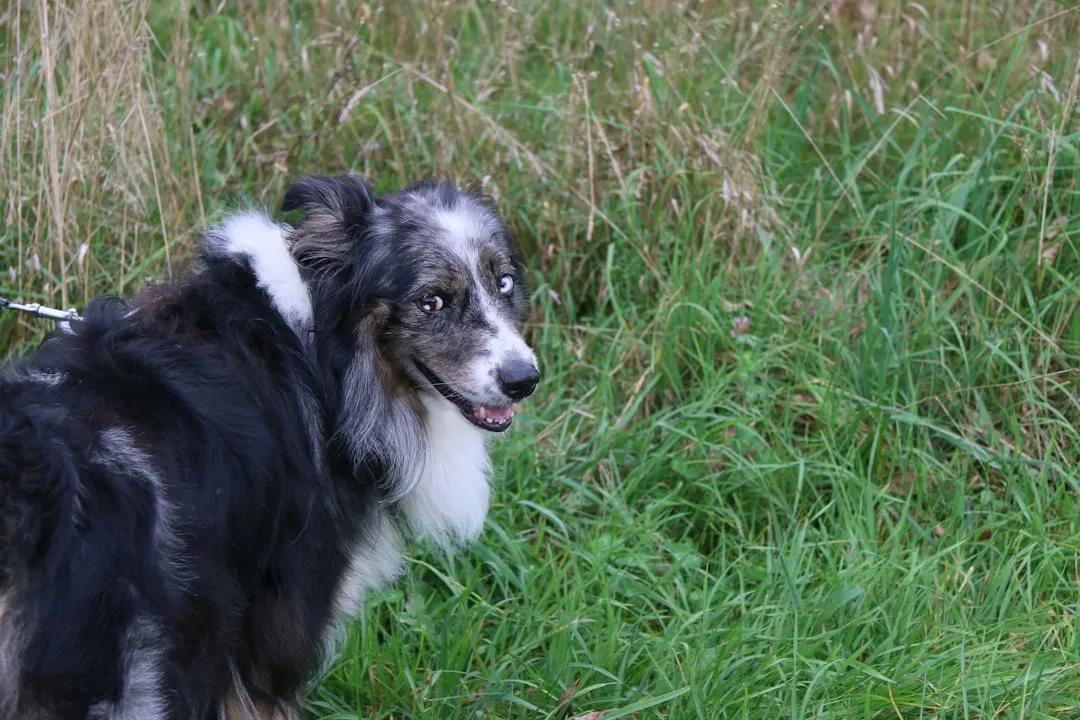
You’re out on a walk, and your dog pauses to look back at you. Not because you called them, but just to confirm you’re still there, still with them. These spontaneous check-ins are relationship gold.
Dogs who feel securely bonded will naturally monitor their human’s location and emotional state. It’s part of what researchers call the secure base effect, where your presence allows them to explore confidently because they know you’re their anchor. Every glance back is a thread connecting them to you even as they investigate the world.
These moments also represent trust in your guidance and leadership. Your dog values your opinion about where to go next, what to sniff, whether something is safe. That deference to your judgment, given freely rather than forced, is a hallmark of mutual respect and deep attachment.
When They Mirror Your Emotional State
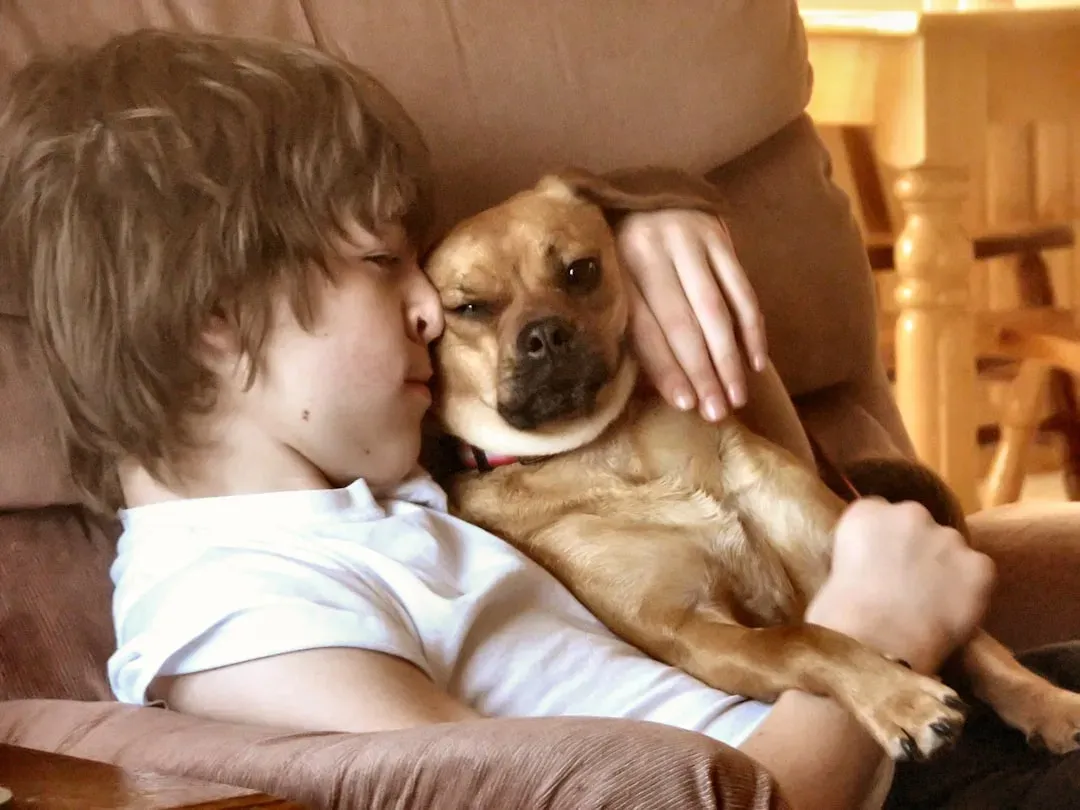
You’ve had a rough day, and your dog seems to sense it. They stay close, rest their head on your knee, or simply sit quietly beside you. When you’re happy and energetic, they bounce around with matching enthusiasm.
Dogs seem to understand exactly how you’re feeling, and when you’re feeling down, they often offer a comforting presence, resting their head on your lap or curling up next to you in empathetic behavior that shows their emotional intelligence and deep connection. This emotional attunement isn’t coincidence; it’s the result of careful observation and genuine care.
Dogs can detect subtle changes in your scent, body language, and voice tone that signal your feelings. Your emotional state matters deeply to your dog, as they can detect subtle changes in your scent, body language, and voice tone, and this emotional mirroring demonstrates their deep connection to your wellbeing. They’re not just responding mechanically; they’re emotionally invested in your experience.
Sleeping in Your Presence
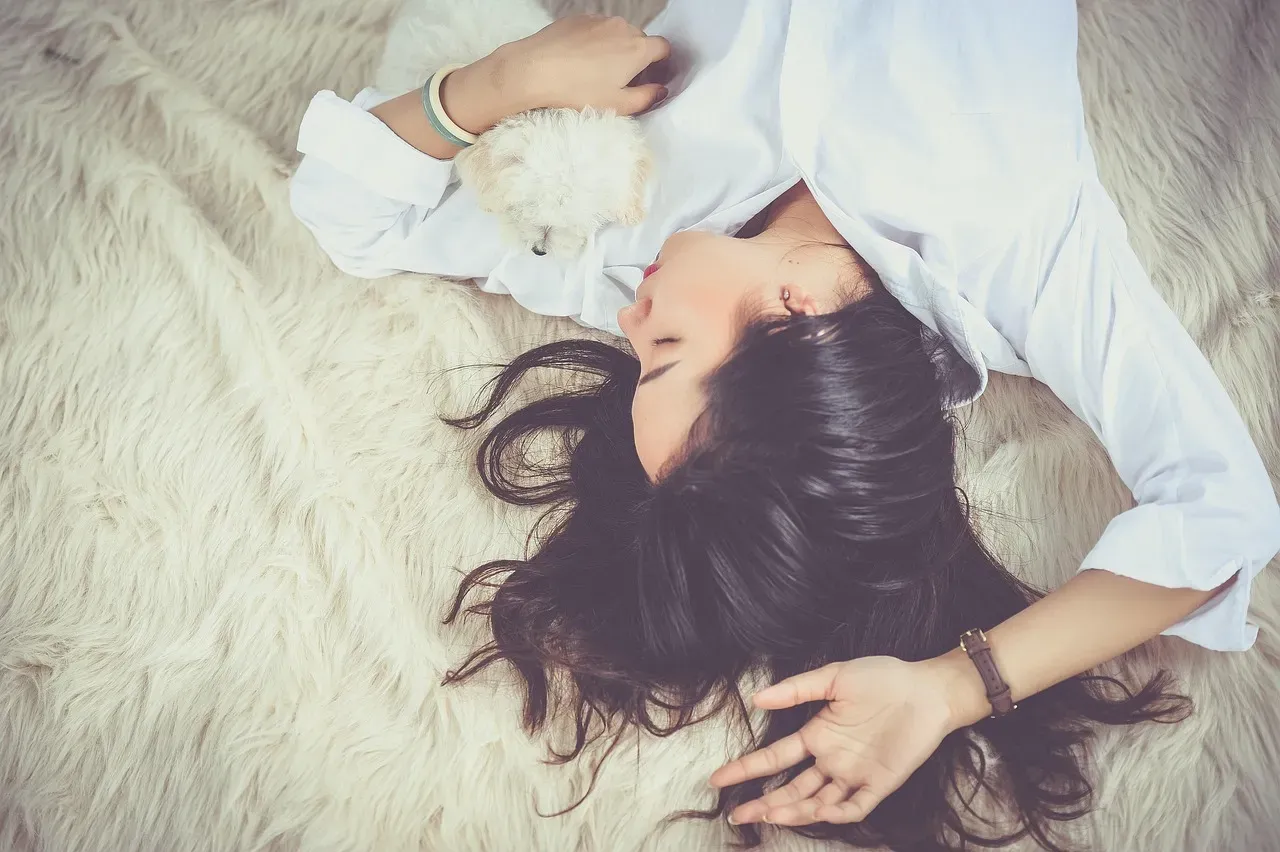
Your dog chooses to nap in the same room as you, even when there are more comfortable spots elsewhere in the house. Maybe they settle at your feet while you work, or curl up on the bed while you fold laundry.
In the wild, canines are at their most vulnerable when they sleep, and to maximize their safety, members of the pack will sleep with their backs facing each other creating a safe circle. By sleeping near you, your dog is treating you as a trusted pack member, someone worthy of being vulnerable around.
Sleep is precious to dogs, and where they choose to spend those hours speaks volumes. They could be anywhere in the house, but they select your proximity. That choice, made unconsciously perhaps, reflects a bone-deep trust and a desire to remain connected even in rest.
Learning Your Routines and Anticipating Your Needs
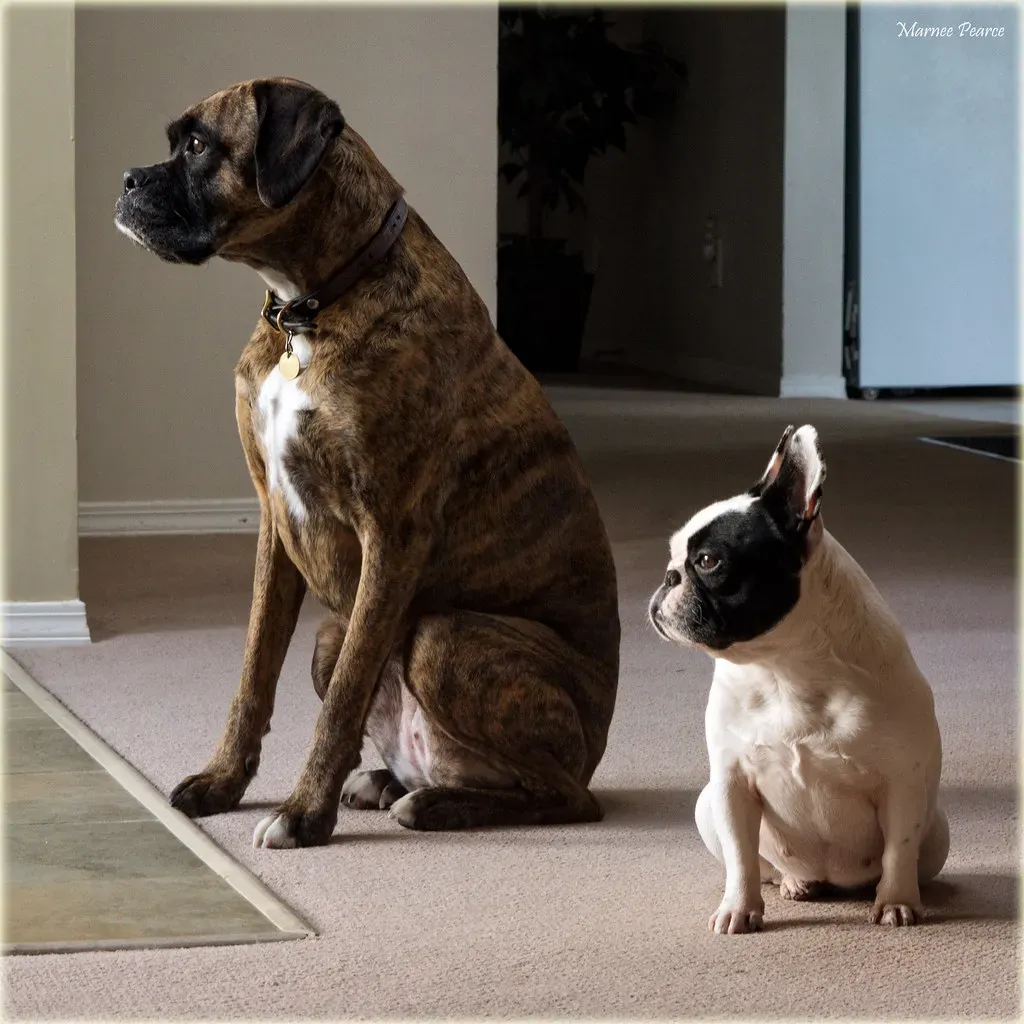
Your dog knows when it’s time for your morning coffee before you even get out of bed. They sense when you’re about to leave for work and position themselves by the door. They understand your patterns better than some humans do.
Dogs thrive on consistent schedules, and by creating a routine together, they’ll know what to expect from you and when, which only serves to build their trust in you further. This predictability creates security, and their ability to anticipate your actions shows how closely they’ve been studying you.
This attentiveness is a form of love. They’ve invested mental energy into understanding your life because you matter to them. Every time they correctly predict your next move, it’s evidence of how much attention they’ve devoted to learning who you are and how you operate. That’s dedication.
The Gentle Nudge for Attention
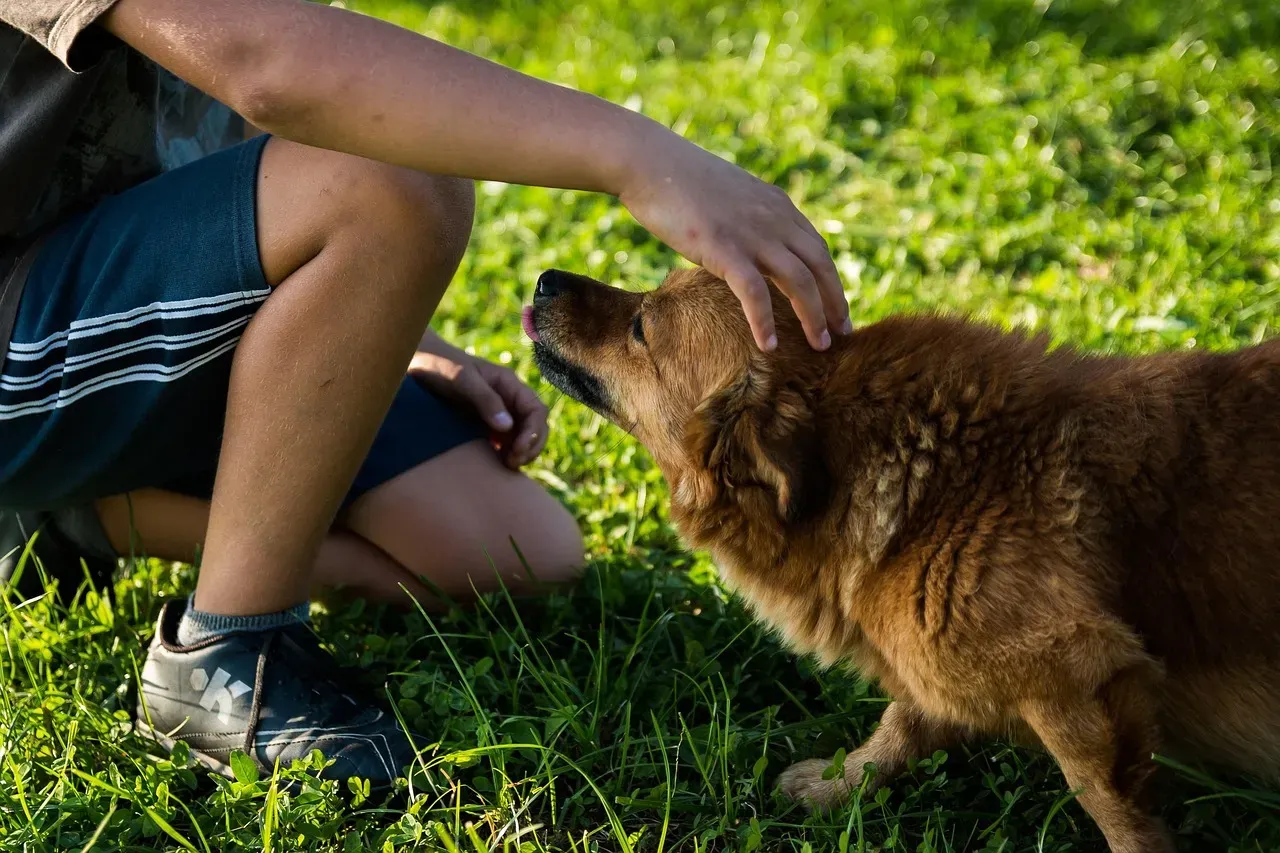
You’re focused on something else, and you feel a soft paw on your knee or a gentle nose nudging your hand. Your dog isn’t demanding or aggressive, just quietly asking for acknowledgment.
This polite request for interaction demonstrates sophisticated social skills and secure attachment. The soft pressure communicates their desire for interaction while respecting your space, a sophisticated social skill that develops in dogs who feel secure in their relationship. They trust that a gentle reminder is enough, that you’ll respond to their quiet ask.
Dogs who feel uncertain about their relationship might bark, jump, or engage in more disruptive attention-seeking. The understated nudge shows they believe in your responsiveness and value the connection enough to make their needs known in a respectful way. It’s communication built on mutual understanding.
When They Show You Their Belly
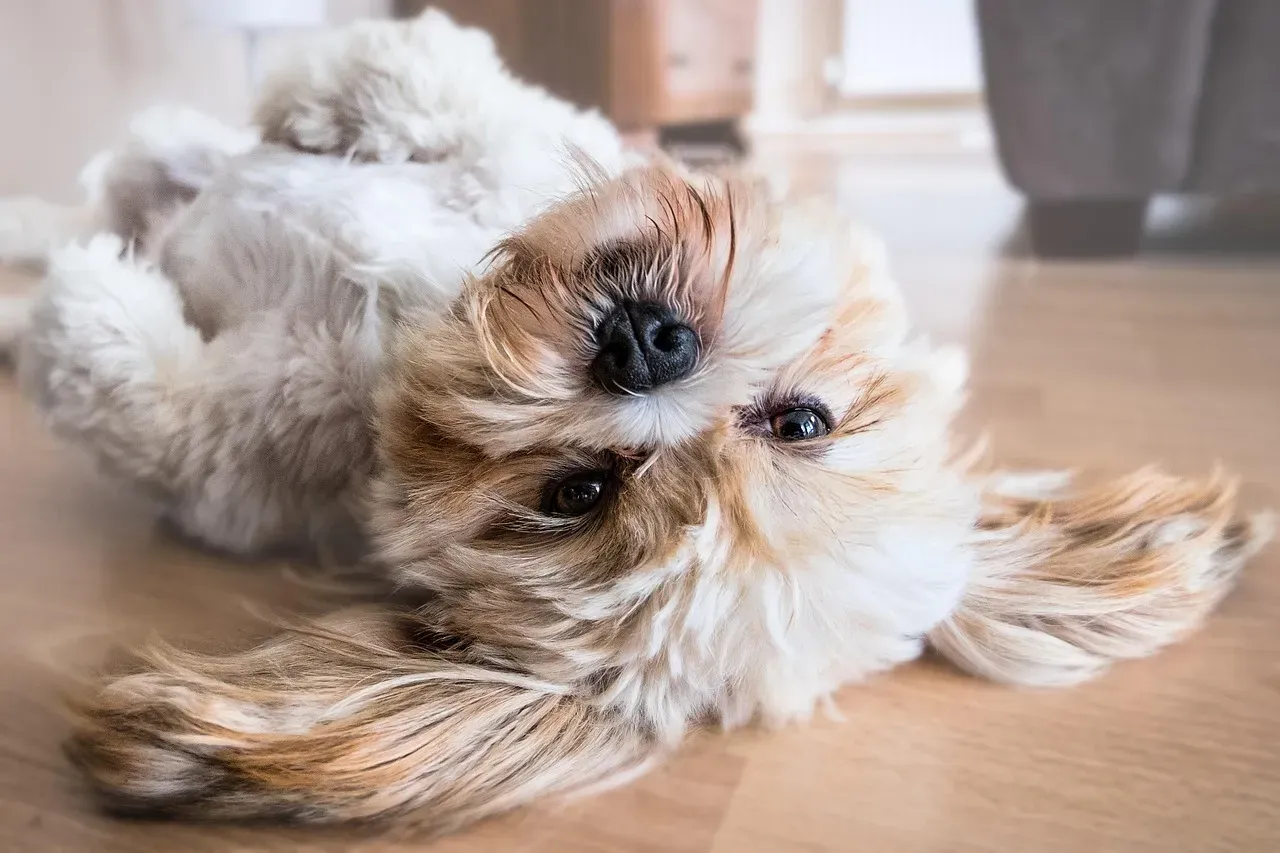
Rolling over to expose their belly is one of the most trusting gestures a dog can make. The stomach contains vital organs and represents their most vulnerable area.
Rolling over for a belly rub represents the ultimate trust exercise in dog language, as the stomach area contains vital organs and represents a dog’s most vulnerable spot. When your dog flops over and exposes this area to you, they’re saying they trust you completely with their safety.
This isn’t just about enjoying belly rubs, though they certainly do. It’s a profound statement of faith in your benevolence. They believe, without question, that you would never hurt them. That level of trust takes time to build and is easily broken, so treasure it when it’s offered. Those belly-up moments are your dog’s way of saying you’ve become their safe place.
Conclusion
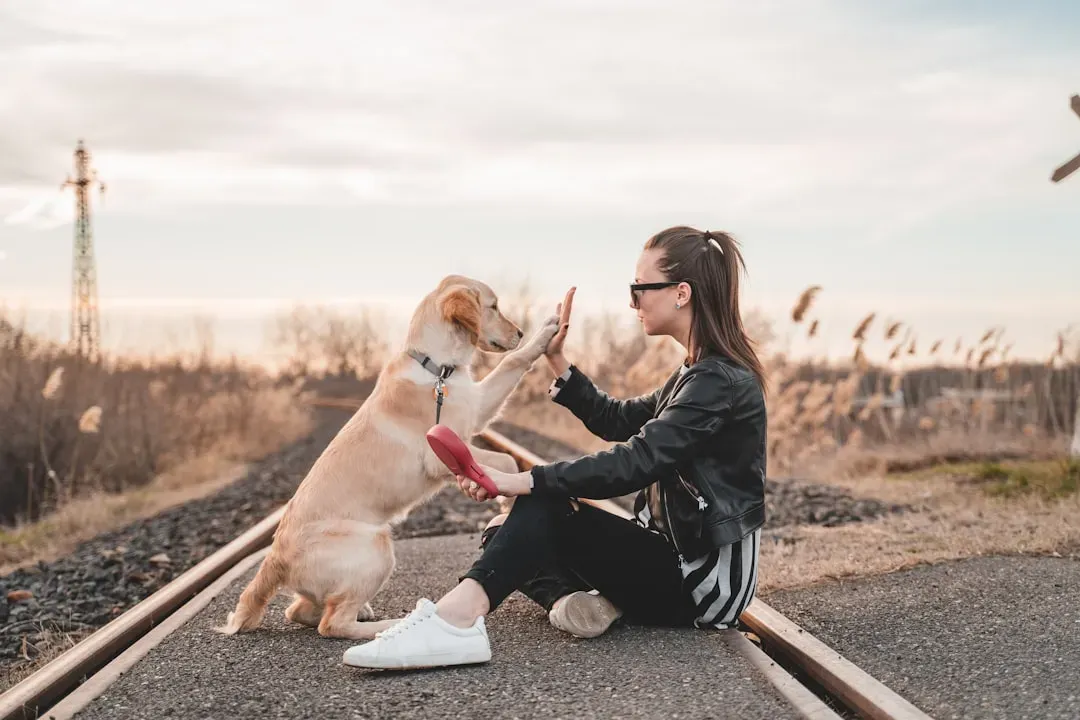
The bond between you and your dog isn’t built in grand gestures or expensive toys. It’s constructed moment by quiet moment, in glances and sighs and gentle touches that barely register in your conscious mind. These everyday interactions are weaving something stronger than steel, a connection based on trust, affection, and deep mutual understanding.
Here’s the thing: you don’t need to do anything differently. Just notice these moments when they happen. Recognize them for what they are, sacred little exchanges that transform two different species into a bonded pair. Your dog is already telling you how much you mean to them; you just needed to learn their language.
Next time your dog gazes at you over breakfast or leans against your leg while you’re washing dishes, pause for just a second. Appreciate the quiet magic of that connection. What moments have you noticed in your relationship with your dog? I’d love to hear about the subtle ways your furry friend shows their love.


