
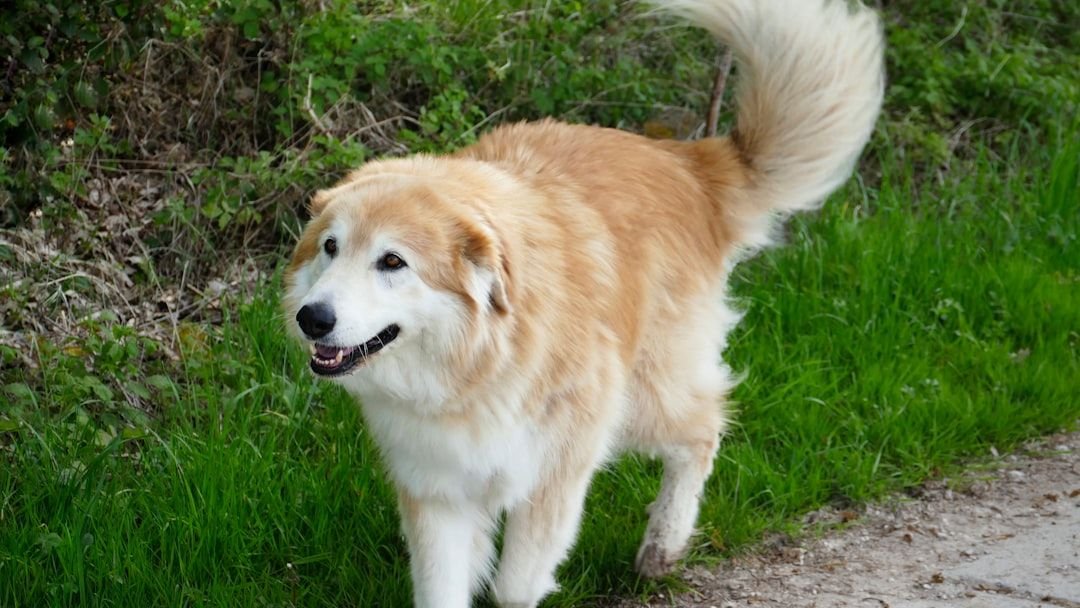
You know that look. The one where your big, beautiful dog watches you grab your keys, and their entire world starts crumbling. Their ears droop, their tail goes still, and those puppy dog eyes suddenly feel like a punch to the gut. For some large breeds, being left alone isn’t just uncomfortable – it’s genuinely distressing.
Let’s be real here. People often assume bigger dogs are tougher, more independent. After all, they look so confident, right? Wrong. Size has nothing to do with emotional resilience. Some of the gentlest giants struggle hardest when their favorite humans walk out the door. Understanding which large breeds are wired this way can save you heartache, destroyed furniture, and a whole lot of guilt.
Labrador Retriever

Labs are America’s favorite dog breed for good reason: They’re relentlessly friendly, fun-loving, and laser-focused on their pet parents. Their devotion runs so deep that being left alone can trigger destructive behaviors and excessive barking. The Labrador Retriever was bred to be around people and work with them all day long. Labs were bred to have a temperament to be social and friendly helpers of the fisherman on the boat and around the docks.
Labrador Retrievers are bred to work closely with people. As such, they may struggle with anxiety more than other dog breeds when separated from their favorite people. When left alone too long, they may chew through doors, bark endlessly, or even hurt themselves trying to escape. Their bodies were built for cooperation, and isolation feels foreign to their entire makeup. A tired Lab is often a calmer Lab, so pre-departure exercise combined with puzzle toys can ease some of that panic.
German Shepherd
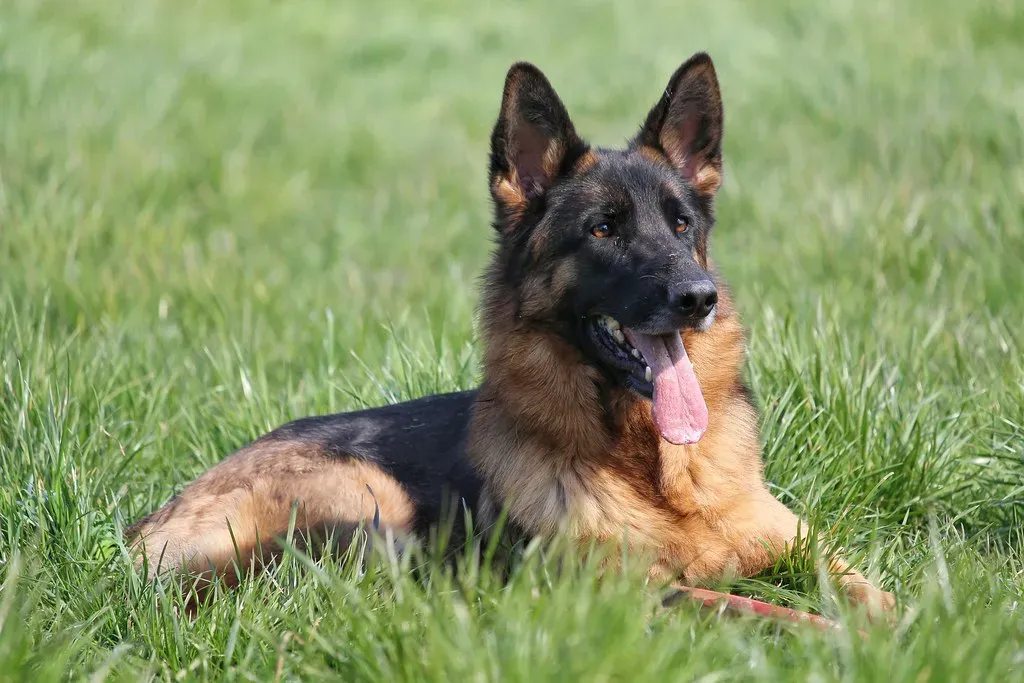
German shepherds can be more prone to the problem than some other breeds since they are herding dogs. Affectionate and protective, it’s in their nature to watch over their family and that’s impossible when their humans are not home. There is a thin, fuzzy line between the level of vigilance that allows a German Shepherd to be great at the job they were bred to do and a smidge higher level of hyper-vigilance that manifests as anxiety. Without proper mental stimulation, these intelligent guardians can become destructive forces in your home.
German Shepherds bond deeply, often choosing one person as their primary focus. This loyalty can turn to anxiety if they’re left alone for long periods. Watch for pacing, whining, or frantic attempts to follow you everywhere. These intelligent dogs need a sense of purpose and companionship to feel secure. Leaving them alone too often can erode their confidence and lead to behavioral issues. Mental challenges like training sessions, scent games, or interactive feeders can redirect that powerful brain before you leave.
Golden Retriever
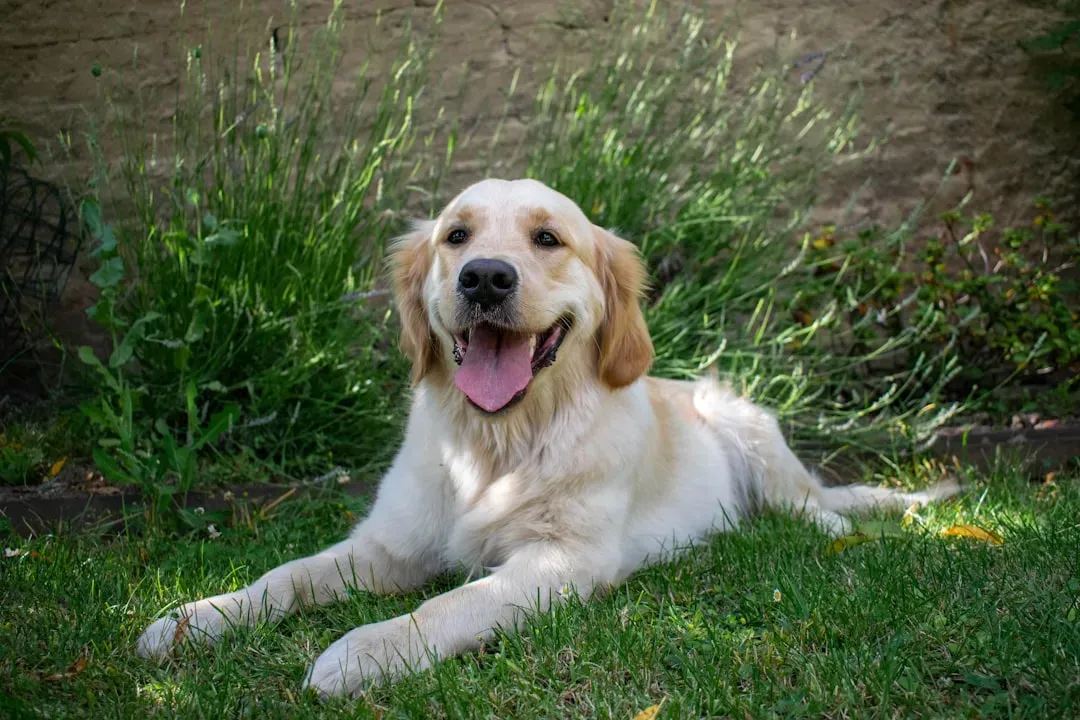
Honestly, Golden Retrievers are the embodiment of loyalty wrapped in fur. Golden Retrievers form ultra-strong bonds and are prone to panic when suddenly isolated. Early, gentle practice at short absences prevents bad habits and home damage. Their gentle temperament makes them incredible therapy and assistance dogs, yet that same sensitivity means solitude hits them hard.
Breeds known for their strong bonds with humans, such as Golden Retrievers, are cherished for their loyalty, intelligence, and affectionate nature. However, their deep attachment to their owners can sometimes manifest as anxiety when left alone. They might drool excessively, destroy household items, or whine for hours. Skipping breakfast walks can lead to separation anxiety spiking. Exercise empties the worry tank, so your dog does not whine before you even pick up your keys. These dogs have lots of energy to expend, so keep up with their regular routine.
Great Pyrenees
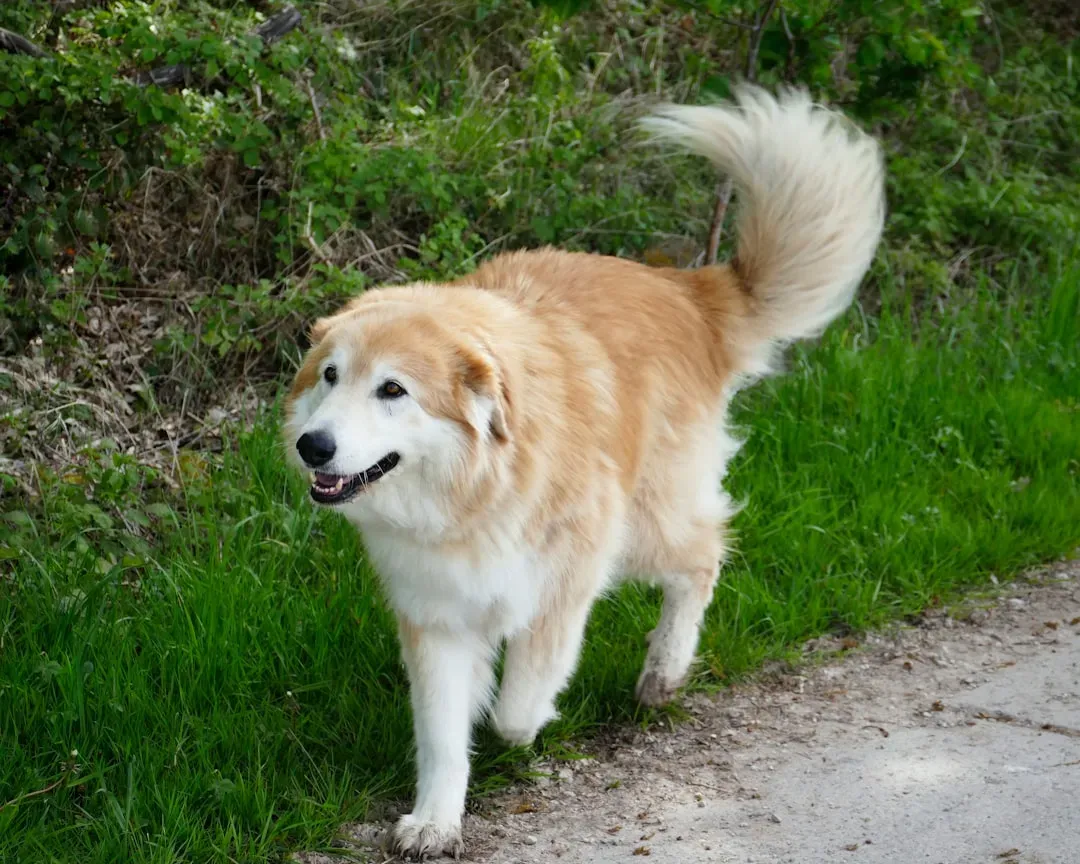
The Great Pyrenees is a large, majestic breed known for its calm and gentle demeanor. However, despite their independent nature when guarding livestock, Great Pyrenees dogs can develop separation anxiety when left alone for extended periods. These dogs are incredibly loyal and bond deeply with their families, preferring to stay close to their humans. These mountain giants were bred to guard flocks independently, but home life transforms them into gentle giants who crave family connection.
When left alone, they may become anxious and resort to barking, pacing, or even attempting to escape. Their protective instincts extend to their human family, making them more prone to anxiety when separated from them. Their size makes managing these behaviors particularly challenging. Picture a nearly hundred-pound dog scratching at doors or howling loud enough for the whole neighborhood to hear. Prevention involves gradual desensitization from puppyhood and maintaining consistent routines.
Great Dane
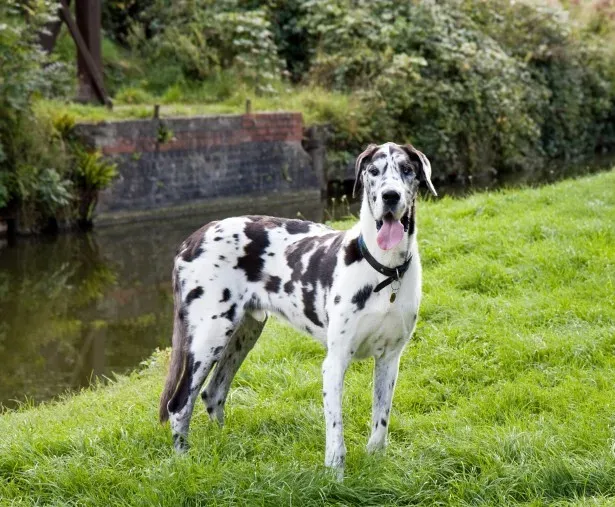
Great Danes were bred to be both loyal and loving, which leads them to form strong bonds with their owners. This means that when the owner is out, they feel nervous and agitated. Despite their imposing size, these gentle giants are essentially oversized lap dogs at heart. They crave closeness and physical contact with their humans.
What may be acceptable in a small breed can be very problematic with a large breed like the Great Dane, because of the amount of destruction they can do thanks to their size. An anxious Great Dane can knock over furniture, scratch through drywall, or injure themselves trying to follow you. Their long limbs and powerful bodies turn nervousness into major household damage quickly. Crate training from an early age provides a safe haven, though many Danes prefer soft-sided enclosures or designated rooms where they feel secure.
Doberman Pinscher

The Doberman Pinscher is known for its loyalty and protective nature, making it an excellent guard dog and a devoted family member. However, this deep attachment can come with a downside – Dobermans often struggle with separation anxiety when left alone. They are happiest when they are by their owner’s side, and long periods of solitude can lead to destructive behavior or excessive barking. These behaviors often stem from the dog’s intense attachment to their human family members, making it difficult for them to cope with solitude.
Dobermans are incredibly intelligent and need both physical exercise and mental engagement daily. Without proper outlets, their anxiety manifests in dramatic ways. I think what surprises people most is how sensitive these muscular, alert dogs actually are beneath that tough exterior. They thrive on routine and clear expectations. Leaving a Doberman with interactive toys, calming music, or even a worn t-shirt with your scent can provide comfort during shorter absences.
Weimaraner

Weimaraners are athletic, intelligent dogs that thrive on human companionship. Originally bred as hunting dogs, they have a high energy level and a strong desire to be with their people. This breed can develop separation anxiety if left alone for too long, as they become bored and frustrated without adequate interaction.
These sleek, silvery dogs are often called “velcro dogs” because they stick to their owners like glue. Honestly, leaving a Weimaraner alone for eight hours feels cruel to them. Weimaraners need a lot of exercise and mental stimulation to keep them content, and they are best suited for active families who can provide plenty of time and attention. Without proper outlets, they’ll channel that energy into destructive behaviors like chewing furniture or howling. Pre-departure runs, agility training, or even doggy daycare can be lifesavers for Weimaraner owners who work full-time.
Border Collie
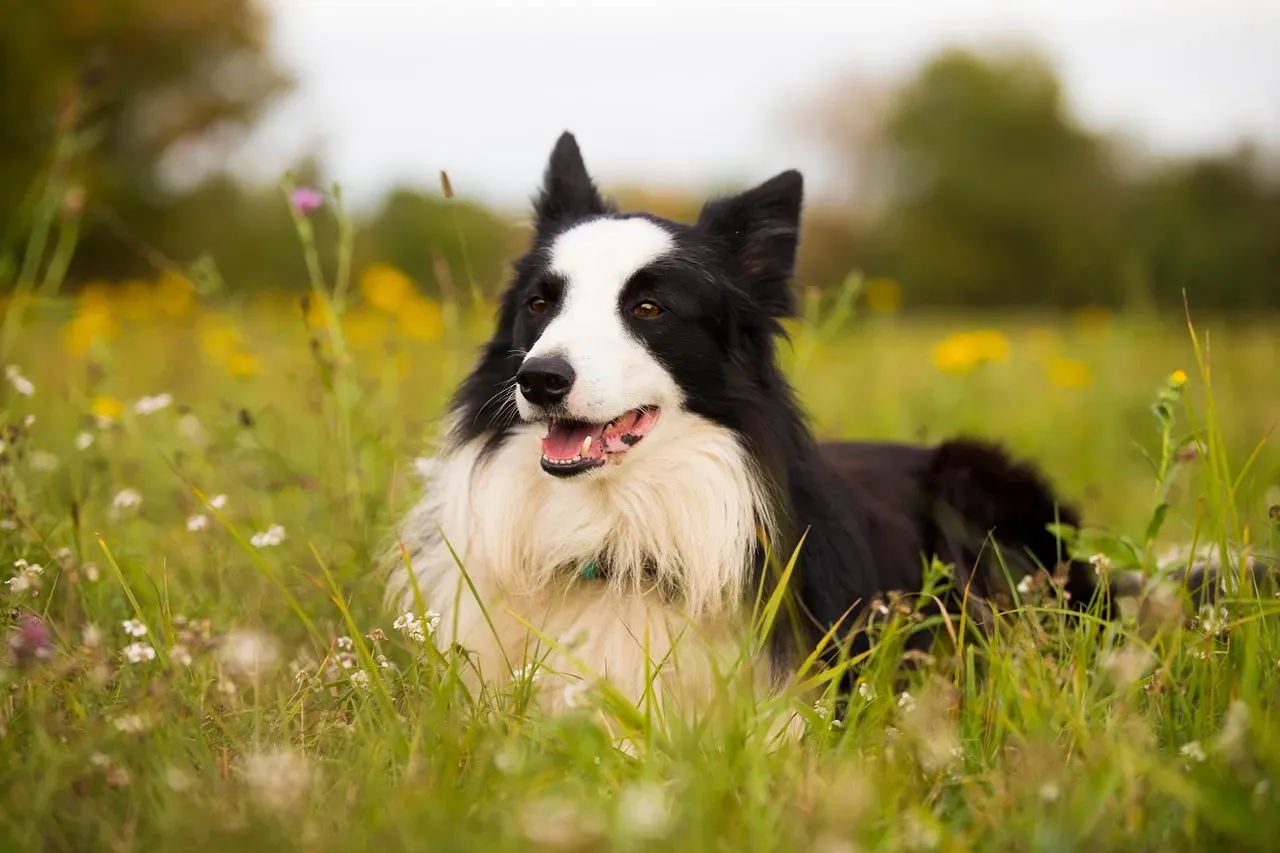
Border Collies are highly intelligent, energetic dogs that thrive on mental and physical stimulation. Their working background means they are used to having a job and spending much time with their handlers. Border Collies can become bored and anxious when left alone for too long, leading to destructive behaviors such as chewing, digging, or even attempting to escape.
The Border Collie consistently ranks as the most intelligent dog, but this means they are more likely than other breeds to become bored when they have no stimulation. So leaving them alone can lead to separation anxiety and destructive behavior as they look for ways to amuse themselves. Their genius-level intellect becomes a double-edged sword when they’re alone. These herding dogs need constant mental challenges, and without them, they’ll create their own entertainment by redesigning your living room. Puzzle feeders, hide-and-seek games with treats, and even dog sports can help exhaust that brilliant mind before you head out.
Australian Shepherd
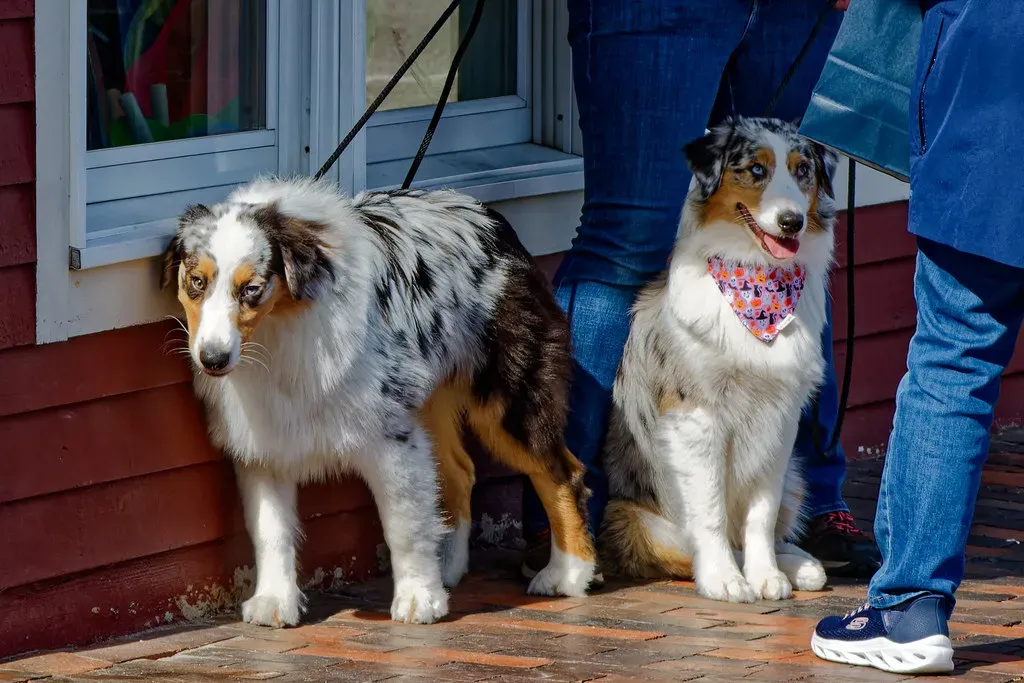
The Australian shepherd thrives when there’s a job to do. From herding livestock to working search and rescue, they love being active and getting their paws dirty. They don’t handle boredom well, and that character trait often translates into severe cases of separation anxiety. Australian Shepherds are working dogs at heart, bred to herd livestock and partner closely with humans. Their high energy and need for activity make being left alone a real challenge. When deprived of companionship, Aussies can become restless, destructive, or vocal.
These medium-to-large dogs need way more than a quick walk around the block. Their intelligence also means they need mental challenges, not just physical exercise, to keep them balanced. Without proper stimulation, they’ll chew through furniture, dig holes in the yard, or bark nonstop. Teaching them to settle, providing enrichment toys, and ensuring they get plenty of exercise are non-negotiables for Aussie owners. Doggy daycare or a mid-day walker can make all the difference for this busy breed.
Conclusion
Large dog breeds that struggle with alone time aren’t broken or badly behaved. They’re just wired differently. Their deep loyalty, intelligence, and need for companionship make them incredible family members, yet those same traits can turn solo hours into genuine distress. Recognizing the signs early – pacing, destructive chewing, excessive barking, or even house soiling – gives you a head start on managing the issue before it spirals.
Training, exercise, mental stimulation, and gradual desensitization all play crucial roles in helping these dogs feel safe when you’re away. Some may benefit from calming aids, professional behaviorists, or even medication in severe cases. The key is patience and consistency. Your dog isn’t trying to punish you by tearing up the couch. They’re scared, confused, and desperately hoping you’ll come back.
What’s your experience been with your big pup? Have you found tricks that work wonders, or are you still figuring it out? Share your story – chances are, another dog lover needs to hear it.


