
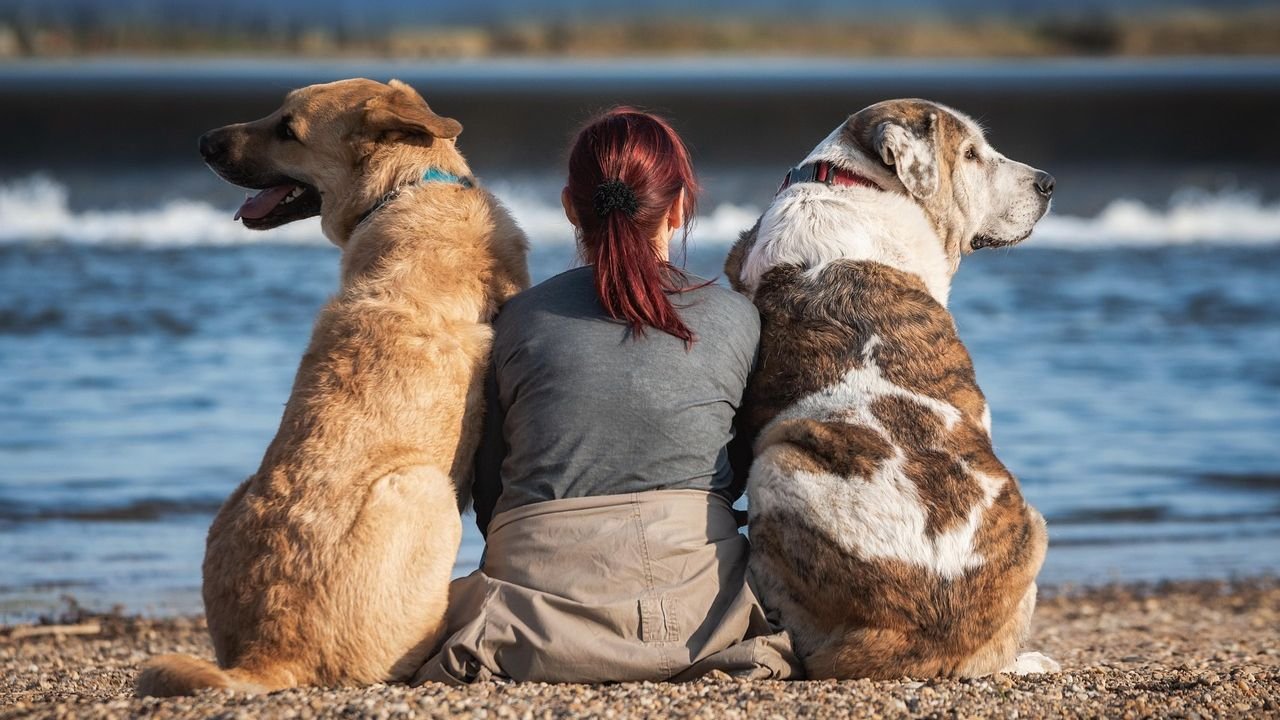
You’ve probably looked into your dog’s eyes and felt an undeniable connection, something that goes beyond the simple relationship between human and pet. That moment when they rest their head on your lap after a rough day, or the way they bounce with uncontainable excitement when you grab the leash. It’s real, and it’s powerful.
What if I told you that your dog experiences far more complex emotions than we ever gave them credit for? Science is finally catching up to what dog lovers have suspected all along. Dogs aren’t just reacting on instinct or seeking their next meal. They’re feeling things deeply, processing the world around them with an emotional intelligence that rivals our own in surprising ways. Let’s dive into the emotional landscape of our canine companions and discover just how remarkably human their feelings truly are.
Love and Deep Attachment
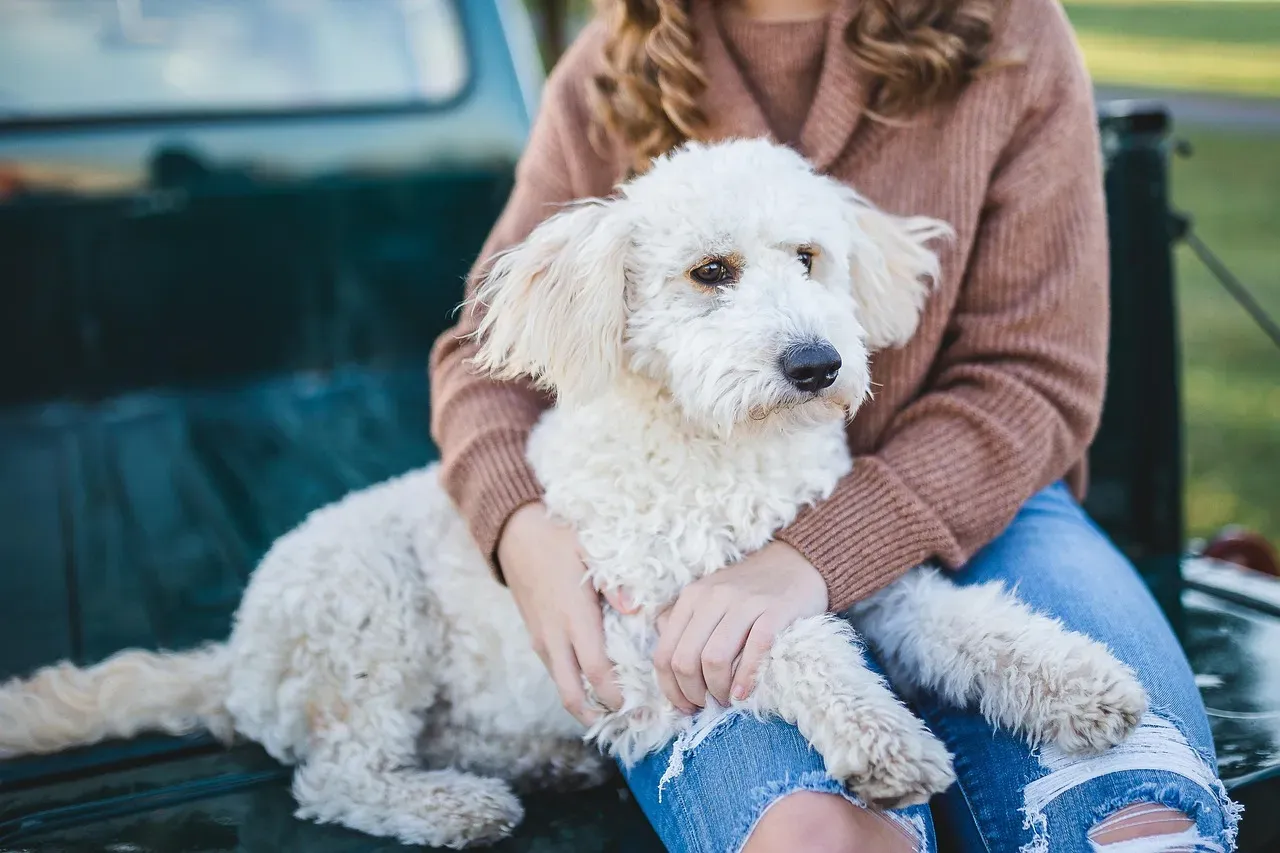
Here’s the thing about love. It’s not just a human privilege.
When dogs and humans interact positively through cuddling or gazing, both experience surges in oxytocin, the hormone linked to positive emotional states. Research shows that mutual gazing increased urinary oxytocin concentrations in owners, which consequently facilitated owners’ affiliation and increased oxytocin concentration in dogs. This creates a feedback loop remarkably similar to the bond between mother and infant. Your dog doesn’t just tolerate your presence; they’re biochemically wired to feel genuine affection for you.
Watch how your dog greets you after even a short absence. That tail wagging, those full-body wiggles, the way they lean into your touch. These aren’t just trained behaviors seeking rewards. Dogs form deep bonds with their human companions, and the affection they show is rooted in genuine emotional connection, missing their owners when away and celebrating their return with enthusiasm.
Jealousy

Ever given attention to another pet and noticed your dog pushing their way between you?
Research at the University of Vienna discovered that dogs felt jealous when not treated fairly, and stopped obeying orders, and when jealous, dogs will either ask for more attention or start to ignore you. It’s fascinating when you think about it. Jealousy requires a dog to recognize social dynamics, understand that resources like affection are limited, and feel bothered when someone else receives what they want.
I’ve seen this countless times in multi-dog households. One dog gets a treat, and suddenly the other appears out of nowhere, demanding equal treatment. They’re not just hungry. They’re experiencing that gnawing feeling that they’re being left out, that someone else is getting something special that should be theirs.
Grief and Loss

When a dog loses a companion, whether animal or human, they grieve and react to changes in their life, becoming depressed and listless, with decreased appetite and declining to play, sleeping more than usual and moving more slowly. This isn’t just about missing a playmate or disrupted routines.
A 2021 study examined 279 dogs who had lost a canine companion and found that 66% exhibited behaviors associated with grief, including decreased appetite, increased vocalization like whining or howling, decreased playfulness, and seeking out owners for comfort. Dogs process and show grief differently based on personalities, but common signs include loss of appetite, lethargy or depression, lack of sleep or sleeping more than normal, separation anxiety, vocalizing, and behavioral issues.
The depth of canine grief challenges everything we thought we knew about animal emotions. They understand absence. They feel the weight of permanent loss.
Empathy
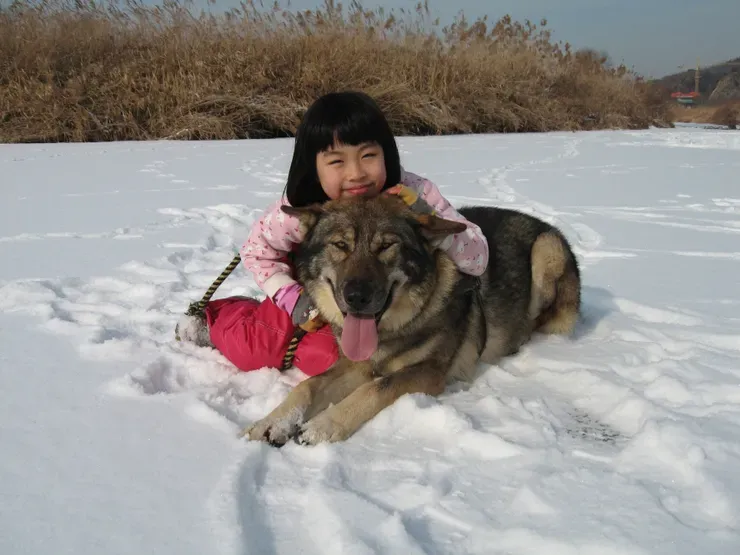
Honestly, this one gets me every single time.
One of the most significant aspects of canine emotional intelligence is empathy, which is the ability to share and understand the emotions of others, and dogs can mirror human emotions, particularly distress and happiness. Recent research shows dogs experience emotional contagion from the smell of human stress, leading them to make more pessimistic choices. They’re literally catching our feelings, absorbing our emotional states through scent, body language, and tone.
Studies found that dogs behaved differently depending on their owner’s emotional state, gazing and jumping less at owners when they were sad, with compliance to commands also diminished. Dogs have a remarkable ability to sense the emotional states of those around them and can understand human emotions, often sensing when we’re happy, sad, or stressed, and responding with empathy and affection. Think about the last time you cried. Where was your dog?
Joy and Excitement
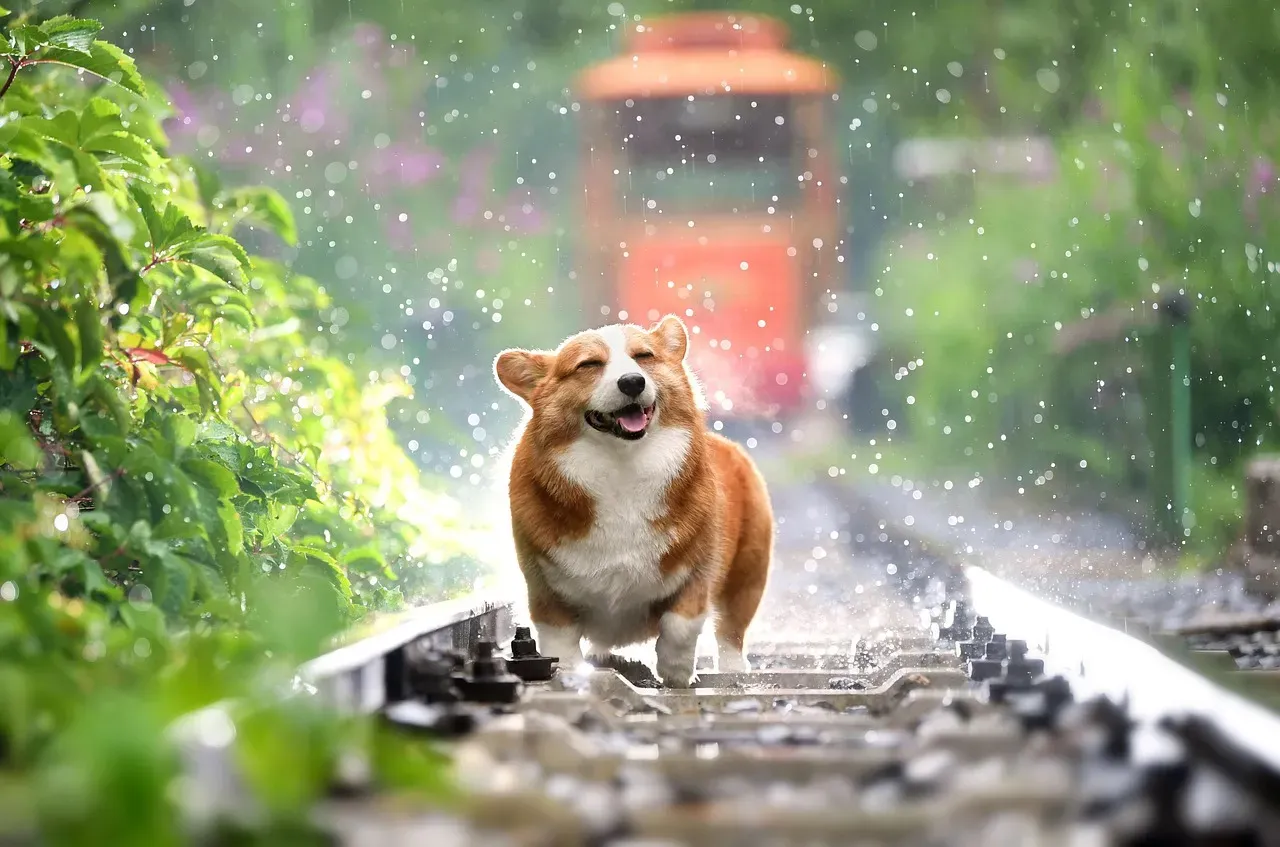
Dogs often express happiness through wagging tails, playful behaviour, and a relaxed body posture, and may vocalize with barks or yips when excited. That pure, unfiltered joy when you come home or when they spot their favorite toy isn’t manufactured. It’s genuine elation.
Dogs in happy arousal typically move toward a stimulus of interest with curiosity or excitement, often showing playful or bouncy energy. Watch a dog at a park, sprinting across the grass with their ears flying back, mouth open in what looks like a grin. That’s happiness in its most authentic form. No pretense, no holding back, just complete absorption in the moment.
Their capacity for joy is actually one of their most endearing qualities. They don’t need much to be happy. A walk, a game of fetch, your presence. Simple things trigger profound emotional responses.
Anxiety and Fear

Let’s be real about this one. Around 20 to 25% of dogs show fearfulness of new people, dogs, and situations, and this anticipation of a perceived threat or situation is called dog anxiety.
Anxiety and fear in dogs can be triggered by various factors, including loud noises like thunderstorms or fireworks, unfamiliar environments, separation from owners, past traumatic experiences, lack of socialization, changes in routine, and medical conditions, and dogs exhibit behavioral signs including trembling, panting, pacing, whining or vocalizing, hiding, excessive licking or chewing, drooling, and attempting to escape. These aren’t minor inconveniences for dogs. Chronic anxiety affects their quality of life, their health, and their ability to enjoy normal activities.
Studies show how behavioral and chemical cues from humans can affect dogs in ways that enable them to not only discriminate between their owners’ fear, excitement, or anger, but also to catch these feelings from their human companions. Your stress becomes their stress.
Frustration

Picture this: your dog knows exactly where their ball went under the couch, but they can’t quite reach it. They paw at it, whine, look at you with those pleading eyes. That’s frustration.
If dogs don’t know how to communicate their needs, like standing by the backdoor to be let outside to pee, they might whine or pace instead as a sign of their frustration, and clear communication with your dog is one of the best ways to reduce frustration. Frustration emerges when dogs understand what they want but can’t figure out how to get it. It requires a level of cognitive processing that demonstrates they’re not just reacting mindlessly to stimuli.
Training challenges often reveal frustration in dogs. When they’re trying to learn a new command but can’t quite grasp it, you’ll see them get agitated, maybe bark, or even walk away. They want to succeed. They just can’t bridge the gap yet.
Surprise

Dogs can jump and spin when they see their human parent again after a long time apart or see their four-legged best friend, and these dogs are surprised, with their body-language showing it right away as they go from calm to hyper-happy in a blink of an eye.
Surprise requires expectation. Your dog has to have a mental model of how things normally go, and when something breaks that pattern, they react with surprise. It might be you arriving home hours early, or a new dog appearing in the house, or even a toy suddenly making an unexpected sound. Their startled response, that moment of processing what just happened, shows they’re constantly forming predictions about their world.
Contentment and Relaxation

Dogs experience moments of contentment and relaxation when they feel safe, secure, and comfortable in their surroundings, and may lie down, close their eyes, and take deep breaths to signal their relaxation.
There’s something profoundly peaceful about a content dog. Maybe they’re sprawled in a sunny spot on the floor, belly up, completely vulnerable. Maybe they’re curled next to you on the couch, sighing deeply as they settle in. This isn’t just physical rest. It’s emotional calm, a state of feeling that everything is right with their world.
Contentment shows that dogs can assess their environment, determine they’re safe, and allow themselves to truly relax. That level of emotional regulation is more sophisticated than many people realize. They’re not perpetually on high alert. When conditions are right, they can let go and just be.
Trust
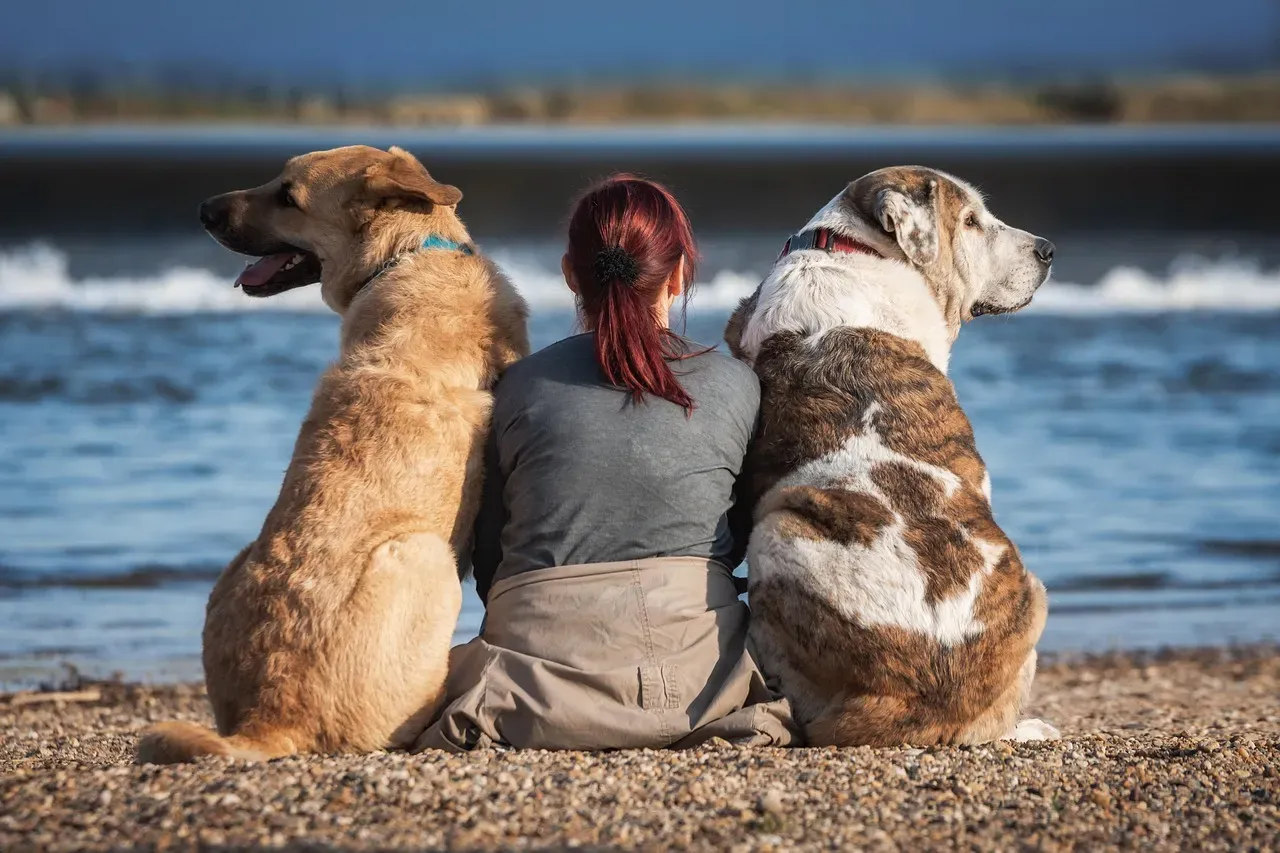
Trust might be one of the most complex emotions dogs experience. It develops over time, requires consistent positive experiences, and can be shattered by betrayal or trauma.
A dog who trusts you will follow you into unfamiliar situations, remain calm during veterinary visits because you’re there, and show vulnerability by exposing their belly or falling asleep in your presence. They’re making themselves defenseless because they believe you won’t harm them. Studies have revealed that dogs possess oxytocin responses similar to humans, underlying their capacity for forming strong emotional connections, which is an essential aspect of why dogs are adept at sensing when their human counterparts are in need of comfort or support.
Trust is earned, not given automatically. Dogs who’ve been mistreated often struggle to trust again, which tells us they remember negative experiences and adjust their emotional responses accordingly. That’s not instinct. That’s learned emotional wisdom.
Anticipation
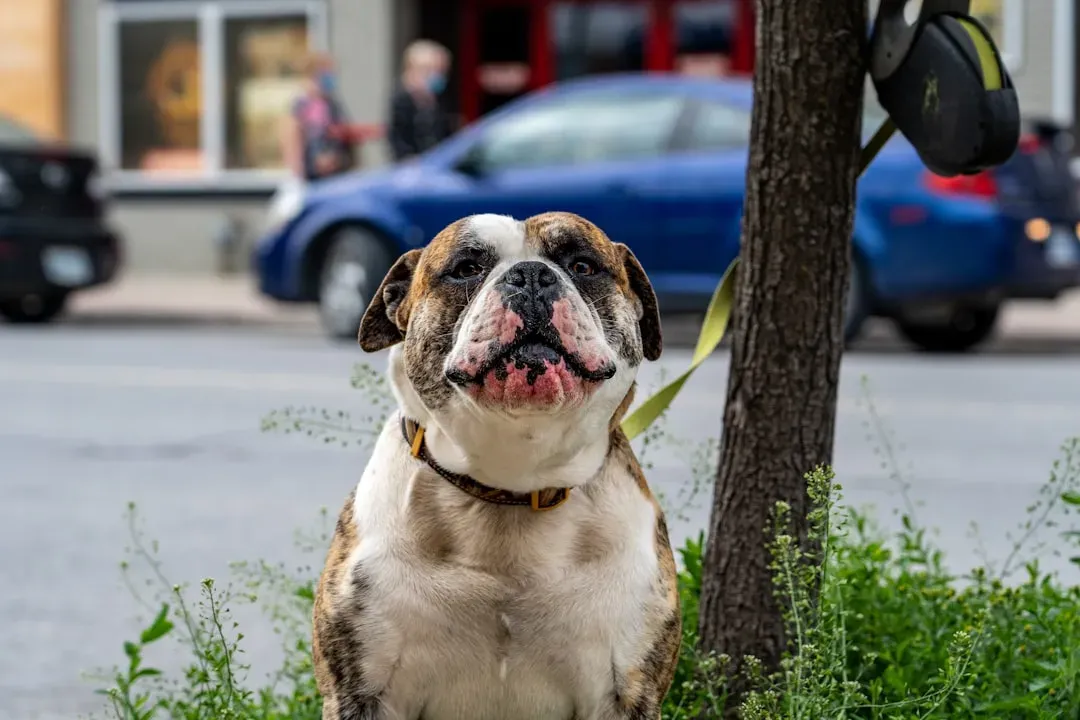
Your dog knows the sound of your car. They recognize the jingle of the leash or the rustle of the treat bag. And they react before anything actually happens. That’s anticipation.
Anticipation requires dogs to connect past experiences with future outcomes. They have to remember what usually follows certain cues and feel excitement or nervousness about what’s coming. Dogs often experience anticipatory behaviors before their owners leave, such as becoming more anxious or clingy, and when owners return, dogs display signs of relief and excitement, indicating they had missed their humans during separation.
Watch a dog waiting at the window for their person to come home. They’re not just sitting there. They’re emotionally invested in a future event. They’re hoping, expecting, longing for that reunion. It’s a complex emotional state that bridges past memory and future imagination.
Loyalty
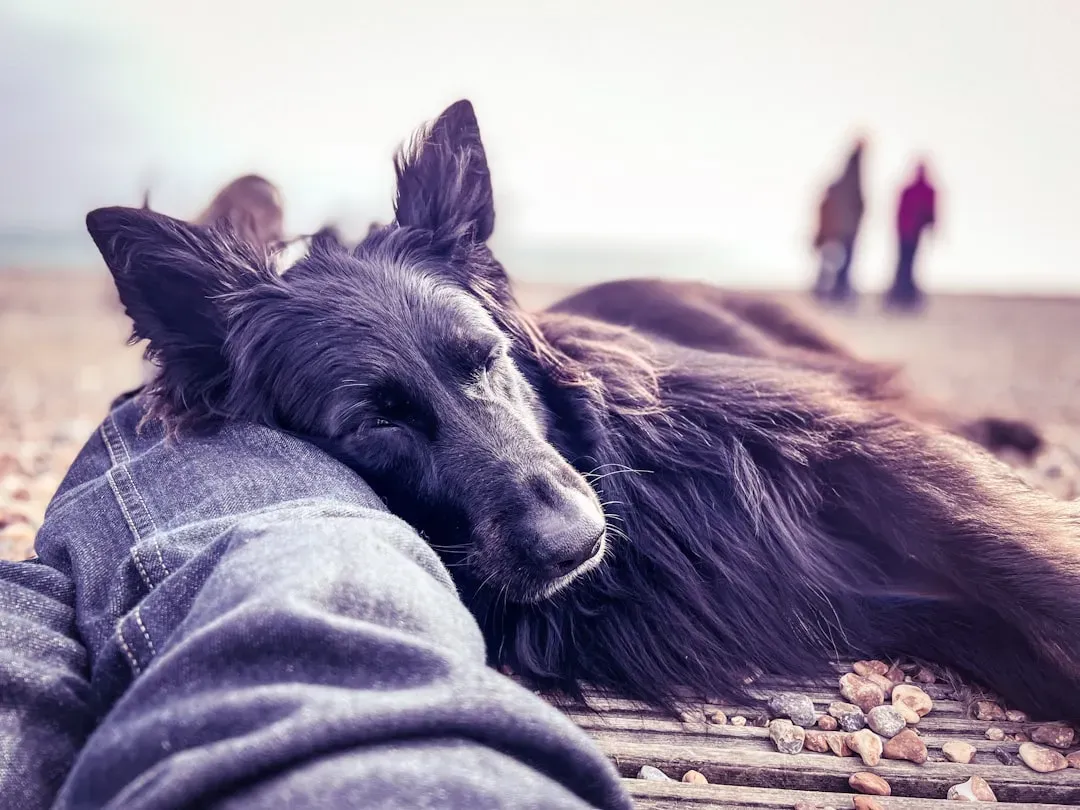
We’ve all heard stories of dogs waiting years for deceased owners, or traveling hundreds of miles to find their families. This isn’t myth. It’s documented reality.
Loyalty combines love, attachment, memory, and commitment into one powerful emotional force. A loyal dog doesn’t just prefer you in the moment. They choose you consistently, even when it’s difficult, even when other options exist. Researchers found that dogs behaved differently depending on their owner’s emotion, performing better at a training task with a happy owner, and dogs indeed perceive differences in human emotion and behave differently depending on their owner’s emotional state.
Loyalty shows that dogs can form lasting emotional bonds that transcend immediate circumstances. They remember who you are to them, and that relationship shapes their behavior and emotional responses over a lifetime. It’s beautiful and humbling when you really think about it.
Conclusion

The emotional lives of dogs are far richer than most of us ever imagined. They’re not simple creatures driven purely by instinct and the promise of treats. They love, they grieve, they feel jealous and anxious and joyful. Dogs and cats have exceptionally developed sensory systems and abilities to recognize human signals and emotional states.
Understanding the depth of canine emotions changes everything about how we should care for them. When we recognize that our dogs experience genuine feelings, we have a responsibility to consider their emotional wellbeing just as seriously as their physical health. Their grief is real. Their anxiety matters. Their joy deserves to be nurtured.
The next time your dog looks at you with those knowing eyes, remember that there’s a complex emotional world behind that gaze. They’re feeling something real, something surprisingly human, and they’re sharing it with you. What do you think about your dog’s emotional life? Have you witnessed these emotions in your own pup? Share your stories in the comments below.


