

You think you’re doing everything right. Your dog has the best food, regular vet visits, plenty of love. Yet sometimes they seem anxious, clingy, or restless at home – and you can’t figure out why.
Here’s the thing. Your house might feel like a peaceful sanctuary to you, but to your dog, it could sound like a marching band, with high-frequency noises undetectable to the human ear causing them stress. While fireworks and thunderstorms are well established triggers, even common noises like a vacuum or microwave can cause anxiety. Let’s talk about the subtle sounds that might be quietly chipping away at your dog’s sense of calm, and what you can do to help.
The Vacuum Cleaner
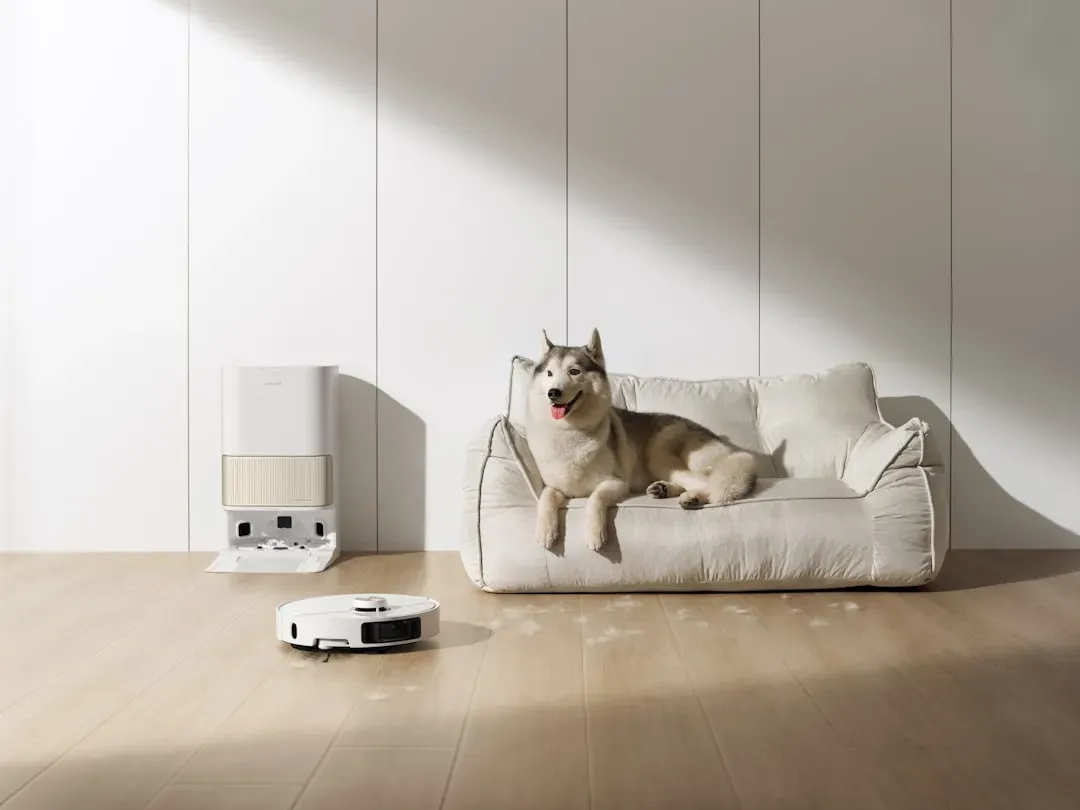
Let’s be real, this one is probably not a surprise. Considering dogs can hear sounds at lower decibels than humans, imagine how loud a vacuum cleaner is that often registers around 75dB. That’s not just loud – it’s potentially painful.
Your dog hates the vacuum for one simple reason: it’s scary, being loud and moving around unpredictably while changing the appearance of whoever operates it. Think about it from their perspective. This roaring monster suddenly comes to life, moves erratically across the floor, and seems to chase them from room to room. While you might only smell a freshly vacuumed living room, your dog detects dust and old particles that had settled under your couch. Sensory overload at its finest.
Watch for signs like trembling, hiding, or barking when you pull it out. Minimizing exposure may be as simple as removing a dog from a room where loud noises might occur. Gradual desensitization works wonders – start by rewarding your dog just for being near the vacuum when it’s off. Progress slowly to turning it on at a distance while giving treats.
Smoke Detector Beeps

High-frequency, intermittent noises such as the battery warning of a smoke detector are more likely to cause a dog anxiety, rather than low-frequency, continuous noise. That little chirp every few minutes? To your dog, it’s an unpredictable, piercing alarm that could happen at any second.
Dogs thrive on predictability. Intermittent beeping throws them completely off balance because they can’t anticipate when the next sound will hit. You might notice your dog pacing, panting, or seeking you out more than usual when a smoke detector battery is dying.
Simple fixes like changing batteries more frequently in smoke detectors can help. I know it sounds almost too easy, but honestly, this small act of prevention can save your dog hours of stress.
Microwave and Kitchen Appliances

Dogs showed fear and anxiety in response to regular household noises like microwaves. That high-pitched beeping when your food is done, the whir of the blender, the sudden click of the toaster – these sounds seem harmless to us, but they can startle sensitive dogs.
Kitchen appliances produce a range of frequencies, some of which we barely register. Your dog, with their superior hearing, picks up every nuance. I’ve seen dogs who won’t enter the kitchen while someone’s cooking because the cumulative effect of all those beeps, whirs, and clatters is just too much.
If your dog starts avoiding the kitchen or seems tense during meal prep, try creating positive associations. Toss them a treat right after the microwave beeps. Keep their safe space away from the kitchen so they have somewhere to retreat if the noise becomes overwhelming.
Washing Machines and Dryers

The spin cycle of a washing machine can be surprisingly loud and rhythmic, creating vibrations that travel through floors. High frequency beeping and low frequency continuous sounds such as washing machines can stress dogs out. Some dogs become anxious not just from the noise, but from the unpredictable clanking sounds when the machine hits an unbalanced load.
Dryers produce a similar rumbling, tumbling sound that can last for ages. The combination of noise and vibration can be unsettling, especially for dogs who like to sleep near the laundry room or in adjacent areas.
Watch for behavioral cues like your dog leaving the room when you start a load or seeming restless during laundry time. Creating a cozy space far from the laundry area can help. White noise machines in their rest area can also mask the rhythmic thumping.
Cell Phone Alerts and Ringtones
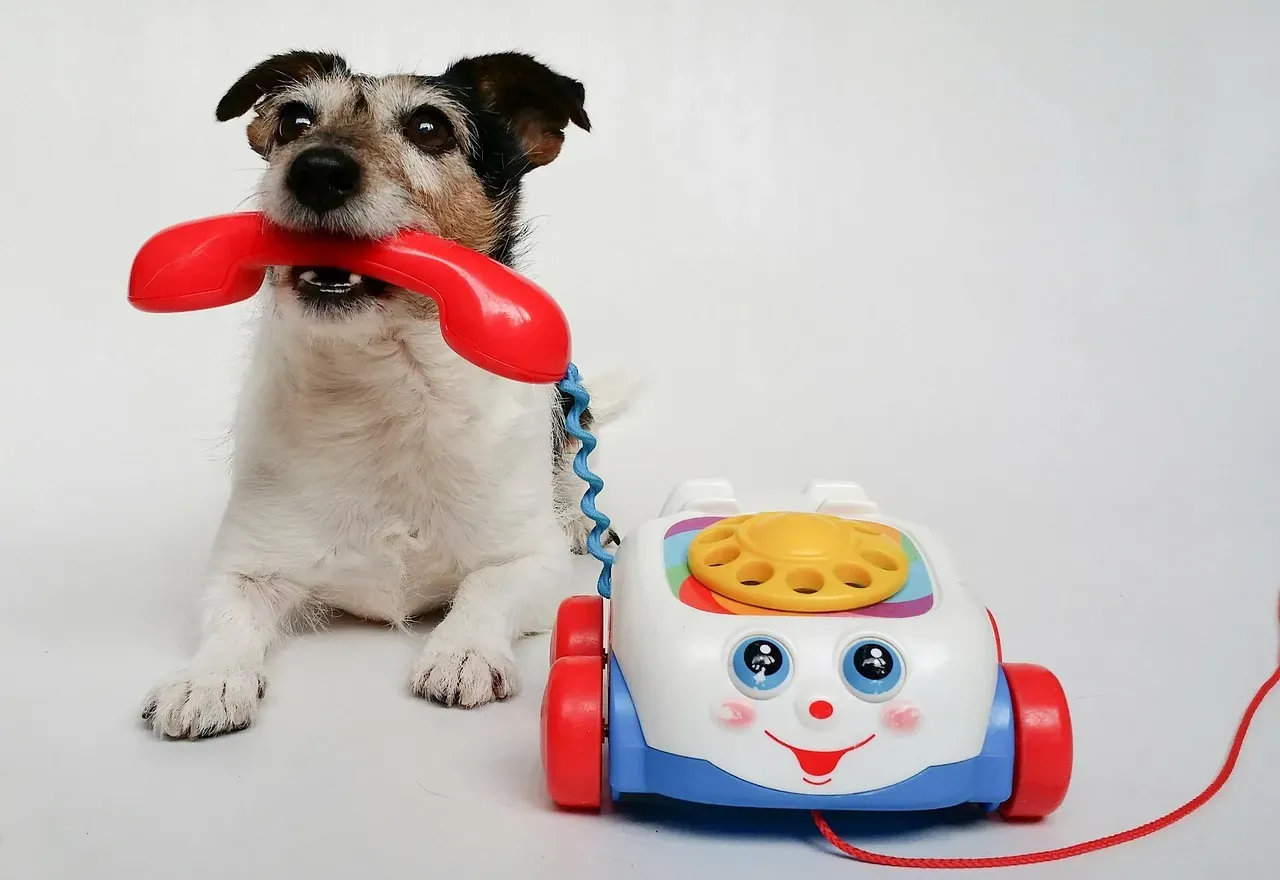
Individual dogs may find different sounds scary, including phones beeping or ringing. That notification ping that goes off dozens of times a day? Each one is a little jolt to your dog’s nervous system. Some ringtones use frequencies specifically designed to grab human attention, which means they’re often high-pitched and jarring.
Unlike predictable household sounds, phones ring and beep randomly, making it impossible for your dog to prepare. I think many of us underestimate how frequently our devices make noise throughout the day. For a sound-sensitive dog, this constant barrage creates low-level, chronic stress.
Consider switching to vibrate mode when you’re home, or choose gentler, lower-frequency tones. If your dog startles every time your phone rings, pair the sound with something positive like a quick game or treat. Consistency is key – they need to learn that the sound predicts good things, not threats.
High-Efficiency Appliances and Fans
Many dogs don’t like the sound of high-efficiency washers that have a loud spin cycle, but it’s not just washers. Modern appliances often produce higher-pitched sounds as they work harder and more efficiently. Bathroom exhaust fans, ceiling fans on high speed, and even some heating systems create constant background noise that can wear on a dog’s nerves.
The problem with continuous sounds is they never give your dog’s ears a break. While we tune them out, dogs remain acutely aware. Over time, this can contribute to general anxiety or restlessness, even if you can’t pinpoint a specific trigger.
Pay attention to whether your dog avoids certain rooms or seems more relaxed when specific appliances are off. Sometimes it’s not about eliminating the sound entirely, but giving your dog a quiet retreat space where they can decompress away from the hum.
Ultrasonic Pest Repellents

Here’s one that catches a lot of people off guard. Ultrasonic pest deterrents are generally inaudible to humans, although some younger individuals were able to hear them and found them disturbing. Many everyday household devices produce ultrasound, and ultrasound, particularly when very loud, has been used successfully to repel dogs.
After much questioning in one case, it was discovered owners had installed a sonic pest repellant device; upon turning it off, the dog immediately began to relax and returned to normal behavior. This is honestly one of the most insidious stressors because you literally cannot hear it. Your dog could be suffering in silence while you wonder why they’re suddenly anxious or won’t settle.
If you’ve recently installed any pest deterrents and notice behavioral changes in your dog, try unplugging them for a few days. The transformation can be dramatic. Sometimes the best solution is simply removing the source.
Alarm Clocks and Timers

Everyday household sounds such as alarm clocks can trigger noise aversion. That shrill beeping that jolts you awake? Imagine how it feels to your dog, who was likely already awake and heard it coming. Alarm clocks, oven timers, and other alert sounds are designed to be attention-grabbing, which means they’re often loud and abrupt.
Dogs are incredibly attuned to their owners’ routines. They may start showing signs of stress even before the alarm goes off if they’ve learned to associate certain times or behaviors with that jarring sound. Watch for subtle signs like restlessness in the early morning hours or a reluctance to stay in the bedroom.
Switching to a gentler alarm tone or using one that gradually increases in volume can make mornings less stressful for everyone. You could also use a vibrating alarm or one that uses light instead of sound. Your dog – and honestly, your own nervous system – will thank you.
Recognizing the Signs and Taking Action

Common signs of a dog’s anxiety include cringing, trembling or retreating, while stressed dogs could pant, lick their lips, turn their head away or stiffen their body. Sometimes their ears will turn back, and their head will lower below their shoulders. These subtle cues are easy to miss, especially when we’re distracted by our own daily routines.
Research found that owners not only underestimated their dogs’ fearfulness, but the majority of people responded with amusement rather than concern. Let’s be honest, it’s easy to laugh when your dog barks at the toaster. Yet dismissing these reactions means missing an opportunity to help your dog feel safer in their own home.
Because dogs have a wider range of hearing, some noises could be potentially painful to their ears, such as very loud or high-frequency sounds. If dogs are experiencing fear in response to regularly-occurring household stimuli, they may be experiencing reduced welfare and be at risk for stress-related behavioral or physiological problems. The cumulative effect matters more than you might think.
Creating a safe, quiet space where your dog can retreat is essential. Whether it’s a crate, closet, or under the bed, make their go-to spot as insulated and welcoming as possible. Gradual desensitization paired with rewards can help many dogs build tolerance. Ad hoc counterconditioning whenever a loud noise occurs is easy to implement in everyday life and is effective in preventing and improving noise fears in dogs.
Your awareness is the first step. Once you start paying attention to the soundscape of your home from your dog’s perspective, you’ll likely discover sources of stress you never considered. Small changes – switching alarm tones, replacing batteries promptly, creating quiet zones – can make a world of difference. We feed them, house them, love them and we have a caretaker obligation to respond better to their anxiety.
Did you notice any of these sounds affecting your dog? What small changes could you make today to help them feel more at ease?


