
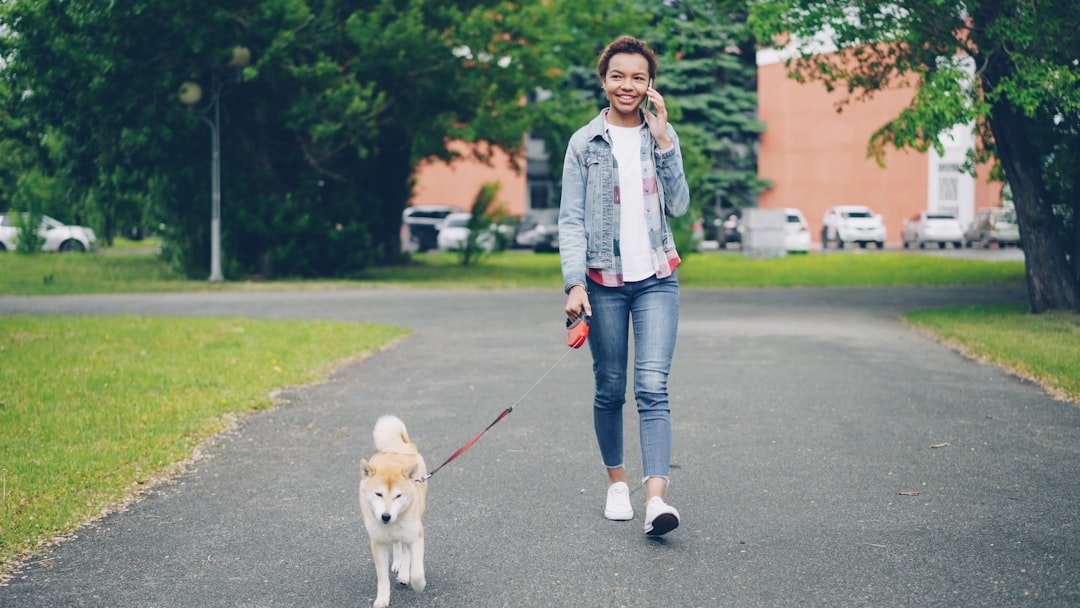
Ever wonder what your dog is really thinking when they give you that look? You know the one. That sideways glance, the subtle head tilt, or that unmistakable stare that seems to say, “Really? You’re doing that again?”
Research suggests dogs can tell who is the more competent human and will adjust their behavior accordingly, with 83 percent of female dogs choosing to approach the person who was competent in studies. It turns out our furry companions are paying much closer attention to us than we might realize. Dogs can respond functionally to emotional expressions and can use the emotional information they obtain from others during problem-solving, which means they’re not just watching us – they’re evaluating us.
So let’s get started and explore the little things your dog notices, judges, and maybe even secretly side-eyes you for.
Your Inconsistency With Rules and Commands

Picture this: yesterday you let your dog snuggle on the couch during movie night, but today you’re shooing them off. Can you blame them for looking utterly confused and betrayed? Dogs can pick up on how we behave and adapt their behavior accordingly, with consistency being key to help your dog achieve the behavior you would like.
When you change the rules depending on your mood or who’s visiting, your dog doesn’t understand the nuance. They’re trying to figure out the pattern, and you keep moving the goalposts. This inconsistency creates anxiety and confusion, making it harder for them to trust your guidance. Your dog isn’t being stubborn when they test boundaries – they’re genuinely uncertain about what you expect because the rules seem to shift like sand.
The Way You Handle Their Leash
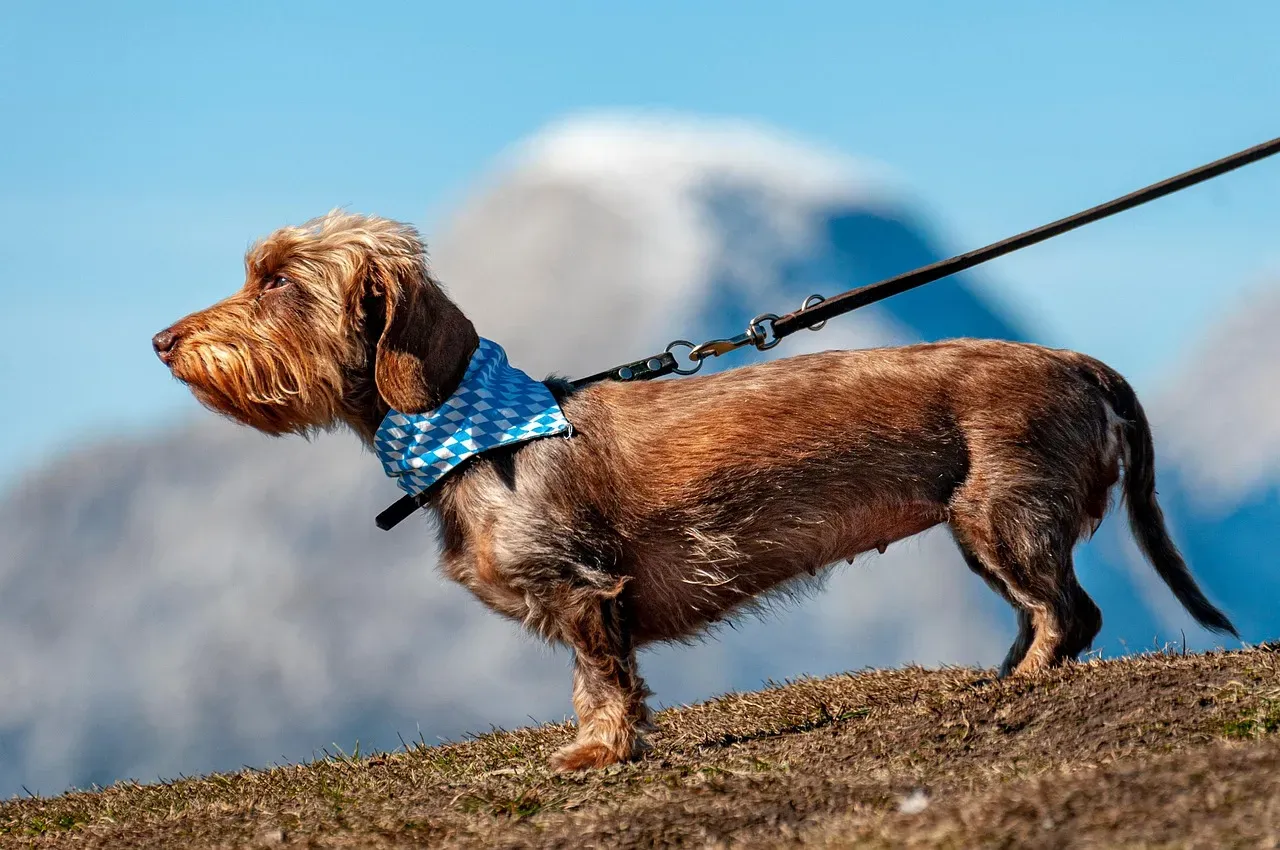
If you tighten their leash because you’re worried about an approaching person or dog, your pup will become more alert, ready to jump into action if needed. That death grip you have on the leash? Your dog feels every ounce of your tension traveling down that nylon cord.
When you suddenly go rigid and pull them closer, you’re essentially broadcasting, “Danger ahead!” Your dog receives this message loud and clear. They might not have even noticed that other dog across the street until you panicked. Now they’re on high alert, wondering what threat you’ve spotted that they missed.
Your Fake Excitement When It’s Time for the Vet
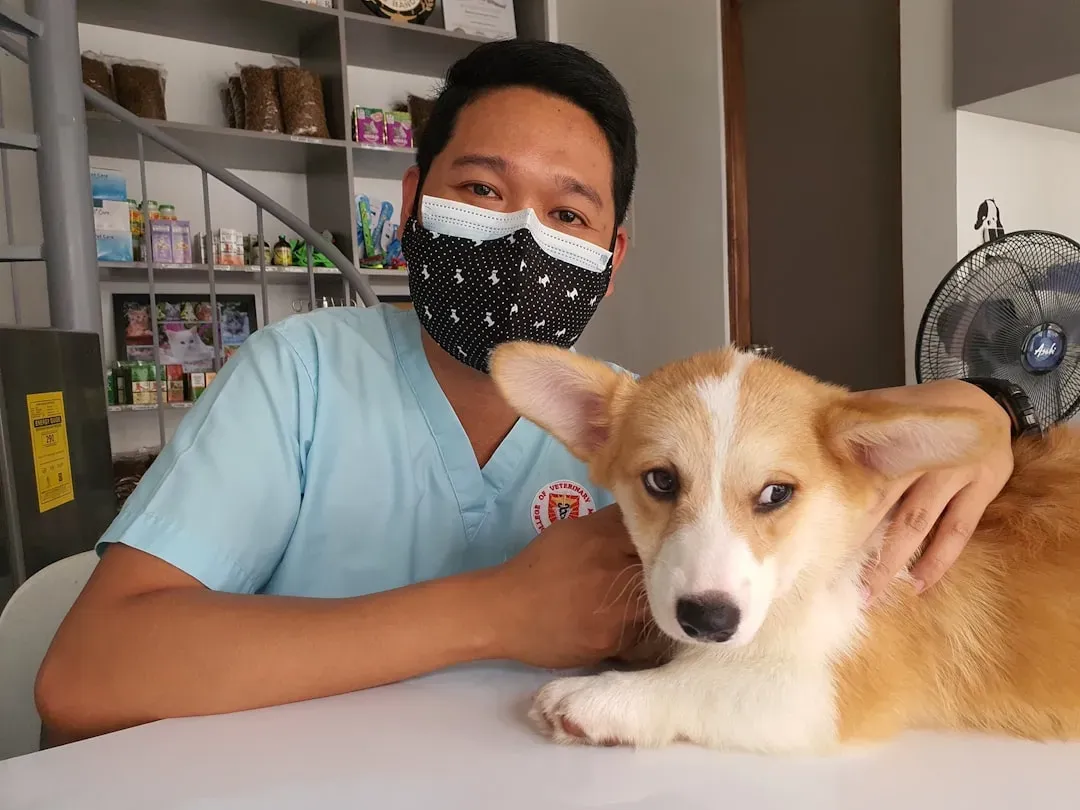
You can’t fool them with that overly cheerful voice. Dogs can pick up on the way their owner is holding themselves, or changes in breathing, as well as facial expressions and tone of voice. When you’re trying way too hard to sound enthusiastic about that car ride, but your shoulders are tense and your movements are rushed, your dog knows something’s up.
They’re reading your body like an open book. That forced smile? They see right through it. The way you grabbed their collar a little too quickly? Noted. Dogs have lived alongside humans for thousands of years, and they’ve become incredibly skilled at detecting when we’re being genuine versus when we’re putting on a performance. Your vet visit charade probably stopped working after the first appointment.
When You Ignore Their Attempts to Communicate
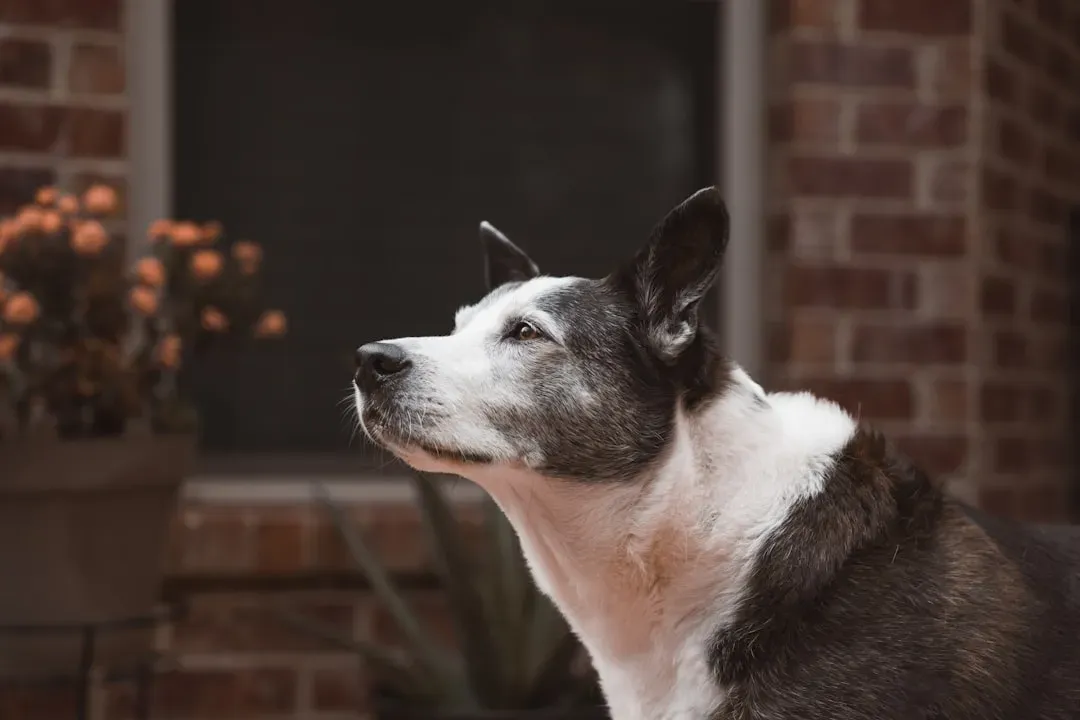
Dogs might perform a series of behaviors called calming signals, which are appeasement or displacement behaviors that represent an attempt to self-calm or reduce escalating tension. When your dog yawns, licks their lips, or turns their head away, they’re not just being weird – they’re talking to you.
These subtle signals are their way of saying they’re uncomfortable, stressed, or need a break. When you miss these cues or brush them off, your dog feels unheard. Imagine trying to tell someone you’re anxious and they just keep pushing forward, completely oblivious. That’s frustrating for anyone, dogs included.
Your Phone Addiction During Quality Time
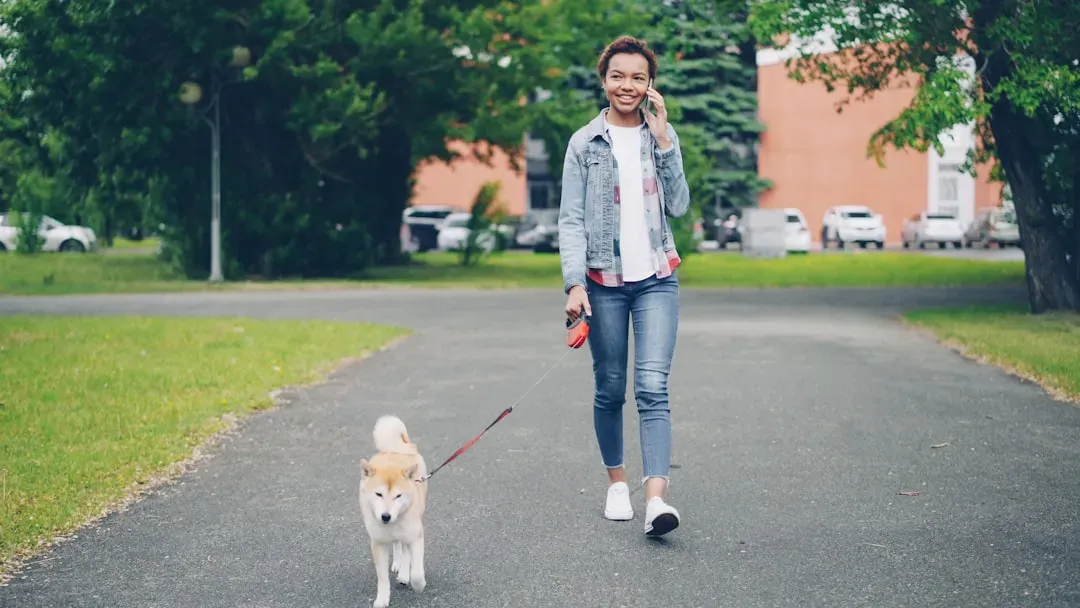
Let’s be real – you promised your dog a walk, and now you’re stopping every few minutes to check Instagram. Your dog notices when your attention drifts away from them, especially during moments that should be about connecting. Dogs respond to and use implicit information from human emotional expressions, so they can tell when you’re mentally checked out.
Walking is one of the highlights of your dog’s day. It’s their chance to explore, sniff, and bond with you. When you’re constantly distracted by your phone, scrolling through feeds or texting, you’re essentially telling them that whatever’s on that screen is more important than they are. Dogs crave your presence and attention. They judge you for giving it to a glowing rectangle instead.
How You React to Other Dogs
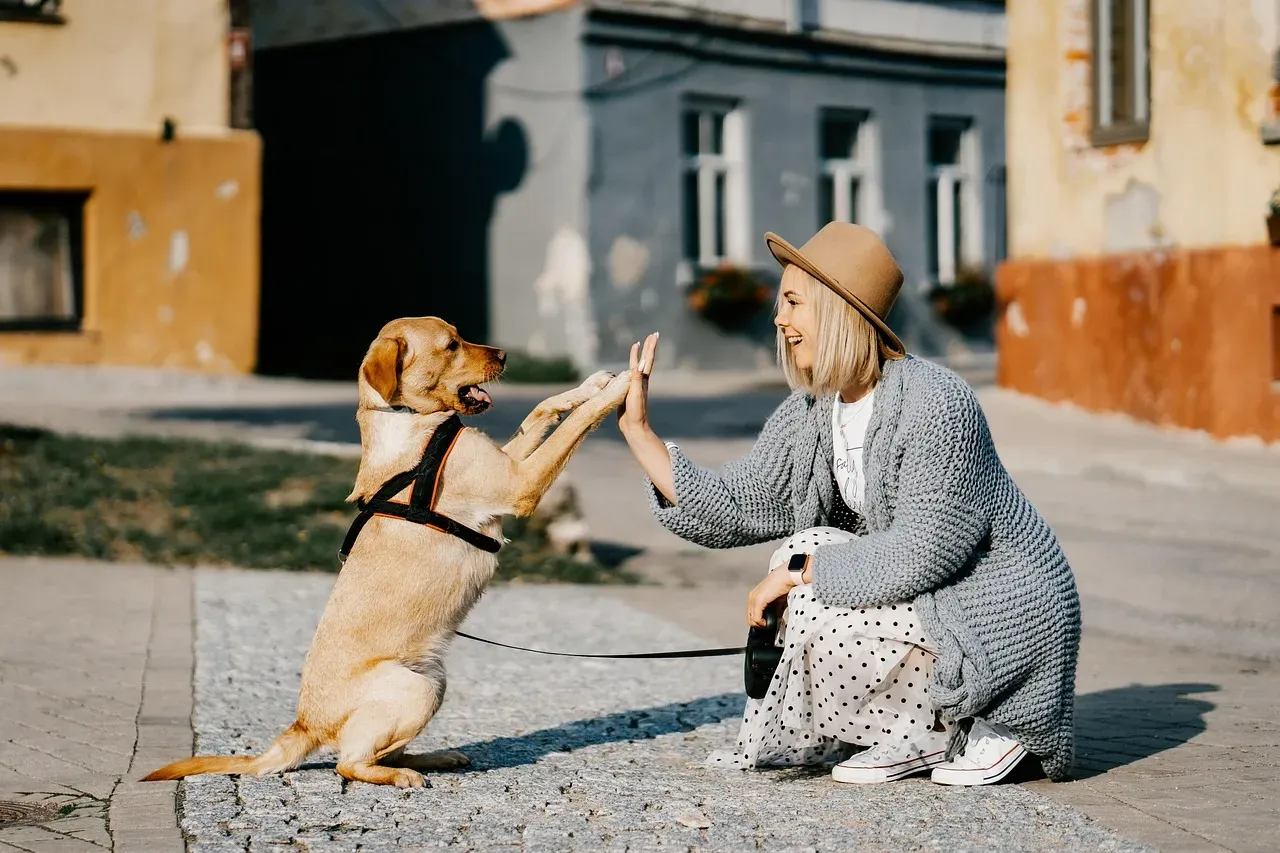
Your dog’s reaction to a certain event, person, or thing can be affected by your physical and emotional reaction. When you cross the street to avoid another dog or clutch the leash tighter, you’re teaching your dog that other dogs are threats. Your anxiety becomes their anxiety.
Honestly, this is one of the most common ways we accidentally create reactive dogs. Your pup might have been perfectly fine with other dogs until they started picking up on your nervous energy. Now they’re barking and lunging because they’ve learned from you that other dogs equal danger or stress. They’re not trying to be difficult – they’re responding to the emotional information you’re broadcasting.
Your Inability to Stick to a Schedule
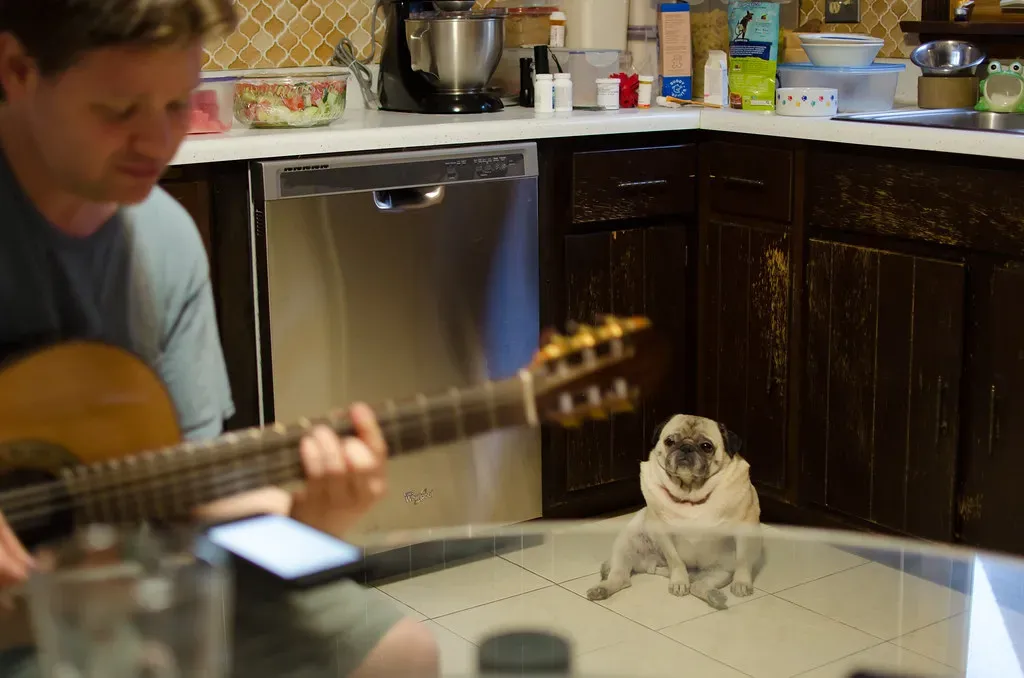
Dogs are creatures of habit, and they have remarkably accurate internal clocks. When dinner time rolls around and you’re still working or binge-watching your show, your dog is definitely judging you. They know what time things are supposed to happen, and your tardiness doesn’t go unnoticed.
That increasingly intense stare boring into the side of your head? That’s judgment. Your dog thrives on routine because it makes their world predictable and safe. When you constantly change up feeding times, walk schedules, or bedtime, you’re creating unnecessary stress. They can’t exactly check their watch or pull up their calendar – they rely on you to maintain the structure of their day.
When You Pretend to Throw the Ball
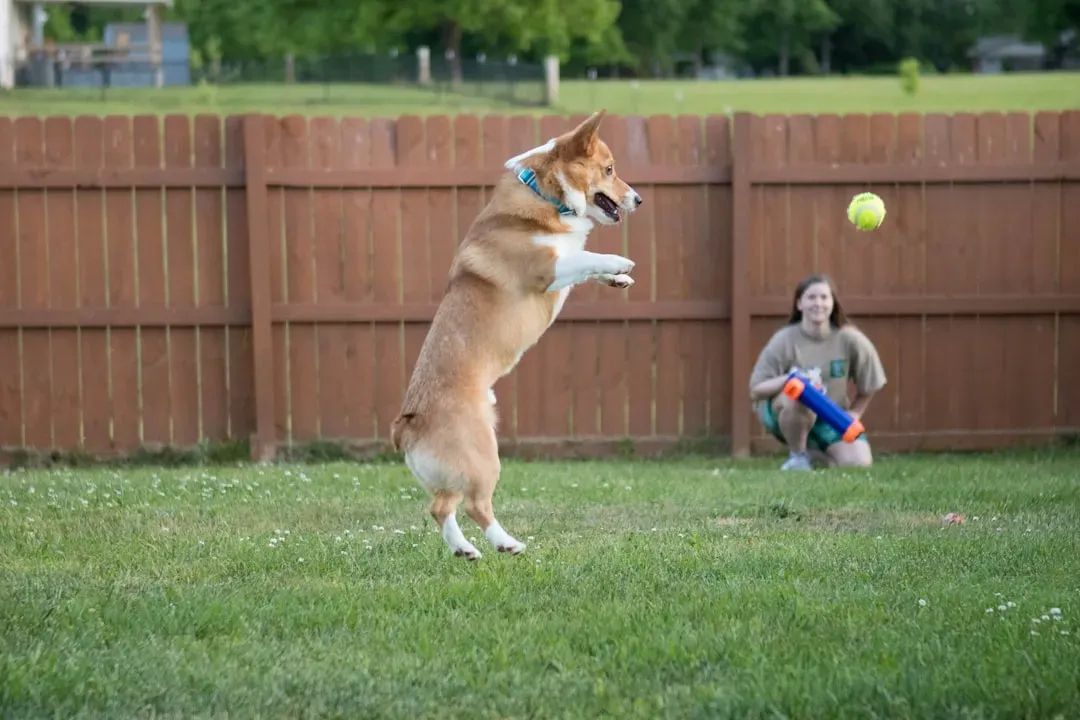
You know that trick where you fake the throw and hide the ball behind your back? Yeah, your dog is not amused. Dogs form strong associations between people’s behaviour towards their owners and their own interactions, with dogs not penalizing those who remain neutral but reacting negatively to those who actively refuse to help.
The first time you pulled this stunt, your dog probably thought it was genuinely confusing. By the tenth time, they’ve figured out you’re deliberately deceiving them, and they’re silently questioning your integrity. Trust is huge in the dog-human relationship. Every fake throw chips away at that trust just a little bit. They’re willing to forgive you because, well, they love you, but make no mistake – they remember.
Your Morning Breath and General Hygiene
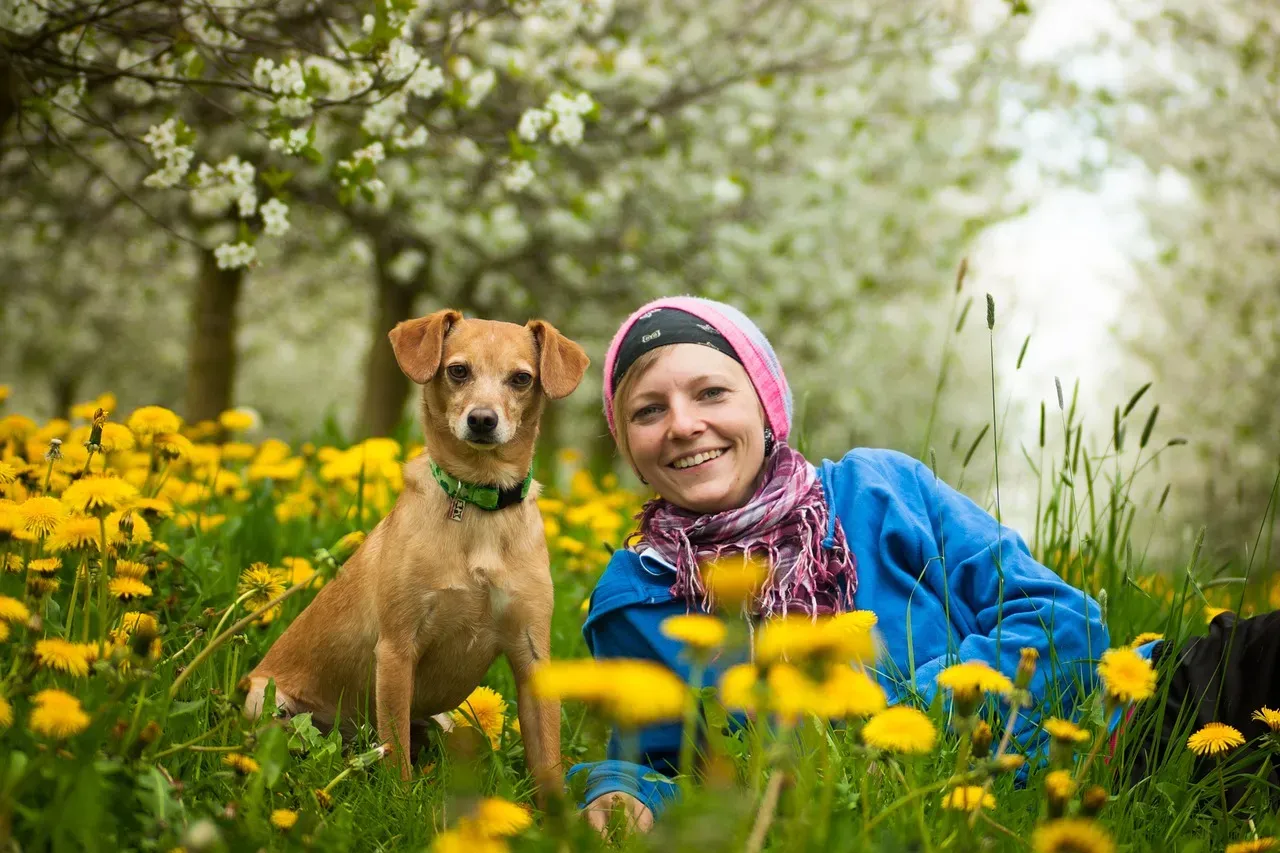
Here’s the thing: dogs have an incredible sense of smell, far superior to ours. Dogs’ sense of smell is vastly more developed, allowing them to detect scents at very low concentrations. So when you roll out of bed with morning breath and immediately go in for those close-up cuddles, your dog is getting the full olfactory experience.
They’re too polite to say anything (and they love you regardless), but they definitely notice. That unbrushed-teeth situation? Your dog caught that immediately. The fact that you haven’t showered in two days? They cataloged it. I think dogs are remarkably forgiving about our human smells, but that doesn’t mean they’re not aware. They might even be wondering why you don’t groom yourself more frequently like they do.
When You Cut Their Walk Short
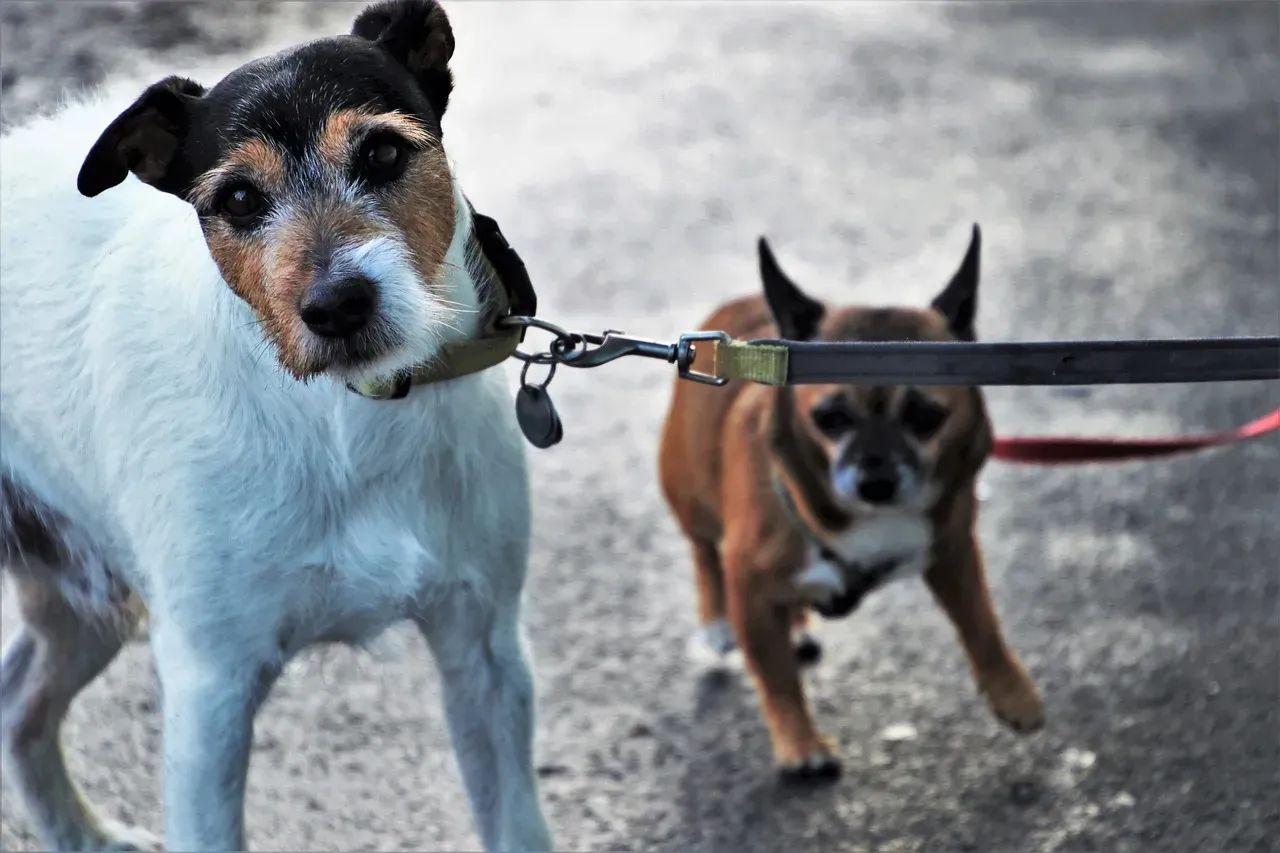
Dogs communicate their wants, needs, happiness and fear primarily through body language. When you decide it’s time to head home but your dog is clearly not ready, they’re expressing their disappointment through their entire body. That heavy sigh, the dragging paws, the frequent stops to look back at the unexplored path – that’s all judgment.
Walks aren’t just about bathroom breaks for dogs. They’re sensory adventures, social opportunities, and mental stimulation all rolled into one. When you rush through the experience because you’re cold or want to get back to your couch, your dog notices. They’ve been waiting all day for this moment, and you’re cutting it short. It’s like someone canceling plans on you at the last minute.
Your Terrible Treats and Food Choices
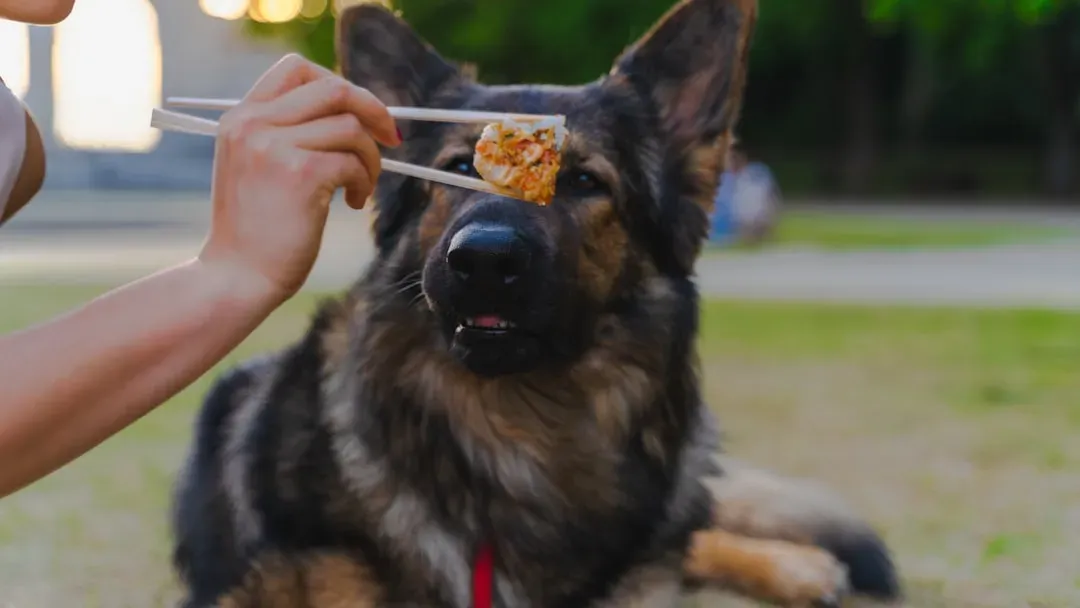
Not all treats are created equal, and your dog knows it. That bargain-bin dog biscuit you bought versus the good stuff they get at training class? They can absolutely tell the difference. Dogs might not be picky eaters in the sense that they’ll usually eat what’s offered, but they definitely have preferences.
When you consistently choose the cheapest option or feed them the same boring kibble day after day while you enjoy varied and delicious meals, your dog is silently judging your choices. They watch you eat pizza, burgers, and ice cream while they get the same brown pellets every single meal. They’re not asking for a gourmet experience every day, but a little variety and quality would be appreciated.
How You Greet Them After Being Away
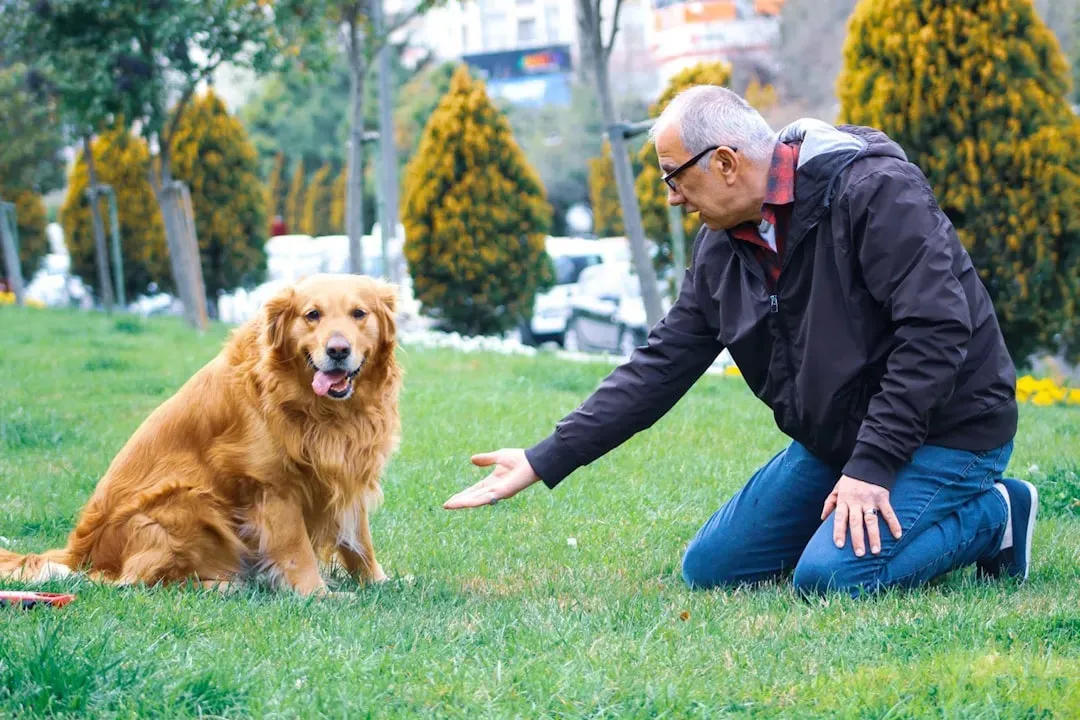
Approaching dogs head-on or leaning over them can make a dog nervous, with the best piece of advice for interacting with a dog being to allow them to approach you in their own time. But when you come home after hours away, the intensity of your greeting matters. If you barely acknowledge them because you’re distracted or tired, that hurts.
Your dog has been counting down the minutes until your return. To them, you being gone for eight hours feels like an eternity. When you finally walk through that door and you just mumble a quick “hey buddy” without stopping to properly greet them, they feel the disappointment deeply. On the flip side, when you make a huge fussy production of greeting them, it can sometimes create or worsen separation anxiety. Finding that sweet spot between acknowledgment and calm greeting is something your dog definitely has opinions about.
Conclusion
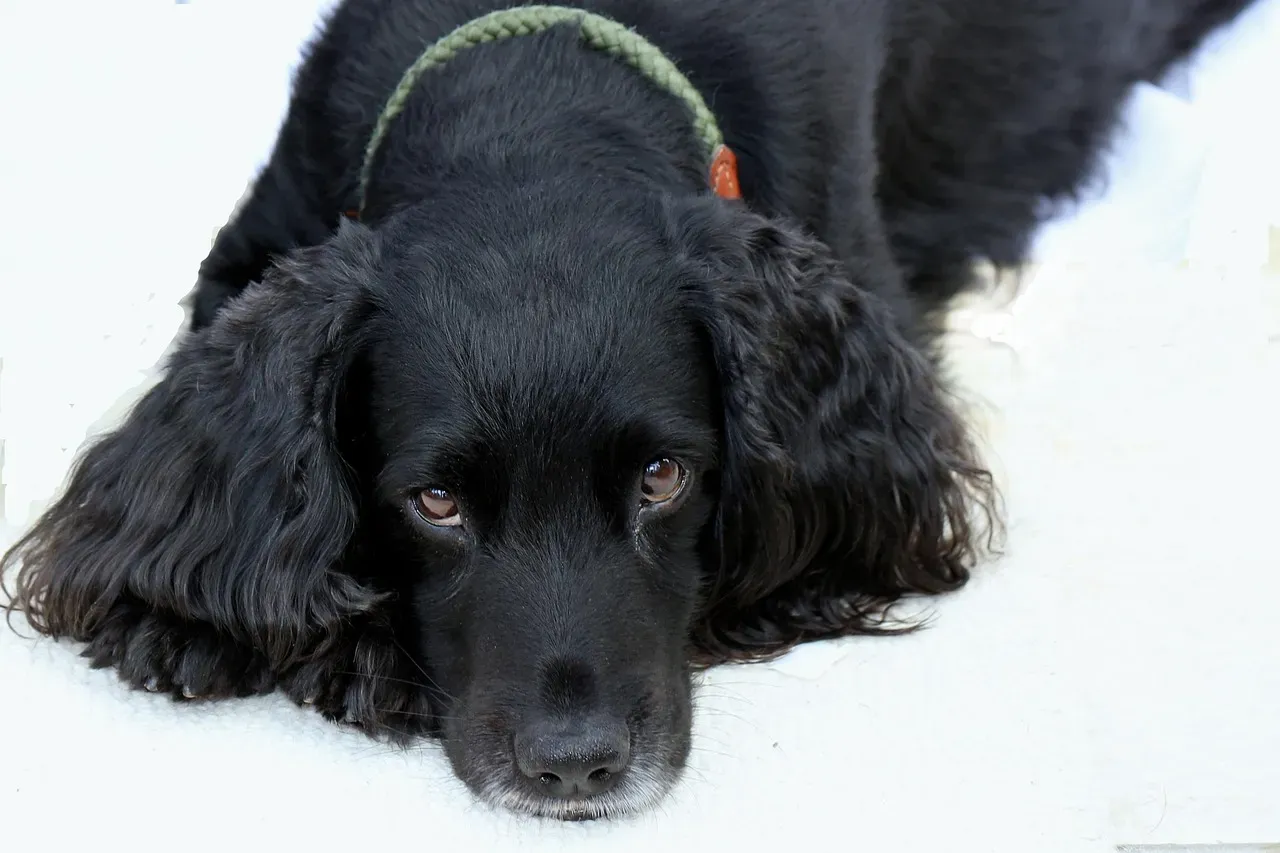
The truth is, dogs are remarkably observant creatures who’ve evolved specifically to read and respond to human behavior. They notice far more than we give them credit for, from our emotional states to our little inconsistencies and deceptions. Being able to read humans’ emotional expressions, emotional states and emotionally driven behaviour is tremendously advantageous and may be seen as a highly important adaptive feature for dogs.
While they might be silently judging some of our choices, remember that their judgment comes from a place of love and a desire for connection, consistency, and understanding. They’re not holding grudges – they’re simply responding to what they observe and trying to navigate life alongside us as best they can. The more aware we become of what our dogs notice and need, the stronger our bond becomes. So what do you think? How many of these things does your dog judge you for? Tell us in the comments.


