
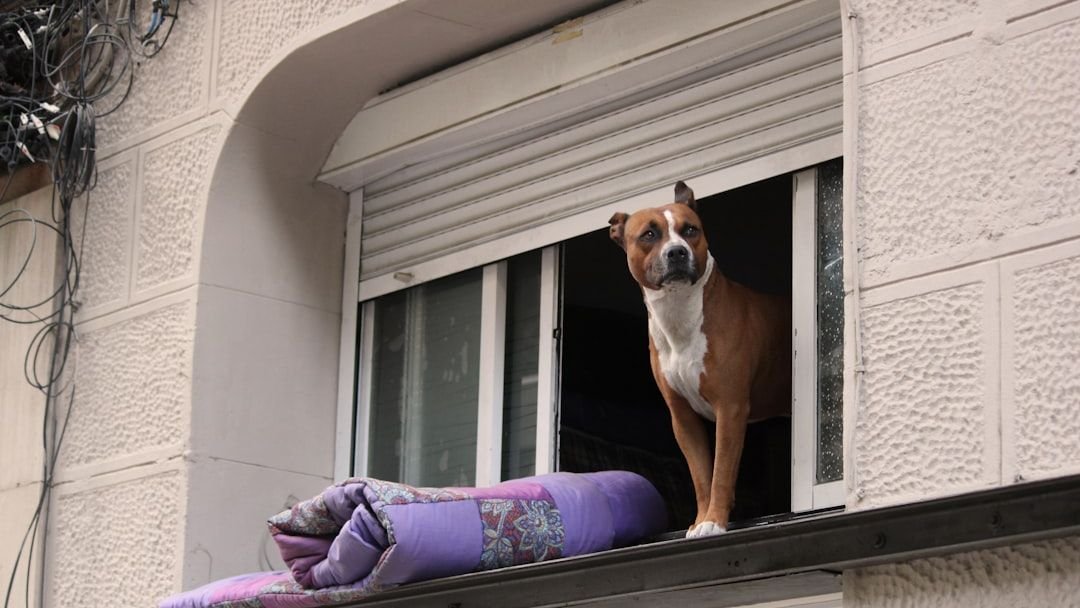
Have you ever noticed your dog seems to have a favorite human? Maybe they light up when one particular person walks through the door, but greet everyone else with polite indifference. Or perhaps they shadow one family member from room to room while barely acknowledging the rest. It’s endearing, sure, but it can also leave you wondering whether this intense devotion is healthy or something more.
Some dogs become over attached to just one person and can become extremely anxious and distressed when that person is absent, even if there is another person in the house. This kind of selective attachment isn’t just about preference. It’s about emotional dependency, and recognizing the signs early can help you understand what your dog truly needs. Let’s explore the behaviors that reveal when your pup has formed an unusually strong bond with just one person.
They Follow That Person Everywhere

An emotionally attached dog will follow their human around the house from the moment they wake up, making sure that they are always within sight. We’re talking about the kind of shadowing that includes bathroom breaks, trips to the laundry room, and even standing outside the shower door. It’s sweet at first, honestly. You feel loved, needed.
But when your dog refuses to settle unless they can physically see their chosen person, it’s a sign of deeper attachment. Canine companions that follow their humans everywhere are often referred to as “Velcro dogs” because of their desire to be attached to your side. This behavior goes beyond simple companionship. It’s about security and emotional reliance on one specific individual.
Extreme Excitement Only for One Person
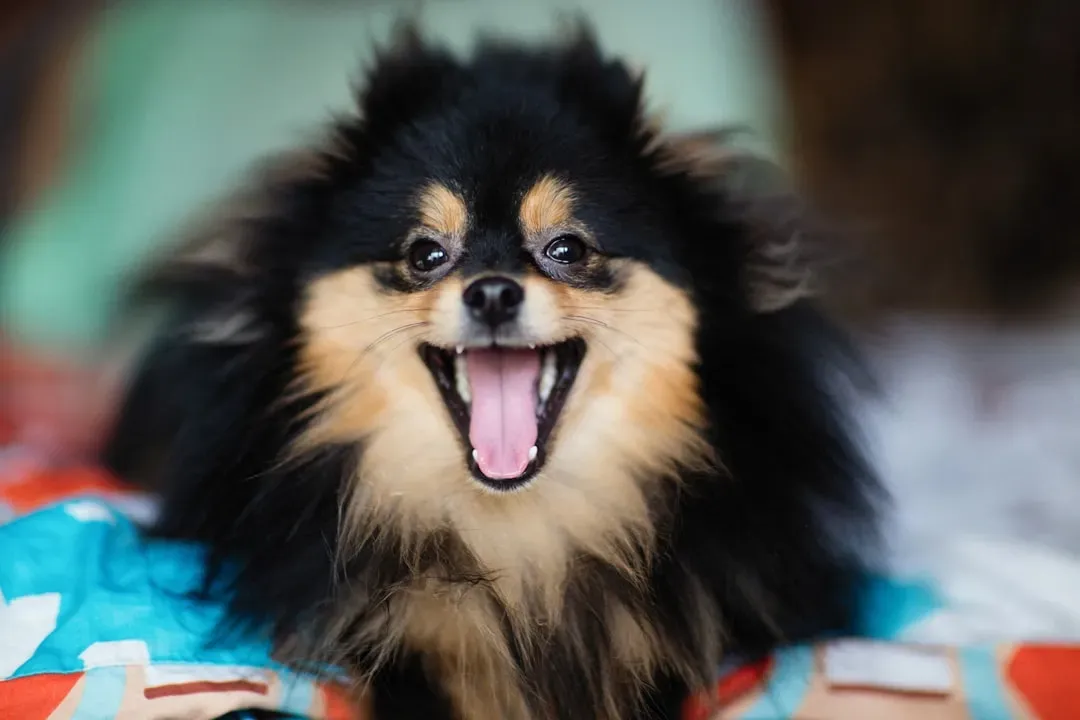
Does your dog lose their mind when their favorite person comes home, but offer a casual tail wag for everyone else? One of the most obvious signs of attachment is the enthusiastic, full-body greeting you receive whenever you return home. I think we’ve all seen this: the jumping, spinning, whining, and barely contained joy that erupts the moment that one special person walks in.
What makes this significant is the contrast. If your dog greets others politely but reserves the full-body celebration exclusively for one person, that’s a telltale sign. Their entire emotional world revolves around that individual’s presence. The intensity isn’t just affection; it’s relief and reassurance that their person has returned.
They Refuse to Obey Commands from Others
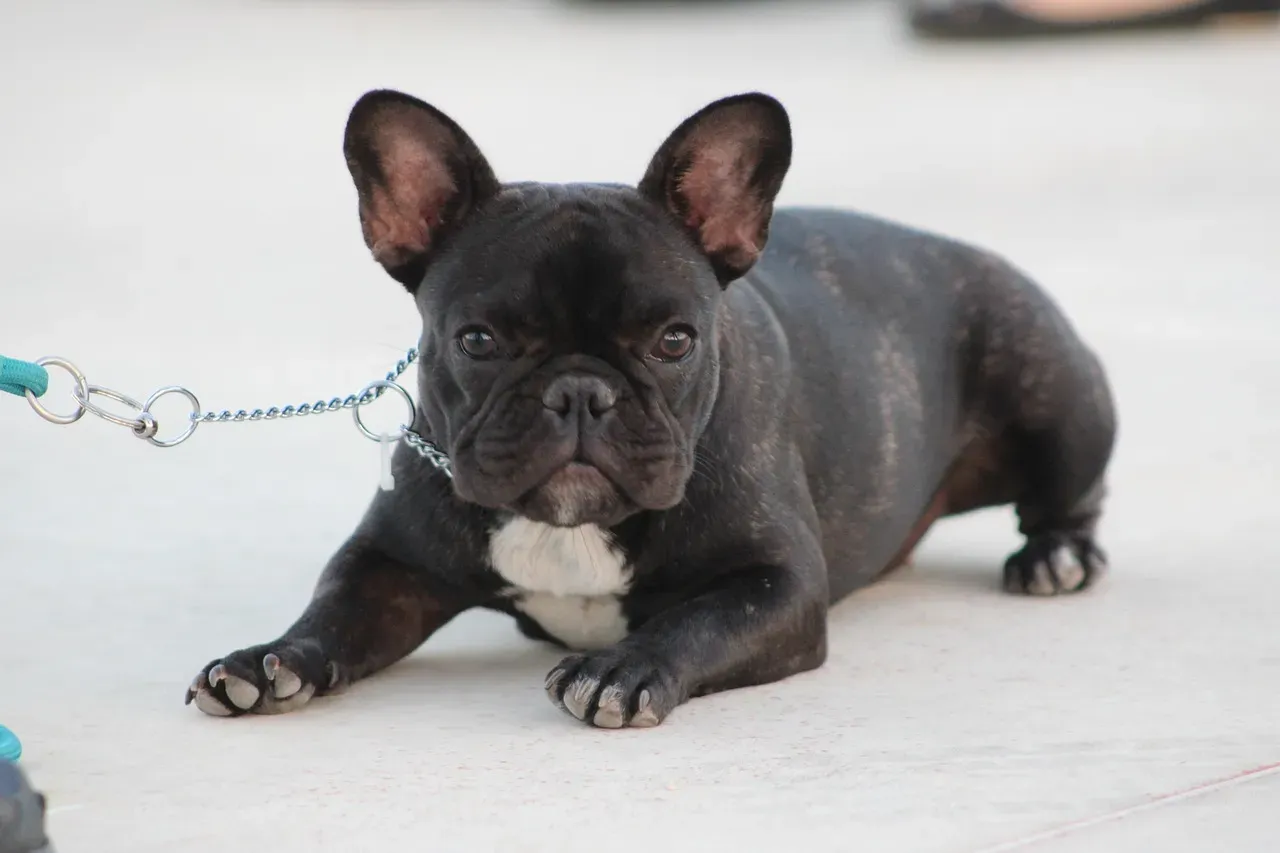
Here’s where things get tricky. A dog who’s emotionally attached to one person may ignore commands from other family members entirely. They’ll sit, stay, and come when their favorite asks, but everyone else? Crickets.
This selective listening isn’t about being stubborn or poorly trained. It’s rooted in trust and emotional connection. The dog has decided that only one person’s authority matters because that’s the person they feel safest with. There are certain breeds that tend to over-attach to only one person and remain aloof towards others. In general, those in the herding and working category may be prone to this quality. If you’re experiencing this, it might be time to involve other household members more actively in training and care routines.
Prolonged Eye Contact with Their Chosen Person
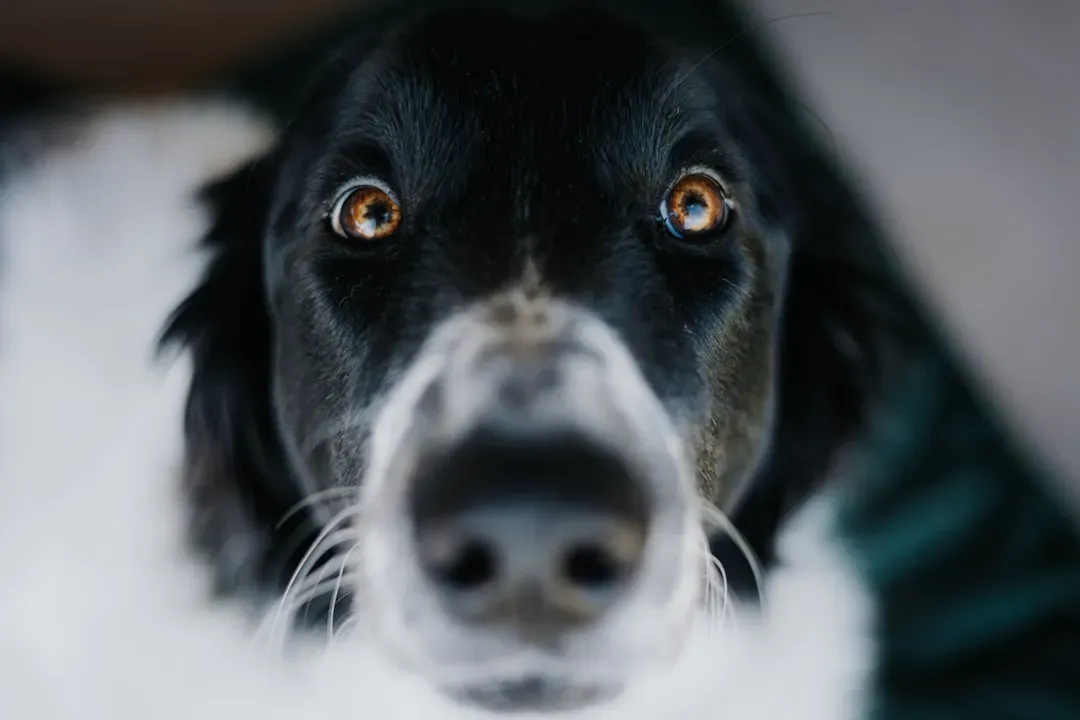
Dogs that are emotionally attached to their owners tend to maintain eye contact, looking at them with soft, relaxed eyes. Eye contact releases oxytocin, often referred to as the “love hormone,” in both dogs and humans. This mutual gaze creates a feedback loop of bonding and affection that strengthens their connection even further.
What’s notable is that this kind of eye contact is reserved almost exclusively for their favorite person. They might glance at others, but the long, lingering, soulful stares? Those belong to one person alone. It’s a beautiful thing, but it also highlights how deeply their emotional world is centered around that individual.
Anxiety or Distress When Separated from That Person
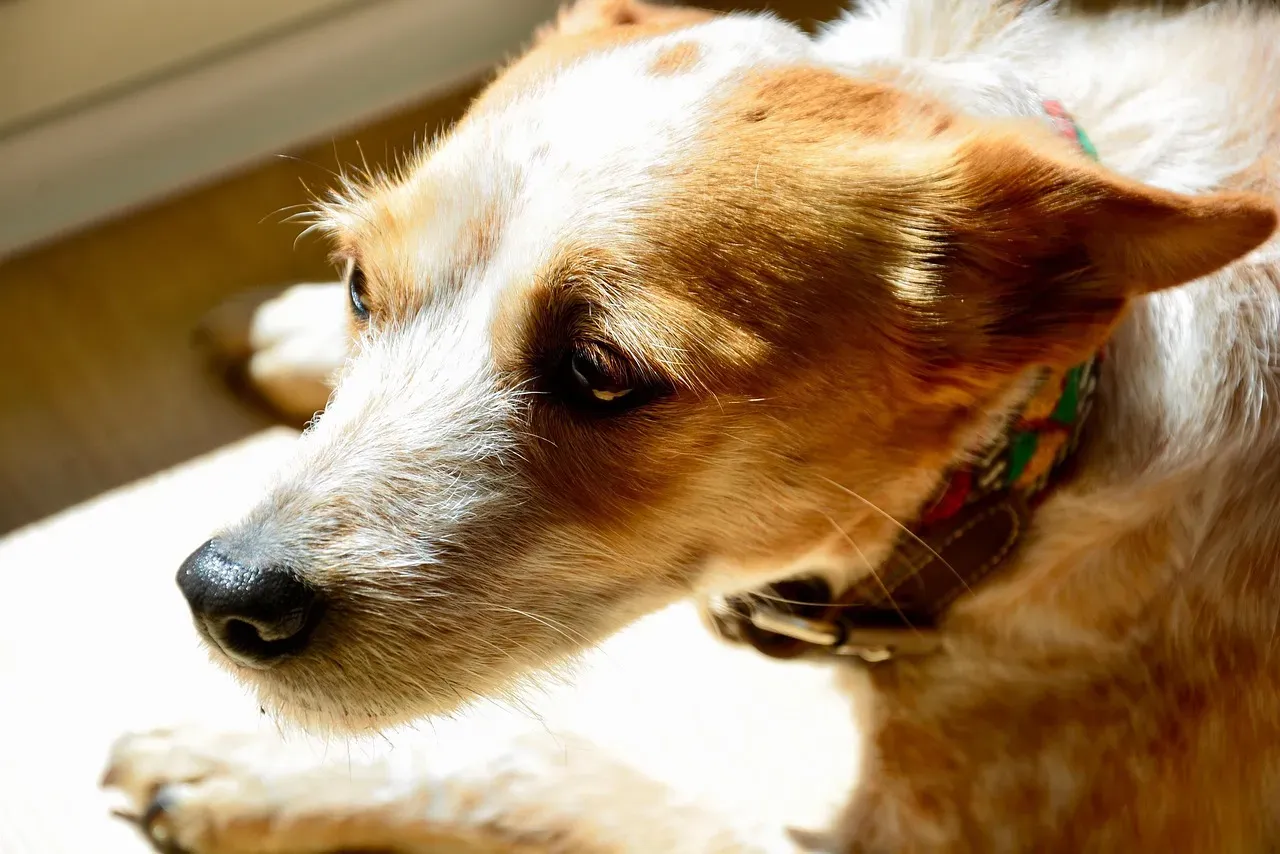
Over-attachment is dysfunctional when the dog gets anxious and exhibits signs of stress when a particular owner is away. This is where attachment crosses into problematic territory. We’re not talking about mild restlessness. We’re talking pacing, whining, destructiveness, or even refusal to eat when their person isn’t home.
Dogs with hyperattachment experience true panic when separated from their chosen person, often exhibiting behaviors linked to separation anxiety: Nonstop vocalizing, destruction, escape attempts, inability to rest or eat. The dog’s distress is genuine and intense. They’re not being dramatic; they’re genuinely struggling to cope without their emotional anchor.
They Sleep Only Near Their Favorite Person
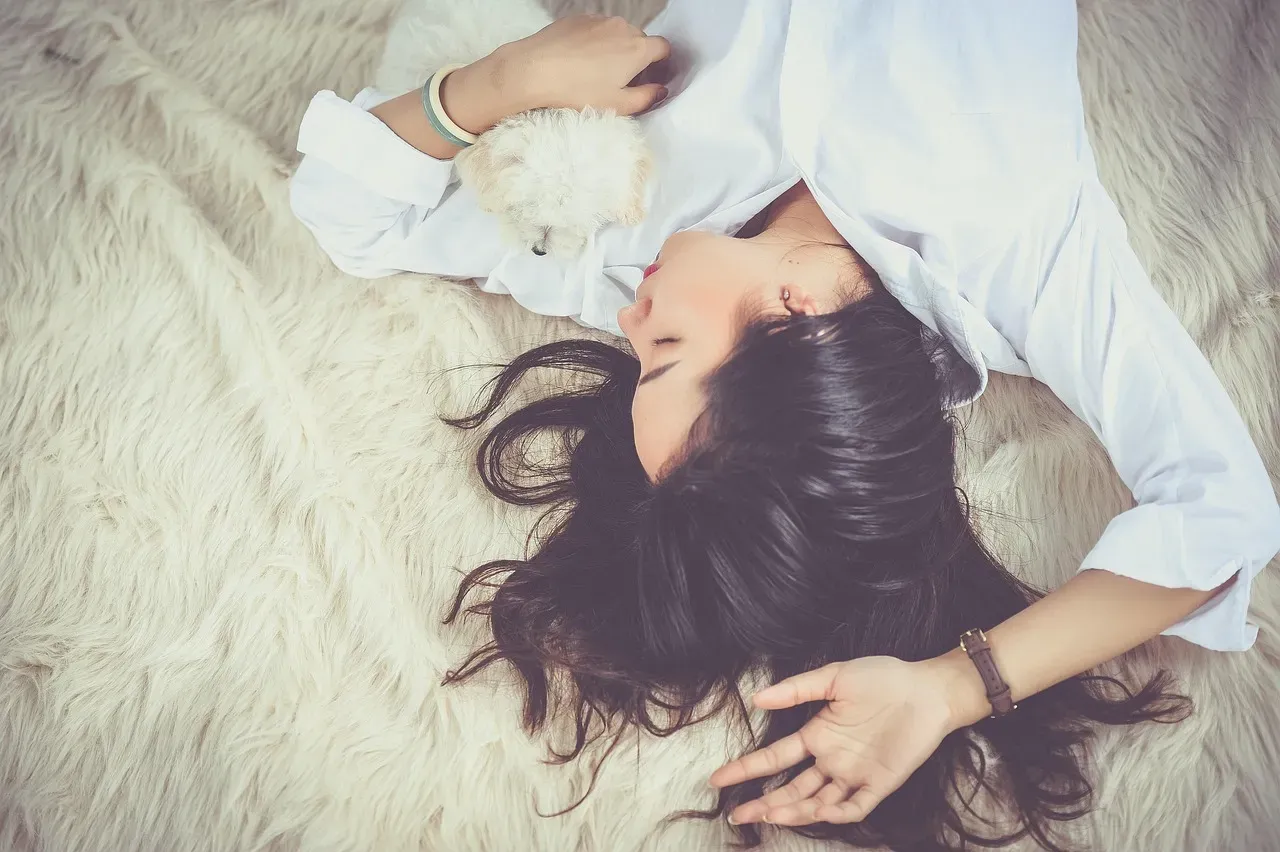
In the wild, canines are at their most vulnerable when they sleep. To maximize their safety, members of the pack will sleep with their backs facing each other and their noses facing out creating a safe little circle. When a dog chooses to sleep exclusively next to or touching one person, they’re saying something profound about trust and security.
It’s hard to say for sure, but I believe this behavior is one of the strongest indicators of selective attachment. Your dog won’t settle at night unless they’re beside their chosen person. Even if others are home, the dog waits by the door or paces until that one individual is present and available. It’s loyalty, yes, but it’s also dependency.
They Bring Gifts Only to One Person
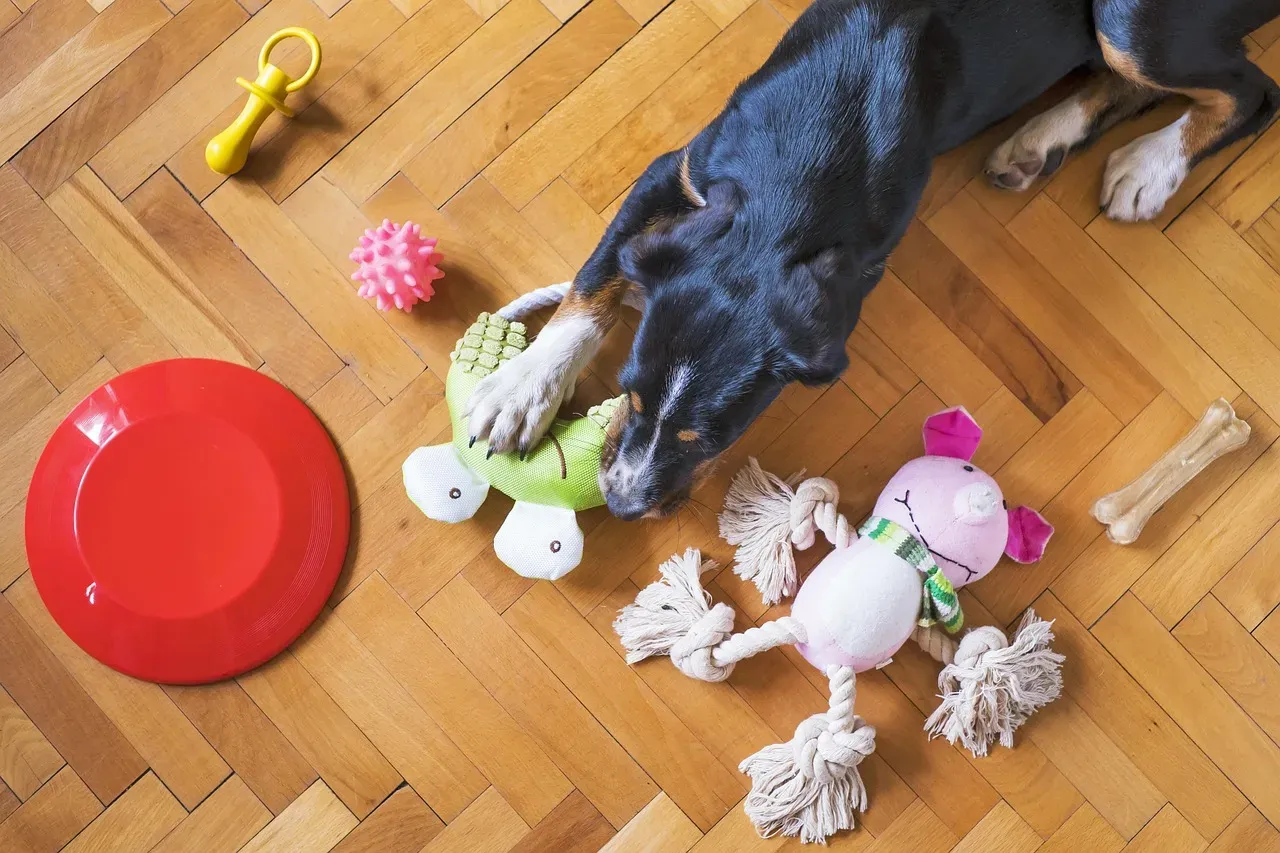
Some dogs express their attachment by bringing you toys or other items as gifts throughout the day. This behavior is similar to how a mother dog might bring food to her puppies. If your dog regularly delivers toys, socks, or random treasures to one person’s lap but ignores everyone else, it’s a display of affection rooted in deep emotional attachment.
This behavior reveals who the dog views as their primary caregiver and emotional center. They’re offering something valuable because they want to provide for that person. It’s touching, really, but also a clear sign that their emotional investment is heavily skewed toward one individual.
Physical Closeness and Leaning Behavior
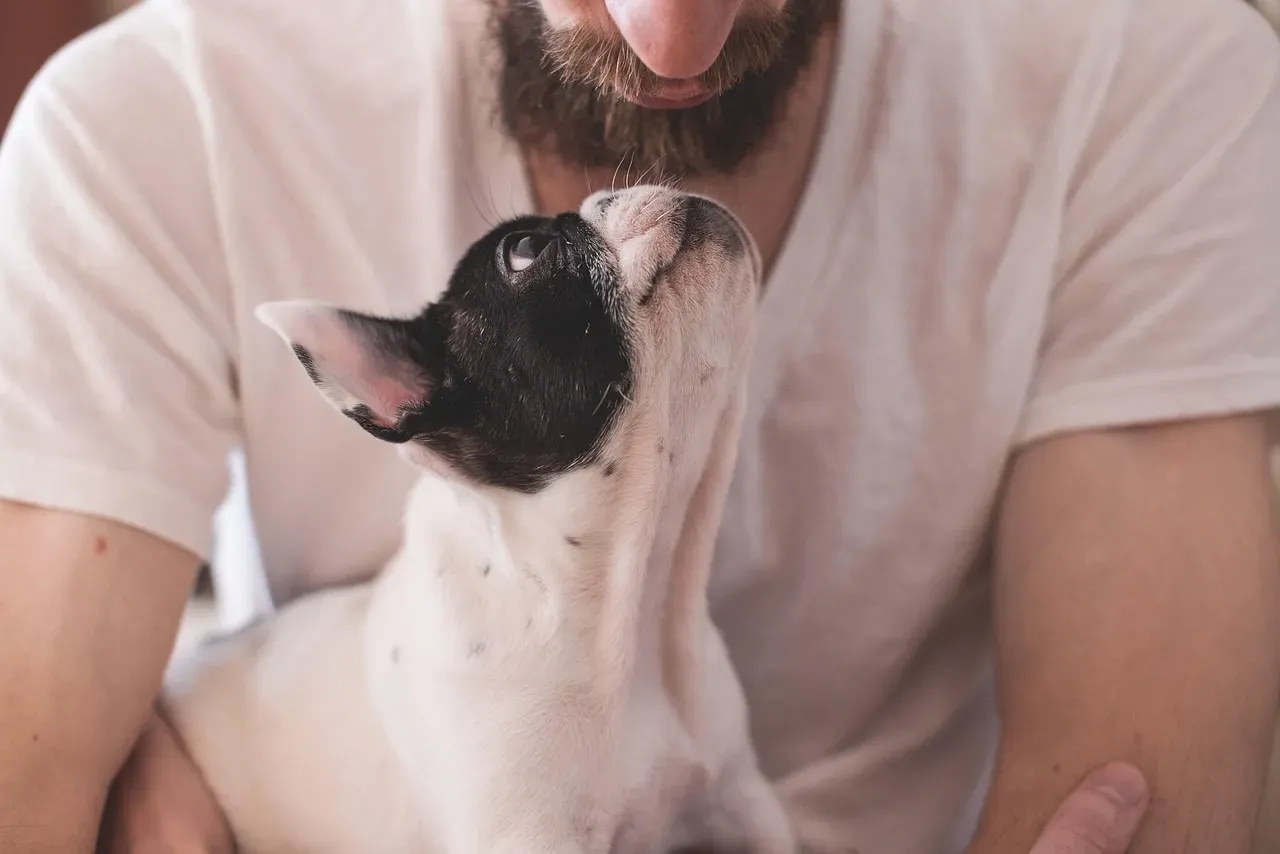
If your dog leans their body weight against you or rests their head on your lap, it’s a sign of trust and attachment. They only do this with people they feel comfortable and secure around. This isn’t casual cuddling. This is a dog seeking comfort and connection by physically pressing themselves against their chosen person.
Let’s be real: if your dog reserves this leaning, pressing, and head-resting behavior exclusively for one person, that’s a powerful indicator of selective attachment. They’re literally anchoring themselves to that individual for emotional support. Other family members might try to engage, but the dog politely moves away or shows disinterest.
Ignoring or Avoiding Other Family Members
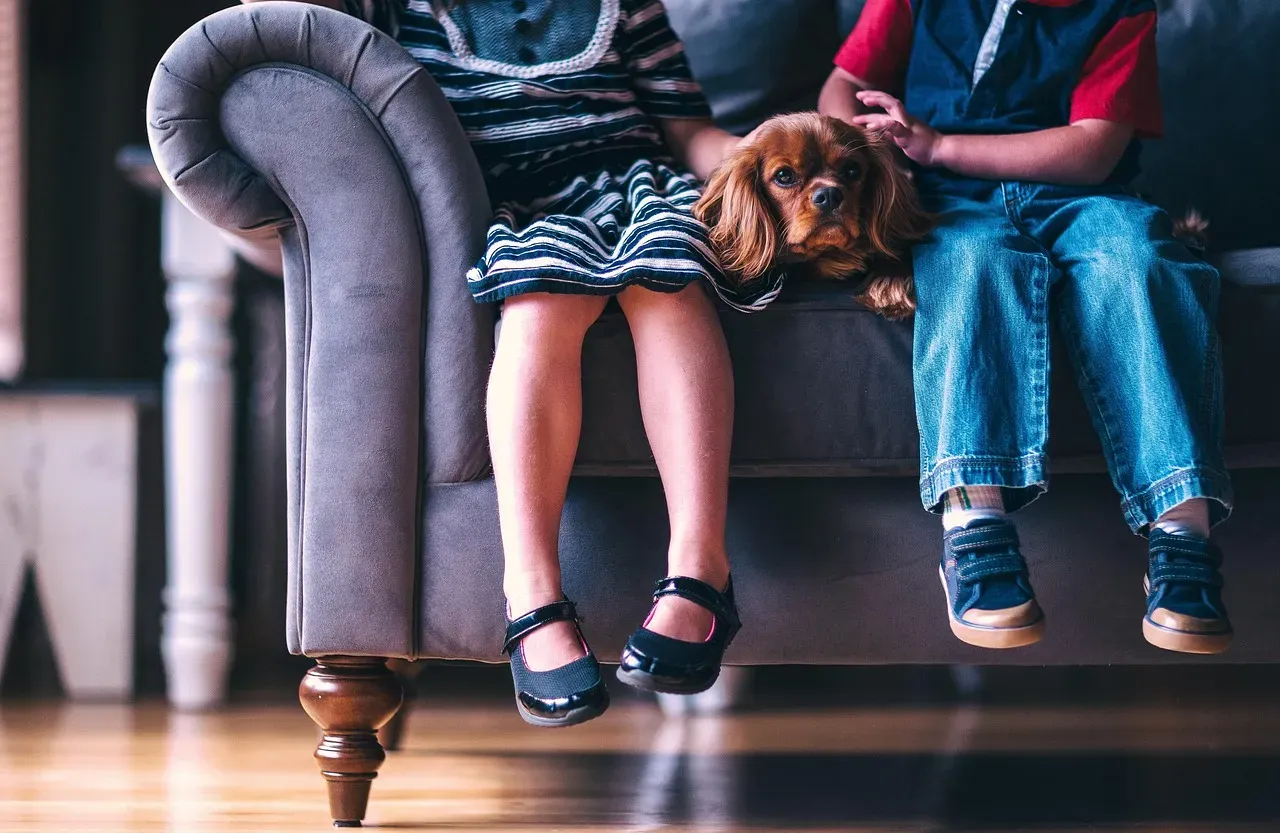
This one stings a bit if you’re not the chosen person. A dog with extreme attachment to one individual may actively avoid interaction with others in the household. They might walk away when someone else approaches or show complete indifference to affection from anyone but their favorite.
Sometimes, they have their favorites, singling out one person in the household to shower with affection. Or, on the flip side, they show targeted fear or aggression. While not all one-person dogs show aggression, the avoidance and disinterest can be just as telling. It’s not that they dislike others; it’s that no one else emotionally registers in the same way.
Monitoring Every Movement
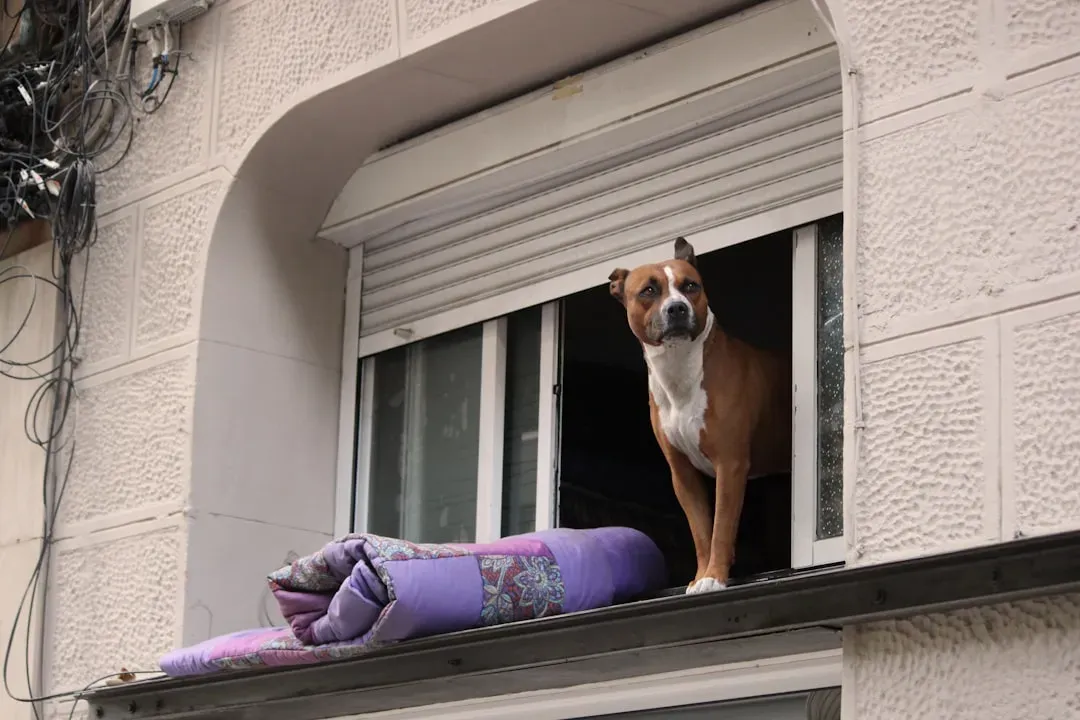
Most likely, your hyper-attached pet will constantly try to monitor every movement you make. He’ll likely want to sleep by your feet so he is always aware of your movements. This hyper-vigilance is about control and reassurance. The dog needs to know where their person is at all times.
It’s not just following; it’s tracking. The dog’s eyes are constantly on their chosen person, watching for any sign of departure or movement. Certain breeds tend to become over attached (those breeds which have been selectively bred to work together with a human, such as herding and working types), but some dogs become over attached via experience. This level of monitoring can be exhausting for both the dog and the person being watched.
Conclusion: Understanding the Bond and When to Seek Help
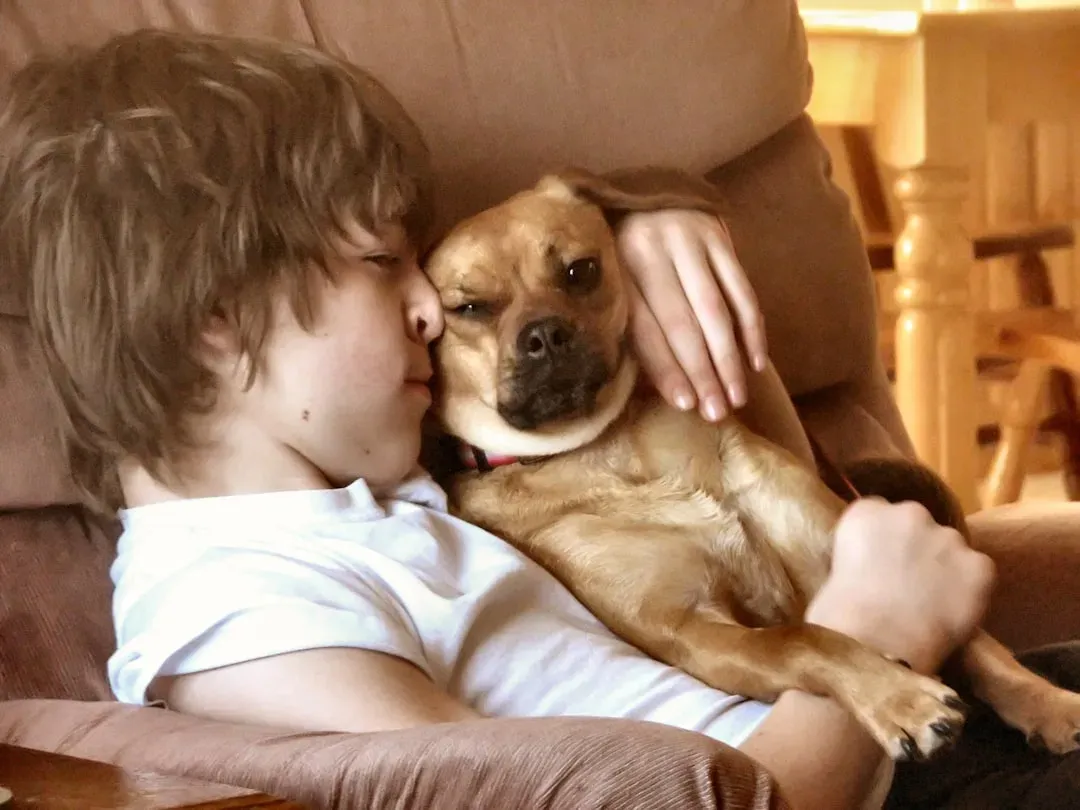
Recognizing these signs doesn’t mean your dog’s love is wrong. It means they’ve formed an incredibly deep bond with one person, and sometimes that bond tips into emotional dependency. While it’s flattering to be your dog’s chosen human, sometimes the attachment becomes too intense. If a dog’s sense of safety is tied exclusively to one person’s presence, they may become distressed when separated.
The good news? You can help. Encouraging other family members to participate in feeding, walking, and playtime can gradually broaden your dog’s sense of security. Building their confidence through training and mental enrichment also makes a difference. If the attachment is causing genuine distress or behavioral issues, don’t hesitate to consult a certified dog behaviorist or veterinarian.
Your dog’s devotion is a gift, but it should never come at the cost of their emotional well-being. Have you noticed any of these signs in your own pup? What do you think about it? Tell us in the comments.


