
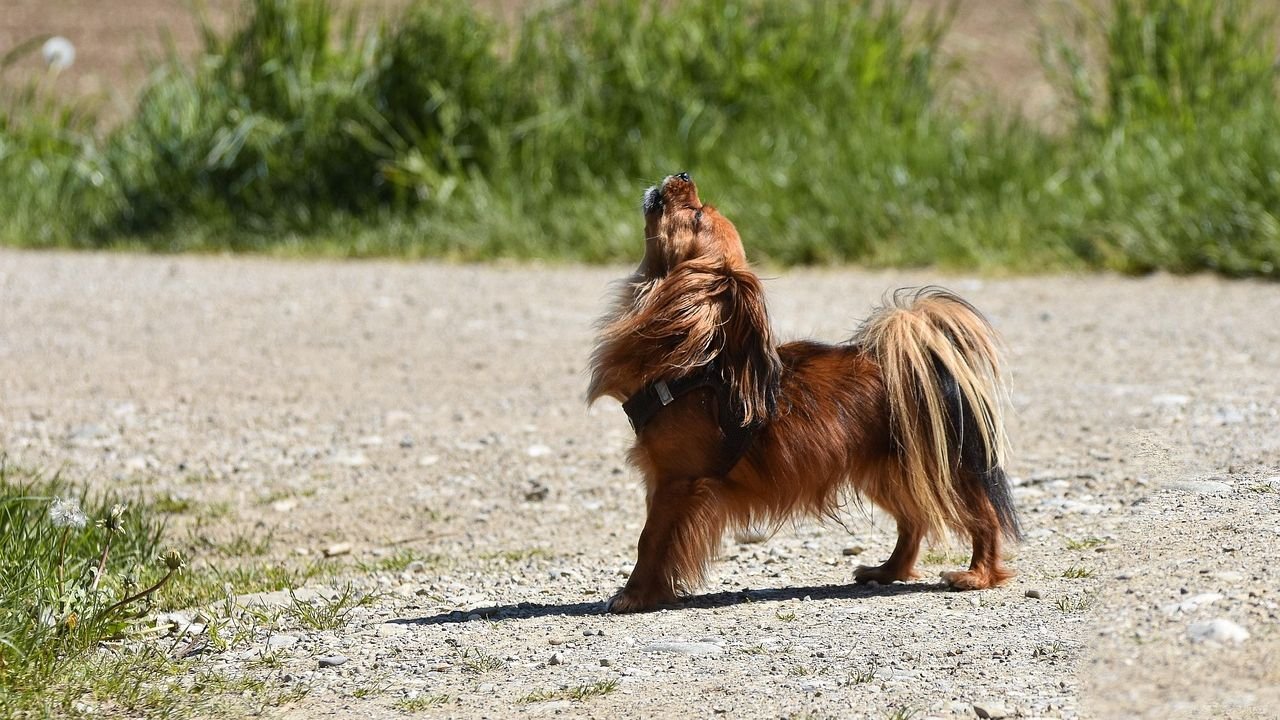
You’ve probably been there. You’re curled up on the couch after a long day, finally decompressing, when you hear it. That high-pitched whine that seems to cut straight through your last nerve. You glance over at your dog, who’s staring at you with those big, pleading eyes, and you think, “What now?”
Here’s the thing most of us miss. While many of us interpret whining as attention-seeking or demands, dogs are actually highly social animals trying to connect with us through one of their most fundamental forms of communication. That sound might not be manipulation at all. It might be your dog reaching out, trying to bridge the gap between their world and yours. Let’s get real about what’s really happening when your furry friend starts vocalizing.
The Language Behind the Sound

Whining is how dogs, especially puppies, express their needs and communicate what they want or that they’re unhappy. Think about it like this: if you couldn’t use words, you’d probably make all sorts of sounds too. Dogs didn’t evolve with the ability to tap us on the shoulder and say, “Hey, I’m feeling a bit anxious right now.” Instead, they’ve developed this incredibly nuanced vocal system that we’re only beginning to truly understand.
Research shows that dog whining is an indicator of stressful arousal but also greeting and attention-seeking behaviors. The pitch, duration, and context all matter. Sometimes your dog whines with their mouth closed, sometimes open, and these variations carry different meanings. It’s honestly fascinating when you start paying attention.
It’s About Emotional Connection, Not Control
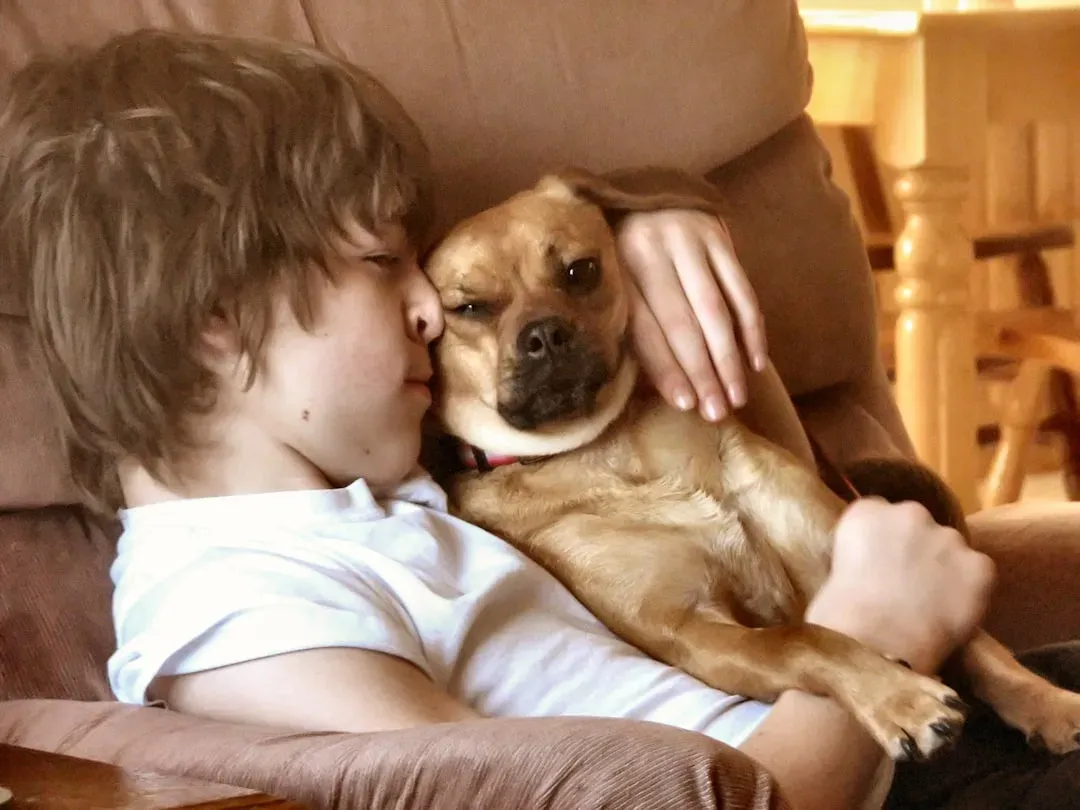
Let me tell you something that changed how I see dogs. Research has found that a whimpering dog sounds as sad as a crying baby to some pet parents, suggesting that dogs have evolved effective distress signals due to their dependence on humans. That’s not an accident. Over thousands of years, dogs have learned to communicate with us in ways that tug at our heartstrings.
Dogs whine for attention to communicate their desire for interaction and companionship, and being social animals, they naturally seek connection with their human companions, especially when they feel lonely, bored, or in need of affection. Your dog isn’t trying to boss you around. They’re trying to feel close to you. There’s a massive difference between manipulation and genuine emotional need.
Reading the Real Message

Body language, like crouching with their head or ears down, could mean pain, so when you hear a whine, ask yourself what your dog is wishing for right now and look to body language to help figure it out. Context is absolutely everything here. Is your dog pacing by the door? That’s probably a bathroom break. Are they lying down but whining while you’re working from home? That might be loneliness or boredom.
Body language plays a significant role in discovering the context of whining, with clues including the degree of tension in the body and face, the presence or absence of trembling, hypervigilance, pacing, and the position of the tail. Watch the whole picture, not just the sound. Your dog is giving you multiple signals at once.
When Whining Signals Distress
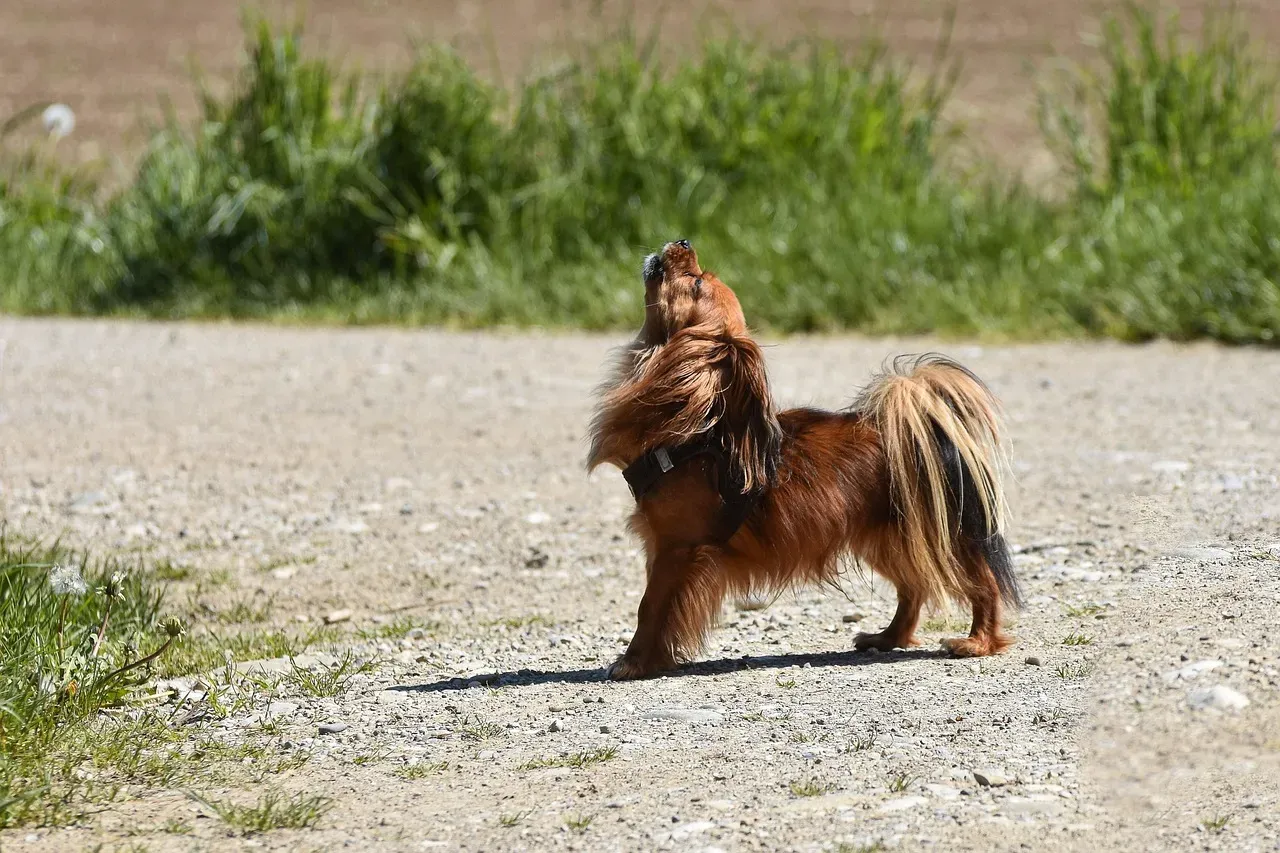
Sometimes whining is more serious than we realize. Dogs often whine in response to pain or a painful condition, so if you notice that your dog vocalizes frequently or has suddenly started to vocalize, it’s important to take her to the vet to rule out medical causes. I can’t stress this enough. A sudden change in vocalization isn’t something to ignore.
Vocalization is normal self-expression in dogs but may be intensified when they are under stress, and dogs that are afraid or tense may whine or bark to get your attention or to self-soothe. Anxiety, fear, and emotional overwhelm can all trigger whining. Think of it as your dog’s way of saying, “I’m not okay right now, and I need help.” That deserves compassion, not frustration.
The Loneliness Factor We Often Overlook

Here’s what I think we don’t talk about enough: dogs get lonely. Really lonely. When dogs are separated from their owners, they can experience extreme distress and exhibit behaviors like whining, pacing, destructive chewing, or excessive salivation. We leave for work, run errands, get absorbed in our phones, and our dogs are left waiting. Waiting for us to notice them, to engage with them, to remember they’re there.
Boredom can cause whining and barking in dogs due to lack of physical exercise or missing enrichment and mental stimulation, with bored dogs often engaging in repetitive vocalization, often paired with pacing, destructive chewing, or obsessively licking themselves. That whining isn’t a demand for your time. It’s a plea for connection, for something to do, for a reason to feel engaged with life.
Responding with Understanding, Not Annoyance

So what do we do about it? How you respond can influence whether the behavior improves or continues, and your goal is to meet genuine needs while avoiding accidentally reinforcing whining for attention. First, take a breath. Assess what’s really happening. Is your dog in pain? Anxious? Bored? Genuinely needing something?
Regularly seek out your dog to give attention and rewards when they’re not whining, so your dog understands that silence works well to get your attention and won’t feel as motivated to whine. This is key. Don’t just respond when they whine. Create regular moments of connection throughout your day. A quick game of tug. A few minutes of training. A belly rub while you watch TV. These small gestures fill your dog’s emotional tank before it runs empty.
Conclusion

Your crying dog is in distress and calling out to you for help, and as annoying as it is for you, from your dog’s perspective, they’re crying because they’re in distress, so the key to ending the fussing is to ease that distress. That’s really what it comes down to. Your dog isn’t trying to ruin your evening or control your schedule. They’re trying to tell you something important in the only way they know how.
The next time you hear that whine, pause before you react. Look at your dog. Really look at them. What are they trying to say? More often than not, it’s simply, “I need you.” And honestly, isn’t that what all of us need sometimes? What do you think? Does this change how you hear your dog’s voice? Share your experiences in the comments.


