
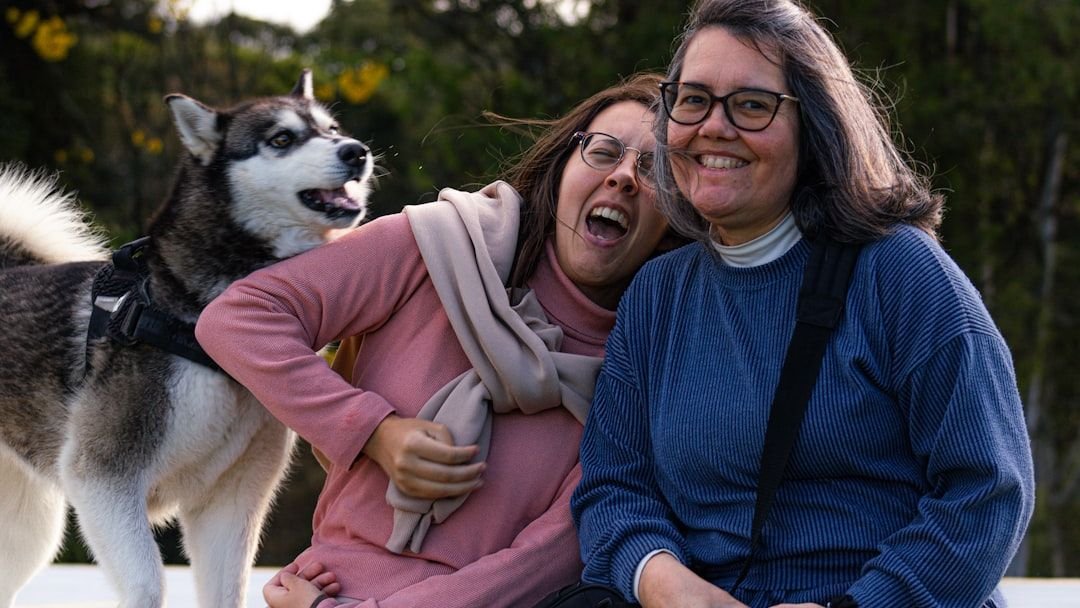
Ever notice how a simple gesture can light up your dog’s entire face? That tail-wagging joy you see when you come home isn’t just excitement. It’s love, trust, and security all wrapped into one beautiful moment. Dogs don’t need grand gestures or expensive toys to feel cherished. What they crave most are the small, consistent acts that tell them they’re safe, valued, and deeply loved.
Here’s the thing. We often underestimate how much our daily choices shape our dogs’ emotional world. A gentle touch here, a predictable routine there, these seemingly minor moments build the foundation of a bond that lasts a lifetime. Think about it like this. Your dog doesn’t speak your language, yet somehow they understand you better than most humans do. They read your body language, sense your emotions, and mirror your energy. So when you show up for them in small, intentional ways, they feel it in their bones.
Let’s dive into the simple acts that transform an ordinary day into one where your dog feels like the most important creature in your universe. Because honestly, aren’t they?
1. Consistent Daily Routines That Build Trust
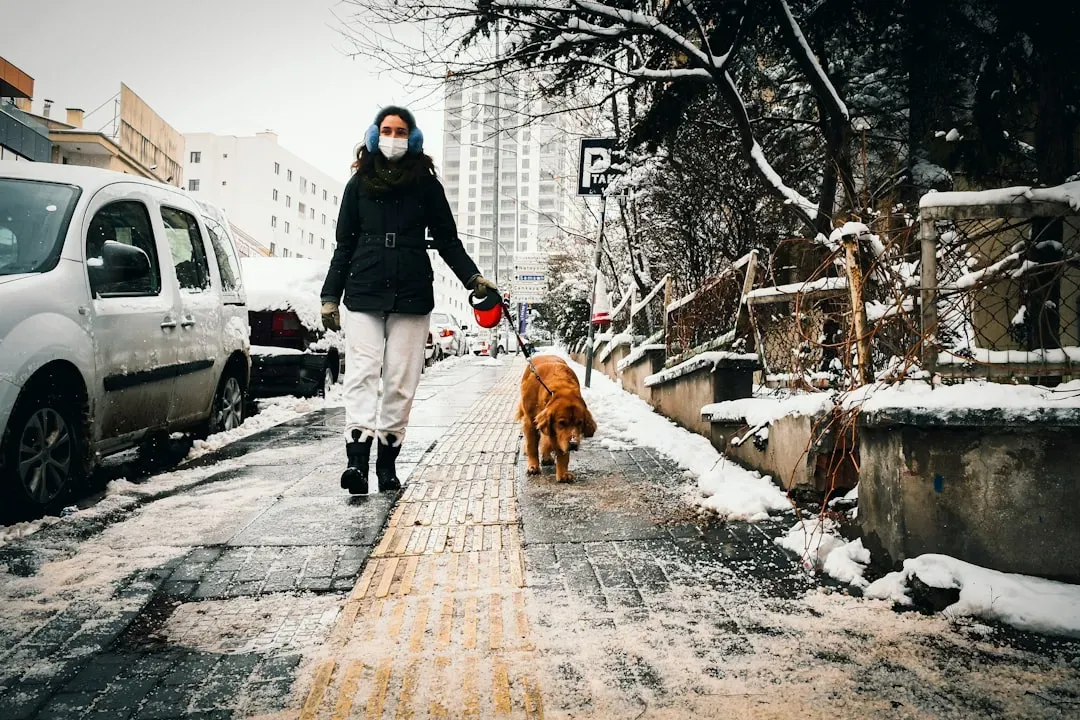
Dogs love consistency, and establishing a daily routine for feeding, walks, playtime, and bedtime makes your dog feel secure and helps them understand what to expect. Imagine waking up every day not knowing when or if you’ll eat. Stressful, right? Your dog experiences that same anxiety without a predictable schedule.
Dogs thrive on routine, and predictable mealtimes, walks, play, and rest help your dog feel safe and secure, making it easier for them to trust you. When your pup knows that breakfast happens at seven, walks follow at eight, they relax into the rhythm of life. Dogs feel safest when they know what to expect, and routine reinforces the bond by establishing a rhythm that helps dogs understand their world and develop confidence in their caregivers.
Consistency isn’t just about timing. It’s about reliability. When you follow through day after day, your dog learns they can count on you. That trust becomes the bedrock of your relationship.
2. Learning Their Unique Body Language
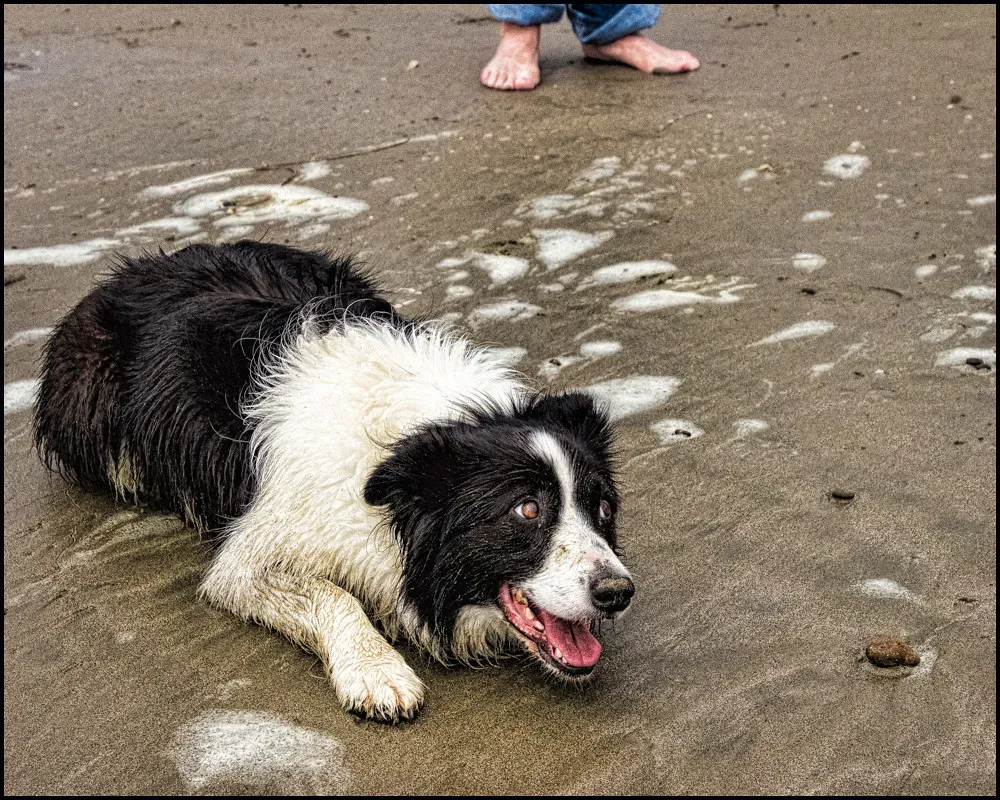
Understanding your dog’s body language is one of the most powerful ways to strengthen your bond, as dogs communicate how they feel through their posture, tail movements, ears, eyes, and overall behavior. Most of us think a wagging tail always means happiness, but the truth is more nuanced. The position, speed, and stiffness all tell different stories.
The best way to build a strong bond with your dog is by learning to read their facial expressions and body language, and once a pet parent learns what their dog is trying to say, the door to improved understanding and communication opens. Pay attention to those subtle signals. Watch for signals like yawning, lip licking, or turning away, as these often mean your dog is feeling overwhelmed.
When you understand what your dog is communicating, you respond appropriately to their needs. That responsiveness shows them you’re listening, and it deepens the emotional connection between you both.
3. Gentle, Intentional Physical Touch
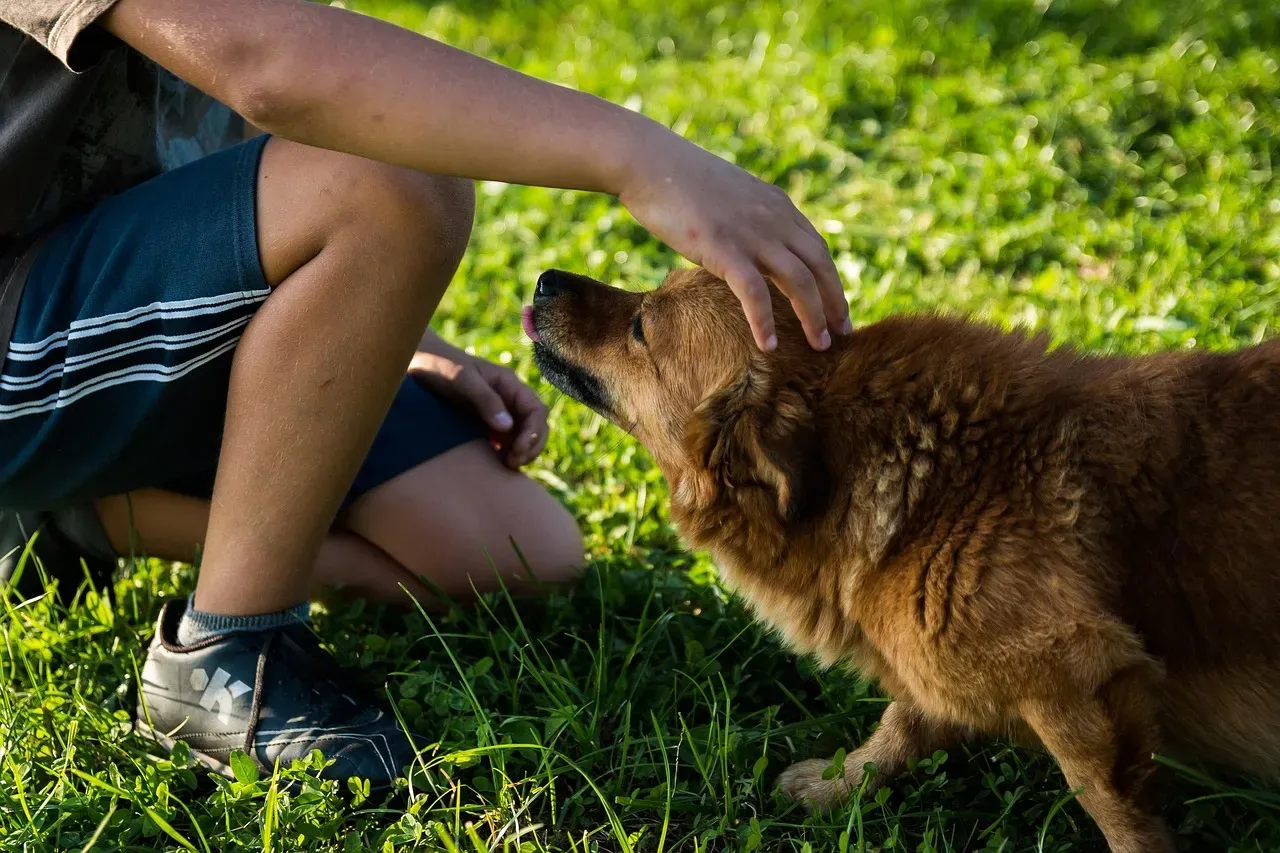
Touch is a language all its own. Regular brushing, gentle petting, or massage not only keeps your dog healthy, but it also reinforces your bond, as touch builds trust and comfort, especially when paired with positive experiences. Not all dogs enjoy the same kind of touch, though. Some melt for belly rubs while others prefer a good ear scratch.
Take time to learn how your dog likes to be handled, as some love belly rubs while others prefer ear scratches or just being near you. Respect their preferences. If your dog pulls away or shows discomfort, honor that boundary. Consistent gentle touches can lower cortisol levels, reducing stress and anxiety in pets, while engaging in these bonding behaviors regularly can improve overall pet health by stimulating circulation and maintaining a well-groomed coat.
Physical affection should be thoughtful and routine. Those quiet moments where you’re scratching behind their ears or stroking their back? They’re pure gold for building security and love.
4. Positive Reinforcement Training
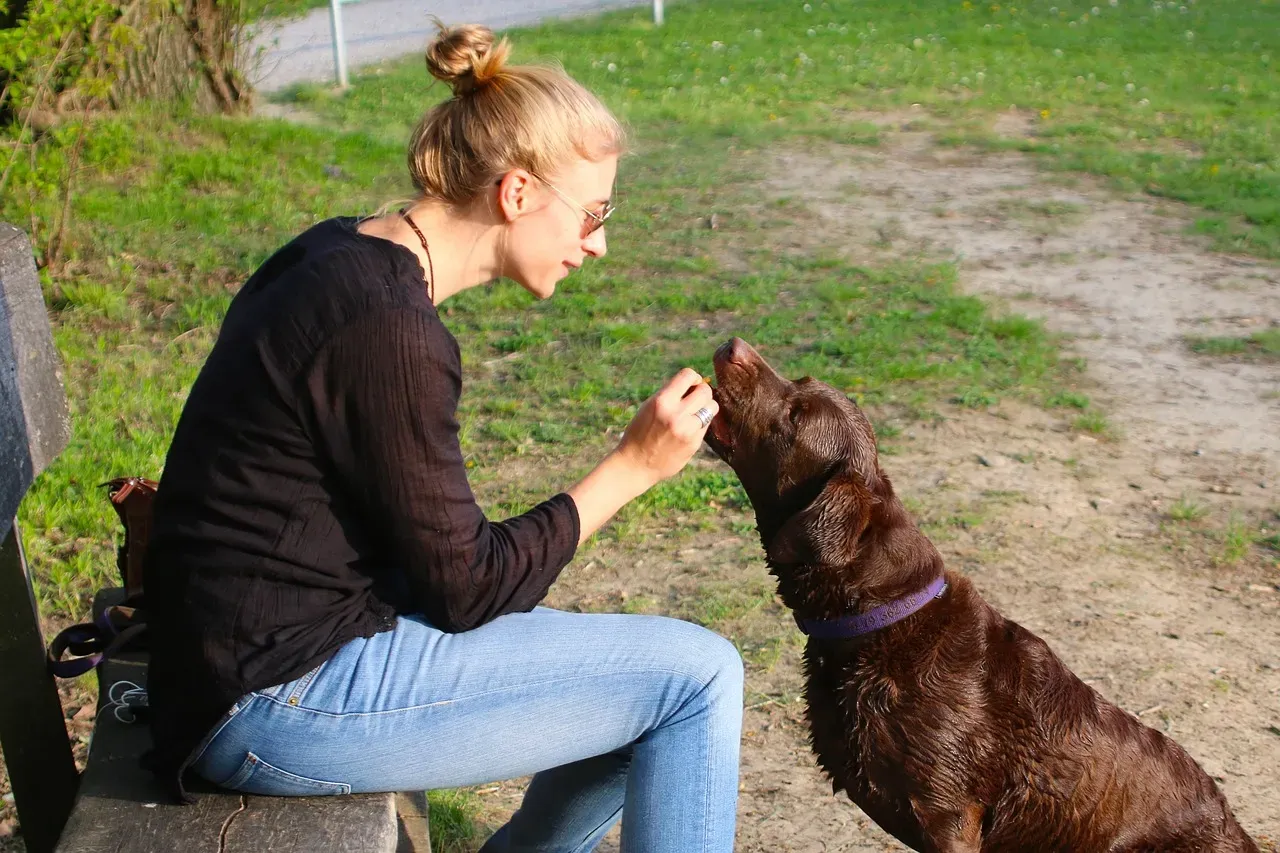
Training your dog using positive reinforcement is not only effective, but it’s also a relationship builder, as rewarding good behavior with treats, praise, or playtime reinforces your bond and creates a safe space for learning. Forget punishment. It damages trust and creates fear. Instead, focus on celebrating the behaviors you want to see more of.
Instead of punishing your dog for bad behavior, teach them behaviors you want them to do by using rewards like training treats, favorite dog toys, and praise. When your dog succeeds and receives praise, they gain confidence. Training does more than teach obedience; it sharpens your dog’s mind and strengthens the trust they place in you, and when your dog learns a new skill, they gain confidence while you become their source of guidance and praise.
Every training session becomes an opportunity to deepen your connection. Your dog learns that working with you brings good things, and that builds a partnership rooted in mutual respect.
5. Quality Playtime and Mental Stimulation
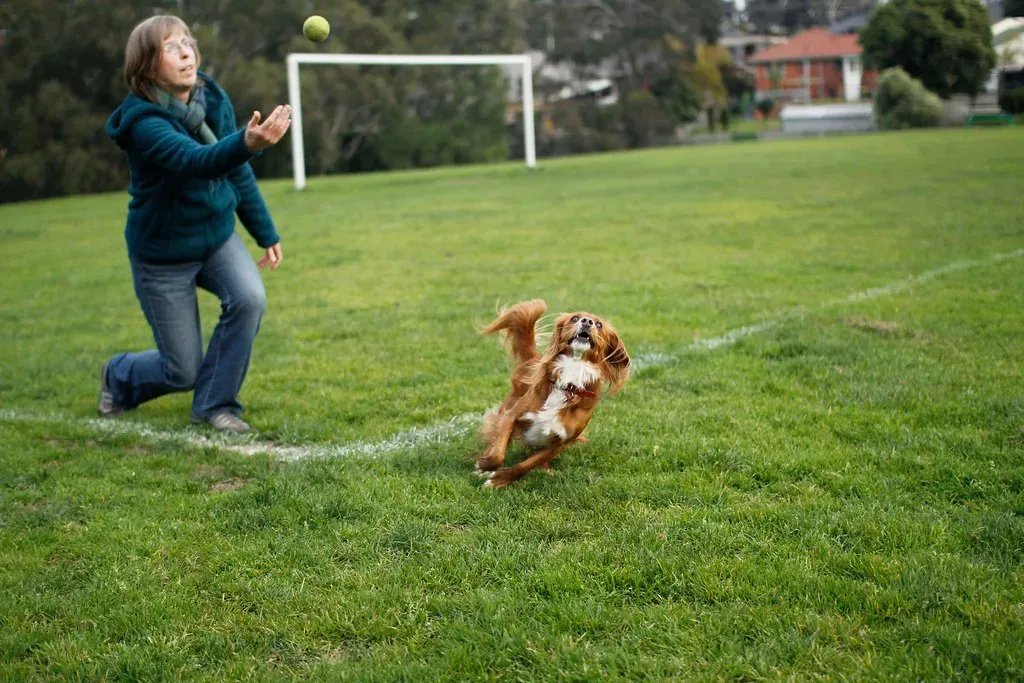
Play isn’t just fun. It’s essential for your dog’s emotional health. Whether it’s a hike, a simple walk, or a session of fetch, dogs thrive when their bodies and minds are engaged, and regular play and exercise support cardiovascular health, reduce destructive behaviors, and give your pet the structure they need to feel secure.
Dogs need mental challenges just as much as physical exercise. Puzzle toys, scent games, and new tricks keep their brains active and engaged. Participating in dog sports such as agility, herding, scent work, or Barn Hunt are great activities to work on improving physical fitness, mental enrichment, and teamwork. When you engage with your dog during play, you’re not just burning energy. You’re building joy.
Notice how your dog’s entire demeanor changes during playtime? That enthusiasm and focus show how much these moments mean to them. Make them count.
6. Creating a Safe Haven Space

Every dog needs a spot that’s entirely theirs. Provide a designated resting area, such as a crate or quiet corner, where your dog can relax without interruption. This isn’t about isolating them. It’s about giving them a secure base where they can retreat when the world feels overwhelming.
You, the owner, need to provide a secure base from which your dog can explore their environment while acting as a safe haven to return to when your dog faces danger. Think of it like their personal sanctuary. When guests arrive or the house gets chaotic, your dog knows exactly where to go to feel safe.
Pets can serve as both a secure base and a safe haven, offering reliable comfort and being sought out during times of distress, while their physical presence provides a sense of safety. That security translates into confidence in other areas of their life.
7. Responding to Their Emotional Needs
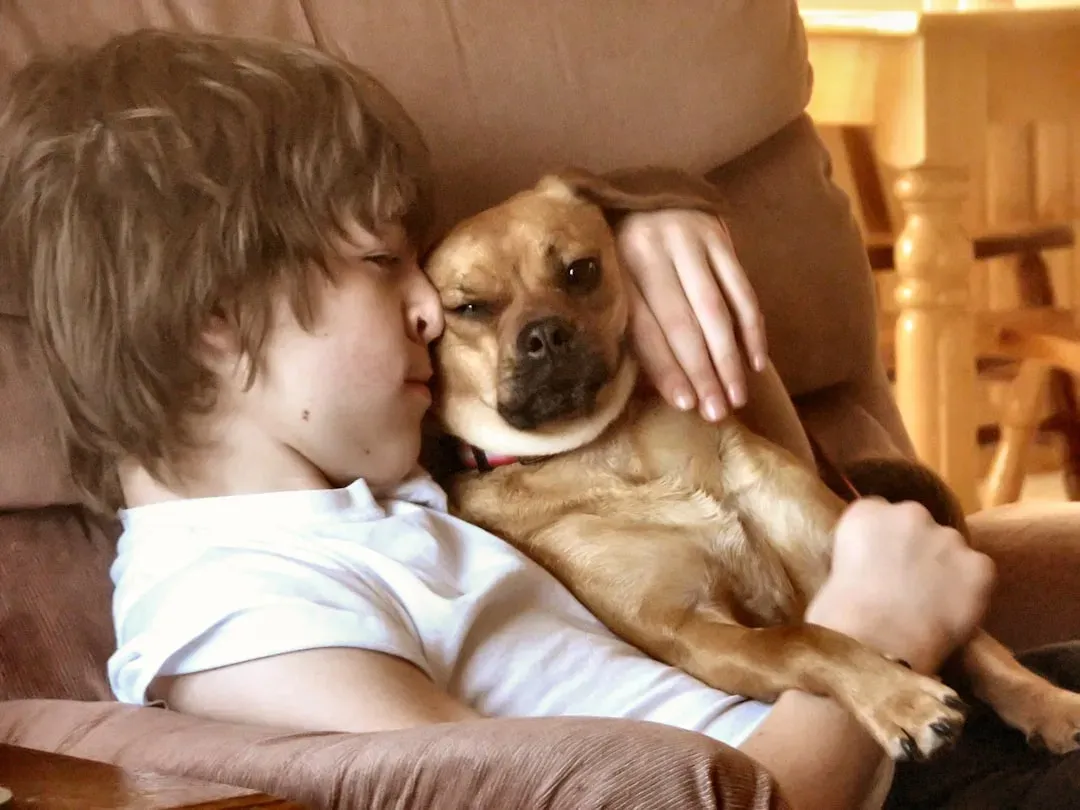
Owners that have a secure attachment style with their dog will respond to their dog’s signals and acknowledge their need for closeness and safety, and supporting your dog during a stressful situation is important to fulfill your dog’s need for closeness and safety and promotes a healthy attachment. When your dog seeks you out during a thunderstorm or after a scary encounter, they’re asking for reassurance.
Dogs are known for their attunement to human emotions, and they can sense when their owners are sad or anxious and often respond with comforting behaviors such as physical proximity, licking, or nuzzling. The beautiful thing is, this emotional awareness goes both ways. When you tune into their feelings and respond with comfort, you strengthen that reciprocal bond.
Ignoring your dog’s distress doesn’t teach independence. It teaches them you’re not reliable when they need you most. Be their safe person.
8. Maintaining Eye Contact and Presence
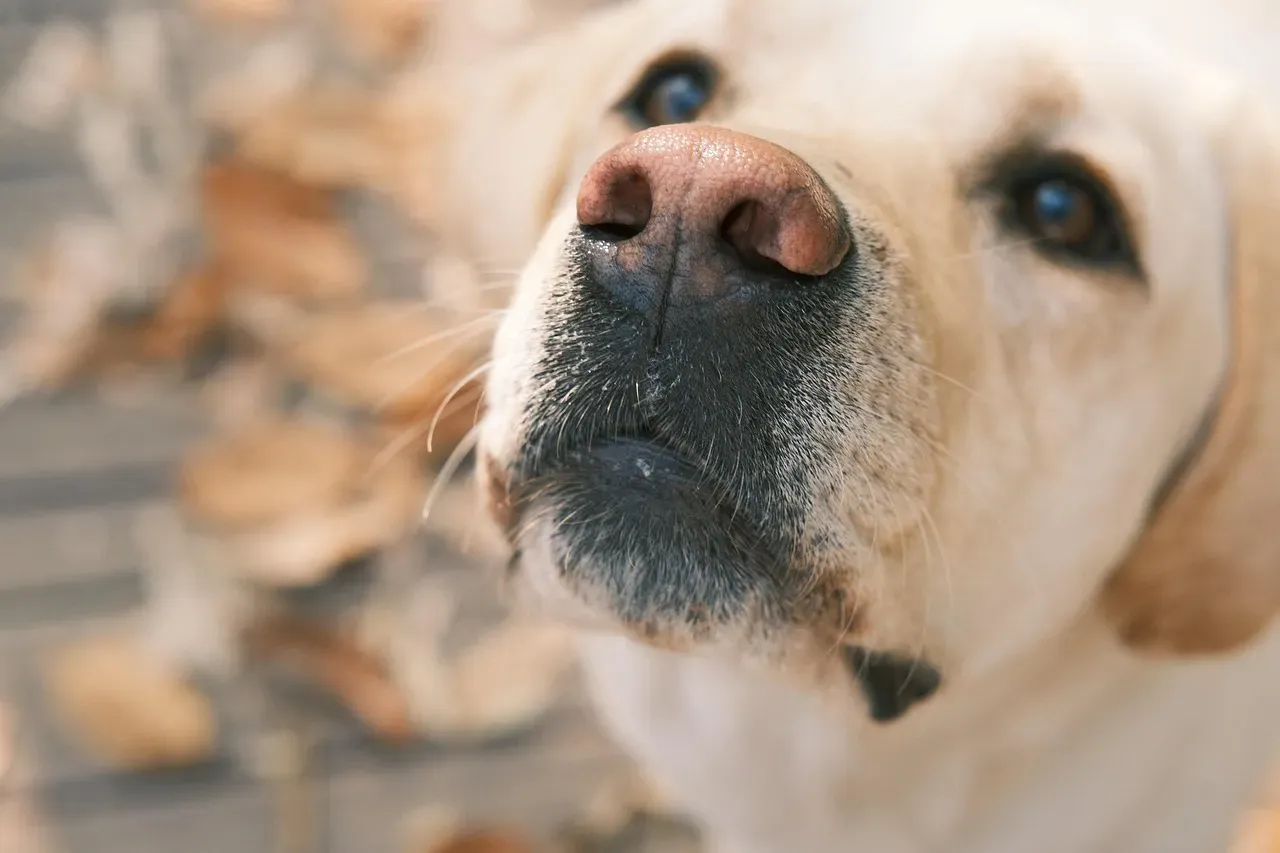
When your dog maintains gentle eye contact, they’re not just looking at you but actively bonding, as this eye contact triggers the release of oxytocin in both you and your dog, the same hormone that strengthens the bond between parents and children. Those quiet moments where you lock eyes with your pup? Pure magic.
Interacting with dogs can lower cortisol, a stress hormone, and increase oxytocin, a bonding hormone, and this hormonal shift promotes relaxation and emotional connection, helping to alleviate symptoms of anxiety. Soft, relaxed eye contact communicates love and trust. Soft, blinking eyes show affection and trust.
Be present when you’re with your dog. Put down your phone during walks. Make eye contact during cuddle time. These small acts of attention tell your dog they matter more than any distraction.
9. Including Them in Your Daily Life

Your dog adores your attention, so include them in your daily activities whenever possible. This doesn’t mean they need to be by your side every second. It means inviting them into moments that matter. Let them sit nearby while you work. Bring them along on errands when you can.
Regular positive interactions between dogs and their pet parents can increase oxytocin, also known as the love hormone, and daily rituals such as walks and playing a favorite game also help release oxytocin, which can reduce stress for both of you and improve your emotional connection. Your dog wants to be part of your world. When you make space for them in your daily routine, they feel valued and important.
Those seemingly mundane moments, like having your dog lie at your feet while you cook dinner, build a sense of belonging that’s irreplaceable.
10. Respecting Their Boundaries
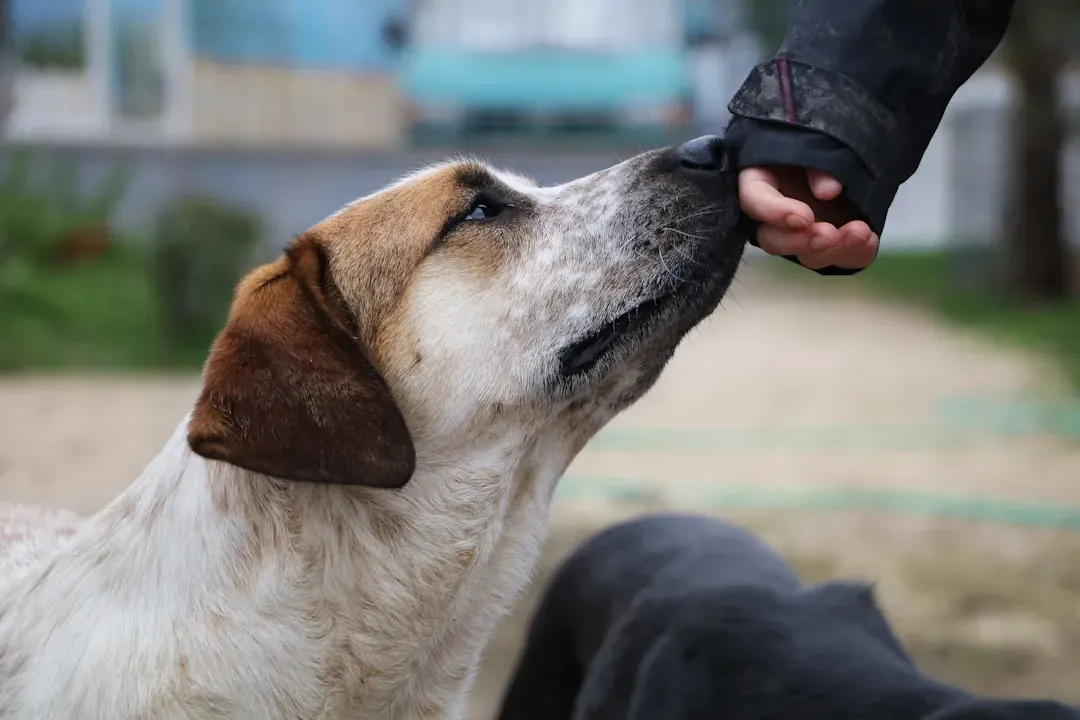
Love isn’t just about closeness. It’s about respect. You can initiate contact in a respectful way by looking at your dog’s body language signals to know if they want to be close to you in that particular moment, and it is very important to respect these types of ‘no’ signals to maintain a healthy bond. Not every dog wants constant affection, and that’s okay.
Take time to learn how your dog likes to be handled, as some love belly rubs while others prefer ear scratches or just being near you. When your dog moves away, licks their lips, or turns their head, they’re communicating discomfort. Honor those signals.
Forcing affection when your dog isn’t receptive erodes trust. Respecting their boundaries, conversely, shows them their feelings matter. That respect becomes the foundation for a relationship where they feel safe to approach you on their own terms.
11. Calm, Patient Reactions to Fear
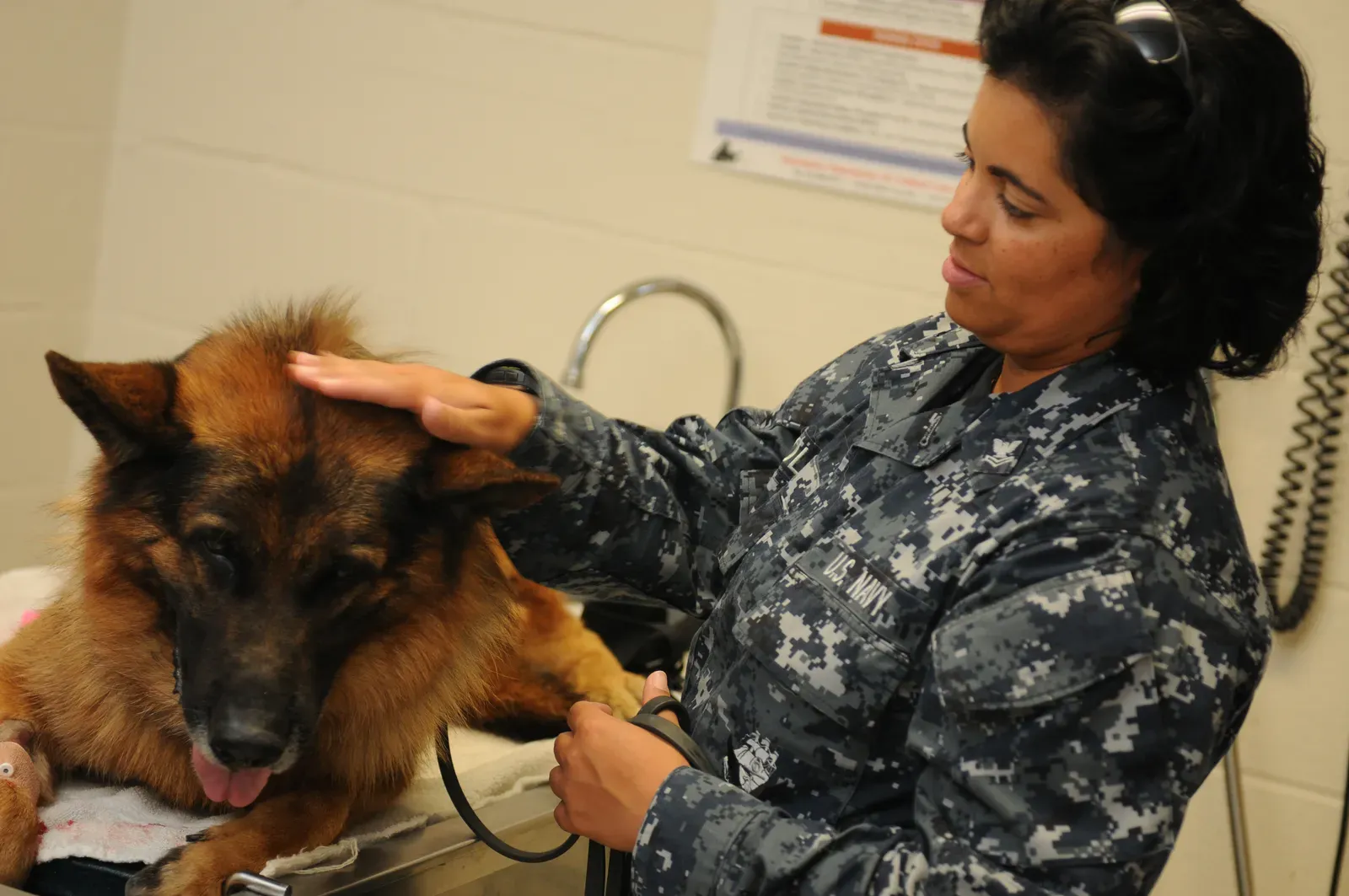
When a dog has their ears turned to the side, head lowered, avoids eye contact, and has their tail lowered or tucked between their legs, they are conveying a message of fear, anxiety, and potentially stress. How you respond in these moments shapes how secure your dog feels with you.
Your dog’s brain does not understand the difference between real and perceived threats and reacts in the same way, so supporting your dog during a stressful situation is important to fulfill your dog’s need for closeness and safety and promotes a healthy attachment. Remain calm and reassuring. Your energy directly influences theirs.
Never punish fear. Instead, be the steady presence they can lean on. Like people, dogs respond to compassion, and patience and gentle words, especially during training, help your dog feel safe and cared for. That calm support during scary moments teaches them you’re their protector.
12. Celebrating Their Presence
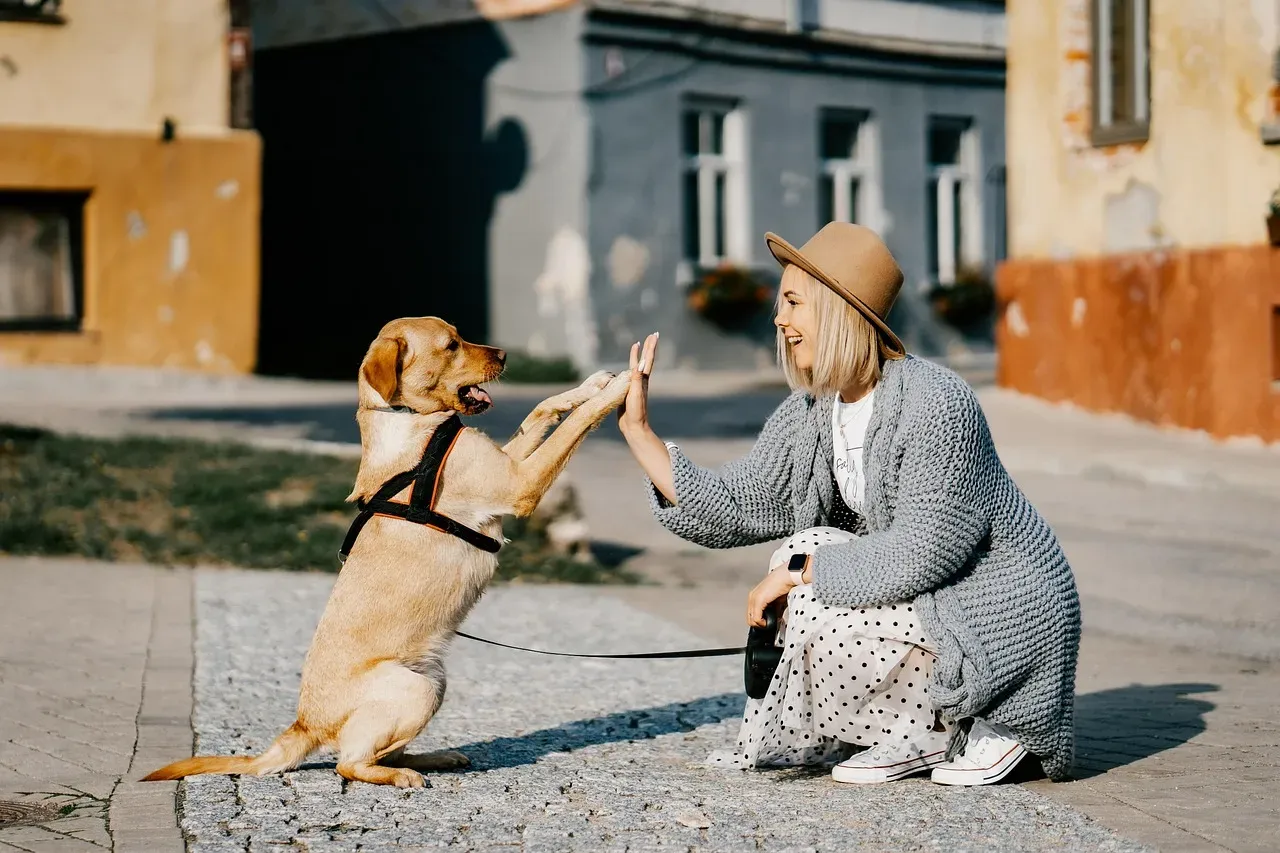
An enthusiastic greeting when you return home is more than just excitement; it’s a genuine expression of love and relief at your return, as dogs that jump, wiggle, and vocalize upon your arrival are showing how much they’ve missed you. Don’t downplay these reunions. They’re important.
Your dog’s excitement when you walk through the door isn’t neediness. It’s pure, unfiltered joy. Match that energy. Greet them with enthusiasm. Make them feel like their presence lights up your world, because honestly, doesn’t it?
Unlike human relationships, dogs offer nonjudgmental companionship, creating a safe space for emotional vulnerability, and dogs provide consistent companionship which fosters a sense of stability and predictability that is soothing. Celebrate the gift of having them in your life every single day.
Conclusion
Building a secure, loving relationship with your dog doesn’t require perfection. It requires presence, consistency, and genuine care. These twelve small acts, woven into your daily routine, create an emotional tapestry that tells your dog they’re cherished beyond measure.
The bond between you and your dog is built on trust, communication, and love, and by understanding their language, training with kindness, and showing up every day as their advocate and friend, you’ll create a connection that lasts a lifetime. Every moment you invest in understanding and responding to your dog’s needs strengthens that unbreakable bond.
So what small act will you focus on today? Maybe it’s an extra few minutes of belly rubs or being more present during your evening walk. Whatever it is, your dog will notice. What do you think matters most to your pup? Share your thoughts in the comments.


