
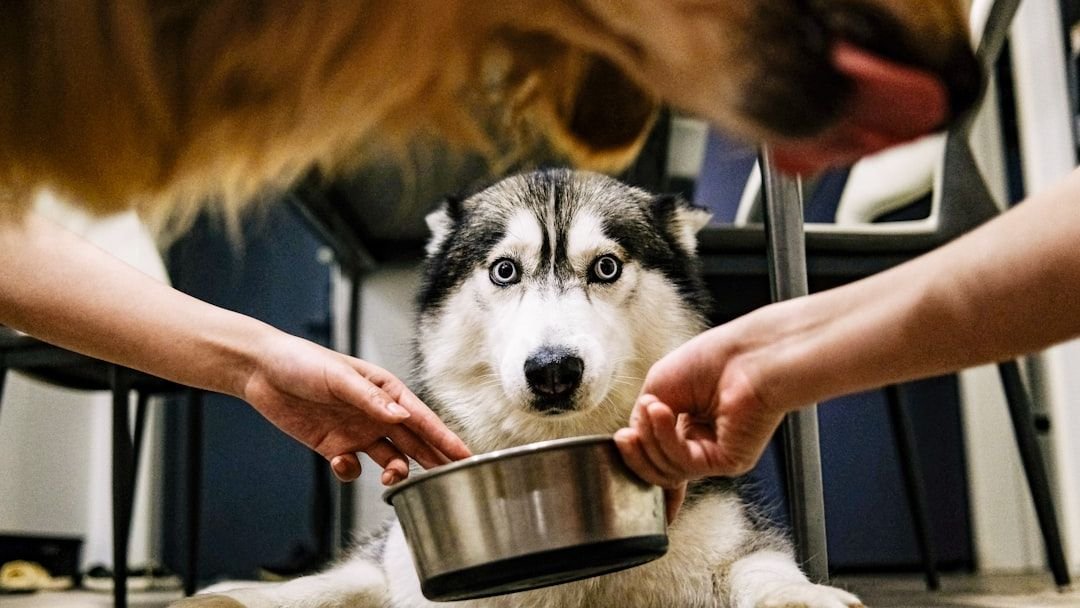
You know your dog better than anyone. You’ve memorized their favorite napping spots, the way they tilt their head when they’re curious, and the exact sound of their paws on the kitchen floor when dinner time approaches. So when something feels off, when your usually joyful companion starts acting differently, you notice immediately.
Maybe they’re pacing more than usual. Perhaps they’ve started destroying things they’ve never touched before. Or they’re glued to your side like Velcro, even when you’re just going to the bathroom. These aren’t random quirks or signs that your dog is being difficult. They’re trying to tell you something important. Anxiety in dogs is more common than most people realize, and understanding what’s behind those worried eyes can make all the difference in helping your best friend feel safe again.
Let’s explore the real reasons your dog might be struggling with anxiety.
They’re Left Alone Too Often

Separation anxiety happens when dogs become upset because of separation from their guardians, the people they’re attached to. Your dog doesn’t understand that you’re just going to work or running errands. In their world, you might never come back.
Studies show that somewhere between 14 and 20 percent of dogs experience separation anxiety. That’s roughly one in five dogs. If you’ve noticed your furniture torn apart, accidents in the house despite being housetrained, or your neighbors complaining about howling, these are classic signs. Dogs with separation anxiety might urinate, defecate, bark, howl, chew, dig or try to escape when left alone.
Loss of an important person or group of people in a dog’s life can lead to separation anxiety, which explains why far more dogs adopted from shelters have this problem than those kept by a single family since puppyhood. Even changes in your schedule can trigger it. If you’ve recently started a new job or your routine shifted dramatically, your dog feels that disruption deeply.
Their World Has Been Turned Upside Down

Most dogs find comfort in routine, and changes during the moving process can cause stress for some. Think about it from their perspective. Everything they know suddenly smells different, looks different, sounds different.
Moving to a new home, meeting a new roommate (whether they have two legs or four), grieving the loss of a loved one, and adjusting to a new daily schedule can all be stressful for your canine partner. Even positive changes, like bringing home a new baby or getting another pet, can shake your dog’s sense of security. They don’t understand why their comfortable, predictable world has vanished.
It can take weeks or even months for the cortisol levels of a dog who has been living with chronic stress to reduce to normal levels. During this adjustment period, your dog might seem withdrawn, more clingy than usual, or even aggressive. They’re not being difficult. They’re genuinely scared and confused, trying to make sense of a world that no longer follows the rules they understood.
Loud Noises Are Genuinely Terrifying to Them

Your dog can hear sounds roughly four times further away than you can, and they detect more than twice as many frequencies as humans do. When fireworks explode or thunder crashes, it’s not just loud to them. It’s overwhelming, unpredictable, and genuinely frightening.
Thunder, fireworks, and loud vehicles are among the most common noise phobia triggers, and dogs’ sensitivity to the changes in barometric pressure can trigger fearful reactions to thunder long before humans even hear it. Studies indicate that between a quarter and half of the pet dog population are affected by noise fears, with fireworks being the most common trigger, followed by thunder and gunshots.
Some dogs tremble and hide. Others try to escape, sometimes hurting themselves in the process. A dog experiencing a phobia episode is panicking, so they’ll pace, pant, tremble and hypersalivate, with frightened dogs cowering with ears flat against their skulls, eyes wide, muscles tensed and tails tucked. This isn’t something they can just “get over” without help.
They’ve Experienced Something Traumatic
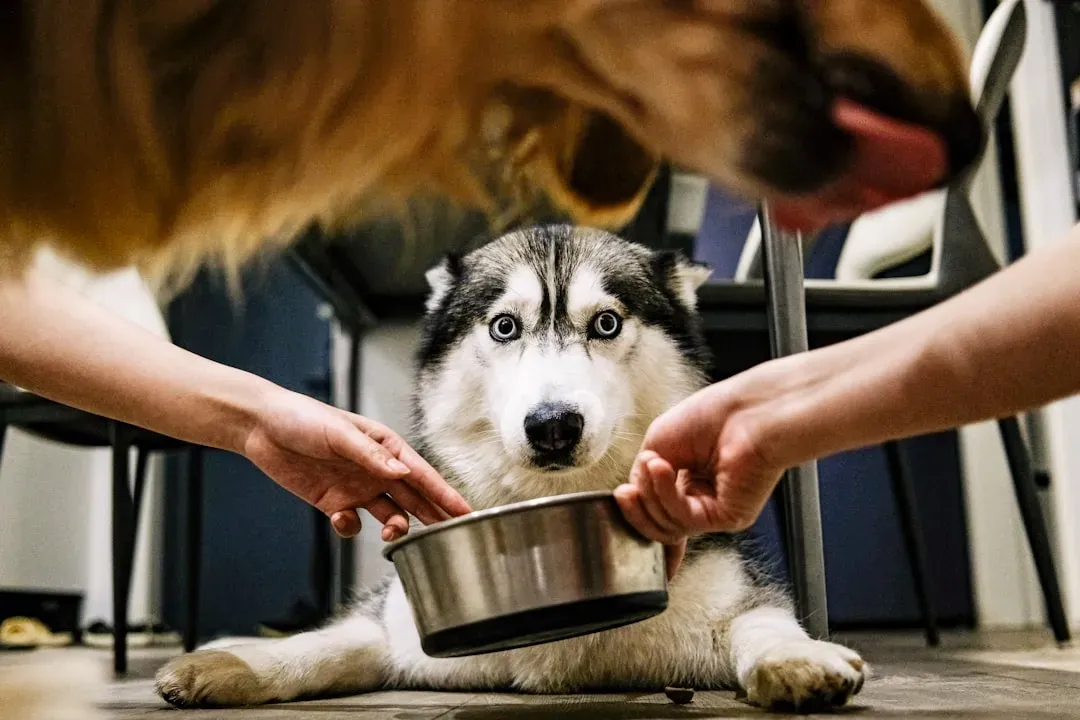
Not all dogs come from happy beginnings. Dogs who have suffered abuse or been abandoned express this trauma in many ways, including separation anxiety, excessive barking, fear of noises, fear of people or other animals, growling or nipping, obsessive or destructive behavior, and aggressive responses when out on walks.
Shelter dogs have, as a minimum, lost their previous caregiver, and in many cases experienced multiple other sources of trauma. Even if you don’t know your rescue dog’s full history, their behavior tells the story. A dog who cowers when you raise your hand to pet them has learned that raised hands mean pain. One who guards their food bowl desperately probably experienced real hunger at some point.
The heartbreaking truth is that dogs may be reacting to triggered memories for which they have a negative association. Something as innocent as a specific sound, smell, or gesture can transport them back to a frightening moment. Healing from trauma takes time, patience, and often professional help. These dogs aren’t broken though. They just need someone who understands their story and gives them space to write a better ending.
They Missed Out on Early Socialization

Puppies and dogs encounter new and exciting challenges around every corner: unfamiliar people, new animals, new places, and changes to their routine, and it is normal for a pup to experience some fear and anxiety when exposed to new things, as this is a natural response for survival. The difference between healthy caution and crippling anxiety often comes down to what happened during those crucial early weeks.
Fear might first be noticed early, while puppies are in their sensitive period for socialization, which runs from 3 to 14 weeks of age. Dogs that were not properly socialized are much more likely to show signs of anxiety or aggression as they grow older. If a puppy doesn’t meet various people, experience different environments, and encounter other dogs during this critical window, the world becomes a much scarier place.
This explains why some adult dogs panic at the sight of strangers or freeze on a busy street. They’re not being stubborn or antisocial. These experiences are genuinely overwhelming because they never learned that new things can be safe and even enjoyable. The good news? With patience and gradual exposure, many undersocialized dogs can still learn to navigate the world more confidently, even if they missed that early window.
An Underlying Health Issue Is Making Them Uncomfortable

Sometimes what looks like anxiety is actually pain or illness manifesting as behavioral change. Dog anxiety can be caused by medical conditions including pain and underlying disease. Your dog can’t tell you when something hurts or when they’re feeling unwell, so they communicate through their behavior instead.
Age-related anxiety affects older dogs and can be associated with cognitive dysfunction syndrome (CDS), where memory, learning, perception, and awareness start to decline, similar to the early stages of Alzheimer’s disease in humans, which understandably leads to confusion and anxiety in senior dogs. A dog who suddenly becomes clingy or restless might be experiencing the disorienting effects of cognitive decline.
Any illness, pain or itching may lower a dog’s threshold for anxiety and fearfulness. Think about how you feel when you’re sick or in pain. You’re more irritable, less patient, more easily overwhelmed. Dogs experience the same thing. That’s why it’s crucial to rule out medical causes before assuming the problem is purely behavioral. Sometimes relieving physical discomfort resolves the anxiety entirely.
They’re Just Naturally More Sensitive

Here’s something many dog owners don’t realize: just like people, some dogs are simply wired to be more anxious than others. Some dogs seem more sensitive and susceptible to developing a fear of noises, and this susceptibility may indicate a genetic predisposition toward the problem.
Around 20 to 25 percent of dogs show fearfulness of new people, dogs, and situations. This isn’t a failing on your part as an owner, and it’s not your dog being difficult. It’s their temperament, influenced by genetics and early life experiences. Genetics can contribute to anxiety, and new evidence suggests that behavior consistent with trauma may be inherited through DNA, meaning any animal is the sum total of its breeding and upbringing.
Certain breeds are more prone to anxiety, and individual personalities vary widely even within the same litter. Your dog might simply be the sensitive soul of the group, the one who feels everything more intensely. That doesn’t mean they can’t live a happy, fulfilling life. It just means they might need extra support, understanding, and sometimes professional intervention to help them navigate a world that feels overwhelming to them.
Finding Your Way Forward Together
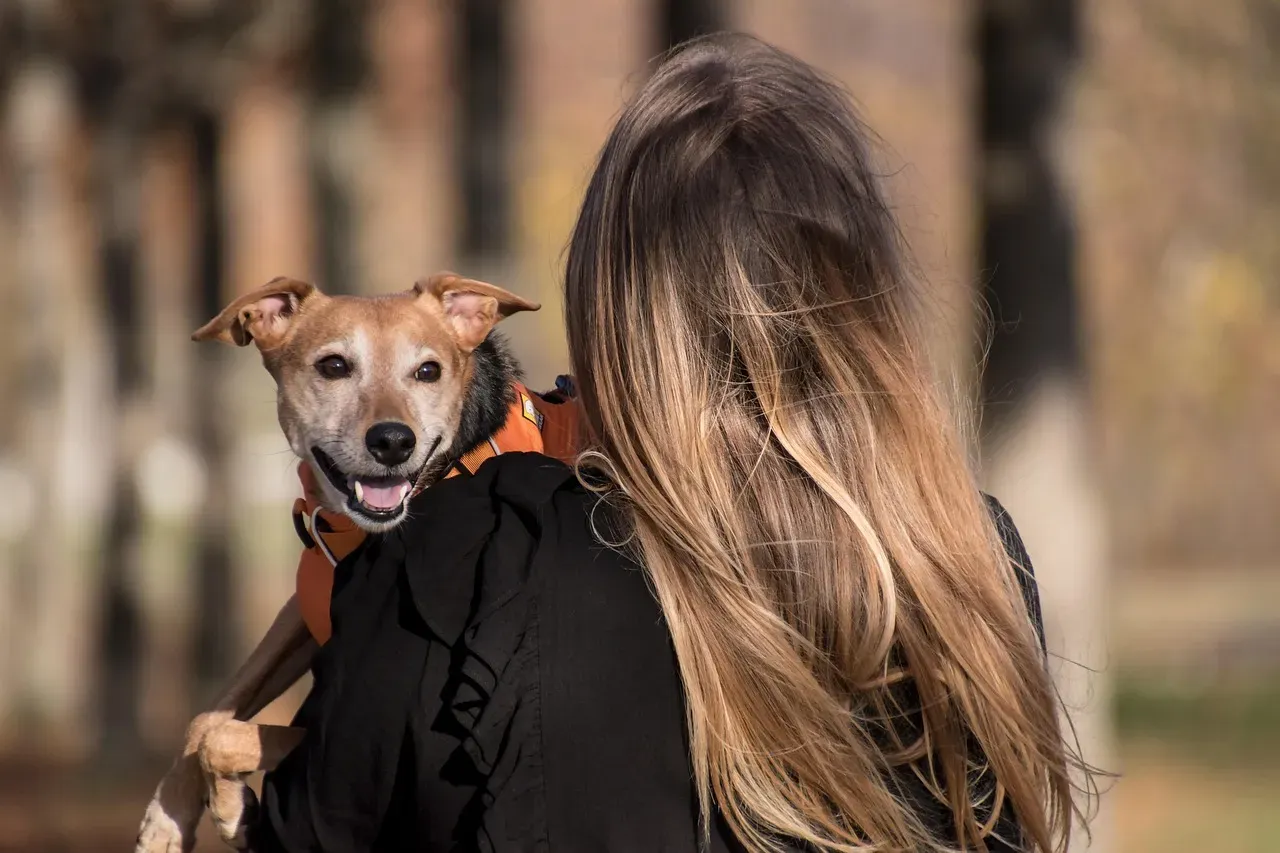
Watching your dog struggle with anxiety is heartbreaking. You want nothing more than to help them feel safe and happy, but sometimes it feels like nothing works or you don’t know where to start.
The truth is, anxiety in dogs rarely resolves on its own. The best first step is to work with your vet to determine the most likely cause of your dog’s anxiety. From there, treatment might involve behavior modification training, environmental changes, anti-anxiety medication, or a combination of approaches tailored to your dog’s specific needs.
Remember that progress isn’t always linear. There will be good days and setbacks. Your dog might make tremendous strides one week and seem to regress the next. That’s normal. What matters is that you’re showing up for them, learning their language, and giving them the time and space they need to heal.
Around 73 percent of dogs have at least one anxiety-related behavior, but the good news is there are things you can do to ease your dog’s jitters. You’re not alone in this journey, and your dog is incredibly lucky to have someone who cares enough to understand what they’re going through. Have you noticed any of these anxiety triggers in your own dog? The first step to helping them is simply recognizing that what they’re feeling is real, valid, and treatable.


