
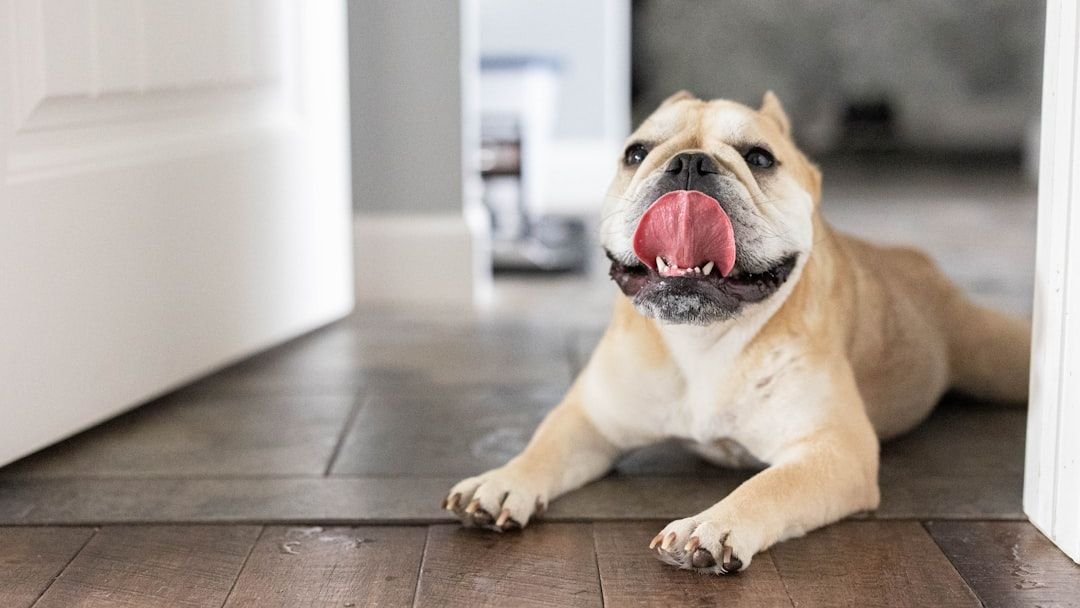
You know that sound, don’t you? The rhythmic slurping that echoes through the living room just when you’ve settled in for the evening. Maybe your dog licks their paws while you watch TV, or perhaps they’re obsessively working over a spot on their leg until the fur starts thinning. At first, you might brush it off as normal grooming, something dogs just do.
Here’s the thing though. While some licking is perfectly natural, there’s a tipping point where it crosses into territory that should grab your attention. The difference between casual grooming and a cry for help isn’t always obvious. Your dog can’t tell you their paws itch unbearably or that they’re trying to soothe a nagging ache deep in their joints. Instead, they lick, and lick, and lick some more. Let’s get into what might be driving this behavior and, more importantly, what you should be watching for.
When Normal Grooming Crosses the Line
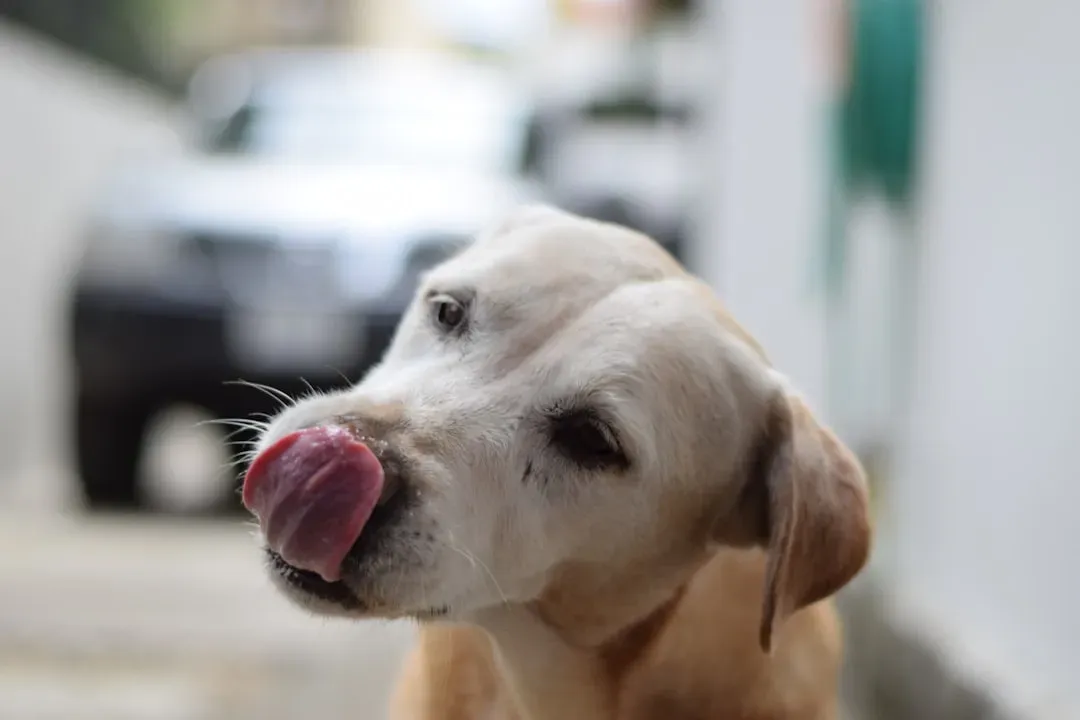
Dogs have licked since they were tiny puppies, relying on their mother’s tongue for nourishment and comfort, establishing licking as a soothing activity from their earliest days. It’s how they explore their world, how they keep themselves clean, and honestly, it’s just part of being a dog.
Excessive licking occurs when a dog experiences negative effects from constant licking, including hair loss or bald patches, red areas on the skin, pimple-like lesions, or dandruff. You might notice your dog can’t settle down for a nap without first spending what feels like forever grooming one particular spot. If your dog is unable to sleep or frequently wakes because of the urge to lick or chew, that’s a red flag. The skin underneath may look angry and inflamed, or you might see patches where the fur has disappeared entirely. This isn’t grooming anymore. This is something else entirely.
The Allergy Connection You Can’t Ignore

Skin allergies are one of the most common reasons behind excessive licking in dogs, and this behavior can indicate allergies, skin infections, parasites, or even pain. Think about it like this: if you had an itch you couldn’t scratch properly, you’d probably rub at it constantly, right? That’s what your dog is doing.
Environmental allergens like pollen, mold, or dust can cause skin irritation, while food allergies may lead to itchy skin and gastrointestinal discomfort, prompting dogs to lick to soothe the irritation. Dogs with allergies to molds and pollens routinely lick their paws after a stroll in the grass, particularly in the spring and summer. You might see them going to town on their paws the moment they come inside from a walk. Their ears might be red too, or their belly could look pink and irritated. Food allergies are trickier because they don’t always follow a seasonal pattern. Your vet may suggest an elimination diet to figure out what’s triggering the reaction.
Pain and Discomfort Hiding Beneath the Surface
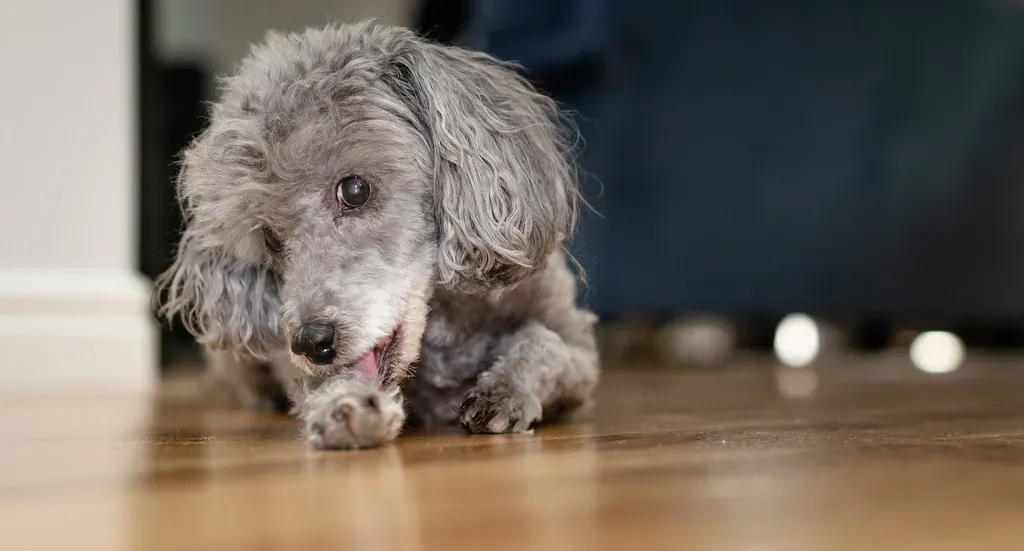
Excessive licking can be a sign of pain in dogs, as they lick painful areas to relieve some of the pain, similar to how humans rub painful areas. It’s heartbreaking, but it’s true. Your dog might be nursing an injury you can’t see, or dealing with arthritis that makes their joints ache.
A dog may lick excessively to soothe or relieve pain in a specific area, responding to injuries like cuts, burns, or sprains, or arthritis common in older dogs causing joint pain and stiffness. Maybe they stepped on something sharp during your last hike, or perhaps age is catching up with them and their hips are starting to protest. Dental problems like toothaches, gum disease, or foreign objects lodged in the mouth can cause a dog to lick frequently to relieve pain or irritation. Check their mouth if you can. Bad breath, reluctance to eat hard kibble, or visible redness along the gumline are all worth mentioning to your vet.
Anxiety and Stress Taking a Toll
Let’s be real. Dogs get anxious just like we do. Dogs can develop excessive licking as a coping mechanism for stress or anxiety, triggered by separation anxiety, loud noises, or changes in their environment. Maybe you’ve recently moved, brought home a new baby, or started working longer hours. These shifts might seem minor to you, but to your dog, they can feel seismic.
Excessive licking often appears when dogs feel anxious, with triggers like separation, loud noises, or changes in routine leading them to lick excessively as a coping method that can turn into a repetitive behavior difficult to break. Licking creates a calming effect by releasing endorphins, making dogs feel safe in uncertain situations. You might notice it most during thunderstorms, when fireworks go off, or in the quiet moments before you leave for work. Paw licking associated with anxiety is typically seen at night when the family is unwinding for the day, with nervous dogs licking their paws while you watch TV or read in bed.
Digestive Troubles You Wouldn’t Expect
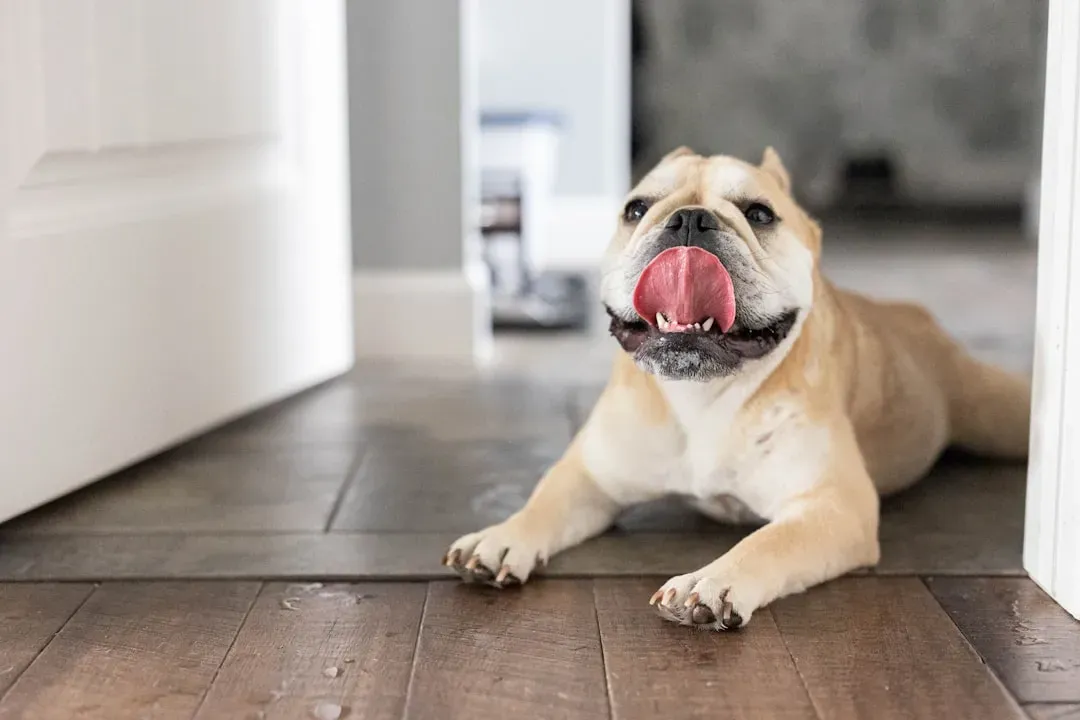
This one surprised me when I first learned about it, honestly. Excessive licking behavior in dogs has been attributed to anxiety and stress release for many years, but recent research has suggested that gastrointestinal issues may actually be a major factor. Nausea, acid reflux, or other digestive discomfort can prompt dogs to lick excessively as they might be trying to soothe their upset stomach or alleviate a feeling of unease.
If your dog is licking the floor, the couch, or even the air, that’s often a telltale sign of stomach troubles. While surface licking can be harmless, it may also signal a nutritional deficiency or digestive issue, and a balanced diet with regular checkups can ensure your dog isn’t licking out of a deeper health concern. They might also seem restless, refuse food, or have bouts of vomiting or diarrhea. These symptoms together paint a picture that your dog’s tummy isn’t happy, and the licking is their way of trying to cope with the discomfort.
What You Can Actually Do About It
So where does this leave you? First, don’t panic, but also don’t ignore it. If your dog suddenly starts licking excessively, it’s important to bring them to the vet for an examination, as the vet will be able to detect any underlying medical conditions. Keep a mental note of when the licking happens most, which body parts your dog targets, and any other changes in behavior or appetite.
Dogs that are bored or anxious may resort to excessive licking as a coping method, and offering ample opportunities for physical activity and cognitive engagement can alleviate their anxiousness. More walks, puzzle toys, training sessions, anything that keeps their brain and body busy can help. Epsom salt soaks of the feet for about five to ten minutes at least once a day can help wash off environmental allergens and contaminants while soothing the skin and helping the healing process. If allergies are the culprit, wiping down their paws after walks can make a real difference. Your vet might prescribe medication, recommend dietary changes, or suggest behavioral therapy depending on what’s going on.
Conclusion

Excessive licking isn’t just annoying background noise in your home. It’s often your dog’s way of telling you something isn’t right, whether that’s itchy allergies, hidden pain, emotional distress, or even an upset stomach. The key is paying attention to the patterns and not waiting until the skin is raw or infected to seek help.
Your dog depends on you to notice these signals and act on them. A quick trip to the vet can make all the difference between a minor issue and a chronic problem that affects their quality of life. What patterns have you noticed with your dog’s licking? Has it been seasonal, stress-related, or constant? Share your experiences in the comments.


