
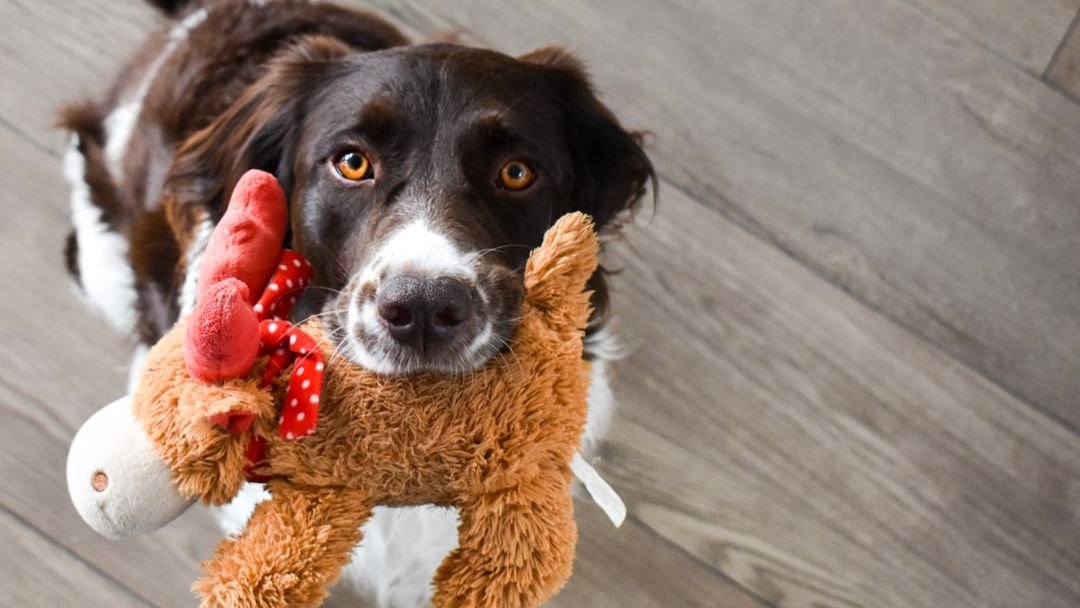
If you’ve ever watched your dog pace nervously during a thunderstorm or whine when you grab your keys, you know how heartbreaking anxiety can be. Dogs experience fear, stress, and unease just like we do, yet they don’t have the words to tell us what’s wrong. It’s estimated that around one in seven dogs struggles with separation anxiety, but loud noises, unfamiliar environments, and aging can also stir up worry in our four-legged friends.
I think one of the most beautiful aspects of caring for an anxious dog is realizing how something as simple as a soft, plush toy can bring them comfort. These cuddly companions aren’t just for puppies. They can become security blankets, distractions, and genuine sources of calm for dogs of all ages. So let’s dive in and explore exactly why plushies have earned their place as one of the most effective tools for easing canine anxiety.
They Mimic The Comfort Of A Companion
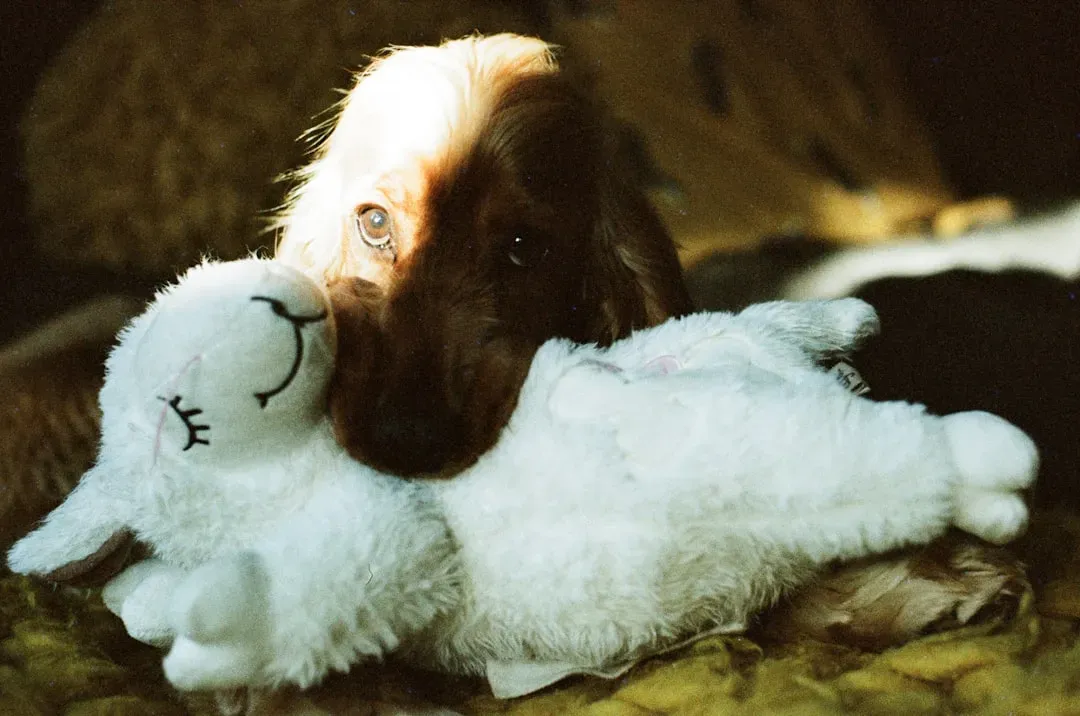
Plush toys provide comfort by mimicking the presence of another being. Think about it. When puppies snuggle against their mother or littermates, they feel warmth, softness, and the reassurance that they’re not alone. That sensation is powerful, and plush toys tap into that same deep-rooted instinct.
Plush dog toys serve as a vital source of emotional support for dogs dealing with anxiety, and the soft texture and familiar scent of these toys provide a sense of comfort and security. Some toys even go a step further. Advanced plush toys include built-in heartbeats or warming elements to further soothe anxious pups.
These features aren’t gimmicks. Dogs are sensitive to sound and studies have shown that they’re particularly drawn to the sound of their own heartbeat. When a plushie recreates that rhythmic pulse, it can genuinely help an anxious dog feel less alone, especially during those tough moments when you’re not around.
The Science Behind Soft Textures And Stress Relief
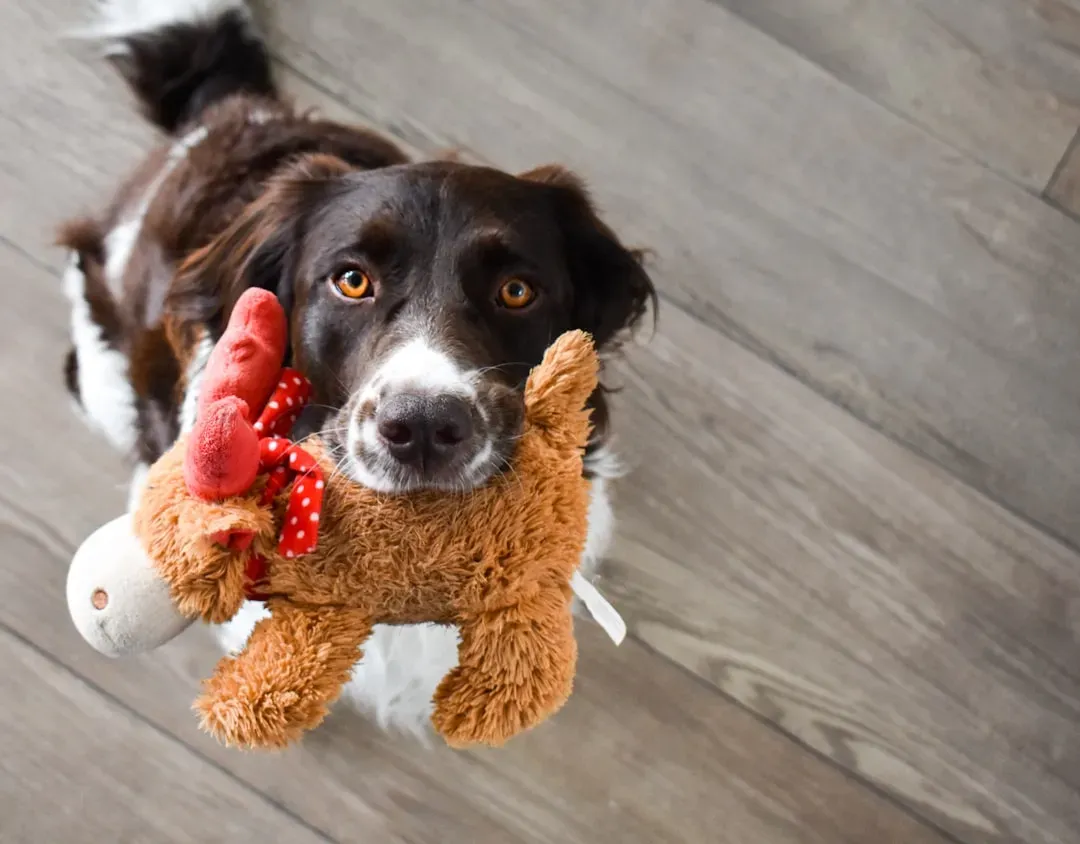
Let’s be real, there’s actual science behind why your dog might drag that raggedy stuffed lamb everywhere. The act of chewing on plush toys can have a calming effect on dogs, similar to the way stress balls help humans manage anxiety, and the repetitive chewing motion can release endorphins. Those natural mood lifters make a genuine difference when stress levels climb.
There’s evidence that the simple act of chewing can decrease stress levels, helping your dog feel better. It’s not just about distraction. Your dog’s body literally produces chemicals that ease tension when they gently mouth or nuzzle a soft toy.
The texture matters too. A plush surface is forgiving, easy on the gums, and satisfies that instinct to grip something comforting. Some dogs prefer softer textures when they’re feeling vulnerable, while others might gravitate toward toys with specific features like crinkly fabric or hidden squeakers that add sensory variety without overwhelming them.
They Offer Predictability And Routine
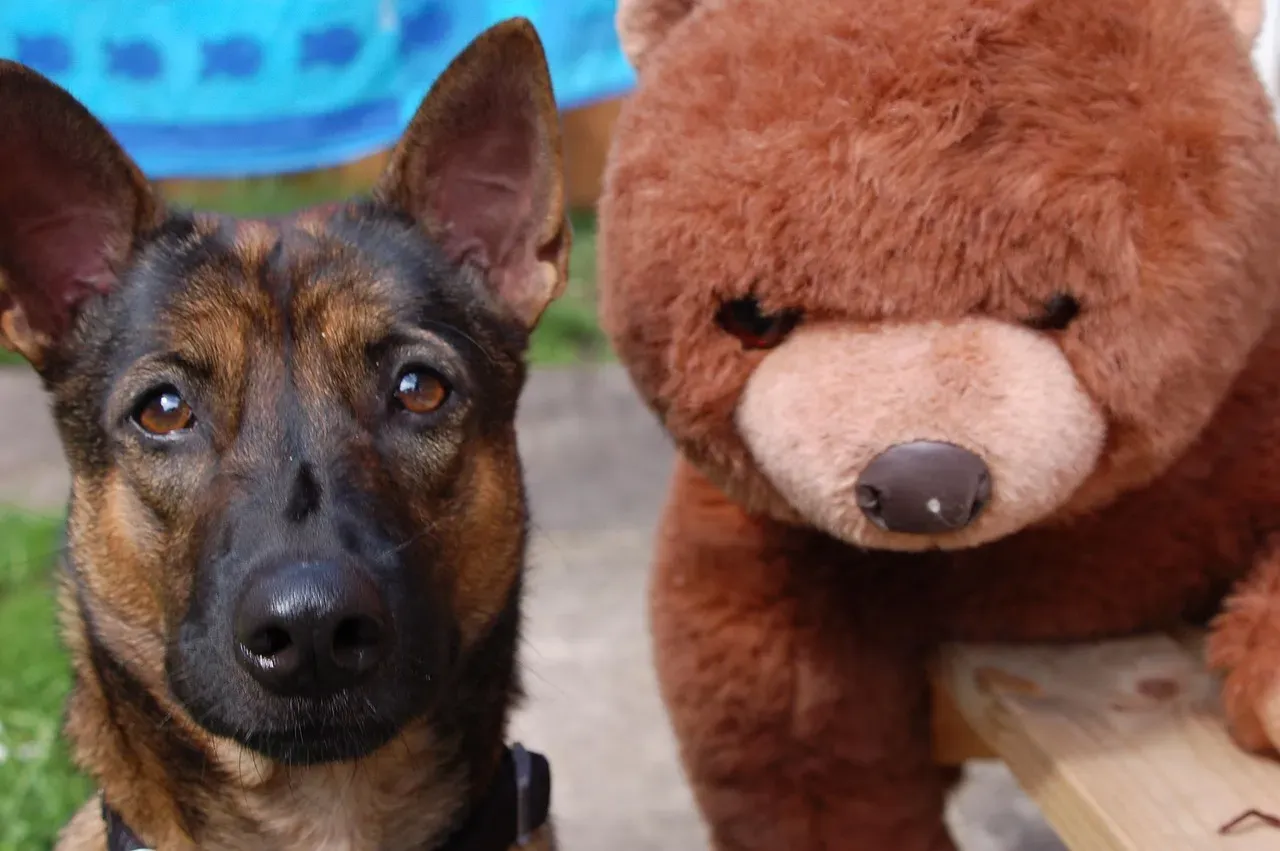
Predictability seems to help dogs know what happens when, and simple things like teaching your dog to sit before they get petted or asking them to offer a paw can give your dog a sense of control. Here’s where plushies really shine. When a dog associates a specific toy with calm moments, bedtime, or comfort during stressful situations, that toy becomes a reliable anchor.
Offering the plush toy during quiet times reinforces its calming effect, and your dog will naturally associate the toy with these calming times and think of that toy as a source of comfort. It’s like how a child’s favorite blanket works. The familiarity breeds security, and over time, just seeing or smelling that plushie can trigger relaxation responses.
Honestly, I’ve seen dogs carry their plush toys from room to room, never letting them out of sight. That’s not clinginess. It’s trust. The toy represents safety, and in a world full of unpredictable sounds, scents, and situations, that kind of consistency is priceless for an anxious mind.
Plushies Work For Different Types Of Anxiety
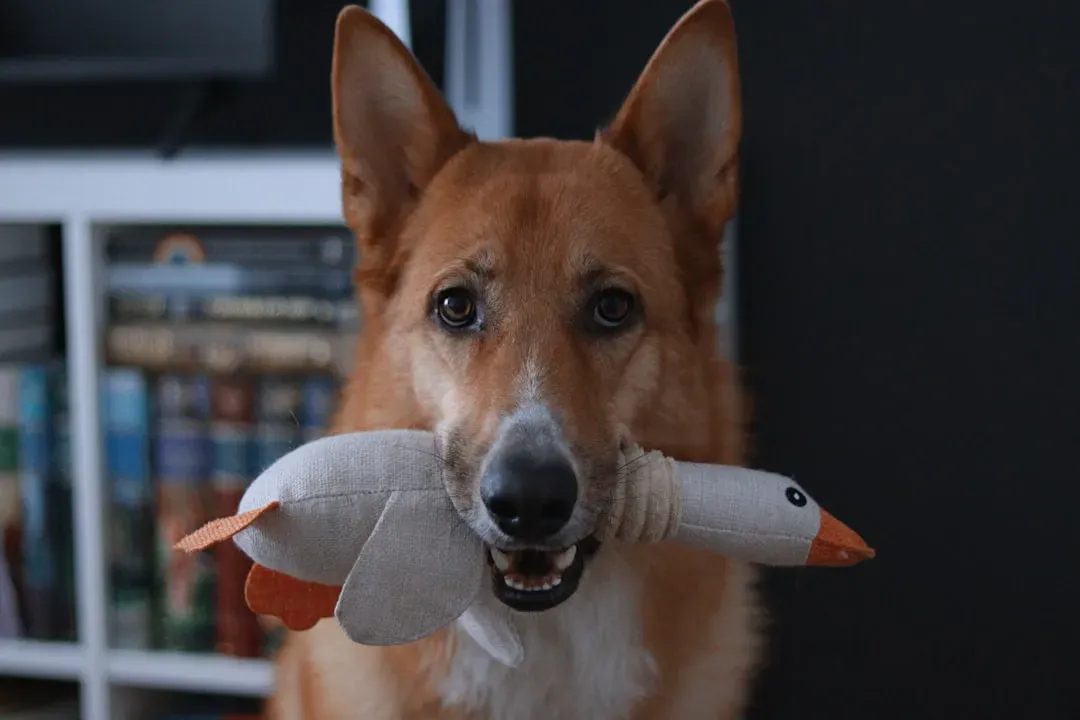
Anxiety isn’t one-size-fits-all, and neither are plush toys. Separation anxiety happens when your dog doesn’t feel confident and content when separated from family members, and it’s estimated that around one in seven dogs experience this. For these dogs, a plushie can serve as a stand-in companion while you’re away, offering something to snuggle when the house feels too quiet.
Heartbeat toys are advertised as aids for crate training, separation anxiety, and stressful situations like thunderstorms. They work because they address multiple triggers at once. The softness provides tactile comfort, the heartbeat offers auditory reassurance, and the weight of the toy can feel grounding.
Dogs experience anxiety from various triggers like aging, loud noises, and separation, and plush toys can provide comfort and relief. Whether your senior dog is struggling with cognitive changes or your rescue is adjusting to a new home, a well-chosen plush toy can become an invaluable tool in their emotional toolkit. Different dogs respond to different features, so it’s worth experimenting to find what clicks.
Choosing The Right Plushie For Your Anxious Dog
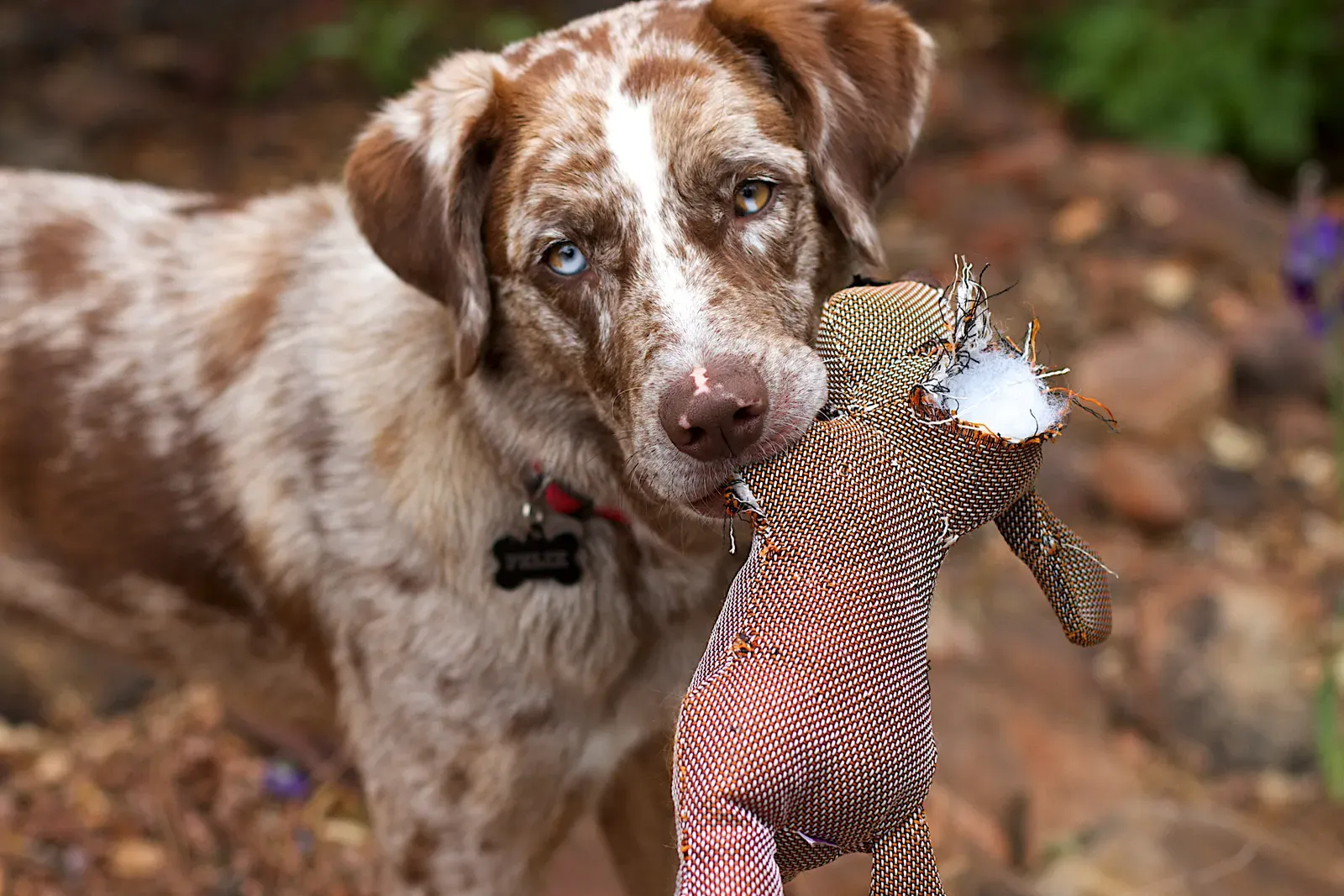
Not every plush toy will suit every dog, and that’s okay. Consider your pet’s preferences and behavior when selecting plush dog toys, as some anxious pets may prefer smaller, softer toys, while others may be drawn to toys with specific textures or features. Pay attention to how your dog interacts with different objects around the house. Do they prefer soft blankets or firmer cushions? That can give you clues.
The soothing properties of lavender have been scientifically proven to reduce anxiety and promote relaxation. Some plushies are infused with calming scents like lavender or chamomile, which can enhance the toy’s effectiveness. However, proceed carefully. Dogs have more sensitive noses than humans, and though essential oils may be soothing for humans, they can be overwhelming for dogs.
If your dog is a determined chewer, a heartbeat plush might not be the safest choice. While these toys can be soothing for some dogs, they could also cause more stress in others. In those cases, opt for more durable plush options or supervise playtime closely to prevent accidental ingestion of stuffing or electronic components.
Introducing A Plush Toy To Help With Anxiety
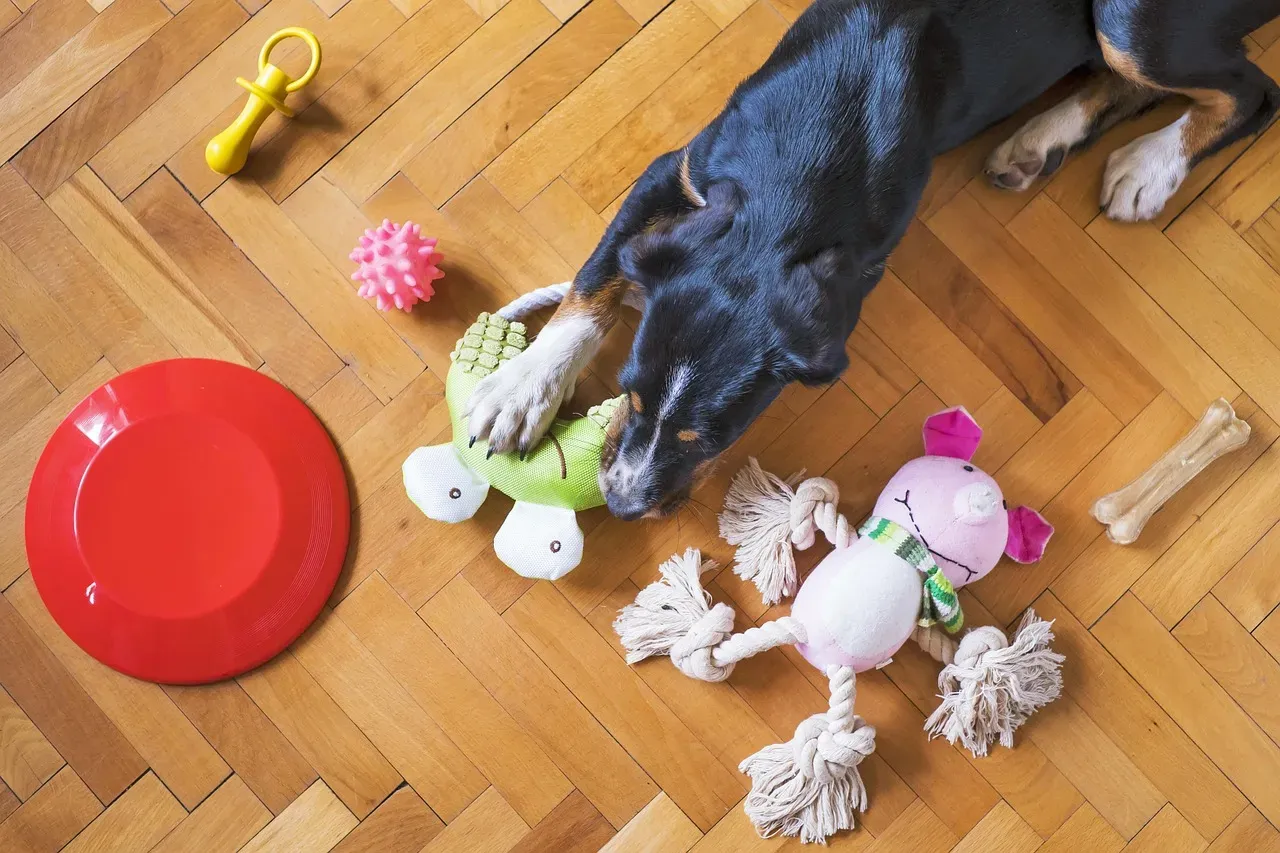
Here’s the thing. You can’t just toss a plushie at an anxious dog and expect magic. Introducing a new toy to a dog with separation anxiety requires patience and a thoughtful approach, and a gentle, positive introduction helps your dog form a strong emotional connection with the toy. Start by allowing your dog to investigate the toy without pressure. Let them sniff it, paw at it, and decide whether they’re interested.
Use treats or playtime to engage your dog with the toy and build enthusiasm, and when your dog plays with the toy carefully, give them praise and rewards to help them learn how to use the soft toy. Positive reinforcement is crucial. You’re teaching your dog that this toy equals good feelings, safety, and calm.
You can also add familiar scents, such as rubbing the toy with a blanket they use, to make it feel comforting, and pairing the toy with consistent pre-departure cues helps your dog understand that alone time is predictable and safe. Over time, that plushie becomes more than just a toy. It becomes a symbol of reassurance, a bridge between anxiety and peace. Did you expect that? What would your dog say if they could tell you how much their favorite plushie means to them?


