
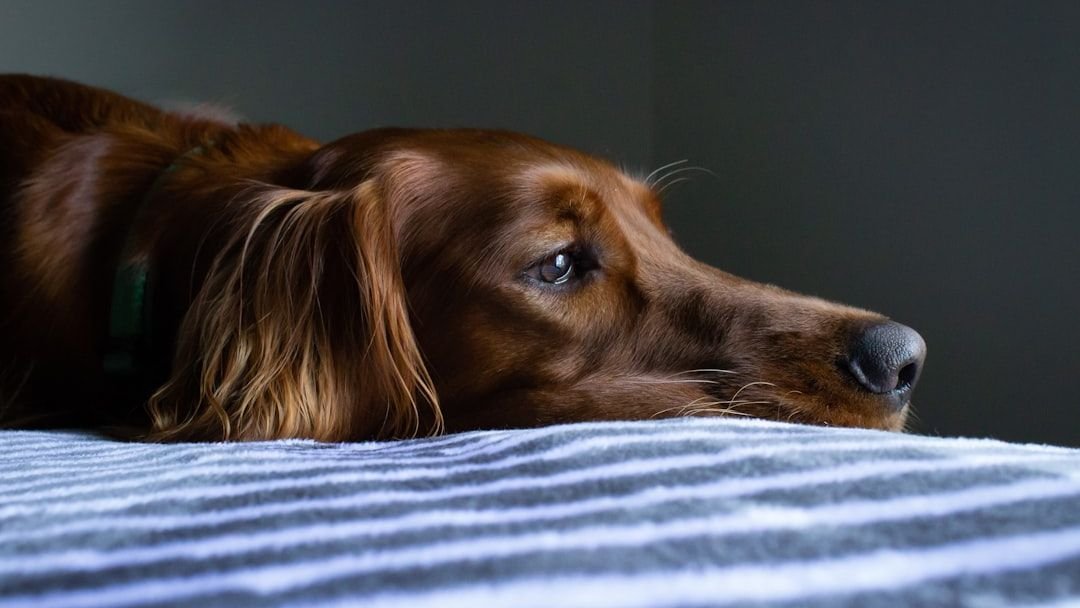
Have you ever come home to find your couch cushions shredded, or heard from a neighbor that your pup has been howling for hours? Maybe you’ve noticed your dog shadowing you everywhere, even to the bathroom. These aren’t just quirks or bad behavior. They might be telling you something much deeper about what your dog is feeling when you’re not around.
is when your dog exhibits extreme stress from the time you leave them alone until you return. It’s not simply missing you or being a little bored. Think of it more like a panic attack that sweeps over them the moment they realize you’re gone. The good news is that recognizing the signs early can make all the difference in helping your furry friend feel safe and calm, even when you’re away.
They Shadow You Constantly Around the House

Does your dog follow you from the kitchen to the living room, then wait outside the bathroom door? Most dogs with separation anxiety try to remain close to their owners, follow them from room to room and rarely spend time outdoors alone. This clingy behavior, sometimes called being a Velcro dog, can be endearing at first. Who doesn’t love feeling adored?
Yet when your dog can’t bear to be in a different room from you, it’s often a red flag. If you are preparing to leave, the dog might follow you from room to room. This constant shadowing signals that your pup doesn’t feel secure when you’re out of sight. They’re already anticipating the distress of being left alone, even while you’re still home.
Anxiety Ramps Up When You Prepare to Leave
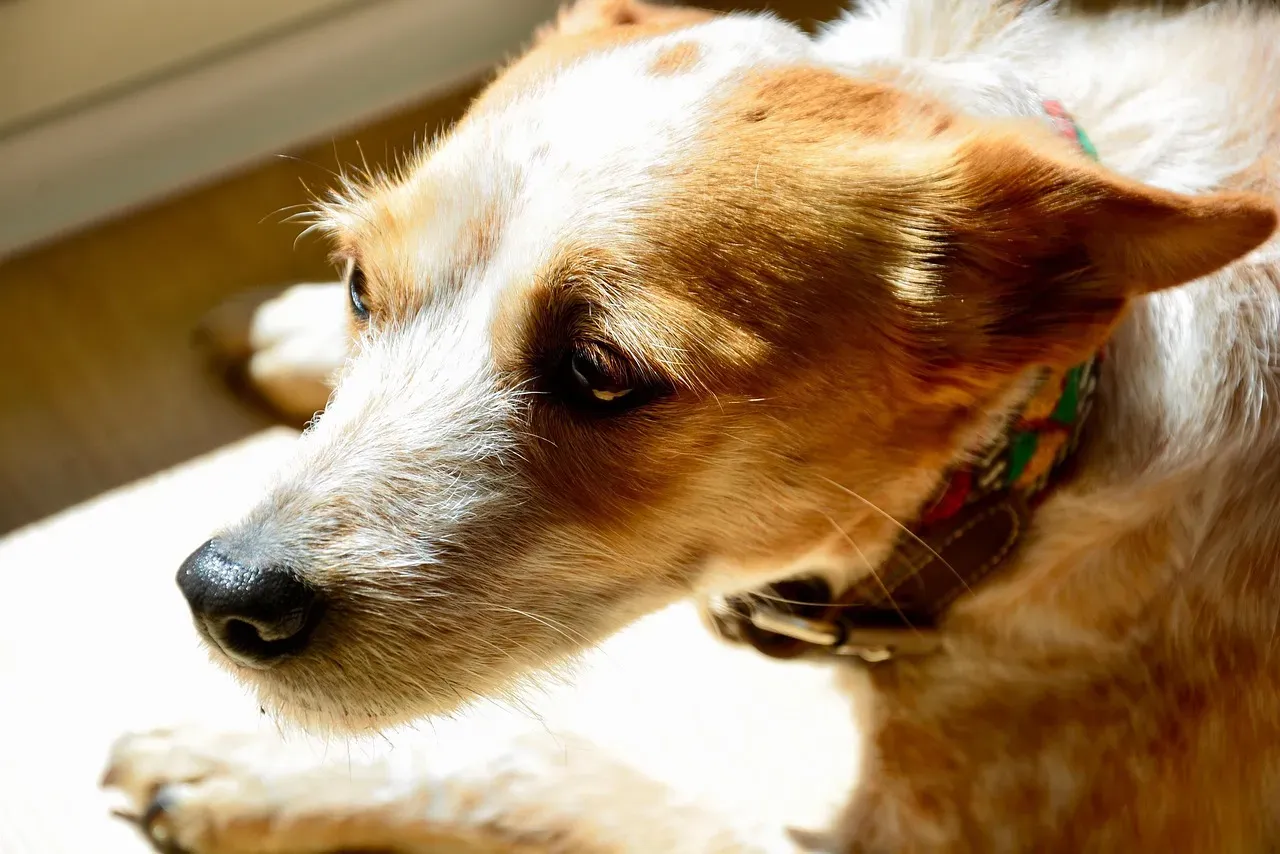
They often begin to display anxiety as soon as the owners prepare to leave. Picture this: you grab your keys, slip on your shoes, pick up your bag. Before you’ve even touched the door handle, your dog starts pacing or whimpering. A dog might start to pace, pant and whine when he notices his guardian applying makeup, putting on shoes and a coat, and then picking up a bag or car keys.
These departure cues become triggers. Your dog has learned to associate them with the scary experience of being left behind. Some dogs even pick up on subtle signals, like the time of day or which shoes you’re putting on. They’re not being dramatic. Their anxiety is building because they know what’s coming, and to them, it feels unbearable.
Excessive Barking, Howling, or Whining
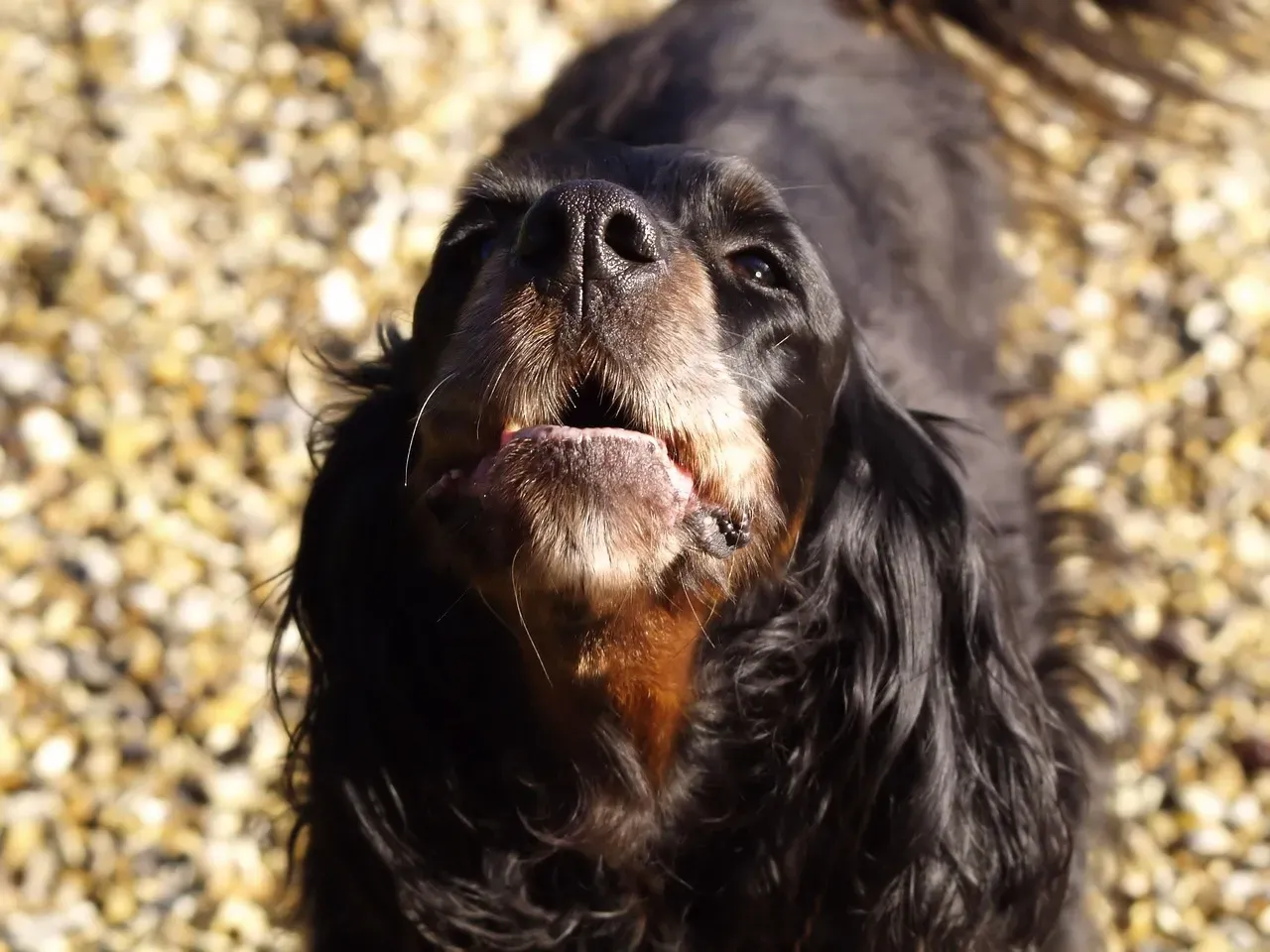
A dog who might bark or howl when left alone or when separated from his guardian. This kind of barking or howling is persistent and doesn’t seem to be triggered by anything except being left alone. It’s different from alert barking or the occasional whine. This vocalization is relentless, often starting shortly after you walk out the door.
Your neighbors might mention hearing your dog crying for what seems like hours. Vocal responses such as whining, howling, and barking could precede departure and/or begin following departure. This may persist for a longer period in comparison to other behavioural responses presented preceding departure of the owner. It’s heartbreaking to imagine, really. Your dog is calling out for you, hoping you’ll come back and make the fear go away.
Destructive Behavior Focused on Exit Points
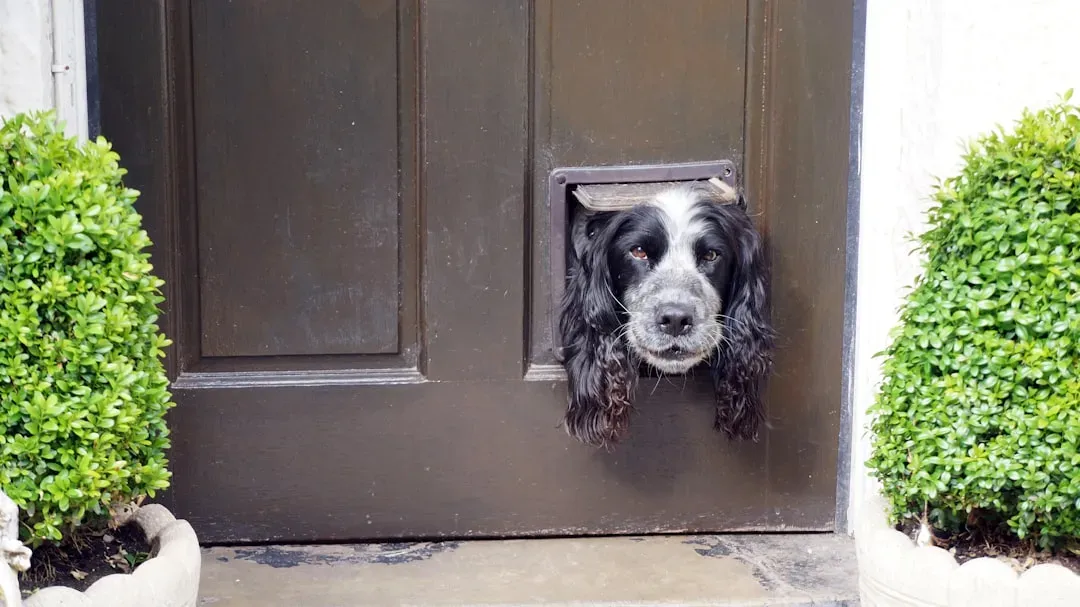
Chewing and scratching aren’t always signs of boredom or lack of training. Escape attempts by dogs with separation anxiety are often extreme and can result in self-injury and household destruction, especially around exit points like windows and doors. If your dog has clawed at the doorframe, gnawed on windowsills, or torn up the area near the front door, they’re likely trying to get to you.
During your absence, your dog might engage in destructive behavior, often directed at the exits (windows and doors) or clothing or other items that have your scent. This isn’t revenge for being left alone. It’s panic-driven desperation. They’re not thinking clearly; they’re simply trying to escape the overwhelming fear.
House Soiling Despite Being Fully Trained
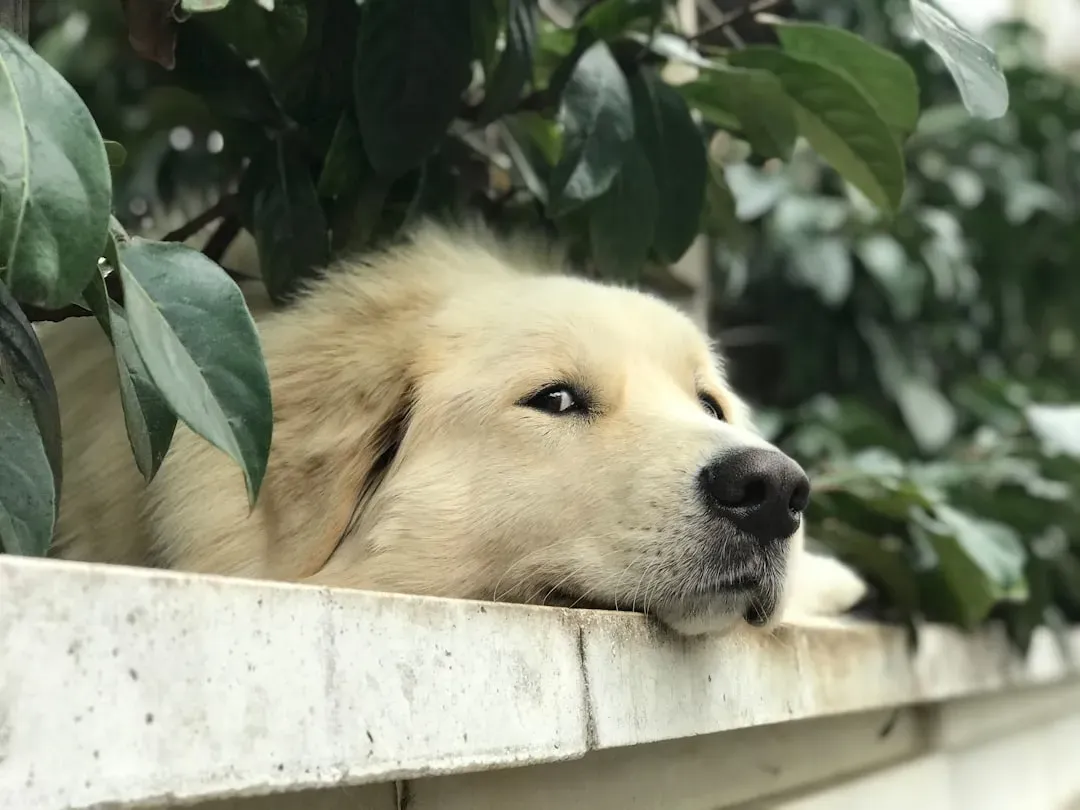
Some dogs urinate or defecate when left alone or separated from their guardians. If a dog urinates or defecates in the presence of his guardian, his house soiling probably isn’t caused by separation anxiety. This distinction is important. If your otherwise house-trained dog suddenly starts having accidents only when you’re gone, anxiety is likely the culprit.
An otherwise house-trained dog might eliminate inappropriately. These accidents aren’t about forgetting their training or being spiteful. The stress hormones flooding their body during a panic episode can lead to loss of bladder or bowel control. It’s a physiological response they simply can’t help.
Physical Signs of Distress Like Panting and Drooling
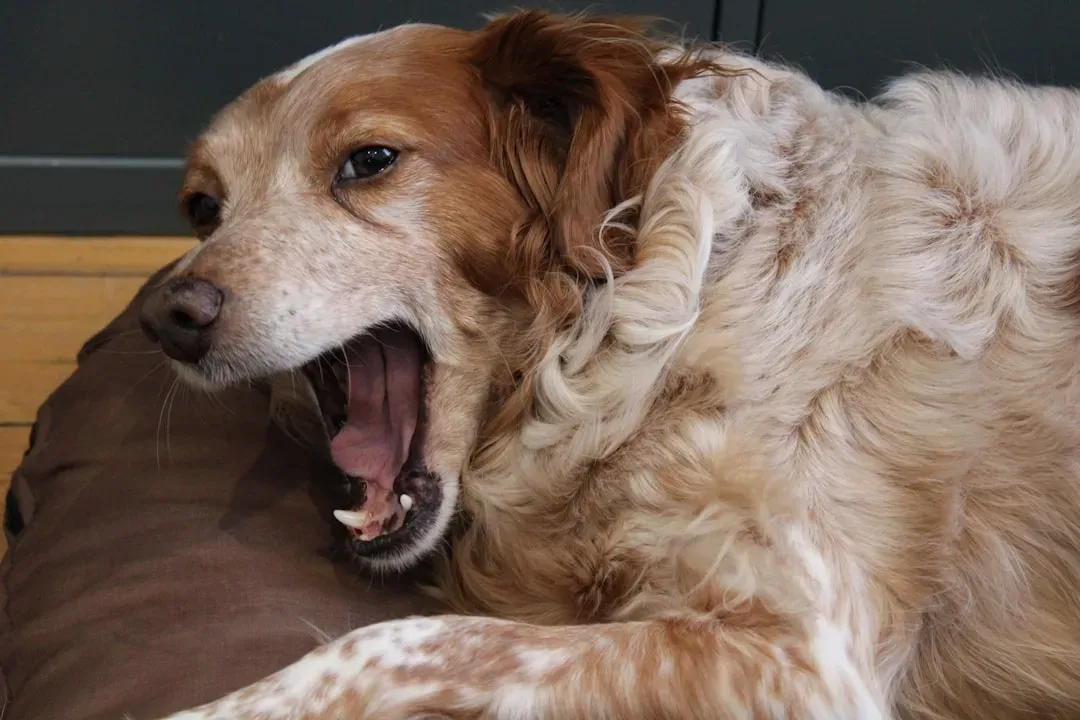
Even before you leave, you might notice physical symptoms. These signs might include dilated pupils, panting, yawning, salivating, trembling, pacing and exuberant greeting. Your dog’s body is reacting to fear the same way yours might before a big presentation or during a scary movie. Their heart races, their breathing quickens.
During departures or separations, in addition to vocalization, destruction and elimination, they may be restless, shake, shiver, salivate, refuse to eat, or become quiet and withdrawn. Excessive drooling is especially telling. Some dogs leave puddles of saliva, which shows just how intense their physical stress response truly is.
Over-the-Top Greetings When You Return
Dogs with separation anxiety are also often quite excited and aroused when the owner returns. Sure, most dogs are happy to see their people come home. That’s natural and sweet. Yet with separation anxiety, the greeting is often excessive, almost frantic. Your dog might jump, spin, bark excitedly, or even lose control of their bladder.
This isn’t just joy. It’s relief flooding through them after what felt like an eternity of terror. They’ve been waiting in a heightened state of panic, and your return is the only thing that makes them feel safe again. The intensity of their greeting mirrors the intensity of their distress while you were gone.
They Refuse to Eat or Become Withdrawn
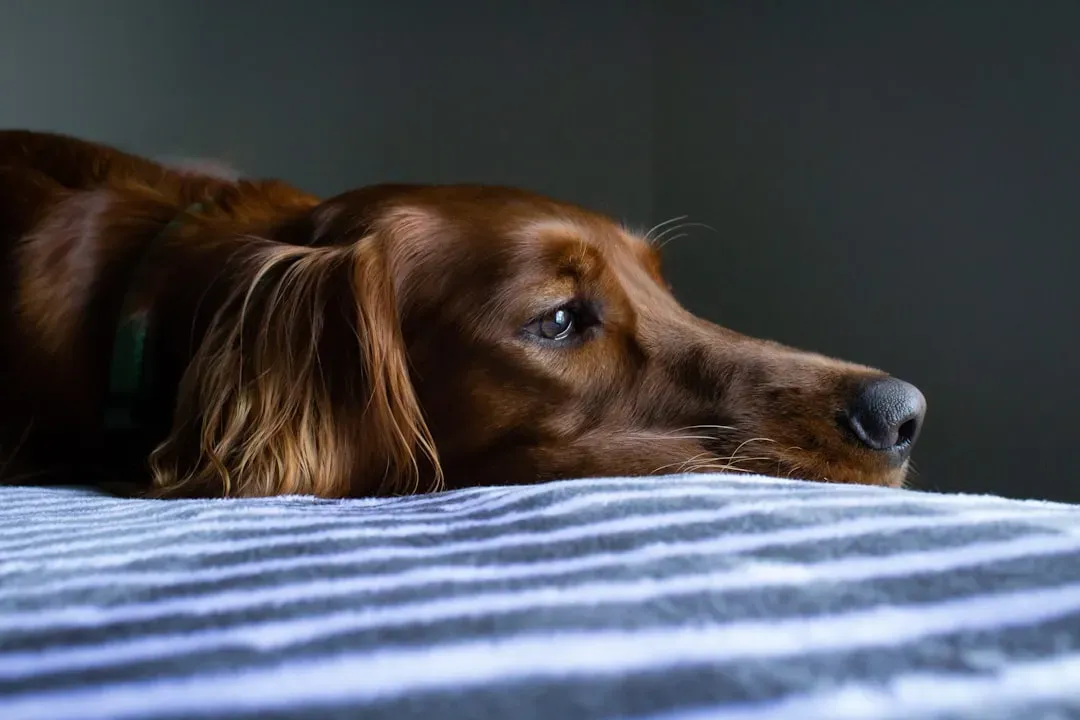
Not all dogs with separation anxiety act out. During departures or separations, in addition to vocalization, destruction and elimination, they may be restless, shake, shiver, salivate, refuse to eat, or become quiet and withdrawn. Some pups shut down emotionally. They might ignore the special treat you left them or refuse meals until you come home.
If your dog won’t touch food when you’re away, that’s a serious sign. Dogs are usually food-motivated creatures, so turning down a meal speaks volumes about their mental state. Withdrawal can be just as concerning as destructive behavior because the suffering is happening silently, making it easy to miss if you’re not paying close attention.
Conclusion
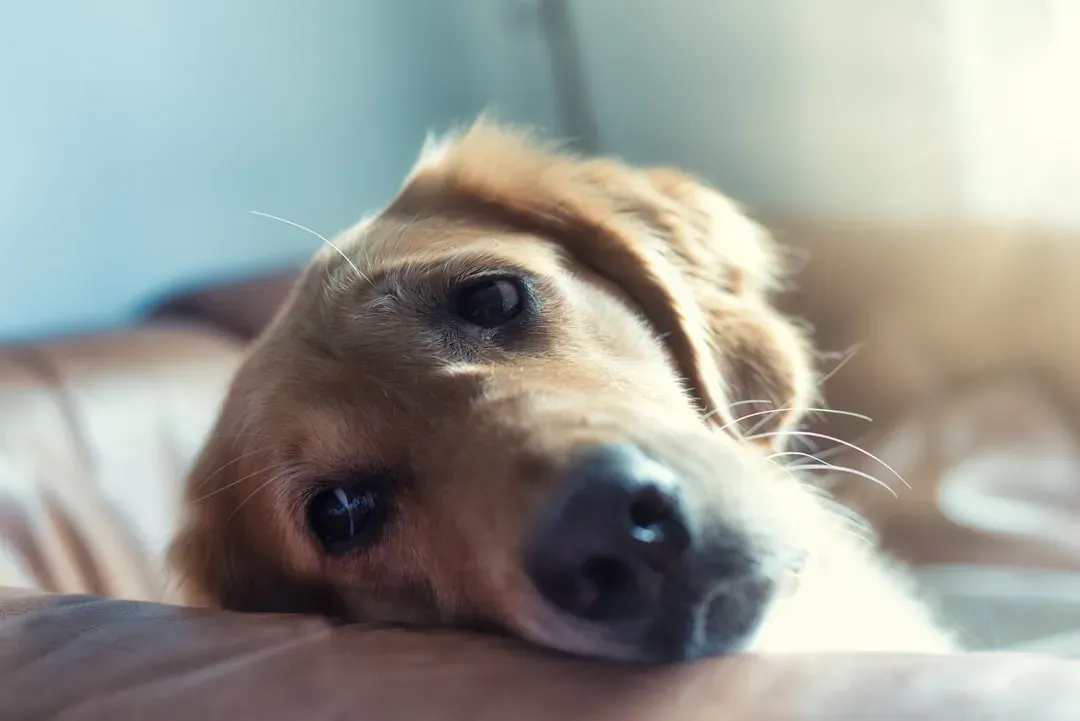
Separation anxiety is more than a behavioral issue. It’s a genuine emotional crisis for your dog, and it deserves compassion and understanding. Recognizing these eight signs is the first step toward helping your pup feel more secure when they’re alone. Whether it’s working with a certified trainer, consulting your vet about anti-anxiety medication, or gradually desensitizing them to your departures, there are real solutions that work.
Your dog isn’t trying to punish you or be difficult. They’re simply struggling with overwhelming fear. With patience, consistency, and the right support, most dogs can learn to tolerate and even feel comfortable during alone time. Have you noticed any of these signs in your own dog? What helped you both through it?


