
10 Fruits and Vegetables That Boost Your Dog’s Immune System

You know that moment when your pup looks up at you with those soulful eyes while you’re chopping vegetables or snacking on fruit? There’s always that little voice in your head wondering if you should share. Here’s the good news: certain fruits and vegetables aren’t just safe for your furry friend, they’re actually incredible immune boosters that can help keep them healthy, energetic, and thriving for years to come.
Think about it this way. A dog’s gut is associated with 70 percent of their immune system, which means what goes into their bowl matters more than we might realize. While commercial dog food provides basic nutrition, adding specific fruits and veggies can give their immune defenses that extra edge. Let’s dive into ten powerhouse options that’ll have your dog’s immune system firing on all cylinders.
Blueberries: Tiny but Mighty Antioxidant Champions

Blueberries are low in calories and high in vitamin C, fiber, antioxidants, and phytochemicals. These little blue gems pack a serious nutritional punch that your dog will absolutely love. What makes them particularly special is their convenience: no chopping, no peeling, just wash and serve.
They’re rich in fiber and antioxidants and contain vitamins C and K, helping in preventing colon cancer, heart diseases, and obesity. They can slow down aging and memory loss. If you’ve got a senior dog at home, honestly, these berries should be on your shopping list every week. Just toss a few into their food bowl or use them as training treats for a brain-boosting reward.
Apples: The Crunchy Immune-Supporting Snack
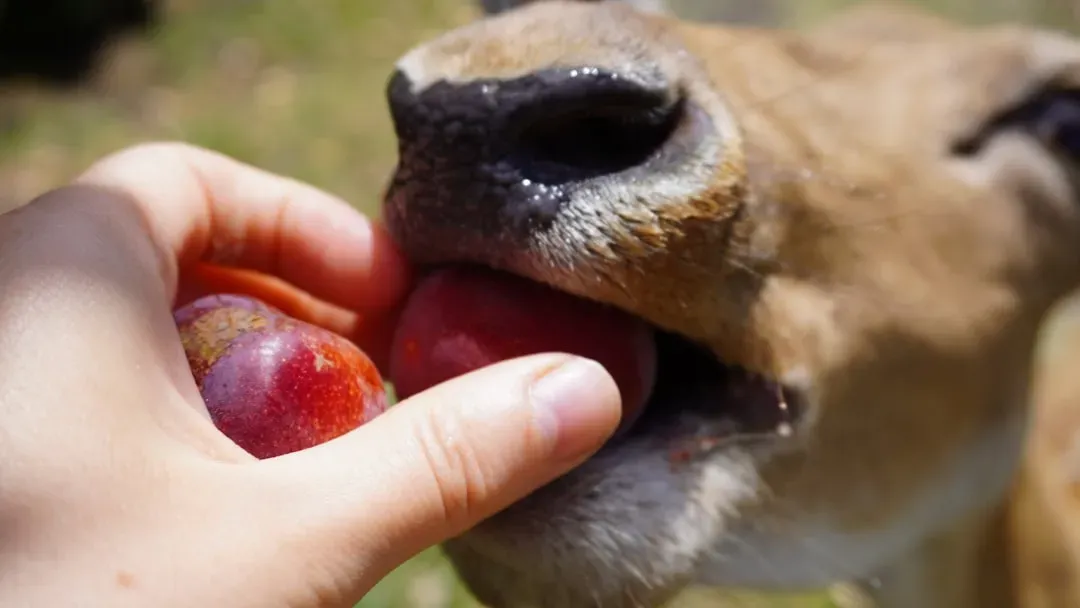
Apples are great immune boosters for dogs. The USDA tested a bunch of foods to see which had the most antioxidants, and three different varieties of apples made it into their top 20 list. All apples are low in fat, high in fiber, and have plenty of vitamins A and C, with vitamin C helping strengthen immune system cells, and vitamin A helping protect cells from damage.
Here’s the thing about apples: they’re ridiculously accessible and most dogs genuinely enjoy the crunch. Just make sure you remove the core and seeds first, as apple seeds contain cyanide and aren’t safe for your pup. Slice them up into bite-sized pieces and watch your dog crunch away happily. The fiber content also supports healthy digestion, which circles right back to that gut-immune system connection we talked about earlier.
Carrots: Beta-Carotene Powerhouses for Strong Immunity

Carrots are low in fat and high in fiber. In terms of immunity, it’s the beta carotene that does the job as a great antioxidant all on its own. When dogs eat carrots, their body converts it to vitamin A, which helps maintain a healthy gut lining.
Raw or lightly steamed, carrots make perfect low-calorie treats. They’re cheap, easy to store, and dogs seem to genuinely love their sweet taste. I think what’s particularly brilliant about carrots is their versatility: you can give them as whole crunchy sticks for larger dogs or grate them over food for picky eaters who need a little encouragement.
Pumpkin: The Digestive and Immune Superfood

Pumpkin is packed full of vitamins A and C, both known to support the immune system function. This orange superfood is incredibly gentle on the stomach, making it perfect for dogs with sensitive digestion. Pumpkin is full of antioxidants, but its superpower is that it works to relieve both diarrhea and constipation in dogs.
Plain, unseasoned pumpkin puree is what you want here, not the sugary pie filling from the baking aisle. A couple of tablespoons mixed into their regular food can work wonders. The fiber content supports that all-important gut health, while the vitamins directly strengthen immune responses throughout the body.
Sweet Potatoes: Vitamin-Packed Orange Goodness

Sweet potatoes are loaded with vitamin C, critical for immune health. Beta-carotene is also converted into vitamin A in dogs’ bodies, which is essential for maintaining health. Sweet potatoes are really good for hearts and digestion, courtesy of all the other vitamins, minerals and dietary fiber.
Never feed sweet potatoes raw to your dog. Always cook them thoroughly first, then cut into manageable pieces or mash them up. The natural sweetness usually goes down well even with fussier eaters. Sweet potatoes offer sustained energy without the crash that comes from processed treats.
Spinach: The Green Antioxidant Machine

Spinach is rich in vitamin C and packed full of antioxidants like beta carotene. Beta carotene is converted to vitamin A in the body, and like all carotenoids is an antioxidant, which protects the body from free radicals. Free radicals are produced by macrophages whilst fighting off invading germs, and these free radicals can then damage healthy cells leading to inflammation.
Lightly steam spinach before offering it to your dog to help with digestion and nutrient absorption. Don’t go overboard though, as spinach contains oxalates that can be problematic in very large quantities, especially for dogs prone to kidney issues. Moderation is key here.
Broccoli: Little Green Trees of Immune Power

Broccoli is packed full of vitamins and minerals. You will find vitamins A, C and E, fibre and antioxidants in these little green trees. Vitamin A helps maintain structural and functional integrity of mucosal cells in innate barriers like skin and respiratory tract.
Broccoli is safe for dogs to eat in small amounts, and is best served as an occasional treat. It’s high in fiber and vitamin C and low in fat. Raw florets work well for some dogs, while others prefer them lightly steamed. Just be mindful of portion sizes, as too much broccoli can cause tummy upset.
Strawberries: Sweet Immune System Supporters
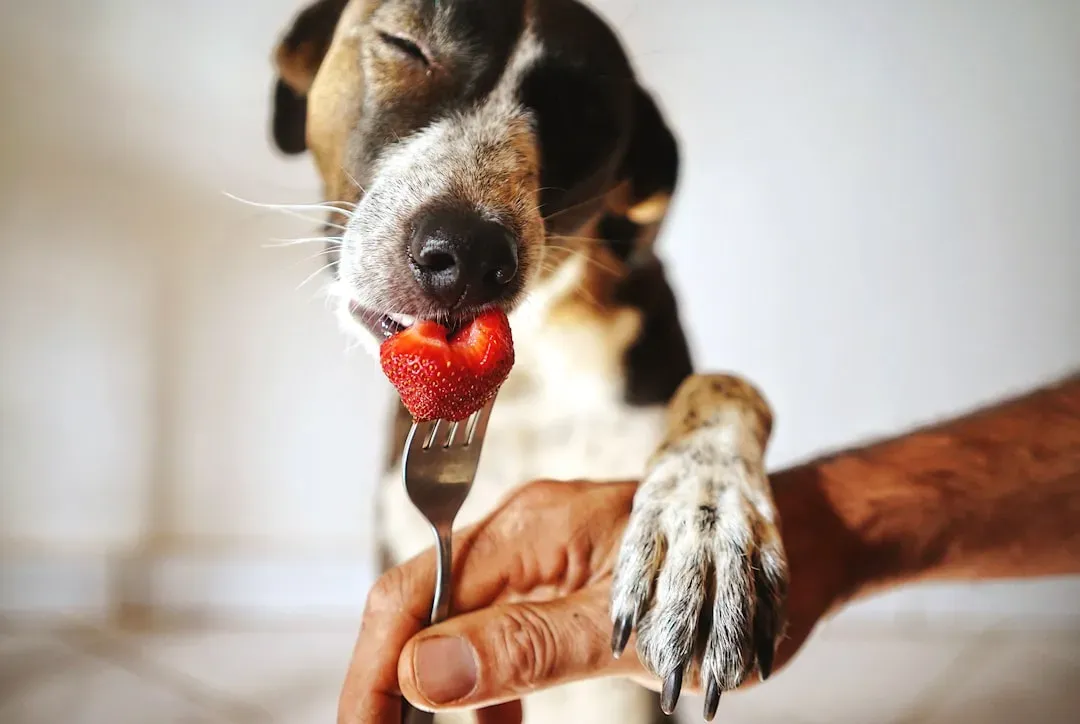
Strawberries are packed with vitamins C, vitamin B9, and manganese. These fruits help boost the immune system, as well as promote healthy skin and joints. What I love about strawberries is that most dogs find them absolutely irresistible, which makes them fantastic high-value training treats.
Remove the green leafy tops before serving, and slice them up for smaller dogs to prevent choking. Fresh is always best, though frozen strawberries can make a refreshing summer treat. The texture variety adds interest to your dog’s diet while delivering serious nutritional benefits.
Red Bell Peppers: Vitamin C Champions

Red bell peppers contain almost three times the amount of vitamin C that an orange does. Vitamin C contributes to immune defence by supporting various cellular functions of both the innate and adaptive immune system. Vitamin C helps encourage the production of white blood cells known as lymphocytes and phagocytes.
Slice them into thin strips and offer them raw or lightly cooked. Red peppers are milder and sweeter than green ones, making them more palatable for dogs. The crunch factor often appeals to dogs who love texture in their treats, while the bright color indicates high antioxidant content.
Bananas: Potassium-Rich Immune Boosters

Bananas are a natural source of copper, fiber, manganese, potassium, and vitamins B and C, ensuring a strong immune system and aiding in bowel movements. The soft texture makes them perfect for older dogs or those with dental issues.
Because of their higher sugar content, bananas should be given sparingly, maybe a few times per week rather than daily. Larger dogs can handle half a banana, while smaller pups should get just a few slices. Mash them up and freeze them in treat molds for a fun enrichment activity that also supports immune health.
Building a Stronger, Healthier Pup

Fruits and vegetables along with any other treats shouldn’t add up to more than 10% of your dog’s total food intake. This guideline helps ensure your pup gets balanced nutrition without going overboard on natural sugars or disrupting their regular diet.
Remember that every dog is different. What works wonderfully for one might not suit another, especially if your dog has food sensitivities or underlying health conditions. Start with small portions when introducing any new food and watch for any digestive upset. The beautiful thing about these natural immune boosters is that they’re simple, affordable, and genuinely beneficial.
Your dog’s immune system works tirelessly every single day to protect them from illness, fight off infections, and keep them feeling their best. By adding these colorful, nutrient-rich fruits and vegetables to their diet, you’re giving their body the tools it needs to do that job even better. So next time those puppy dog eyes are watching you chop vegetables, you’ll know exactly which ones you can share. What will you try first with your furry friend?