

You’ve seen it before, haven’t you? One moment your dog is having a brilliant time playing fetch in the park, tail wagging, tongue lolling happily. The next minute, something shifts. Maybe they get a bit mouthy, a little too rough, or suddenly they’re jumping up at you with more force than usual. You might brush it off as them just being excited. I know it’s hard to tell sometimes what’s normal exuberance and what’s actually crossed a line.
Here’s the thing, though. Overstimulation during playtime is surprisingly common, yet so many of us miss the signs until things escalate. Your dog isn’t being naughty or deliberately difficult when this happens. Their brain is genuinely overwhelmed, flooded with sensory information they can’t process properly. Learning to spot those early warning signs can transform playtime from chaotic to genuinely enjoyable for both of you. So let’s dive in.
When Those Zoomies Turn Into Something Else
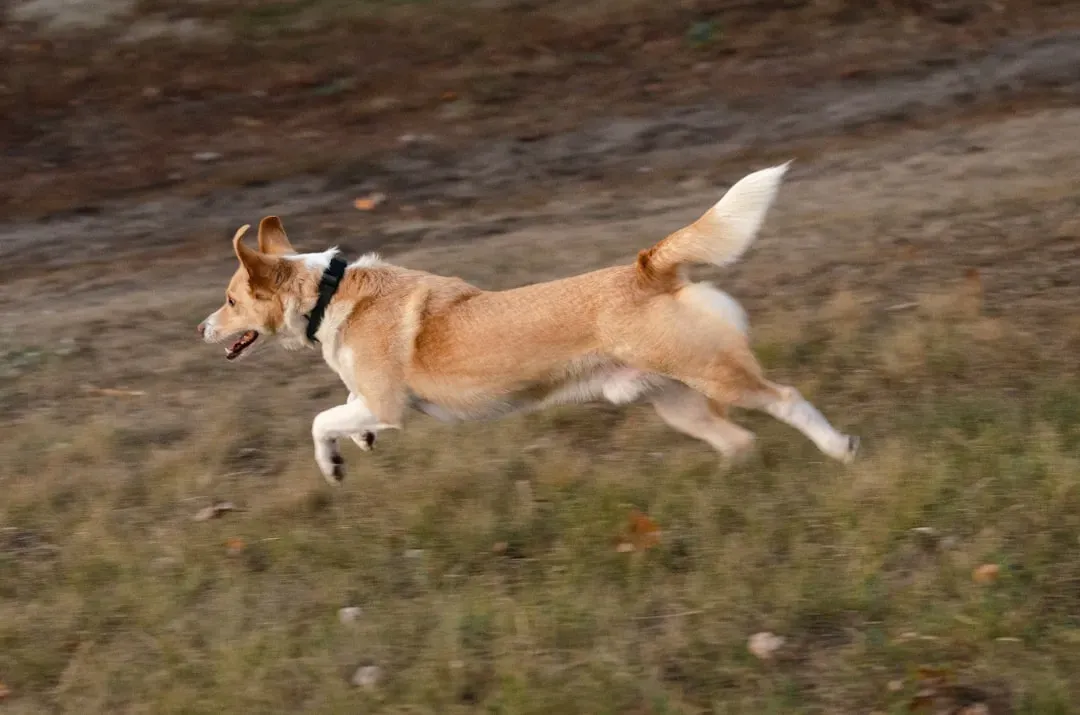
Hyperactivity during play can look like running in circles, jumping up and down, or darting around, making it difficult for the dog to settle down. Most of us have witnessed this frantic energy. It might look like fun at first glance.
Yet there’s a difference between healthy excitement and genuine overstimulation. Believe it or not, a bored dog and an overstimulated dog often look remarkably similar, with hyperactivity being a sure sign of sensory overload. Picture your pup sprinting wildly, unable to stop even when you call them, chewing things they’d normally ignore. That’s not just energy burning off.
Healthy play actually has lots of stops and starts, which is something we often forget. If your dog can’t pause, can’t disengage from the game, or seems stuck in this manic loop, their arousal levels have likely tipped over the edge. Arousal levels become so high that the dog is unable to contain himself, interfering with his ability to think clearly and cognitively function.
The Eyes, Mouth, and Body Don’t Lie
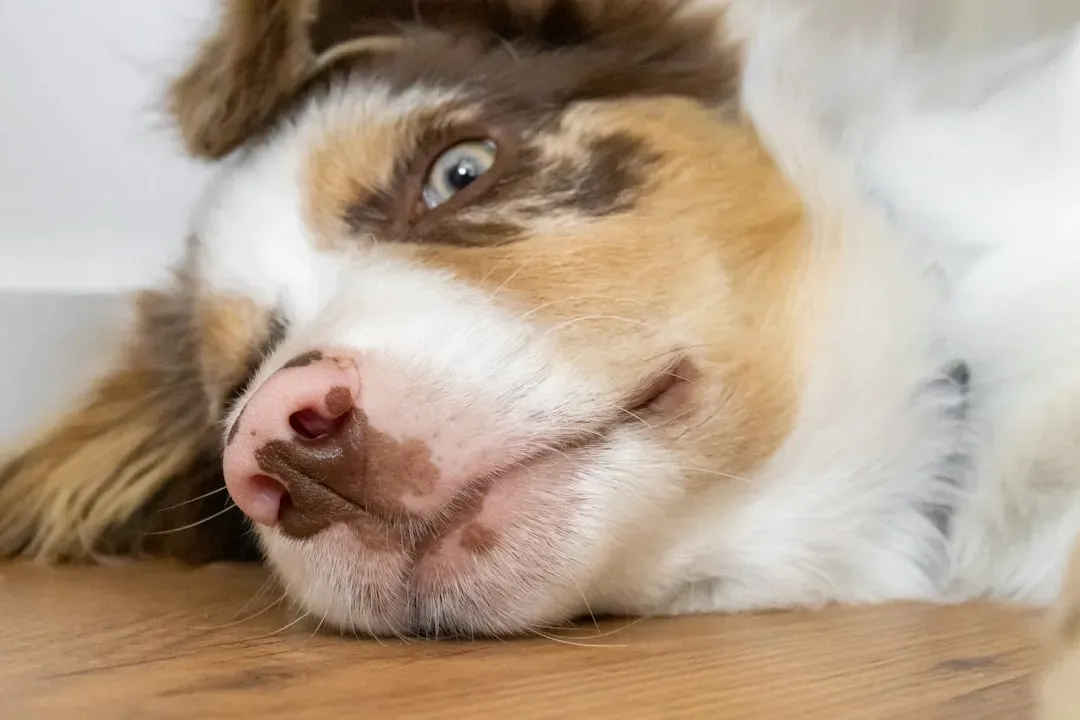
Watch your dog’s eyes during intense play. Pupil dilation, gaping mouths, wrinkled lips, and head whips are all physical tells that things are ramping up too much. You might notice their pupils look huge, almost black, even in good lighting.
Overstimulated dogs may appear tense and agitated, with a stiff body posture and dilated pupils. Their whole body language changes. They might stand high on their toes, their tail held stiffly rather than in that loose, happy wag.
Restlessness and panting can signal overstimulation, with constant movements like pacing or changing positions frequently, along with increased panting even when the dog isn’t hot or tired. I think that’s one people overlook most often. Your dog might seem like they’re just catching their breath, yet if they’re panting heavily despite only moderate activity, stress hormones are likely flooding their system. Their mouth might be clamped shut when focused intensely on something, or hanging open in that stressed “smile” that doesn’t reach their eyes.
When Play Behavior Gets a Bit Too Spicy
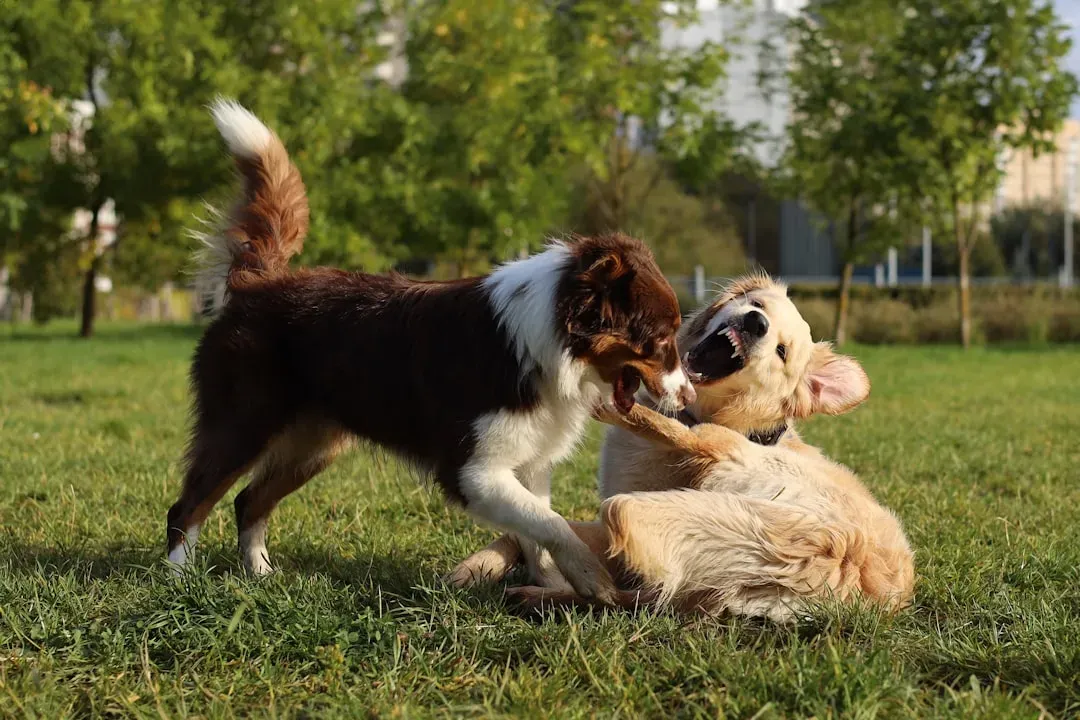
Stress often shows up as overstimulated play, intense greetings, high arousal mouthing, grabbing, humping and inability to recover when they get worked up. Let’s be real, humping during play isn’t about dominance or sex most of the time. It often happens when a petting or play session gets to be too much fun.
You might notice your dog suddenly grabbing at your clothes or getting bitey during what started as gentle play. If he gets bitey, you have pushed him past his threshold because it was too arousing, went on too long, or made him uncomfortable. That’s a clear signal to stop immediately.
An over-stimulated dog may lose his temper with one of the other dogs, refuse to sit with help, or fight the leash. This redirected behavior can catch you completely off guard. Your pup was fine playing with their doggy friend, then suddenly snaps at them or even turns that arousal onto you. This isn’t aggression in the traditional sense. Their nervous system is simply overloaded and they’ve lost the ability to make good decisions.
The Barking, Whining, and Lost Focus
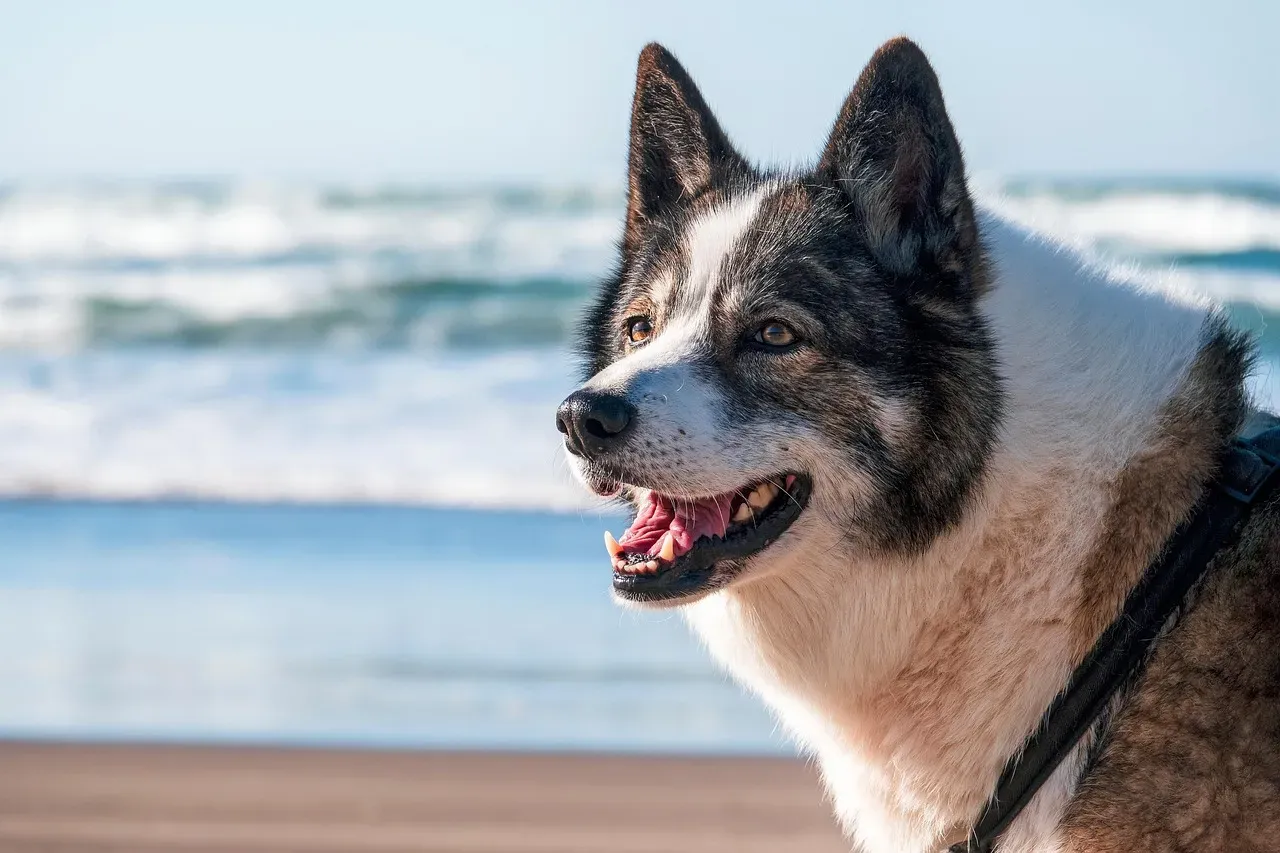
Overstimulated dogs may bark frequently, often without an obvious cause, to release pent-up energy. This isn’t your dog’s normal alert bark or their play sounds. It’s higher pitched, more frantic, relentless.
Dogs experiencing sensory overload often struggle to concentrate on commands or specific tasks, as minor stimuli easily distract them. Have you ever asked your dog to sit during play and they just stare at you blankly, like they’ve never heard the word before? That’s overstimulation talking. Commands they know perfectly well suddenly vanish from their memory.
Whining can accompany this, too. Many dogs cannot control their whining when they feel stressed, as it’s more of an automatic response, a clue for humans that something in the environment is causing anxiety. They’re essentially telling you, in their own language, that they need help calming down. Listen to them.
Understanding What Pushes Them Over the Edge
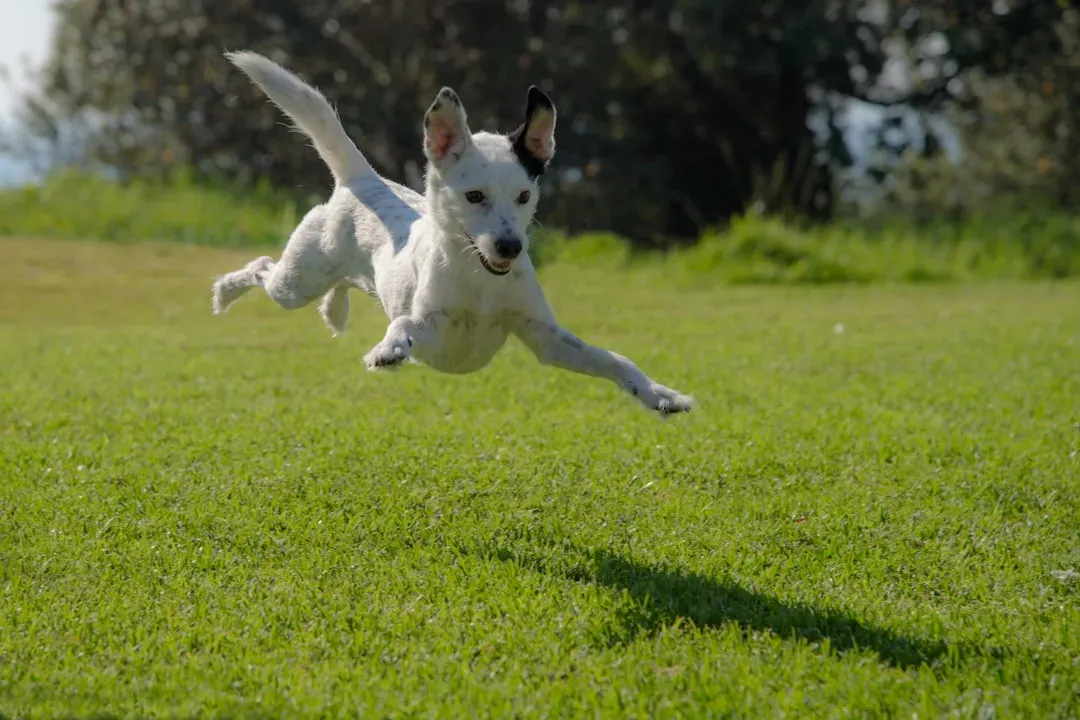
Arousal levels are cumulative and increases in excitatory chemicals in the brain can take a couple of days to drop. This is something most dog owners don’t realize. Your dog’s behavior on Tuesday might be affected by what happened over the weekend.
Think about a typical overstimulating day. Perhaps there was a thunderstorm yesterday, today they played with lots of other dogs at the park, then the neighbors had a loud birthday party in the afternoon, and when the doorbell goes at 6pm with a visitor, the dog immediately goes crazy barking uncontrollably and is unable to be distracted by food treats. Each event stacks on top of the last one.
Things like playing fetch, playing with other dogs or meeting new people can all lead to higher levels of arousal, so when dealing with arousal it’s important to include all areas of your dog’s life. Even positive experiences contribute to that arousal bucket filling up. Too many trips to the dog park, too many games of fetch, too much roughhousing, and suddenly your dog can’t regulate themselves anymore. Chronically exposing dogs to overexciting situations makes high arousal levels become the daily norm, with too many days in a row of activities like Frisbee or dog parks creating a dog who is constantly overly excited.
Bringing Your Dog Back Down to Earth
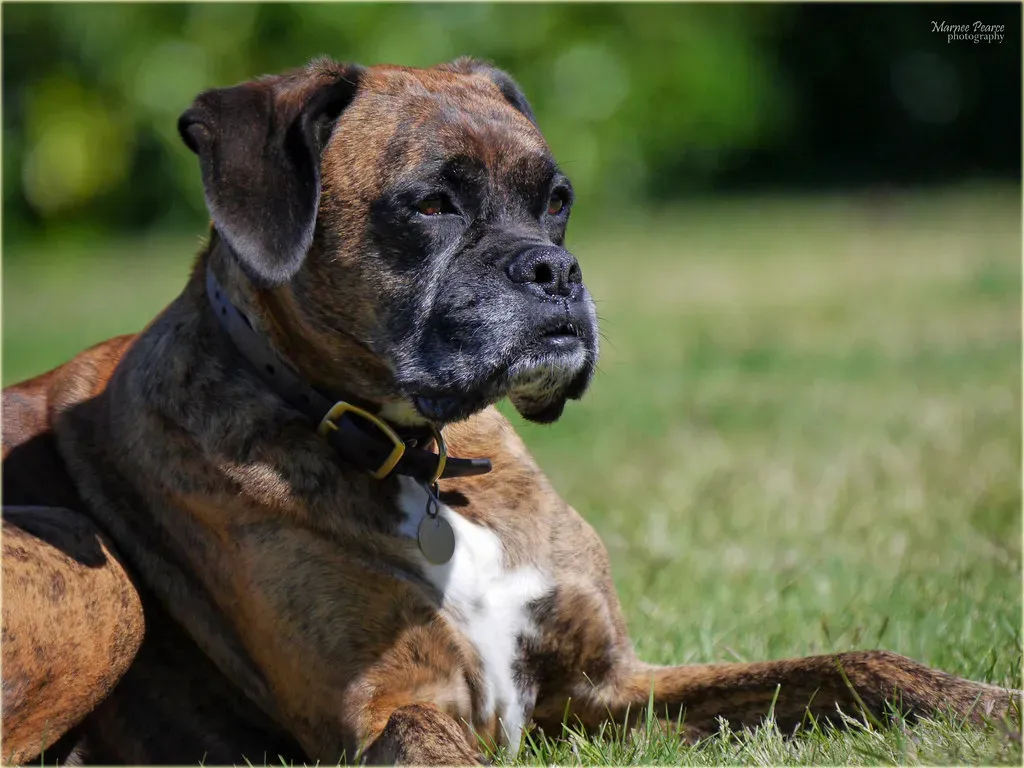
Notice early signs of over-arousal and tone things down or take a break before it gets out of hand. This is absolutely crucial. Don’t wait until your dog is completely out of control. When you spot those first warning signs, stop the game.
Play in short spurts, taking a break when the dog is still receptive to cues or gentle strokes, when he’s having fun but is able to calm himself. Sometimes that means ending the game while it’s still going well, which feels counterintuitive. Your dog might want to keep playing, yet you’re teaching them that play doesn’t have to escalate into chaos.
It’s important to avoid play interactions which lead to excessive arousal, as it could become difficult for your dog to wind down or leave a game when asked. Create calm environments for decompression. Designating a quiet, comfortable area where your dog can retreat may help promote relaxation, with soft blankets or ambient noise machines beneficial in these spaces.
Try incorporating sniff walks rather than high-energy fetch sessions when arousal levels have been high. Gentle massage and touch can provide reassurance to some dogs, though you should avoid overstimulation through rough play. Honestly, sometimes the best thing you can do for an overstimulated dog is absolutely nothing. Let them decompress on their own terms, in their safe space, without adding more stimulation to the mix.
Conclusion
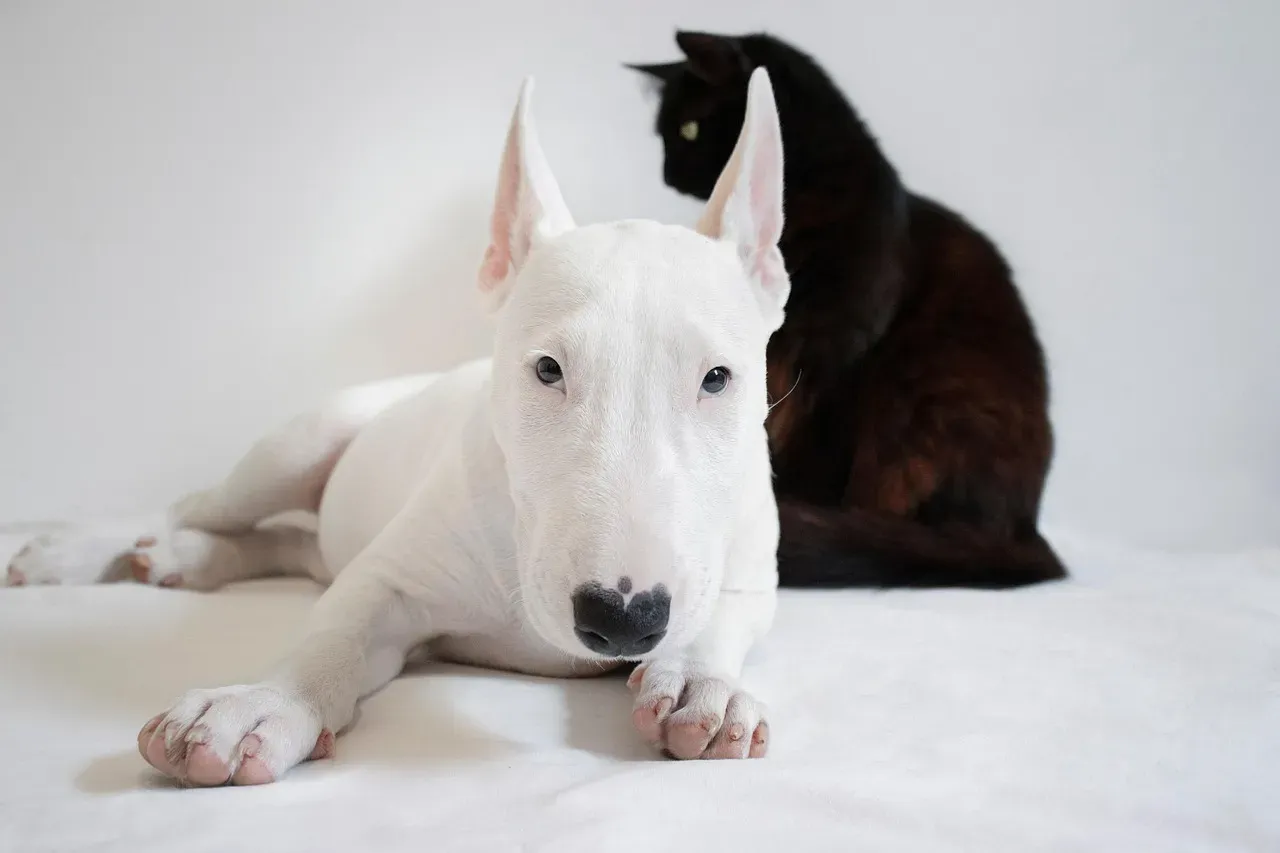
Recognizing overstimulation isn’t about limiting your dog’s joy or cutting short their fun. It’s about helping them develop better self-control and ensuring playtime remains genuinely enjoyable rather than stressful. Calming an overstimulated dog requires understanding, patience, and dedication, recognizing the signs and implementing appropriate techniques to help your dog navigate stressful situations with greater ease.
The beautiful thing is, once you start noticing these patterns, you can adjust before problems arise. You’ll learn your individual dog’s threshold, their unique tells, the specific triggers that tip them over the edge. Every time the brain’s arousal levels rise, the animal gets closer to their threshold for reactivity, yet you have the power to keep them safely below that line.
Pay attention to those subtle shifts in body language, those early warning signs that playtime is becoming too much. Your dog will thank you for it with calmer, more controlled, and genuinely happier play sessions. What signs have you noticed in your own dog that tell you they’ve had enough? Share your experiences in the comments below.


