
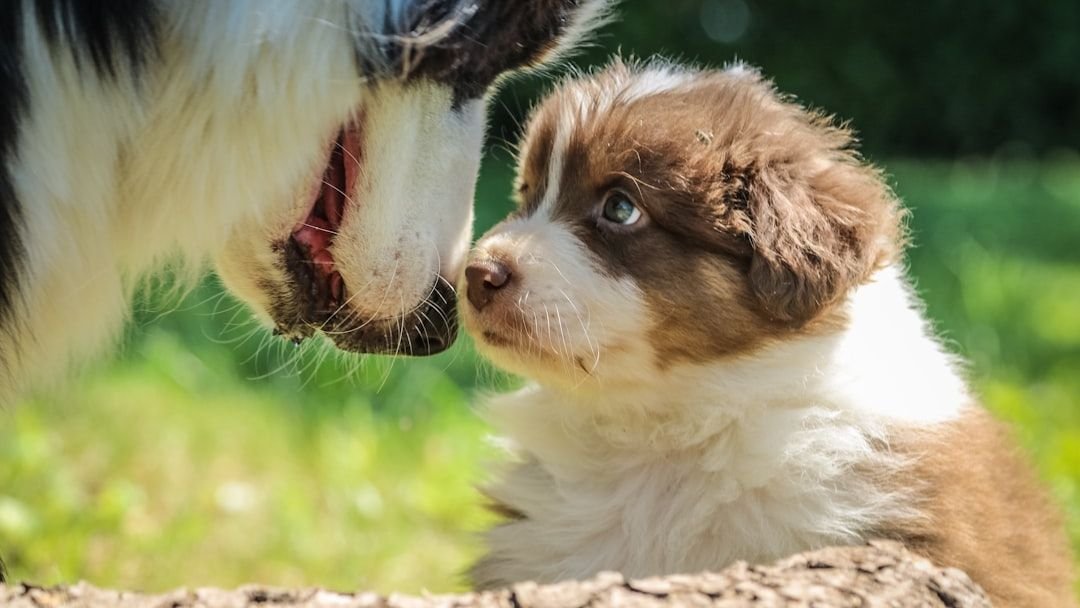
Picture this. You’ve just brought home an adorable bundle of energy, tail wagging like mad, little paws skittering everywhere. Your heart is full. The excitement is palpable.
Then you glance over at your older dog. They’re sitting in the corner, staring at you like you’ve just committed the ultimate betrayal. Maybe they’ve turned their back. Maybe they’re pacing. Maybe there’s a low grumble building in their throat. Suddenly, the dream of two best friends curling up together on the couch feels very, very far away. Let’s be real, introducing a new puppy to your older dog can feel like navigating a minefield. One wrong step and tensions flare. But here’s the thing: with the right approach, patience, and a little canine psychology, you can help them build a bond that’ll last a lifetime. So let’s dive in.
Start With Neutral Territory for That Crucial First Meeting
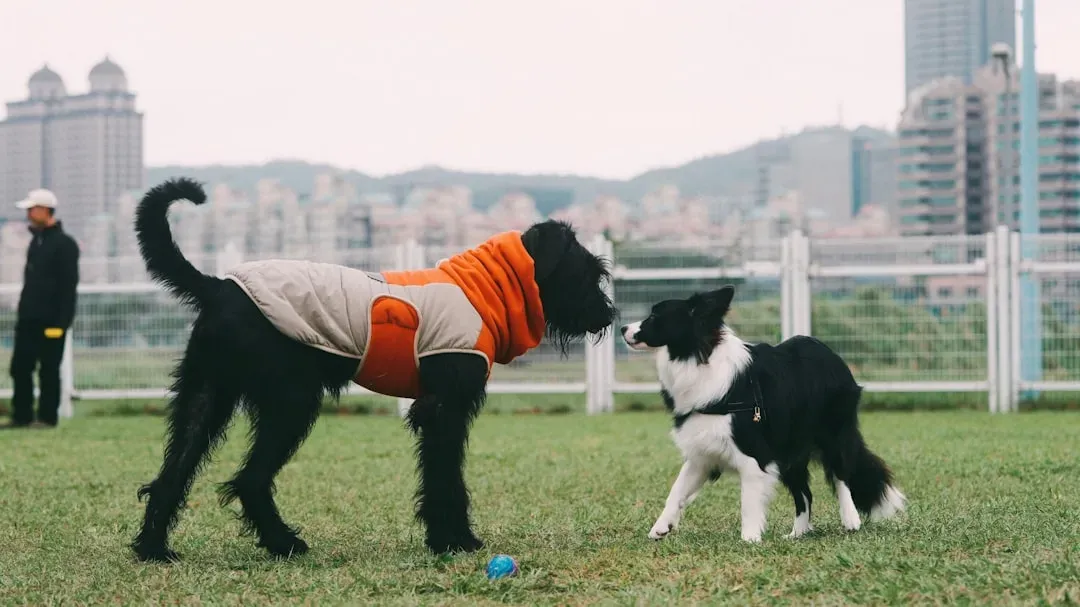
When it’s time for the dogs to meet, it should be in a neutral place – not inside the established dog’s home. Your older dog has claimed your house, your yard, your couch. That’s their kingdom. Dogs are very territorial creatures so a first meeting in your adult dog’s home territory might create unnecessary problems. It’s recommended to introduce them first at a park or in someone else’s garden. That way your dog won’t feel threatened or protective of their home.
Think of it like this: if someone showed up uninvited at your front door, you’d probably feel a bit defensive, right? Same goes for your dog. Before bringing your puppy home, take them and your senior dog to a neutral location. Somewhere outside like a garden or on a walk is best. Avoid high-traffic areas or areas with other dogs. Keep both dogs on leashes initially so you’ve got control if things get tense. Keep both dogs on a leash with someone calm at the other end. Keeping the leash relaxed and loose will help relieve their anxiety.
Let Them Walk Side By Side Before Face-to-Face Contact
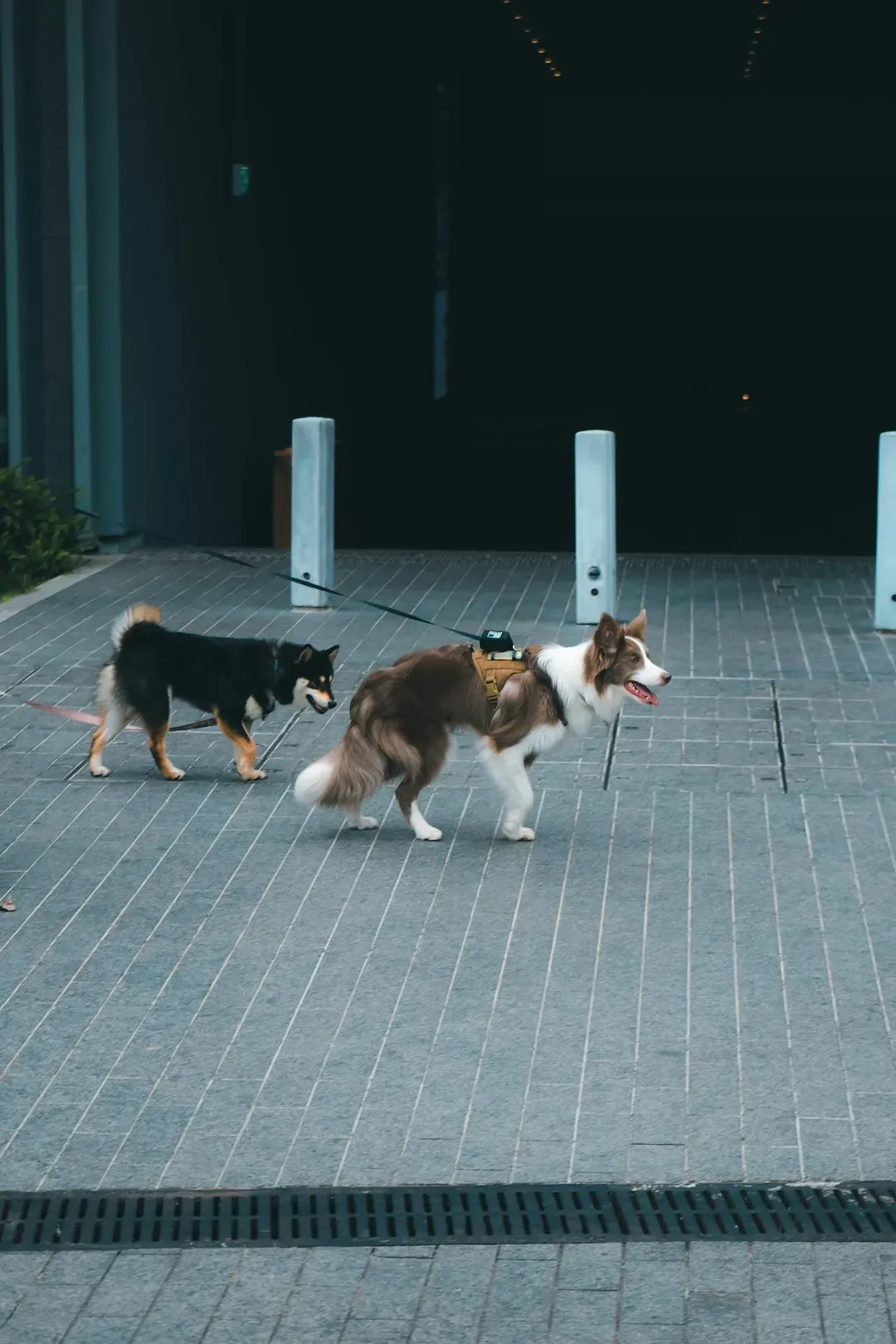
Honestly, I think this is one of the most underrated tips. A great activity is taking both dogs on a walk. Walking together, even at a distance, helps them adjust to each other’s presence without the pressure of direct interaction. Take the dogs for a walk at a distance. Let each of them get used to the other’s scent and presence.
Have a helper walk one dog while you handle the other. Start on opposite sides of the street if you need to. Gradually close the gap as they relax. Follow your dog’s lead. Some dogs may warm up to one another faster than others. That’s okay. Being patient and waiting for your dogs to make the first moves will promote a safer, more relaxed space for them to become acclimated. You’re essentially letting them say hello without all the awkwardness of a forced greeting.
Watch Their Body Language Like a Hawk
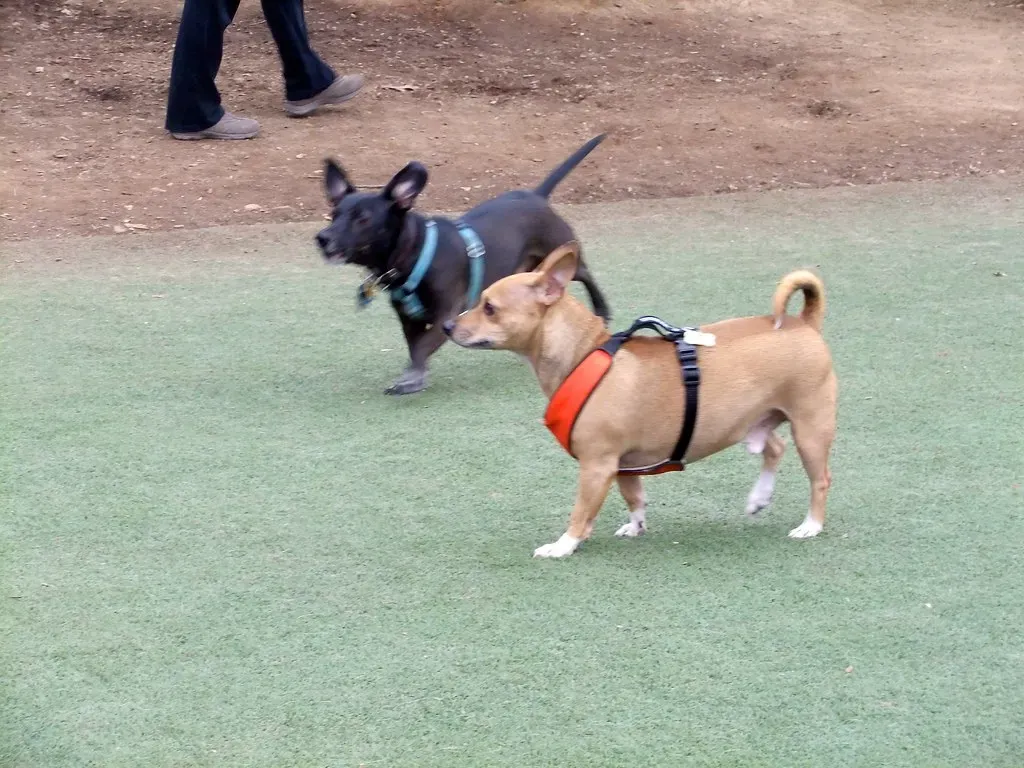
Watch body language. Your dog will show how they’re feeling with their whole body. Keep an eye out for posturing, fur standing on end, growling, or aggressive staring. If you notice this type of behavior, calmly direct their attention elsewhere. This is huge. Dogs communicate constantly through their bodies, and if you’re not paying attention, you’ll miss the warning signs.
Stress signs to look for include whale eye (when dogs reveal the whites of their eyes), tucked ears or tail, raised hackles, lip-licking, yawning, and panting. Your dog might also avoid eye contact or look away. If your older dog is showing these signs, give them space. A relaxed dog usually has semi-erect or forward-facing ears, a soft mouth, and round eyes. They will distribute their weight evenly on all four paws. That’s what you’re aiming for.
Allow Growling – It’s Actually a Good Thing
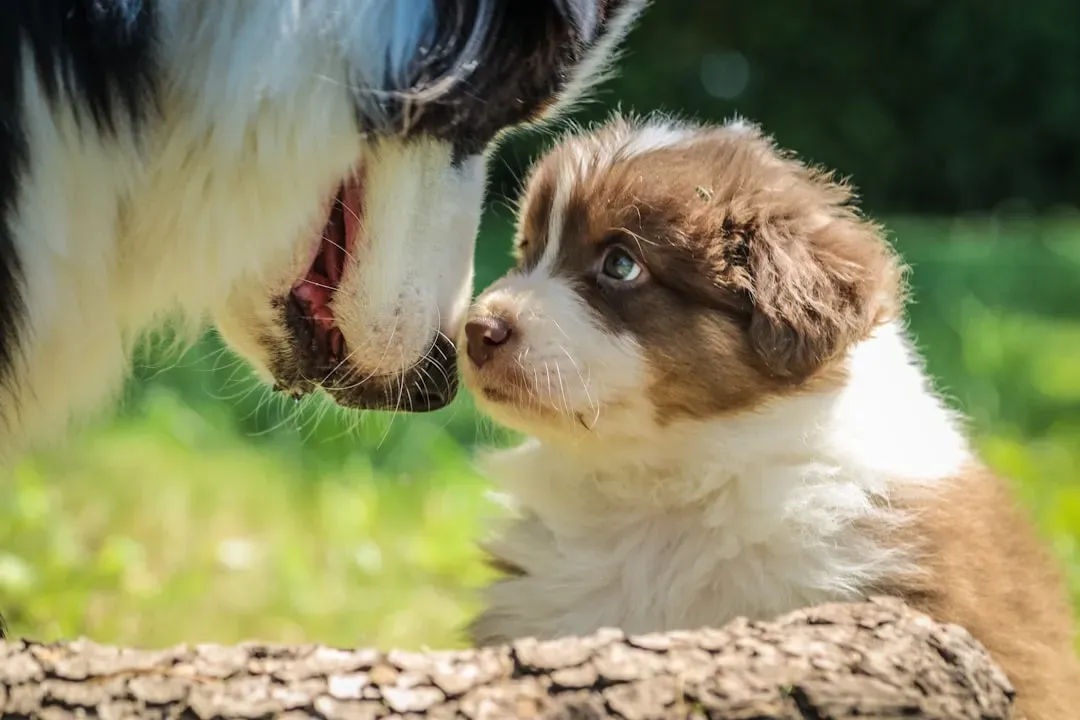
Here’s where people get it wrong. Don’t reprimand the adult dog for growling at the puppy. This is how dogs let others know that they’re feeling unhappy about something. Growling can let the puppy know that it’s time to take a step back from the situation. This is an important lesson for your puppy to learn, since growling is a way older dogs communicate that a puppy has crossed the line.
Your older dog is teaching boundaries. Growling is a warning. It’s the dog version of saying, “Back off.” If you punish the growl, the older dog might skip the warning next time and jump straight to snapping. Let them communicate naturally as long as it doesn’t escalate into actual aggression. Step in if the puppy isn’t getting the message and redirect their energy elsewhere. A quick distraction or calling the puppy away can prevent tension from building.
Create Separate Safe Spaces and Manage Resources
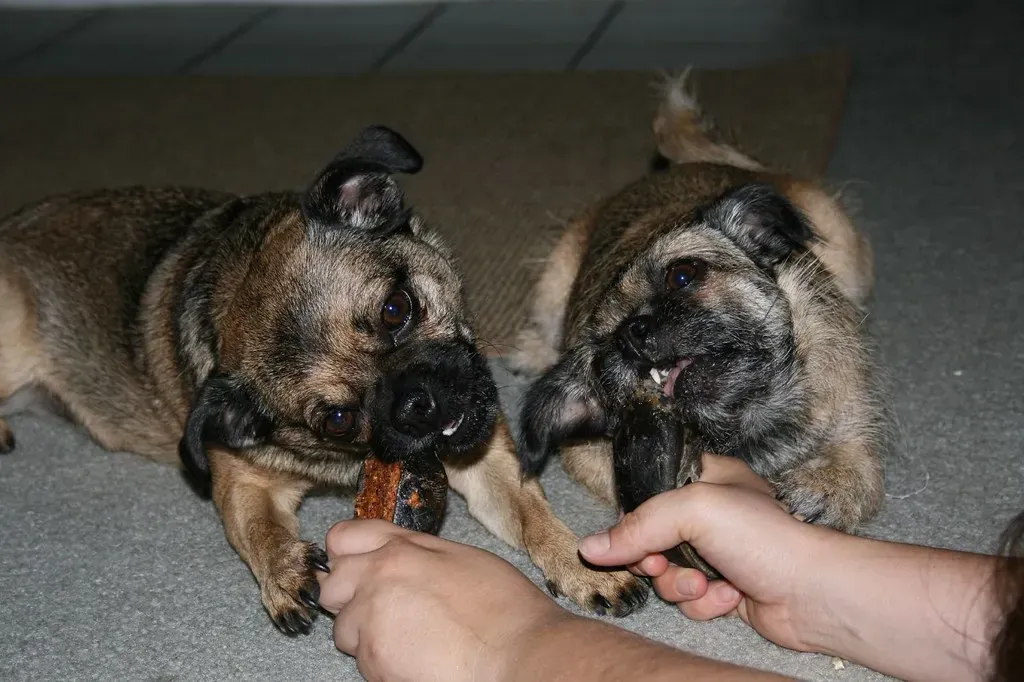
Ensure that you have some way to separate them, including specific rooms or baby gates. Your young puppy might start to get on your older dog’s nerves. Having a way to give them a break will help relieve stress. Puppies are relentless. They don’t understand personal space yet. Your older dog needs a sanctuary where they can escape the chaos.
Each dog should have its own toys and belongings. Remove high-value items that could trigger resource guarding, especially in those early days. Make sure that there are no toys, food or treats left around the home that the dogs could potentially fight over. Also, be aware of situations that could lead to conflict – for example, when the dogs get overly excited. Feed them in separate areas to avoid any food-related tension. This isn’t forever, just while they’re getting used to each other.
Supervise, Supervise, Supervise (Then Supervise Some More)
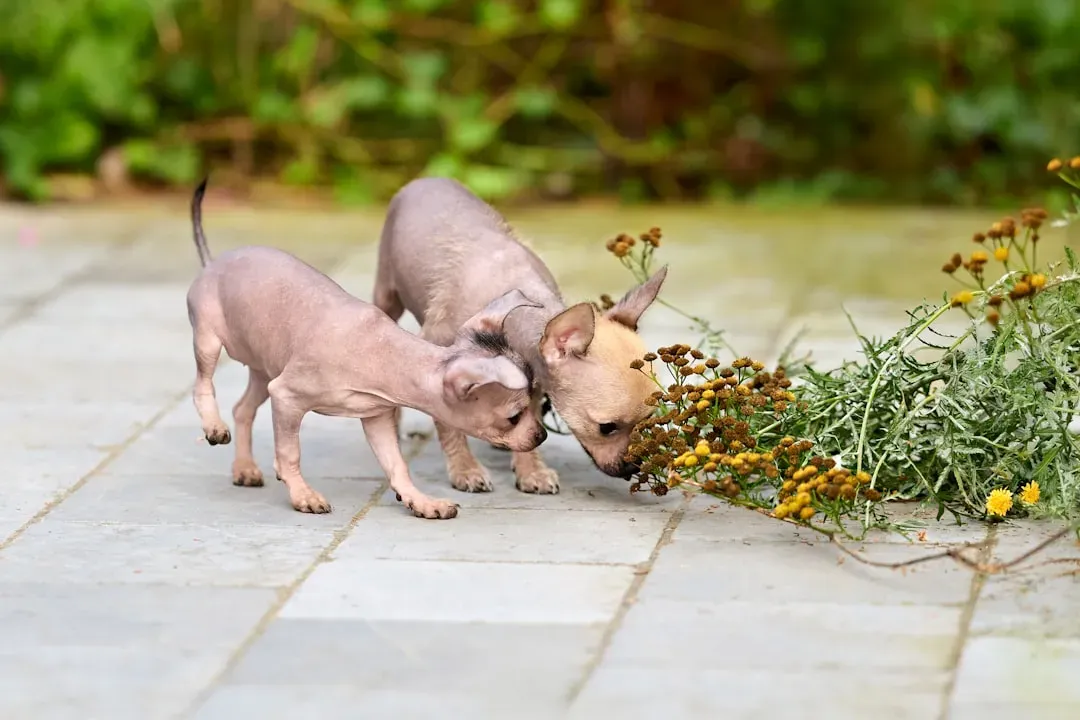
To make sure interactions stay safe and the elder dog isn’t overwhelmed, supervise all interactions between the dogs. If you notice that the elder dog is becoming agitated by the puppy, separate or redirect the puppy to another task before things get out of hand. When you’re unable to directly supervise the puppy, they should be placed behind a gate and in an exercise pen or in a crate. Never leave them alone together until you’re absolutely certain they’re safe with one another.
Always remember that your older dog might not have the energy that your new puppy has, so take into account any age difference. This could mean that your older dog may want to sleep more, and will be less tolerant of a puppy who is raring to go and who always wants to play! Tire out the puppy with games and training sessions so they’re not constantly pestering your older dog. Puppies tend to push boundaries without realizing it, especially during the first few days of introducing new routines and house rules. They’ll nip ears, bounce on backs, and bark in faces because… that’s what puppies do. But if you notice your older dog getting irritated, don’t wait until it turns into a growl-fest. Step in early.
Conclusion: Patience Is Your Secret Weapon
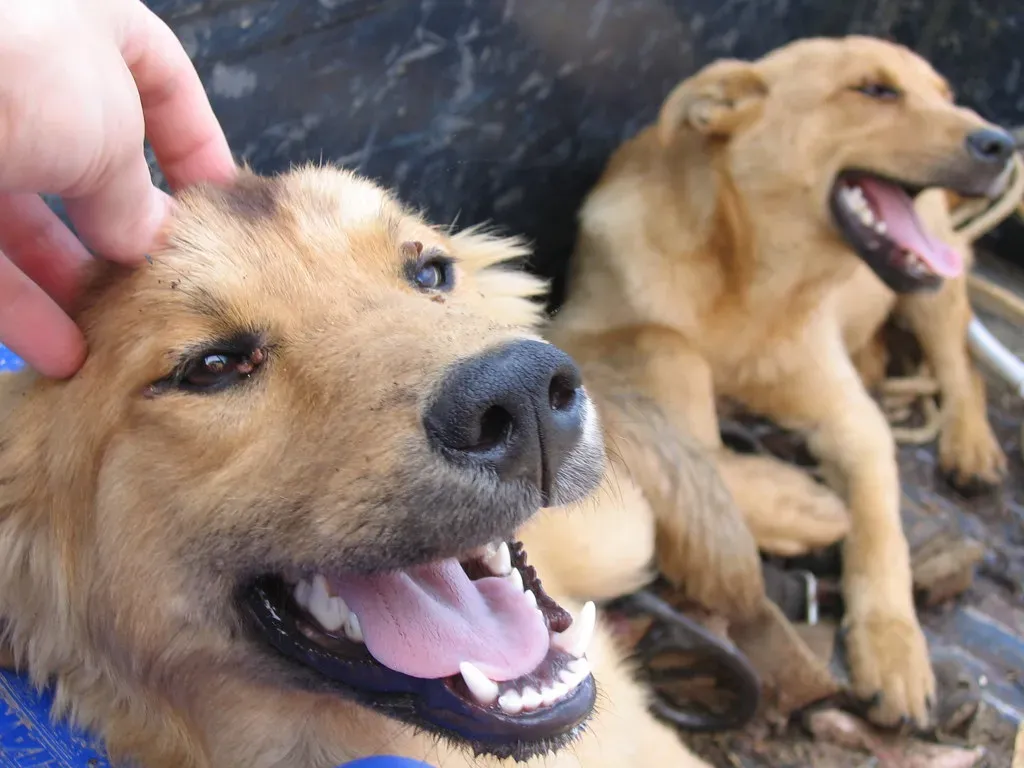
This whole process takes time. Sometimes weeks. Sometimes months. Most older dogs don’t welcome a new puppy right away, and that’s completely normal. They might growl, avoid the new dog, or show signs of territorial behavior – especially in the first few days. That doesn’t mean you’ve failed or that they’ll never get along.
Eventually, with an introduction that hasn’t been rushed, the puppy will develop the communication skills they need to succeed, and your dogs will likely be great friends. Keep your expectations realistic. Celebrate the small wins – a calm sniff here, a shared nap there. Give your older dog extra love and attention so they don’t feel replaced. Reward both dogs for calm, positive interactions.
The bond between your dogs won’t happen overnight, but with consistency, patience, and respect for both their needs, you’ll get there. So what’s been your experience introducing a new puppy? Did it go smoother than expected, or was it more challenging than you imagined?


