
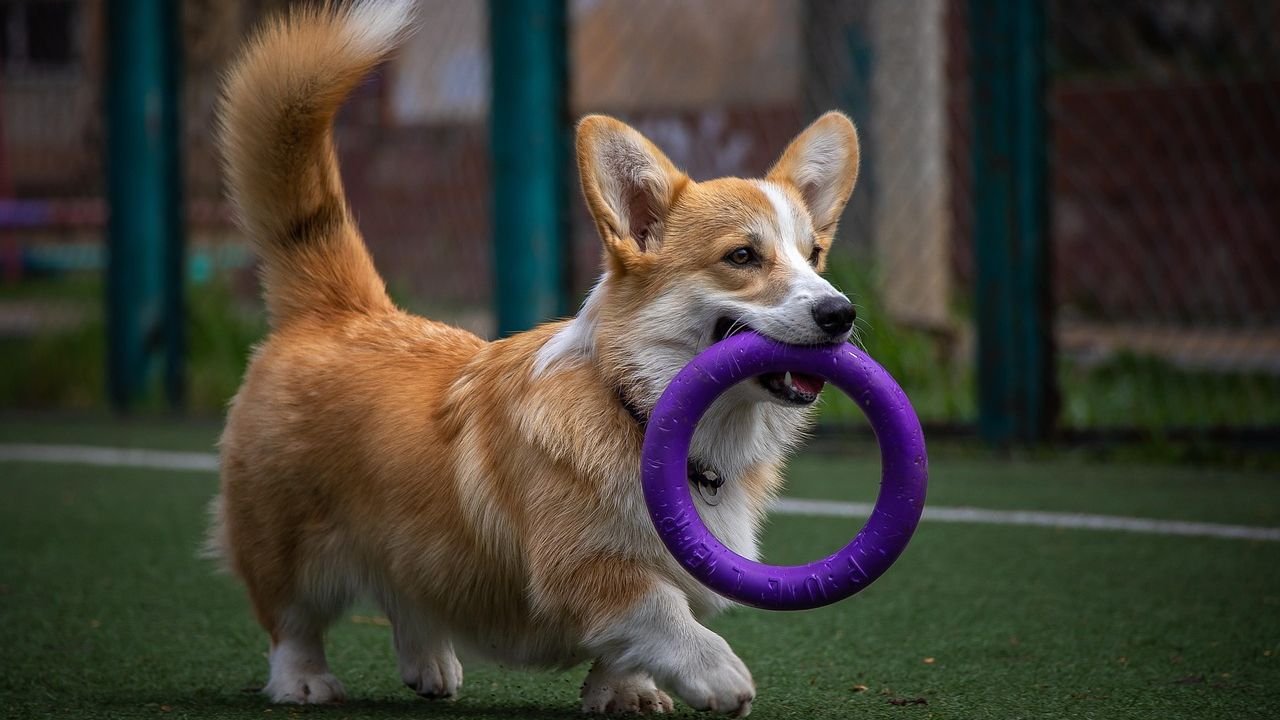
You’ve probably noticed it before. That one battered tennis ball gets all the attention while the shiny new squeaky toy sits forgotten in the corner. Maybe your dog carries around the same stuffed rabbit everywhere, refusing to let it out of their sight. It’s adorable, sure, yet also a bit puzzling. What makes one toy so irresistible while another becomes just another dust collector?
Here’s the thing: your dog’s toy preferences aren’t random. They’re shaped by instinct, emotion, sensory experience, and even their relationship with you. Understanding why your furry friend gravitates toward certain toys can help you choose better playthings, strengthen your bond, and keep them happier and healthier. So let’s dive into the fascinating world of canine toy selection.
The Power of Scent: Your Dog’s Nose Knows Best
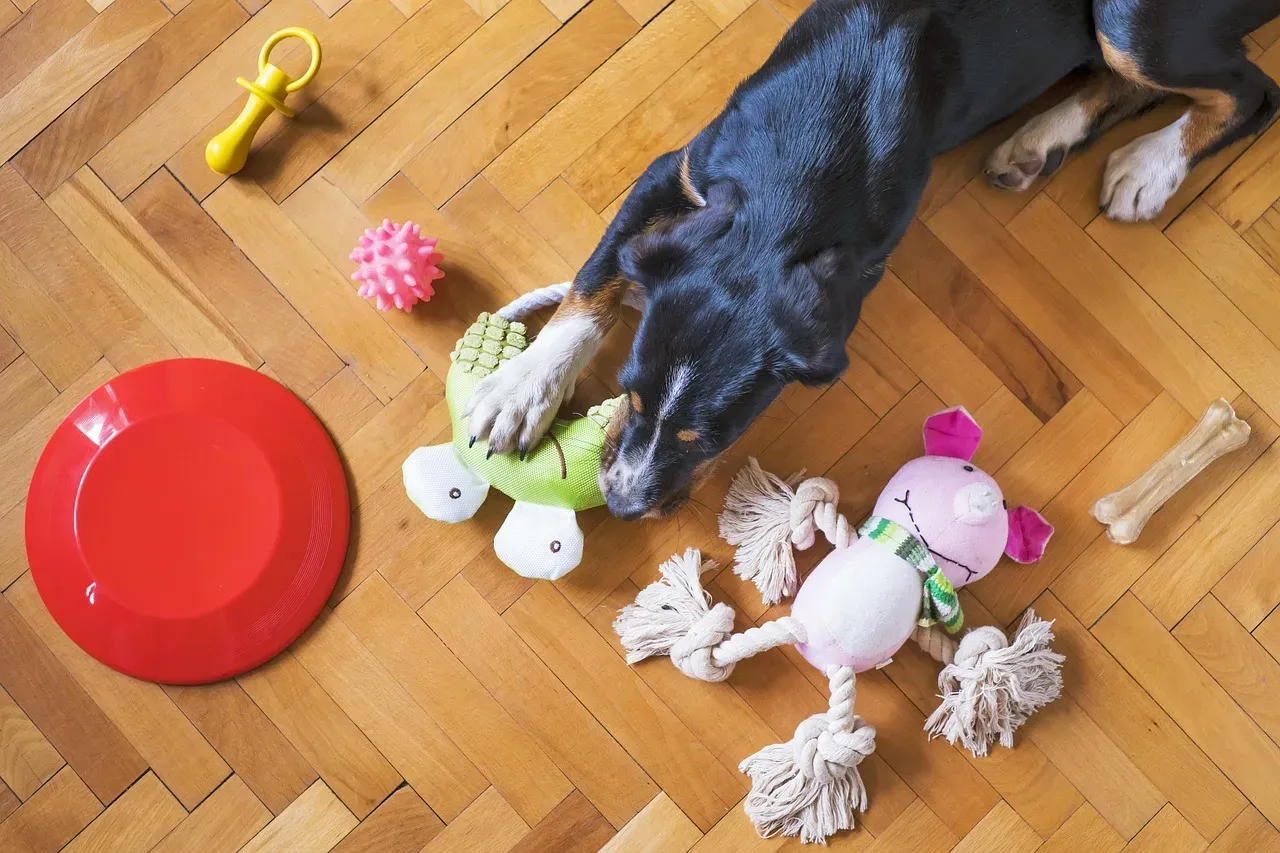
Dogs rely heavily on their sense of smell when selecting their favorite toys, often gravitating toward items carrying familiar scents, particularly those marked with their own scent or their owner’s fragrance.
Think about how your dog sniffs everything obsessively during walks. That same powerful nose plays a huge role in toy selection. A toy that carries your scent becomes more than just an object; it’s a comforting reminder of you when you’re not around.
A dog may choose a particular toy because it carries their scent or the scent of their human, and this familiarity provides a sense of security and comfort. This is why that old, slightly gross-looking toy might be their absolute favorite even though you’ve bought newer, cleaner options.
Research has shown that dogs tend to favour toys scented with vanilla over those scented with beef. Interestingly, not all scents work the same way for every dog. Some might love earthy smells reminiscent of outdoor adventures, while others prefer sweeter or more neutral odors.
Texture Matters: How Toys Feel in Their Mouths
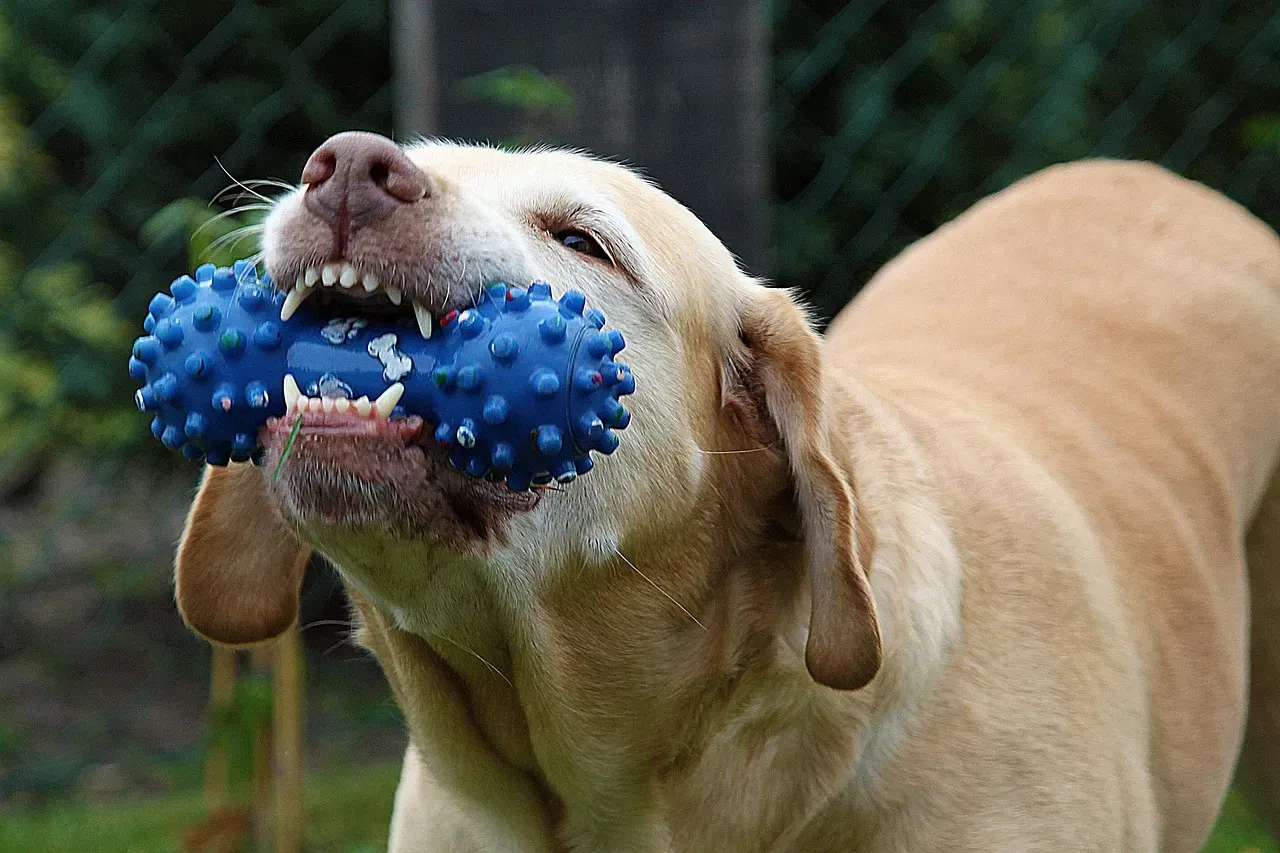
Dogs explore their world through their mouths, making texture absolutely critical to toy appeal. The texture of a toy can greatly influence their choice, with some dogs preferring soft, plush toys for gentle chewing, while others opt for rubber or nylon toys that provide a satisfying mouth feel during play.
Honestly, it’s fascinating to watch. A dog who loves to gnaw might completely ignore soft toys but spend hours working on a tough rubber bone. Researchers found that dogs prefer soft, easily manipulable toys that can be chewed easily and make a noise, while they quickly lose interest in toys with hard unyielding surfaces.
Dogs that love to gnaw may be drawn to toys with interesting textures that massage their gums and clean their teeth, contributing to their overall dental health. So that preference isn’t just about fun; it’s also about satisfying a physical need.
The Sound Factor: Why Squeaky Toys Drive Dogs Wild
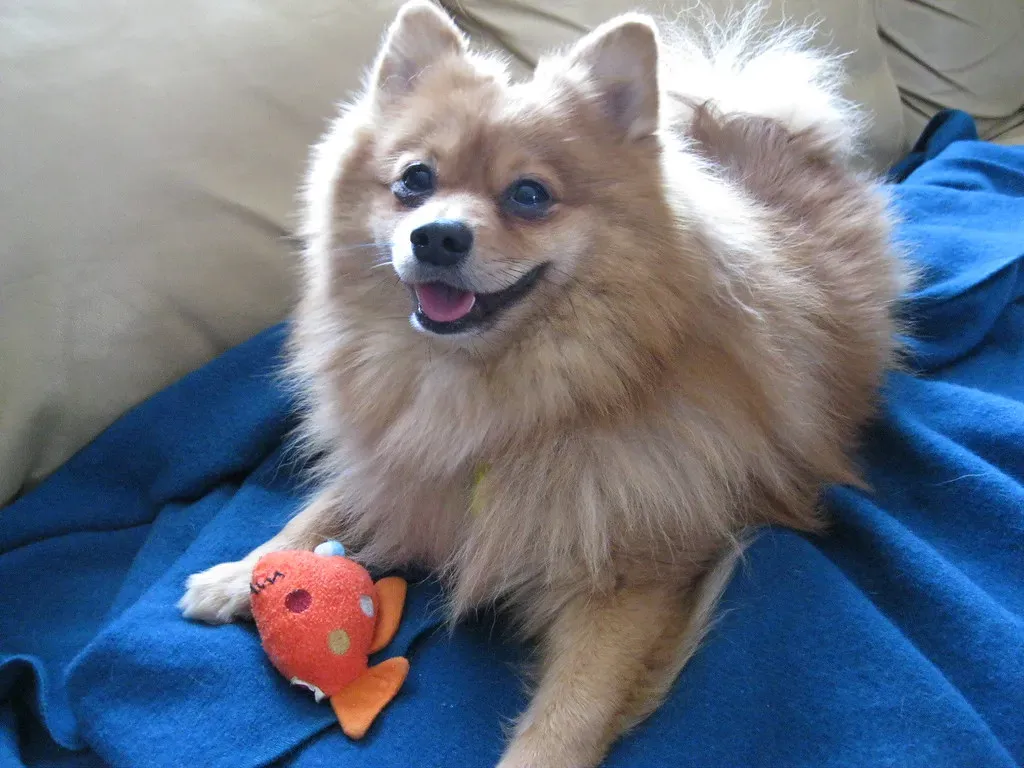
Toys that produce sounds, such as squeaks, crinkles, or rattles, often capture a dog’s attention and stimulate their playfulness, with the element of surprise created by a squeaky toy mimicking the excitement of capturing prey.
Let’s be real: that incessant squeaking might drive you crazy, yet your dog absolutely loves it. There’s an evolutionary reason for this obsession. Dogs perceive toys in the same way that wolves perceive prey, preferring toys that either taste like food or can be torn apart. The high-pitched squeak mimics the sound of small prey animals, triggering hunting instincts.
Not all dogs respond the same way to sounds, though. Some become almost frantic with squeaky toys, while calmer dogs might prefer quieter options. Pay attention to your dog’s energy level during play to figure out what works best.
Still, the auditory element keeps many dogs engaged far longer than silent toys would. The immediate feedback when they bite down creates a rewarding loop that makes playtime more exciting.
The Novelty Effect: Why New Toys Lose Their Magic
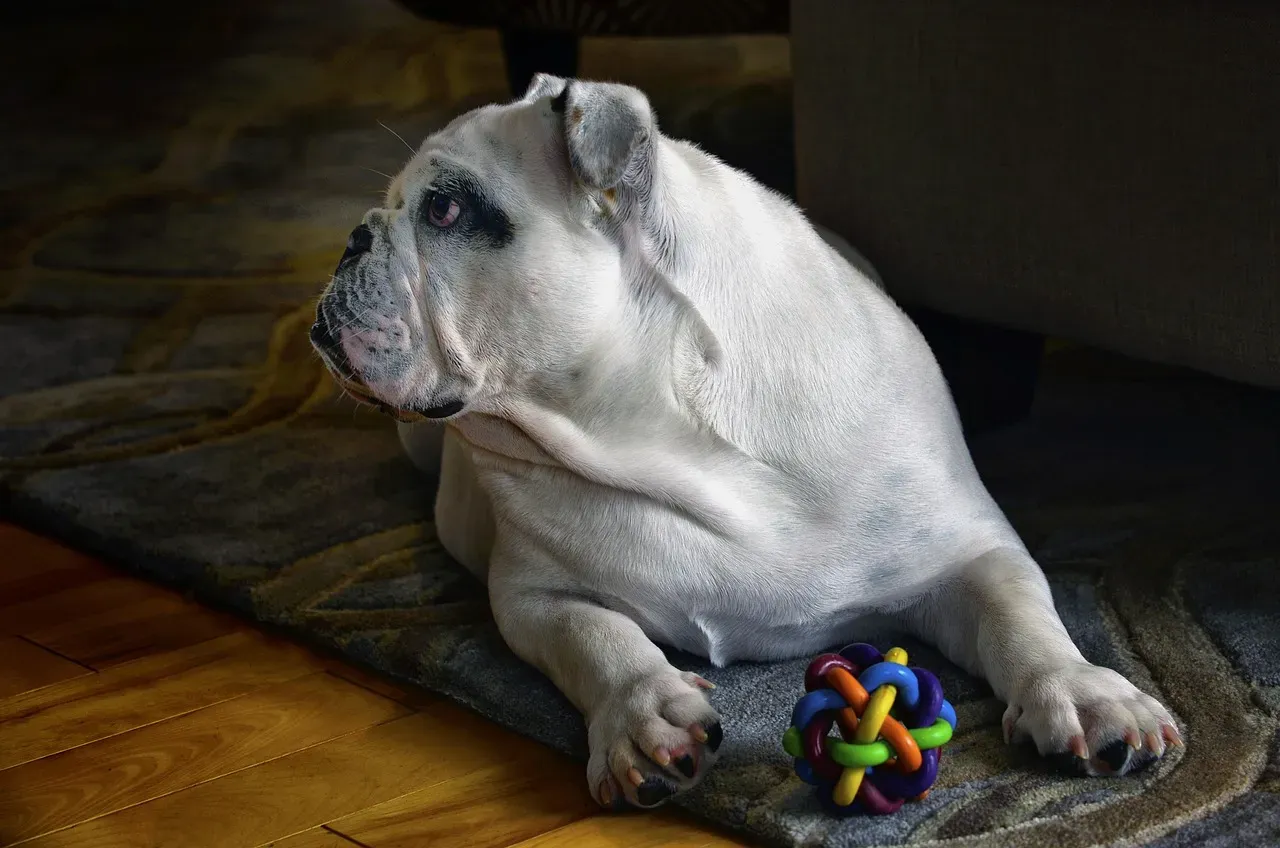
Researchers explain that dogs show intense but transient neophilia towards novel objects. In other words, dogs absolutely love new things, but that love affair doesn’t last long.
On average after only five 30 second exposures, totaling just about two and a half minutes of actual playtime with a toy, dogs lost interest. That explains why your pup gets super excited about a new toy, then abandons it twenty minutes later for the cardboard box it came in.
The good news? You don’t need to constantly buy new toys. Instead of leaving toys out all the time so that they lose their appeal, toys can be put out of sight and old toys can be rotated back into sight as somewhat new. This simple rotation strategy keeps toys interesting without breaking the bank.
You might even try refreshing old toys by adding new scents, like rolling them in grass outside. It’s amazing how something so simple can reignite your dog’s interest.
Human Connection: The Secret Ingredient to Toy Appeal
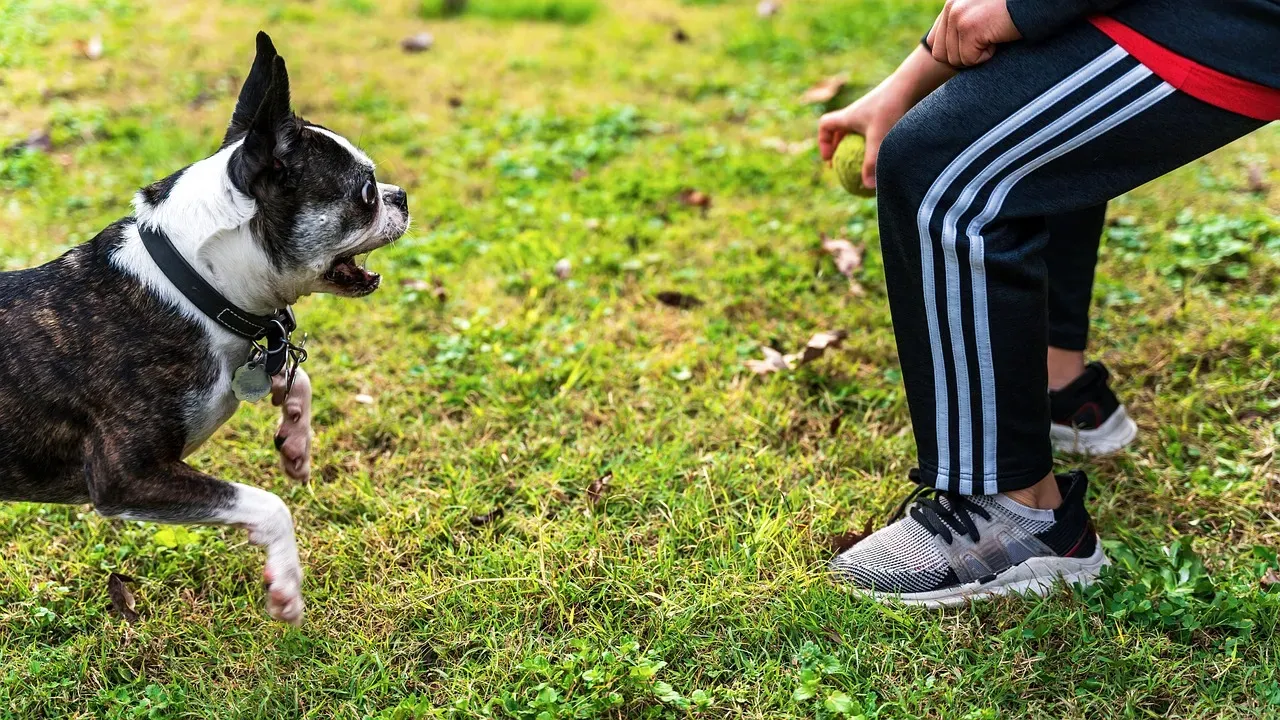
A recent study found the critical component in toy preference was human interaction with the dog and the toy. This might be the most important factor of all, honestly.
Other features like size, shape, color, texture and sounds were important points of interest, but they mostly resulted in only transient attention, with researchers noting that for an animal as social as a dog, toys only become really exciting when they are part of a game with a person.
Think about your dog’s absolute favorite toy. Chances are, it’s one you’ve played with together repeatedly. That beat-up tennis ball isn’t just a toy; it’s a symbol of fun times with you. The toy becomes associated with positive experiences, bonding, and joy.
Playing with a dog and an old toy can change the toy’s meaning and the dog’s interest, as toys can gain an entirely new meaning when both person and dog engage with them. So when your dog brings you their favorite toy, they’re really asking for quality time together.
Breed and Personality: The Individual Touch
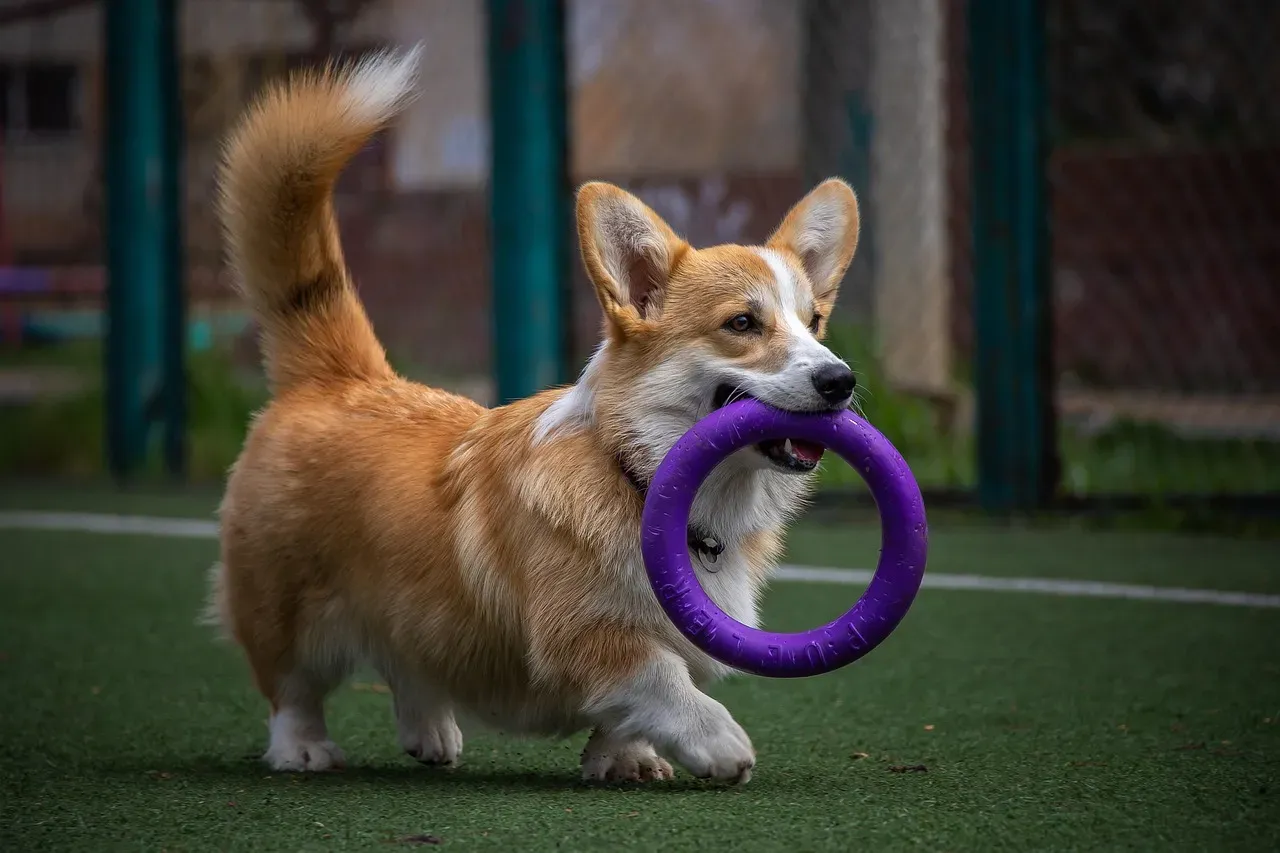
Natural tendencies reflect the way a particular breed of dog would locate food or forage in the wild, and an enrichment toy that most closely matches a dog’s basic instinctive behaviors would be the ideal choice.
Retrievers often obsess over balls and frisbees because fetching is literally in their DNA. Terriers might love toys they can shake and tear apart, mimicking their historical role as hunters of small prey. Certain breeds have predispositions towards specific types of play, with retrievers having a natural inclination towards fetch toys, while terriers might prefer toys they can shake and kill.
Yet breed isn’t everything. You should keep in mind your dog’s basic personality and age, as some dogs may be shy or cautious and will need you to lead them to toys or help them interact with new objects. A timid Golden Retriever might surprise you by preferring quiet puzzle toys over high-energy fetch games.
Age matters too, as older dogs may approach toys more calmly and slowly and may need a little more time to fully explore toy options compared to younger, more frisky dogs. Your senior pup might love that soft plush toy for comfort, while your young whirlwind needs nearly indestructible rubber options.
Conclusion: Celebrating Your Dog’s Unique Preferences
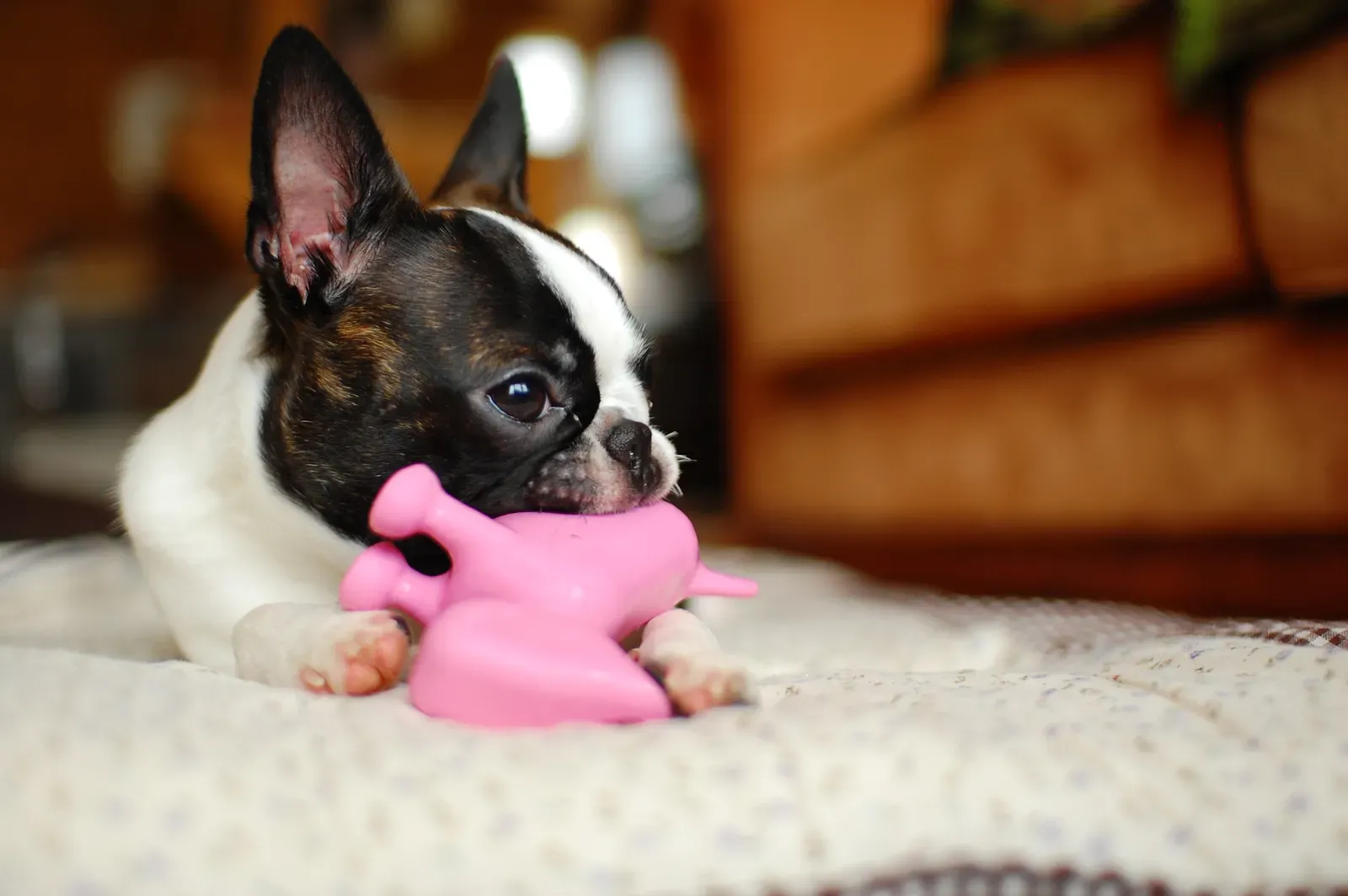
Your dog’s toy preferences tell a story. They reveal what makes them feel secure, what triggers their natural instincts, and what memories they’ve created with you. That ratty old rope toy isn’t junk; it’s a treasured possession full of meaning.
The most wonderful part? You can use this knowledge to enrich your dog’s life. Rotate toys to keep them fresh. Choose new toys that match their breed instincts and personality. Add your scent to toys before introducing them. Most importantly, play together, because your involvement transforms any ordinary toy into something magical.
Watch your dog’s reactions closely. They’re constantly communicating their preferences through which toys they choose, how long they play, and what type of interaction they seek. Let them guide you toward what brings them joy.
Have you figured out what makes your dog’s favorite toy so special? Does it squeak just right, smell like home, or remind them of your best play sessions together? Every dog’s preferences are beautifully unique, and understanding them deepens the bond you share. What surprising toy preference has your dog shown you?


