
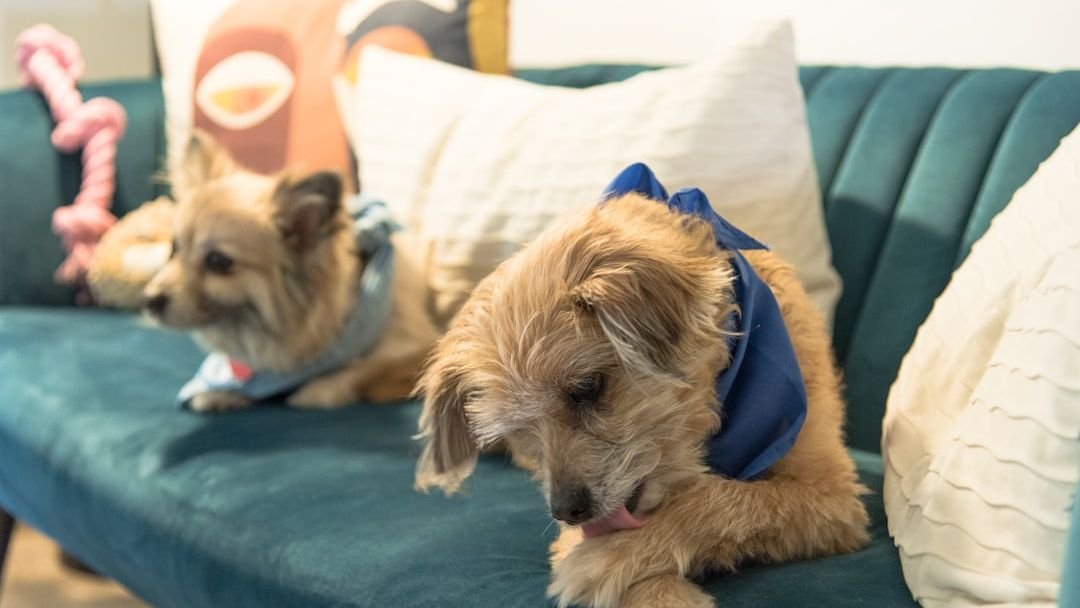
You know that familiar sound – the rhythmic lick-lick-lick that wakes you at 3 a.m. Maybe you’ve noticed your pup going at their paws after every walk or focusing intently on one spot until the fur’s wet and matted. At first, it seems harmless. Dogs lick themselves, right? That’s just what they do.
Here’s the thing, though. While a quick lick here and there is totally normal grooming behavior, obsessive licking is your dog’s way of telling you something’s wrong. It could be physical pain, an allergy flare-up, or even emotional distress. The tricky part is figuring out what’s behind the behavior before it spirals into a bigger problem. Let’s dig into what might be driving your dog’s licking and how you can help them feel better.
When Licking Crosses the Line From Normal to Obsessive

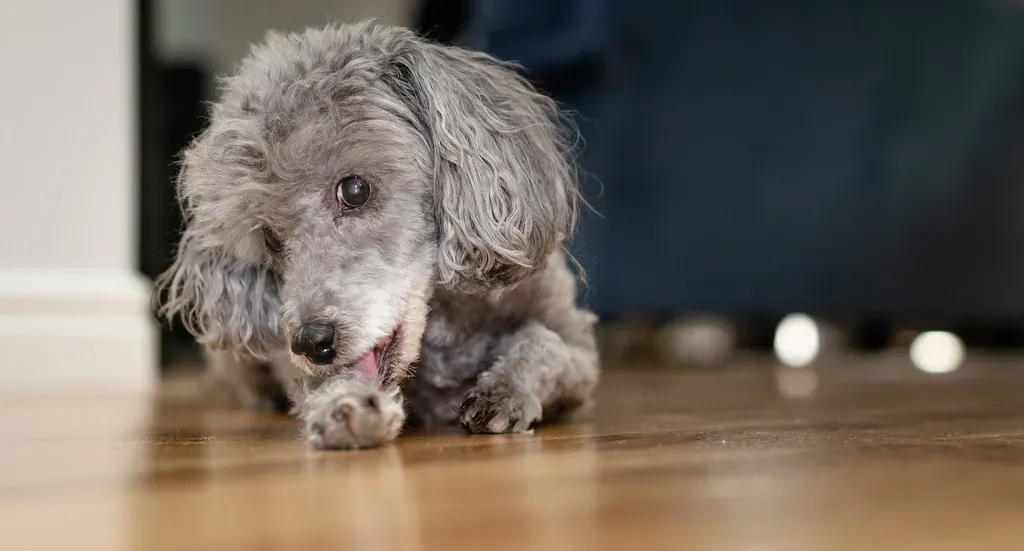
Dogs naturally lick their paws and bodies as part of their self-care routine, especially after spending time outdoors. Occasional paw licking is normal for dogs as a part of their self-grooming process, especially when they come inside after walking on dirty or sandy ground. It’s their way of tidying up, just like we wash our hands after being outside.
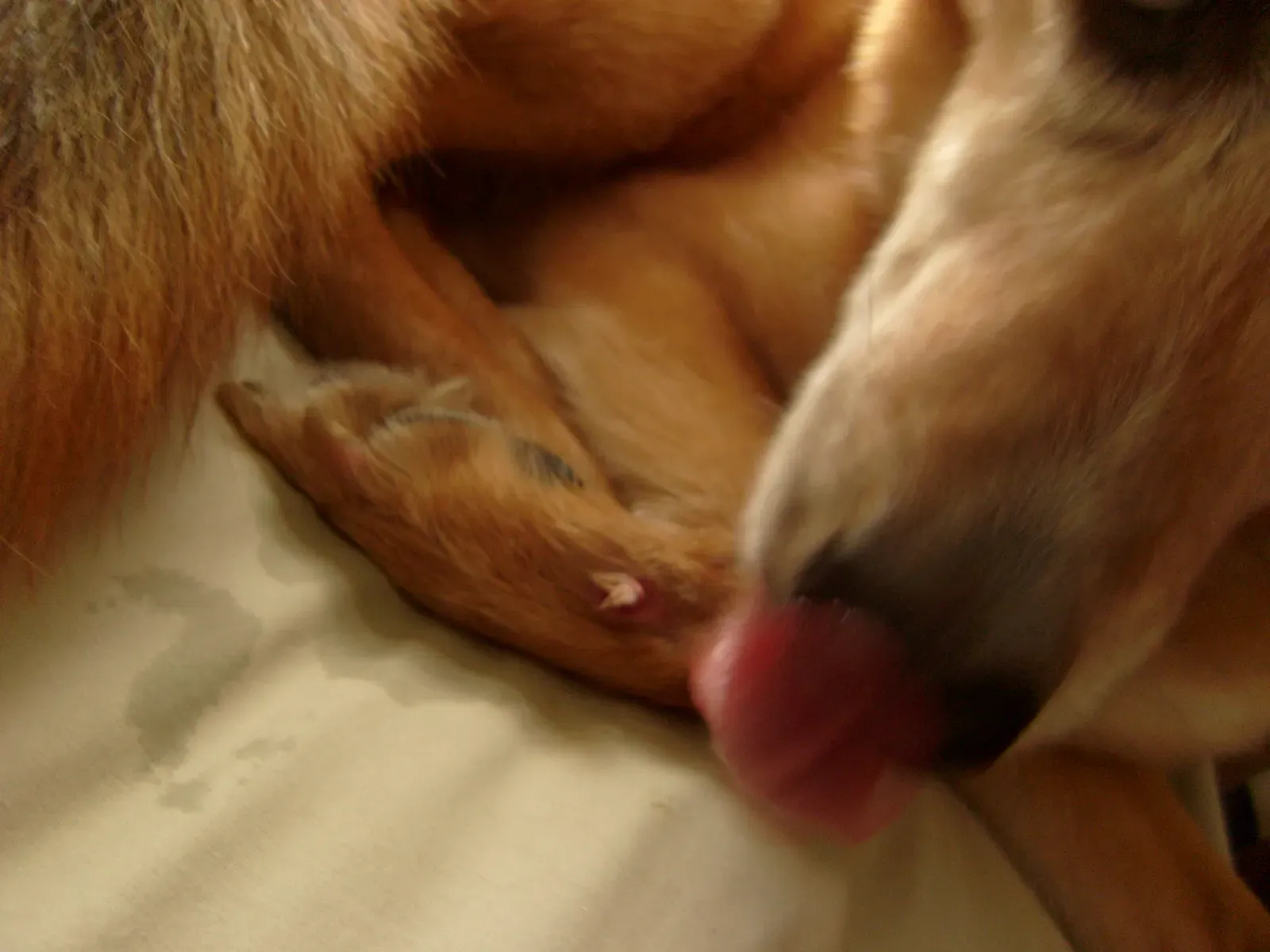
The red flag appears when the licking becomes relentless. Your dog is unable to sleep or frequently wakes because of the urge to lick or chew. Maybe they’re obsessing over one particular paw until it’s raw. Or perhaps they stop mid-play to groom themselves compulsively. Signs of excessive licking include hair loss, skin redness, oozing wounds, whimpering, chewing on the paws, and difficulty leading a normal life due to the constant urge to lick or groom.
If you’ve noticed bald patches, discolored fur, or moist, inflamed skin, that’s your cue to take action. These aren’t just cosmetic issues. They’re signals that something deeper is going on, and honestly, ignoring them won’t make them go away.
Pain and Injury: The Silent Culprits Behind the Licking
Like humans rub painful areas to make themselves feel better, dogs lick painful areas to relieve some of the pain, or if they can’t reach, they may lick a closer body part like their front legs. Think about it. Your dog can’t verbally tell you where it hurts, so licking becomes their coping mechanism. It could be something obvious like a cut, thorn, or bee sting lodged in their paw pad. Or it might be something less visible, like joint pain from arthritis.
Finally, a dog that is experiencing pain due to arthritis or other foot or leg conditions may lick their paws. Even if the pain is somewhere else in their body, some dogs will try to deal with it by licking a front paw continuously. This is especially common in older dogs whose joints aren’t what they used to be. One interesting finding shows that front paw lickers often have discomfort in their neck, while back paw lickers might be dealing with lumbar spine issues.
Inspect your dog’s paws carefully. Look for foreign objects, swelling, or tenderness when you gently press around the toes and pads. Even a tiny splinter can cause significant irritation.
Allergies: The Itch That Won’t Quit
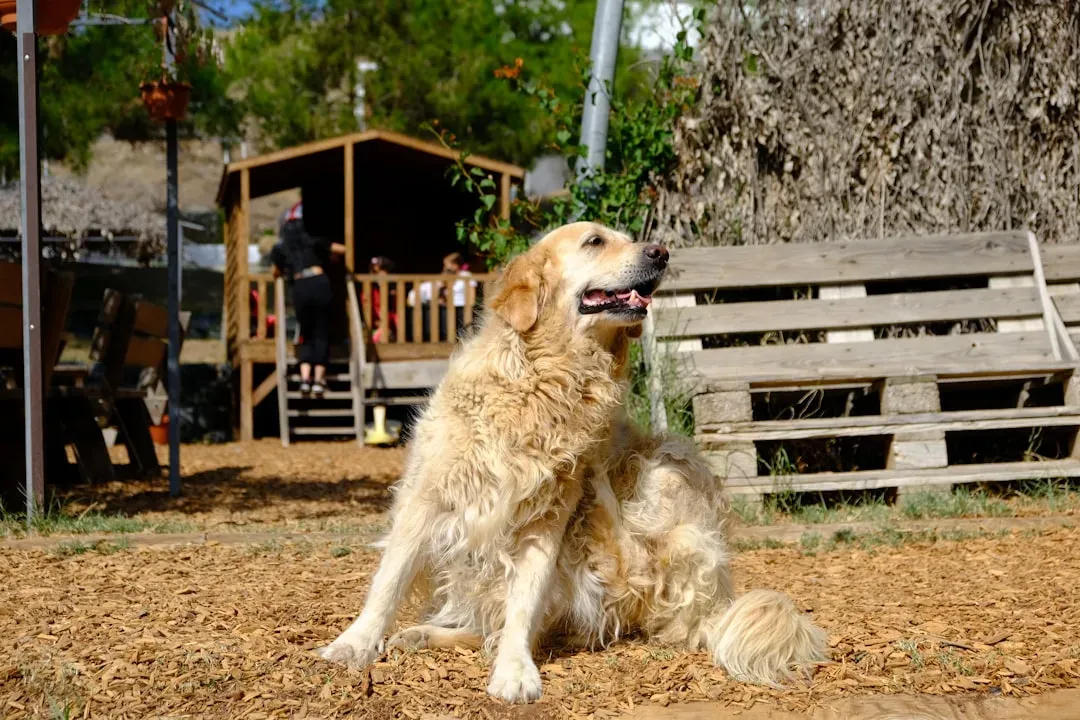
Let’s be real, allergies are probably one of the most frustrating things for dogs and their humans. Excessive licking in dogs can be caused by allergies, anxiety, pain, boredom, or obsessive-compulsive behaviors. Allergies are one of the most common causes of pruritus, or itchiness. There are generally three types of allergies in dogs – environmental allergy, flea allergy (allergy to flea bite saliva), and food allergy.
Environmental allergies are huge. Pollen, mold, dust mites – all the invisible stuff floating around can make your dog’s skin crawl. Think of it like seasonal hay fever in humans, except dogs can’t reach for antihistamines on their own. Instead, they lick and chew to try finding relief. Food allergies are trickier to pin down, but they often show up as itchy paws and ears.
Underlying itchiness is what results in that constant foot licking; the moisture caused by excessive foot licking between the paws can cause a secondary bacterial or yeast infection. So it becomes this vicious cycle – itching leads to licking, which creates moisture, which then breeds infection. Not fun for anyone.
Skin Infections and Parasites: The Hidden Troublemakers
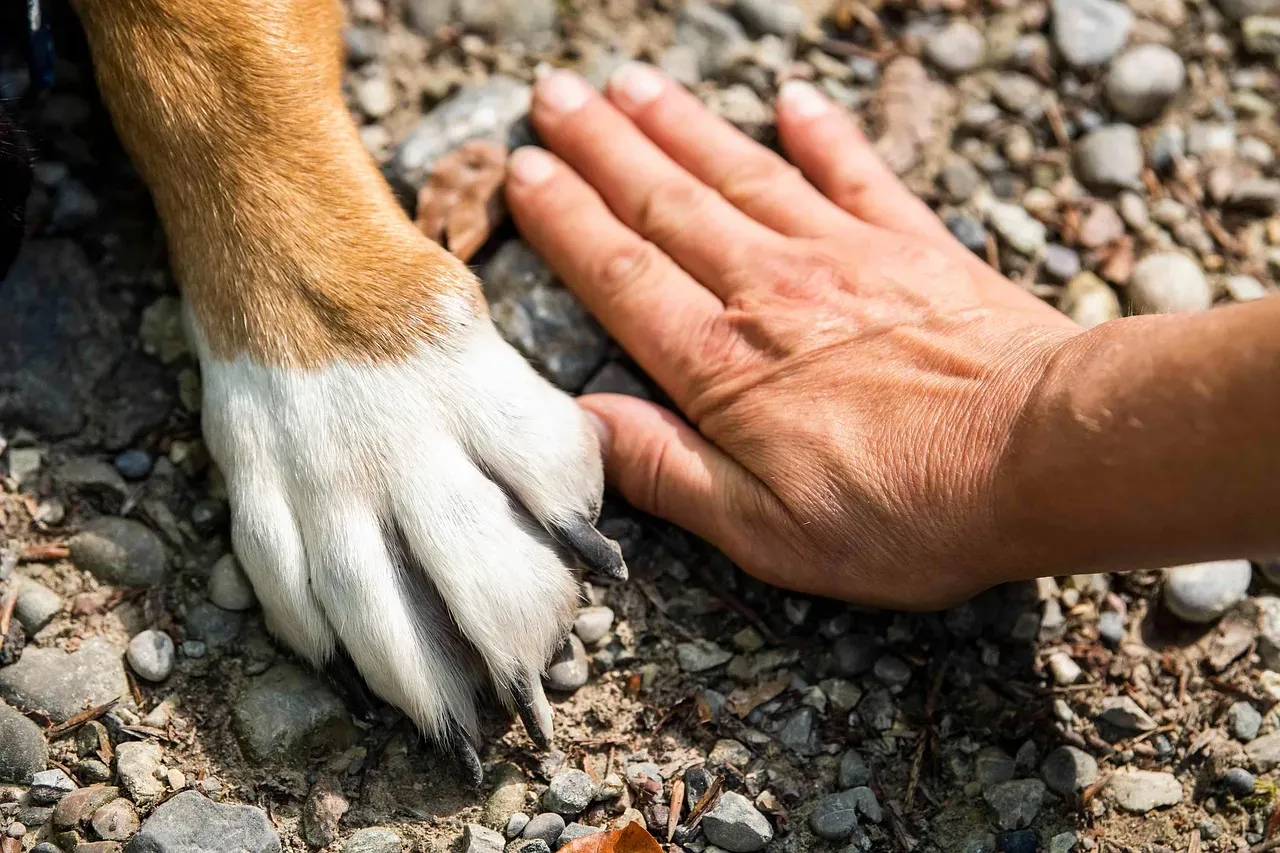
Bacterial and yeast infections love warm, moist environments, which is exactly what constant licking creates. Yeast and bacteria thrive in warm, moist, dark, irritated environments, which is why we frequently see yeast infections and bacterial infections between toes, in the groin area, and in the ears. Brownish-red discharge and discoloration are common signs of yeast and bacterial infections. You might notice a funky smell or see reddish-brown staining on lighter-colored fur.
Parasites like fleas, ticks, and mites are another common reason for obsessive licking. Even if you don’t see them crawling around, they could still be there. Fleas are especially sneaky, and sometimes all you’ll find is the tiny black “dirt” they leave behind. Dogs explore the world on four legs, so their paws are naturally the first spot many parasitic critters settle. Fleas, ticks, lice, and mites can all irritate your furry friend’s skin and cause your dog to lick the infested area.
Check your dog’s skin regularly, especially between the toes and in warm body folds. If you spot anything suspicious or your dog is scratching like crazy, get them to the vet for a proper diagnosis.
Digestive Issues and Nausea: Surprising Stomach Connections

This one catches a lot of people off guard. Gastrointestinal Issues: Nausea, acid reflux, or other digestive discomfort can prompt dogs to lick excessively. They might be trying to soothe their upset stomach or alleviate a feeling of unease. It’s like how we might rub our bellies when we have a stomach ache – dogs lick surfaces or themselves when their tummies feel off.
A study done in Montreal found something really interesting. One such study was done in Montreal using 19 canines who were suffering from excessive licking of surfaces. Fourteen (14) of the nineteen (19) were found to have gastrointestinal issues, like: Infiltration of lymphocytes and plasma cells and other inflammatory cells into gastrointestinal tissues That’s nearly three-quarters of the dogs in the study.
If your dog is licking surfaces – floors, carpets, furniture – along with themselves, don’t brush it off as quirky behavior. It could point to underlying digestive troubles that need veterinary attention. Other signs might include decreased appetite, vomiting, or changes in stool.
Anxiety, Boredom, and Compulsive Behaviors: The Mental Health Factor
Sometimes the root cause isn’t physical at all. Similar to humans, dogs can experience anxiety. Common causes include fear, separation, and aging. Repetitive or compulsive behaviors, like obsessive licking, is one sign of anxiety in dogs. Dogs who are stressed, lonely, or under-stimulated often turn to repetitive behaviors to self-soothe.
Think about a dog who’s home alone for hours every day with nothing to do. Without proper enrichment, dogs can become bored. Dogs can lick, groom, and scratch because of boredom. The licking gives them something to focus on, releases endorphins, and temporarily relieves their stress. Unfortunately, it can quickly become a compulsive habit that’s hard to break.
However, it is believed to be caused by multiple factors that are both physical (e.g., allergies, infection, joint pain) and psychological (e.g., fear, anxiety, compulsive disorder). Some dogs develop what’s called acral lick dermatitis or lick granulomas – thick, inflamed sores caused by chronic licking. These are notoriously difficult to treat because the behavior has become so ingrained. Mental stimulation, increased exercise, puzzle toys, and sometimes anti-anxiety medications can make a world of difference.
Conclusion: Taking Action Before It’s Too Late
Your dog’s obsessive licking isn’t just annoying background noise. It’s a form of communication, a distress signal that something needs your attention. Whether it’s pain from an unseen injury, the maddening itch of allergies, or the emotional weight of anxiety, your furry friend is counting on you to decode the message and help them find relief.
Don’t wait too long to do this, because the moisture of constant foot licking can cause a secondary bacterial or yeast infection – causing even more itching, redness, swelling, and licking. The longer you wait, the more complicated the problem can become. Document when and where your dog licks, take videos if possible, and schedule a vet visit. Because at the end of the day, your dog deserves to feel comfortable in their own skin.
Have you noticed your dog licking more than usual? What patterns have you observed? Trust your gut and reach out to your veterinarian – your pup will thank you for it.


