
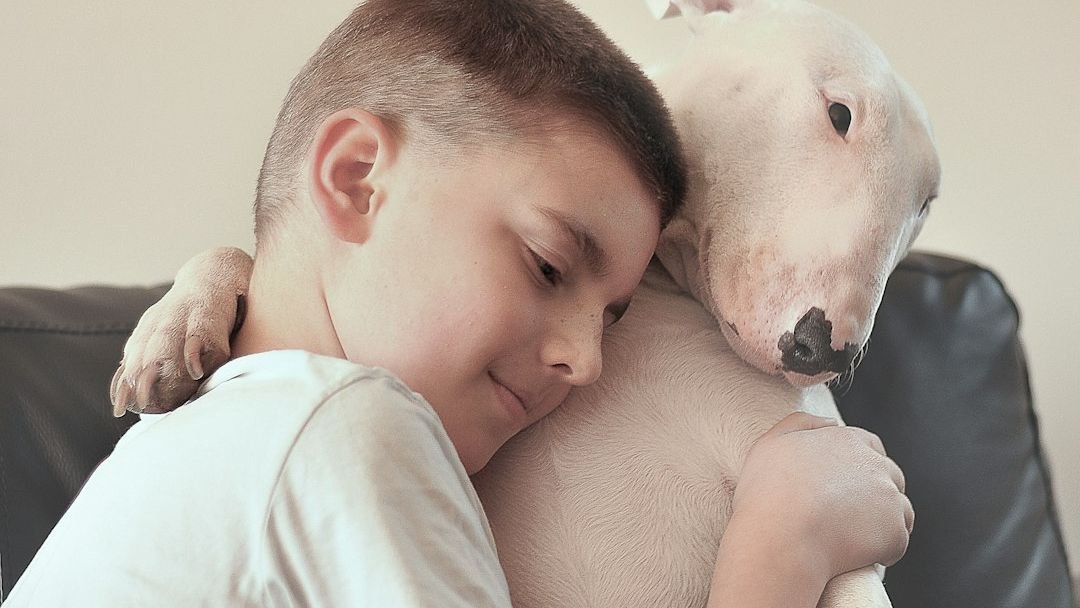
You’ve probably experienced it. That moment when you’re curled up on the couch fighting back tears, and your dog pads over, rests their head on your lap, and just stays. No words, no judgment. Just presence. It’s one of the most remarkable things about sharing your life with a dog – their uncanny ability to sense when something’s off and respond with what feels an awful lot like compassion.
Research has found that dogs would rescue their distressed owner more quickly than a calm owner, and honestly, that tells us something profound about the emotional lives of our four-legged friends. They’re not just reacting to random cues. They’re tuning into us on a level that’s both beautiful and a little mysterious. Let’s dive into the fascinating ways dogs show empathy and what that really means for the bond you share.
Reading Your Emotional State Like a Book
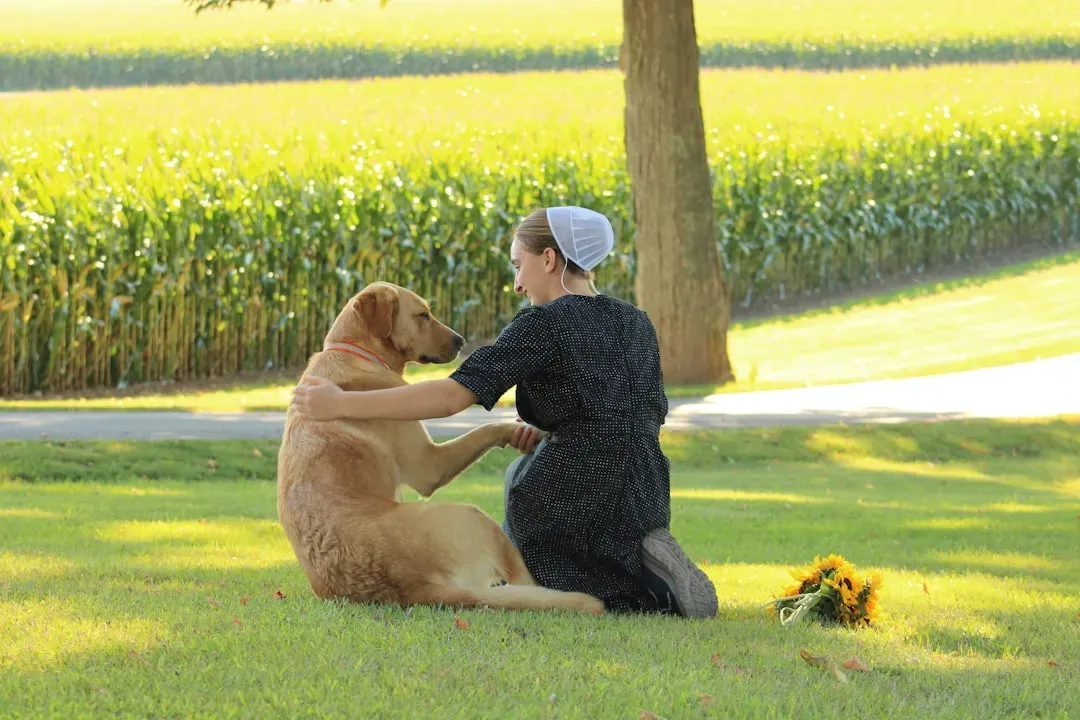
Dogs can interpret our moods by observing facial expressions and body language, and this skill allows them to respond appropriately, like offering comfort when we’re sad. Think about it – your dog doesn’t need you to say a word to know you’re having a rough day. They pick up on the tiniest shifts in your demeanor, from the way your shoulders slump to the tone in your voice when you call their name.
Dogs can tell the difference between emotions shown through things like body language, facial expressions, tone of voice, and even smell. That’s right – they can actually smell the chemical changes in your body when you’re anxious or stressed. It sounds crazy, but these emotional signals don’t just register with dogs. They actively change how dogs behave around you.
Using MRI scans, researchers found that dogs’ brains are activated in a manner akin to ours when they hear happy sounds, proving that dogs process positive emotions in a way parallel to humans. So when your pup’s tail starts wagging at the sound of your laughter, it’s not just learned behavior. Their brain is genuinely responding to your joy.
When They Offer Physical Comfort During Distress
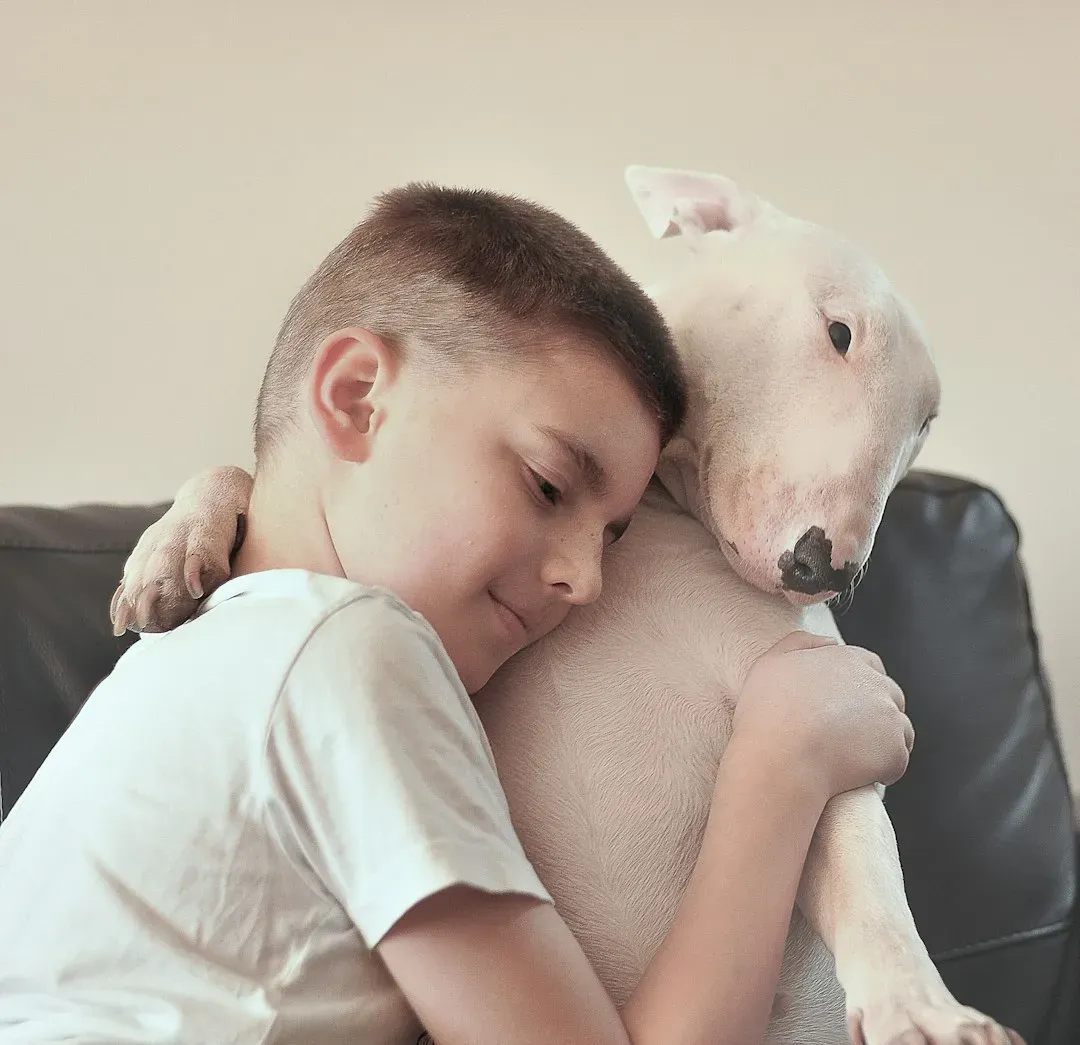
A study found that dogs responded more to their owner’s distress than to a stranger’s distress, and when their owners cried, the dogs approached and tried to comfort them. This is where the empathy really shines through. It’s one thing to notice someone’s upset. It’s another thing entirely to do something about it.
I’ve heard countless stories from dog owners about how their pets stayed glued to their side during illness, breakups, or grief. You might have noticed your dog being more attentive and comforting when you’re feeling down, resting their head on your lap or sitting quietly beside you. These aren’t random acts. They’re deliberate gestures of support.
Among dogs who opened the door, those responding to owner distress did so much faster – after an average of twenty-three seconds, compared to almost ninety-six seconds in the humming group. That urgency speaks volumes. Your dog isn’t just casually wandering over when you’re upset. There’s genuine motivation to reach you, to be close, to help in whatever way they can.
Mirroring Your Stress and Emotional State

Here’s where things get really interesting. Dogs, to a great extent, mirror the stress level of their owners. Scientists have measured cortisol – the stress hormone – in both dogs and their humans, and the levels sync up. When you’re stressed, your dog’s stress hormones rise too.
Levels of long-term cortisol in the dog and its owner were synchronized, such that owners with high cortisol levels have dogs with high cortisol levels, while owners with low cortisol levels have dogs with low levels. It’s not that your dog is simply observing your stress from a distance. They’re actually experiencing it alongside you, physiologically and emotionally.
Since the personality of the owners was significantly related to cortisol levels of their dogs, researchers suggest that it is the dogs that mirror the stress levels of their owners rather than the owners responding to the stress in their dogs. So if you’ve ever wondered whether your anxious energy affects your pup, the answer is yes. They’re absorbing it, processing it, and in many cases, reflecting it back through their own behavior.
Distinguishing Between Different Human Emotions

Dogs have the ability to recognise and differentiate emotions in humans and other dogs, and in a scientific study, they were found to have the ability to determine sadness as an emotion different from other feelings. It’s not just a vague sense of “something’s wrong.” Dogs can actually tell the difference between sadness, anger, fear, and joy.
A study played dogs recordings of six basic human emotions and measured brain side use, heart activity, and behavior, finding dogs used the right brain more for negative sounds like fear and sadness and the left brain more for positive sounds like happiness. Their brains literally process different emotions in different ways, similar to how human brains work.
Findings suggest that dogs can pick up on emotions in both species and even distinguish between positive and negative feelings, implying they might possess one of the key building blocks for empathy. This means your dog isn’t just reacting blindly to your mood. They’re making sophisticated emotional assessments and responding accordingly.
Acting on Empathy to Help You
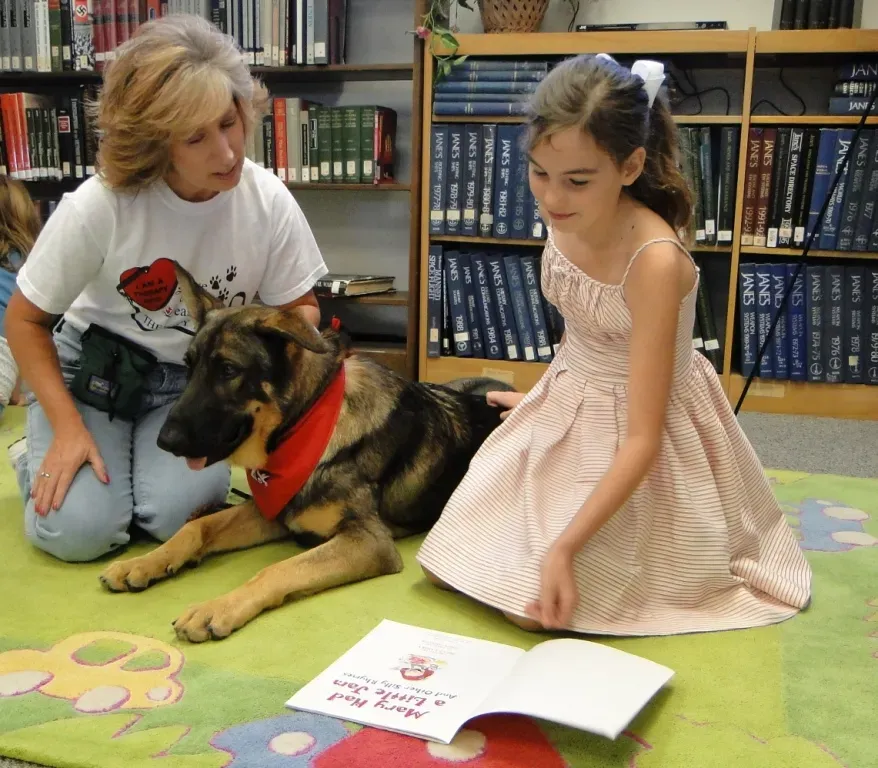
Dogs not only feel empathy towards people, but in some cases also act on this empathy, especially when they are able to suppress their own feelings of distress and can focus on those of the human involved. This is where empathy moves from feeling to action. It’s one thing for your dog to sense your sadness. It’s another for them to overcome their own discomfort to be there for you.
Many dogs show empathy if their owner is in distress and will also try to help rescue them. In research settings, dogs have been observed pushing open doors to reach crying owners, choosing to be near them rather than exploring or playing. That’s not coincidence or conditioning. It’s purposeful, empathetic behavior.
Some dogs are naturally better at this than others. Dogs specially trained for visitations as therapy dogs are just as likely to help as other dogs. Training doesn’t necessarily increase empathy – it’s more about the individual dog’s temperament and their bond with their human. Still, the capacity for empathetic action is there across breeds and backgrounds.
Building the Bond That Strengthens Empathy
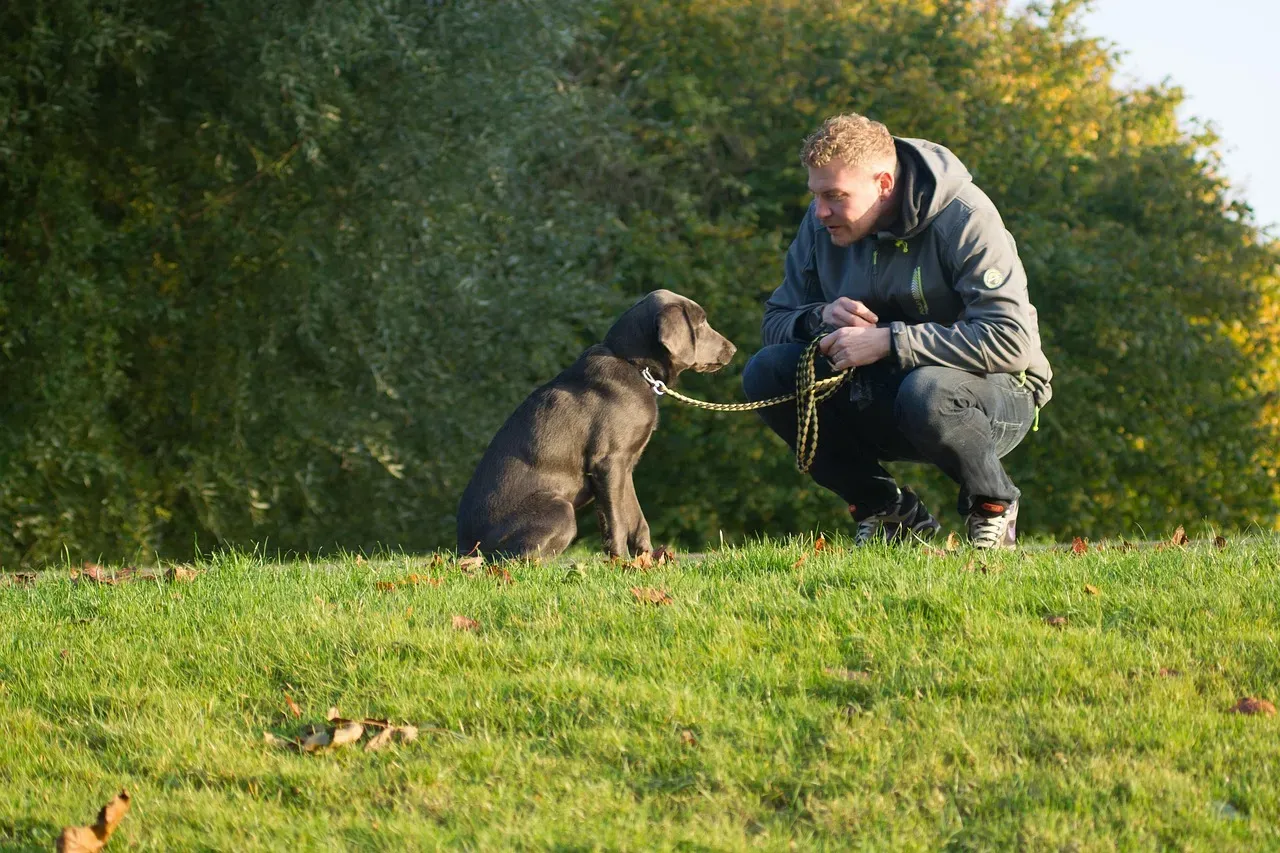
Among dogs who did open the door, those who scored highly on a separate owner bond test tended to open the door quickly, signifying that dogs who feel attached to their owners want to help. The strength of your relationship directly influences how your dog responds to your emotions. The closer you are, the more attuned they become.
Dogs’ emotional intelligence can be traced back to their long history of domestication, and studies have revealed that dogs possess oxytocin responses similar to humans, underlying their capacity for forming strong emotional connections. When you look into your dog’s eyes, both of you experience an oxytocin release – the same bonding hormone that mothers and babies share. It’s biochemical proof of your connection.
The daily routines you share – walks, playtime, quiet evenings together – all deepen this bond. The stress level of competing dogs seems to be linked more strongly with that of the owner, which may be associated with a higher degree of active interaction between the owner and the dog when they train and compete together. Time spent together, especially in activities that require cooperation and communication, strengthens the empathetic connection between you and your dog.
Conclusion
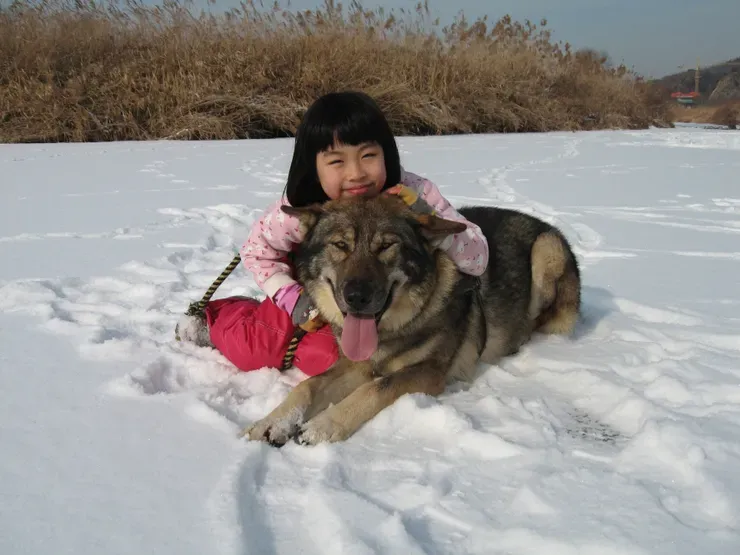
So, how do dogs show empathy? They read your face, your body, your voice, even your scent. They approach when you’re hurting, stay close when you need them, and mirror your emotional state in ways that science is only beginning to fully understand. Their empathy isn’t just instinct or training. It’s a genuine emotional response rooted in the deep bond you’ve built together.
The next time your dog curls up beside you on a hard day, remember – they’re not just being a good dog. They’re showing you something remarkable: the capacity to feel what you feel and respond with compassion. That kind of connection is rare, even among humans. What do you think about the empathy your dog shows you? Have you noticed these behaviors in your own companion?


