

You know that moment when your dog flops down in the shade after a walk, tongue hanging out, eyes half closed? It’s cute, sure. Maybe even Instagram worthy. Still, there’s something deeper going on beneath that panting and those droopy eyes. Your pup is working hard to cool down, and sometimes, what looks perfectly normal might actually be the first whisper of overheating.
Here’s the thing. Dogs can’t tell us when they’re uncomfortably hot. They push through, they keep pace with us, they stay loyal even when their bodies are screaming for relief. That’s why recognizing the early, subtle signs of overheating is so critical. It’s not always dramatic or obvious. Sometimes it’s just a shift in behavior, a change in gum color, or an extra minute of heavy panting that doesn’t quite settle. Let’s dive into what you need to watch for, so you can keep your best friend safe when the temperature climbs.
That Panting Doesn’t Look Quite Right
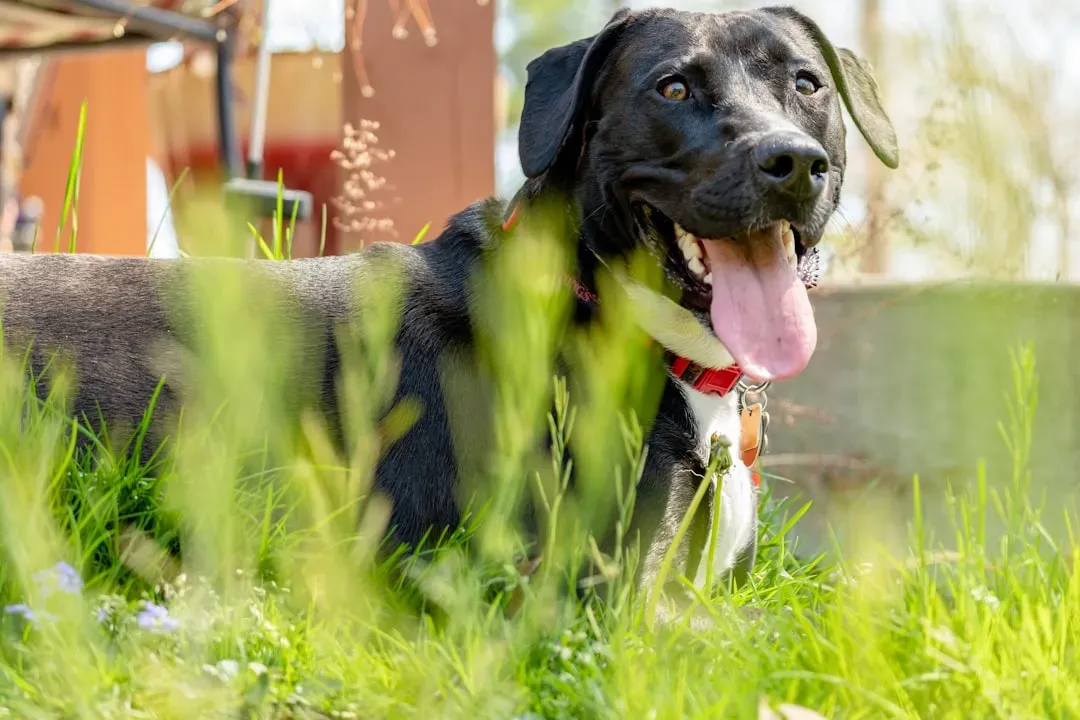
Clear warning signs of overheating in dogs include frantic panting, extreme salivation, bright-red membranes, and labored breathing. Honestly, most of us know dogs pant to cool off. It’s their main way of releasing heat since they can’t sweat like we do. Panting helps dogs regulate body temperature because it causes air to flow over the dog’s wet mucous membranes in its mouth and nose, and evaporation of water from these areas will lower a dog’s core body temperature.
When things get a little too toasty, though, panting changes. It becomes faster, more intense, sometimes even frantic. You’ll notice their chest heaving harder than normal, and the rhythm just feels off. If your pup is panting more than usual, it could be a sign they’re too hot. Pay attention to the sound too. Noisy, raspy, or labored breathing often signals your dog is struggling to keep cool. If that panting doesn’t ease up even after moving to shade or resting, it’s time to take action.
Check Those Gums and Tongue
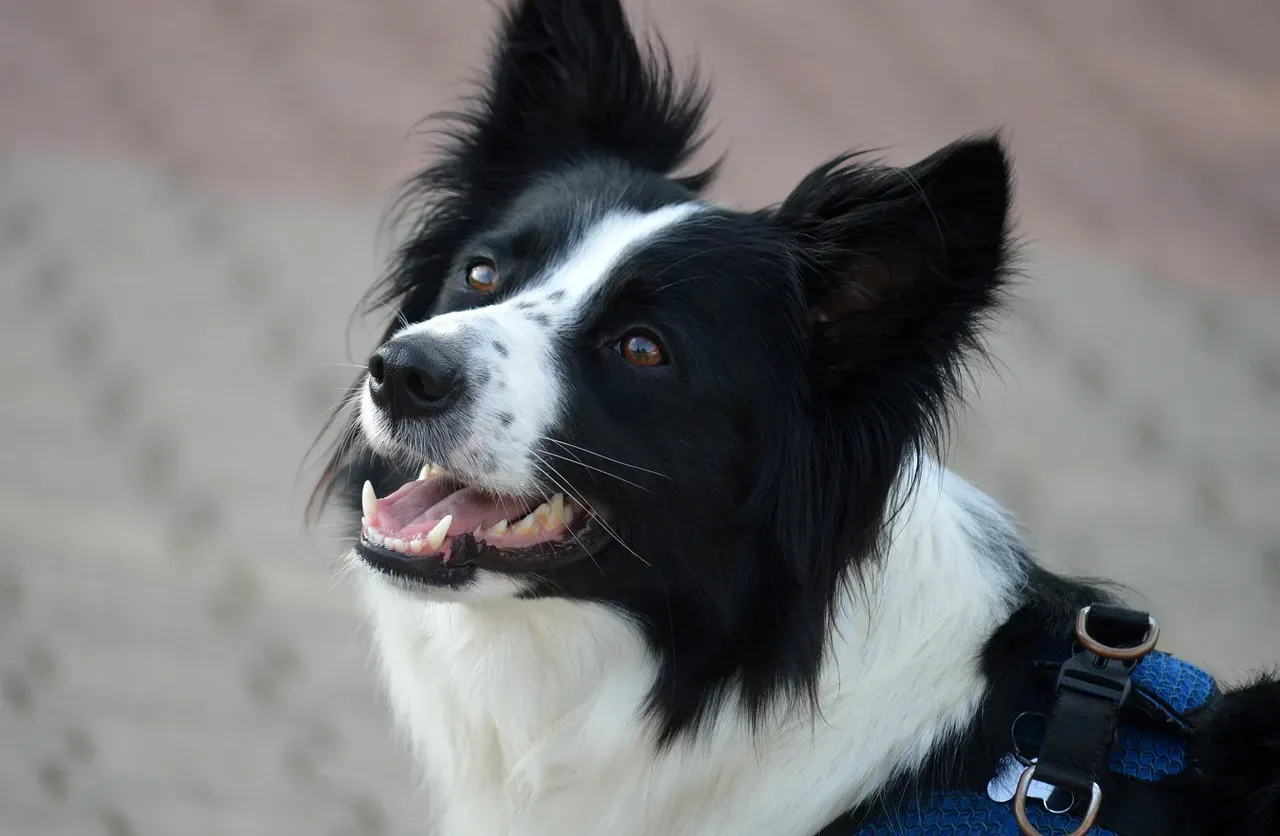
This one might surprise you, but your dog’s gum color can be a roadmap to how they’re handling the heat. As a dog’s temperature rises, blood rushes to the surfaces of the tongue, gums, and membranes to help transfer excess heat, resulting in bright-red membranes. Bright red or dark pink gums are your dog’s body literally trying to cool itself from the inside out.
If the overheating continues and your pup can’t get relief, those gums might shift to pale, grayish, or even purple. An overheated dog may gasp for air, and the entire mouth will become grayish to purple because of the unmet oxygen demand. That’s a scary sign and means their body is in serious distress. Grab a quick peek at your dog’s gums regularly during hot days. It takes two seconds and could make all the difference.
Behavior Changes You Might Miss
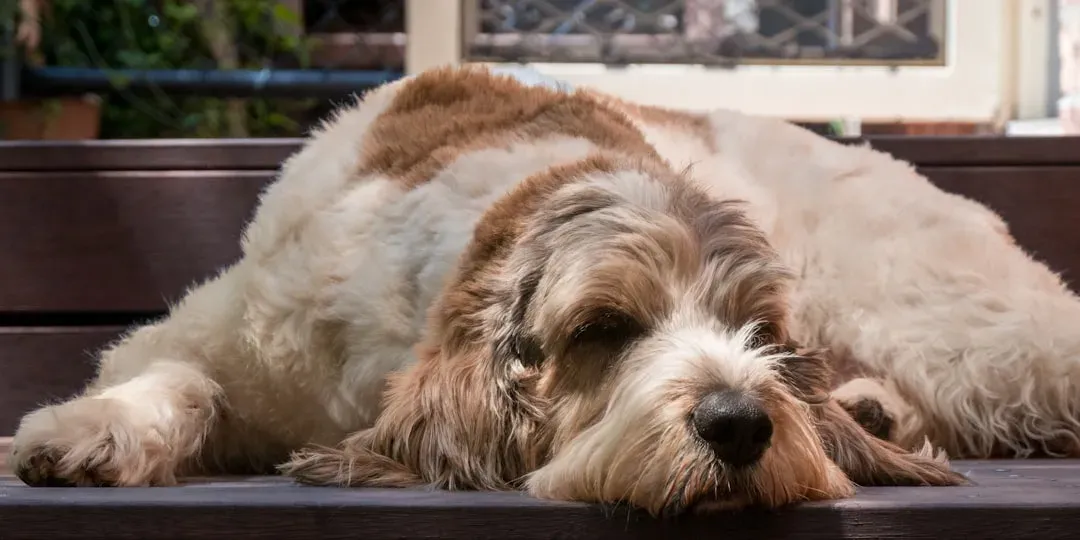
As a dog tires, they may become less animated, their facial expression may show signs of concern or apprehension, they may slow their pace, and show lowered tail carriage with less tail action. These subtle shifts in personality and energy can be easy to overlook, especially if you’re focused on your walk or outdoor activity.
A dog experiencing heat exhaustion will often become lethargic and weak, may not respond to your calls or show interest in activities they usually enjoy, which is a clear indication that their body is under stress due to the heat. Maybe your normally playful Labrador suddenly isn’t interested in fetch. Or your curious terrier stops sniffing around and just stands there. That’s not laziness. That’s your dog trying to conserve energy and protect itself from further overheating. Listen to those signals.
Excessive Drooling and Sticky Saliva
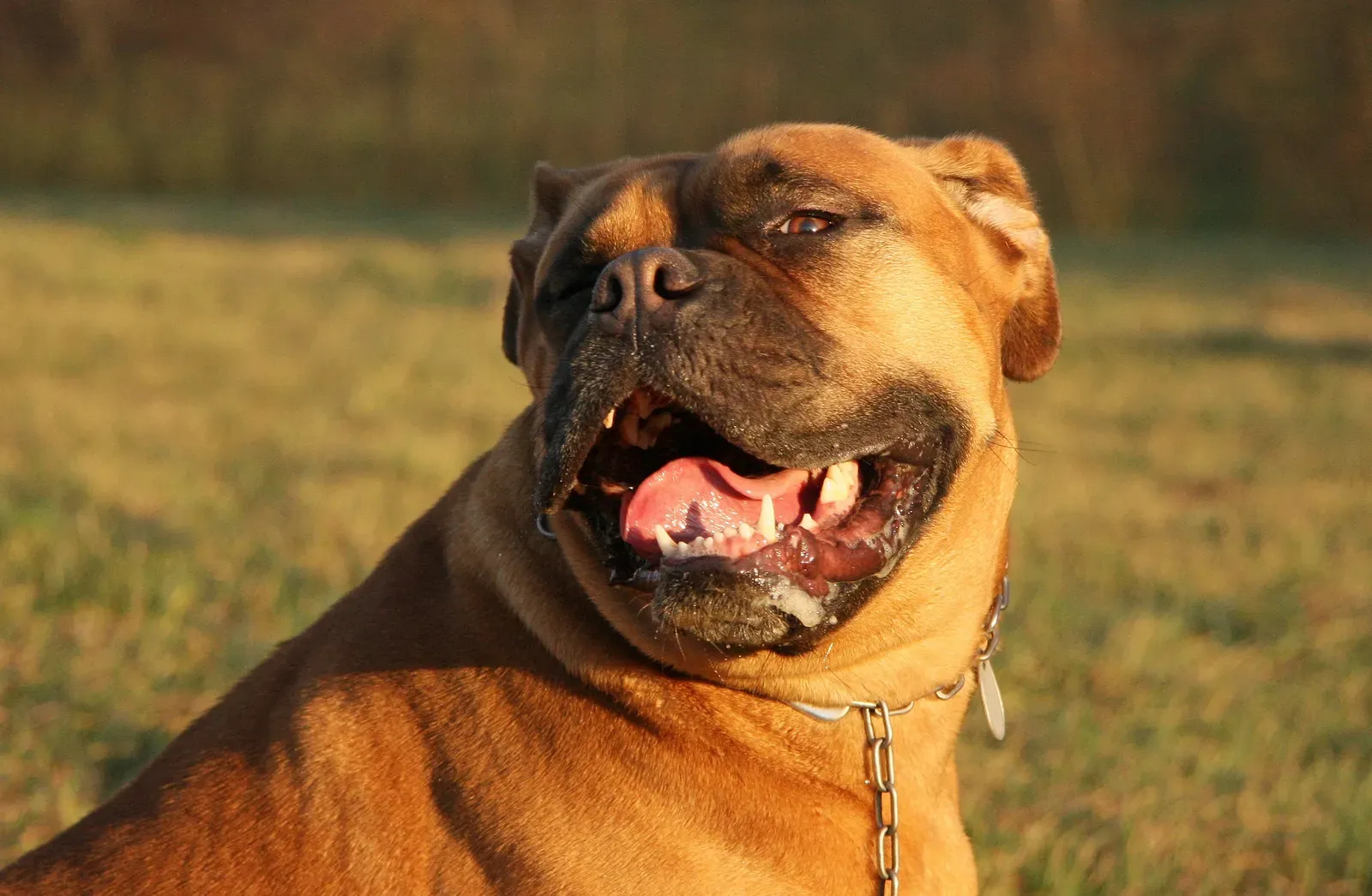
Drool happens, especially with certain breeds. However, excessive drooling paired with heat exposure is a red flag. When a dog overheats, saliva production kicks into overdrive as part of the cooling process. What you’ll notice is not just more drool, but thicker, stickier saliva that almost seems pasty.
This happens because your dog is losing moisture fast, and dehydration begins to set in. The saliva becomes concentrated and less fluid. You might see long strings of thick drool hanging from their mouth or coating their tongue. If you’re seeing this, your dog needs water, shade, and rest immediately. It’s one of those signs that people don’t always connect to overheating, yet it’s incredibly telling.
Physical Symptoms Beyond the Obvious
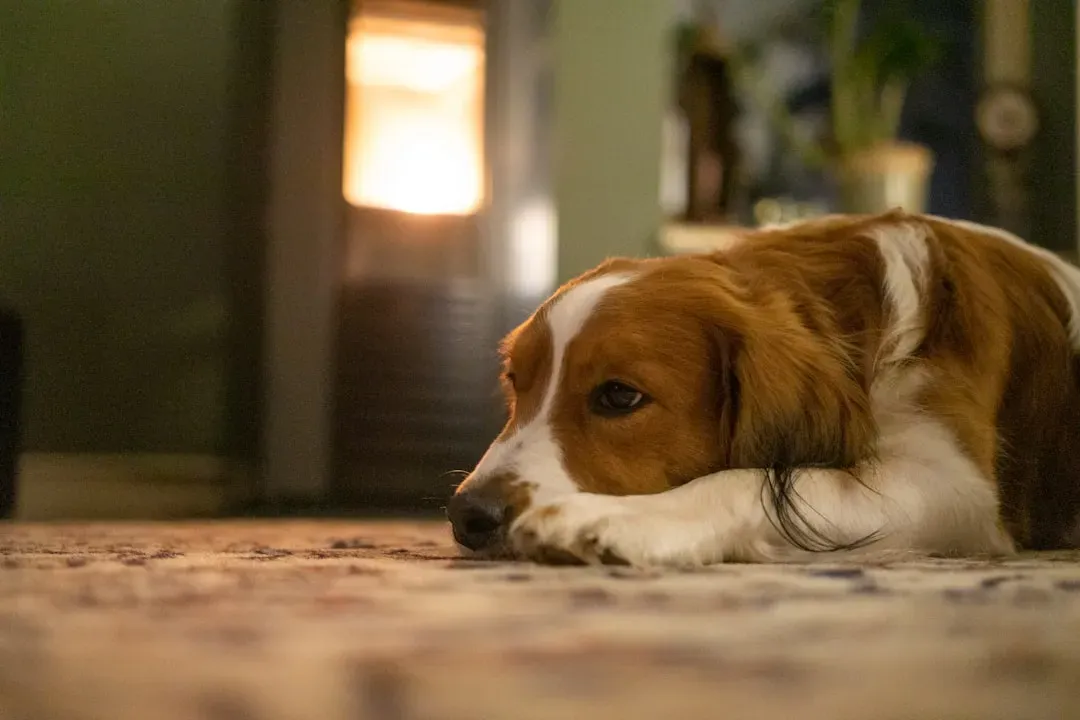
As dogs overheat, they begin to get dehydrated and the amount of blood volume decreases, causing strain on their internal organs and their heart to compensate by beating faster, increasing blood pressure. You might feel a rapid or irregular heartbeat if you place your hand on your dog’s chest. Muscle tremors or shaking regardless of outside temperature may be caused by heat exhaustion.
Vomiting and diarrhea can occur as the body reacts to overheating, and these symptoms can quickly lead to dehydration, exacerbating the problem, so it’s essential to seek veterinary care immediately. I know it sounds extreme, but even mild overheating can trigger digestive upset. If your dog suddenly has soft stool or starts vomiting after being outside in the heat, don’t brush it off. These physical reactions mean their internal systems are already struggling.
The Dogs Most at Risk
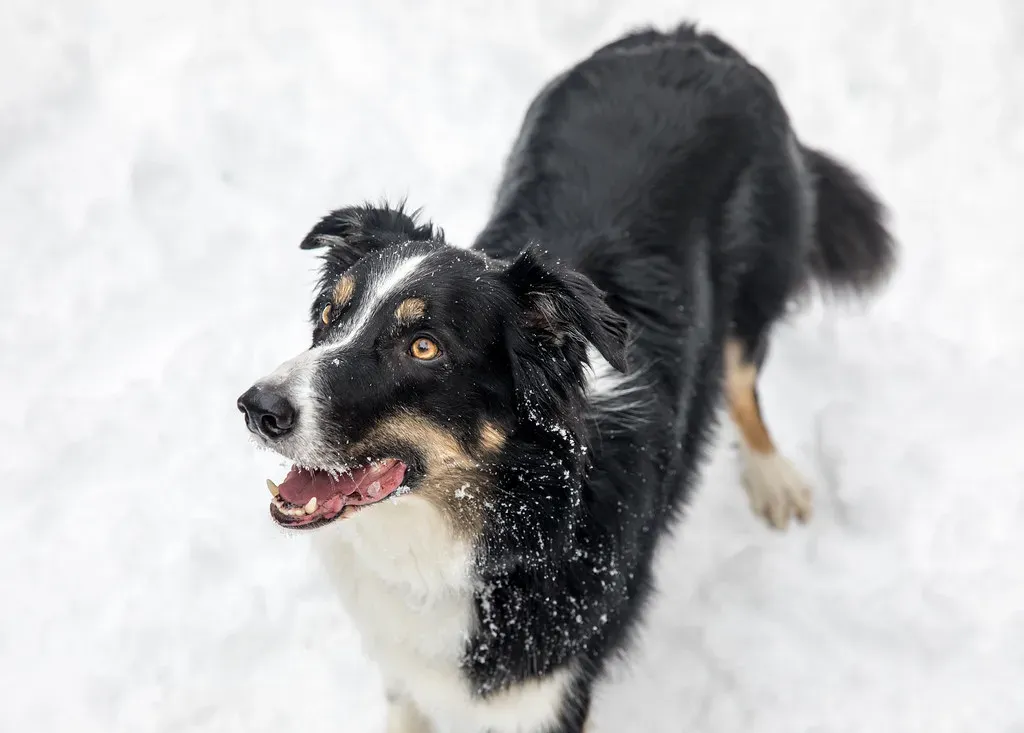
Double-coated dogs and those with black or dark-colored coats can be more vulnerable to overheating since their coats absorb heat faster in the sun. Flat-faced breeds, puppies, senior dogs, and those with thick coats are especially sensitive to heat. Breeds like Bulldogs, Pugs, and French Bulldogs struggle because their shortened airways make panting less efficient.
Overweight or elderly dogs are also significantly more susceptible to overheating because extra layers of fat can act as insulation, trapping heat inside their body, causing them to overheat more quickly. Older dogs are more likely to have certain health conditions like heart disease, which can make it more difficult for their bodies to cope with high temperatures. If your dog falls into any of these categories, you need to be extra vigilant during warm weather. They simply can’t handle heat the way a young, lean, long-nosed dog can.
Conclusion: Trust Your Instincts
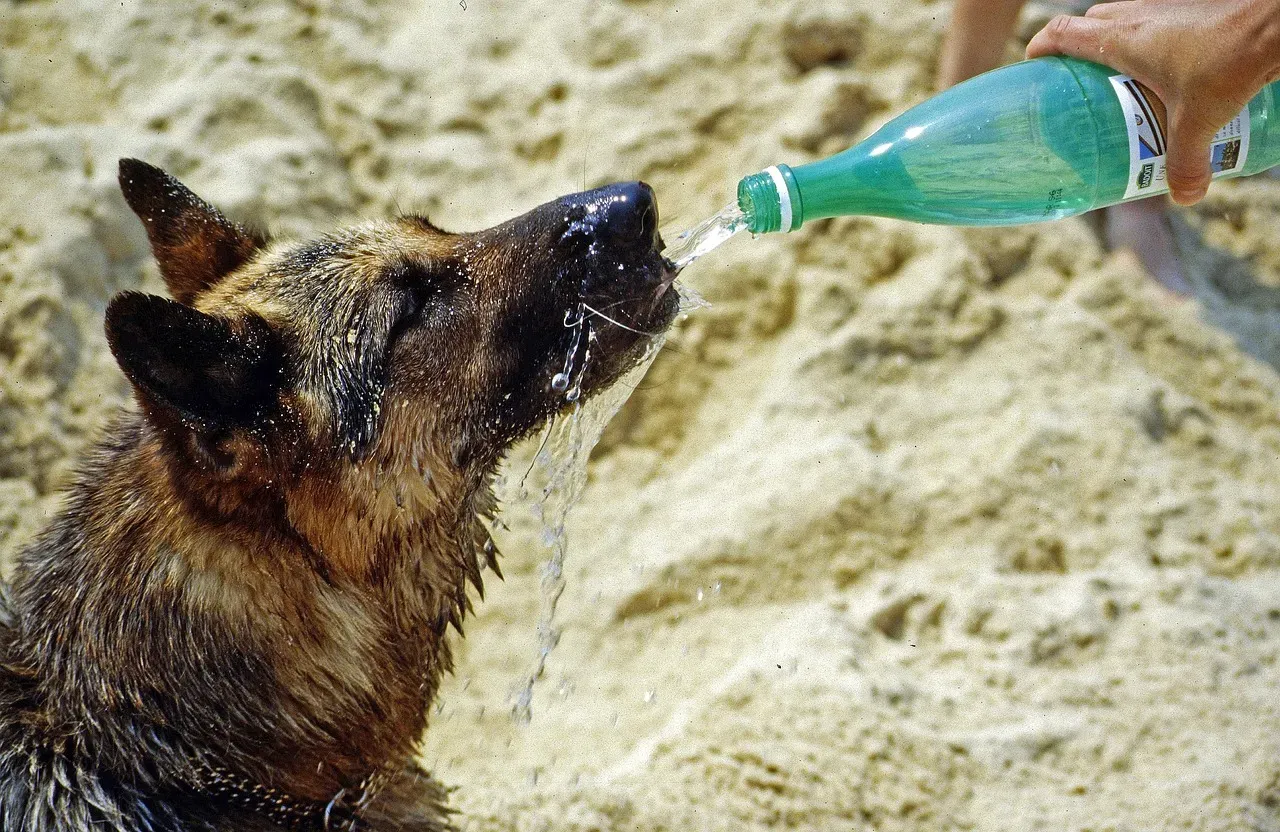
The subtle signs of overheating are exactly that: subtle. They don’t always scream for attention. A shift in energy, a change in gum color, panting that lingers a bit too long. These are your dog’s quiet ways of saying something isn’t right. When a dog’s body temperature rises only a few degrees over 102 degrees Fahrenheit, a dog becomes overheated, and it’s important to take action before heat exhaustion occurs.
Your dog depends on you to notice what they can’t communicate. Keep fresh water accessible, provide plenty of shade, and avoid strenuous activity during peak heat hours. Most importantly, pay attention. You know your dog better than anyone. If something feels off, it probably is. Did you ever notice one of these signs and act just in time? Share your experience in the comments.


