

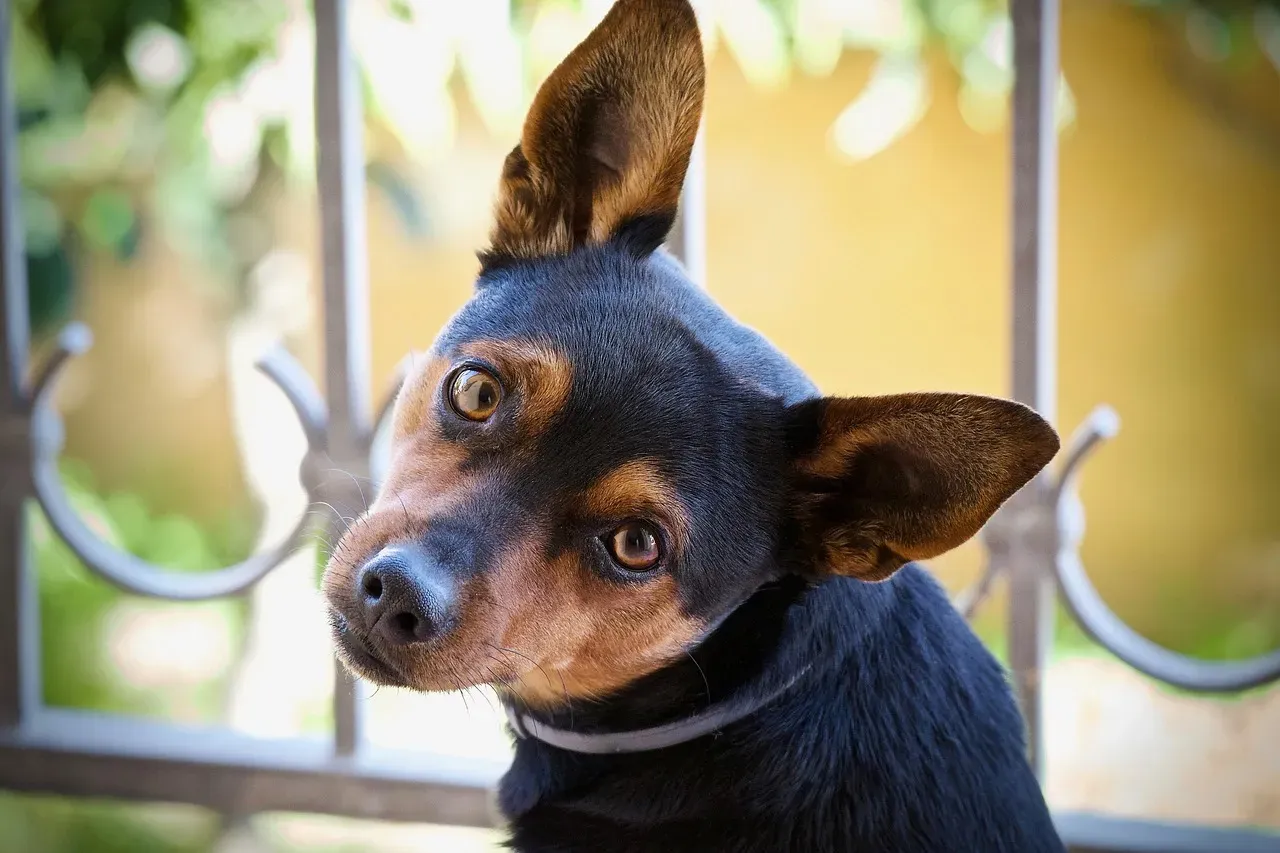
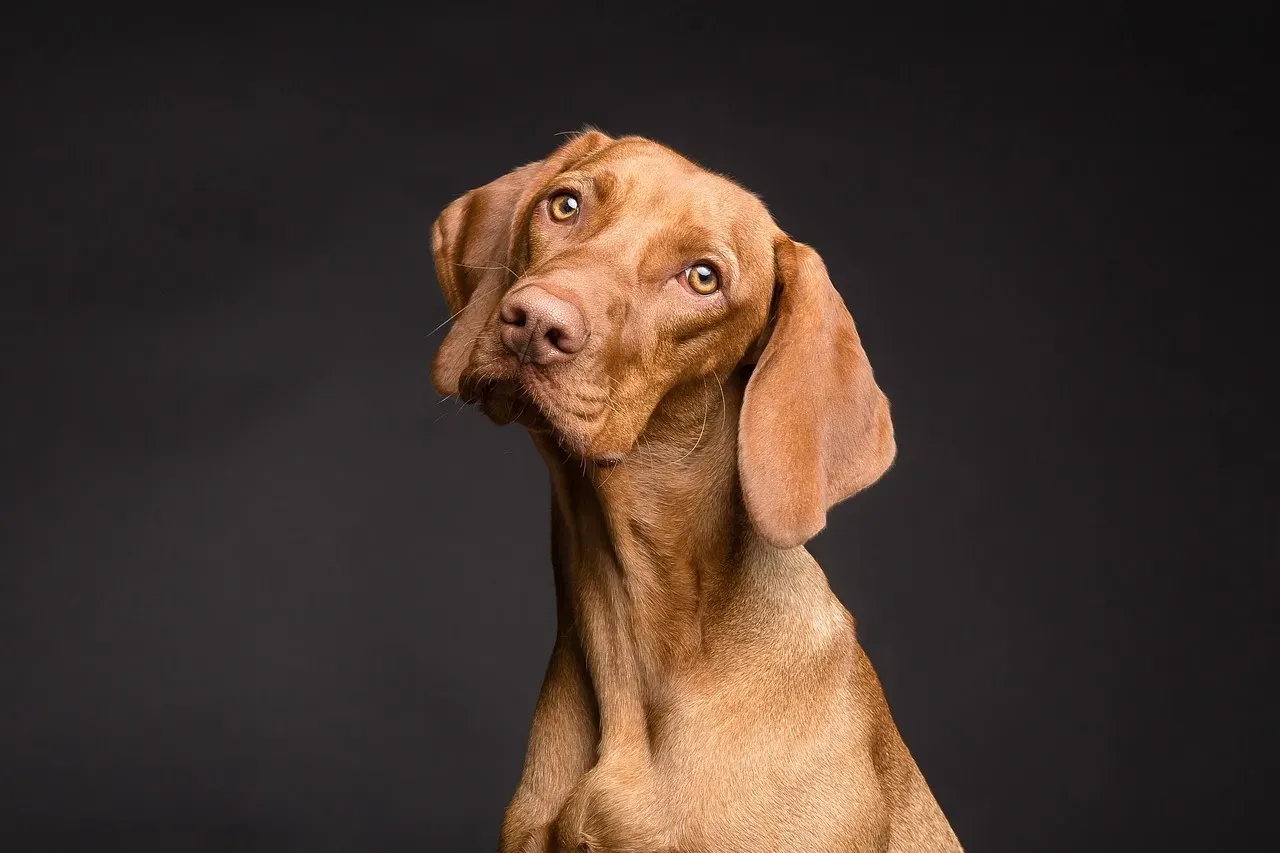
You know that moment when you’re talking to your dog, and suddenly they cock their head to the side with those big, curious eyes? It’s one of those gestures that absolutely melts your heart. Maybe you’ve whispered their name, asked if they want a treat, or simply shared your day with them, and bam, there it is – the tilt. Honestly, it’s almost impossible not to smile when it happens.
That quirky little head tilt feels like your dog is really listening, genuinely trying to understand every word you’re saying. I think most of us have wondered what’s going through their minds in that moment. Are they confused? Intrigued? Or is there something deeper happening beneath those floppy ears? Let’s dive into the fascinating reasons behind this adorable canine habit and what it might reveal about your furry best friend.
They’re Fine-Tuning Their Hearing to Catch Every Word
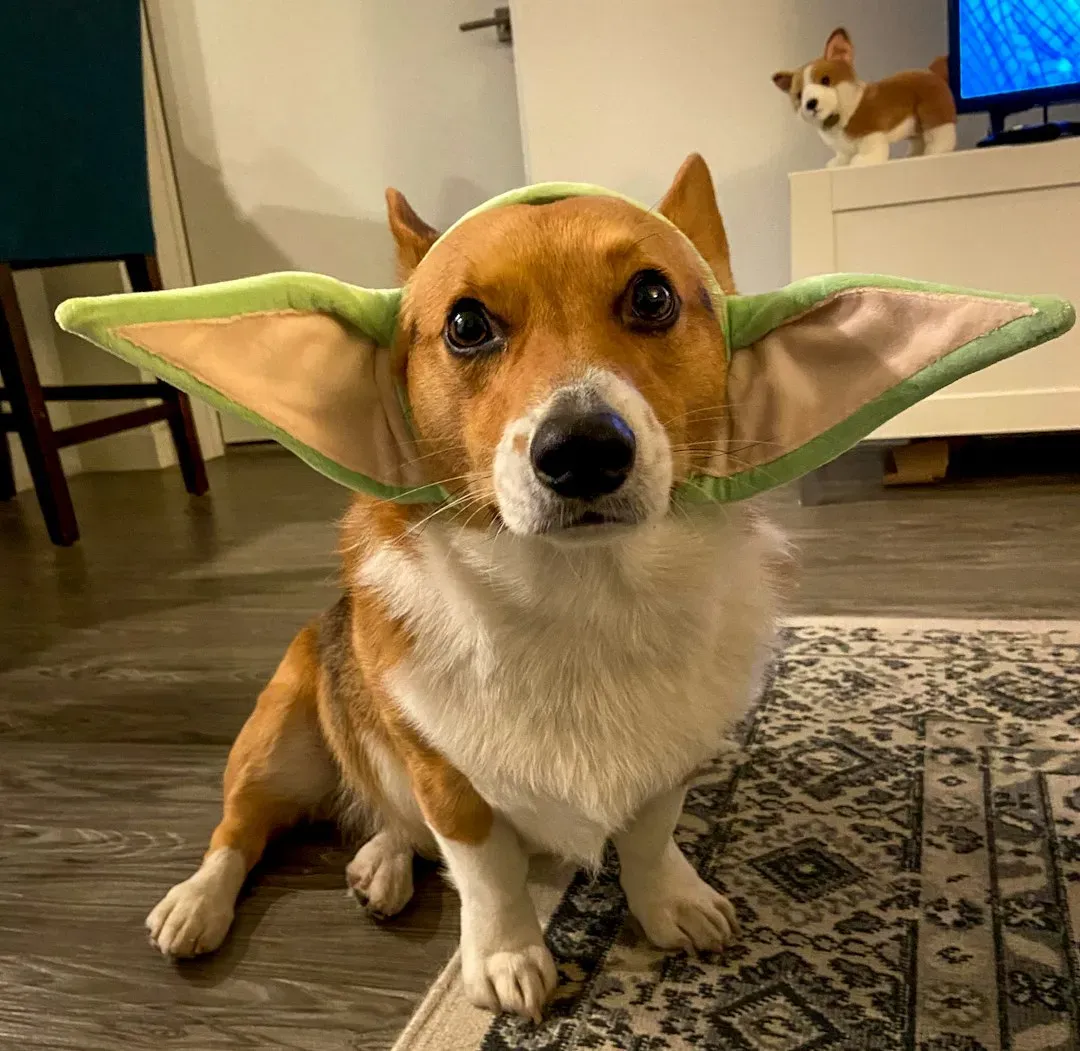
Dogs experience the world through their ears in ways we can barely imagine. When your pup tilts their head, they’re often adjusting the position of their ear flaps to better capture sound. Think of it like tweaking an old radio antenna to get clearer reception. Dogs can hear frequencies far beyond human range, picking up on the subtlest shifts in tone and pitch.
Their ear structure is designed for precision. By tilting, they’re pinpointing exactly where a sound is coming from and isolating specific frequencies. This becomes especially important when you’re speaking in that high-pitched, excited voice we all use with our dogs. They’re working hard to decode the meaning behind your words, separating familiar cues like “walk” or “treat” from the rest of your sentence. It’s their way of saying, “Hold on, I want to make sure I got that right.”
Your Dog Is Reading Your Facial Expressions and Emotions

Here’s something that might surprise you. That head tilt isn’t just about hearing – it’s also about seeing you better. A dog’s muzzle can actually block part of their view of your face, particularly the lower half where your mouth is. When they tilt their head, they’re shifting their line of sight to get a clearer view of your expressions.
Dogs are incredibly attuned to human emotions and body language. They’ve evolved alongside us for thousands of years, learning to read our faces almost as well as other humans do. By tilting their head, they can see your smile, the way your eyes light up, or even detect if something’s off. Let’s be real, your dog knows when you’re sad, happy, or about to leave the house without them. That tilt helps them gather all the visual information they need to respond appropriately to your mood.
Recognition of Familiar Words Sparks Curiosity
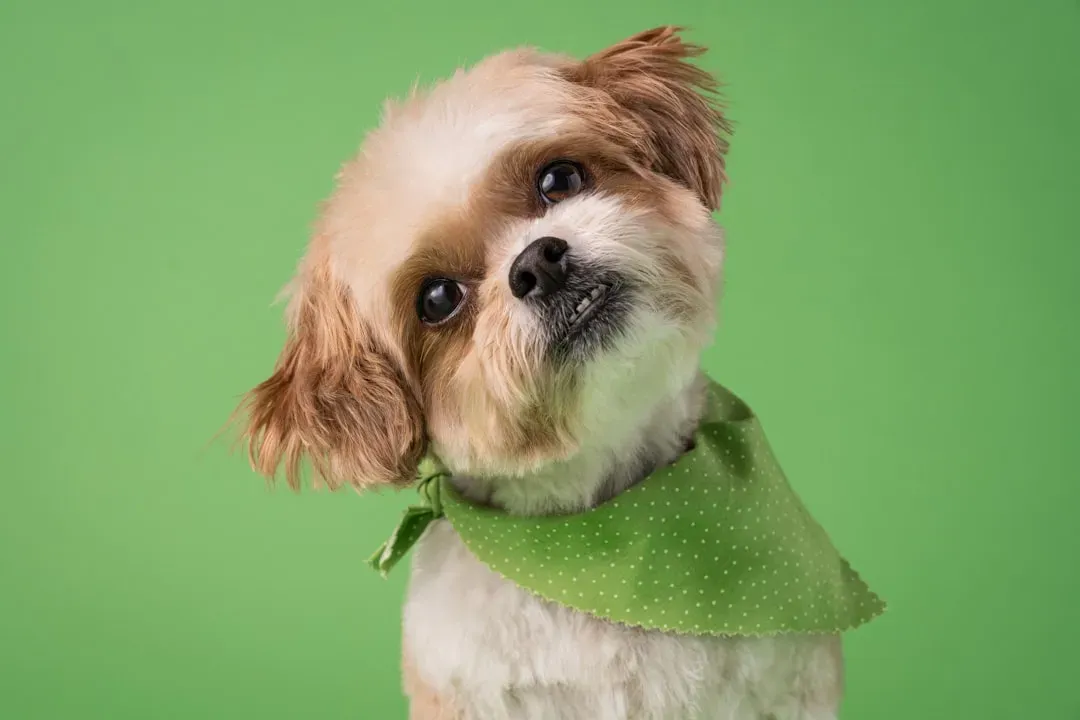
Dogs don’t understand language the way we do, yet they can learn to recognize dozens, sometimes hundreds, of specific words and phrases. When you say something that includes a familiar word – especially one tied to something exciting – their brain lights up with anticipation. The head tilt often accompanies this mental processing as they try to figure out what’s about to happen next.
Research has shown that certain dogs, particularly breeds known for their intelligence and trainability, can distinguish between different words with remarkable accuracy. When your dog hears “outside,” “car ride,” or their favorite toy’s name, they’re mentally rifling through their memory bank. That adorable tilt? It’s the physical manifestation of concentration. They’re listening intently, waiting for confirmation that yes, this is about them, and yes, something wonderful is about to occur.
It’s a Learned Behavior That Gets Rewarded
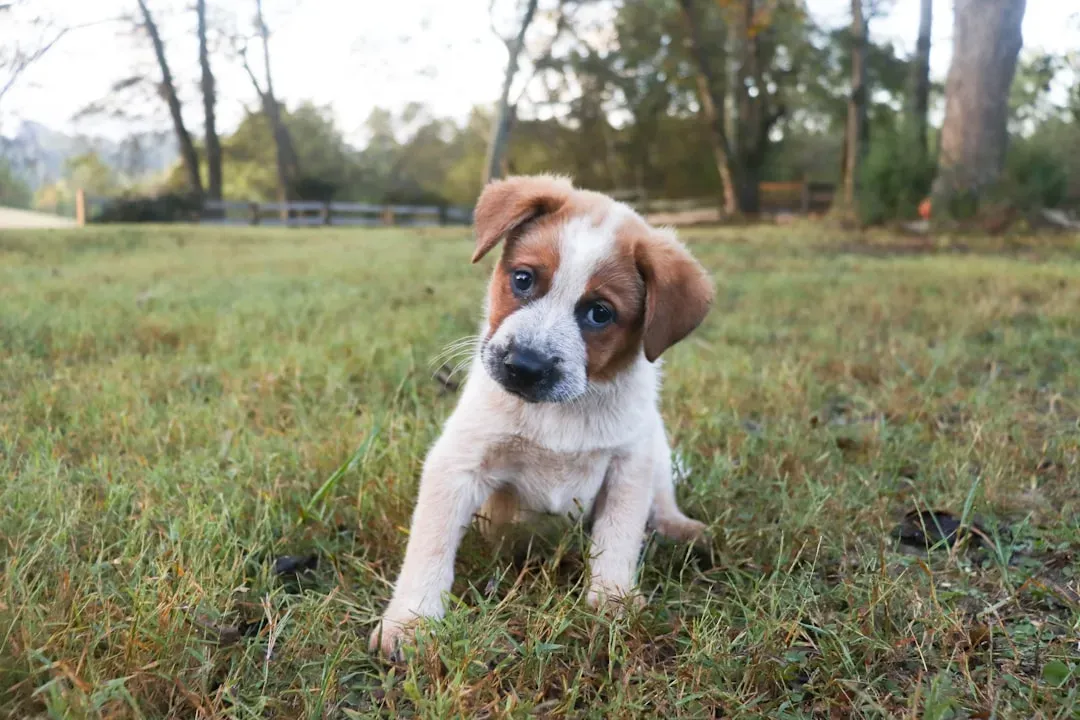
I know it sounds a bit calculated, but dogs are masters at figuring out what gets them attention. If tilting their head makes you laugh, smile, or reach down to pet them, guess what? They’re going to do it again. Dogs are social creatures who thrive on interaction and positive reinforcement, even if we’re not consciously training them.
Think about your own reaction the first time your dog tilted their head at you. You probably gushed over how cute they were, maybe took a photo, definitely gave them some affection. Your dog noticed. They learned that this particular gesture produces a delightful response from their favorite human. Over time, the head tilt becomes part of their communication toolkit, a reliable way to engage with you and strengthen your bond. It’s not manipulation – it’s just smart canine social behavior.
When Head Tilting Signals a Health Concern
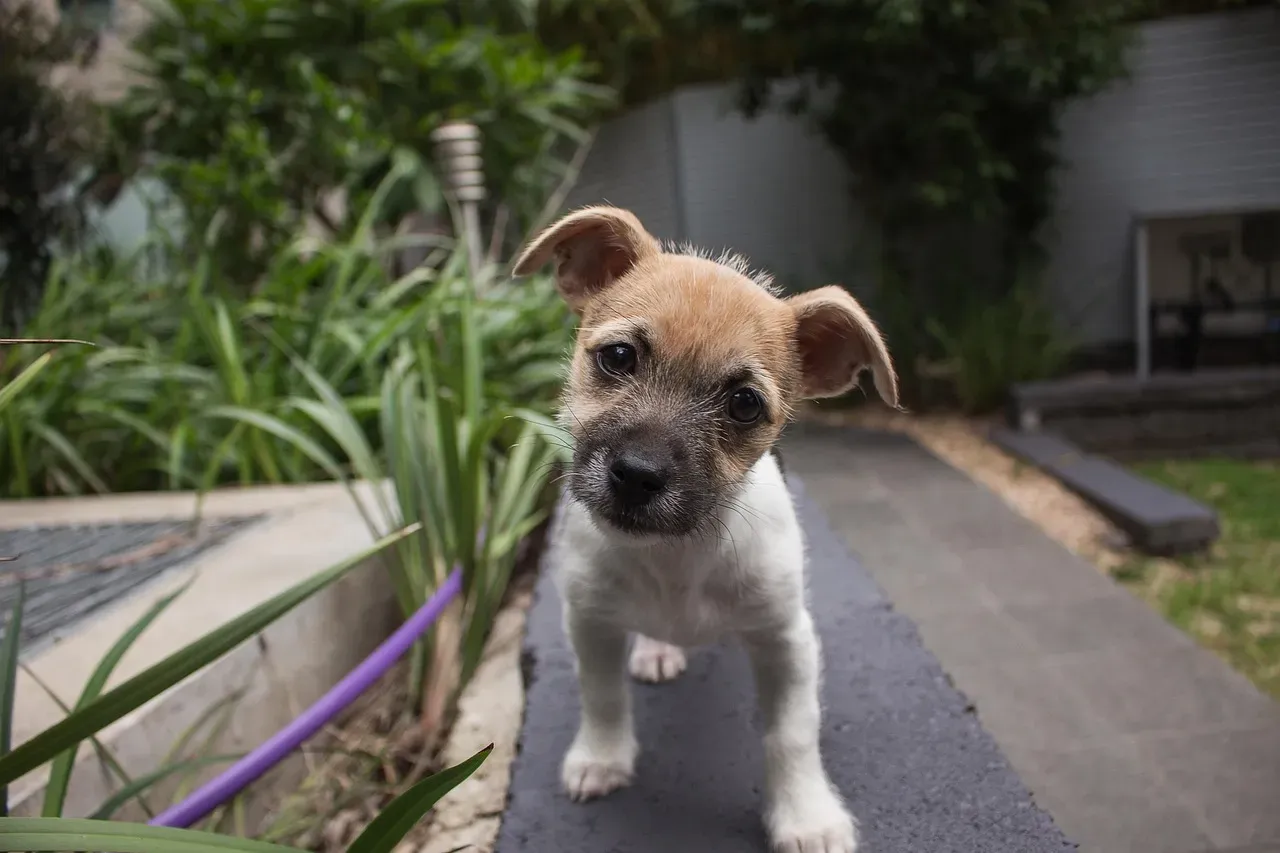
While occasional head tilting during conversation is completely normal and endearing, persistent or sudden head tilting can indicate something more serious. Dogs presenting with a sudden loss of balance, disorientation, head tilt, and irregular, jerking eye movements may have vestibular disease, which affects the balance system in their inner ear or brain.
Inner ear infections are the most common cause of concerning head tilt in dogs, and this requires prompt veterinary attention. If your dog holds their head at an angle constantly, seems dizzy, walks in circles, or shows signs of pain when you touch their ears, don’t wait. Head tilting in dogs is most serious within the first 48 hours, especially when the cause is unknown. Other red flags include loss of appetite, vomiting, or unusual eye movements. Always err on the side of caution and contact your vet if the head tilt seems different from their usual curious gesture during your chats.
How to Encourage Healthy Communication With Your Dog
Now that you understand the magic behind the head tilt, you can use this knowledge to deepen your connection with your dog. Talk to them regularly using clear, consistent words for different activities and objects. Pay attention to which words trigger that signature tilt – those are the ones they’re actively trying to understand. Vary your tone and watch how they respond differently to excitement versus calm conversation.
Make eye contact when you speak to them, positioning yourself at their level when possible so they can see your full face without straining. This reinforces the visual communication aspect and makes your interactions richer. Keep conversations engaging by using their name, asking questions (even though they can’t answer), and responding to their body language. The more you communicate, the more attuned you both become to each other’s signals. Your dog’s head tilt is just one piece of a beautiful, complex language you’re building together every single day.
Conclusion
That precious head tilt is so much more than just an adorable quirk – it’s your dog actively engaging with you, trying to understand, and showing just how much they care about what you have to say. Whether they’re adjusting their ears for better sound quality, getting a clearer view of your expressions, or simply doing what they’ve learned makes you happy, each tilt is a small testament to the incredible bond between humans and dogs.
Next time your pup gives you that signature sideways glance, take a moment to appreciate the complexity behind such a simple gesture. You’re witnessing thousands of years of evolution, a sophisticated communication system, and pure, unconditional love all wrapped up in one endearing movement. What does your dog do that makes you smile? Tell us in the comments.


