
Are You Accidentally Making Your Dog’s Separation Anxiety Worse?

Picture this. You’re putting on your coat, grabbing your keys, and heading toward the door. Your dog’s eyes widen, their body tenses, and suddenly you’re looking at a furry bundle of panic. You reassure them with kisses and promises that you’ll be back soon, thinking that’s the kind thing to do. What if I told you that those loving goodbyes might be fueling the very anxiety you’re trying to soothe?
Separation anxiety is one of the most heartbreaking challenges dog owners face. It’s hard to watch your pup struggle, and it’s even harder to leave them when they’re clearly distressed. The thing is, many of us unknowingly worsen the situation with actions we believe are helpful. Let’s be real, we all want to do right by our dogs, yet sometimes love looks a lot like enabling.
Your Emotional Goodbyes Are Creating Drama
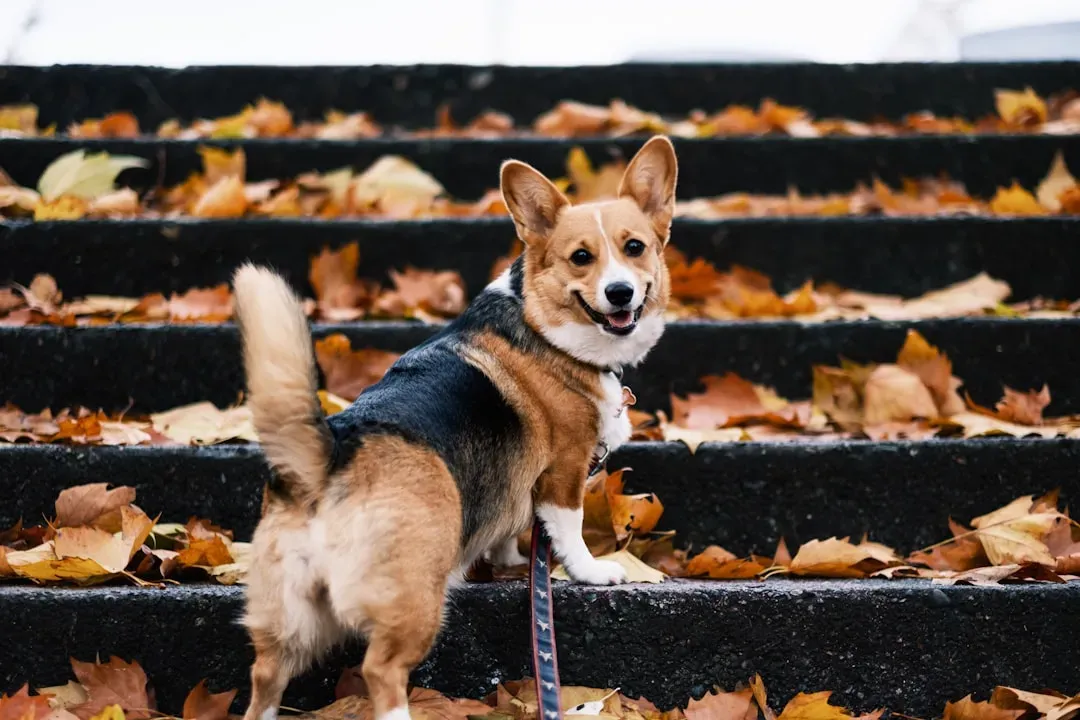
Here’s the thing about those long, drawn out farewells. When you make a huge production out of leaving, telling your dog how much you’ll miss them and showering them with affection, you’re actually signaling that your departure is a massive event. Dogs pick up on your emotional energy, and if you get worked up, your dog will see your comings and goings as a major event to worry over.
Think about it. If leaving was truly no big deal, why would you act like it is? Your pup reads that anxiety in your voice and body language. Experts recommend ignoring your dog prior to leaving and upon arrival so you don’t reinforce their excitement and excessive attachment to you. I know it sounds harsh, almost cold. Nevertheless, keeping departures and arrivals low key teaches your dog that these transitions are routine, not catastrophic.
Try this instead. Go about your business calmly, maybe toss a treat or puzzle toy their way, and slip out without fanfare. Your dog needs to learn that you leaving is boring, predictable, and temporary. The less emotion you attach to it, the less they will too.
You’re Accidentally Teaching Them That Pre-Departure Cues Mean Panic
Pre-departure cues are specific routines or habits that we have when leaving the house, and that your dog associates with being left and feeling distressed. Dogs are smart and quickly learn your “leaving rituals” like grabbing keys, putting on shoes, or picking up your bag, and these cues can trigger anxiety even before you walk out the door.
Your dog has become an expert at reading your patterns. They know that when you put on those particular shoes or grab that specific bag, abandonment is coming. Dogs who see a pattern in these departure cues will start to exhibit anxiety when they see these behaviors being performed, even if it’s well before the owner actually walks out the door. It’s like setting off an alarm bell in their brain every single time.
The solution? Break those associations. Expose your dog to these cues in various orders several times a day without leaving, like putting on your boots and coat and then just watching TV instead of leaving, or picking up your keys and then sitting down at the kitchen table for a while. Honestly, it might feel silly at first. Still, this desensitization process is powerful because it teaches your dog that keys jingling doesn’t automatically equal you vanishing.
Punishment Is Backfiring Spectacularly
Coming home to chewed furniture, accidents on the floor, or destroyed belongings is frustrating. I get it. The urge to scold or punish your dog is strong because it looks like bad behavior. Here’s what you need to understand though: separation anxiety is the equivalent of a panic attack. Your dog isn’t being spiteful or naughty. They’re terrified.
Punishment will only increase their anxiety and worsen unwanted behaviors. Imagine if someone yelled at you for having a panic attack. That wouldn’t make you calmer, would it? If you return home to damage or accidents, don’t punish your dog because you will only add to their anxiety and worsen the problem.
The destruction your dog causes isn’t calculated revenge. It’s a desperate attempt to cope with overwhelming fear. They might be trying to escape to find you, or engaging in frantic activity to self-soothe. Scolding them after the fact teaches them nothing except to fear your return, which layers more anxiety onto an already anxious dog. Walk through that door with a neutral demeanor, clean up quietly, and focus on prevention and training instead.
Rushing the Training Process Is Setting You Both Up to Fail
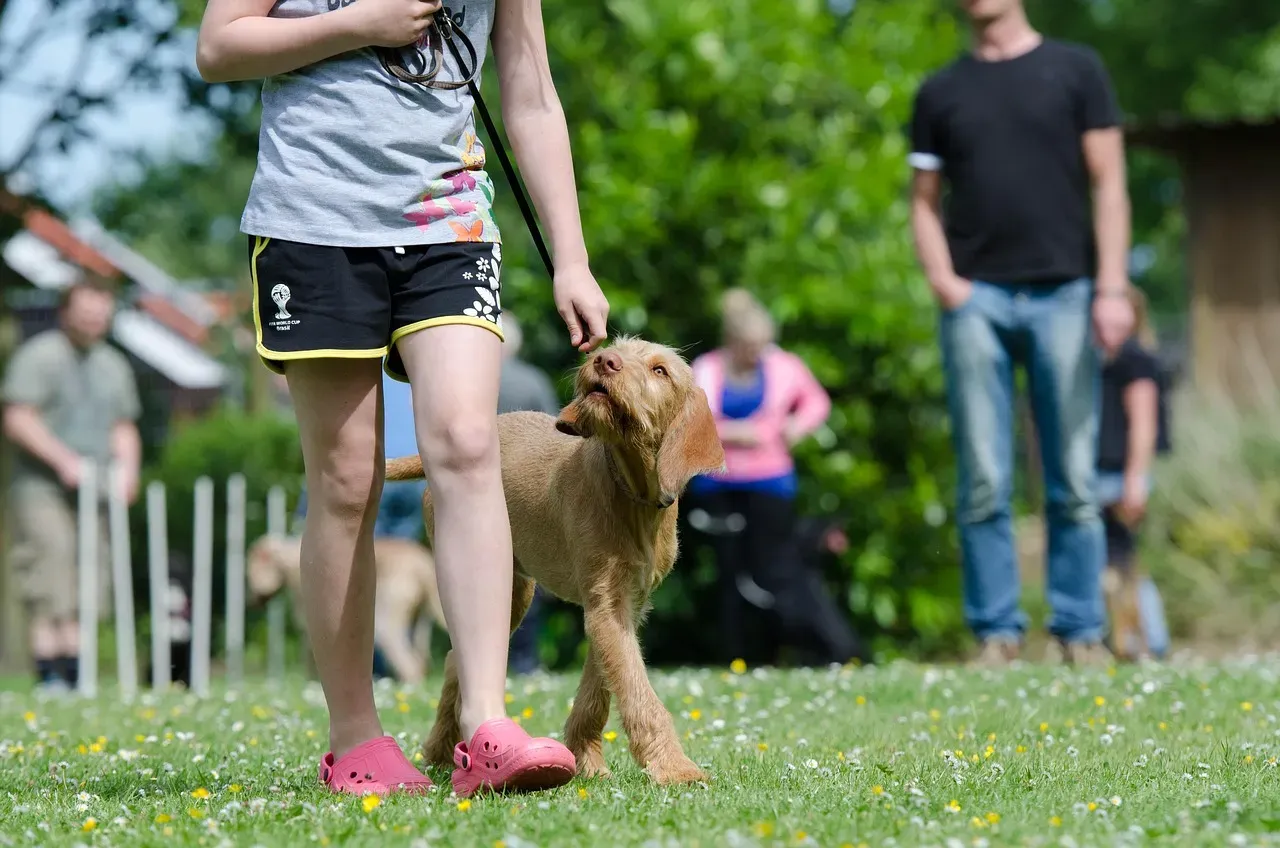
You want results yesterday. Completely understandable. Many owners want treatment to progress quickly, so they expose their dogs to durations that are too long, which provokes anxiety and worsens the problem. The reality is that healing separation anxiety requires patience that feels almost superhuman.
Owners should initially leave the dog for very short times, returning almost immediately, and gradually increase the length of their absences. We’re talking seconds at first, not minutes. Most of your dog’s anxious responses will occur within the first forty minutes that he’s alone, which means that over weeks of conditioning, you’ll increase the duration of your departures by only a few seconds each session. Yes, weeks. Maybe even months.
Let’s be honest, it’s hard to say for sure how long your specific dog will need. Some dogs progress faster than others. Pushing too hard too fast, though, is like ripping open a wound that’s trying to heal. If your dog shows stress, you’ve gone too far and need to dial it back. Progress isn’t linear, and that’s okay. The tortoise wins this race.
Your Crate Might Be Making Things Worse, Not Better
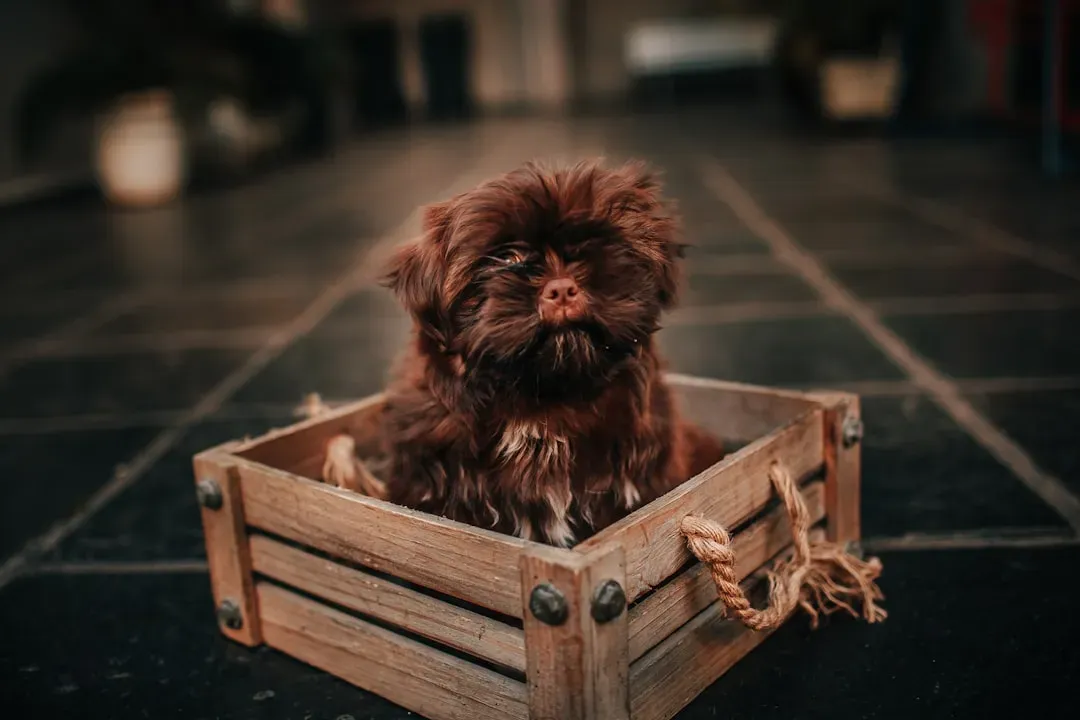
Crates can be wonderful safe spaces for many dogs. For an anxious dog, however, they can become a trap. Crating dogs with separation anxiety is not recommended because they often become even more stressed. Confining a dog with separation anxiety to a crate can increase lip licking, a response consistent with stress, and dogs can injure themselves in attempts to escape from the crate.
I’ve heard too many stories of dogs breaking teeth, bloodying their paws, or suffering severe distress while crated. If your dog hasn’t been positively conditioned to love their crate before anxiety set in, forcing confinement during your absence can intensify their panic. They feel trapped with no escape route, which amps up the fear response to unbearable levels.
That doesn’t mean crates are always bad. Some dogs feel safer and more comfortable in their crate when left alone, however, other dogs can panic, so watch your puppy’s behavior to see if they settle right down or if the anxiety symptoms ramp up. If your dog shows distress, consider giving them a safe, dog-proofed room instead where they can move around and don’t feel imprisoned.
You’re Skipping the Most Important Part: Building Independence When You’re Home
This is a big one that catches people off guard. With separation anxiety you must reinforce your dog for settling down, relaxing and showing some independence, while attention seeking and following behaviors should never be reinforced. If your dog shadows you from room to room and gets attention every time they demand it, you’re reinforcing their belief that being away from you is abnormal.
A consistent daily routine can help your dog establish expectations for when they will receive attention and when they will be alone, and teaching your dog calming behaviors, such as “settle,” by rewarding them for relaxing in a specific location can be beneficial. Practice having your dog stay in another room while you’re home. Close a door between you for short periods. Reward calm, independent behavior instead of clingy, anxious behavior.
It might feel counterintuitive when you love spending time with your dog. The goal isn’t to love them less, though. It’s to teach them that being physically separated from you, even when you’re just in the next room, is safe and normal. Independence is a skill, and like any skill, it takes practice. Start small and build from there, always rewarding the moments when your dog chooses to relax on their own.
Conclusion
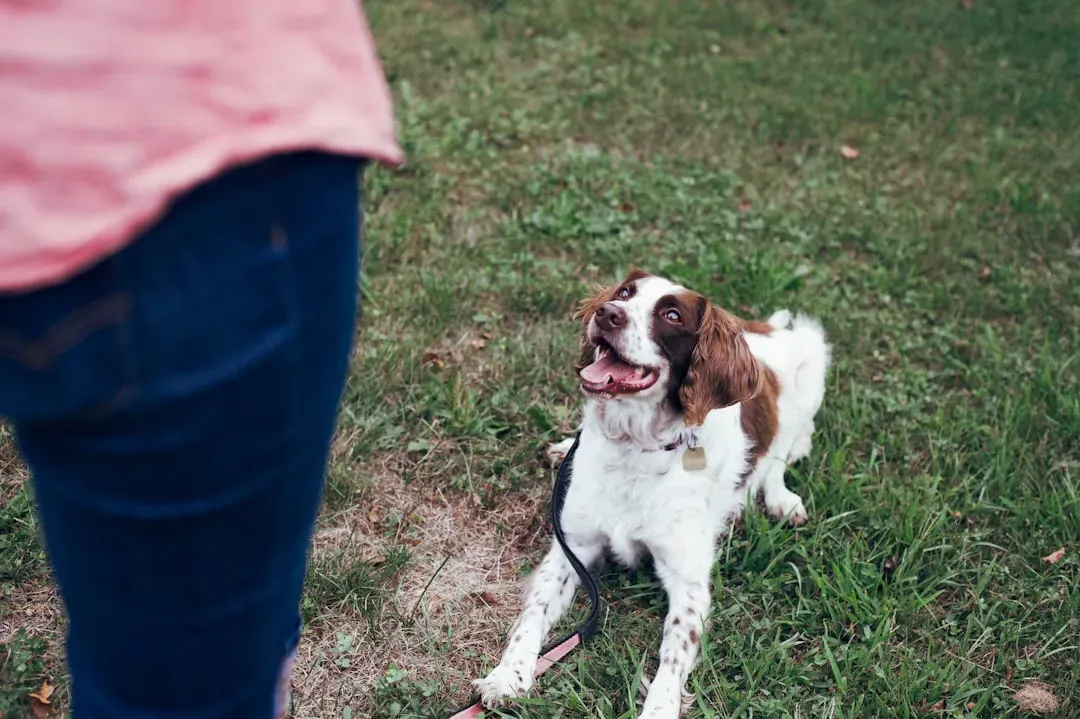
Early recognition, intervention, and treatment are important to prevent symptoms of separation anxiety in dogs from worsening. The good news is that with the right approach, most dogs can learn to feel comfortable alone. It requires consistency, patience, and a willingness to examine your own behaviors honestly.
You’re not a bad dog parent if you’ve been making these mistakes. You’re human, and you’ve been doing what felt right in the moment. Now you know better, and you can do better. Resolving separation anxiety can require months of work from you, but don’t give up.
Remember that your dog’s anxiety isn’t about them loving you too much. It’s about them not yet having the tools to feel safe without you. Your job is to give them those tools through calm, consistent training. What changes will you make starting today? Your dog is counting on you to be their steady, confident guide through this journey.