

You’ve probably caught your pup eyeing your snack with those big, soulful eyes. Maybe you’ve even slipped them a bite or two under the table. Here’s the thing though, not every fruit or veggie we love is safe for our furry friends. Some can be downright dangerous.
Think about it this way. Dogs are natural scavengers with adventurous appetites, willing to taste just about anything. That curiosity can get them into trouble if we’re not careful. The good news is there are plenty of delicious, nutritious treats from the produce aisle that your dog can safely enjoy. Others, though? They’re a hard no.
This guide will walk you through the best plant-based snacks your dog will genuinely love and the ones you need to keep far away from those sneaky paws. Let’s dive in.
Blueberries: Tiny Antioxidant Powerhouses

Blueberries are safe for dogs and packed with vitamins, minerals, and antioxidants. Honestly, these little berries are like superfood confetti for your pup. They help fight free radicals, which are responsible for cellular damage in dogs.
Studies show that adding antioxidants to a dog’s diet reduces the effects of brain aging, which is great for senior dogs. Picture your older pup staying sharper and more alert just from munching on a few berries. You can serve them fresh, frozen, or even mashed into their food.
Carrots: Crunchy Dental Treats

Carrots are an excellent low-calorie snack that is high in fiber and beta-carotene, which produces vitamin A. Many dogs love the satisfying crunch of a raw carrot. Crunching on this orange root vegetable is great for your dog’s teeth.
You can slice them up into bite-sized pieces or give your dog a whole carrot to gnaw on like a natural chew toy. Either way, it’s a win. Cooked or raw, carrots are versatile and safe, making them one of the easiest go-to treats you can keep on hand.
Apples: Sweet and Fiber-Rich
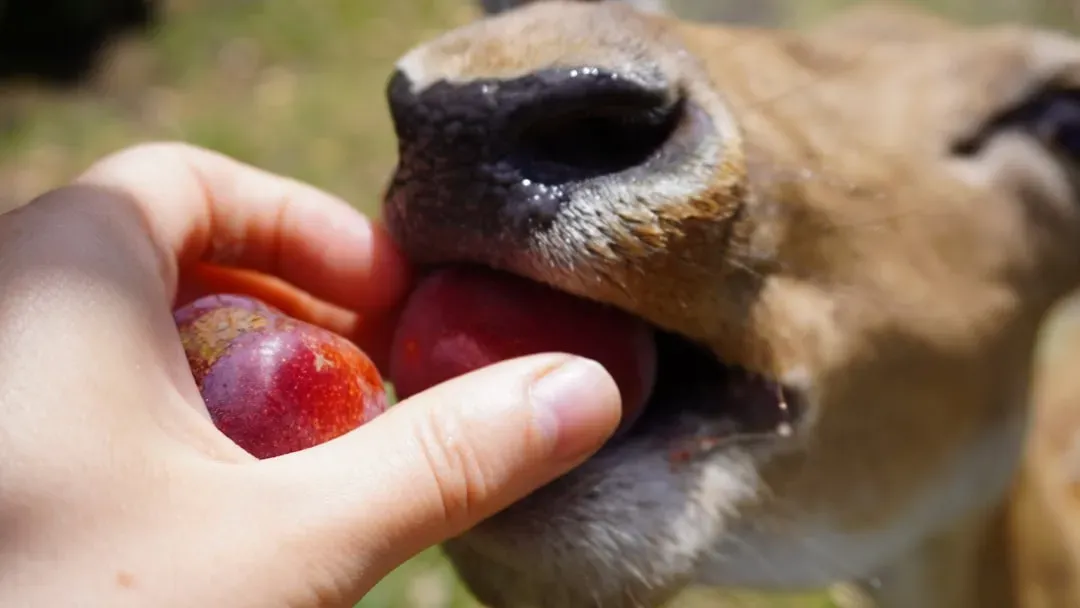
Apples are an excellent source of vitamins A and C, as well as fiber for your dog. They’re crunchy, sweet, and most dogs find them irresistible. Just remember to core them first and remove all the seeds, because apple seeds contain cyanide.
Your dog would have to eat a ton of seeds for it to be truly dangerous, but it’s better to be safe. Slice up a few pieces and watch your pup crunch away. Apples are also great for dogs who need to shed a few pounds since they’re low in fat and filling.
Green Beans: Low-Calorie Veggie Delight

All types of green beans are safe for dogs to eat as long as they’re plain, and they’re full of important vitamins and minerals, fiber, and low in calories. Green beans are a fantastic snack for dogs on a diet or those who just love to munch.
You can serve them raw, steamed, or even straight from the can if there’s no added salt. Some trainers even use them as low-calorie training treats. They’re mild in flavor, easy to digest, and incredibly versatile for picky eaters.
Cantaloupe: Hydrating Summer Snack
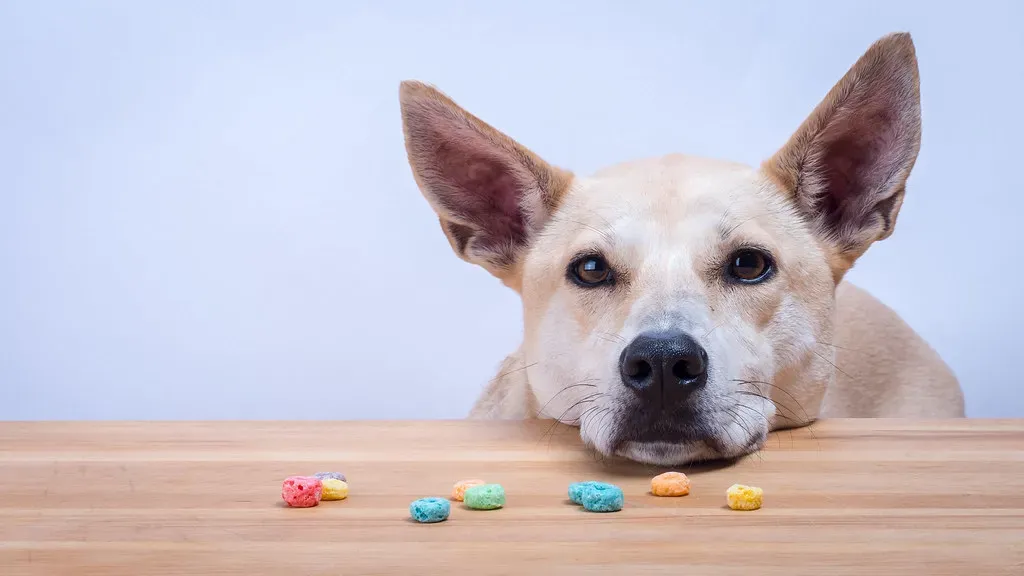
Cantaloupe is packed with nutrients, low in calories, and a great source of water and fiber. On a hot day, a few chunks of chilled cantaloupe can be incredibly refreshing for your dog. However, it is high in sugar, so it should be shared in moderation, especially for dogs who are overweight or have diabetes.
Remove the rind and seeds before serving. The sweet, juicy flesh is what your dog will love. It’s the perfect occasional treat that feels indulgent but stays healthy.
Celery: Fresh Breath and Heart Health

Celery contains the nutrients needed to promote a healthy heart and possibly fight cancer. Celery is also known to freshen doggy breath. If your pup has less-than-pleasant breath, this crunchy veggie might help.
Chop it into manageable pieces to avoid any choking hazards. Some dogs love the texture, while others might take a little convincing. Either way, it’s a safe and healthy option worth trying.
Watermelon: Juicy Hydration Bomb
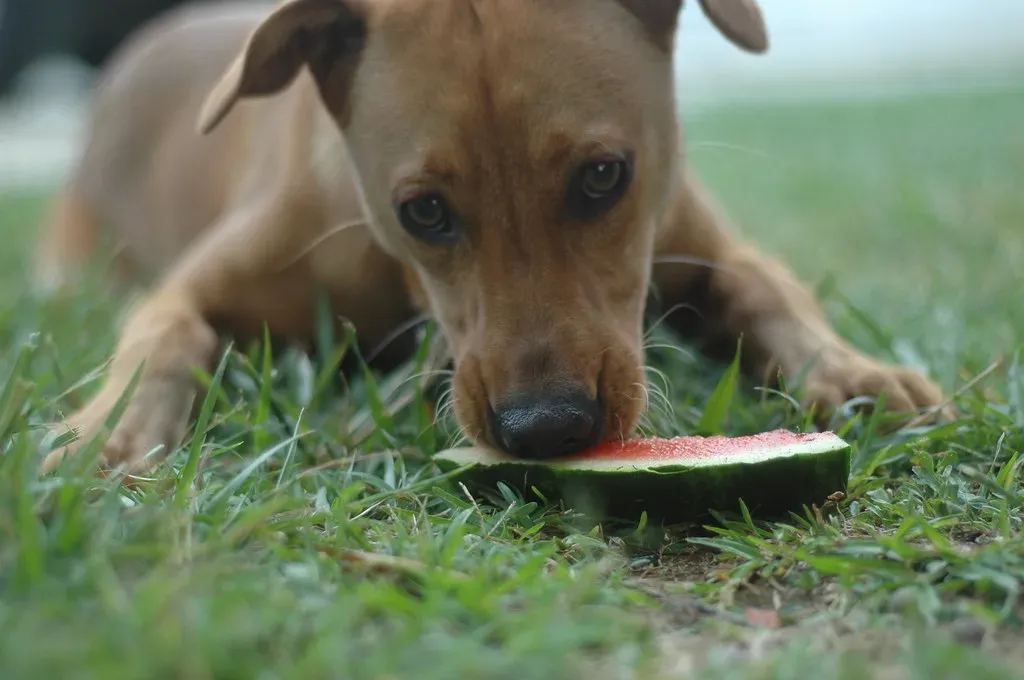
Watermelon is almost entirely water, making it a hydrating treat during those sweltering summer months. It’s naturally sweet and most dogs go crazy for it. Just be sure to remove all the seeds and the rind before serving.
The flesh is what you want to share. Think of it as nature’s popsicle. You can even freeze small cubes for an extra refreshing snack. Keep portions reasonable though, because too much can lead to an upset stomach.
Pumpkin: Digestive Support Star

Plain, cooked pumpkin is a lifesaver when it comes to digestive issues. It’s high in fiber and can help with both diarrhea and constipation. Many vets recommend it for dogs with sensitive stomachs.
You can buy canned pumpkin, but make sure it’s pure pumpkin and not pumpkin pie filling, which contains sugar and spices. A spoonful mixed into your dog’s food can work wonders. It’s mild, naturally sweet, and dogs usually enjoy the taste without any fuss.
Strawberries: Vitamin C Boost

Strawberries are another berry that dogs can safely enjoy. They’re loaded with vitamin C and fiber, and they even contain an enzyme that can help whiten your dog’s teeth naturally. How cool is that?
Slice them up to avoid choking, especially for smaller dogs. Fresh or frozen works great. Just keep in mind that strawberries do have sugar, so moderation is key. A few berries here and there make a delightful treat.
Peas: Protein-Packed Greens

Green peas, snow peas, sugar snap peas, and garden peas are all okay for dogs, and they have several vitamins, minerals, and are rich in protein and high in fiber. You can feed your dog fresh or frozen peas, but avoid canned peas with added sodium.
Peas are small, easy to mix into meals, and most dogs love them. They’re also great for training since they’re bite-sized. Whether you toss a few into their bowl or use them as rewards, peas are a solid choice.
Grapes and Raisins: Absolute Danger Zone

Grapes are highly toxic to dogs and can cause serious kidney damage that can lead to acute kidney failure, which can be fatal. This includes all forms: fresh grapes, raisins, and even grape juice. Tartaric acid is speculated to be the toxic component, and since dogs cannot process it, exposure can lead to kidney damage.
There’s no safe amount. Even a small handful can cause severe illness in some dogs. If your dog accidentally eats grapes or raisins, contact your vet immediately. This is one of those foods where you can’t afford to take chances.
Onions and Garlic: Silent Cell Destroyers

Garlic, onions, shallots, and chives are toxic to dogs, whether raw or cooked, and they have substances that may cause anemia and damage red blood cells. Signs of illness may take several days to manifest.
Even small amounts over time can build up and cause problems. This includes onion powder in processed foods, so always check ingredient labels. It’s sneaky, dangerous, and completely avoidable. Keep all forms of onions and garlic away from your dog’s reach.
Avocado: Fatty Trouble Maker
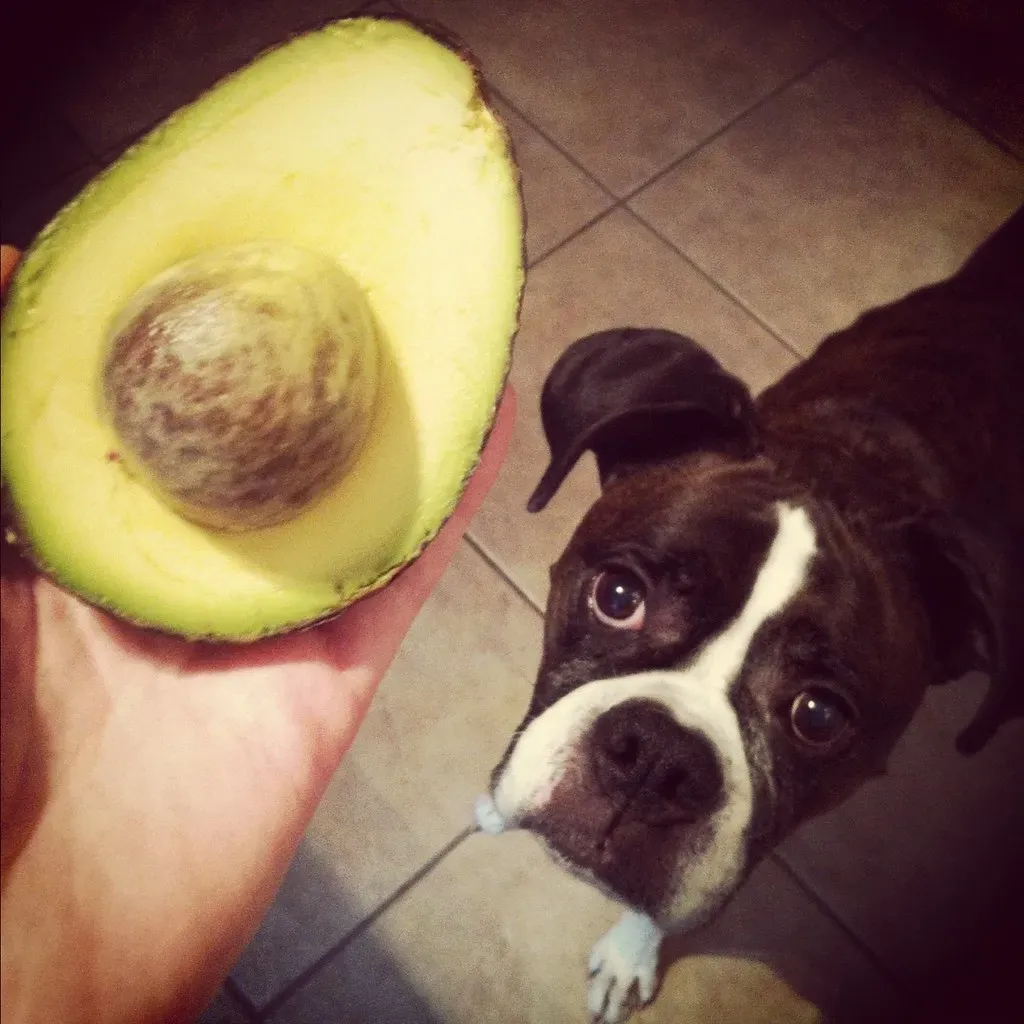
Avocado has extremely high fat content and can trigger an upset stomach or pancreatitis in some dogs. Never feed the pit to your dog. The pit poses a choking hazard and can cause intestinal blockages.
While some sources say small amounts of the flesh are okay, it’s really not worth the risk. There are so many safer options out there. Skip the avocado toast sharing session with your pup.
Cherries: Cyanide Carriers

Cherry pits, stems, and leaves contain cyanide, which is poisonous and potentially fatal if consumed in high enough quantities. Cherry pits can also get stuck in a dog’s intestinal system and cause blockages.
Even if you remove the pit, the risk isn’t worth it. There are plenty of other fruits your dog can enjoy without the danger. Keep cherries completely off the menu, no exceptions.
Mushrooms: Wild Hazards
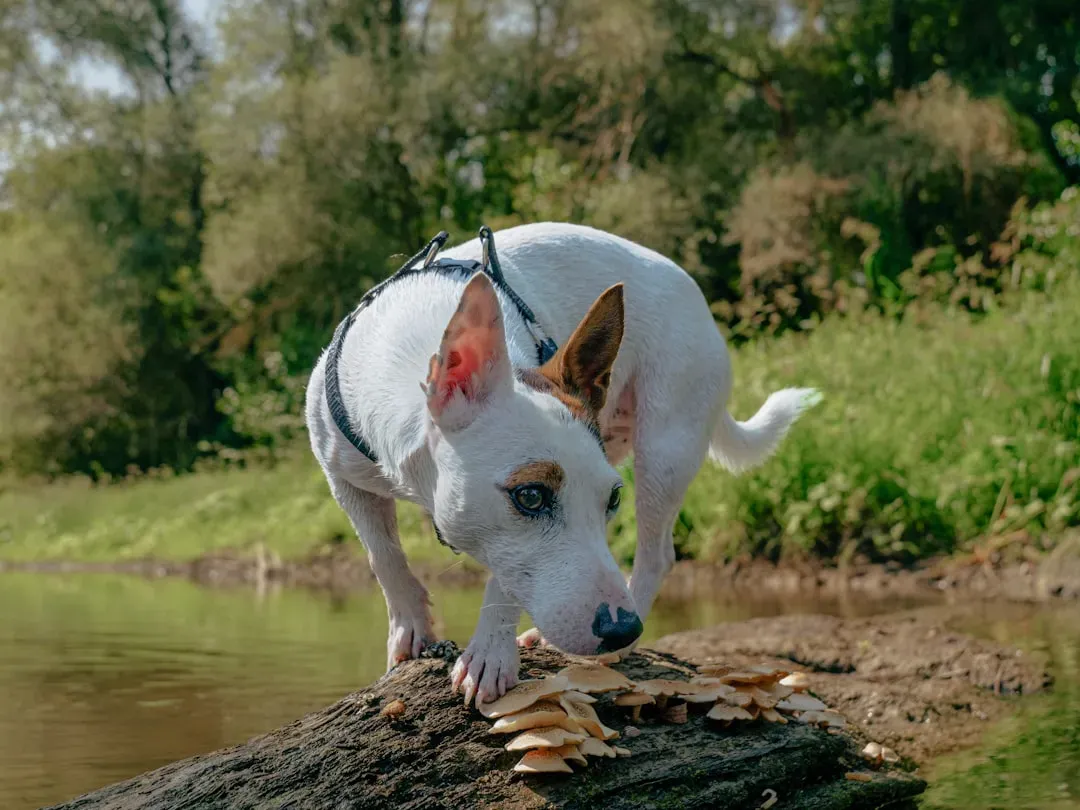
Wild mushrooms can be toxic for dogs, and while only a portion of mushroom species worldwide are known to be toxic, the poisonous ones can really hurt your dog or even lead to death. Washed mushrooms purchased from the supermarket for human consumption are generally fine for dogs.
The problem is identification. Unless you’re absolutely certain a mushroom is safe, don’t let your dog near it. During walks, keep an eye out for mushrooms growing in your yard or on trails. Wild ones are a serious threat, and it’s just not worth the gamble.
Conclusion: Smart Snacking for Happy Pups
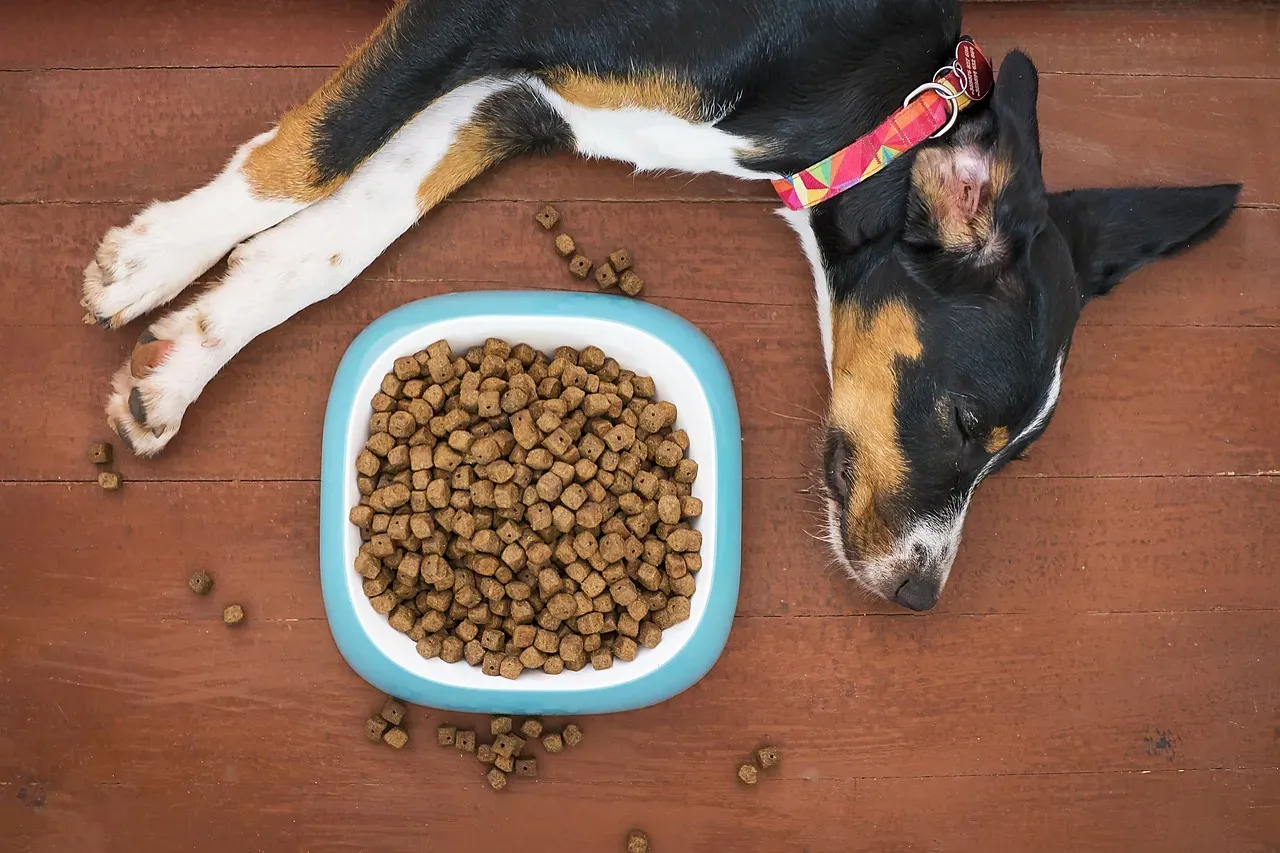
Sharing healthy snacks with your dog is one of the simple joys of being a pet parent. The key is knowing what’s safe and what’s not. Stick to dog-friendly fruits and veggies like blueberries, carrots, apples, and green beans. They’re nutritious, delicious, and your pup will love you for it.
On the flip side, never take chances with grapes, onions, garlic, avocado, cherries, or wild mushrooms. These can cause serious harm, and some are downright deadly. When in doubt, ask your vet before introducing any new food. Your dog’s health is worth that extra step.
What’s your dog’s favorite fruit or veggie? Have they surprised you with their tastes? Share your experiences in the comments.


