
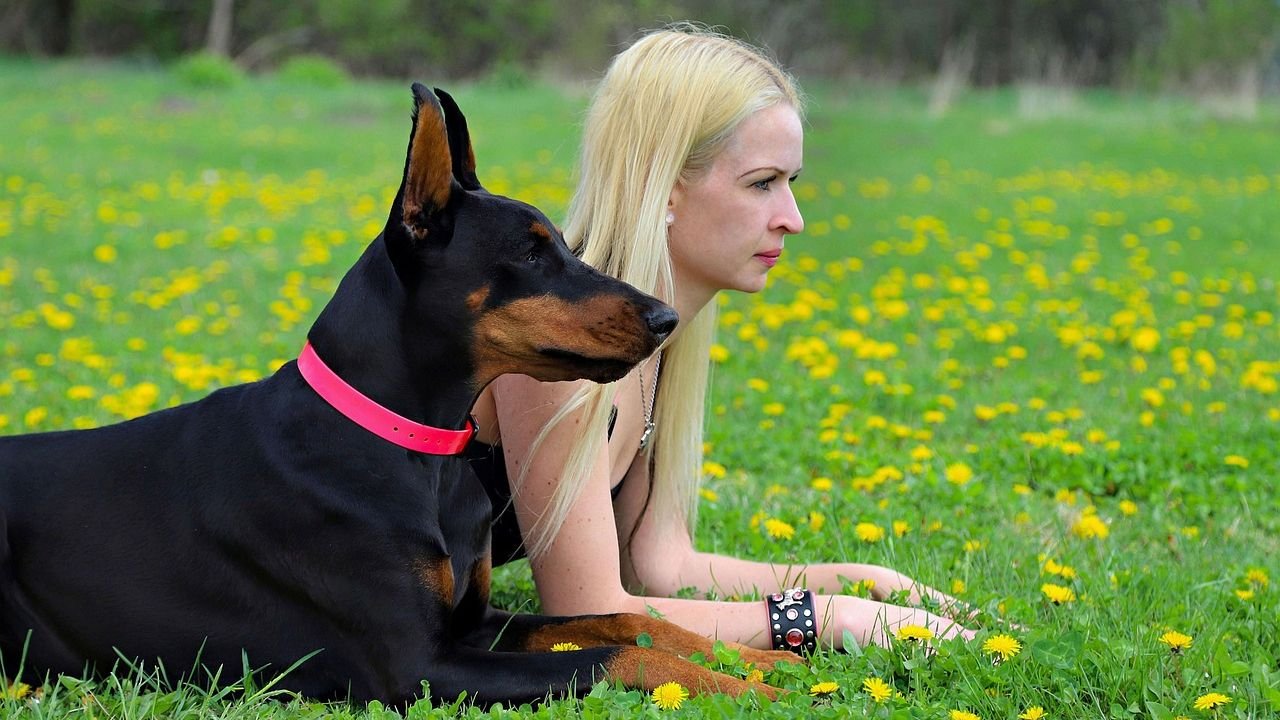
I’ll be honest. The first time I saw a Doberman up close, I felt a flutter of nervousness in my chest. Those sharp, alert eyes and that sleek, muscular build seemed to scream intimidation. For years, I’d bought into the stereotype that these dogs were aggressive, unpredictable, and not suited for family life.
Then everything changed. A friend adopted one, and I saw firsthand what these remarkable dogs are truly like. The more I learned, the more my preconceptions crumbled. What I discovered about Dobermans surprised me in ways I never expected.
They’re Velcro Dogs Who Crave Your Company
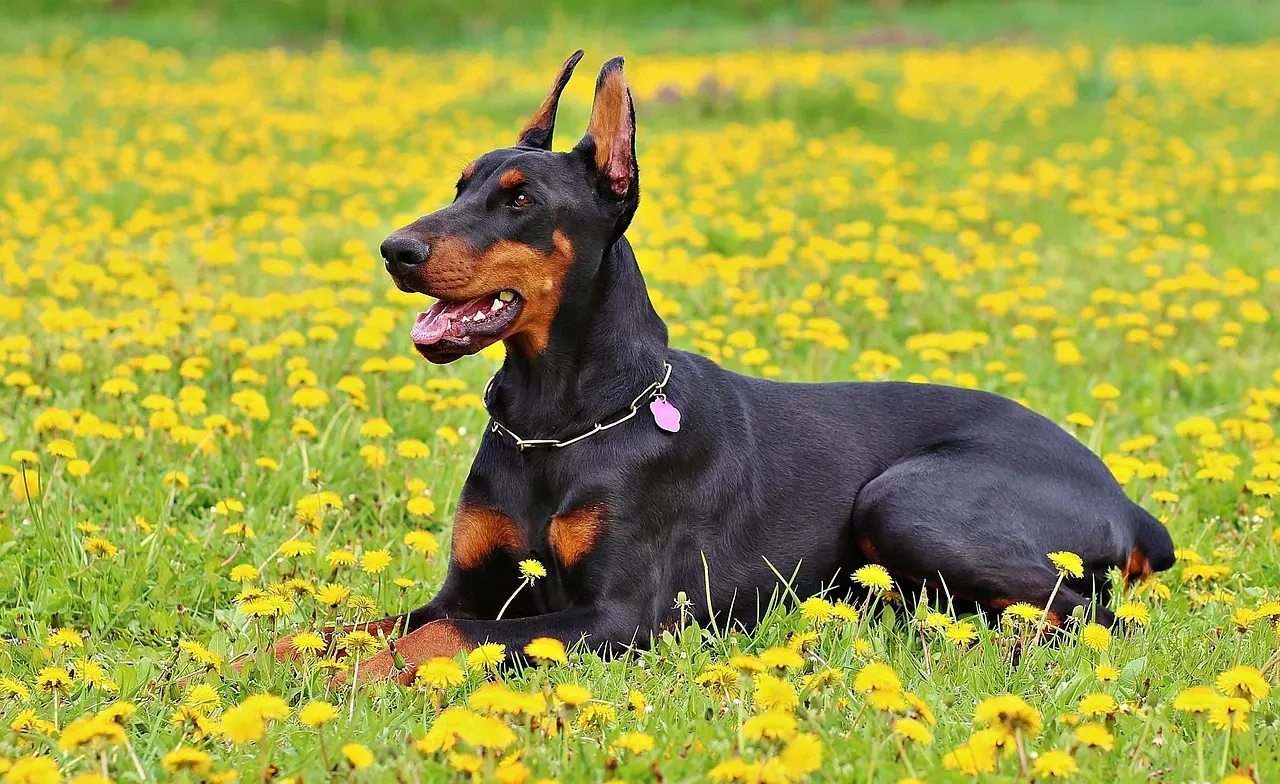
Dobermans are primarily companion house dogs that are hardwired to be protective of their people, which means they’re not about guarding property so much as they’re about being close to you. Picture a sixty-pound shadow following you from room to room. They want to be wherever you are.
Despite their fierce look, Dobermans are actually sensitive souls who are very in tune with their environment and the people around them. Loud voices, tension, stress, and heightened emotions in the household can make these dogs upset and nervous. This sensitivity creates an incredibly deep bond between dog and owner. It’s hard to say for sure, but I think this emotional intelligence is what makes them so special.
That Intimidating Look Hides a Surprisingly Sweet Soul
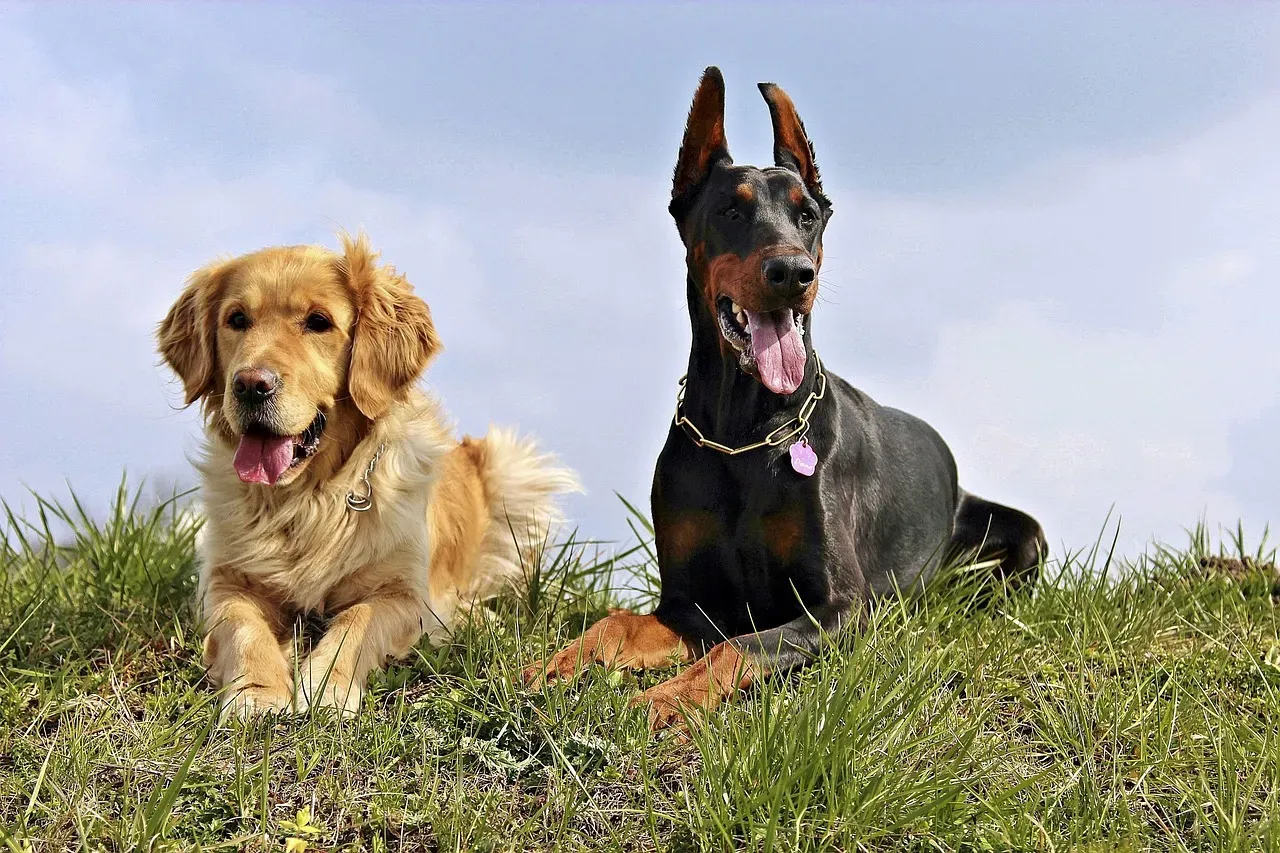
While the general public often considers them dangerous and aggressive, any Doberman Pinscher owner can tell you just how far from the truth this preconceived notion is. Dobermans are highly devoted, people-oriented dogs. When properly socialized, they’re affectionate and loving with their families.
Modern breeding has made a huge difference. Modern breeders have reduced these traits throughout the years, leaving the resulting pups with a more even-natured temperament. The dog you meet today is worlds away from the aggressive guard dog image that Hollywood loves to portray. They’re gentle giants who just happen to look like they mean business.
They’re Absolutely Brilliant (And It Shows)
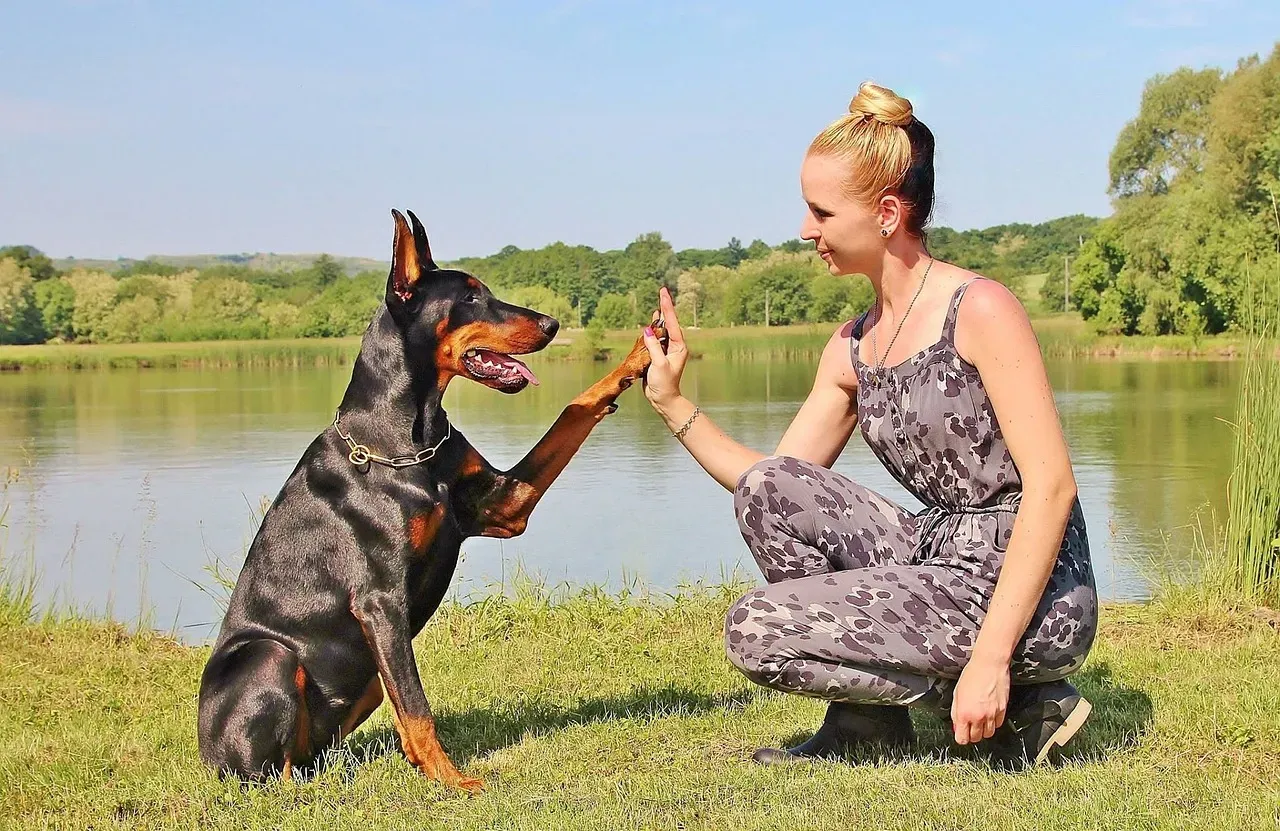
Let’s be real here. According to renowned psychologist and canine behavior researcher Stanley Coren, Doberman Pinschers are the fifth most intelligent dog breed in the obedience command training category. That’s not just smart. That’s genius level for dogs.
What does this mean in practice? They pick up commands lightning fast. Dobermans work beautifully in obedience and agility, but are very sensitive to correction, responding only to calm training and not physical force. This intelligence can be a double-edged sword, though. This determined attitude also makes it a challenge to train a Doberman at times, as he definitely has his opinion about everything.
The Exercise Commitment Is No Joke
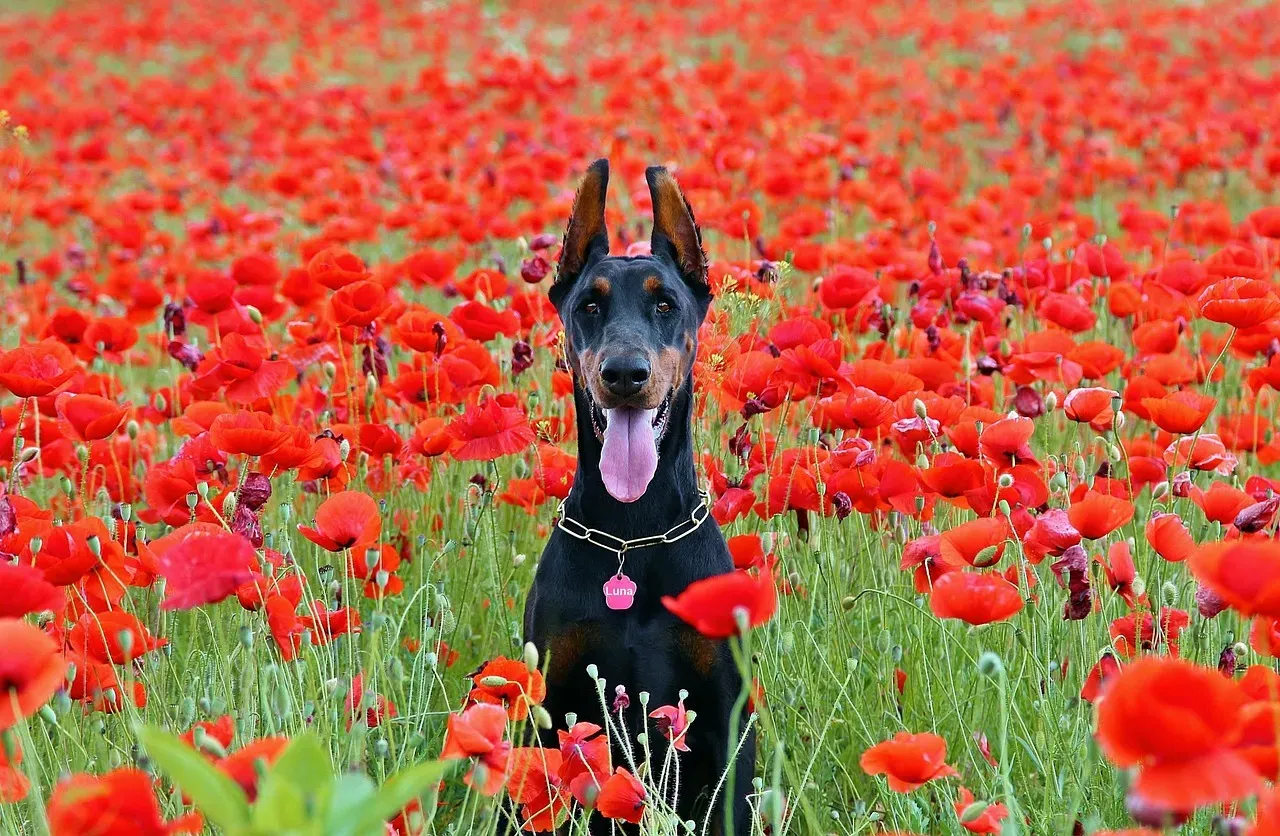
Dobermans are a large breed and highly energetic, so they need plenty of exercise each day – at least 2 hours. This was probably the biggest reality check for me. We’re not talking about a casual stroll around the block.
He requires intense and close contact with people of his family and has a very high activity level, requiring lots of exercise. Think brisk walks, runs, fetch sessions, agility training, and mental stimulation games all rolled into your daily routine. If you’re a couch potato by nature, this breed will absolutely drive you crazy. It’s a well-known fact that Dobermans need a lot of exercise throughout the day. In fact, most Dobermans need between one and two hours of exercise every single day in order to remain calm and reduce their anxiety levels.
They Can Be Amazing With Kids (With the Right Approach)

This one shocked me most. It turns out that Dobermans are generally excellent with kids and make incredible family dogs when properly trained and socialized. I’d always assumed they’d be too large and intense for children.
Many families report Dobermans are gentle and protective with kids. Dobermans bond closely with their people and often view children as part of their pack. The key? Early socialization and training are crucial for Dobermans living with children. These experiences shape their behavior and responses to various situations, helping them become well-adjusted family members who understand appropriate interactions with kids.
Here’s the thing: supervision is essential. The Doberman Pinscher Club of America warns that young children and Doberman puppies are not a good mix. It is not a good idea to get a young Doberman puppy if you have babies, toddlers or young school-age children. The combination of rambunctious puppy energy and small children can create problems for both.
Health Concerns Are Something You Can’t Ignore
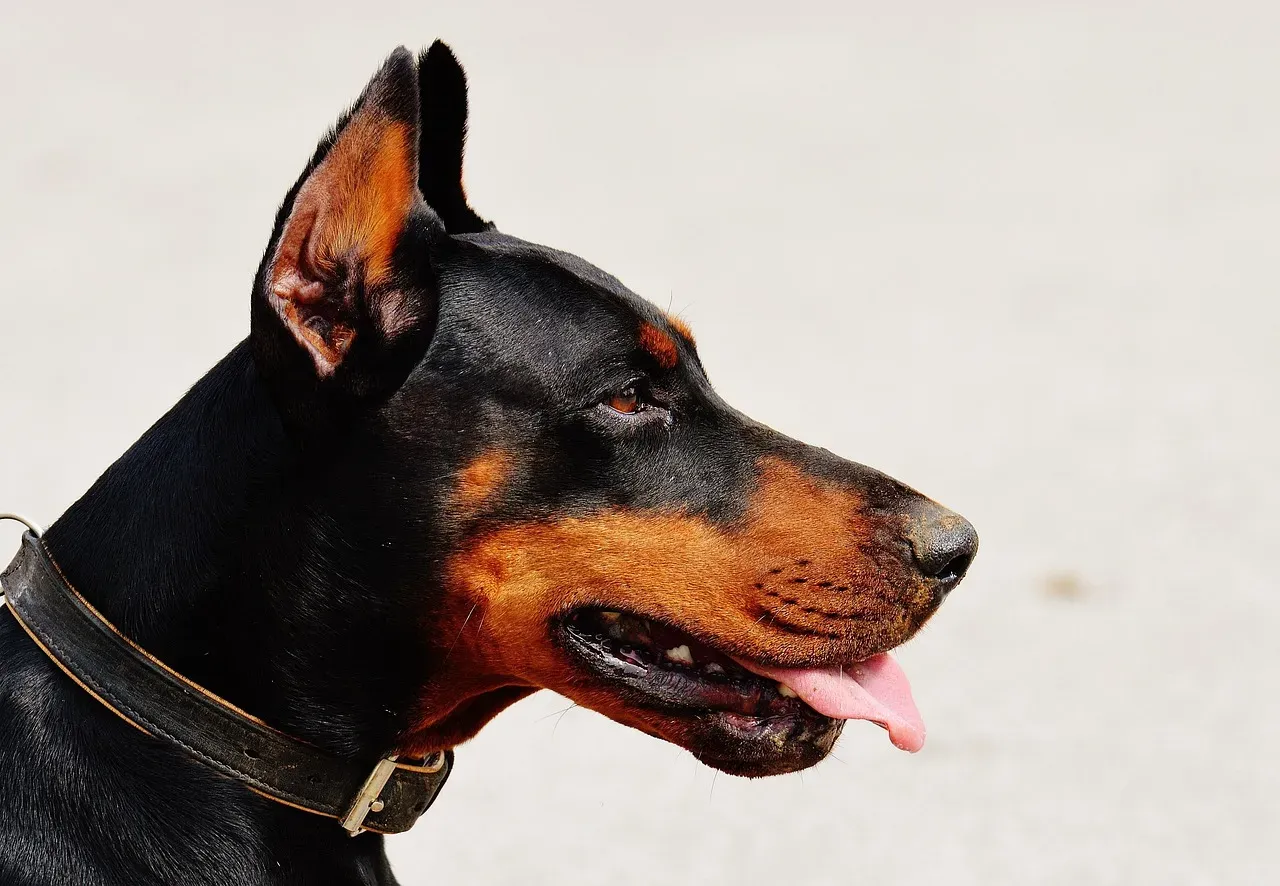
Dobermans are subject to a breed-specific form of dilated cardiomyopathy (DCM) that affects the heart’s ability to contract correctly, which can lead to death. This was sobering information that made me pause. Heart disease is a genuine concern with this breed.
Beyond cardiac issues, the Doberman is also susceptible to Wobbler syndrome (which causes spinal cord compression and neck pain), von Willebrand disease (vWD, which results in excessive or prolonged bleeding), and hip dysplasia. Doberman Pinschers typically have an average lifespan of 10 to 13 years. Regular vet checkups and cardiac screenings become incredibly important with these dogs. It’s a responsibility that comes with the breed.
They’re Surprisingly Low Maintenance in Some Ways
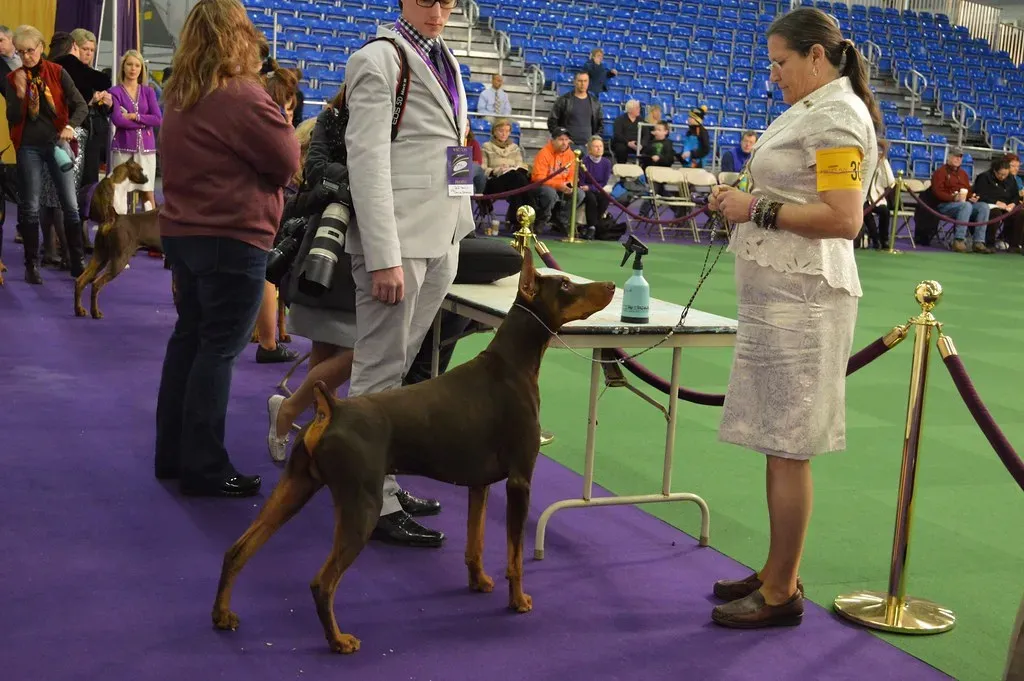
Here’s where things get easier. Grooming a Doberman? Honestly, it’s a breeze. They are an extremely clean dog and rarely have any sort of odor. Even though the Doberman has a short coat, they are moderate shedders and need to be brushed weekly to minimize shedding.
No elaborate grooming sessions. No expensive trips to the dog salon. Just weekly brushing and the occasional bath. For someone who was intimidated by high-maintenance breeds, this came as a relief. The Doberman Pinscher requires very little coat maintenance. Cleaning them with a cloth or brushing them just a once or twice a week should be enough.
The Loyalty Factor Is Off the Charts
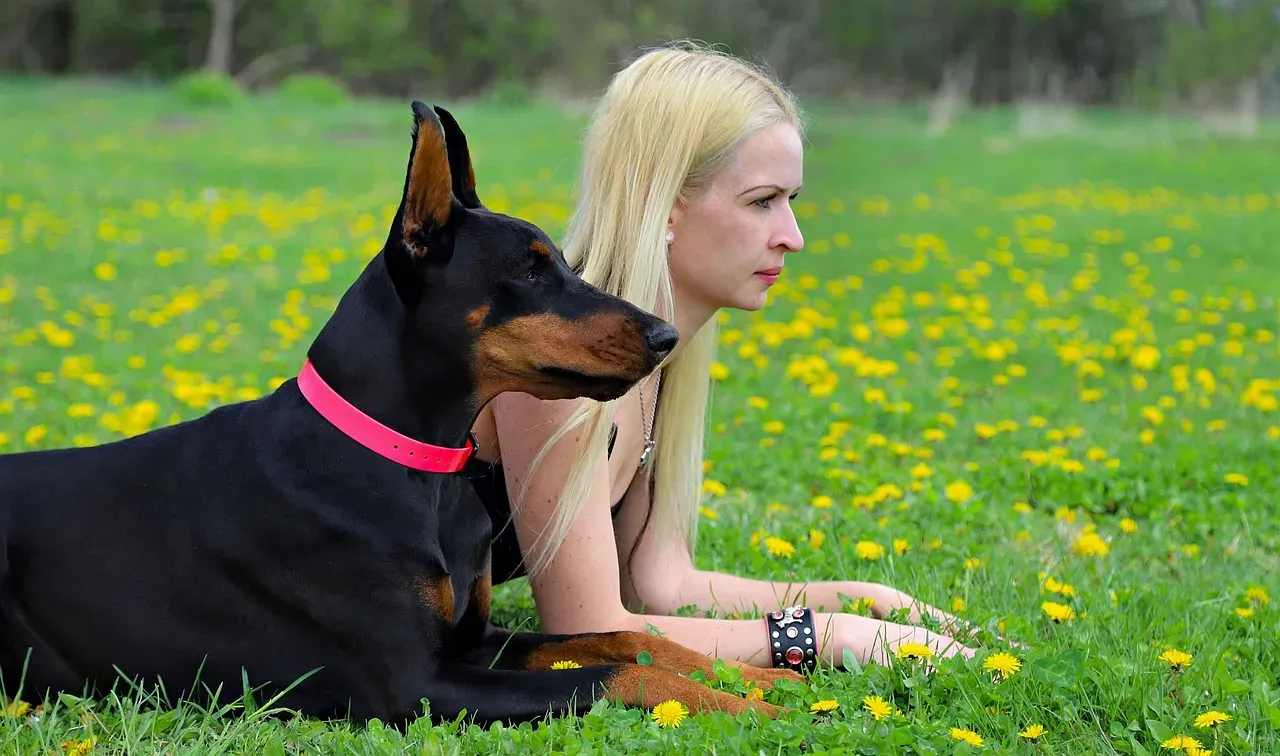
These qualities make the Doberman more than simply a weapon for guard and protection. All of these wonderful traits blend and combine in the Doberman temperament to produce the end result of a devoted, loving and protective dog. People who’ve never owned one simply cannot comprehend this level of devotion.
These pups usually form super strong bonds with one person in the family, so are known to be ‘one man dogs’, but they adore being part of the pack – as long as they’re kept busy. Dobermans are extremely energetic and have razor sharp minds, so they’re happiest when they have a job to do. This isn’t the kind of dog that tolerates being ignored or left alone for long stretches. They can also suffer from separation anxiety if they’re left alone for too long, which can lead to excessive barking, howling, or chewing.
Conclusion
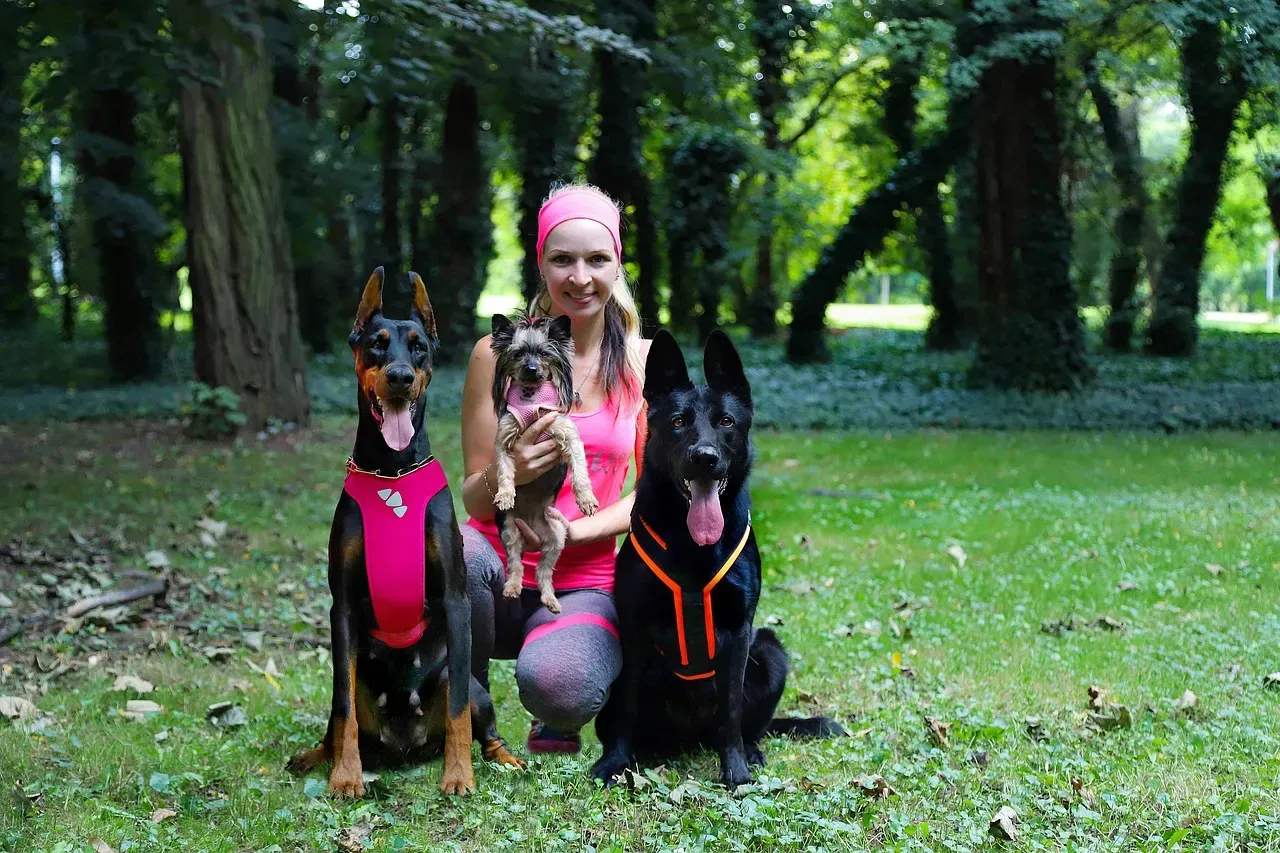
Looking back, I realize how wrong my initial assumptions were. Dobermans aren’t the aggressive monsters movies made them out to be. They’re intelligent, loyal, affectionate companions who need active families willing to invest time in training, exercise, and socialization. The commitment is real. The exercise demands are substantial. The health concerns require attention.
Yet for the right person or family, a Doberman offers something extraordinary. That unwavering loyalty, that emotional intelligence, that desire to be your constant companion makes them truly special dogs. They’ve certainly changed my perspective completely.
What surprised you most about these incredible dogs? Have you had experiences with Dobermans that challenged the stereotypes?


