

You’re walking from the kitchen to the living room, and suddenly your dog is circling you, poking your leg with their nose, maybe even giving a gentle nip at your ankle. It happens again when you’re heading upstairs, or when the kids are playing in the yard. You might wonder if your furry companion has lost their mind, or if there’s something wrong. Truthfully, though, this quirky behavior has deep roots in canine history and genetics. Let’s dive in and explore why your dog might be treating you like a wayward sheep, and what you can do about it.
It’s Written in Their DNA
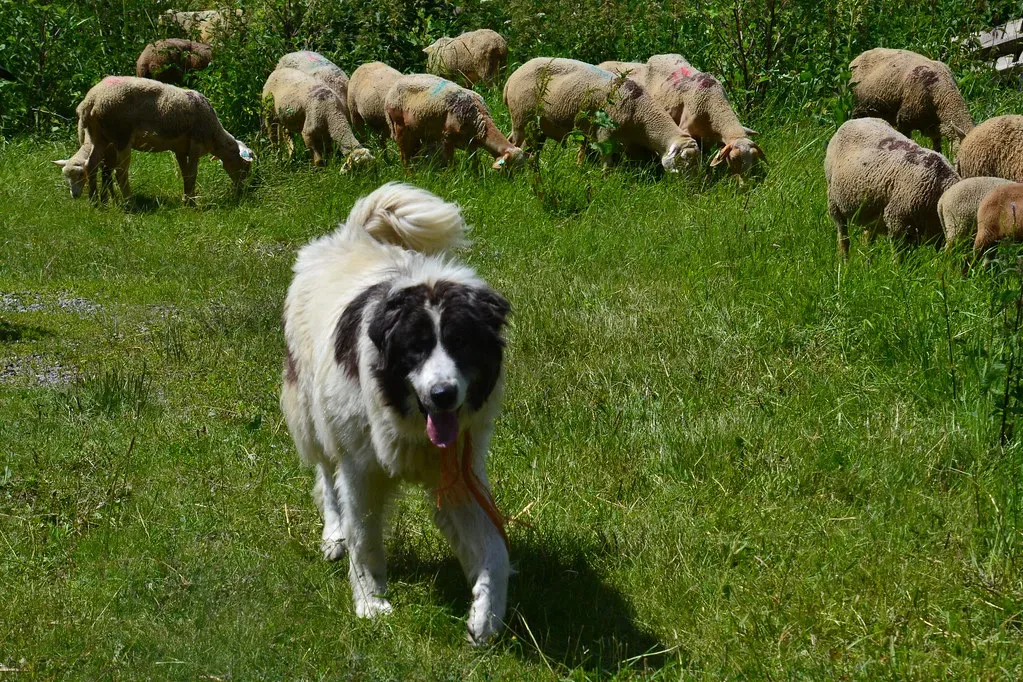
Herding abilities come instinctually to dogs, traceable back to their wolf ancestors who were hardwired with behaviors essential to catching and killing prey. Here’s the thing: through centuries of careful breeding, humans shaped certain dog breeds to harness specific parts of that predatory sequence. Herding dogs share an innate physical and mental aptitude to move livestock, with selective breeding amplifying predatory instincts such as eye staring and chasing while minimizing the natural inclination to kill prey.
Research revealed specific chromosomes and genes associated with herding behaviors in dogs, with some identified genetic variations only seen in herding dog breeds. Think about it like this: your dog didn’t learn to herd from watching YouTube videos. This behavior is as natural to them as breathing. Whether your pup is a Border Collie, Australian Shepherd, Corgi, or even a mixed breed with herding ancestry, that drive to control movement is baked right into who they are.
Movement Triggers the Instinct
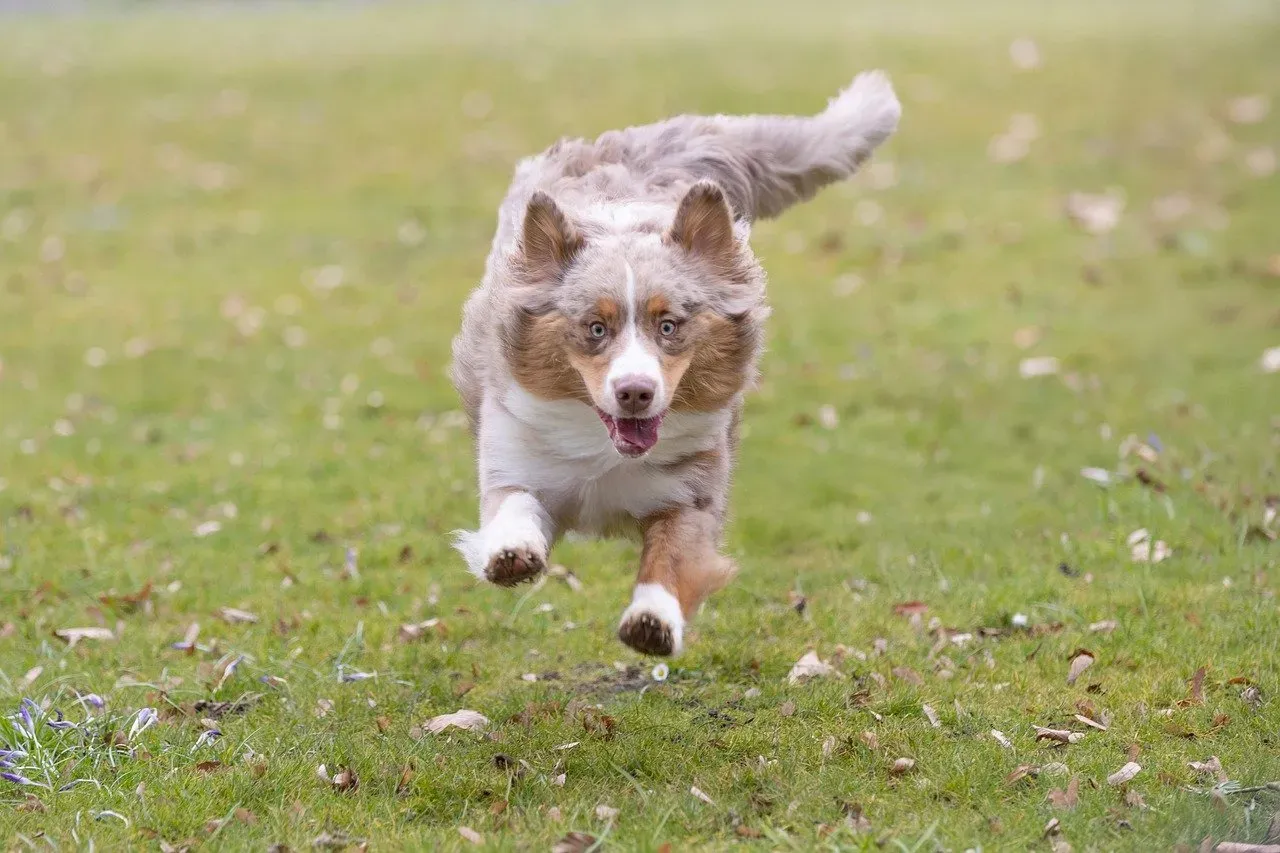
Since these hardwired instincts are triggered by movement, herding is usually not something your dog is doing just to get attention or to deliberately misbehave. Your dog genuinely isn’t trying to annoy you when they start their circling routine. When you walk across the room, when your kids run through the backyard, or when another pet scurries past, something clicks in your herding dog’s brain. That ancient instinct wakes up and says, “Time to work!”
Dogs will express their herding drive with whatever is available, including other pets, kids, and even you. I know it sounds crazy, but your dog isn’t confused about whether you’re a sheep. Dogs are simply doing what comes naturally to them when movement catches their eye. Living in a home without actual livestock doesn’t turn off that genetic switch. Your dog still has the urge to gather, control, and organize moving things, so they work with what’s available.
Recognizing the Telltale Signs

Your dog may come up behind you and poke you with their nose in the back of your thigh, a behavior called poking or punching, which they use to control a situation or make an animal move, probably because they’re excited or trying to steer you. Watch for that intense stare, the lowered body posture, the calculated circling. Herding breeds use small nips to motivate movement in other animals, though these small bites are not intended to injure but can be unwelcome and distressing to strangers and small children.
Herding dogs shadow their people and will follow you from room to room, and from inside to outside and back again. Some dogs will even try to walk slightly behind you rather than at your side, positioning themselves where they’d naturally work with livestock. You might also notice persistent barking when family members scatter in different directions. Your dog sees chaos and wants desperately to restore order. Honestly, once you understand what’s happening, these behaviors become less mystifying and more endearing, though they still need management.
Why This Can Become Problematic
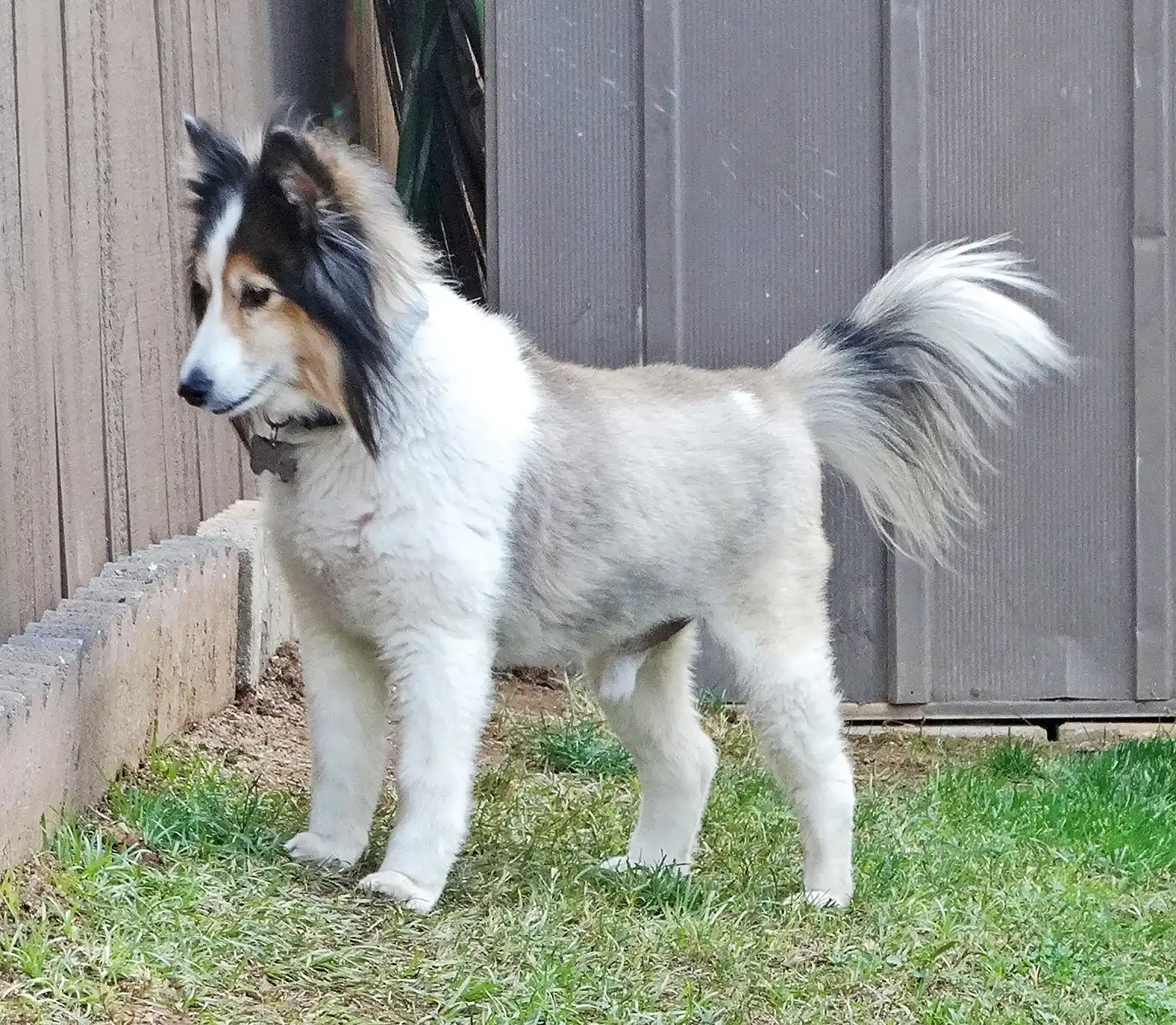
Let’s be real: having a dog constantly nipping at heels or circling frantically isn’t just annoying, it can be genuinely dangerous. The desire to herd and control situations is so ingrained in these dogs that they can get very frustrated when they cannot herd and control movement as their instincts dictate, causing frustration to build up and leading them to vent by barking. When kids run away from a nipping dog, that reaction actually reinforces the behavior, making your pup think it’s all part of the game.
Herding behavior can prove problematic inside and outside the home when not managed correctly, and although herding dogs aren’t typically aggressive, their actions can be viewed as aggression by someone who doesn’t know dogs, especially when herding dogs corral family members and other pets in the home without an outlet to engage in their natural instincts. A nip that breaks the skin can escalate a situation quickly. Guests may not understand that your dog isn’t being vicious, they’re just doing what centuries of breeding programmed them to do. The stakes get higher when stairs or busy streets are involved.
Giving Your Dog a Job
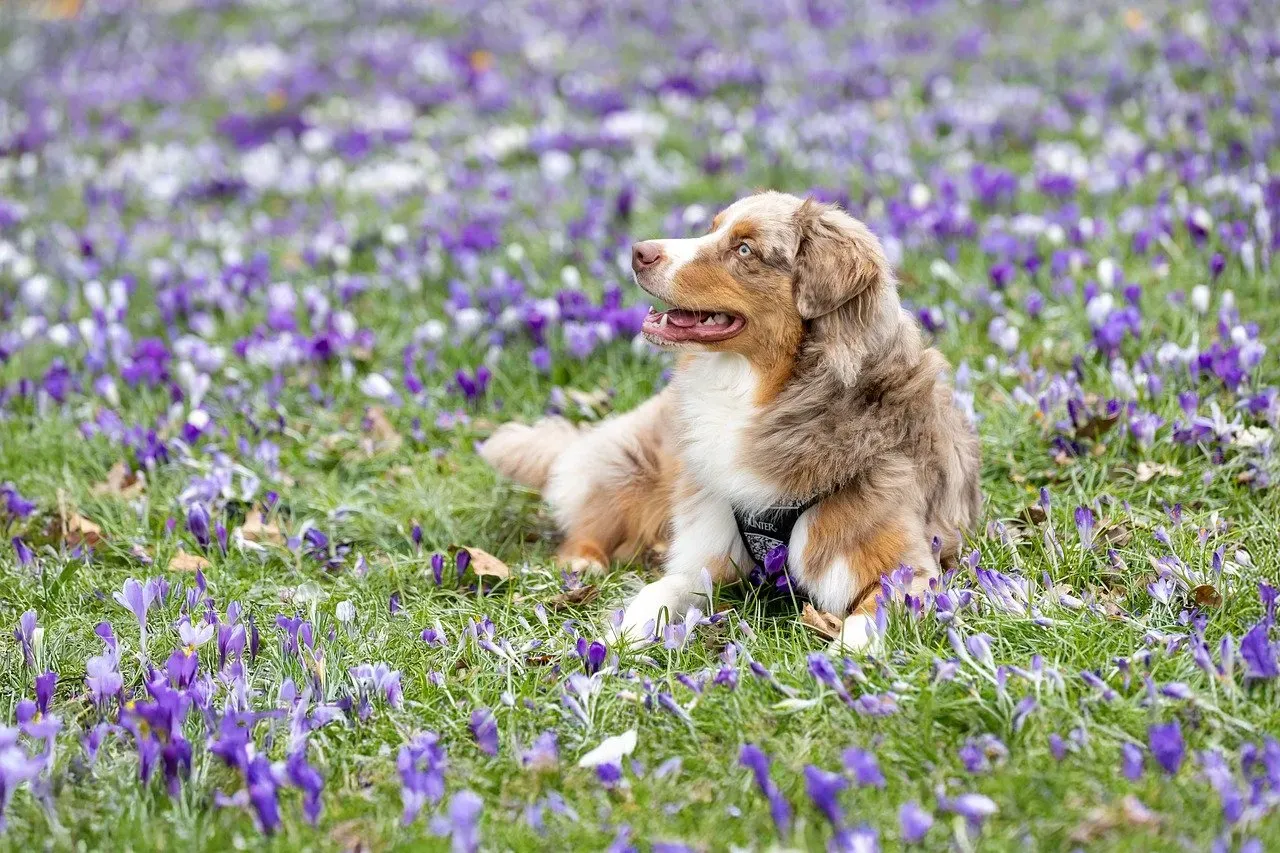
Herding breeds were developed to work hard all day long, and they are incredibly smart and will find their own fun if you don’t give them something to do. The solution isn’t to suppress your dog’s instincts entirely. That’s both unrealistic and unfair. Instead, channel that incredible drive into appropriate outlets. Games and sports like flyball, treibball, and dog agility competitions are full of herding breeds, whose brains and speed make them excellent at fast-paced competitive sports.
Physical exercise alone won’t cut it. These dogs need mental challenges too. Puzzle toys, hide-and-seek games, and even teaching your dog to pick up their own toys can satisfy that need to have a purpose. Preventing your dog from practicing unacceptable herding as much as possible while you teach basic obedience, and teaching training behaviors like “Watch Me” and “Leave It” will help you redirect your dog’s attention when moving objects are nearby. Fetch and tug-of-war become powerful training tools when you ask for calm behaviors like sitting before you throw the ball. This teaches self-control in the face of exciting stimuli.
Training Away Unwanted Herding Behaviors
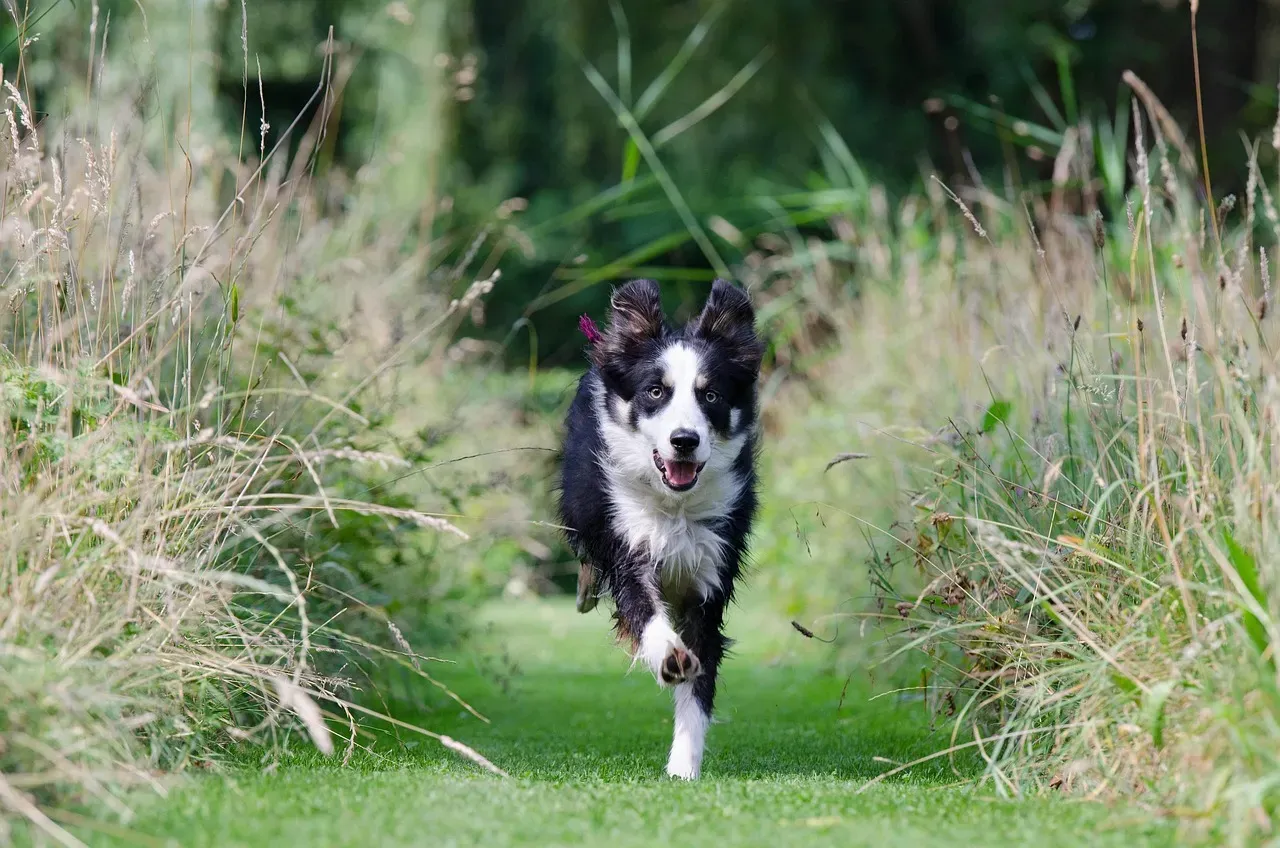
Counterconditioning is an effective method of modifying dog behavior that involves pairing a stimulus that elicits a negative emotional response with something that triggers a positive emotional response, making it an effective tool for training a herding dog because they enjoy learning, being stimulated, and having a job or role within their families. Start by identifying what triggers the behavior. Is it kids running? Someone walking toward the door? Once you know the trigger, you can begin desensitization from a comfortable distance.
You need to maintain dedicated training sessions using positive reinforcement if you want to stop your dog from nipping and biting, never having training sessions that last over 15 to 20 minutes to keep your dog engaged. Patience is everything here. When your dog starts to show signs of herding, redirect them immediately with a command or a toy. Reward heavily when they choose to ignore the moving target and focus on you instead. Consistency matters more than perfection. You’re not going to fix this overnight, especially with adult dogs who’ve been practicing the behavior for years.
Conclusion: Embracing Your Dog’s Nature
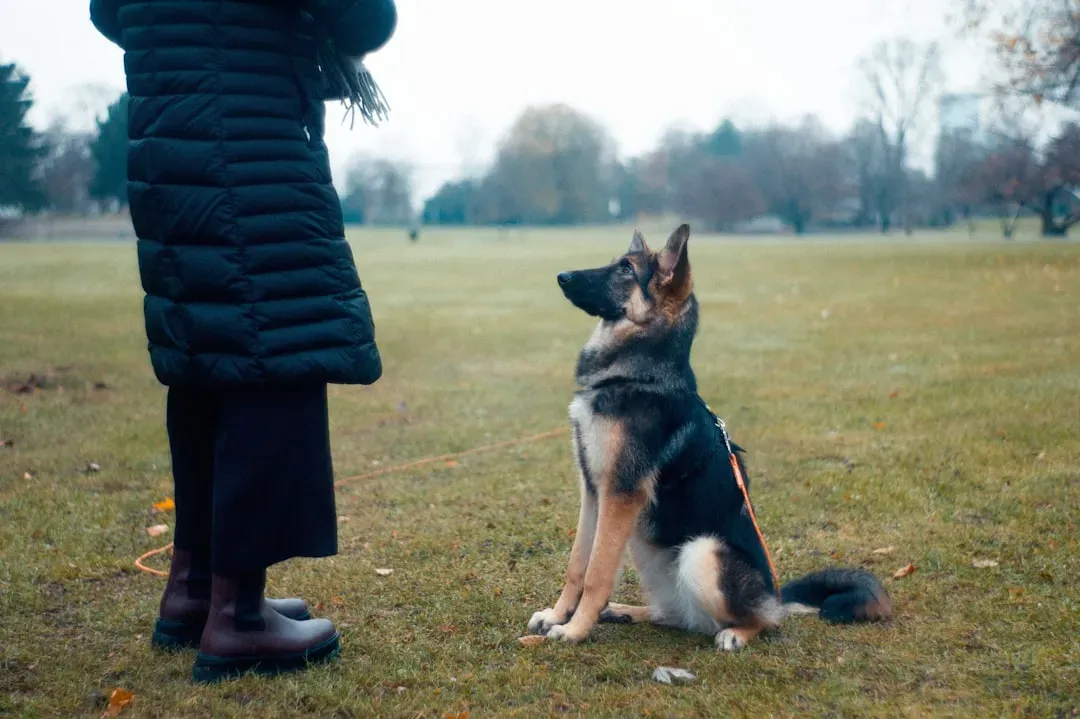
Understanding why your dog herds you transforms frustration into compassion. These brilliant, loyal companions aren’t trying to control you out of dominance or defiance. They’re simply expressing instincts that have been refined over thousands of years. Natural behaviors can be channeled into more constructive activities or managed through training, but trying to change who the dog is will only cause frustration for both the dog and the owner.
The key lies in respecting what your dog was bred to do while teaching them appropriate ways to express those drives. With proper exercise, mental stimulation, consistent training, and suitable outlets for their herding instincts, your dog can become a well-adjusted family member who understands when it’s time to work and when it’s time to relax. Remember, you chose to share your life with a herding breed, and that comes with responsibilities. What do you think? Has your dog been trying to herd you all this time without you realizing it?


