
Ever walked down a quiet street only to hear a symphony of barks, howls, and yaps erupting from behind a fence? Or maybe you’re the one living with a four-legged chatterbox who just can’t seem to stop talking. If you’ve ever wondered why some dogs never seem to stop making noise, you’re not alone. The truth is, certain breeds are hardwired to be vocal, and while it can be endearing at times, it can also test your patience and your neighbors’ goodwill.
These dogs aren’t being difficult on purpose. Their vocalizations often come from centuries of breeding for specific jobs like hunting, herding, or guarding. Still, that doesn’t make it any easier when your pup is barking at three in the morning or howling along with every siren that passes by. The good news? With a little understanding and the right approach, you can help your noisy companion find their indoor voice. So let’s dive in and explore the breeds that love to make themselves heard, and more importantly, what you can do about it.
Beagles: The Melodious Howlers

Beagles were bred to howl during hunts to alert hunters of their location and prey, making them another loud dog breed originally bred in the UK to hunt hares, rabbits and foxes. That distinctive bay or howl isn’t just noise for the sake of it. It’s deeply embedded in their DNA from generations of working in packs.
Many Beagles sing along to sirens, “give tongue” when they are hunting, and bark when strangers come to the door, but they aren’t usually nuisance barkers unless they are bored or lonely. This is where things get tricky for modern pet owners. Your Beagle might not be chasing rabbits through the woods anymore, but they still have that instinct to vocalize when they spot movement or catch an interesting scent.
To manage this, keep your Beagle mentally and physically stimulated. Make sure your dog has an adequate amount of physical and mental exercise before you leave in the morning, as a tired dog is more likely to rest when you’re not at home. Long walks where they can follow their nose, puzzle toys, and scent games can work wonders. Teaching the quiet command with positive reinforcement also helps redirect their energy when they start getting too chatty.
Siberian Huskies: The Talkative Performers
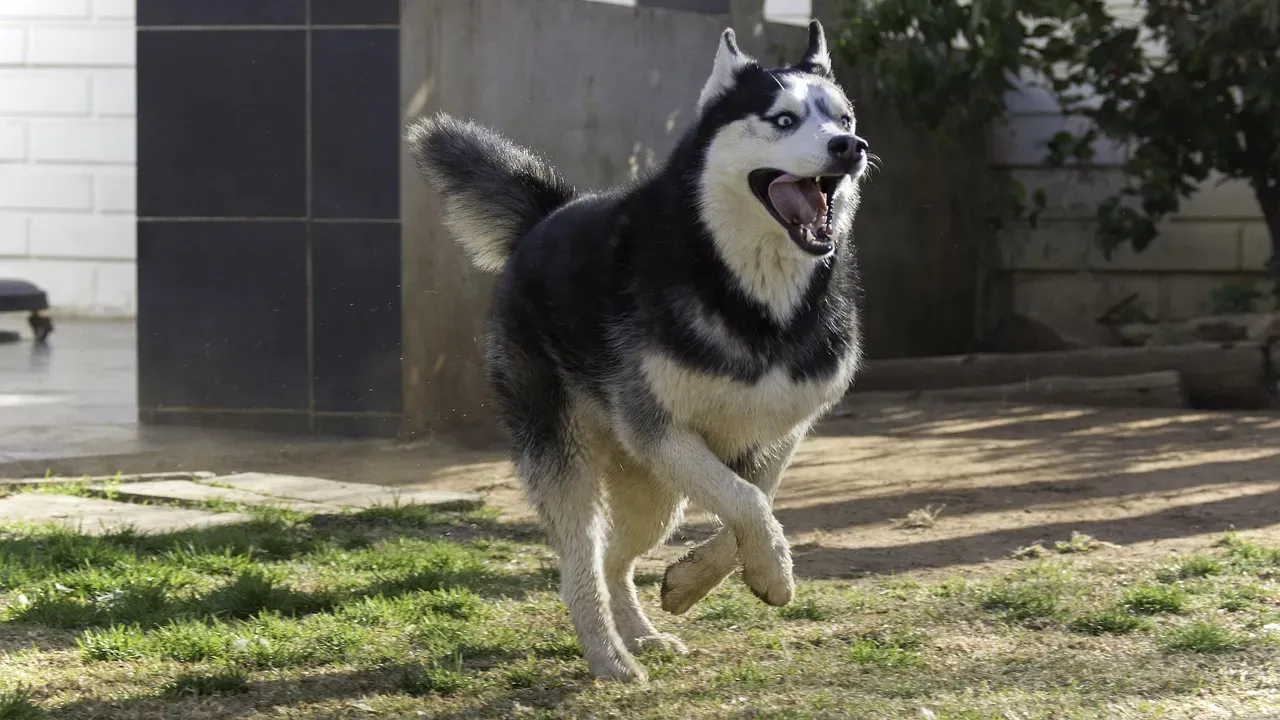
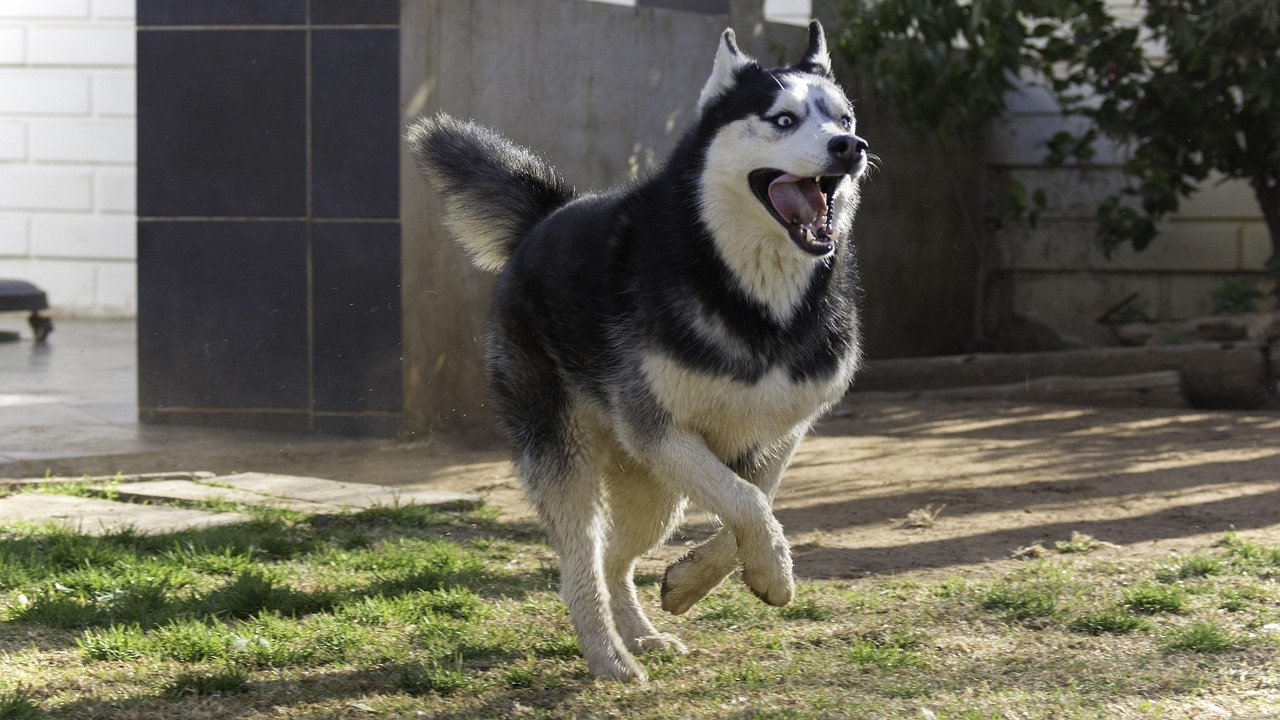
Siberian Huskies don’t necessarily bark a lot, but they’re described as a talkative breed and will whine, howl, groan and ‘talk’ for hours. If you’ve ever seen videos of Huskies having full conversations with their owners, you know exactly what this means. These dogs are expressive, opinionated, and they want you to know it.
Huskies were sled dogs and travelled over large distances; communication was important and a whine or howl will travel a further distance than a bark. This explains why they have such a wide vocal range. They weren’t bred to be silent companions but working dogs who needed to communicate across vast, snowy expanses.
Managing a Husky’s vocal tendencies requires patience and consistency. Since they’re high-energy dogs, they need vigorous daily exercise to burn off steam. A bored Husky is a loud Husky. Teaching them when it’s appropriate to vocalize and rewarding quiet behavior can help, though honestly, you’ll never completely silence a Husky. Part of living with one means accepting their talkative nature as part of their charm.
Chihuahuas: Small Dogs with Big Voices
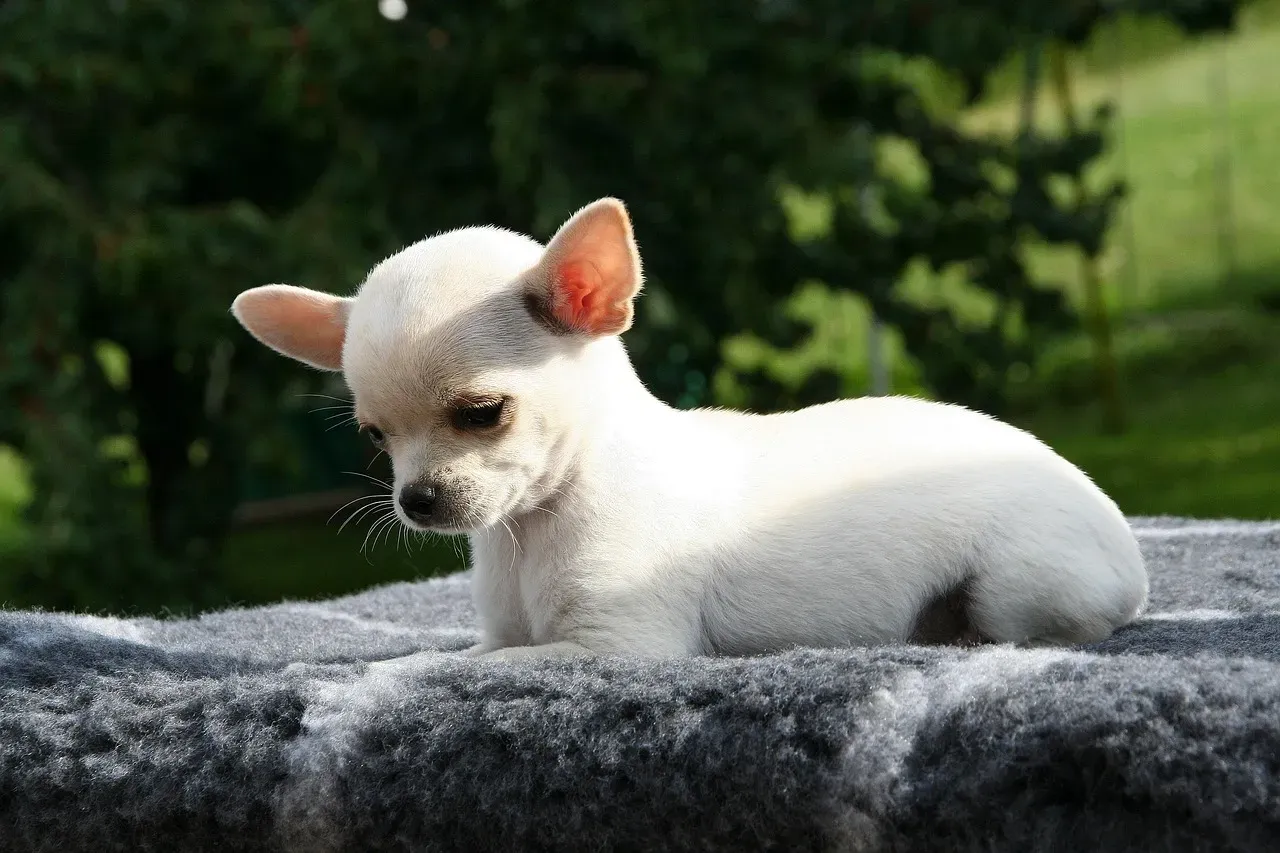
Chihuahuas may be small in size, but they are very territorial, and when they perceive something or someone as a threat, the incessant barking will begin, and given their size, the threat can be anything and everything. That’s the thing about tiny dogs. They often feel more vulnerable, so they compensate with their voices.
Let’s be real, Chihuahuas have gotten a bit of a reputation for being yappy, and it’s not entirely undeserved. Their sharp, high-pitched bark can pierce through walls and test even the most patient dog lover’s nerves. The challenge is that what seems perfectly harmless to us, a falling leaf, a distant car door, a shadow, can set off alarm bells in a Chihuahua’s mind.
If you believe your dog is barking simply to get your attention, try to ignore them, and regular exercise and the use of puzzle toys can keep your dog occupied, as preventing your dog from barking in the first place by tiring them out or giving them something to do is easier than trying to get them to stop barking. Socialization from an early age also helps tremendously. The more positive experiences your Chihuahua has with different people, animals, and environments, the less likely they are to view everything as a threat.
Yorkshire Terriers: Elegant but Feisty
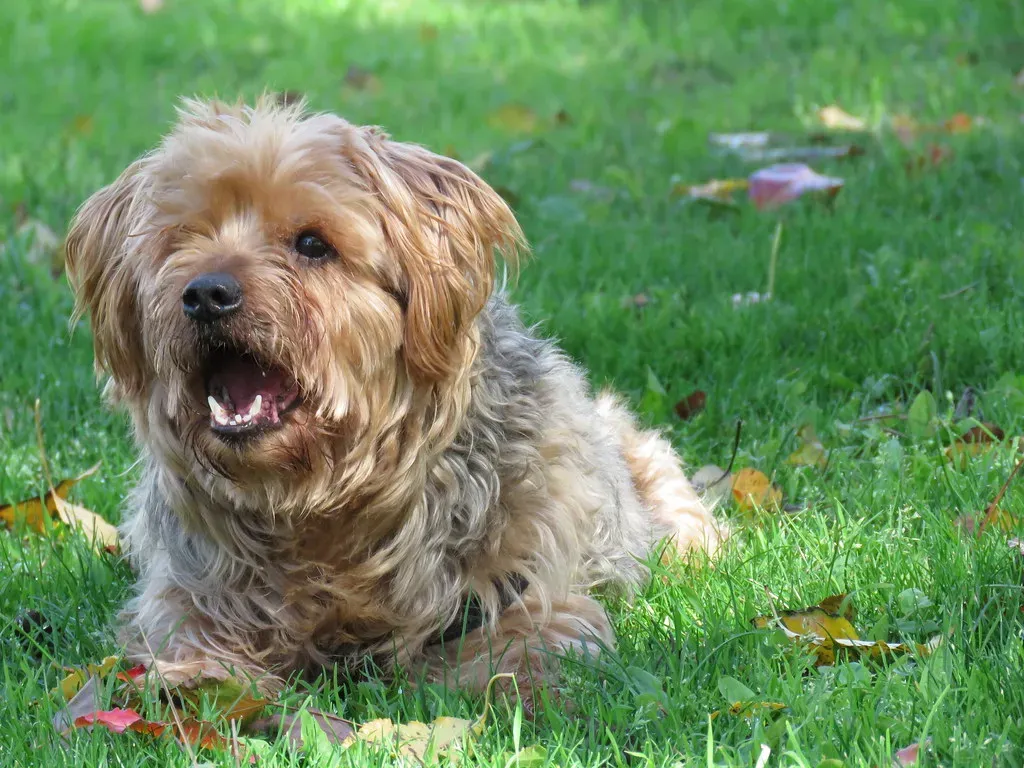
The Yorkie has a reputation for being a boisterous little pup, and he tends to be a natural yapper and, even with proper training and plenty of distractions, he won’t be silenced. Despite their dainty appearance and those adorable bows in their hair, Yorkies pack a whole lot of attitude into a tiny package.
These little dogs were originally bred in England to catch rodents in textile mills – a job that demanded bravery and alertness. That same alert nature still shines through today, which means they’re quick to notice everything and feel compelled to announce it. Whether it’s the mailman, a bird outside the window, or someone walking past your house, your Yorkie will let you know about it.
Training a Yorkie to be quieter requires consistency and patience. Teaching the “quiet” command using a calm, firm voice and positively reinforcing correct behavior with treats and affection is essential. It’s also helpful to manage their environment by limiting what they can see and hear that might trigger barking. Closing curtains during peak neighborhood activity times can make a real difference.
Miniature Schnauzers: The Alert Watchdogs
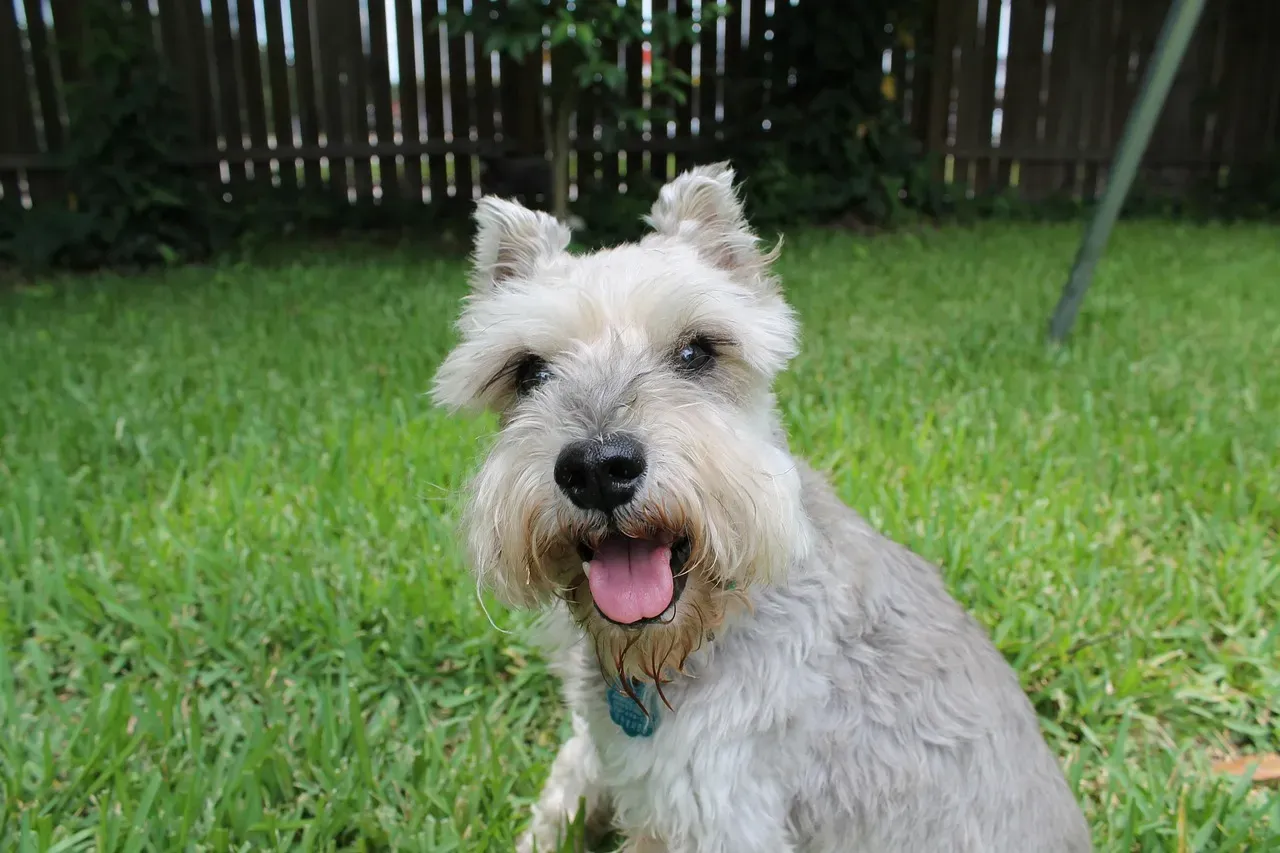
The Miniature Schnauzer tends to be lively and active, wanting to participate in everything you’re doing and alert you to everything else with a sharp bark, and it is possible to train her not to lose her mind every time the doorbell rings, but it’s important to realize that her natural inclination is to bark – loudly and proudly. These spirited little dogs were bred to be farm watchdogs, and they take that job very seriously.
Here’s the thing: Miniature Schnauzers are incredibly intelligent and eager to please, which actually works in your favor when it comes to training. They want to be involved in everything their family does, and that includes alerting everyone to potential dangers or changes in their environment. The problem is, their definition of danger might be quite different from yours.
Teach your dog that when someone comes to the door or passes by your property, he’s permitted to bark three to four times, then say “Quiet,” avoiding shouting and just saying the command clearly and calmly. This approach acknowledges their watchdog instincts while setting clear boundaries. Combine this with plenty of mental stimulation through training exercises and interactive toys, and you’ll have a much calmer Schnauzer on your hands.
Pomeranians: The Fluffy Alarm Systems
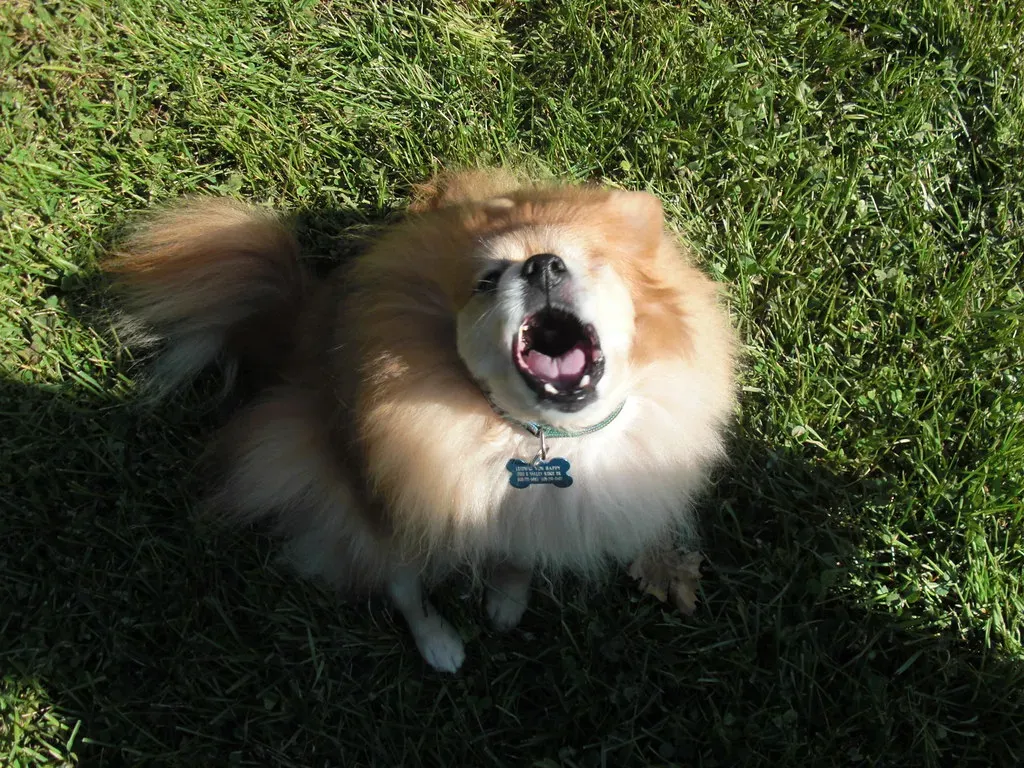
The Pomeranian is known to be a “yappy” dog, and although they are small, their barks are loud and sharp, making them excellent watchdogs. These fluffy little balls of energy are always on high alert, ready to announce any changes in their surroundings. It’s like they’ve appointed themselves as your personal security system, whether you asked for it or not.
Poms bark for many reasons, to warn, to get attention, or simply to share their excitement, and they’re extremely alert and quick to notice anything unusual, however, their constant barking can sometimes be a sign of anxiety or boredom, and because of their small size, they can feel vulnerable, so barking becomes their way to feel in control.
The key to managing a Pomeranian’s barking is understanding the why behind it. Are they anxious? Bored? Seeking attention? Once you identify the trigger, you can address it appropriately. If your dog is barking because he’s bored, try spending more one-on-one time with your dog engaging in activities together, like a daily walk or even a game like tug-of-war, and providing mental enrichment games like puzzle toys or challenging your dog’s brain with a fun training activity can strengthen your bond while keeping your dog occupied.
German Shepherds: The Powerful Protectors
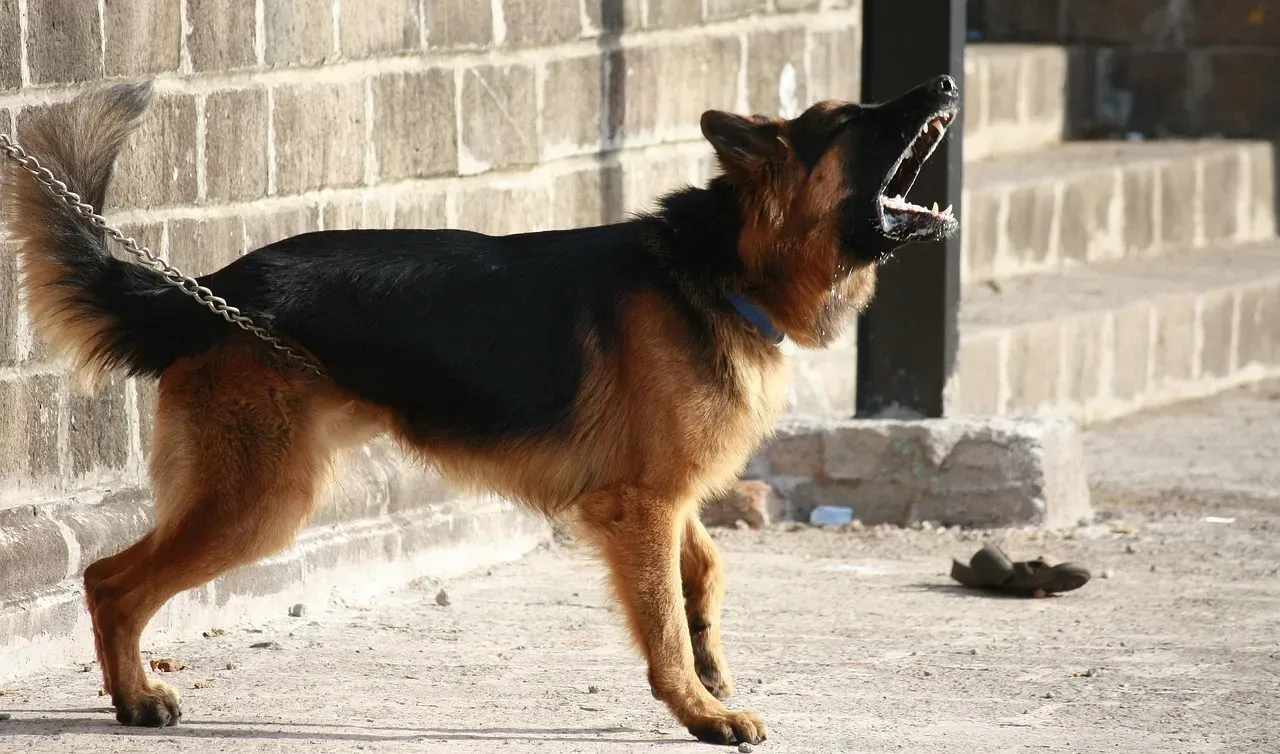
German Shepherds bark to alert their families, protect their space, or communicate stress or excitement, and their bark is deep, powerful, and commanding, often stopping strangers in their tracks. Unlike the high-pitched yaps of smaller breeds, a German Shepherd’s bark carries weight and authority. It’s the kind of bark that makes people take notice.
As a pastoral breed, German Shepherds were bred as guardians of the flock and expected to use this intimidating bark to raise the alarm and scare away intruders or predators. This protective instinct is part of what makes them such wonderful family dogs, but it can also mean they’re quick to react to anything they perceive as a threat. A person walking past your house, another dog across the street, or even an unexpected noise can trigger their alert system.
These large dogs are not aggressive by default, just highly alert and sensitive to changes in their environment, and without proper exercise or mental stimulation, boredom can make them even more vocal. Regular training, socialization, and giving them a job to do can channel their protective energy in more constructive ways. Teaching them to go to a designated spot when people arrive instead of rushing the door can significantly reduce reactive barking.
Basset Hounds: The Mournful Howlers
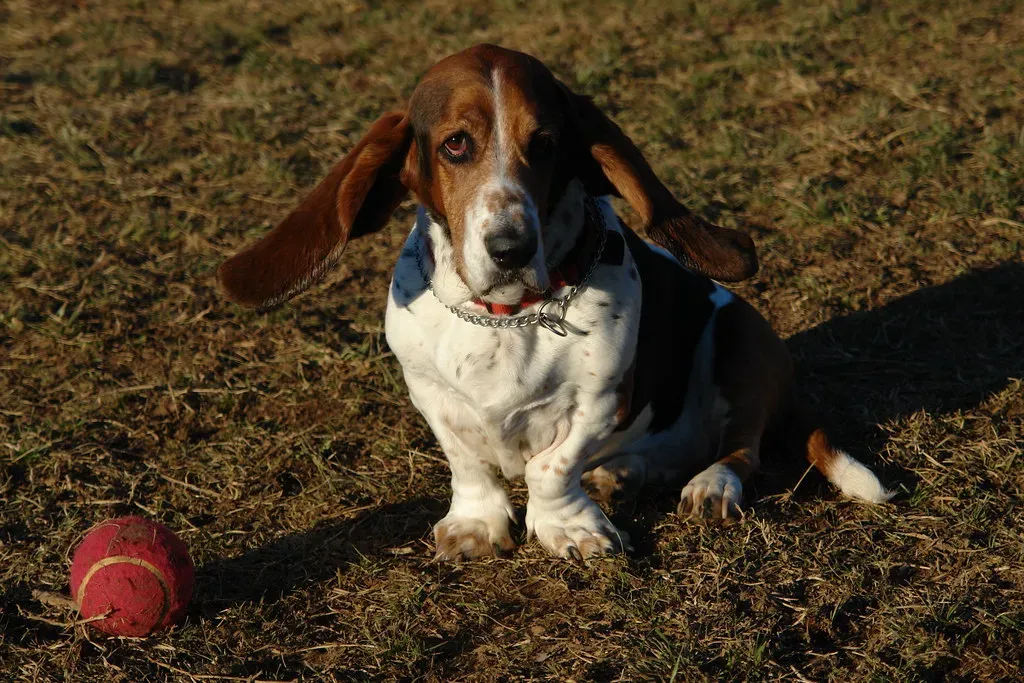
The Basset’s melodious, classic hound howl is almost as famous as his short-legged stature and hangdog face, and if a Basset is left alone in the backyard, his piteous vocalizations can be heard for miles around. There’s something almost haunting about a Basset Hound’s howl. It’s deep, mournful, and carries surprisingly far for a dog with such short legs.
Like Beagles, Basset Hounds are scent hounds bred for hunting, and their vocalizations served an important purpose in communicating with hunters. Today, that same howl can become problematic if your Basset feels lonely or bored. They’re social dogs who don’t do well being left alone for long periods.
For treatment of territorial barking, your dog’s motivation should be reduced as well as his opportunities to defend his territory, and to manage your dog’s behavior, you’ll need to block his ability to see people and animals. Keeping your Basset engaged with interactive toys, regular walks, and companionship can minimize howling. If you know you’ll be away for extended periods, consider doggy daycare or a dog walker to break up their day and provide social interaction.
Conclusion: Finding Harmony with Your Vocal Companion

Living with a noisy dog breed doesn’t mean you’re sentenced to a lifetime of earplugs and apologetic notes to neighbors. Because barking serves a variety of functions, you must identify its cause and your dog’s motivation for barking before you can treat a barking problem, and for this reason, it’s important to train your dog to be quiet on cue so that you can stop his attention-related barking and teach him to do another behavior instead.
The most important thing to remember is that these breeds aren’t trying to drive you crazy. They’re simply being true to what they were bred for. With patience, consistency, and the right training approach, you can help your vocal companion learn when it’s appropriate to speak up and when it’s time to settle down. Exercise, mental stimulation, and understanding their individual triggers are your best tools in managing excessive barking.
What’s been your experience with vocal dog breeds? Have you found techniques that work particularly well for your noisy companion? Remember, every dog is an individual, and what works for one might not work for another. The journey to a quieter household is worth it, and your dog will be happier and less stressed in the process. What do you think about it? Tell us in the comments.


