
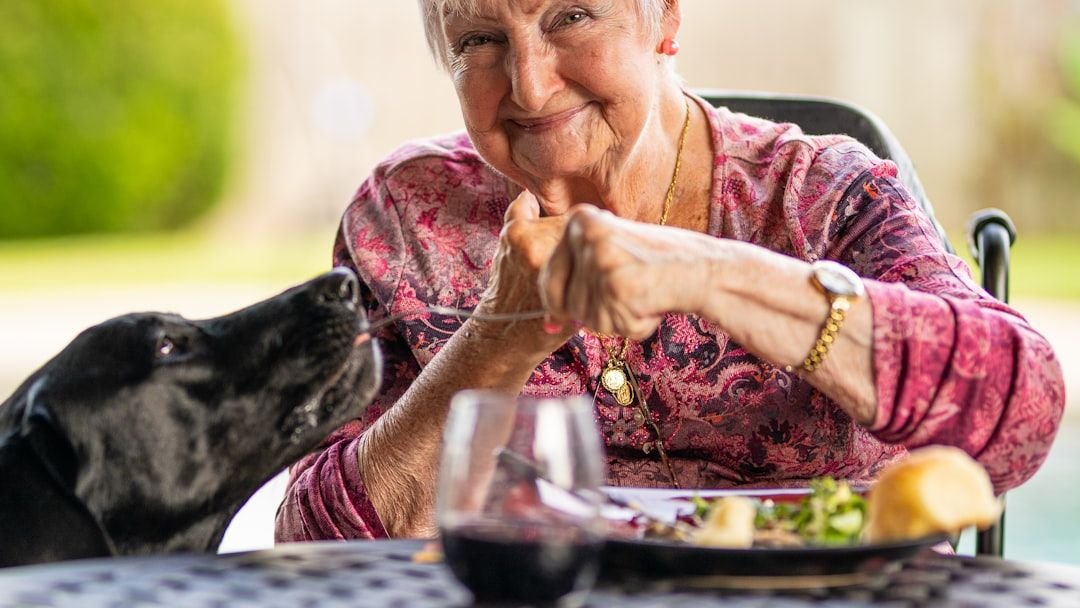
You watch your dog’s muzzle turn gray, and suddenly those puppy years feel like yesterday. It’s hard to say exactly when our dogs cross that invisible line into their senior years, isn’t it? Maybe you’ve noticed them taking a little longer to get up from their favorite spot, or perhaps they’re sleeping more soundly than they used to. These changes can be bittersweet. We treasure every moment with our companions, knowing their time with us is far too short.
The good news is that we have more power than we might think when it comes to extending not just their lifespan, but their health span. That means more years where they’re truly thriving, not just surviving. Let’s be real, we’d all love a magic pill that keeps our dogs young forever. While that doesn’t exist yet, science has uncovered some powerful ways to help your senior pup stay vibrant, comfortable, and engaged well into their golden years.
Keep That Waistline Trim
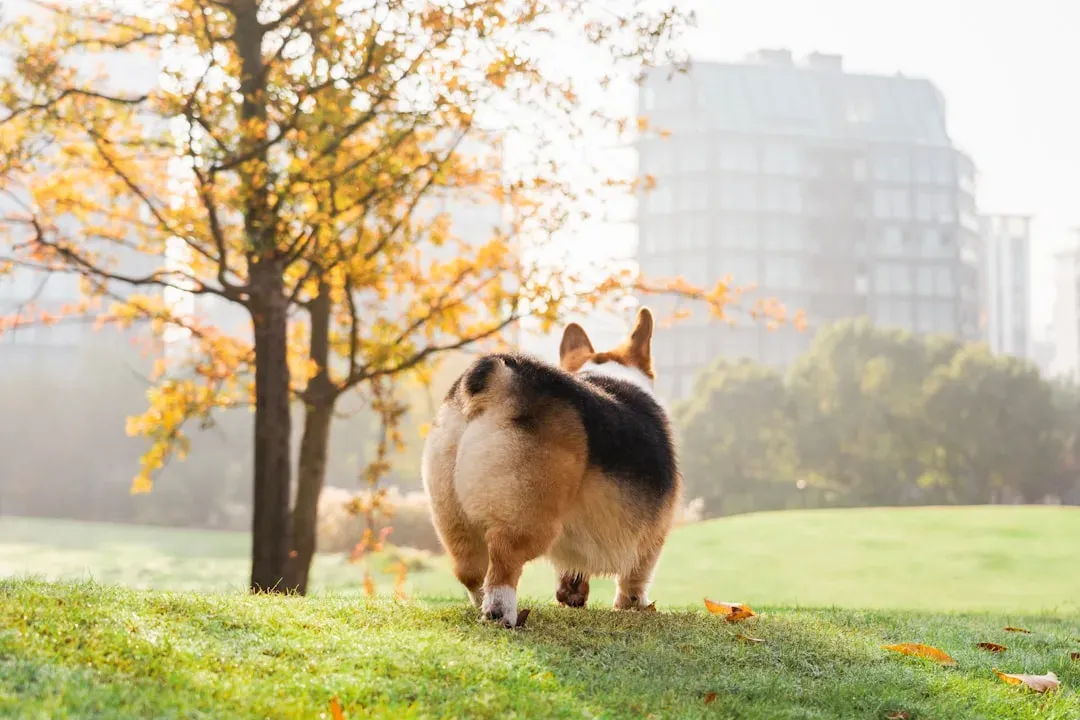
Here’s the thing about weight. Keeping your dog at a healthy weight can actually add around two years to their life, according to research from a major longevity study. Two whole years! That’s a staggering amount of time when you think about it in dog years.
Obesity contributes to so many age-related issues like arthritis, diabetes and heart disease. Picture your senior dog’s joints as hinges that have been working hard for years. Now imagine adding extra weight to those already tired hinges. The wear and tear accelerates, and suddenly those evening walks become painful rather than joyful.
I know treats feel like love. Honestly, who can resist those pleading eyes? The secret is finding other ways to show affection. Shower your older dog with belly rubs, ear scratches and time spent with you instead of constant snacking. Your dog doesn’t love you for the treats anyway. They love the attention, the connection, the time you spend together.
Keep a close eye on your dog’s weight, as both weight loss and weight gain could signal an underlying health issue, and obesity increases risks of heart disease and worsens problems like osteoarthritis.
Move Those Legs Daily
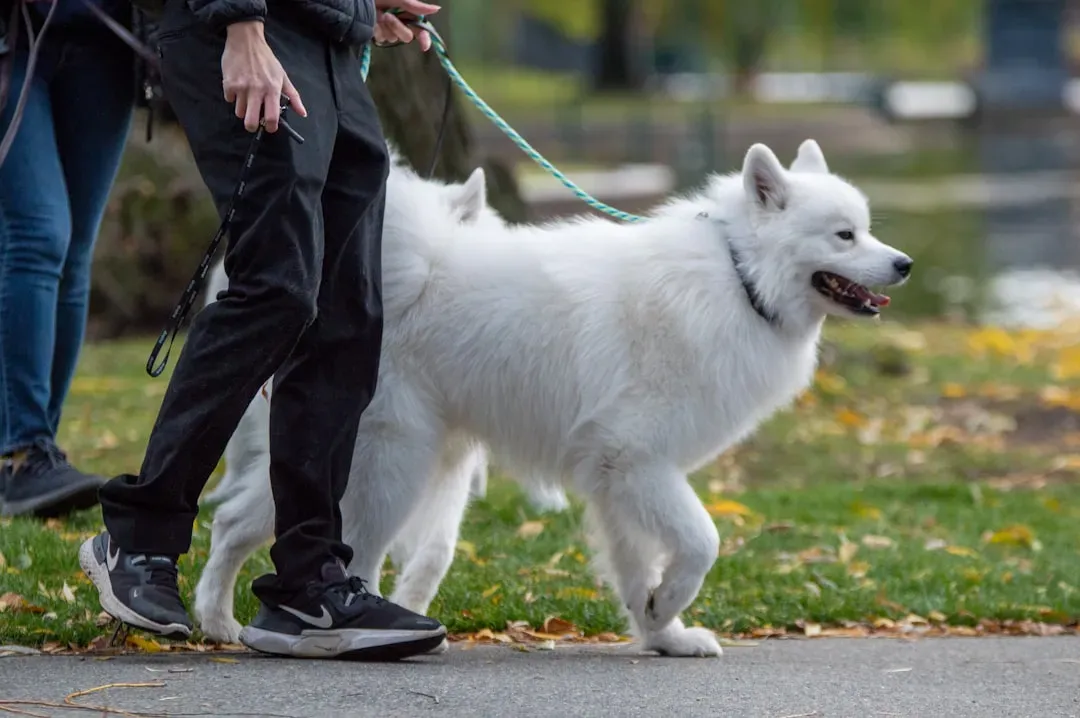
Exercise is overwhelmingly linked to better cognitive health and fewer medical diagnoses, according to researchers from the Dog Aging Project. Physical activity isn’t just about burning calories.
Exercise strengthens muscles, enhances circulation and improves your dog’s heart and brain function. Think of it as oiling those joints and keeping the blood flowing to all the important organs, especially the brain. A dog that stays active mentally stays sharper longer.
The key is adjusting your expectations. Shorter, more frequent walks may be better than going for a five-mile run. Maybe your senior dog used to hike mountains with you, but now a gentle stroll around the block twice a day suits them better. That’s perfectly fine. When weather isn’t ideal and aging joints ache in cold conditions, supervise your pooch on a doggie treadmill, romp indoors chasing a ping pong ball or do laps at the local pet or hardware store.
Let them set the pace, watch for signs of fatigue, and celebrate the movement they can still do. Every step counts toward maintaining their muscle mass and keeping their spirits up.
Feed Their Brain and Body
Senior dogs have specific nutritional needs that differ from younger dogs, often requiring fewer calories to prevent obesity while needing high-quality proteins to maintain muscle mass and adequate fiber for digestive health. Nutrition becomes even more critical as dogs age.
Omega-3 fatty acids like fish oil support joint health and reduce inflammation, while antioxidants and vitamins such as Vitamin A may enhance cognitive function and vision. These aren’t just fancy buzzwords. Studies show that a combination of behavioral enrichment with a diet high in antioxidants can lead to improved cognition and memory in older dogs.
Providing mental stimulation for senior dogs is essential to keeping their minds sharp and preventing cognitive decline through activities that challenge their problem-solving abilities like interactive games such as Three Cups or Hide and Seek. Mental exercise matters just as much as physical exercise. Puzzle toys, snuffle mats, and training new tricks all keep those neural pathways firing.
Here’s a practical tip: if your dog’s appetite is waning, warm up the food ever so gently or add smelly but healthy Omega 3 fish oils to wake up their olfactory senses. Sometimes a little creativity goes a long way in keeping your senior interested in meals.
Double Up on Vet Visits
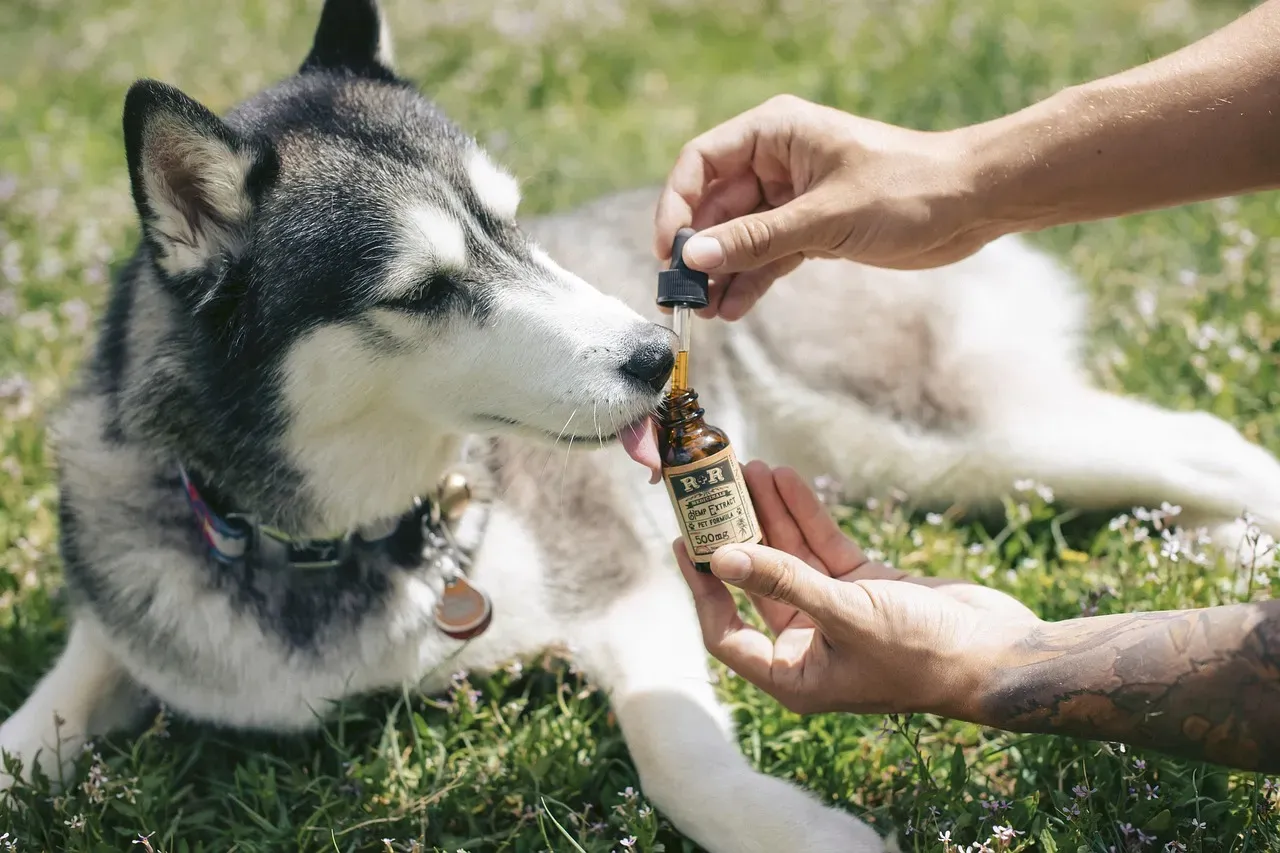
A 2023 paper found dogs regularly evaluated by a vet were 30 percent less likely to develop chronic diseases, and vaccinated dogs had 40 percent fewer cases of transmittable diseases. The numbers don’t lie. Prevention is everything when it comes to senior dogs.
After the puppy visits are through, dogs should ideally see a vet once a year then twice when they reach their senior years. Switching to twice yearly exams makes a massive difference because senior dogs can decline quickly. Whereas a 24-hour wait and watch approach might be reasonable for a youngster with symptoms, waiting this long with an older dog before contacting your veterinarian may have dire consequences.
Taking your pup to the vet for regular check-ups, especially as they age and become more prone to certain diseases, can help identify health problems before they become serious, and many diseases and certain types of cancers are highly treatable if caught early enough but can be deadly if left undetected too long. Early detection changes outcomes dramatically.
Dental care has been linked to reduced mortality rate in dogs, as dental diseases can trigger inflammation in the body, cause life-threatening infections, and worsen preexisting health conditions like heart disease. Don’t overlook those teeth! Dental issues are quite prevalent in senior dogs and can seriously impact quality of life, so watch for warning signs such as bleeding gums, bad breath, drool, tartar buildup, and changes in eating habits.
Watch for Cognitive Changes
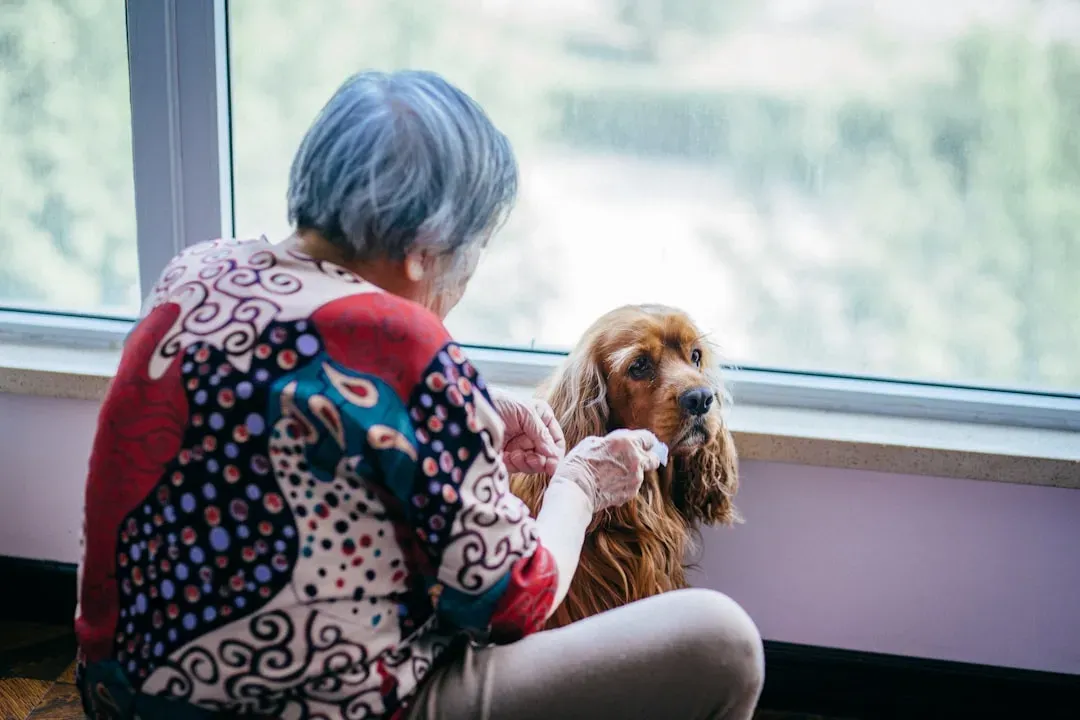
28% of dogs aged 11–12 are affected by cognitive dysfunction, and 68% of dogs 15–16 years old have it. These statistics are startling. Canine cognitive dysfunction is far more common than most people realize. Dog dementia is like Alzheimer’s disease in people, and affected dogs may act confused and forgetful.
One symptom to look for is a change in personality, such as becoming grouchy or aggressive, or if they have an increased need for attention. Maybe your once independent dog suddenly follows you everywhere, or your gentle companion snaps when touched unexpectedly. These aren’t just quirks of old age.
In one study, 28% of owners with dogs aged 11 to 12 reported that their dog exhibited at least one DISHAA sign, and that number increased to 68% of owners with dogs aged 15 to 16. The DISHAA acronym helps owners recognize symptoms: disorientation, changes in interactions, sleep-wake cycle changes, house soiling, activity level changes, and anxiety.
Mental stimulation can help slow cognitive decline, and it’s best to provide your dog with mental stimulation in the form of walks, games, puzzles, and playtime. Starting a new training program with your senior dog, even simple commands, keeps their brain engaged. Management and treatment of cognitive dysfunction are most effective when started early, highlighting the importance of early recognition.
Adapt Their Environment

Older dogs may need more rest, so give them somewhere quiet where they won’t be disturbed by other pets or visitors, and a soft, cosy dog bed away from draughts will help keep them warm and be comfortable for aching joints. Sometimes the simplest changes make the biggest difference.
Senior dogs are more susceptible to temperature extremes compared to younger dogs, so in cold weather older dogs with thin fur may require jackets to stay warm with their beds kept away from drafts, while during hot weather senior dogs are at higher risk for heatstroke and dehydration. Pay attention to their comfort levels in different seasons.
Although they may be less keen on a long run in the park, providing them with different toys and puzzle feeders can be a good way of keeping them entertained for longer. Enrichment doesn’t have to mean marathon walks anymore. Mental challenges from the comfort of home work beautifully.
It’s important to be observant and take your dog to the vet if you notice a change in their behaviour, and ask them as many questions as you like. Trust your instincts. You know your dog better than anyone.
Conclusion
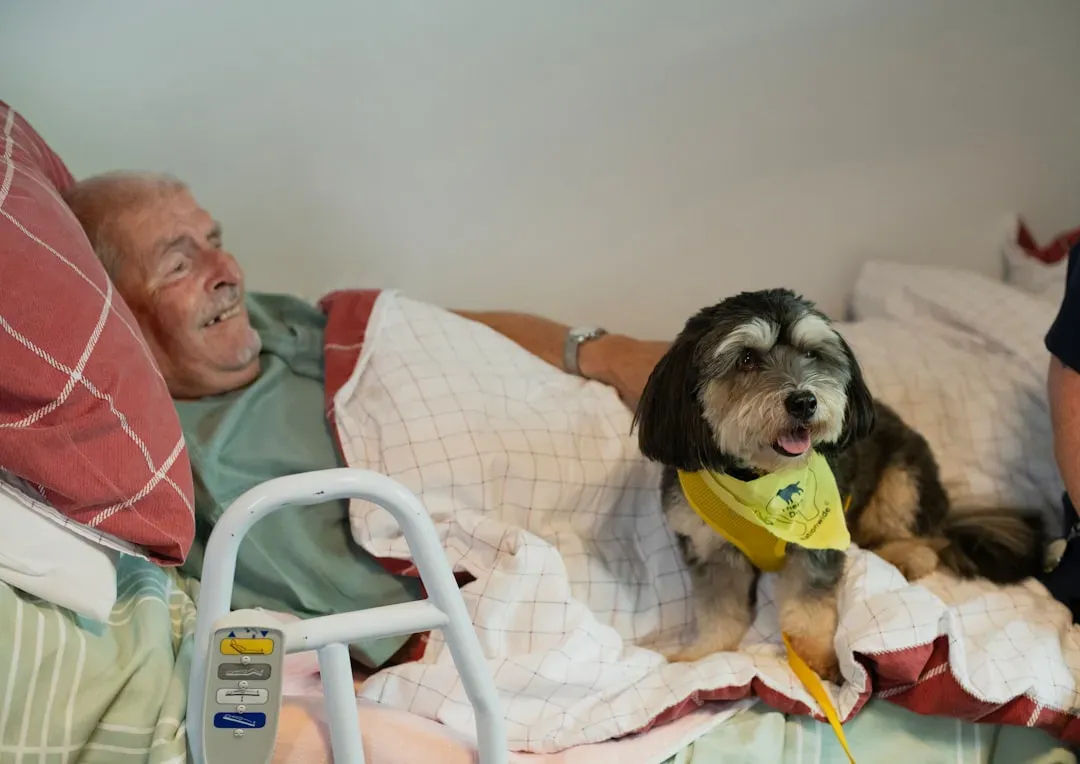
The goal is to maximize your dog’s health span, the length of a dog’s life they’re active and disease-free. That’s really what all of this comes down to. Not just adding years, but adding quality to those years.
The secret to a long and happy life for your senior dog isn’t one single thing. It’s a combination of maintaining a healthy weight, staying active in ways that suit their aging body, feeding them brain-boosting nutrition, catching health issues early with regular vet care, staying alert to cognitive changes, and adapting their environment to keep them comfortable. Small, consistent actions create the biggest impact over time.
Your senior dog has given you years of unconditional love, loyalty, and companionship. Now it’s your turn to give back by making their golden years truly golden. What changes will you make today to help your beloved companion thrive? Your dog is counting on you, and every effort you make matters more than you know.


