
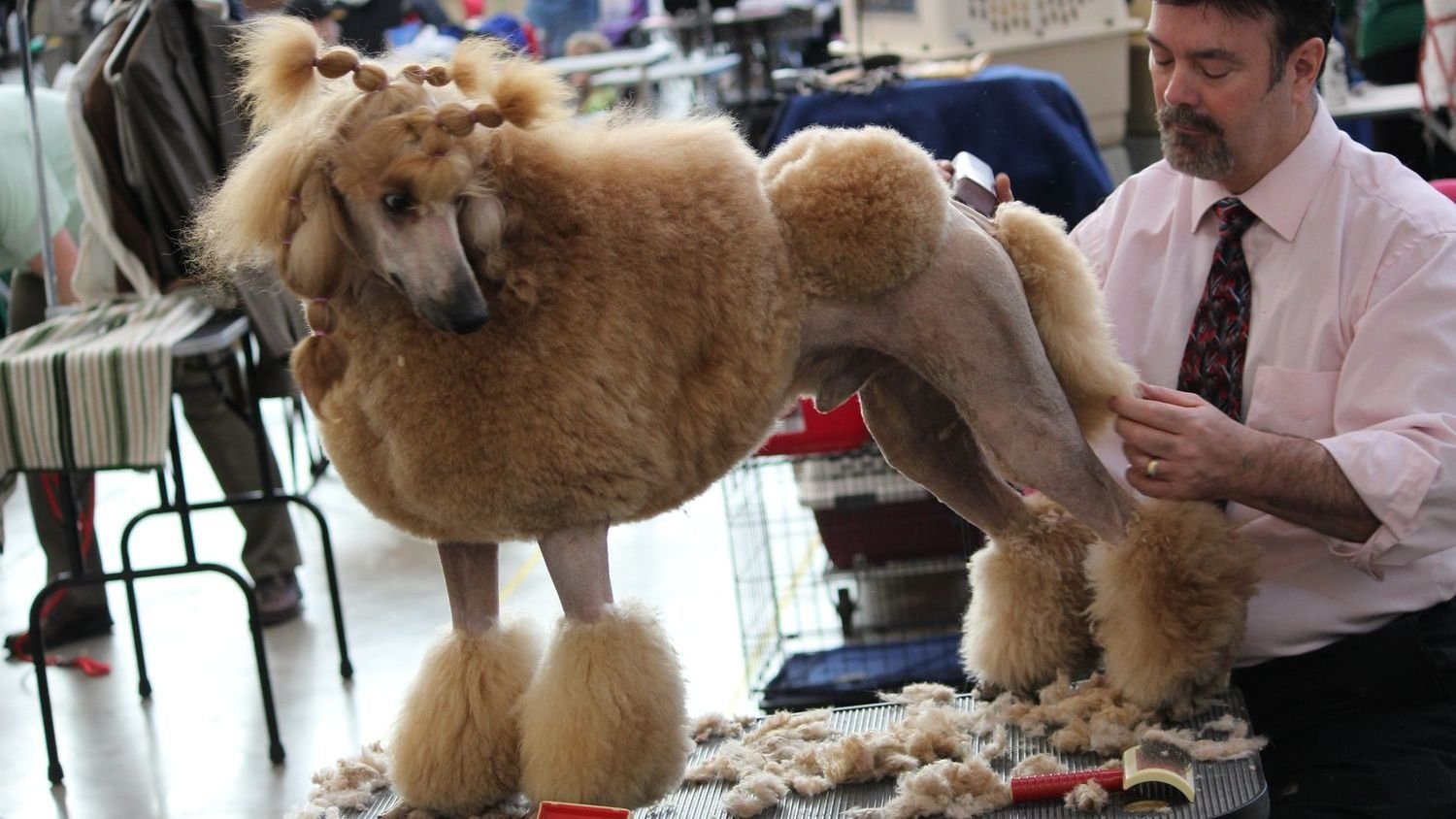
You know that feeling when you catch a whiff of your pup after a long walk, and you think it’s finally time for a bath? We’ve all been there, armed with good intentions and a bottle of shampoo. Honestly, grooming seems straightforward enough, right? You lather, rinse, maybe trim a nail or two, and call it a day.
Here’s the thing though. What many loving dog owners don’t realize is that some of the most well-meaning grooming habits can actually backfire, leading to itchy skin, painful hot spots, and trips to the vet that could’ve been avoided. Your dog’s skin is surprisingly delicate, and small missteps in your grooming routine can snowball into bigger problems. Let’s dive into the mistakes that might be hiding in your routine, so you can keep your furry friend comfortable, healthy, and happier than ever.
Bathing Too Frequently or Not Enough
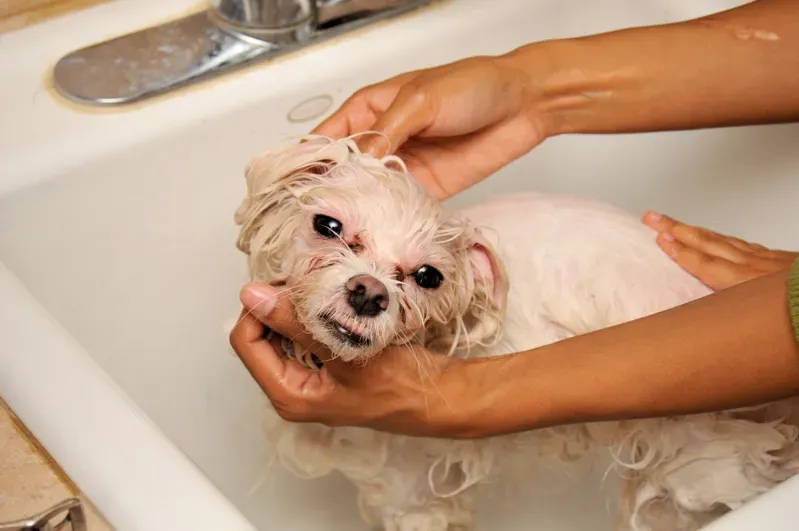
I know it sounds crazy, but there really is such a thing as too clean when it comes to dogs. Over-bathing strips away the natural oils that protect your dog’s skin, leaving it dry, flaky, and vulnerable to infection. Some owners bathe their pups weekly thinking they’re doing the right thing, when in reality, most dogs only need a bath every four to six weeks unless they’ve rolled in something questionable.
On the flip side, neglecting baths altogether allows dirt, allergens, and bacteria to build up on the skin and coat. Dogs with skin folds or longer hair are especially prone to developing yeast infections and hot spots when grooming gets pushed aside. The trick is finding that sweet spot based on your dog’s breed, activity level, and skin type.
Using Human Shampoo or Harsh Products
Let’s be real, we’ve all thought about it. You’re out of dog shampoo, your pup desperately needs a wash, and there’s your own bottle of shampoo sitting right there. Seems harmless, right? The problem is that human skin has a different pH level than canine skin, usually around 5.5 compared to a dog’s pH of roughly 7.
Using products formulated for humans can disrupt this delicate balance, causing irritation, dryness, and even chemical burns in sensitive areas. Same goes for harsh detergents or heavily fragranced products that might smell amazing to you but wreak havoc on your dog’s skin barrier. Always choose gentle, veterinarian-approved shampoos specifically designed for dogs, and check ingredient lists for potential irritants like sulfates or artificial dyes.
Not Rinsing Thoroughly Enough
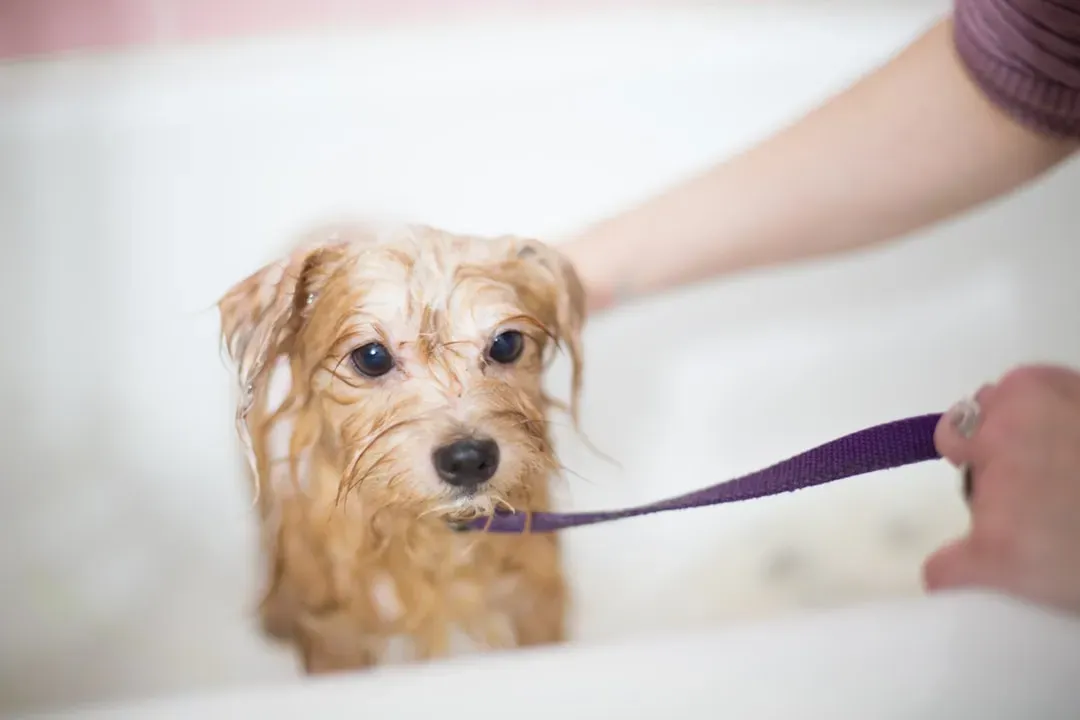
This one sneaks up on everyone. You think you’ve rinsed all the shampoo out, the water runs clear, and you move on. Trouble is, soap residue loves to hide in thick coats, under the belly, and around the legs where it continues to irritate the skin long after bath time ends.
Leftover shampoo creates an itchy, uncomfortable film that can lead to scratching, redness, and even bacterial infections. Make it a habit to rinse for longer than you think necessary, running your hands through the coat to feel for any slippery spots. Pay extra attention to dogs with double coats or dense fur, they’re masters at trapping suds in places you’d never expect.
Skipping the Brush Before Bathing
Here’s something that catches a lot of people off guard. Bathing a dog with mats or tangles doesn’t solve the problem, it makes it exponentially worse. Water tightens knots and turns small tangles into solid masses that pull on the skin, causing pain and restricting airflow to the area underneath.
Those trapped mats create the perfect breeding ground for moisture, bacteria, and yeast, leading to painful skin infections that can take weeks to clear up. Always brush your dog thoroughly before bath time, working through any knots gently with a slicker brush or comb. It takes an extra ten minutes, but your dog’s skin will thank you for it.
Not Drying Properly After Baths
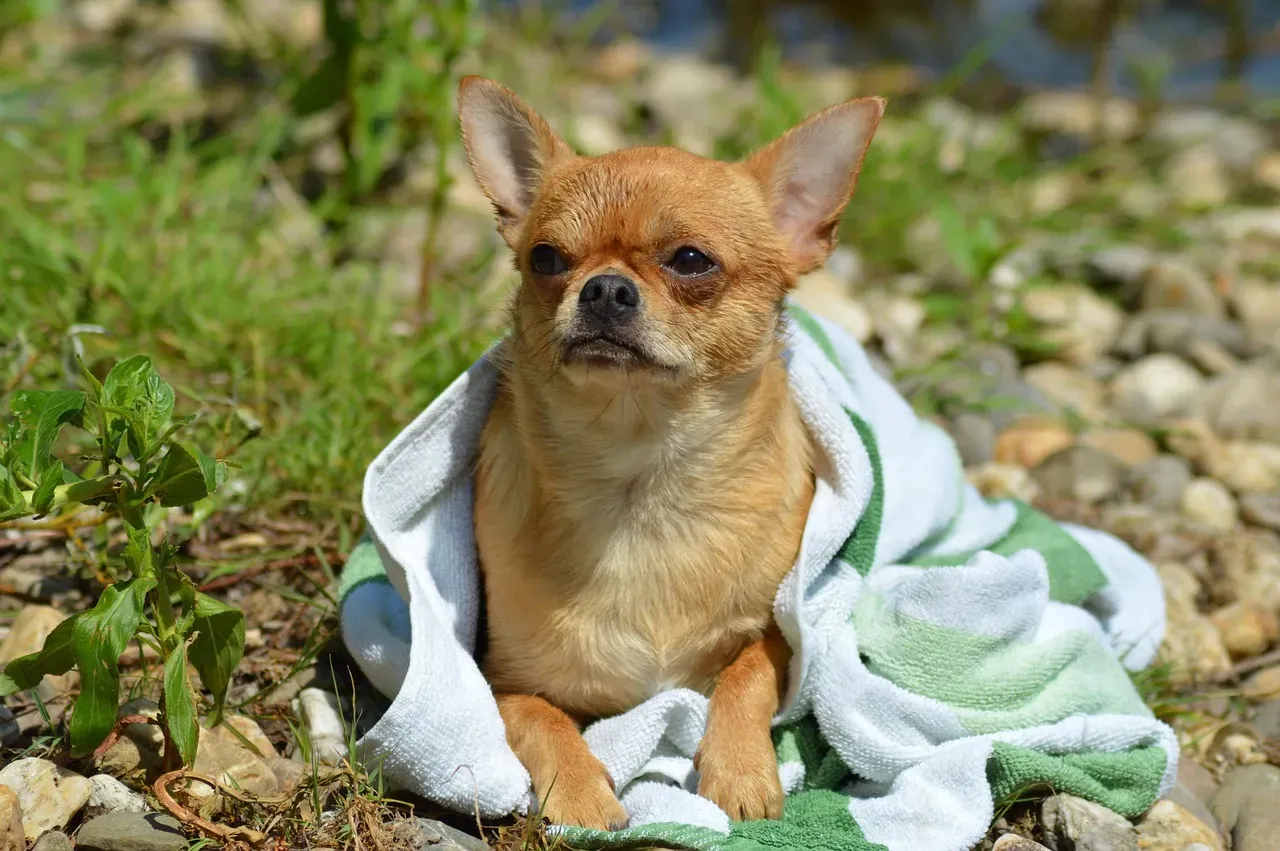
So your pup is clean, smells fantastic, and now they’re doing that hilarious full-body shake all over your bathroom. You towel them off quickly and figure they’ll air dry the rest of the way. Unfortunately, damp skin, especially in areas like ears, armpits, and between toes, becomes a paradise for yeast and bacteria.
Dogs with floppy ears or thick coats are particularly vulnerable to moisture-related issues if they’re not dried completely. Use absorbent towels and consider a pet-safe blow dryer on a cool or low setting to get into those hard-to-reach spots. Make sure the ears are dry inside and out, and check between paw pads where water loves to linger.
Using Dull or Dirty Grooming Tools
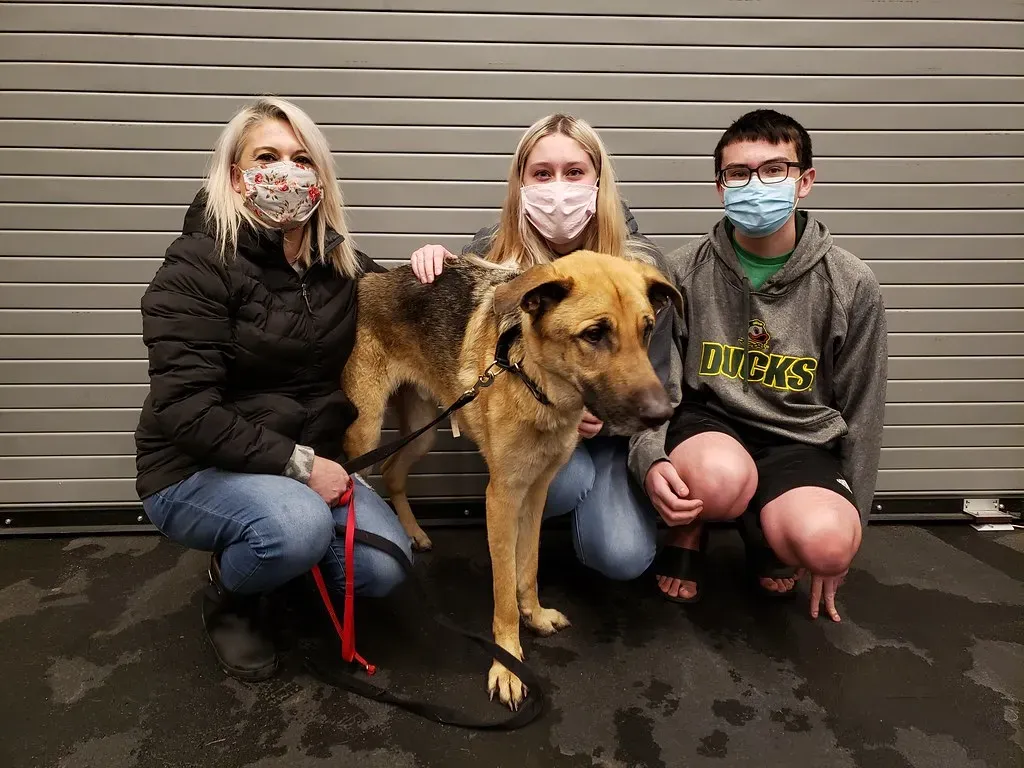
Think about it this way, would you want someone cutting your hair with rusty scissors or brushing it with a comb full of old hair and gunk? Your dog feels the same way. Dull clipper blades don’t cut cleanly, they pull and tug at hair, irritating the skin and sometimes causing clipper burn, which looks like a rash or raw patch.
Dirty brushes and combs transfer bacteria, old oils, and debris right back onto your freshly groomed dog. Clean your grooming tools regularly with warm soapy water, and replace or sharpen blades when they start to drag. Your dog will have a much more comfortable grooming experience, and their skin will stay healthier in the long run.
Clipping Too Close to the Skin
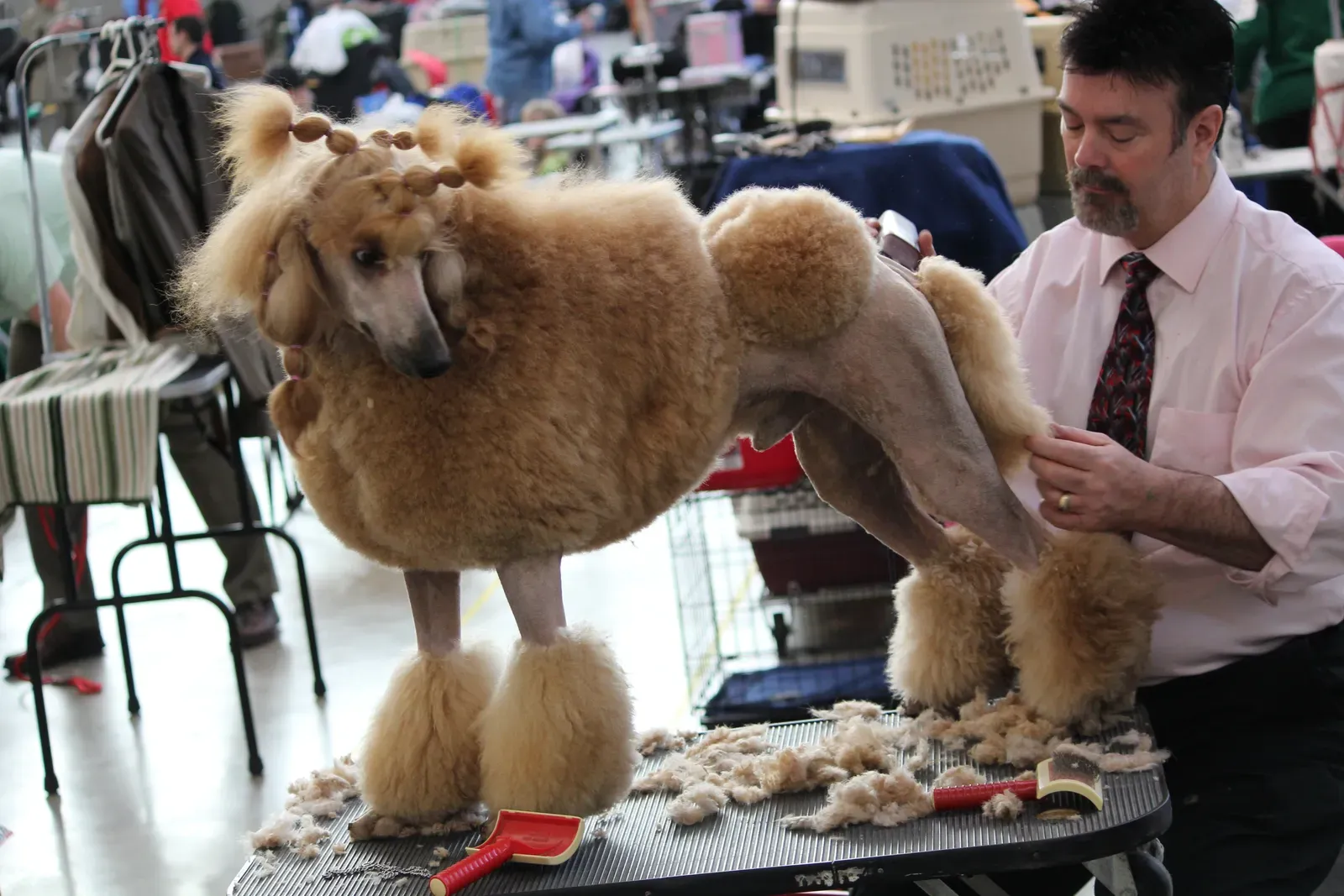
It’s tempting to give your dog a close shave, especially in summer when you think they’re overheating. The reality is that a dog’s coat serves as insulation against both heat and cold, and shaving too close removes that protection while exposing sensitive skin to sunburn, irritants, and injury.
Clipper burn is another real risk when blades get too close or move too quickly across the skin, creating friction that leaves red, inflamed patches. This is especially common in areas like the belly, groin, and armpits where skin is thinner. Leave at least a quarter inch of fur, and if you’re unsure about the right length for your dog’s breed, consult a professional groomer or your vet.
Ignoring Ear Cleaning and Moisture Buildup
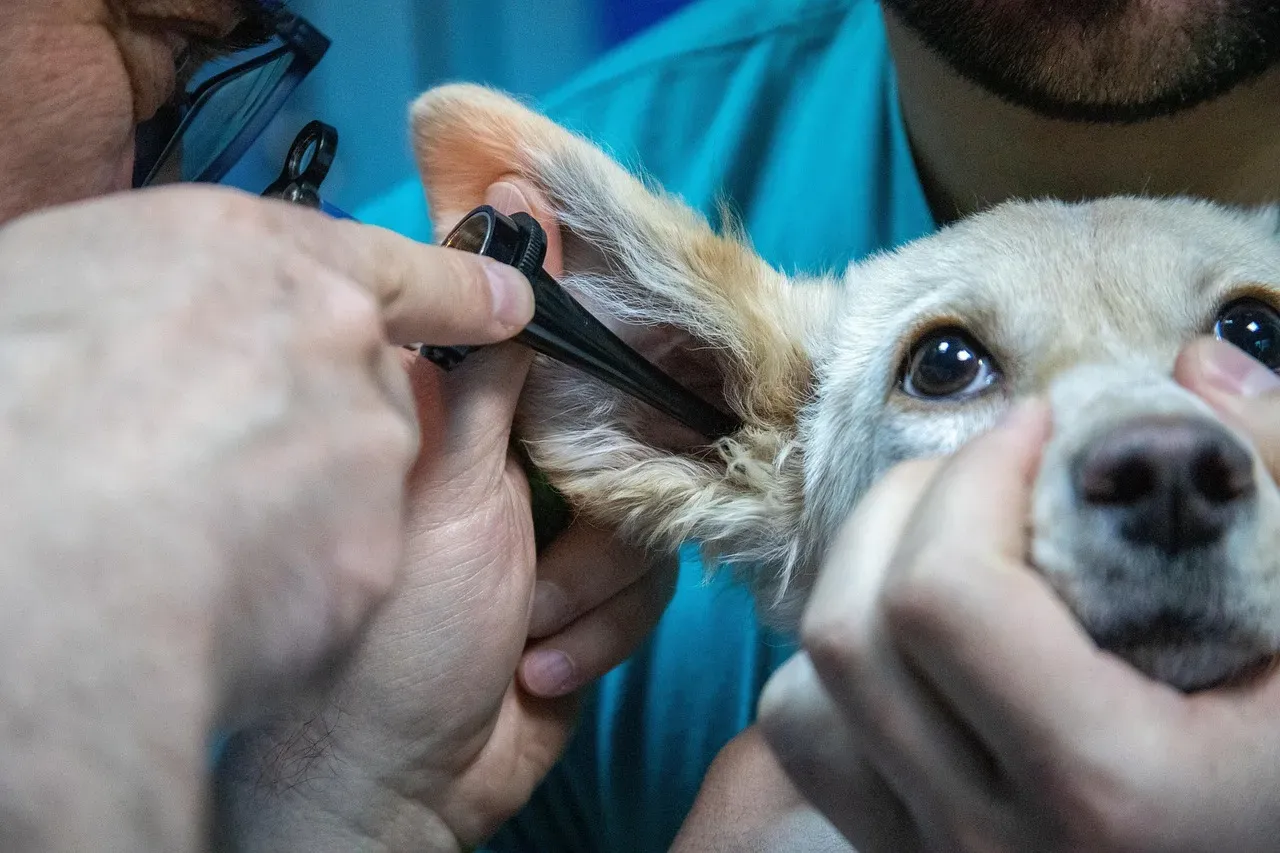
Ears are one of those spots that get overlooked until there’s already a problem. Dogs with floppy ears or those who love swimming are especially prone to ear infections because moisture gets trapped inside, creating a warm, dark environment where yeast and bacteria thrive.
Regular ear checks should be part of your grooming routine, looking for redness, odor, or excessive wax buildup. Use a veterinarian-recommended ear cleaner and cotton balls, never Q-tips, to gently clean the outer ear canal. After baths or swims, dry your dog’s ears thoroughly with a soft cloth or specialized ear-drying solution to prevent that moisture from causing trouble.
Neglecting Paw Pad and Nail Care
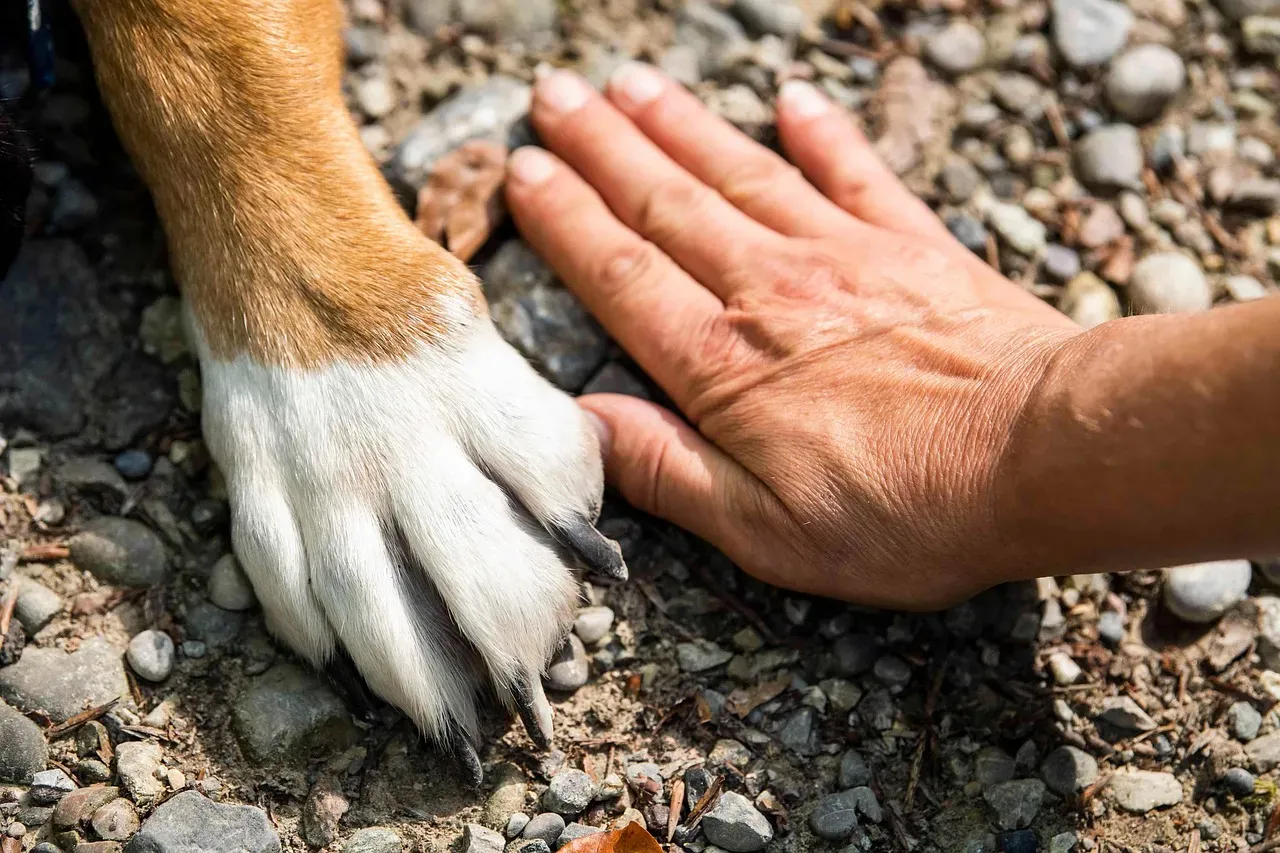
Paws take a beating every single day, yet they’re often the last thing on our grooming checklist. Overgrown nails force dogs to walk unnaturally, which can lead to joint problems, but they also curl and dig into paw pads, creating wounds that become infected.
Hair that grows between paw pads traps moisture, dirt, and ice in winter, leading to irritation and cracking. Trim nails regularly, keeping them short enough that they don’t click on hard floors, and carefully trim excess hair from between the pads. Check paws after walks for cuts, thorns, or signs of allergic reactions, and moisturize dry, cracked pads with a pet-safe balm.
Using the Wrong Brush for Your Dog’s Coat Type
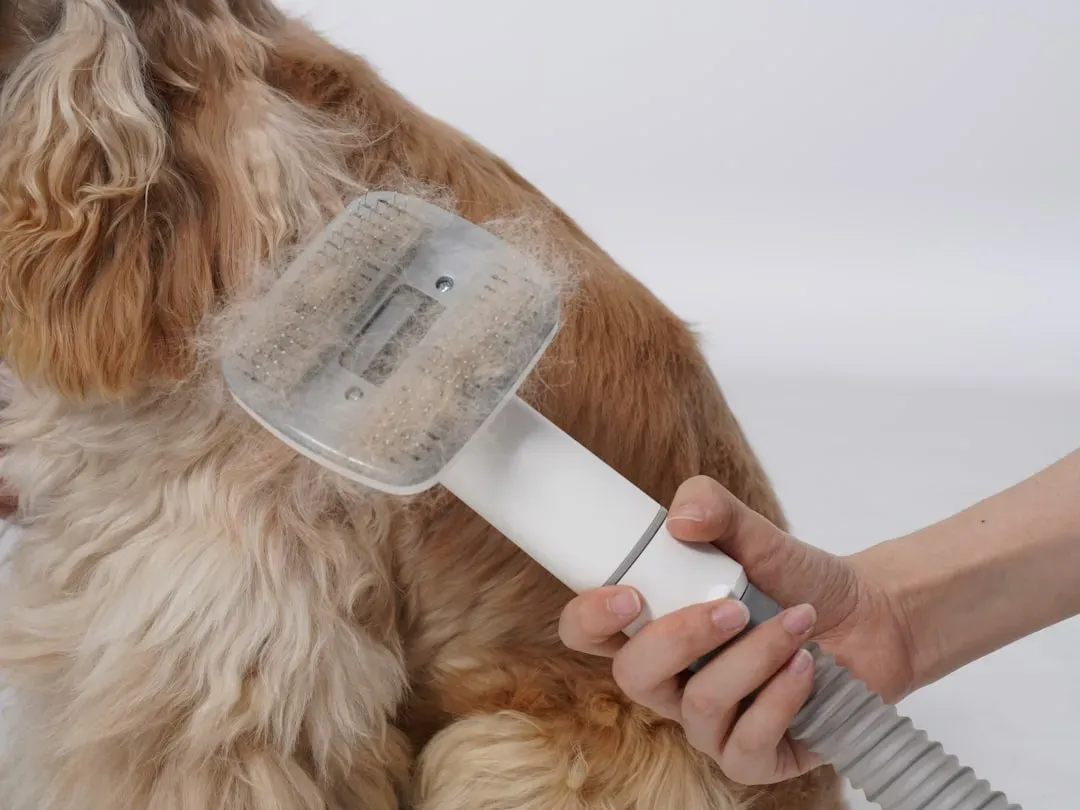
Not all brushes are created equal, and using the wrong one can do more harm than good. A slicker brush works wonders on a Golden Retriever’s thick coat but can scratch and irritate the skin of a short-haired breed like a Boxer. Meanwhile, a bristle brush that’s perfect for smooth coats won’t do much for a Poodle’s curly hair.
Brushing too aggressively with any tool can cause brush burn, leaving the skin red and sore. Take time to research what type of brush suits your dog’s specific coat, and always brush gently in the direction of hair growth. If you’re not sure, ask your groomer or vet for recommendations tailored to your dog’s needs.
Conclusion
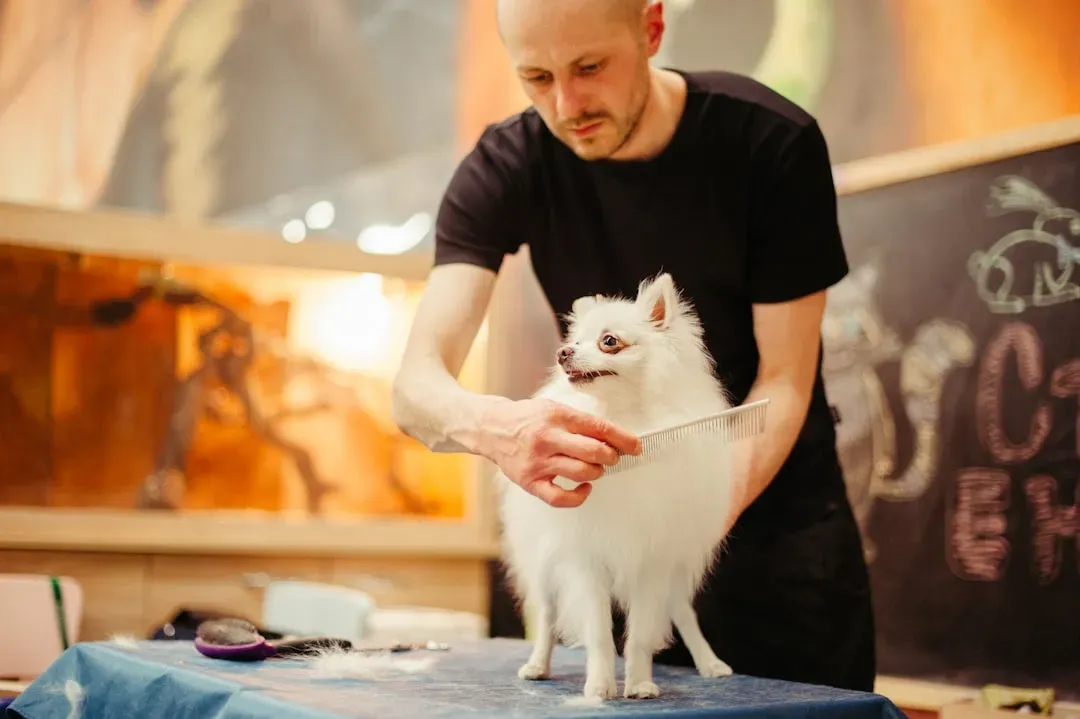
Grooming your dog shouldn’t feel like a minefield of potential mistakes. The truth is, most skin problems stem from small, fixable habits that we don’t even realize are causing harm. When you take the time to understand your dog’s unique needs, use the right products and tools, and pay attention to those easy-to-miss spots, you’re setting them up for a lifetime of healthy, comfortable skin.
Your pup relies on you to be their advocate and caretaker, and now you’re armed with the knowledge to avoid these common pitfalls. What grooming challenge has surprised you the most? Share your experiences and let’s keep learning from each other, because every dog deserves to feel their absolute best.


