
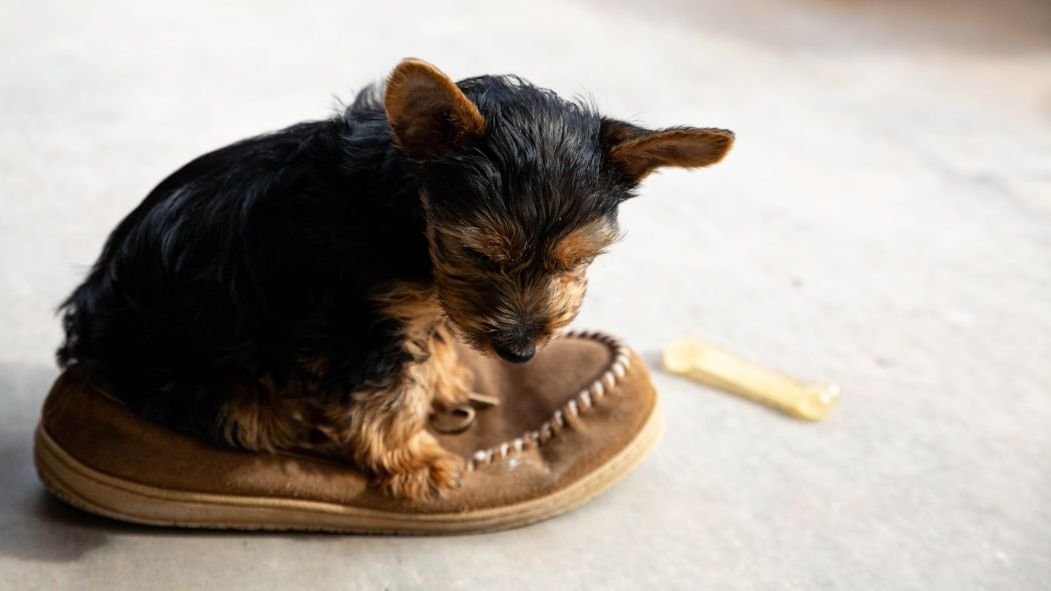
You come home after a long day. Your feet ache, so you kick off your shoes by the door. Minutes later, you catch your dog with one of them clenched between their jaws, tail wagging like they’ve just won the lottery. Maybe you laugh it off. Maybe you groan. Either way, you’ve probably wondered why shoes seem to be your dog’s absolute favorite thing in the world.
Here’s the thing: this isn’t random mischief. It’s not spite or a sign that your dog secretly hates you. What looks like destructive play is actually communication. Your dog is telling you something important, and if you know how to listen, you’ll understand them better than ever before.
Your Scent Is Their Security Blanket
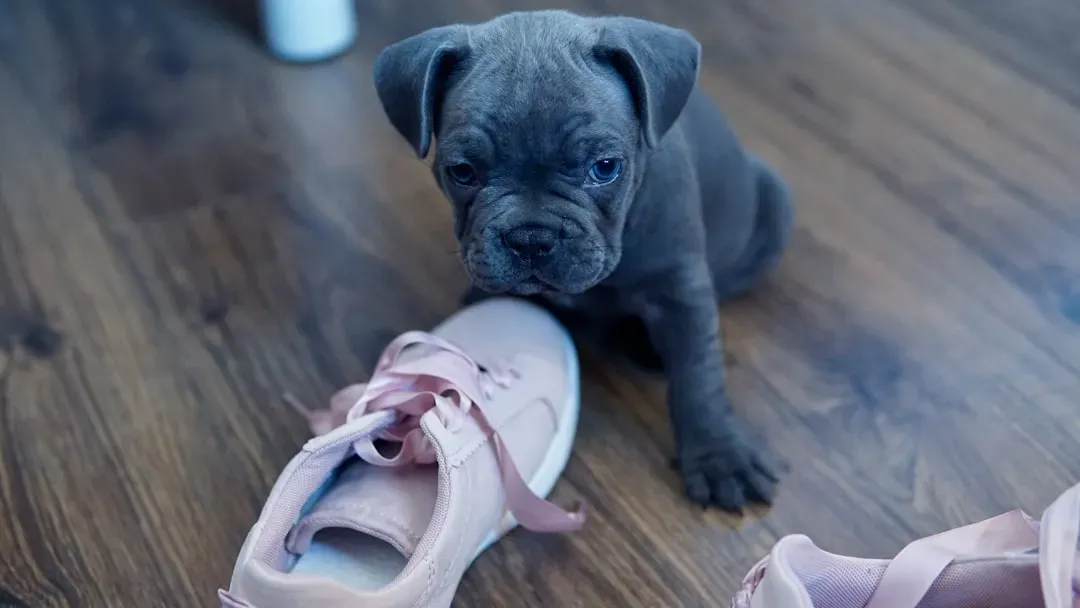
Dogs are highly attuned to recognizing their owner by smell, and your shoes are an intimate item that holds your scent in abundance, which is deeply comforting to them, especially when you’re not around. Think about it. Your shoes spend all day pressed against your feet, absorbing sweat and carrying your unique scent everywhere you go. To your dog, that smell is home.
Puppies bond to their human through scent because dogs rely on smell as their primary sense for recognition and comfort, and from the moment they leave their litter, a puppy begins associating their caregiver’s unique scent with safety, warmth, and nourishment, creating a powerful emotional connection. When you leave the house, your dog doesn’t understand that you’ll be back. They just know you’re gone, and that feels scary. Your shoes become a lifeline.
If your dog tends to chew on your shoes when you’re not home, it could be a sign of separation anxiety, and shoes, because they carry your scent, become a source of comfort when your dog feels anxious or lonely. They’re not destroying your property out of anger. They’re clinging to the one thing that smells like you because it soothes them.
It’s Not Boredom – It’s a Cry for Connection
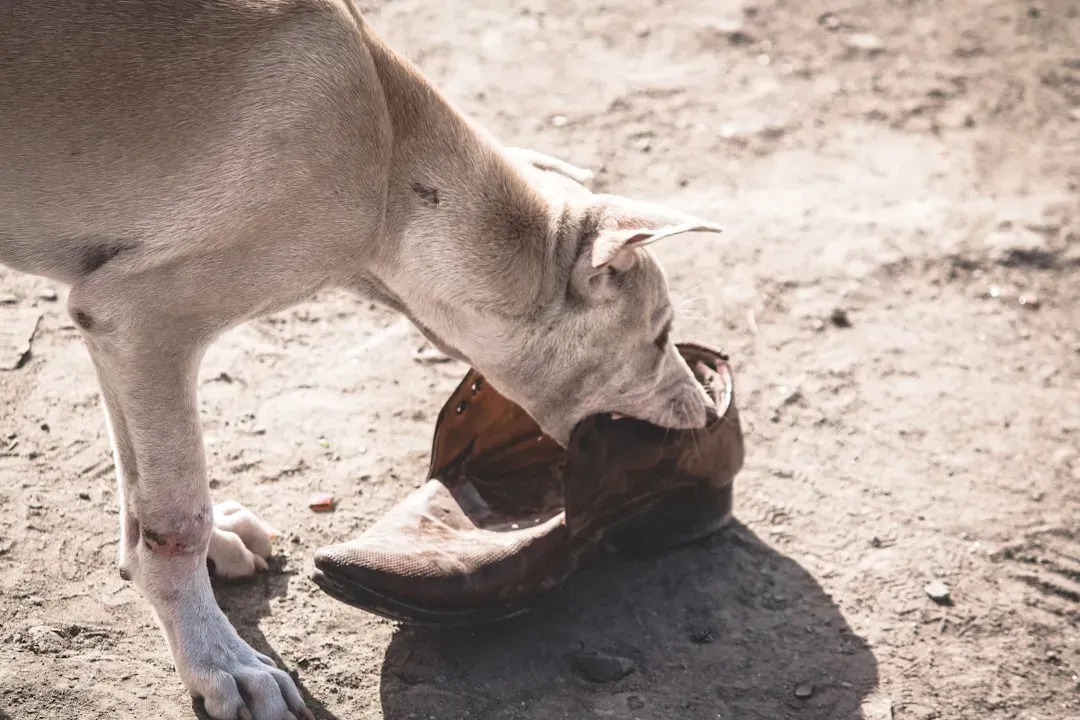
Some dogs simply do not get enough physical and mental stimulation, and bored dogs tend to look for ways to entertain themselves, with chewing being one option. Sure, boredom plays a role. A dog left alone for hours without toys or activities will find something to do. If a dog isn’t getting enough physical exercise or mental enrichment, they’ll find something to do to entertain themselves, often chewing on whatever is available, whether it’s your table or your shoes.
Still, it’s more than that. If your dog is left alone for most of the day with little to do, when you come home from work, your dog is most likely expecting their slice of attention from you, and if you’re too busy to play with your dog, walk them or give them attention, they’ll likely do anything that gets you to look at them or talk to him. Even negative attention counts. Your dog learns that grabbing a shoe gets an immediate reaction from you, and that reaction feels like connection.
Teething Isn’t Just a Puppy Problem
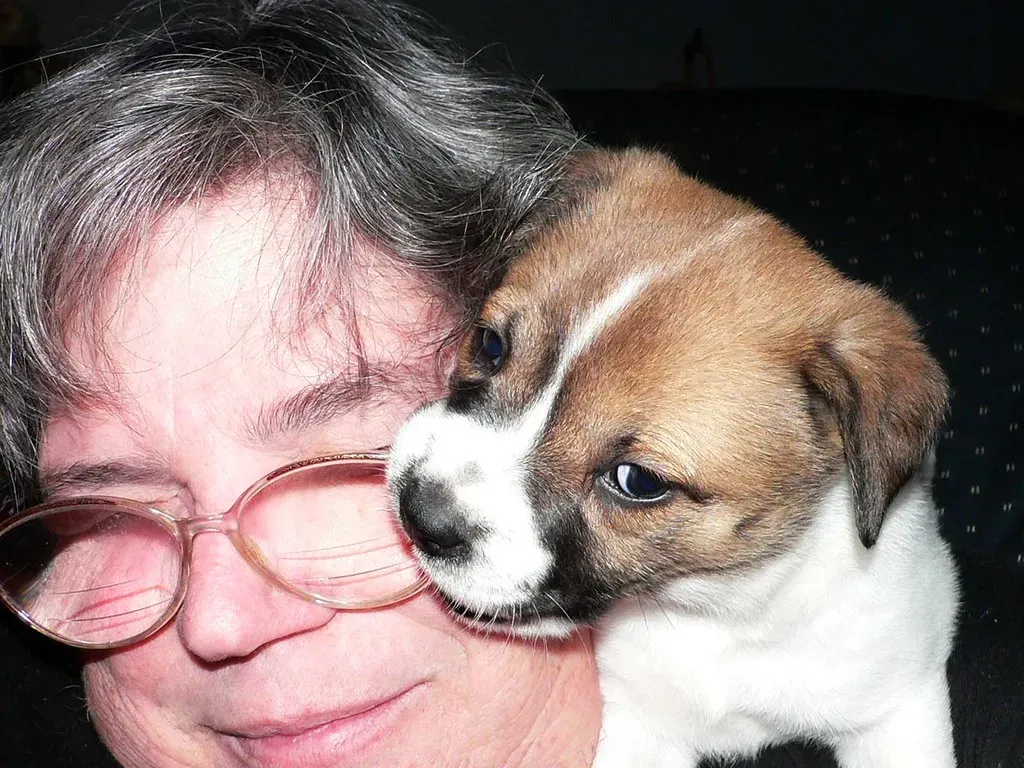
Most people know puppies chew. Puppies go through a stage when they lose their baby teeth and experience pain as their adult teeth come in, and this intensified chewing phase usually ends by six months of age. Puppies start teething when they’re about 4 months old, and by the age of 8 months, your pup should have all 42 of its adult teeth, with teething typically lasting for about 3 to 4 months. The gums hurt. They need relief. Shoes offer the perfect texture.
What fewer people realize is that dogs undergo a second teething stage when the adult permanent teeth come in and the dog likes exercising their jaws so with this comes a renewed interest in chewing, and this so-called “second teething stage” takes place between the 5th and 12th month. During this time, your adolescent dog might suddenly return to chewing things they’d previously left alone. It’s not defiance. Their mouth genuinely aches, and they’re seeking something firm yet yielding to gnaw on.
The Anxiety You Don’t Always See
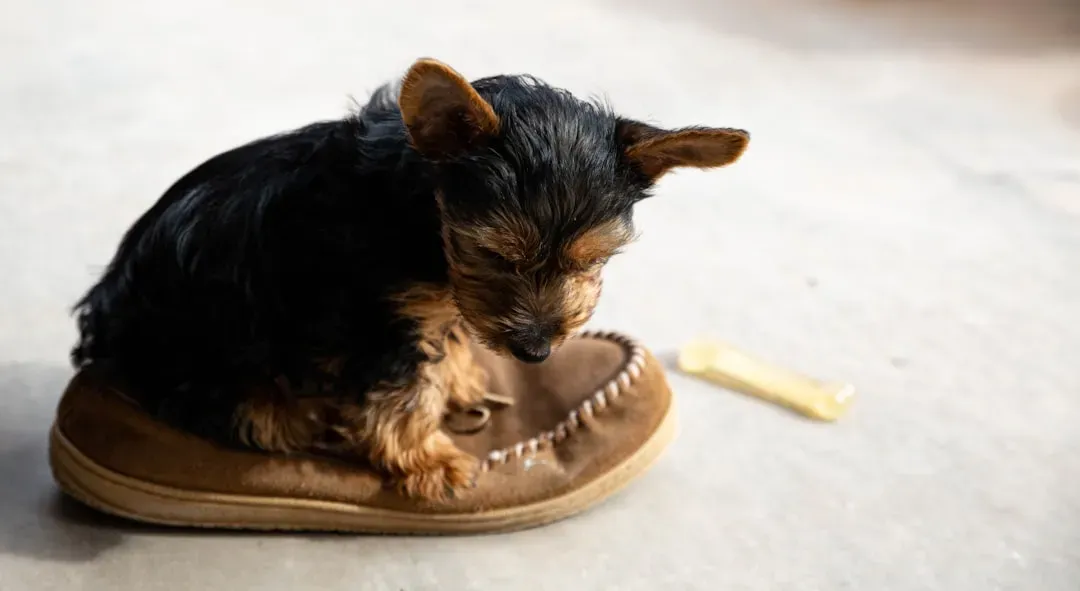
Chewing often occurs in situations that can cause stress or anxiety, such as being left alone or changes in routine. Dogs who experience anxiety when left alone or suffer from other anxieties may exhibit excessive destructive chewing, and dogs with separation anxiety may even try chewing through walls or doors in an effort to get to their person – this is not your dog throwing a tantrum or trying to teach you a lesson.
Chewing is a common coping mechanism for dogs dealing with anxiety or stress, and if your dog chews your shoes when you’re away, it could be their way of self-soothing, since shoes carry your scent and provide comfort and security in your absence, especially common in dogs with separation anxiety. Watch for other signs: pacing when you grab your keys, excessive drooling, destructive behavior focused near exits. These clues tell you that your dog isn’t just naughty. They’re genuinely distressed.
The Dopamine Rush They Can’t Resist
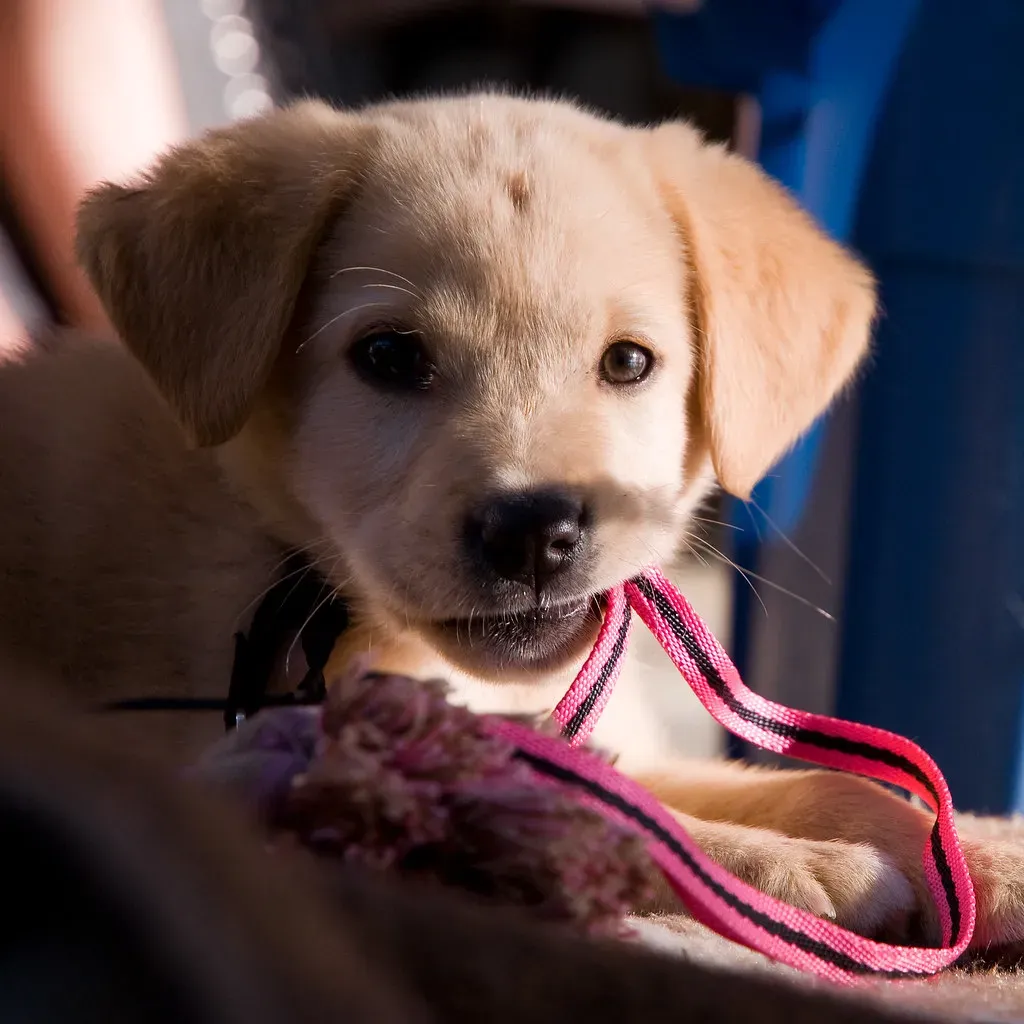
Some scientists think that the act of chewing itself can cause the release of dopamine, and activation of the dopamine system can decrease stress and increase sense of well being. It is believed that the act of chewing releases a chemical called dopamine in the brain, which can soothe a range of moods or conditions, not just in animals but also in humans. Chewing literally makes dogs feel good. It’s their version of stress relief, like how we might fidget with a pen or chew gum during a tense moment.
Chewing is a completely natural and rewarding behaviour for dogs, and as members of the Canidae family (which includes wolves), dogs have evolved with specialised teeth designed for biting, shearing, and chewing. Your dog’s brain is wired to find chewing satisfying. Shoes just happen to be the perfect target – readily available, interestingly textured, and saturated with your comforting scent. It’s a combination they can’t refuse.
What Your Dog Is Really Telling You (And How to Respond)
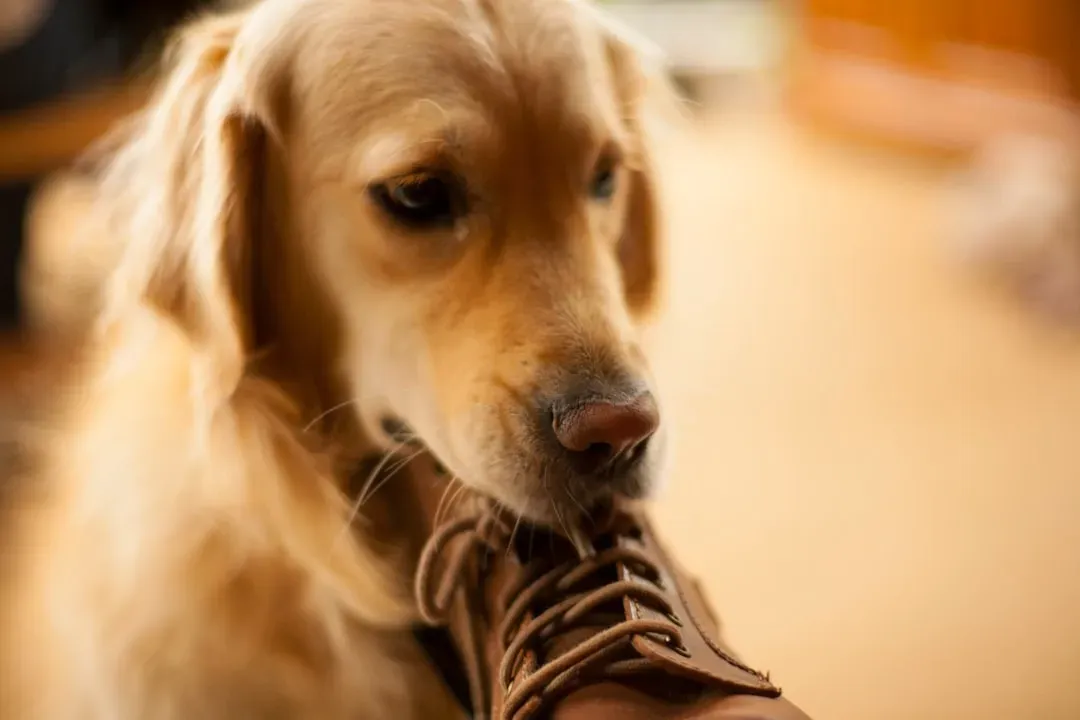
Let’s be real: understanding why your dog chews shoes is only half the battle. You still need solutions. Consider removing the temptation by keeping shoes out of reach on shelves or in shoe cabinets. This might sound obvious, but it works. Don’t leave shoes scattered around if your dog struggles with this behavior.
Provide your dog with plenty of their own toys and inedible chew bones, pay attention to the types of toys that keep them chewing for long periods of time, and it’s ideal to introduce something new or rotate your dog’s chew toys every couple of days so that they don’t get bored with the same old toys. Rotation keeps things interesting. You could use a pet-safe deterrent spray on shoes to make them less appealing, and reward ‘good’ chewing using reward based training by rewarding your dog when they are chewing on appropriate chew toys.
Honestly, if your dog’s shoe obsession persists despite your efforts, don’t be afraid to seek help. If you have an older dog and you simply cannot break the habit, it might be worthwhile contacting a canine behaviorist to explore it on a deeper level. Sometimes the message your dog is sending requires professional translation.
Conclusion
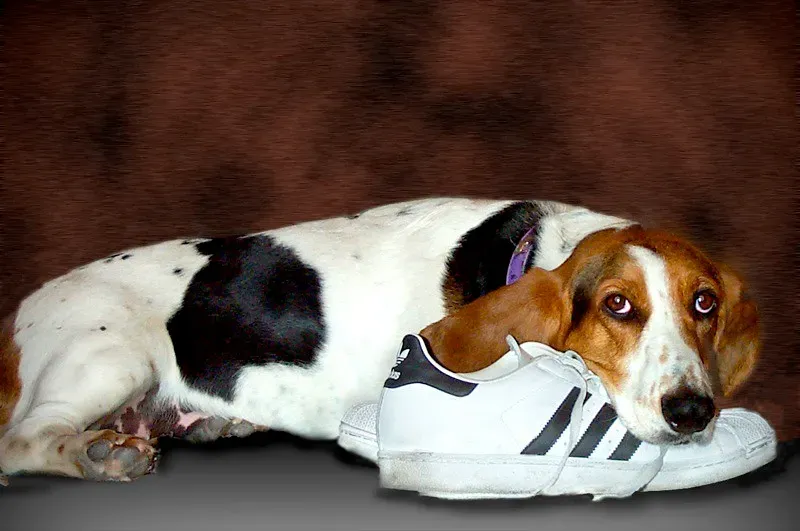
Your dog’s fascination with your shoes runs deeper than you might have imagined. It’s not about the shoes themselves. It’s about you. Your scent, your presence, your connection. Every chewed lace and mangled sole is a declaration of how much you mean to them.
The next time you find your favorite sneakers in your dog’s mouth, take a breath before you react. Ask yourself what they might be trying to tell you. Are they anxious? Bored? Craving your attention? Once you understand the message, you can respond with compassion instead of frustration. What do you think your dog has been trying to tell you all along?


