
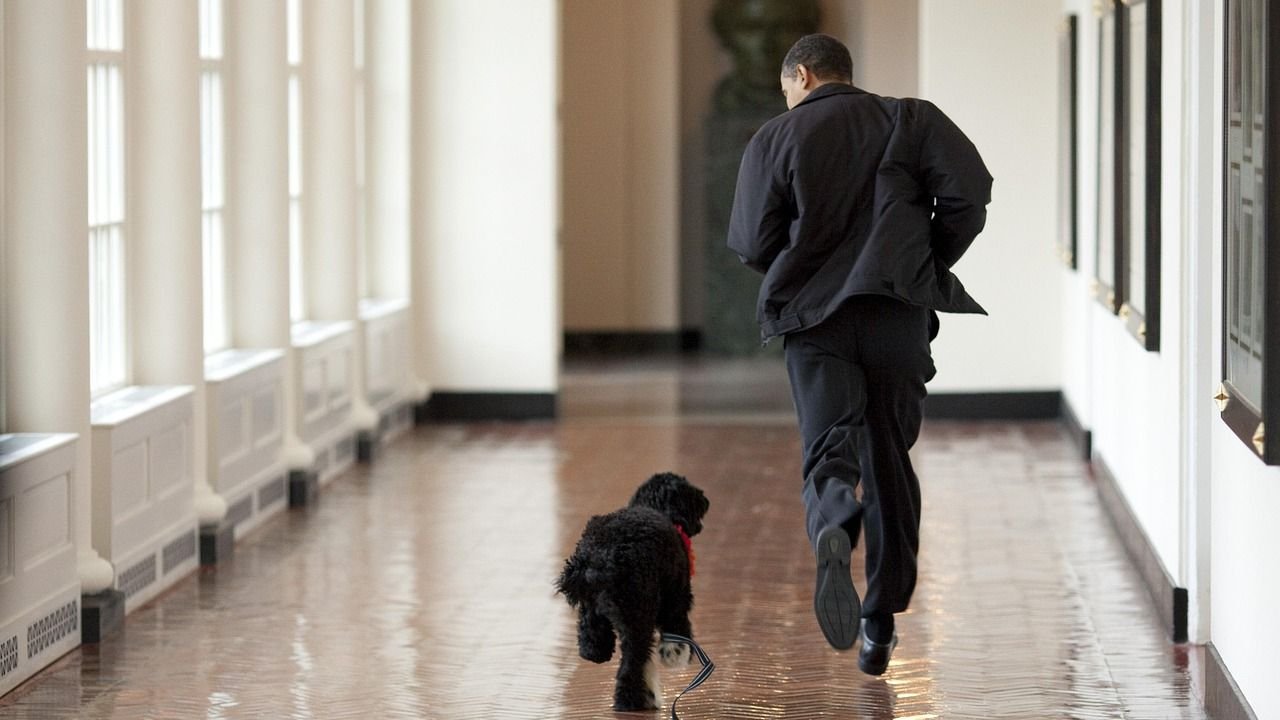
You know the moment. One second your dog is lounging peacefully, maybe sniffing around or gnawing on a toy. The next? They’re racing like a wild thing through your living room, careening past the coffee table, skidding around corners, eyes wide with what looks like pure, unadulterated joy. Or maybe madness. It’s hard to tell.
Welcome to the world of dog zoomies. If you’re a dog parent, you’ve definitely seen this burst of frenetic energy. You might laugh, you might wonder if something is wrong, or you might just brace yourself as your pup rockets past at full speed. The good news is this behavior is usually totally normal. The even better news? There’s actually a fascinating reason behind it all, and understanding it can help you support your dog’s wellbeing even better.
What Exactly Are the Zoomies?
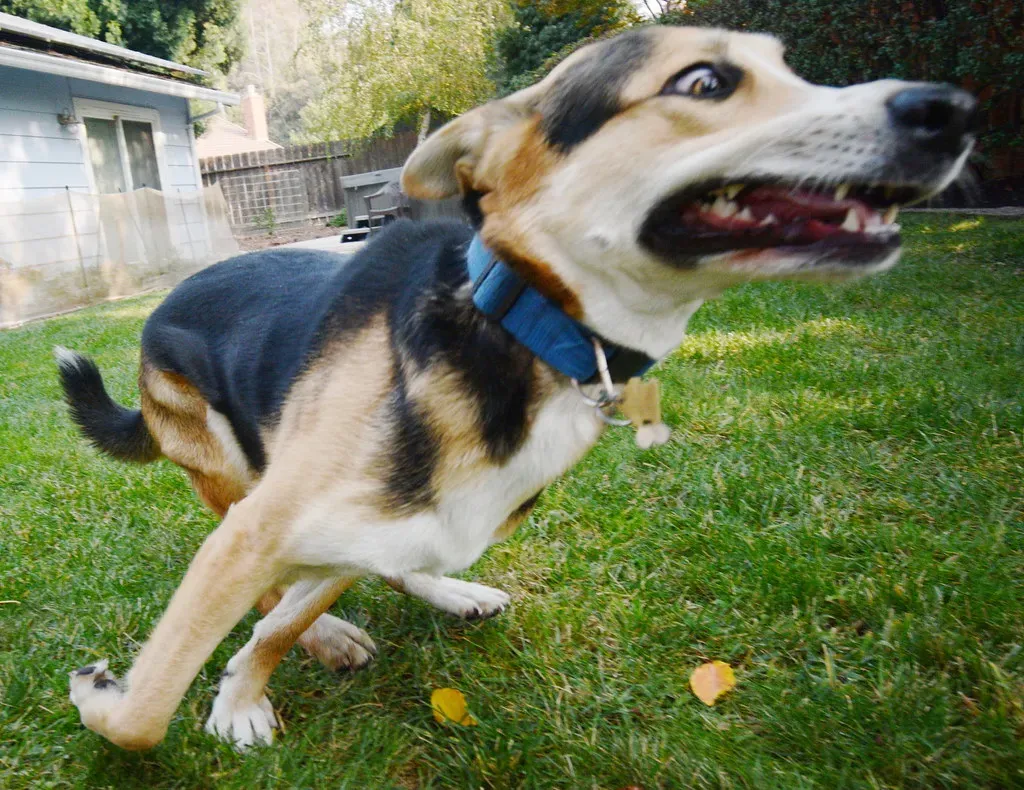
The official scientific term for this behavior is frenetic random activity periods, or FRAPs. Yes, your dog’s wild indoor sprints have an actual name in veterinary science. These episodes typically look like sudden bursts where your dog tears around in circles, often with their backend tucked under and their tail low.
They run frenetically, commonly in circles, and usually last a few minutes or less. It’s like they suddenly flipped a switch and went from zero to sixty in half a second. The zoomies can strike anywhere – your hallway, the backyard, even smack in the middle of the park.
What makes it truly entertaining is how unpredictable it seems. Your dog might be mid-nap one moment, then bouncing off the walls the next. That randomness is actually baked right into the name.
Why Indoor Zoomies Happen – The Energy Release Theory
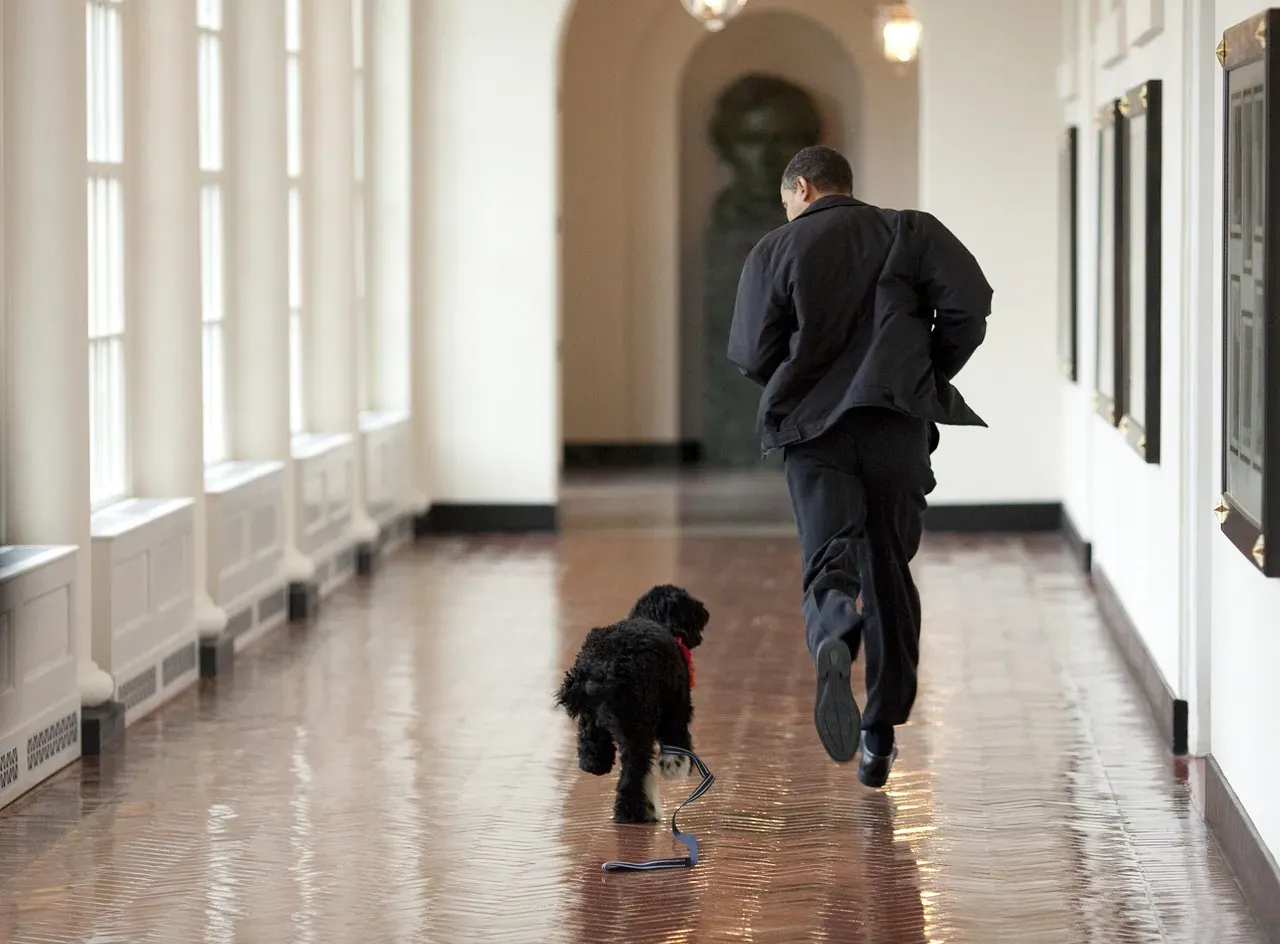
So why does this happen indoors specifically? They appear to be a way to release pent-up energy, or perhaps, to alleviate stress. Think about it. If your dog has been chilling at home while you’ve been working or running errands, all that unused energy builds up.
A dog who has been home alone all day with nothing to do may feel the need to zoom around the house or yard to expend some of that energy and get some relief from hours of under-stimulation. Indoors becomes the perfect runway for their sudden need to move. It’s not that they prefer the living room over the yard. It’s just where they happen to be when the urge strikes.
I think of it like when you’ve been sitting in a long meeting and finally get to stand up and stretch. Except dogs stretch by sprinting at lightning speed through narrow hallways.
Common Triggers That Set Off Indoor Zoomies
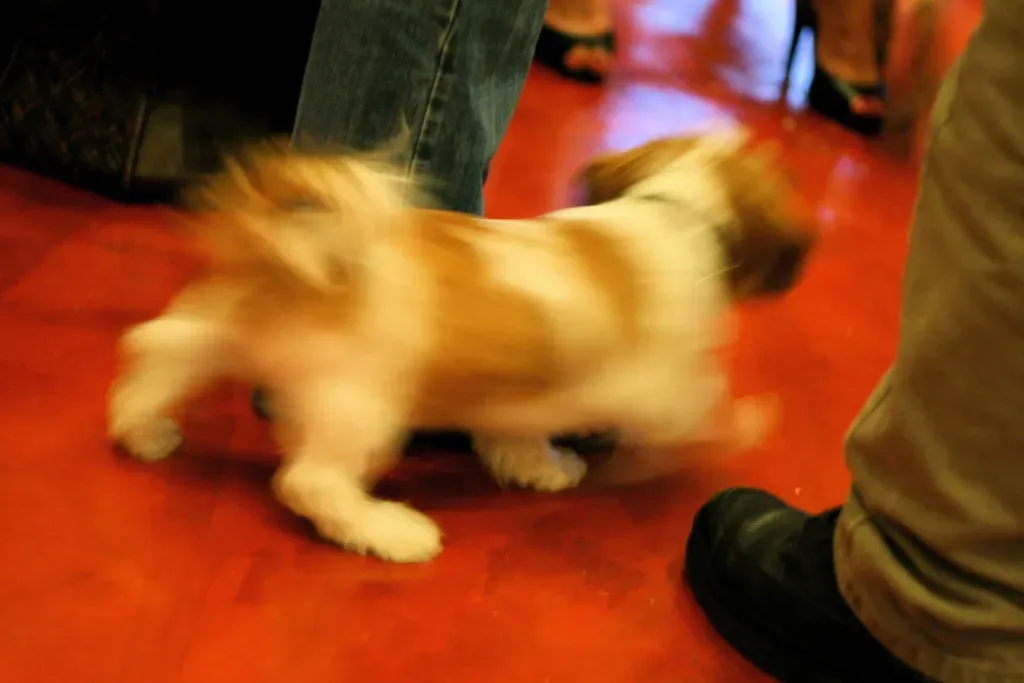
FRAPs also can occur whenever a dog becomes very excited, such as when an owner returns after a long absence. Coming home after work is a classic zoomie trigger. Your dog has been waiting, possibly napping, and suddenly you walk through that door. Boom – instant celebration mode.
Bath time is another big one. Dogs often get zoomies after a bath as a way to decompress or release excess energy. The relief of being done with something they find stressful (or just plain annoying) sends them into overdrive. You’ll see them shake off, then take off like a rocket.
Even post-potty zoomies are a thing. This could be due to a number of reasons, including feeling relieved from discomfort, releasing pent-up energy, or associating using the bathroom with rewards and positive reinforcement. Basically, they feel lighter and freer, so they celebrate. Dogs really know how to live in the moment.
Recognizing Happy Zoomies vs. Anxious Ones
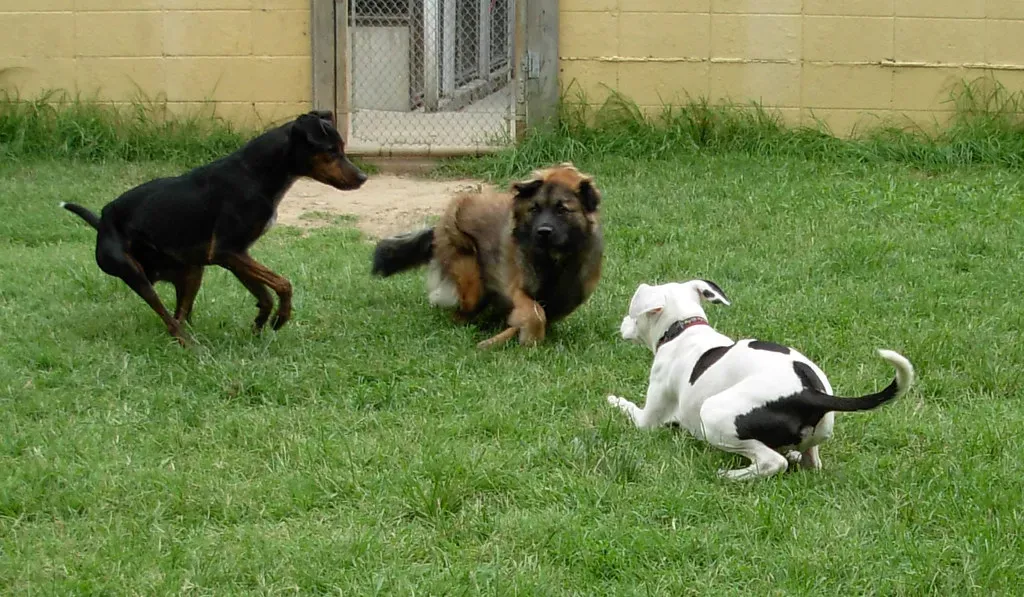
Here’s where it gets important. Not all zoomies are created equal. A typical happy zooming dog will be loose and even wiggly, bouncing around you when they slow down. Their body language is relaxed, maybe their tongue is flopping out, and they might even throw in a play bow.
Contrast that with a stressed dog. A frightened dog will be more tense, with wide eyes and a tightly tucked tail that stays tucked to the belly even when stopping. Their ears might be pinned back, and their whole body looks stiff rather than loose.
If your dog’s zoomies seem frantic rather than joyful, it’s worth paying attention to what triggered it. Were they scared by a loud noise? Did something startle them right before? Context matters a lot here.
When Zoomies Might Signal Something More
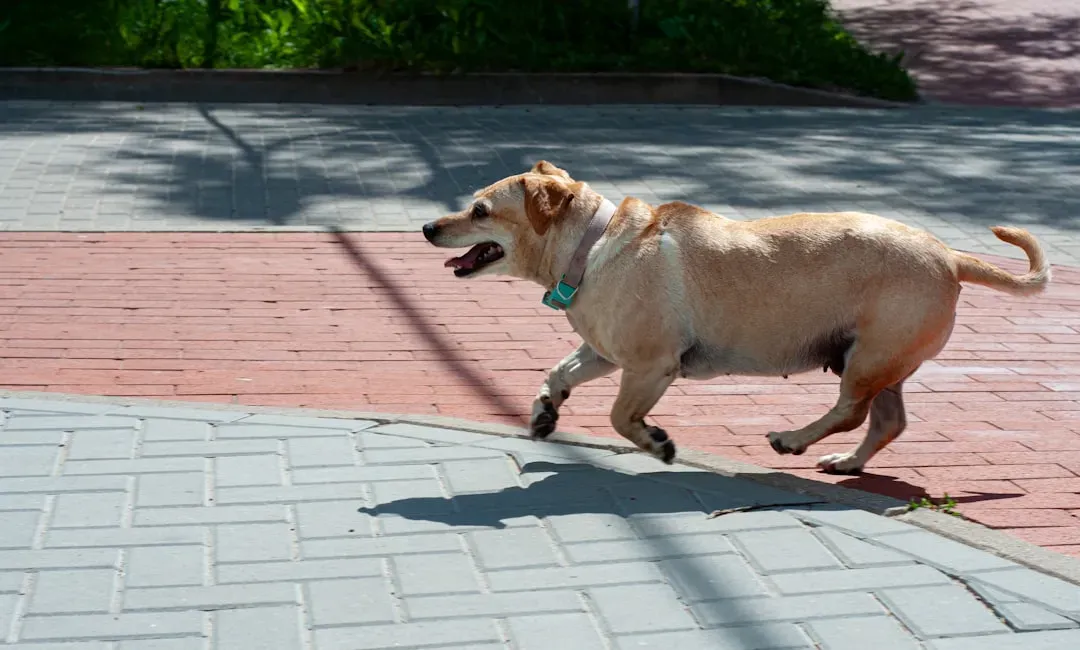
If your dog exhibits zoomies frequently or at inopportune times, such as when you are asleep, they may be telling you that they need more exercise and mental stimulation. Excessive zoomies aren’t necessarily dangerous, but they can be a sign your dog isn’t getting enough outlets during the day.
However, if a dog zooming around the house or yard appears in pain, frightened or anxious, then the owner should investigate what caused the distress by seeking veterinary help. This is especially true if the zoomies come with other signs like limping, vocalizing in pain, or seeming disoriented afterward.
Honestly, most of the time zoomies are just pure happiness. Still, trust your gut. You know your dog best, and if something feels off, it’s always okay to check in with your vet.
Managing Indoor Zoomies Safely and Joyfully

Although FRAPs are normal, a dog zooming around the house or yard may be in danger of injuring themselves, and owners should keep zooming dogs away from stairs, slippery floors, obstacles and the road. Clear a path if you can. Move breakable items out of the way, and try to steer them toward carpeted areas if possible.
Otherwise, enjoy the adorable antics while they last! Give your dog regular physical exercise like walks, play sessions, or even swimming. For mental exercise, work on reviewing household manners and teach some new tricks, and scenting games are also excellent ways to work your dog’s brain.
Sometimes the best thing you can do during zoomies is just step back, smile, and let your dog be a dog. They’re releasing joy, burning energy, and reminding us all not to take life too seriously. After all, when’s the last time you let yourself run wild just because it felt good?
Conclusion
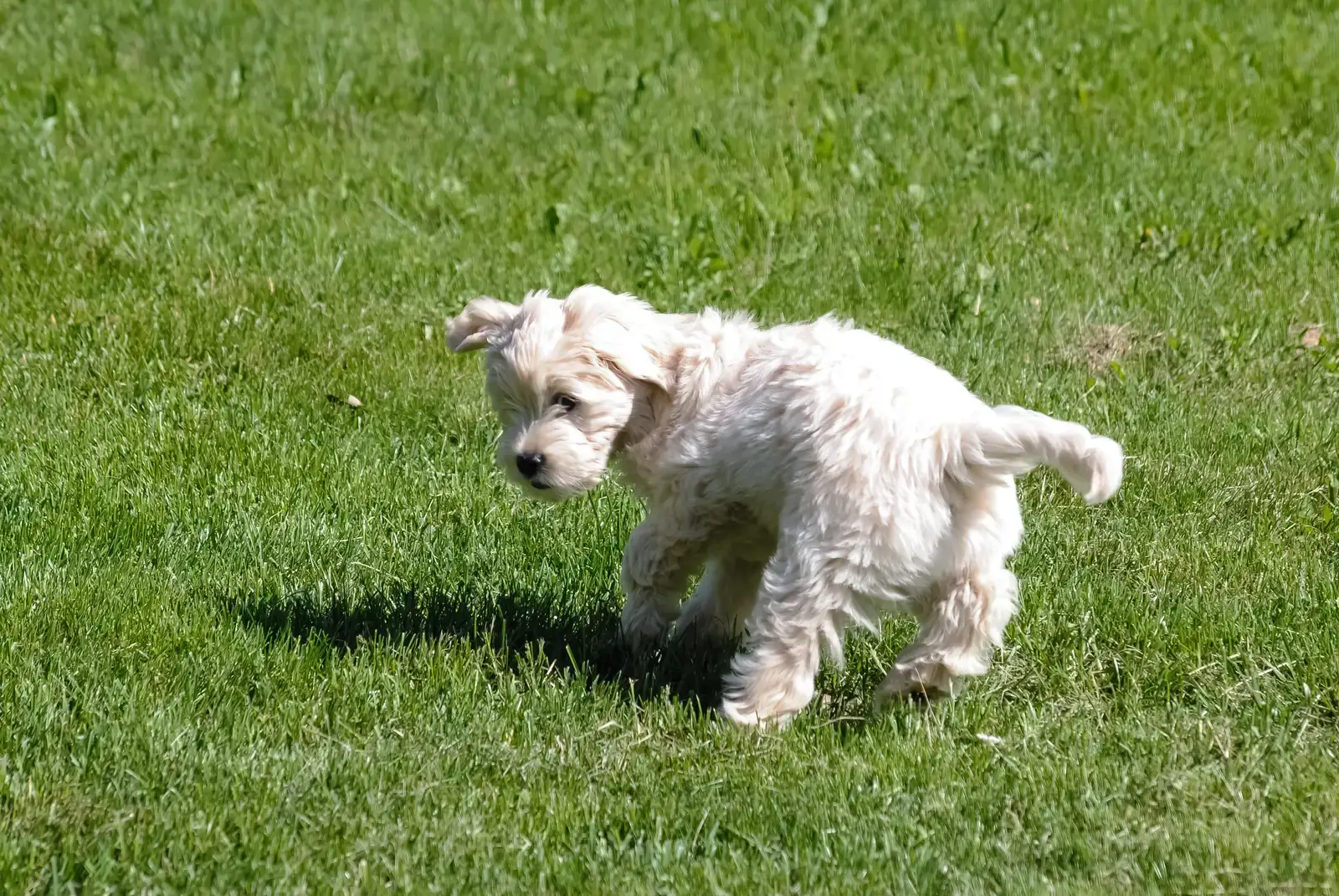
FRAPs are most common in puppies and young dogs, but other dogs continue to get the zoomies once in a while for their whole lives. Whether your dog is a zooming whirlwind or a more laid-back lounger, understanding this quirky behavior helps you tune into what they need – more play, more stimulation, or just a safe space to let loose.
The zoomies are one of those delightful reminders that dogs experience pure, unfiltered emotion. They don’t overthink. They just feel it and go. So next time your pup tears through the house like they’re on a mission, take a breath, laugh, and maybe even join in the fun.
What’s your dog’s funniest zoomie moment? Have they ever surprised you with their indoor sprint sessions? We’d love to hear your stories.


