
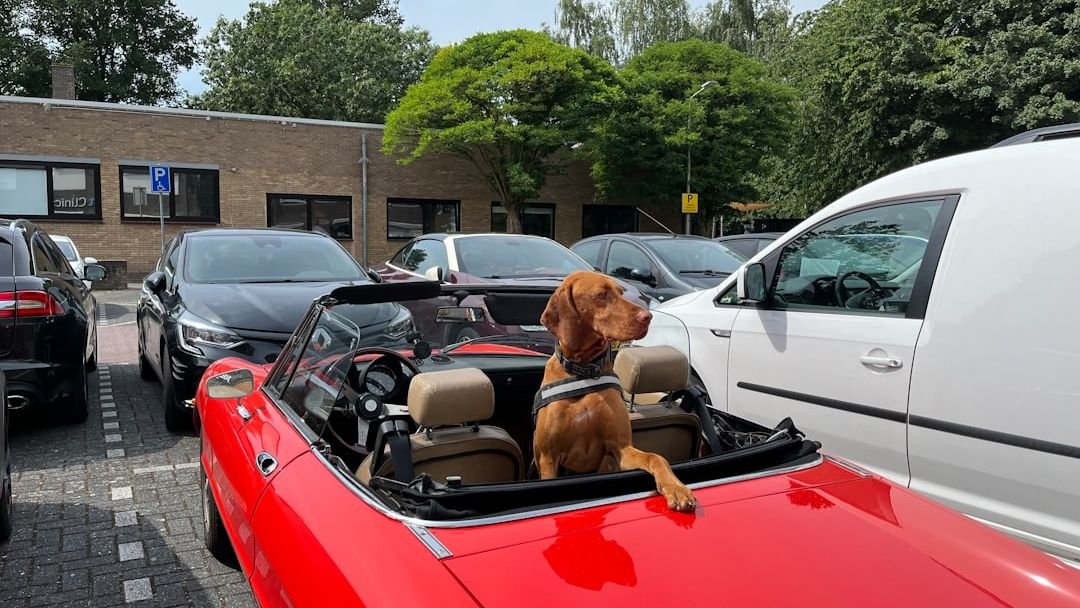
There’s nothing quite like seeing your dog’s ears perk up at the jingle of keys or the sound of a car door opening. For some pups, car rides equal pure joy. They’re adventures waiting to happen, whether it’s a trip to the park, a weekend getaway, or just a quick errand that ends with a puppuccino.
Yet for other dogs, the car is a source of genuine stress. Maybe it’s the motion, the confinement, or those dreaded memories of vet visits. Whatever the reason, a car ride shouldn’t be a battle for you or your beloved companion. With some patience, know how, and a few smart strategies, you can transform those anxious whines into calm, even contented rides. Let’s get started.
Invest in Proper Safety Restraints That Actually Work
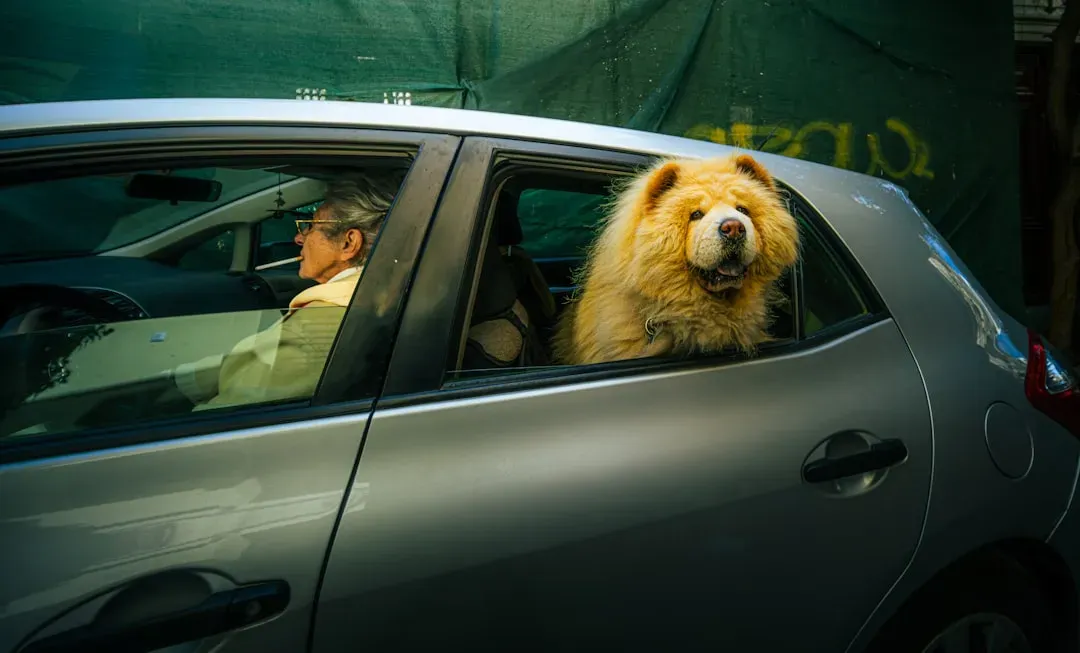
Car accidents involving pets injure over 100,000 animals annually in the United States, with most of these injuries happening because dogs travel unrestrained in vehicles. Let’s be real, this isn’t just about keeping your car clean or preventing distractions. At just 25 mph, an unrestrained dog can be projected forward at a force equal to 40 times their weight, meaning a 50 pound dog can achieve an impact force of 2,000 pounds in a car crash.
Hard sided carriers with ventilation holes that are secured to the vehicle are the safest option, and the crate should be large enough for your pet to stand or sit without touching the top, lie down and turn around, with the crate secured so it won’t slide or shift. Look for crash tested options approved by the Center for Pet Safety, and always use with a harness, not a collar, to avoid neck injury. I know it sounds harsh, but skipping proper restraints is a risk you really don’t want to take.
Start With Short Practice Runs Before the Big Trip
Your dog doesn’t need to go from zero to road trip overnight. Get your pet comfortable by taking them on a series of short drives first, then gradually lengthening the time spent in the car. Think of it like building up endurance for a marathon, except way less sweaty and with more tail wags.
Start with five minute sessions where your dog sits in the stationary vehicle with the engine off, feeding treats and praising calm behavior, then progress to engine on sessions before you attempt actual drives. The next step is to drive up and down the driveway or road in front of your house once, then stop and exit, slowly increasing the amount of travel until you can take short trips to somewhere that your dog likes, maybe a park or to visit a playmate. Honestly, patience here pays off massively. Rushing this process usually backfires.
Tackle Motion Sickness Head On
Motion sickness in dogs is a common problem, more common in younger dogs than adults, possibly because the parts of the inner ear involved in balance are not fully developed, though puppies will often outgrow motion sickness by the time they are about 1 year old. If your dog’s drooling excessively, licking their lips, or looking generally miserable during rides, motion sickness might be the culprit.
Don’t feed your pet in a moving vehicle, as this may result in your pet feeling nauseous or vomiting, and instead, feed your pet three or four hours ahead of departure and offer an occasional small snack, like a dog biscuit or two, on longer rides. Maropitant citrate (Cerenia), an FDA approved medication, is often prescribed for motion sickness and vomiting in dogs. I think it’s worth chatting with your vet if car sickness is a recurring problem. There are real solutions available.
Build Positive Associations With the Car Itself
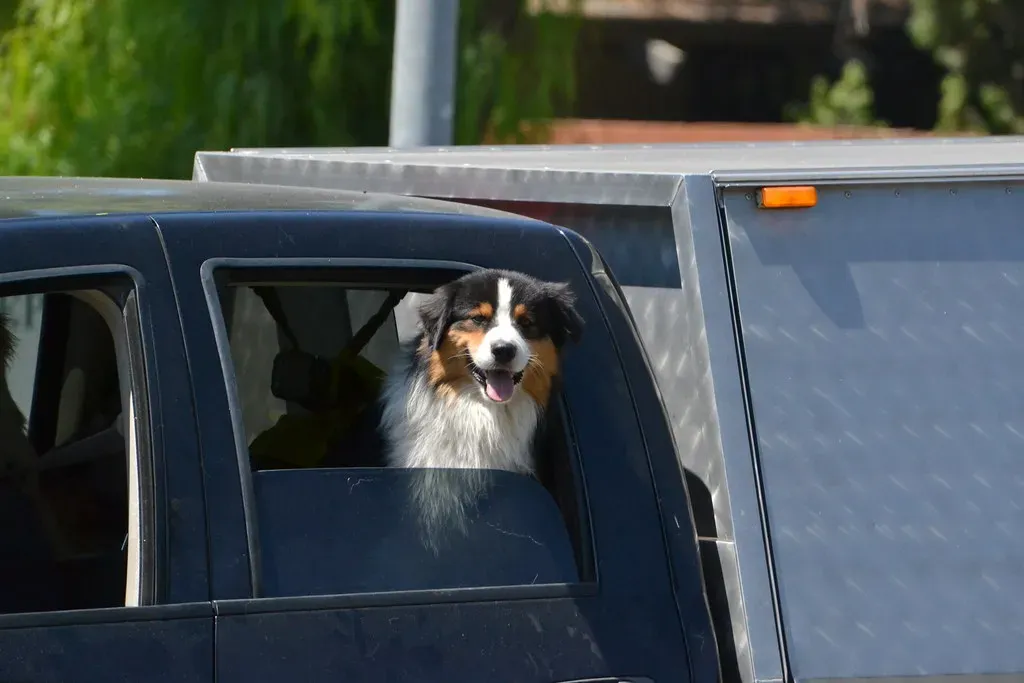
Many adult dogs become anxious or even nauseous during travel due to a lack of conditioning and the overwhelming, unusual stimuli associated with moving inside a vehicle, and dogs that travel only once or twice a year, typically when visiting the veterinarian, are not used to car rides and often associate the car ride with the stressful experience that follows. This is huge. If the car only means trips to the vet, your dog’s going to dread it.
To begin training, sit with your dog in the car in your own driveway, giving your dog treats or a food filled toy such as a frozen Kong while they are in the crate or seatbelt, and a pheromone such as Adaptil may be lightly spritzed onto a towel and placed onto the seat or in the bottom of the crate to further encourage your dog to relax. Buy a special toy that you only give to the dog in the car. Here’s the thing, creating positive memories around the vehicle can completely shift your dog’s emotional response. Make the car their happy place.
Pack the Essentials Every Single Time
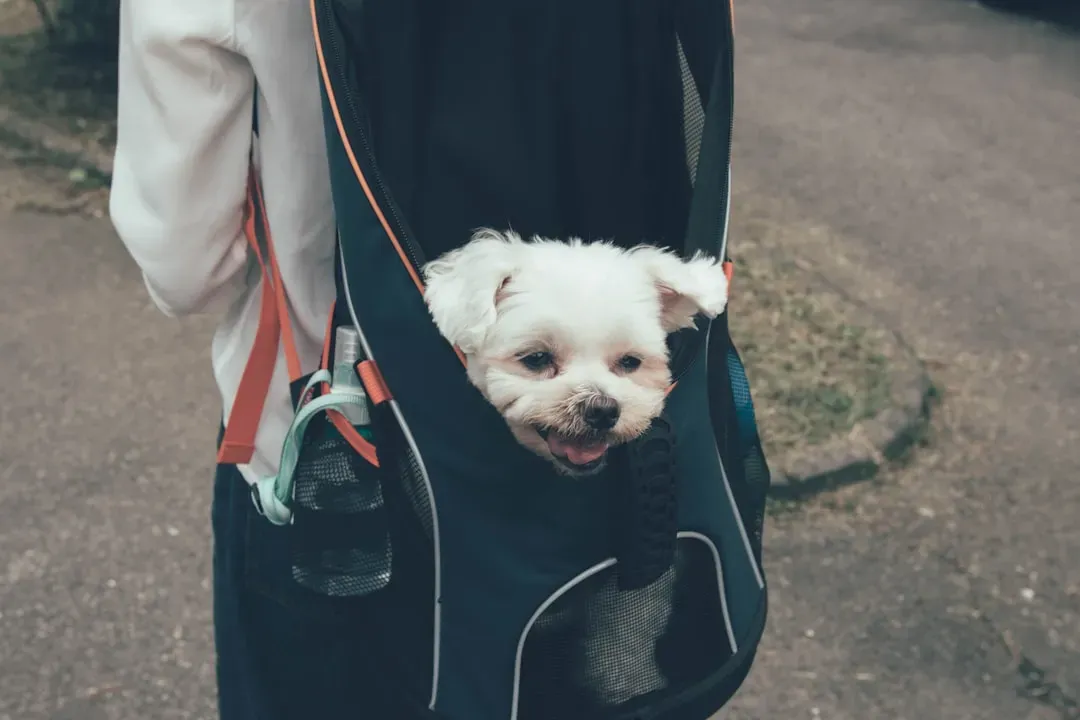
You’d never hit the road without your phone or wallet, right? Same goes for your dog’s must haves. If your dog is particular about what water they’ll drink, consider bringing some from home, and it’s also good to have water if you get stranded, plus don’t forget to bring bowls.
It’s good idea to have a first aid kit for you and your dog in case of an emergency or medical issue. Having a spare collar and leash is always a good idea, keeping them in the glove box of your car, so if one leash and collar gets wet, dirty, or tangled, you’ll have another set on hand. I know it sounds crazy, but these little things make a massive difference when something unexpected happens.
Never Leave Your Dog Alone in a Parked Car
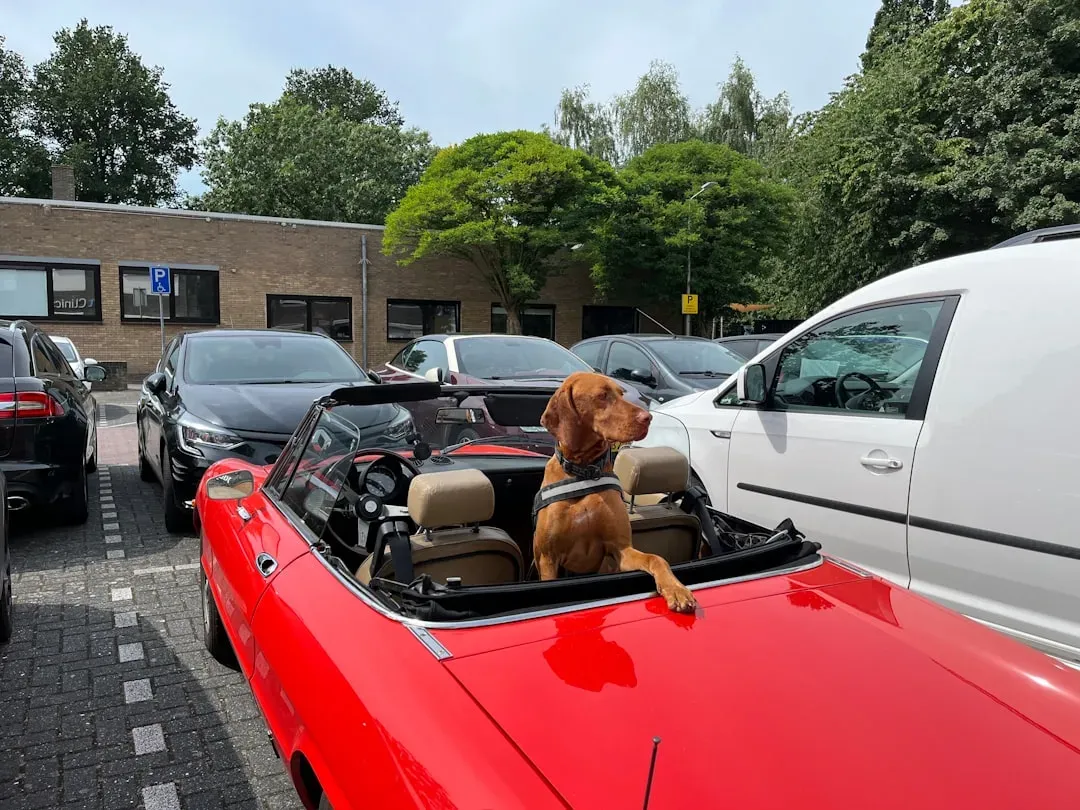
Don’t leave your animal alone for any amount of time in a parked vehicle, as the temperature inside a parked car can quickly become dangerous for your pet, even on days that you don’t consider hot, with even the shade allowing the temperature to rise 20 degrees in just 10 minutes, and cracking the window is not adequate as the car heats at almost the same rate. Let’s not sugarcoat this. It’s dangerous, full stop.
Dogs with short snouts like Pugs or French Bulldogs will succumb to heat exhaustion even faster than other breeds. I’ve seen far too many heartbreaking stories about dogs left in cars. Just don’t do it. If your dog can’t come inside with you, they shouldn’t come on that particular errand. Period.
Manage the Car Environment for Comfort
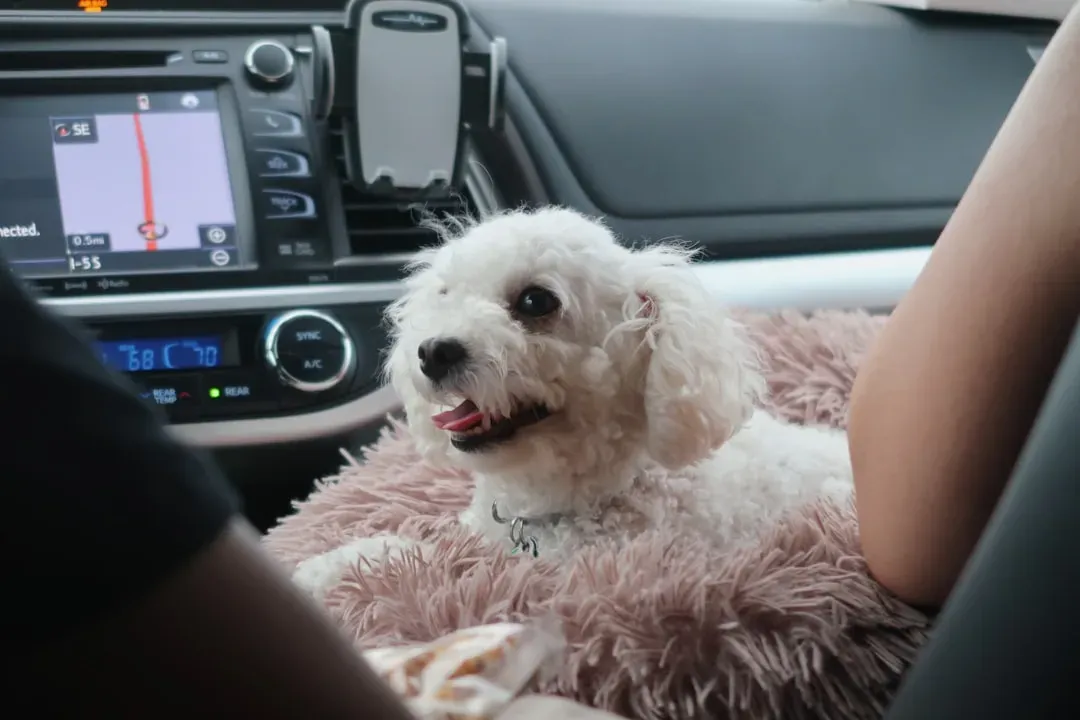
Think about what makes you comfortable on a long drive. Fresh air, the right temperature, maybe some soothing music. Your dog’s no different. Leave windows down for fresh air or to keep the car cool, and keeping the car quiet or playing only soft music, like classical music, can also help keep your pet calm.
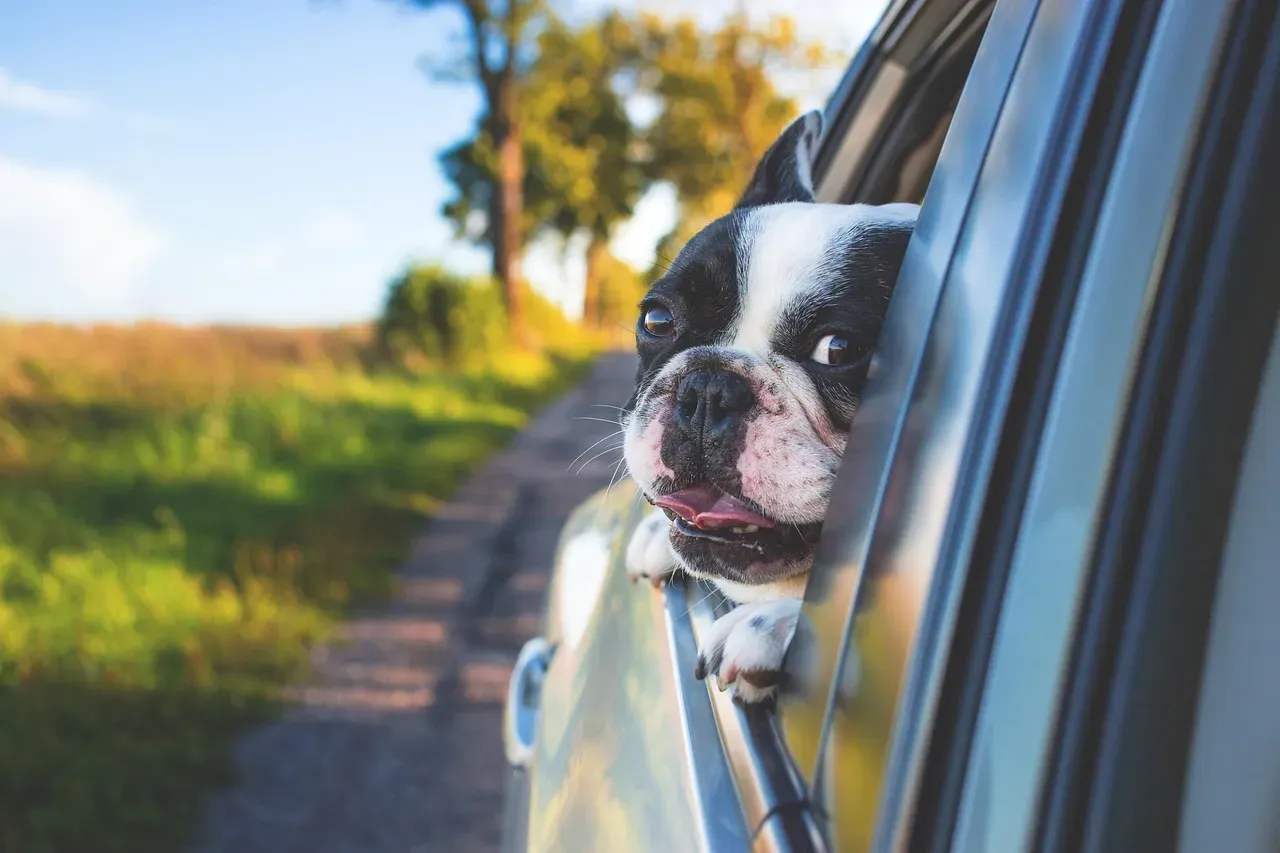
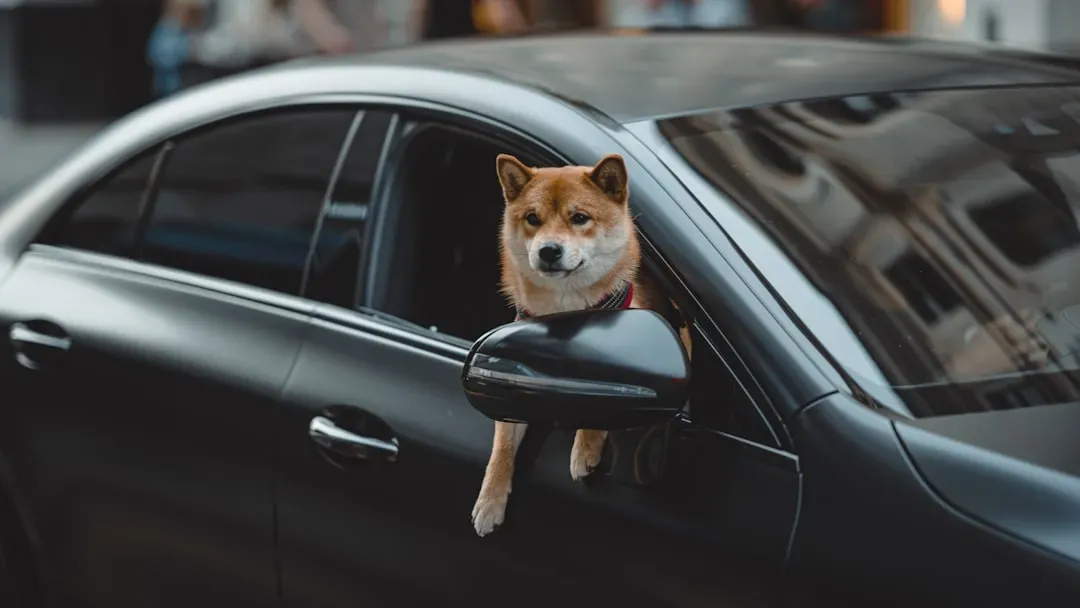
Don’t let your pet ride with their head out the window, and although we would never recommend it, if you decide to forego the crate, do not allow your pet to put their head out the window, and always keep them in the backseat in a harness attached to the seat buckle, as airbags are not designed with pets in mind and serious injury could occur if your pet is secured in the passenger seat during an accident. Honestly, I get why dogs love the wind in their face, but the risks just aren’t worth it. Comfort doesn’t mean compromising safety.
Plan Regular Rest Stops for Everyone’s Sanity
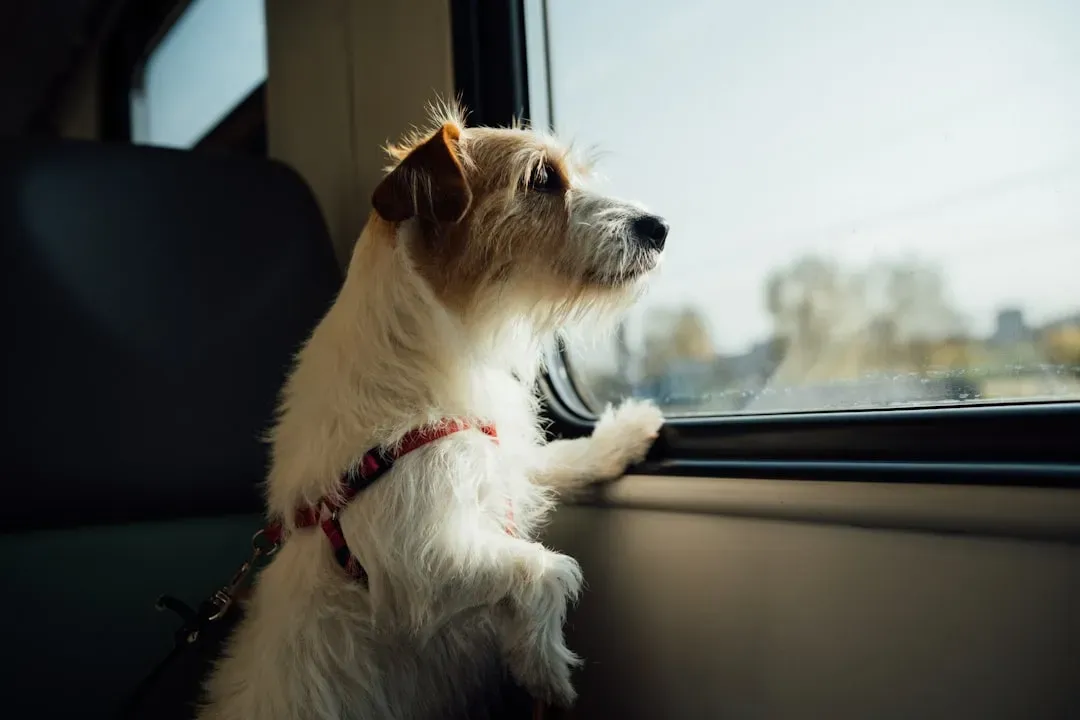
Allow your dog some rest breaks. Nobody likes being cooped up for hours, including your four legged friend. Taking breaks on long drives is key to keeping your dog safe by reducing stress and fatigue, with regular rest stops helping your pet stay calm and alert, allowing them to stretch their legs and move freely on a leash, drink fresh water to stay hydrated, and use the bathroom in a safe, clean area.
Pull over every couple of hours. Let your dog sniff around, do their business, and just decompress. It’s hard to say for sure, but I think these breaks benefit you as much as them. A quick stretch can reset everyone’s mood and make the rest of the journey so much smoother.
Conclusion
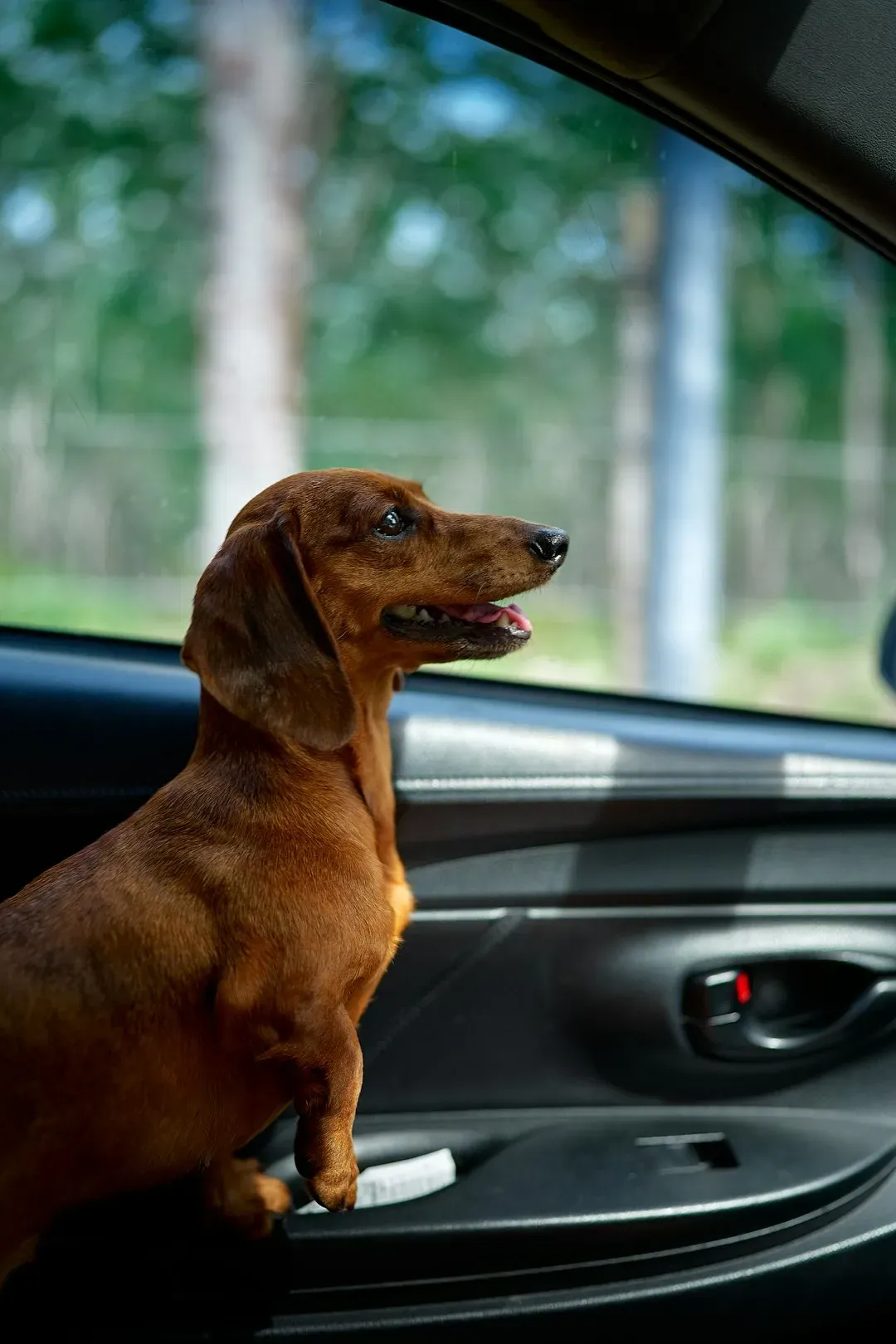
Car travel with your dog doesn’t have to be a source of stress or anxiety for either of you. With the right preparation, a bit of training, and genuine attention to your dog’s needs, those car rides can become something both of you actually look forward to. Remember, every dog is different. What works for one pup might not work for another, so stay patient and flexible.
Whether you’re heading across town or across the country, these tips can help turn your dog into a confident, comfortable travel companion. So what’s stopping you from planning that next adventure? Your dog’s already waiting by the door. What do you think? Will you give these tips a try on your next trip?


