
You’ve probably heard about those super obedient dogs that seem to live for making their humans happy. They nail every trick, come when called, and sit when asked. Then there’s the other side of the spectrum. The dogs who look at you with those beautiful eyes while completely ignoring every word you just said. The ones who’ve decided that your commands are merely suggestions, and frankly, they have better ideas.
Let’s be real. Some dogs are wired differently. They’re not trying to be difficult, they just have their own agenda. Maybe their ancestors hunted independently across mountain ranges, or perhaps they were bred to make split second decisions without human input. Whatever the reason, these breeds march to the beat of their own drum, and honestly, that’s part of their charm. So let’s dive in and meet the furry rebels who’ve mastered the art of selective hearing.
The Afghan Hound: Regal Rebel With a Mind of Its Own
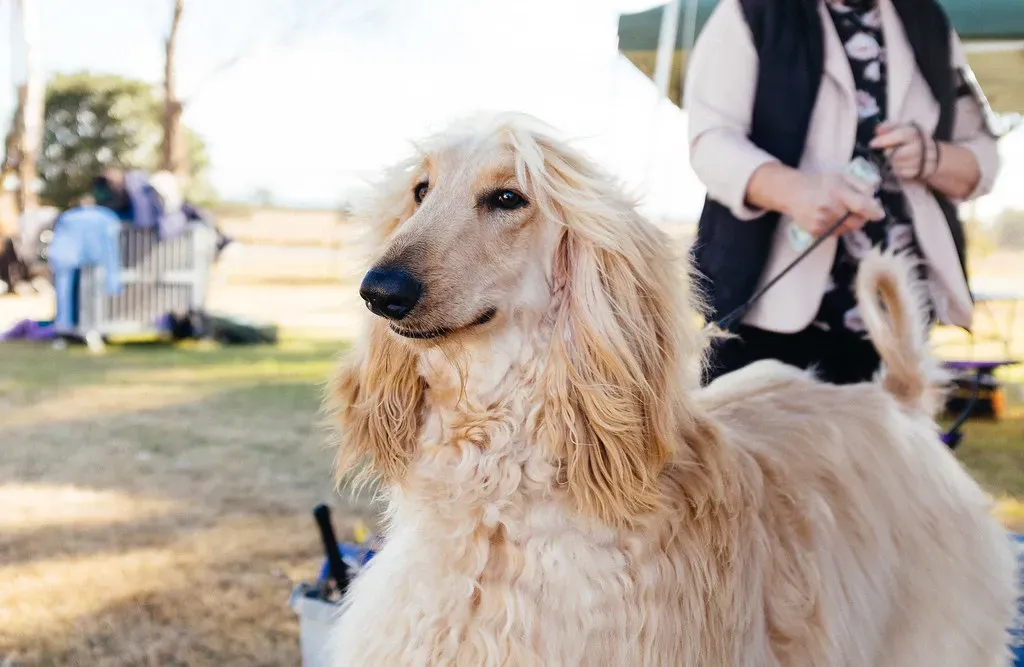
With its elegant appearance and aloof demeanor, the Afghan Hound is a classic stubborn breed originally bred for hunting with a strong independent streak. Picture a supermodel who decides your training session is beneath them. That’s basically an Afghan Hound on any given Tuesday.
Afghan Hounds can be incredibly aloof, often displaying a cat-like demeanor that leads them to question every command, and they’re also notorious for their short attention spans, especially when they catch a tantalizing scent outdoors. They’re sensitive souls too. Get frustrated during training and they’ll just shut down completely, turning their gorgeous head away like you’ve personally offended their royal lineage.
Afghan Hounds aren’t food motivated, so using food to win their attention during training can be an uphill task. Creative approaches work better here. Think less drill sergeant, more collaborative partner who happens to have their own opinions about everything.
The Basenji: The Barkless Wonder Who Answers to No One
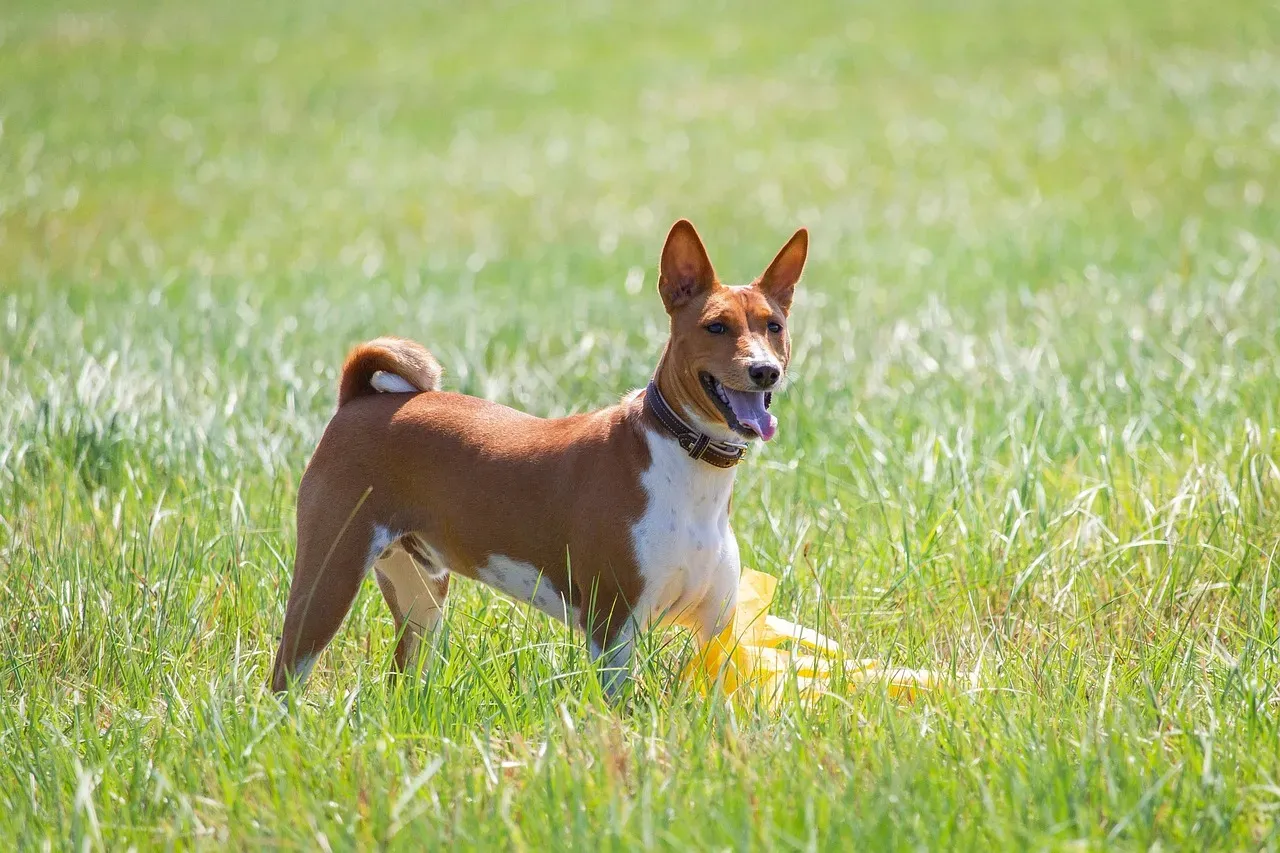
Often called the “barkless dog,” the Basenji is an ancient African breed with a strong hunting heritage that doesn’t produce the typical bark most dogs do but makes unique vocalizations sometimes described as yodels. This alone should tell you they play by different rules.
Their personality is genuinely cat-like. Basenjis are highly curious and playful but like curious toddlers, they can get into trouble if not supervised, and they are alert and suspicious but also stubborn, so they do not obey consistently.
The Basenji’s independent nature can clash with conventional training methods because these dogs thrive on exploration and get bored quickly if they aren’t mentally stimulated. They’ll learn a command once or twice, then look at you like, “Yeah, I got it. What else you got?” Keeping training sessions fresh and engaging is the only way to maintain their fleeting interest.
The Siberian Husky: Beautiful, Spirited, and Gloriously Stubborn
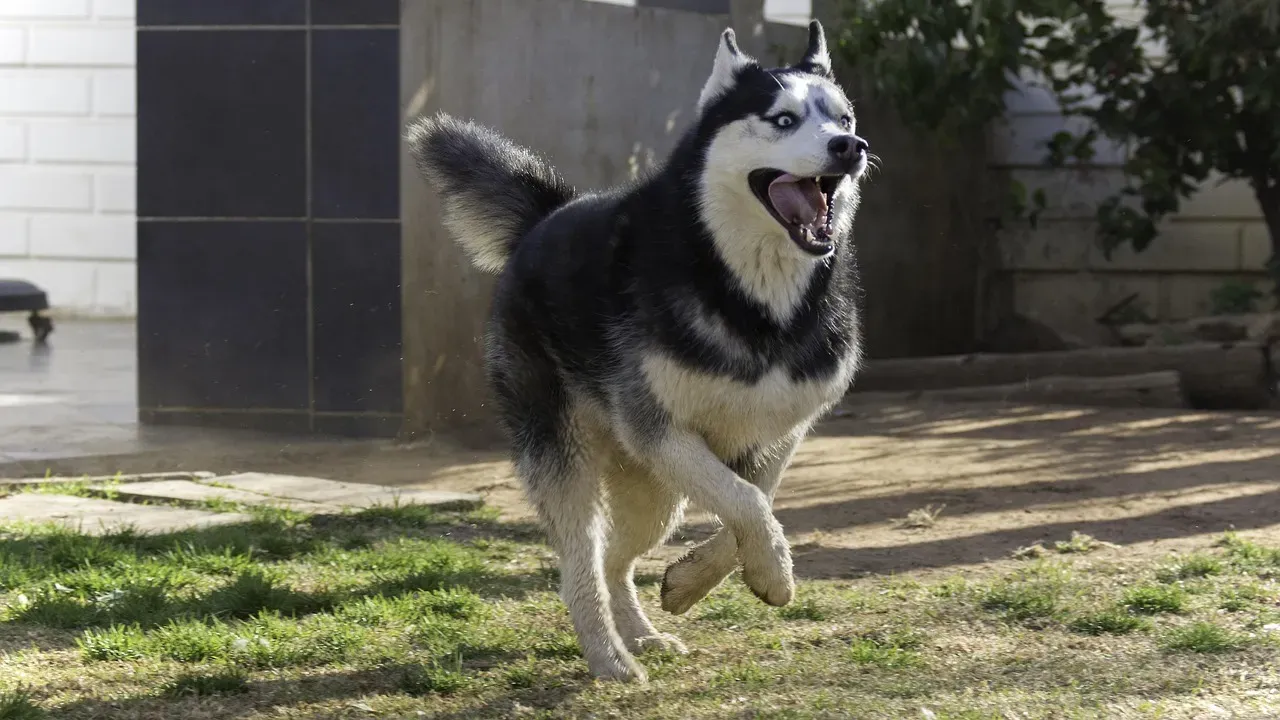
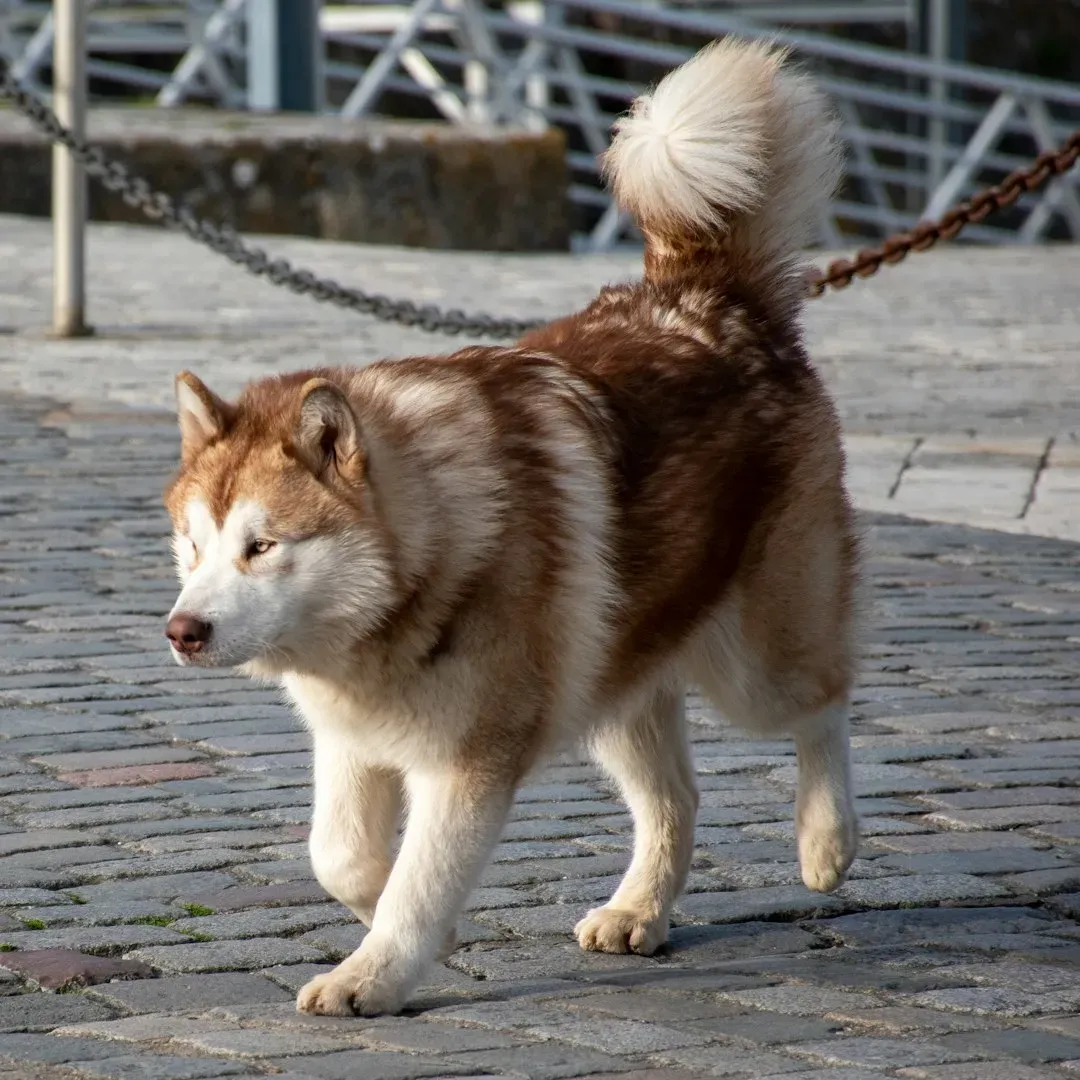
Here’s the thing about Huskies. They’re absolutely gorgeous, goofy, and full of personality. They’re also escape artists who think recall commands are cute suggestions. Huskies are famous for their stubborn behavior, bred to pull sleds in harsh climates as independent thinkers who love to run and explore, and they often ignore commands, especially if off-leash.
They were bred to be independent, as this ensured a mushing group of huskies would ignore commands if the terrain was deemed unsafe, but all these years later that independence means they have a stubborn streak when it comes to listening to commands. Smart move for survival in the frozen tundra, not so great when you’re trying to teach them not to dig up your backyard.
Huskies are demanding, strong-willed and stubborn, making training them anything but a walk in the park, and Siberian huskies are also one of the highest energy dogs out there, no doubt due to the fact that the breed was developed to be sled dogs capable of traversing long distances. Without massive amounts of exercise, forget about any training progress. A tired Husky is slightly more cooperative. Slightly.
The Chow Chow: The Aloof Teddy Bear With an Attitude
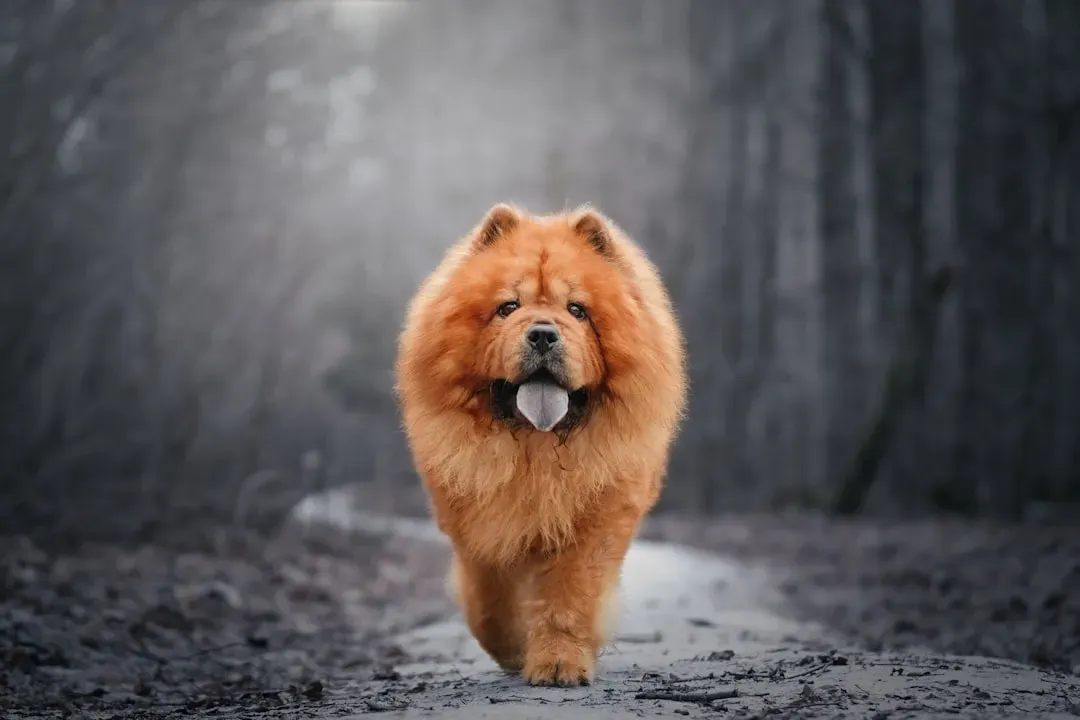
Even though it looks like a lion, the chow chow is far from being king of the jungle, and there are probably pieces of furniture that can be trained more easily than chow chows. That’s not an exaggeration. These fluffy bears are notoriously difficult.
Chow chows are serious, independent and distant, and they are willful and stubborn, which makes them harder to train. They were bred as guard dogs in ancient China, and that protective, standoffish nature runs deep in their DNA.
The Chow isn’t interested in performing tricks for treats or praise. Chow Chows are naturally reserved and can exhibit stubborn streaks, with their aloof character often leading them to ignore commands unless they see a clear reason to comply. You need to convince them it’s worth their time, which honestly might require the negotiation skills of a diplomat.
The Beagle: Nose-Driven and Delightfully Distracted
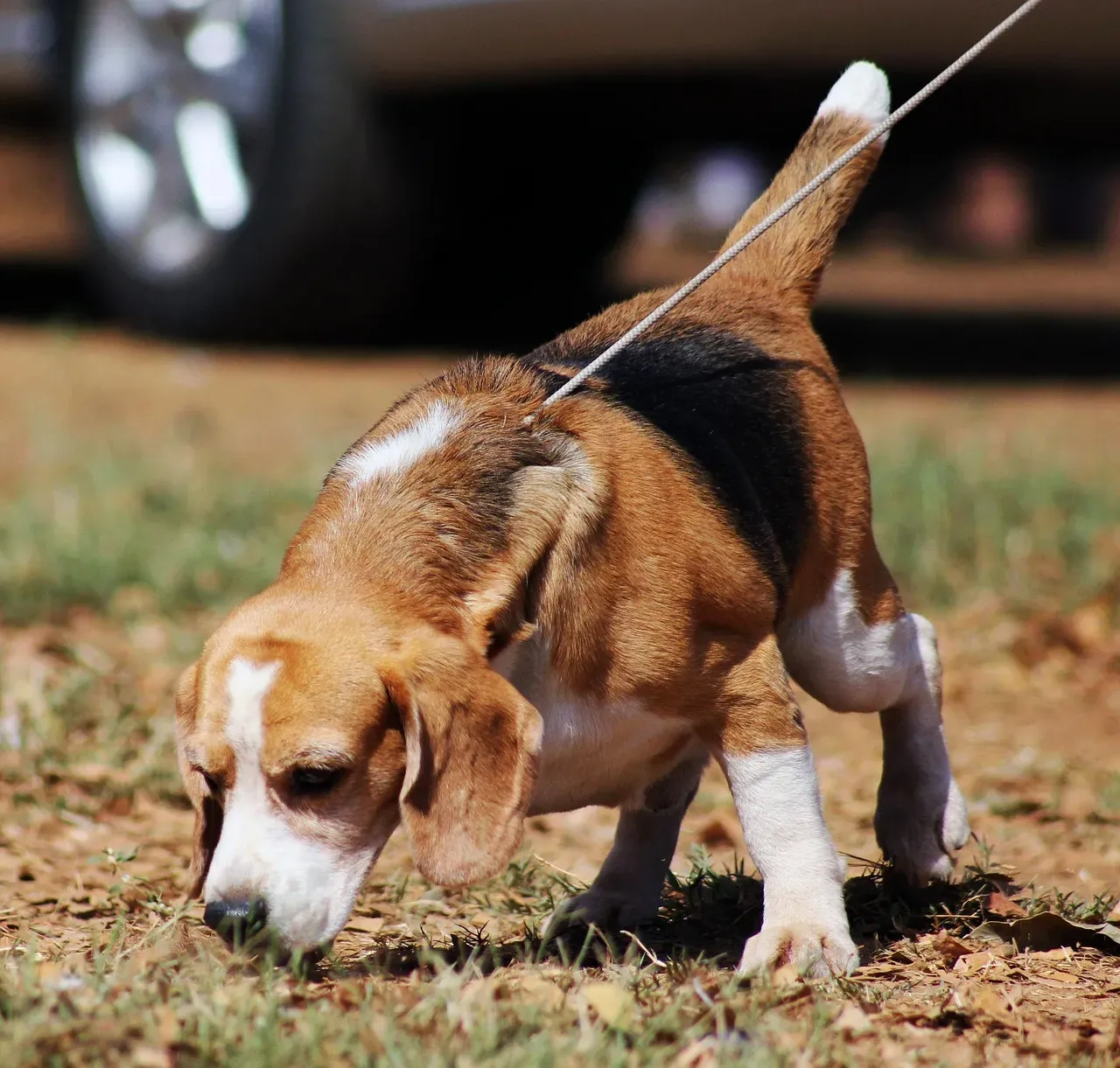
Those droopy ears and sweet faces hide a serious stubborn streak. Most of the reason why comes down to a common hound problem, getting distracted by scents around them and wanting to trace the source, which makes training with distractions a considerable challenge.
Their deep-rooted hunting instinct, coupled with their intelligence, means they can outsmart novice owners and turn training sessions into a tug-of-war of wills rather than cooperation, though Beagles are highly food-motivated which can be both a blessing and a curse. They might sit beautifully for a treat, then immediately wander off following an interesting smell.
The good news? The Beagle is incredibly food-motivated, so having high-value rewards on hand during training will help immensely. Just accept that outdoors, their nose is the boss and you’re just along for the ride.
The Basset Hound: Low to the Ground, Slow to Obey
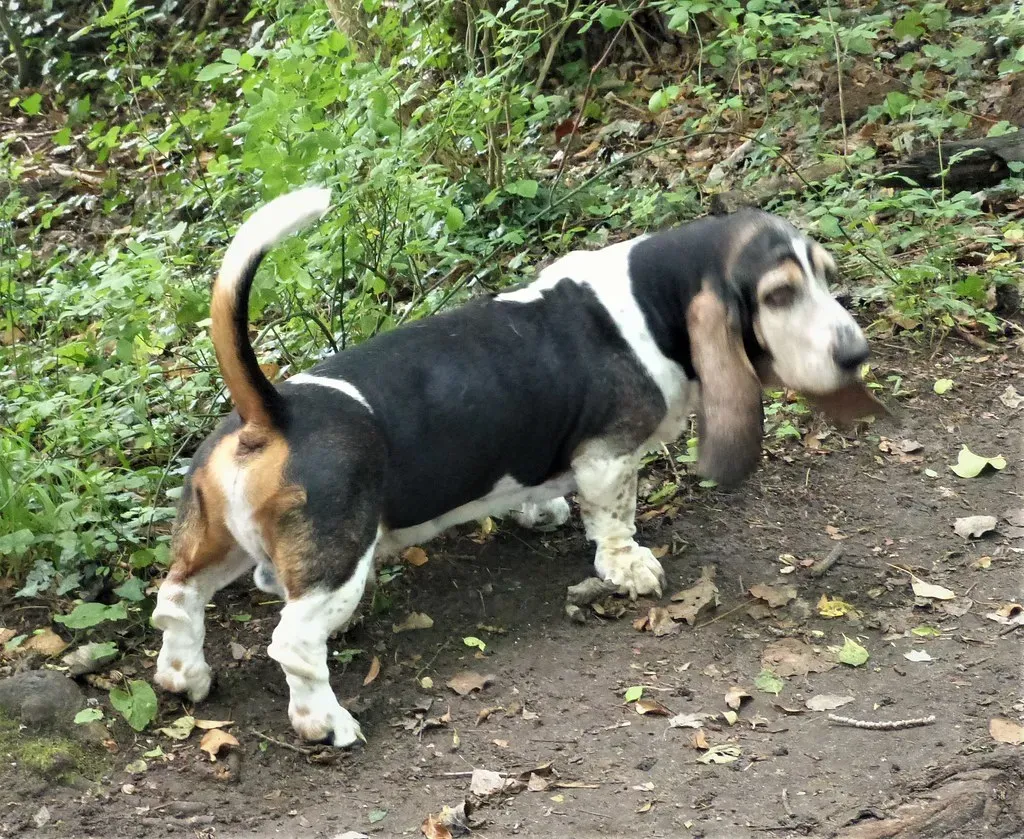
Don’t let those droopy eyes fool you because Basset Hounds are some of the most stubborn dogs around, bred for scent tracking so they’ll follow their noses over your voice any day, with their stubbornness combined with a laid-back nature meaning dog owners need lots of patience.
These lovable hounds move at their own pace, both physically and mentally. Basset hounds can also be stubborn, and like their scent hound cousins such as the bloodhound and beagle, they struggle to ignore surrounding smells long enough to stay focused on learning.
Any pup parent of a basset hound will know exactly why they’re a top contender for the hardest dog to train because they’re slow learners and one of the most difficult breeds to housebreak. Their relaxed demeanor might seem lazy, but it’s really more about them having different priorities than you do.
The Dachshund: Small Dog, Big Attitude
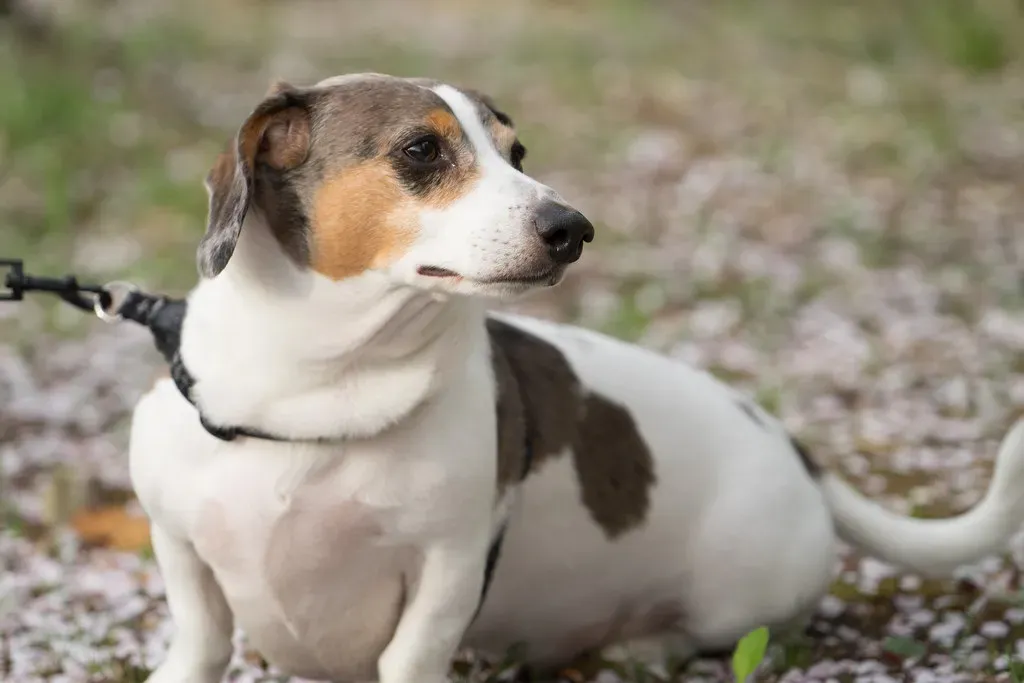
Vivacious, friendly and ever-alert, dachshunds were bred to be an independent hunter of dangerous prey, and along with their iconic sausage look, their independence is a hallmark of the breed. These little wiener dogs were literally bred to go underground and face off with badgers. That takes courage and serious independence.
Dachshunds are brave and bold, often showing no fear despite their small size, and this courage combined with a strong sense of independence can make them quite stubborn when it comes to training or obeying commands.
They’re smart enough to know what you want, they just need convincing that it’s worth doing. Doxies like to do things their own way, and you are likely to find your Dachshund digging holes, chewing on shoes, or chasing your other pets on a daily basis. Their size doesn’t match their personality, which is roughly the size of a Great Dane’s ego.
The Bulldog: Lovable Couch Potato With Selective Hearing
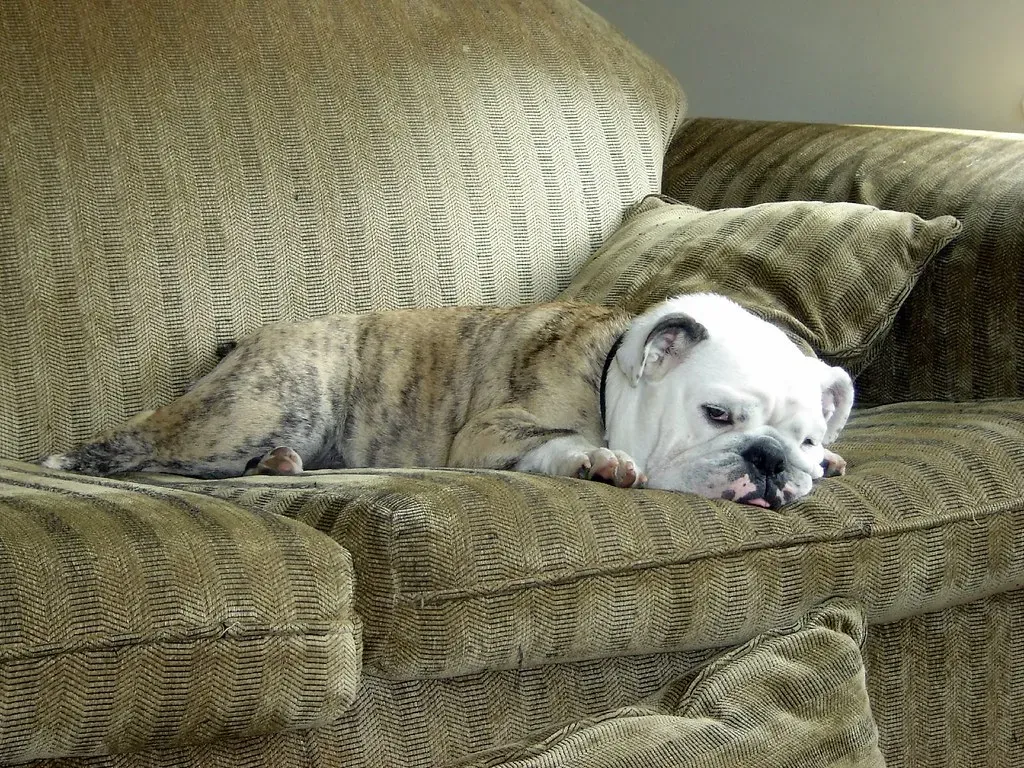
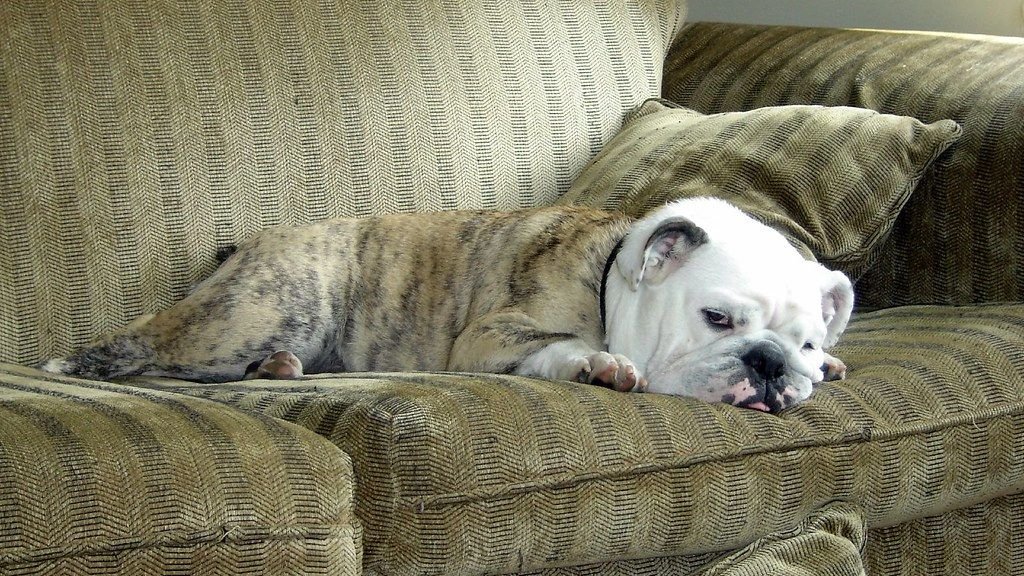
The Bulldog may seem lazy, but don’t mistake that for obedience because these dogs can be willfully slow to respond, though their stubborn dog tendencies are softened by their sweet nature. They’re gentle, affectionate family dogs who also happen to be master negotiators.
Although loving and gentle, Bulldogs can be lazy and unmotivated when it comes to training, and they respond best to positive reinforcement and short training sessions. Long training sessions? Forget it. They’ll just plop down and refuse to budge.
Their stubborn streak is legendary. Bulldogs can be stubborn and learn only a few commands, so owners are advised to choose carefully which commands they try to teach. Pick your battles wisely with this breed, because they certainly will.
The Jack Russell Terrier: Small, Energetic, and Perpetually Mischievous
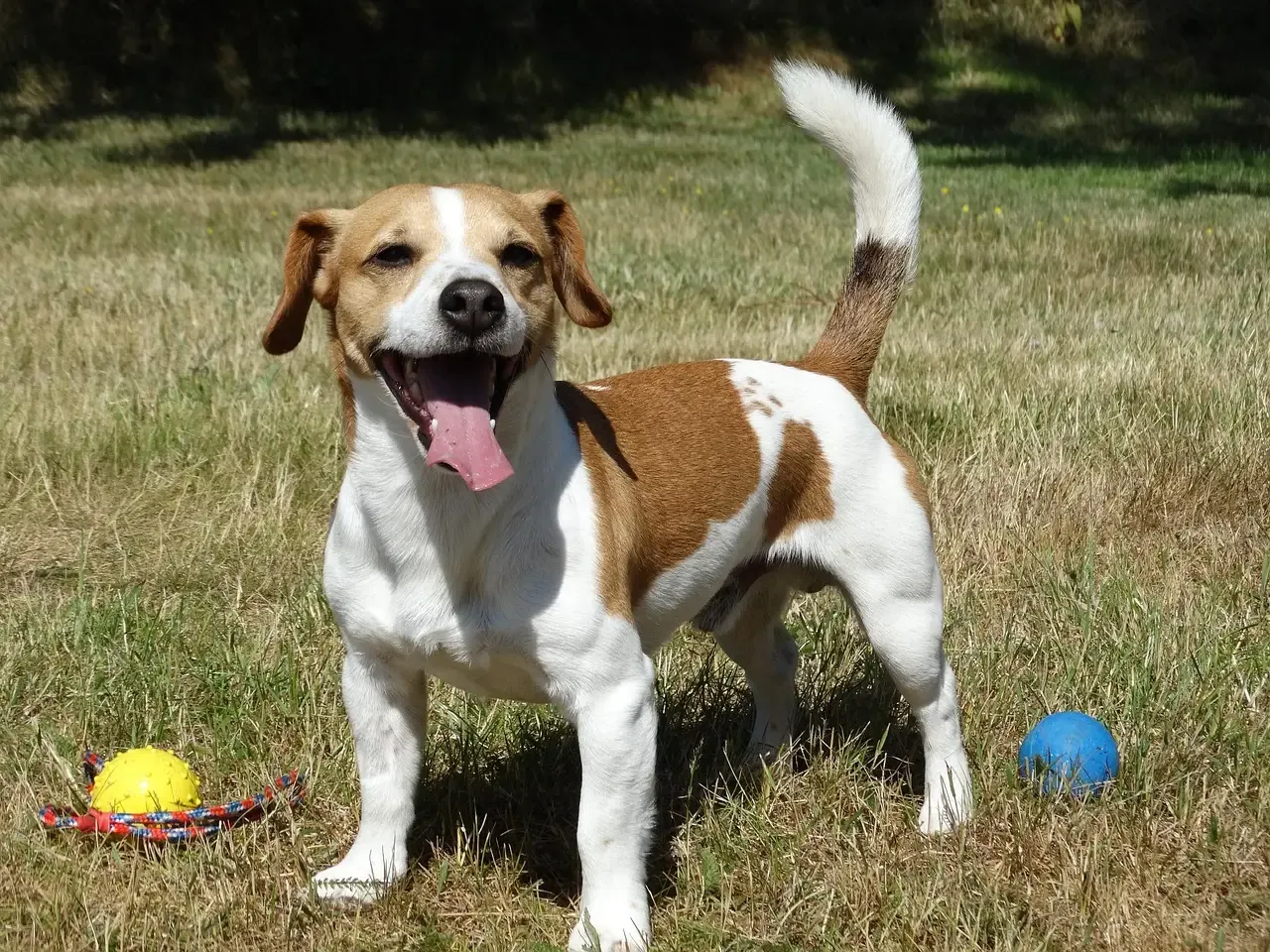
These energetic terrier breeds are as clever as they are stubborn, and the Jack Russell Terrier was bred to hunt small prey like foxes, so it’s no surprise they often act like they’re on their own mission. They’re bundles of endless energy wrapped in a compact, adorable package.
Don’t let the Jack Russell Terrier’s adorableness and playful personality fool you into thinking they are easy to train because these small dogs were bred to be fox hunters, so their prey drive is incredibly high, making training them difficult.
They are known for their fun-loving and independent attitude with a streak of stubbornness that makes them difficult to train, and they are also mischievous and have a lot of energy, so you have to stay on your toes with this one. They’re basically perpetual motion machines who occasionally pause to ignore your commands before zooming off again.
The Shiba Inu: The Cat-Dog With Serious Independence
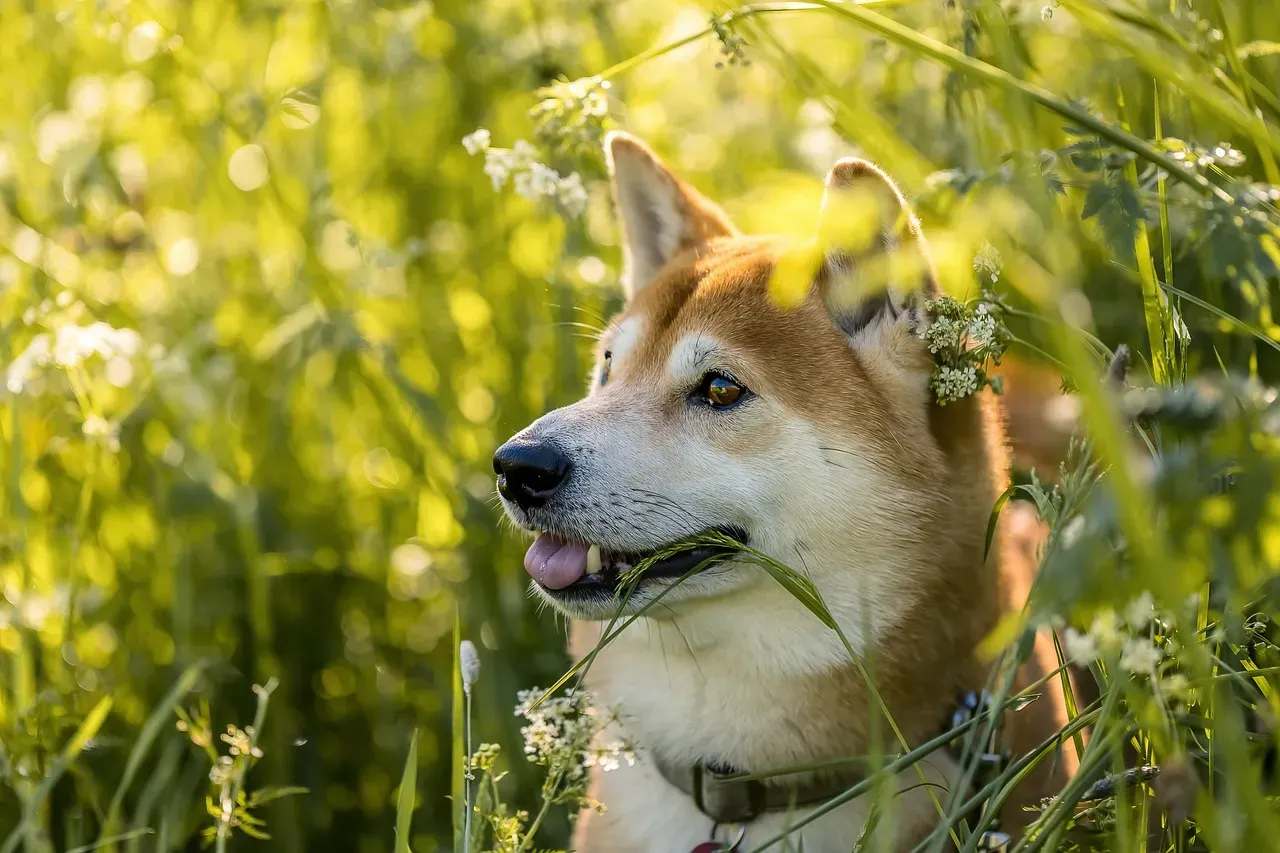
Many people believe that Shiba Inus are very feline-like, with this perception built around three of their strongest characteristics: independence, aloofness and determination. They even groom themselves like cats and have that same “I’ll consider your request” attitude.
The Shiba Inu is known for its strong-willed temperament and dislike of following commands, and while it’s highly intelligent, its independent nature can make training a challenge. They’re smart enough to learn quickly, they just don’t see why they should obey.
They are very intelligent, highly alert and attuned to their environs, and they are quick to form perceptions about the world which can be difficult to change. Once a Shiba decides something, good luck changing their mind. They’re as stubborn as they are adorable, which is saying a lot.
Looking Forward: Living With a Strong-Willed Dog
Training any of these breeds requires more than just patience. It demands creativity, consistency, and honestly, a good sense of humor. While stubborn dogs may be harder to train, they often make fiercely loyal and clever companions when handled with patience, and stubborn dog breeds aren’t bad, they’re just more independent.
The key is understanding that these dogs aren’t defying you out of spite. Dogs are not spiteful, and no dog acts stubborn on purpose. Their independence reflects their breeding and natural instincts. Working with their nature rather than against it makes all the difference.
These strong-willed breeds form incredibly deep bonds with owners who respect their independence. The journey might be frustrating at times, but the reward is a unique relationship built on mutual respect rather than blind obedience. So what’s your experience with independent dogs? Do you have one of these lovable rebels at home? Share your stories in the comments.


