
10 Reasons Your Dog May Be Becoming Aggressive, According to Experts
You know that sinking feeling when your normally gentle, tail-wagging companion suddenly snaps or growls at you? It’s unsettling. It’s scary. It feels like living with a stranger who happens to look exactly like your best friend.
If your dog is showing signs of aggression, I want you to know something important right from the start: this isn’t about your dog being bad or broken. Aggression is a form of communication, a signal that something has gone wrong somewhere along the way. Understanding why it happens is the first step toward helping your furry friend feel safe, comfortable, and like themselves again. So let’s dive into the reasons behind this behavior change and what you can do about it.
Pain Is Speaking Louder Than Words
An otherwise gentle, friendly dog can behave aggressively when in pain, and this is one of the most commonly overlooked causes of sudden aggression. Think about it from your dog’s perspective. If you had a throbbing toothache or aching joints, you’d probably be pretty cranky too. Painful conditions such as dental disease or arthritis can increase irritability, making your dog more likely to lash out when touched, especially near the affected area.
Hip dysplasia is a common hereditary disease that causes pain-elicited aggression, and sometimes pain is caused by an external and visible injury. The tricky part is that the pain might be internal, invisible to the naked eye. Your dog starts associating touch with discomfort, so even reaching toward them can trigger a defensive reaction before you’ve actually made contact.
Fear Is Running the Show

Fear is the number one cause of aggressive behavior in dogs. When a dog feels cornered, threatened, or unable to escape a situation they perceive as dangerous, aggression becomes their backup plan. Fear-related aggression is one of the most common types seen by veterinary behaviorists, and it can manifest in countless situations, from vet visits to encounters with unfamiliar people.
Here’s the thing about fear: it doesn’t always make logical sense to us. Your dog might have had one bad experience with a person wearing a hat, and now everyone in a baseball cap looks terrifying. Most aggression is driven by fear, so intervening early if you have a fearful dog is best. Watch for the warning signs like tucked tails, flattened ears, or trying to back away before the growling even begins.
Underlying Medical Conditions Are Creating Chaos
Pain, neurological disease, general hormonal problems, sensory decline, or infections can all be reasons for sudden aggressiveness. This goes beyond simple pain and enters the territory of complex health issues that can fundamentally alter your dog’s brain chemistry and behavior. Hydrocephalus, encephalitis, head trauma, brain tumors and epilepsy could affect a dog’s judgment and trigger inappropriate aggressive behavior.
Organ dysfunction involving the kidneys or liver, neurologic diseases, and hormonal disorders can also lead to aggression. Even something as seemingly unrelated as a thyroid imbalance can wreak havoc on your dog’s emotional state. That’s why the very first step when facing sudden aggression should always be a thorough veterinary examination to rule out medical causes.
Hormonal Imbalances Are Pulling the Strings
Hormones are powerful chemical messengers, and when they’re out of balance, behavior can shift dramatically. Hypothyroidism can sometimes cause a dog to behave aggressively, as it causes the thyroid gland to produce less than the normal amount of thyroid hormone. Research has even shown that specific hormones play distinct roles in aggressive behavior.
Hormones like oxytocin are often calming, while vasopressin has been linked to aggression. The delicate balance between these and other hormones can tip your dog toward irritability and reactive behavior. If your dog hasn’t been spayed or neutered, intact hormones can also contribute to territorial and competitive aggression, particularly in multi-dog households.
Resource Guarding Has Kicked Into Overdrive
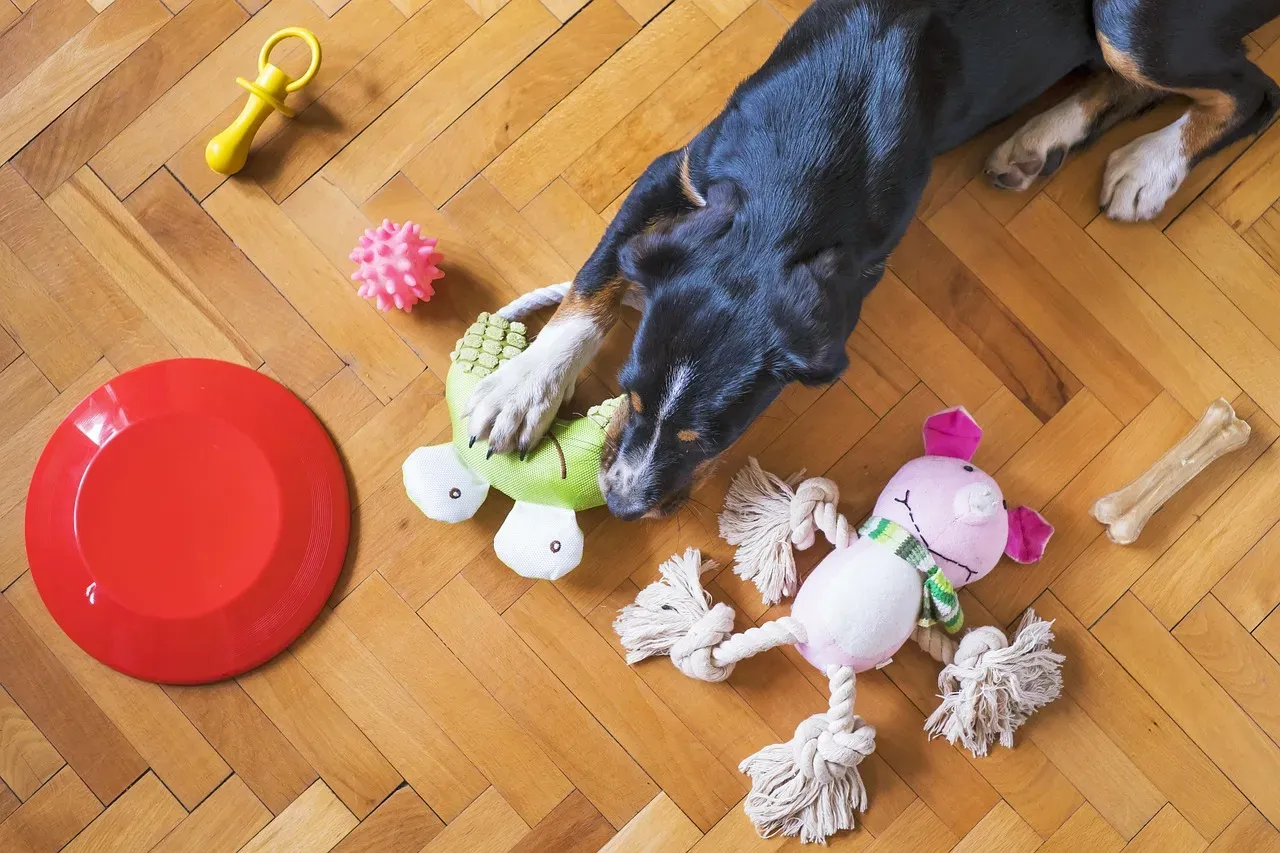
Dogs exhibit possessive aggression when approached while in possession of something they wish to retain, most commonly when near highly motivating food, treats, chew toys, stolen items, or resting places. This is deeply rooted in survival instinct. In the wild, protecting valuable resources could mean the difference between life and death.
However, when your sweet pup suddenly turns into a snarling guardian over their food bowl or favorite toy, it signals that they’re feeling insecure about losing what they value. Sometimes this develops gradually, sometimes it appears overnight. The behavior can extend to protecting people too, which is when things get really complicated.
Poor Socialization Has Left Gaps
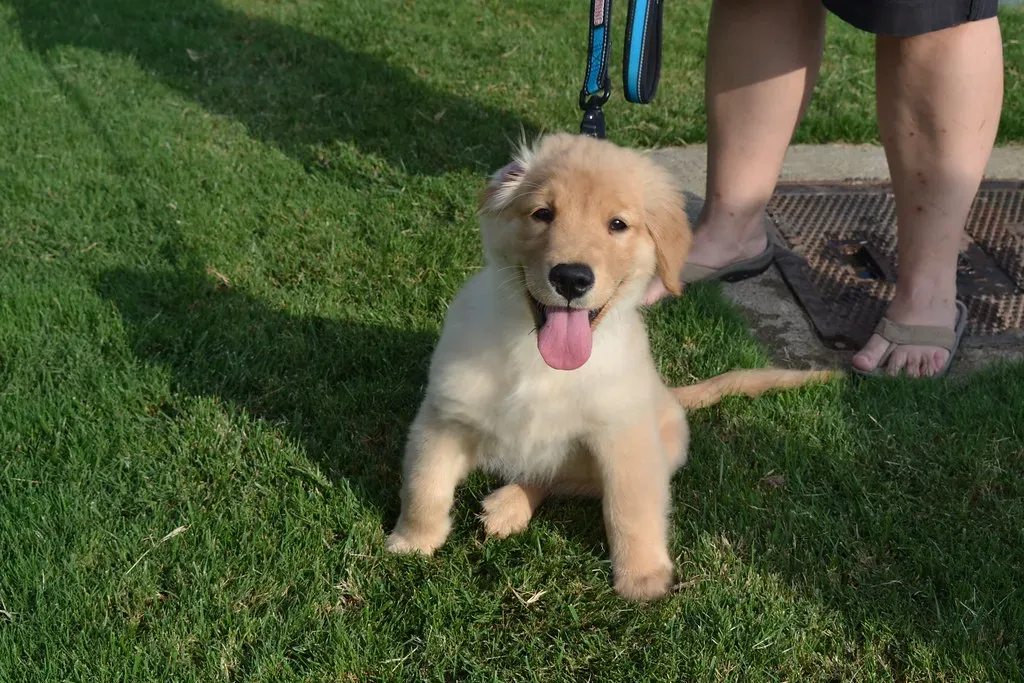
Aggressive behavior mainly relates to early experience, bad socialization process, origins, and welfare of dogs, playing an important role in both intraspecific and interspecific aggression. Those critical puppy weeks between roughly three and fourteen weeks old are when dogs learn how to be, well, dogs. They learn what’s safe, what’s scary, and how to interact with the world.
When dogs miss out on proper socialization during this window, everyday situations can become anxiety-inducing nightmares. A dog who never met children during puppyhood might view them as unpredictable threats. One who wasn’t exposed to different environments might become reactive in new places. You can work on socialization later in life, though it takes more patience and careful planning than it would have during that golden puppy period.
Environmental Changes Have Shaken Their World

Dogs thrive on routine, and significant disruptions such as moving to a new home, adding a new pet or baby, or changing schedules can make them feel insecure and react aggressively to regain control. To your dog, predictability equals safety. When their entire world gets turned upside down, stress accumulates like water behind a dam.
I’ve seen dogs become uncharacteristically aggressive after seemingly minor changes, like rearranging furniture or a family member leaving for college. What seems small to us can be monumental to them. Couple that with their inability to understand why these changes are happening, and you’ve got a recipe for anxiety-driven aggression. The good news is that with time, patience, and maintaining as much routine as possible, most dogs adapt to new circumstances.
Cognitive Decline Is Stealing Their Confidence

As dogs age, their patience thins, and cognitive decline, arthritis, or loss of sight and hearing can make them more irritable, causing dogs who once tolerated rough petting to suddenly growl. Canine cognitive dysfunction is essentially doggy dementia, and it’s heartbreaking to watch. Your senior dog might become confused, disoriented, or anxious about things that never bothered them before.
Geriatric dogs can suffer confusion and insecurity, which may prompt aggressive behavior. Imagine suddenly not recognizing familiar places, or not being able to hear someone approaching from behind. That kind of sensory loss and mental fog would make anyone jumpy and defensive. Being patient and making accommodations like approaching from the front where they can see you becomes essential.
Redirected Aggression Has Found the Wrong Target
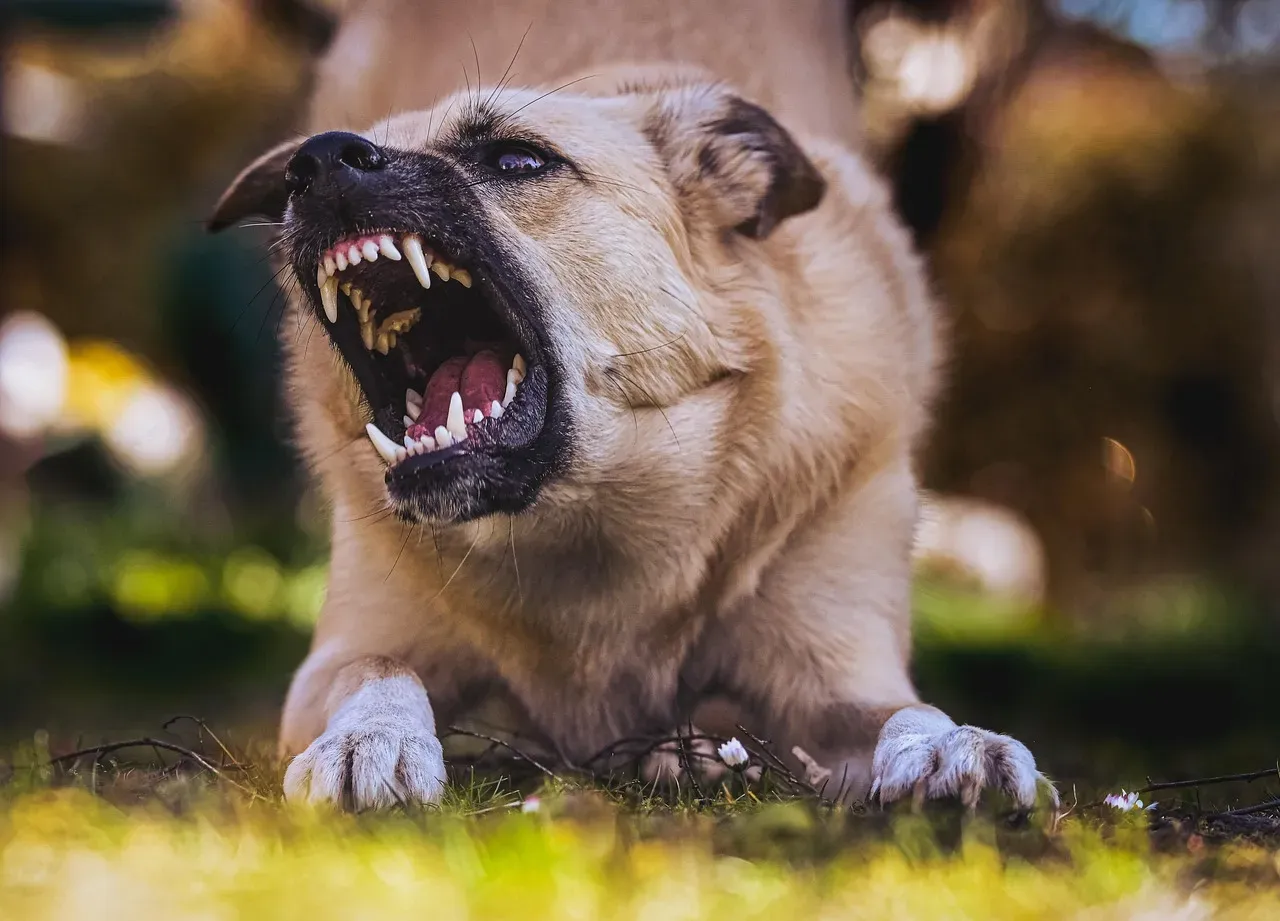
The dog redirects her aggression from the source that triggered it to the person or animal who has interfered. This type of aggression catches people completely off guard because the dog isn’t actually mad at them. Picture this: two dogs are barking frantically at a stranger through the fence, emotions running hot, adrenaline pumping. One dog suddenly wheels around and snaps at the other.
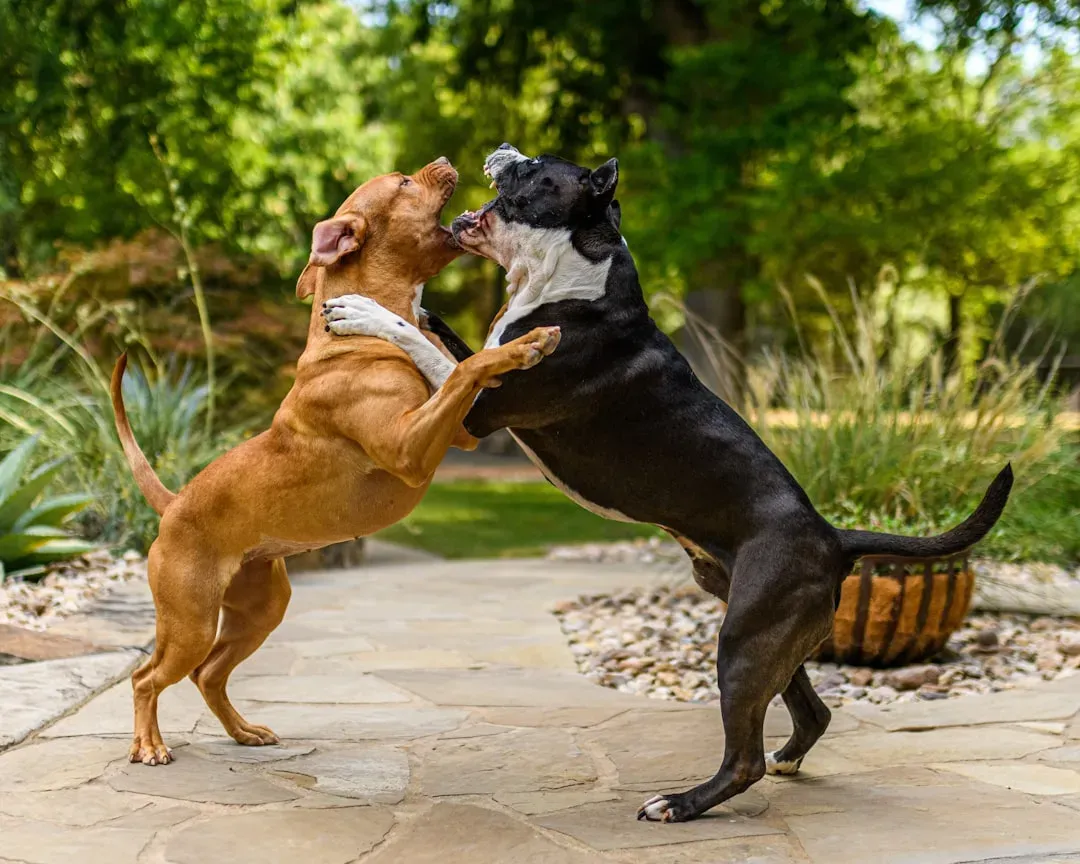
This is why people are often bitten when they try to break up dog fights; when a person grabs or pushes a fighting dog, the dog might suddenly turn and bite. The dog is so aroused and overstimulated that they lash out at whoever is closest. It’s not personal, though it certainly feels that way. Understanding this helps you approach these situations more safely.
Rare Neurological Conditions Are at Play
Rage syndrome, a serious and complex condition, causes dogs to become aggressive without any apparent trigger. This is genuinely terrifying for owners because it seems to come completely out of nowhere. Dogs with rage syndrome have episodes of extreme aggression that occur seemingly out-of-the-blue and without provocation, yet they otherwise appear friendly and happy.
The exact cause of rage syndrome remains unclear, though there can be genetic and neurological factors involved. It’s exceptionally rare, and honestly, it’s overdiagnosed because people jump to this conclusion when facing unexplained aggression. True rage syndrome requires specific diagnostic testing like electroencephalograms to detect seizure-like brain activity. Most cases labeled as rage syndrome turn out to be something else entirely, which is actually good news because those other causes are usually more treatable.
Conclusion: Hope Lives in Understanding
Discovering that your dog is becoming aggressive is scary, I won’t sugarcoat that. The good news is that for veterinary behaviorists, the overall success rate for aggression cases is probably between 50% and 75% for fair-to-good improvement. That means with proper diagnosis, commitment, and professional help, there’s genuine hope for positive change.
Remember, aggression isn’t a character flaw in your dog. It’s a symptom, a red flag waving frantically to tell you something is wrong. Whether it’s pain, fear, medical issues, or environmental stress, identifying the root cause opens the door to solutions. Start with a thorough vet exam to rule out physical problems, then consider working with a certified veterinary behaviorist who can create a tailored treatment plan.
Your dog needs you now more than ever. What’s your biggest concern about your dog’s aggressive behavior? Share your experiences in the comments below.