
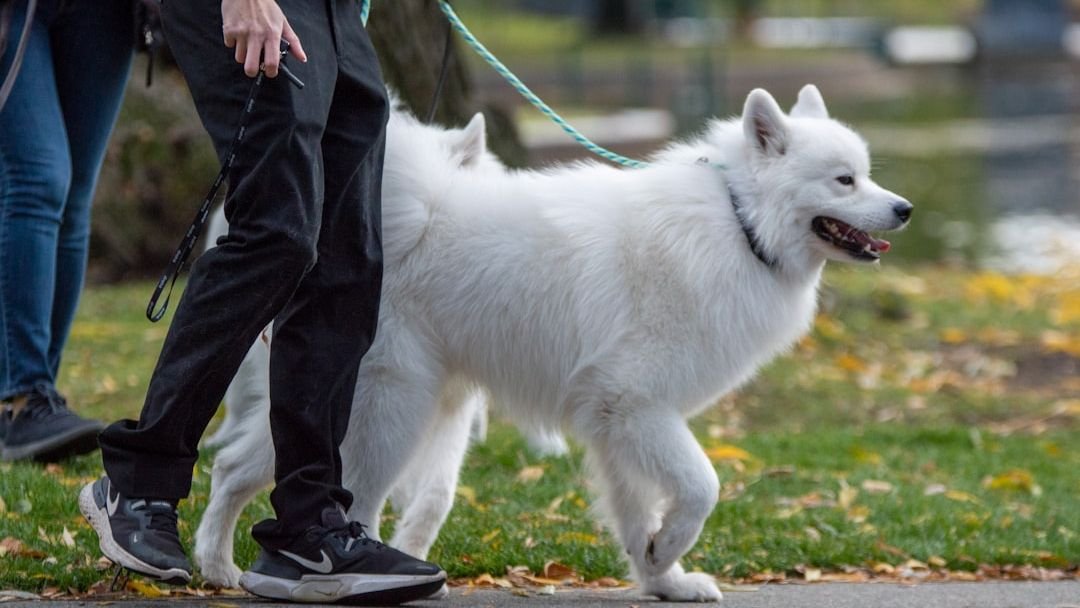
You already know that walking your dog is good for their physical health. That’s the obvious part, right? They need the movement, the fresh air, and a chance to burn off energy. What’s not so obvious are the hidden treasures these daily strolls offer, the ones that go way beyond fitness. I’m talking about the kind of benefits that can reshape your dog’s emotional world, deepen your connection, and even help them navigate life with more confidence.
Let’s be real, most of us think we’re doing enough by just getting them out there. A quick loop around the block feels sufficient. Yet what’s happening beneath the surface during those walks is nothing short of remarkable. From mental stimulation to social growth, these outings are quietly transforming your dog in ways you might not have noticed. So let’s dive in and uncover what’s really going on when you clip on that leash.
Mental Stimulation That Works Wonders

Sure, your dog’s legs are moving during a walk. That’s just one part of the equation though. Their brain? It’s getting an absolute workout too.
Sniffing during walks is more than just physical exercise – it’s a vital form of mental stimulation that engages their brain and satisfies their natural instincts. Every blade of grass, every lamppost, every patch of sidewalk holds information your dog is desperate to decode. They’re not just smelling; they’re reading the neighborhood news. Who walked by here? What did they eat? Are they friend or foe?
Mental stimulation for dogs is as important as it is for humans to keep their brains healthy. Cognitive enrichment is essential for keeping your dog happy and mentally healthy at any age. Think of it like this: a twenty-minute sniff session can tire out your dog just as much as a full run at the park. I’ve seen it with my own pups. After a leisurely walk where they got to explore every scent trail, they’re more relaxed and content than after chasing a ball for an hour.
These brain games are not only a great way to challenge your dog’s abilities and keep their brain active, but are also helpful for older dogs, as it can slow down age-related cognitive decline. It’s also beneficial for dogs with specific behavioural issues as keeping them mentally active can help with boredom and anxiety. The beauty is that you don’t need fancy equipment or special skills. Just let your dog set the pace sometimes and really explore their surroundings.
Anxiety Relief Through Natural Decompression

Modern life is stressful for dogs too. The doorbell rings, delivery trucks rumble past, neighbors shout, and suddenly your pup is on high alert.
Decompression walks are great for any dog but can be particularly beneficial for dogs who are reactive, fearful, or suffer from anxiety and stress. The goal of a decompression walk is calmness and relaxation. This isn’t your typical structured march around the block. It’s slower, gentler, and entirely on your dog’s terms. You’re basically giving them permission to unwind.
A daily walk with your dog can reduce the chances of humans developing depression, anxiety, and stress disorders. That’s because this light physical activity boosts calming GABA chemicals in the body by up to 40%. Here’s the thing: when your dog gets to engage in natural behaviors like sniffing, exploring, and moving at their own pace, their stress hormones drop significantly. Sniffing has a calming effect on dogs, and having control over their environment is a primary reinforcer.
I’ve worked with anxious dogs who transformed after we switched from rigid walks to decompression strolls. One dog I knew would shake and pull the entire time we walked through busy streets. Once we started taking her to quiet trails where she could wander freely on a long lead, her whole demeanor changed. She stopped reacting to every sound. Her body language softened. That’s the power of letting them decompress naturally.
Socialization Skills That Last a Lifetime
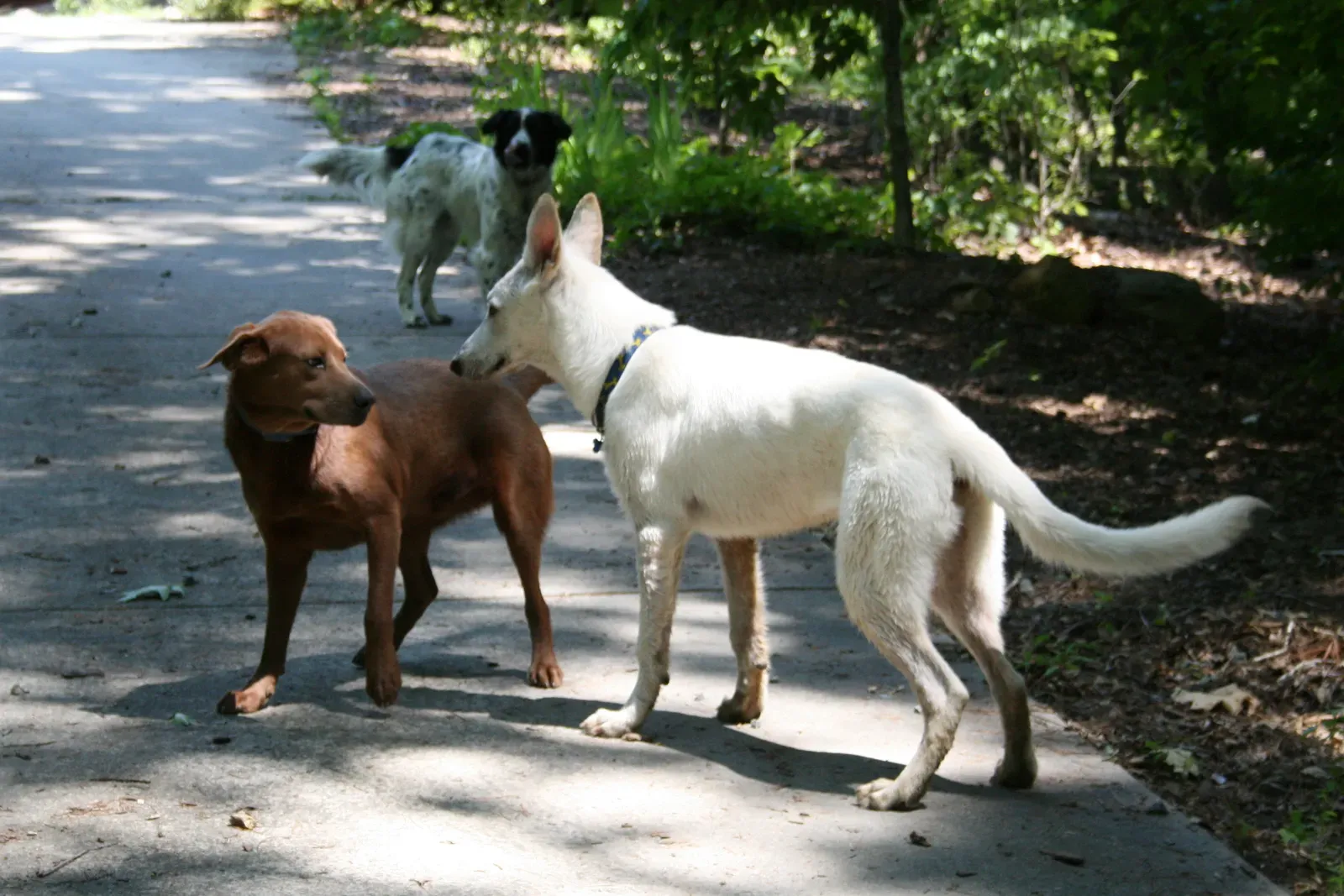
Walks aren’t just about trees and fire hydrants. They’re social classrooms.
Walking your dog is a prime opportunity for socialization. Whether they’re greeting fellow canine friends at the park or exchanging tail wags with friendly neighbors, dogs thrive on the social connections forged during walks. These interactions provide mental stimulation, boost confidence, and foster a sense of belonging. Every encounter with another dog, every friendly wave from a passerby, every bike whizzing by becomes a lesson in how to navigate the world.
When dogs are exposed regularly to new environments and faces, communication with their own species becomes more fluid, reducing fear-driven responses like aggression or withdrawal. Socialization acts as a vital mechanism for improving dog behavior significantly. Think about it like this: a dog who never leaves the backyard becomes fearful of anything unfamiliar. They haven’t learned that strangers aren’t threats, that other dogs can be playmates, or that traffic noise is just part of life.
Walks provide those crucial exposures in manageable doses. Your presence offers security while they learn. Try to avoid taking the same walking route every day. Let your dog experience a variety of environments, from sidewalks to dirt roads. This will provide your growing dog with much-needed mental stimulation. Varying your routes introduces new sights, sounds, and smells, expanding their comfort zone gradually. It’s honestly one of the best investments you can make in your dog’s long-term confidence.
A Deeper Bond Built Step by Step
This might sound sentimental, yet it’s completely true: walks are bonding gold.
Walks are great for both your and your dog’s mental and physical health. It’s an activity that keeps both human and dog physically fit, and it also provides mental stimulation for both parties. In short, it’s an enjoyable activity for you to do together and bond over. When you’re out there together, away from distractions at home, you’re both present in the moment. You’re a team exploring the world side by side.
During your daily walkies, you serve as the guide and leader for your dog. By knowing that you are there to protect, support and keep him safe no matter what happens, your pooch’s affection and bond to you increases. This nurtures a deep-rooted trust and a basis for a strong mutual relationship. Your dog learns to look to you for cues, for reassurance, for direction. That trust doesn’t just appear overnight; it’s built through consistent, positive experiences like these daily adventures.
I think about the dogs I’ve walked over the years. The ones I bonded with fastest were always the ones I walked regularly. We developed a rhythm, a language, an understanding. Walking in different environments and situations helps you to learn nonverbal signs and cues. You understand when your pooch is happy, unsure, worried, scared. Once you understand your canine companion, the more profound and unbreakable the bond between you and your dog will become. That connection matters more than any training technique or expensive toy ever could.
Behavioral Improvements You Can Actually See
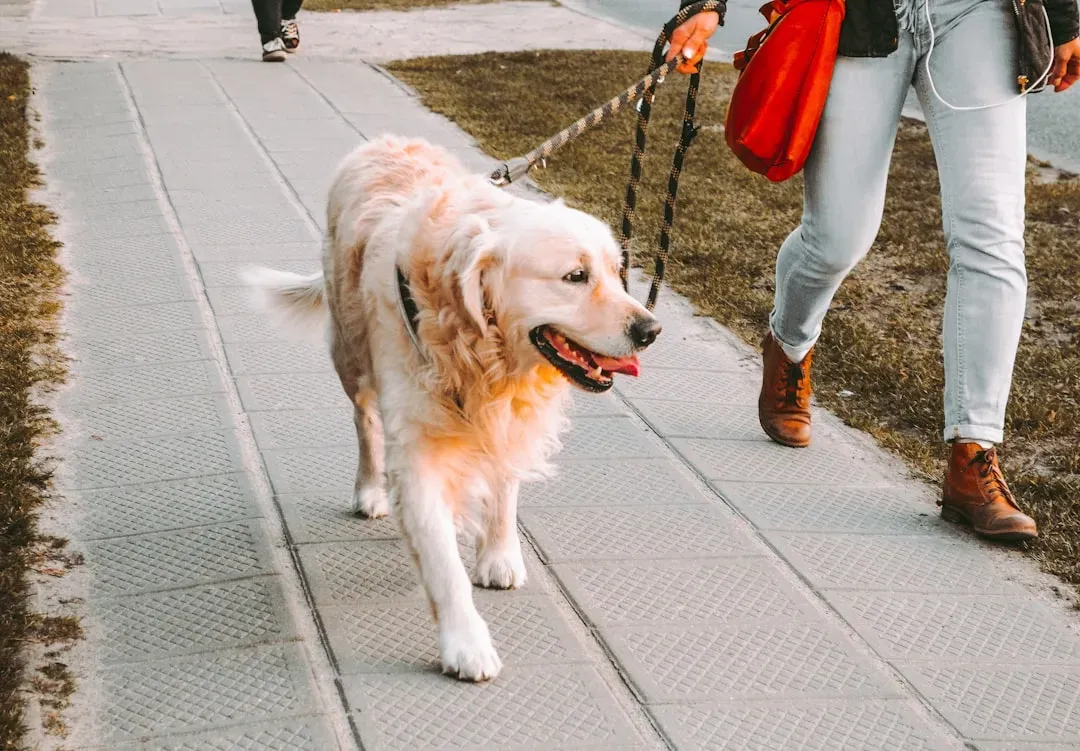
Got a dog who’s destructive at home? Barks excessively? Seems restless and frustrated? The solution might be simpler than you think.
Regular exercise is essential for keeping our dogs physically fit, but did you know it’s also vital for their mental health? Dogs have bundles of energy just waiting to be unleashed, and without proper outlets for physical activity, that energy can quickly turn into restlessness or frustration. Going for a walk allows dogs to burn off excess energy, release pent-up stress, and channel their natural instincts in a positive way.
Mental stimulation during walks keeps dogs engaged, reducing boredom and the likelihood of destructive behaviors like chewing or barking. It’s hard to be a troublemaker when you’re tired and satisfied. A well-exercised dog is generally a well-behaved dog. Not always, but definitely more often than not.
I’ve seen countless dogs whose behavior problems melted away once their owners committed to daily walks. One family had a young Labrador who chewed through furniture, dug holes in the carpet, and drove them absolutely crazy. After just two weeks of consistent morning and evening walks, the destruction stopped almost entirely. The dog wasn’t bored anymore. His needs were being met. Structured walking routines, alongside exposure to a myriad of sights, sounds, and even smells, nurture a dog’s learning and adaptability. New experiences regularly challenge them and hone their instincts, leading to a more balanced and secure pet. Sometimes the simplest solutions are the most powerful.
Improved Sleep and Better Routine

Ever noticed how your dog crashes after a good walk? That’s not a coincidence.
A consistent walking routine doesn’t just make you happier – it also helps regulate sleep patterns. Moderate exercise during the day promotes deeper, more restful sleep at night. With better rest, your body and mind feel recharged, allowing you to handle stress more effectively. The same applies to your dog. Physical activity combined with mental stimulation creates the perfect recipe for quality rest.
At least 30 minutes of light to moderate exercise (that you can easily get from taking your dog for a walk) can help you achieve deeper, more restful sleep. This works both ways. You’re getting better sleep too, which improves your mood, your patience, and your overall wellbeing. Win-win situation right there.
Routine matters enormously for dogs. They thrive on predictability. When walks happen around the same time each day, your dog knows what to expect. Their internal clock adjusts. They become calmer during off-hours because they’re not constantly anticipating when the next exciting thing will happen. I’ve noticed this with my own dogs: once we established a solid morning and evening walk routine, their daytime behavior became noticeably more relaxed. They weren’t pacing or whining by the door because they knew exactly when adventure time would arrive.
Confidence Building in Unfamiliar Situations

Confidence isn’t something dogs are just born with. It’s built through experiences.
Facilitating socialization during dog walking periods encourages them to be more accepting and resilient. Think of the world from your dog’s perspective: their walks are an exciting opportunity to explore and interact. Each new environment, each novel sound, each different texture underfoot teaches your dog that the world isn’t so scary after all.
This period allows puppies to be exposed to a wide variety of sights, sounds, smells, and sensations without becoming fearful. Puppies who miss out on these experiences may never learn to be comfortable around unfamiliar things, paving the way for anxiety, fear, and aggression later on in life. While this critical window is most important for puppies, adult dogs absolutely benefit from continued exposure too.
I’ve walked dogs who started out terrified of everything: bicycles, skateboards, children playing, even rustling leaves. Through patient, consistent walks where we gradually introduced these triggers at a safe distance, they learned to handle them. If you want to desensitize your dog to certain triggers, you can start by slowly exposing your dog to the trigger. You’ll want to start with a bit of exposure here and there, and build up more exposure once you can tell that your dog is getting more accustomed to the trigger. Over time, those scary things became just part of the background. That’s confidence being built, one walk at a time. Your dog learns they can handle whatever the world throws at them because they’ve practiced with you by their side.
Conclusion
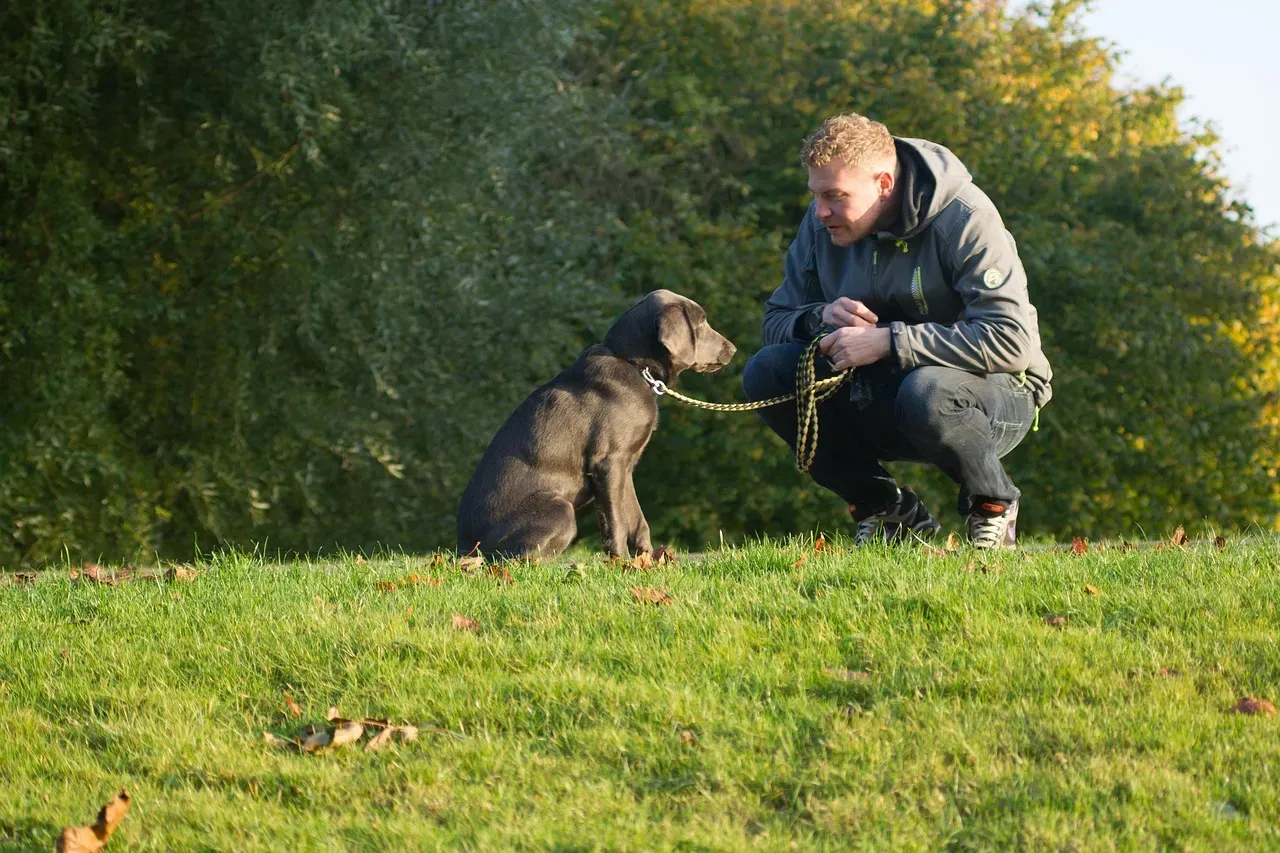
Daily walks aren’t just about getting your dog to the nearest patch of grass and back. They’re about mental enrichment, emotional wellbeing, social development, and building an unshakeable bond between you two. Every step you take together is an investment in your dog’s happiness and health in ways that extend far beyond their waistline.
So next time you’re tempted to skip that walk or rush through it, remember what’s really happening out there. You’re not just exercising your dog. You’re helping them process the world, manage their anxiety, build confidence, and connect with you on a deeper level. That’s pretty extraordinary when you think about it.
What do you think? Have you noticed any of these surprising benefits during your walks? I’d love to hear about your experiences. Drop your thoughts in the comments below.


