

Ever watched your dog stare longingly out the window, waiting for you to come home? Or noticed how their whole body lights up when they spot another pup at the park? Dogs are social creatures at their core. We love them, cherish them, spoil them rotten. Yet sometimes, despite all our affection and attention, something feels like it’s missing for them.
Here’s something most dog lovers wrestle with at some point: is my dog lonely? The guilt can be crushing when you leave for work each morning, seeing those sad eyes follow you to the door. Maybe you’ve wondered whether getting a second dog would help. Honestly, it’s one of those decisions that can transform your household in ways you never imagined. Let’s explore why two dogs might just be the perfect pack for your family.
They Speak the Same Language

Dogs were more likely to initiate play and seek out the company of other dogs, even when humans were readily available. Think about it like this: you can be the most attentive dog parent in the world, but you’ll never quite communicate the way another dog can.
Canine body language is incredibly nuanced. The play bow, the raised paw, the soft mouth during wrestling. These are conversations happening in real time that we humans can only partially decode. When your dog has a canine companion, they’re finally speaking their native language fluently.
Dogs that interacted with other dogs had lower levels of cortisol, the stress hormone that wreaks havoc on both human and canine bodies. Lower stress means better overall health. Your dogs literally calm each other down just by being together.
Built-In Entertainment and Exercise Partners

Let’s be real: how many times have you promised yourself you’d take your dog for that second walk, only to collapse on the couch after a long day? Life gets hectic. Work demands pile up. Sometimes we just can’t give our dogs all the physical activity they crave.
Two dogs solve this problem beautifully. They chase each other around the yard, wrestle in the living room, and invent their own games. I’ve watched pairs of dogs entertain themselves for hours with nothing more than a tennis ball and their combined imagination. The older one teaches the younger one the rules, and suddenly you’ve got a self-sustaining play system.
This doesn’t mean you’re off the hook for walks and playtime, of course. Your involvement still matters tremendously for bonding and training. However, on those inevitable days when you’re swamped, your dogs won’t be climbing the walls with pent-up energy. They’ll tire each other out naturally through play, which is exactly how dogs are meant to exercise anyway.
Emotional Support Goes Both Ways

Dogs that have other dogs or companion animals in the household live longer and are healthier, according to recent research findings. This isn’t just about physical health either. The emotional benefits are profound.
Dogs experience anxiety, fear, and even grief. Dogs can experience human feelings including stress, anxiety, depression, and grief, making their emotional landscape surprisingly similar to ours. When you leave for work, having another dog present can significantly reduce separation anxiety. They’re not facing the empty house alone.
I think about dogs who’ve lost their longtime companions. The surviving dog often goes through visible mourning, losing interest in food and play. Having multiple dogs provides a buffer against this devastating loneliness. They comfort each other in ways we simply cannot replicate, no matter how much we love them.
Socialization and Confidence Building
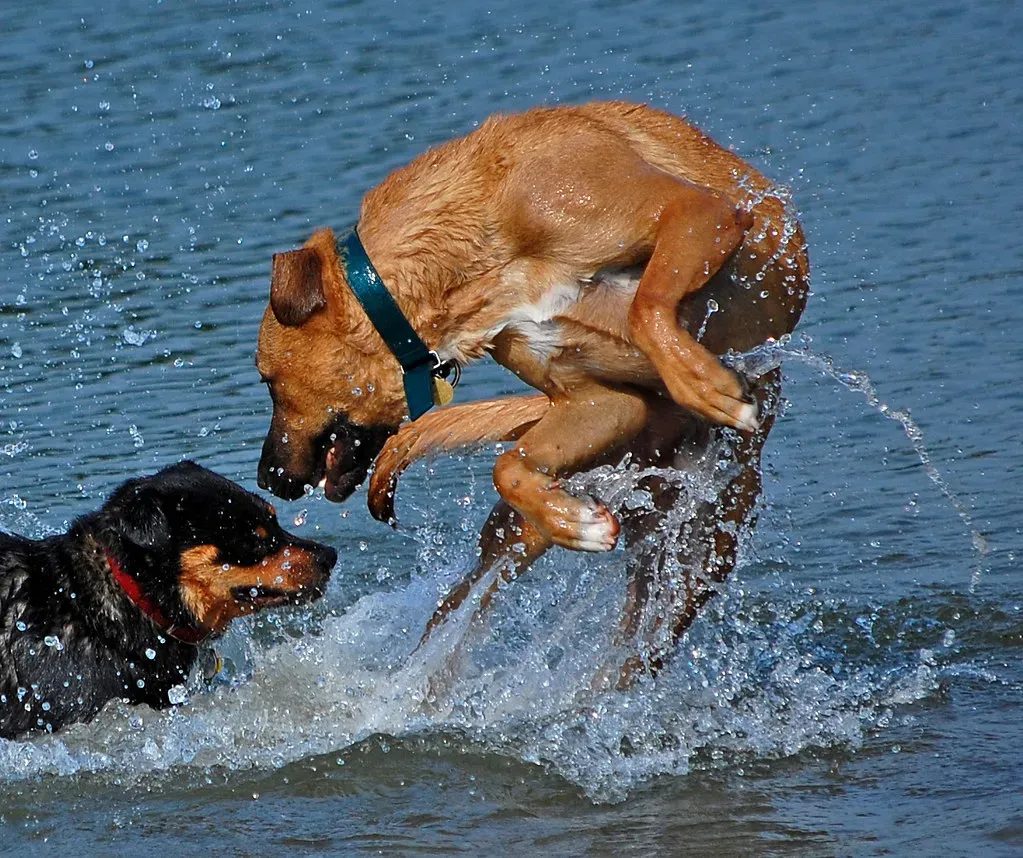
Dogs that are socialized with other dogs had better social skills and were more confident. This makes perfect sense when you consider how dogs learn from each other through observation and interaction.
A shy or nervous dog often gains tremendous confidence from watching a more outgoing canine companion navigate the world. The nervous pup sees their buddy approach new people without fear, investigate strange objects with curiosity, and generally handle life with aplomb. That modeling effect is incredibly powerful.
Younger dogs especially benefit from having an older, well-trained dog in the home. Puppies watch and mimic. If your established dog sits politely for treats, comes when called, and walks nicely on leash, the puppy absorbs these lessons almost effortlessly. You’re essentially getting a canine training assistant who works around the clock. The learning curve shortens dramatically.
This works in reverse too. An older dog often gets a new lease on life when a younger companion arrives. That senior who’d been slowing down suddenly rediscovers their playful side. The dynamic breathes fresh energy into their golden years.
Better Behavior and Mental Stimulation
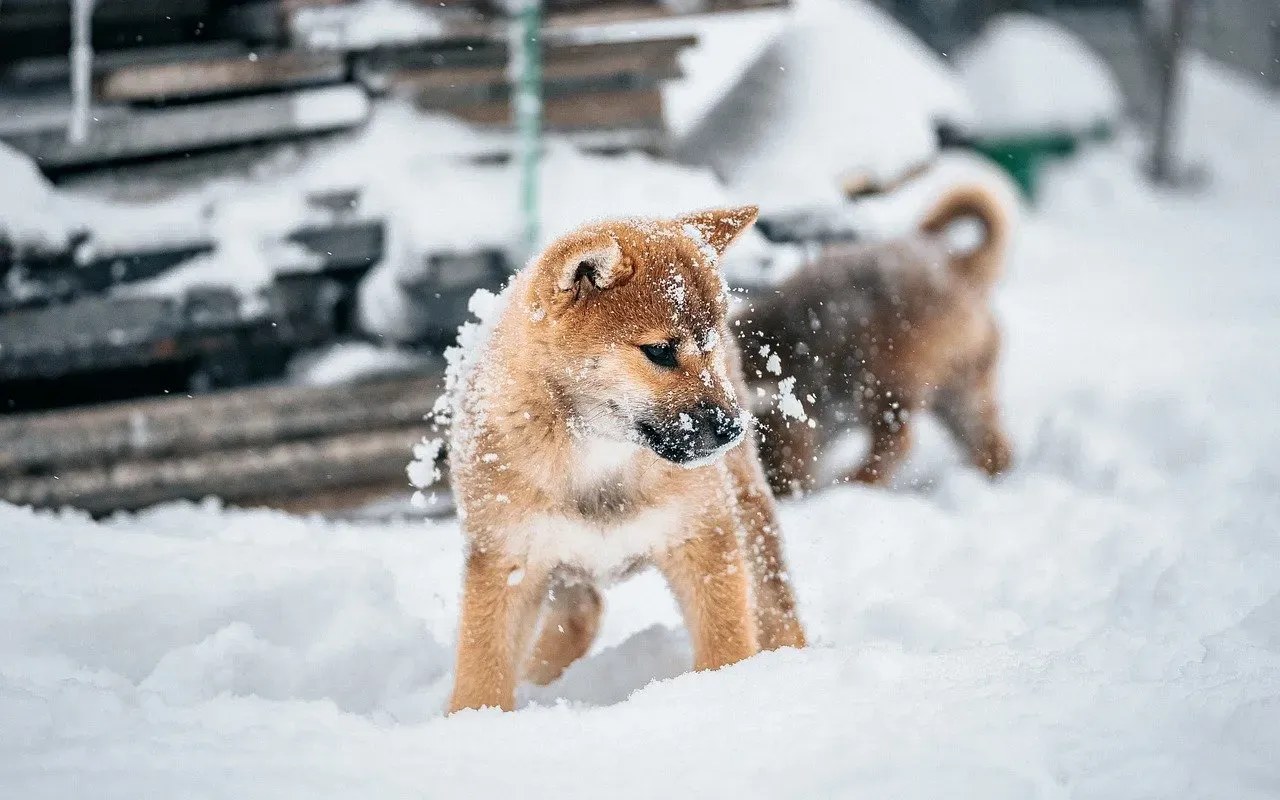
Bored dogs are destructive dogs. We’ve all heard the stories about the couch that got disemboweled or the garden that got enthusiastically excavated. A lack of mentally and physically stimulating activities can lead to anxiety and destructive behavior, so keeping dogs engaged becomes crucial.
Two dogs keep each other mentally sharp. They problem-solve together, whether that’s figuring out how to get a toy from under the couch or working out the hierarchy around feeding time. Canines are social pack animals, and this social structure actually provides mental enrichment all day long.
The constant interaction means their brains stay active. They’re reading each other’s signals, negotiating play styles, and establishing their relationship dynamics. All of this cognitive work happens naturally, without you having to invest in expensive puzzle toys or dedicate hours to training sessions. Though those things still have value, of course.
You might also notice that behavioral issues decrease. A dog acting out for attention becomes less common when they have a buddy. They’re getting social interaction constantly, which fulfills that deep pack instinct that domestication hasn’t erased.
The Joy Factor Doubles
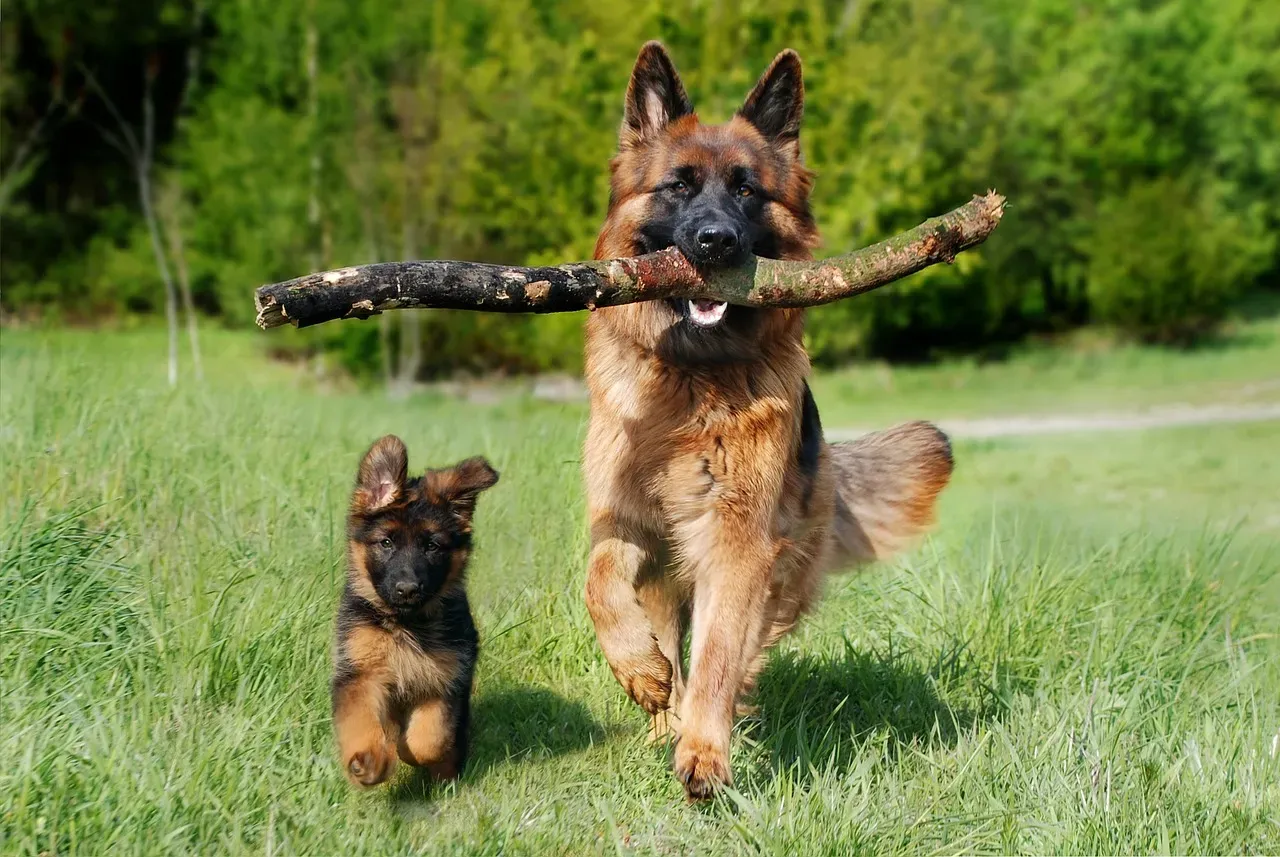
Here’s something nobody warns you about when you get a second dog: watching them bond will absolutely melt your heart. The way they greet each other after being separated. How they curl up together for naps. The private jokes they seem to share.
You get to witness a friendship unfold right in your home. There’s something incredibly special about seeing your dogs develop their own relationship, independent of you. They become companions, playmates, partners in crime. The dynamic they create adds richness to your household that’s hard to describe until you experience it.
Sure, there are challenges. Two dogs mean double the vet bills, twice the food costs, and more complex logistics when traveling. You need to manage their relationship carefully, ensuring neither feels neglected or jealous. The initial adjustment period requires patience and oversight. It’s definitely more work in some ways.
Yet most multi-dog households will tell you the same thing: the benefits far outweigh the drawbacks. The house feels fuller, livelier, more complete. Your dogs are happier because they have each other. You’re happier because they’re happier. It’s a beautiful cycle.
Final Thoughts

The decision to add a second dog to your family shouldn’t be made lightly. Consider your lifestyle, your space, your financial situation, and most importantly, your current dog’s temperament. Not every dog wants a companion, and that’s okay too. Some truly prefer being an only child.
However, if the circumstances align and you have the capacity to welcome another furry family member, you might be amazed at how it transforms your household. Dogs are pack animals by nature, hardwired for social connection with their own kind. Giving them that gift of companionship honors who they really are.
The house gets louder, messier, and infinitely more chaotic. The love multiplies exponentially. What do you think? Could your pack handle one more? Tell us in the comments about your multi-dog household experiences.


