
How to Get an Adopted Dog to Become a Cuddlebug
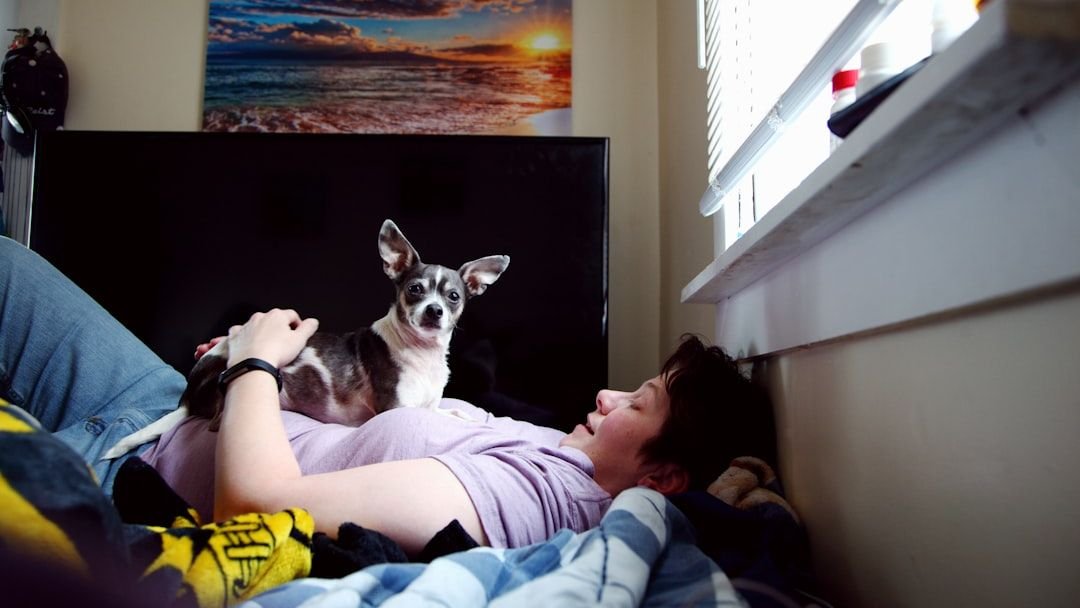
You’ve just brought home your new rescue pup. Your heart is overflowing with love, and you’re already imagining cozy evenings on the couch with your furry companion nestled beside you. Then reality hits. Your dog seems nervous, distant, maybe even avoidant of touch. You reach out for a pat, and they flinch or walk away.
It stings a little, doesn’t it? Here’s the thing though: this isn’t about you. Many rescue dogs come from uncertain or challenging backgrounds, and it can take time for them to feel safe and secure in their new home. The good news is that with patience, understanding, and some intentional bonding strategies, you can absolutely help your adopted dog transform into the affectionate cuddlebug you’ve been hoping for. Let’s dive into how.
Understanding Your Rescue Dog’s Past Without Dwelling on It
Look, we’ll never know exactly what happened before your dog came into your life. Many rescues often come from troubled homes or situations, some have been abandoned, some have been mistreated and others have lost owners, and they often have trust issues. That’s a heavy burden for a dog to carry.
Most rescue dogs have one or more of these traits: they may be scared, they are often shy, they may be overprotective, they have severe separation anxiety, and they seek affection but run away from it at the same time. These contradictory behaviors can feel confusing, even frustrating. Give yourself permission to feel those emotions while remembering this isn’t personal. Your dog is simply trying to navigate a world that hasn’t always been kind to them. The path to becoming a cuddlebug starts with accepting where your dog is right now, not where you wish they were.
Create a Safe Haven Where Vulnerability Feels Possible

Think about it this way. Would you want to snuggle up to someone if you didn’t feel completely safe around them first? Every dog needs a place where they can retreat and feel safe, and this is especially important for rescue dogs who might feel overwhelmed in a new environment. Before you can expect cuddles, you need to establish a foundation of security.
Set up a cozy corner with a bed or crate where your dog can relax undisturbed, don’t force your dog to interact if they retreat to their safe spot, and provide comforting items like toys, blankets, or items with familiar scents. This designated space becomes their emotional fortress. Once they know they can always retreat without judgment or pursuit, they’ll start to feel brave enough to venture out and engage with you. Trust me, this counterintuitive approach of giving space actually brings them closer faster.
Let Your Dog Set the Pace for Physical Contact
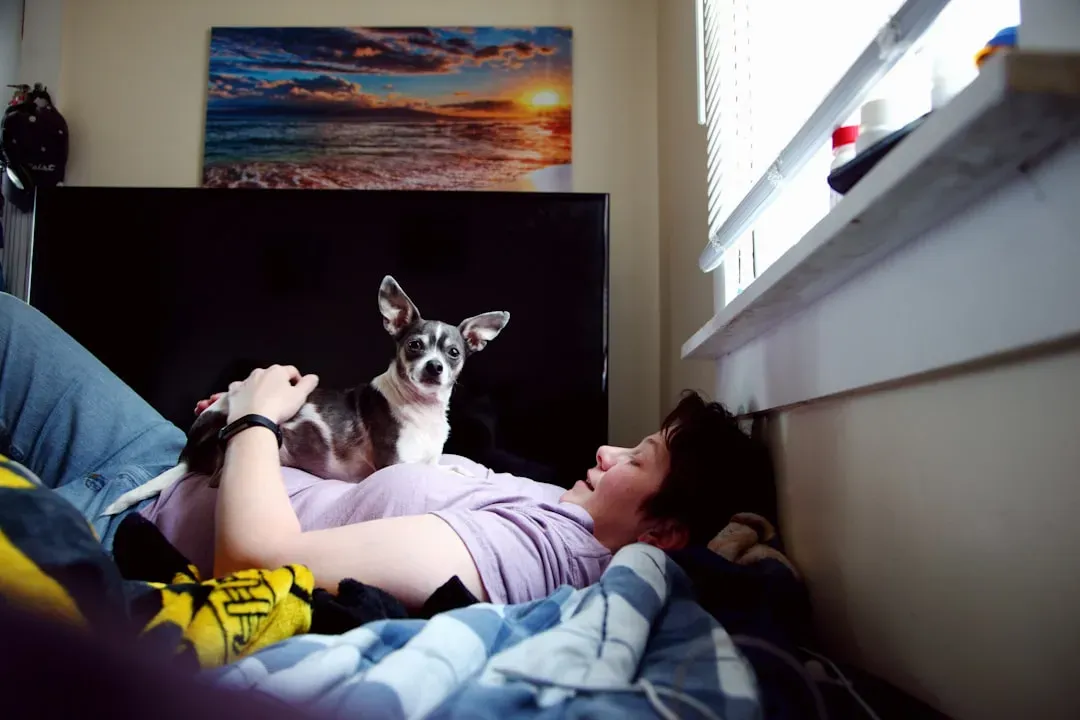
I know you’re eager to shower your new friend with affection. Honestly, who wouldn’t be? Yet one of the biggest mistakes new rescue parents make is moving too fast with physical touch. Right from the start, make a promise to both yourself and your pup that you’ll give them plenty of time and space to adjust to their new life, not rushing in and trying to pet or cuddle them right away.
Let your dog dictate the pace and come to you in their own time, as this will serve you well in the long run. Try sitting on the floor at their level instead of looming over them. Allow them to approach you rather than reaching toward them. When they do come near, resist the urge to immediately grab them for a hug. Instead, maybe offer a gentle scratch under the chin or on the chest rather than reaching over their head, which can feel threatening. Watch their body language closely. Are they leaning into your touch or pulling away? That tells you everything you need to know.
Build Trust Through Predictable Routines and Positive Reinforcement
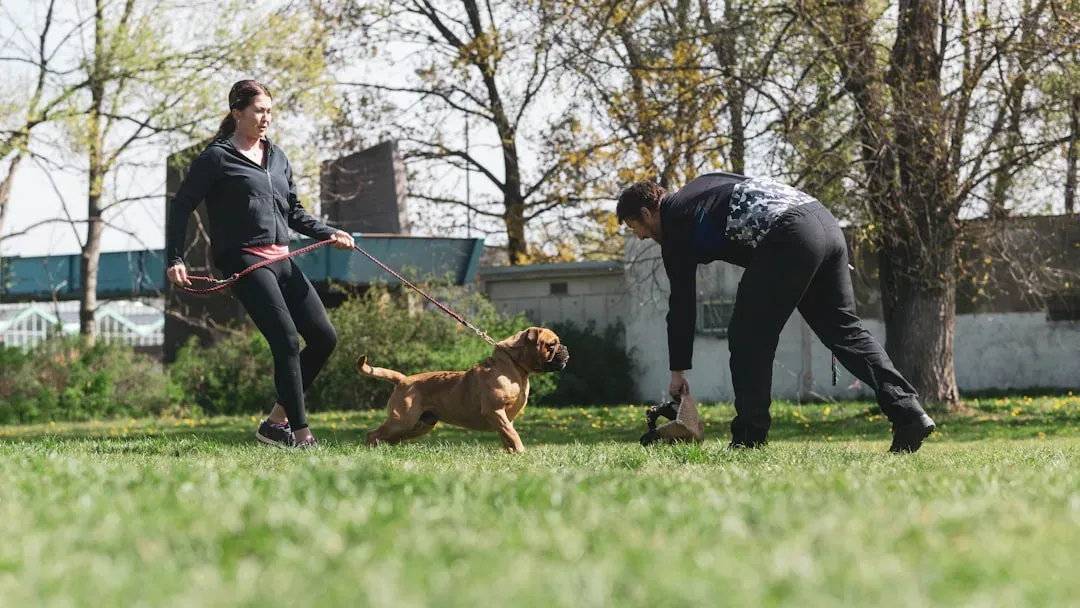
Dogs need consistent routines to feel secure, so establish regular feeding, walking, and playtimes to help your dog feel more at home, as this consistency helps the dog understand what to expect, reducing anxiety, and over time, your dog will begin to trust you more. There’s something deeply comforting about knowing what comes next, right? Dogs feel the same way.
Feed them at the same times daily. Walk them on a predictable schedule. Create little rituals around bedtime or playtime. Reward your dog with treats, praise, or affection when they exhibit positive behaviors. Each time your dog takes a brave step toward you, shower them with praise or a high value treat. Approached you voluntarily? Celebrate it. Made eye contact? That deserves recognition. These small moments of positive reinforcement stack up, building a bridge of trust between you. Eventually, your presence becomes associated with good things, safety, and comfort.
Harness the Power of Oxytocin Through Gentle Interaction
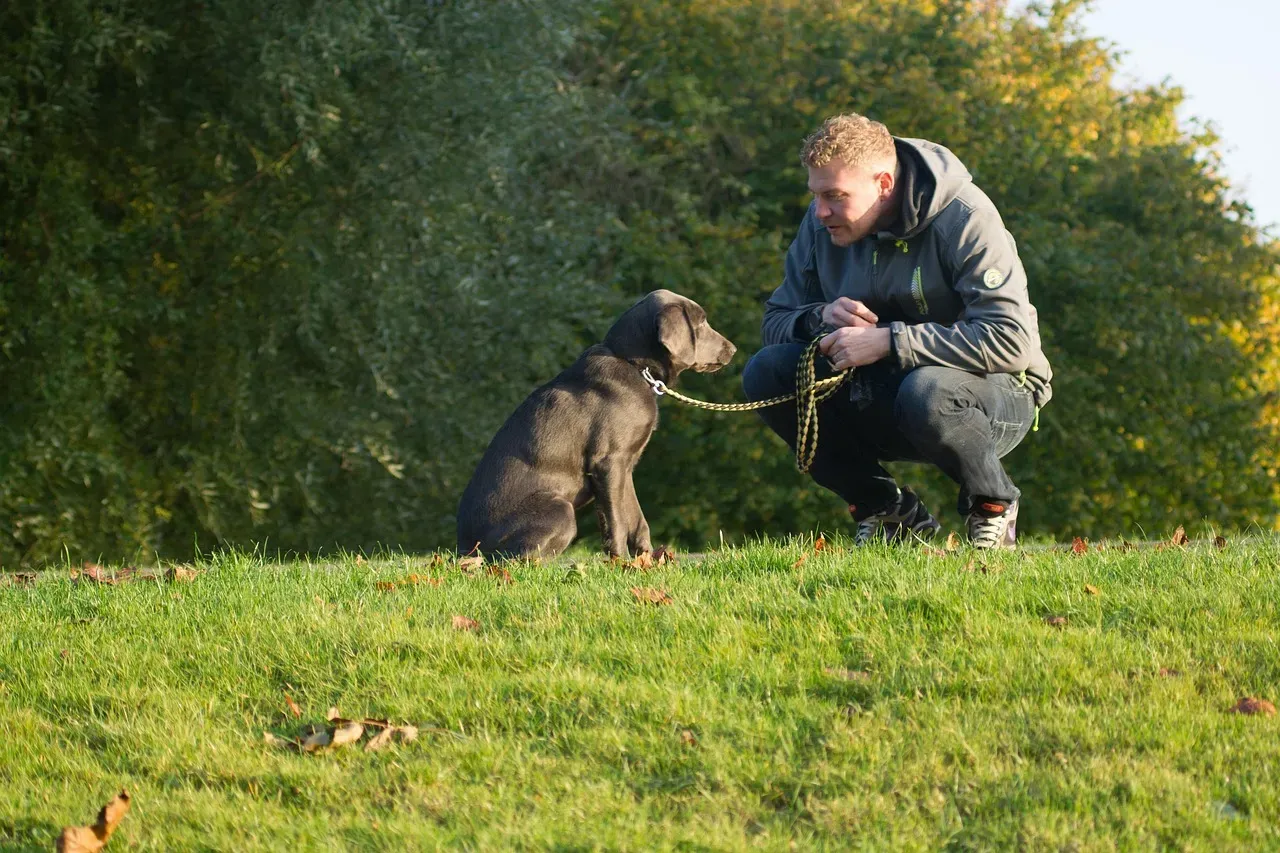
Here’s where the science gets beautiful. When dogs and humans interact with each other in a positive way, for example cuddling, both partners exhibit a surge in oxytocin, a hormone which has been linked to positive emotional states. This creates what researchers call a positive feedback loop. You gaze at your dog with affection, your oxytocin rises, your dog feels that warmth and gazes back, their oxytocin rises, and the cycle continues.
Of the duos that had spent the greatest amount of time looking into each other’s eyes, both male and female dogs experienced roughly a one hundred thirty percent rise in oxytocin levels, and both male and female owners a three hundred percent increase. That’s remarkable. Start with simple, low pressure interactions like sitting near your dog while reading, talking to them in a soft voice, or engaging in gentle play. Physical contact involving stroking was shown to best trigger a rise in oxytocin. When your dog is ready, those gentle strokes during calm moments will chemically bond you together in ways that feel almost magical.
Transform Everyday Activities Into Bonding Opportunities
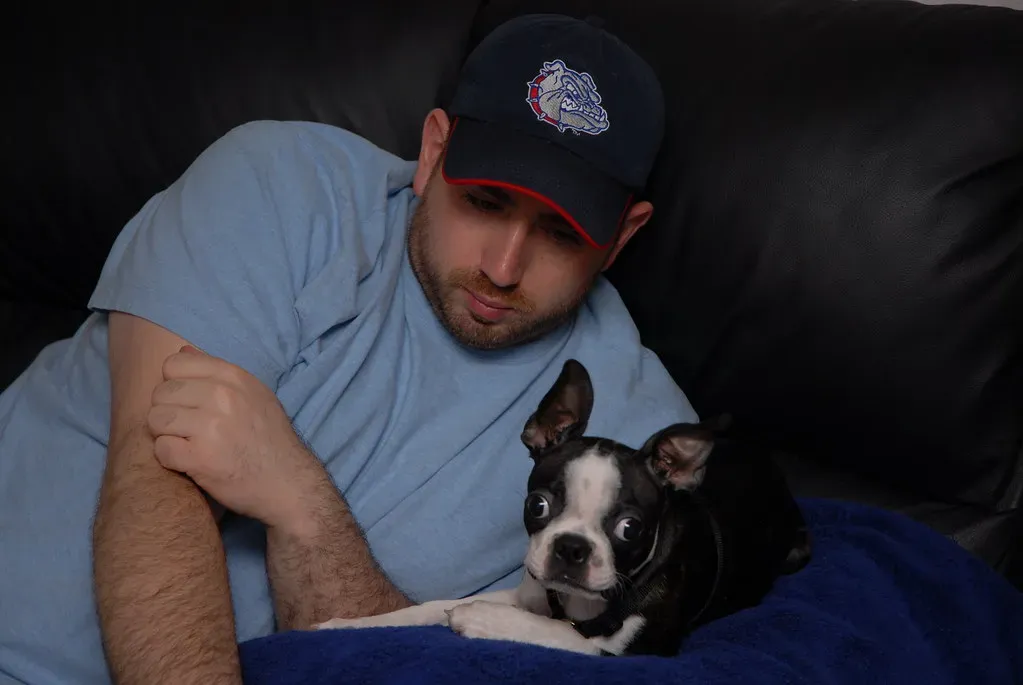
The secret to creating a cuddlebug isn’t necessarily doing more, it’s doing things differently. Hand feeding a treat is a great way to bond because it involves personal touch, plus you are giving your dog a treat, so it is sure to win them over. Try hand feeding part of their meals occasionally. This simple act builds trust and creates positive associations with your touch.
Grooming is another way to bond with your dog because it involves close contact and physical touch, as a gentle grooming tool massages and relaxes your dog while building your relationship, and bath time develops your dog’s trust in you to ease them through a stressful situation. Even walks become bonding gold when you focus on the connection. Talk to them as you stroll. Let them sniff and explore. Make it about shared experience rather than just exercise. These moments weave together to create a tapestry of trust that eventually manifests as those sought after couch cuddles.
Conclusion: Patience Transforms Distance Into Devotion
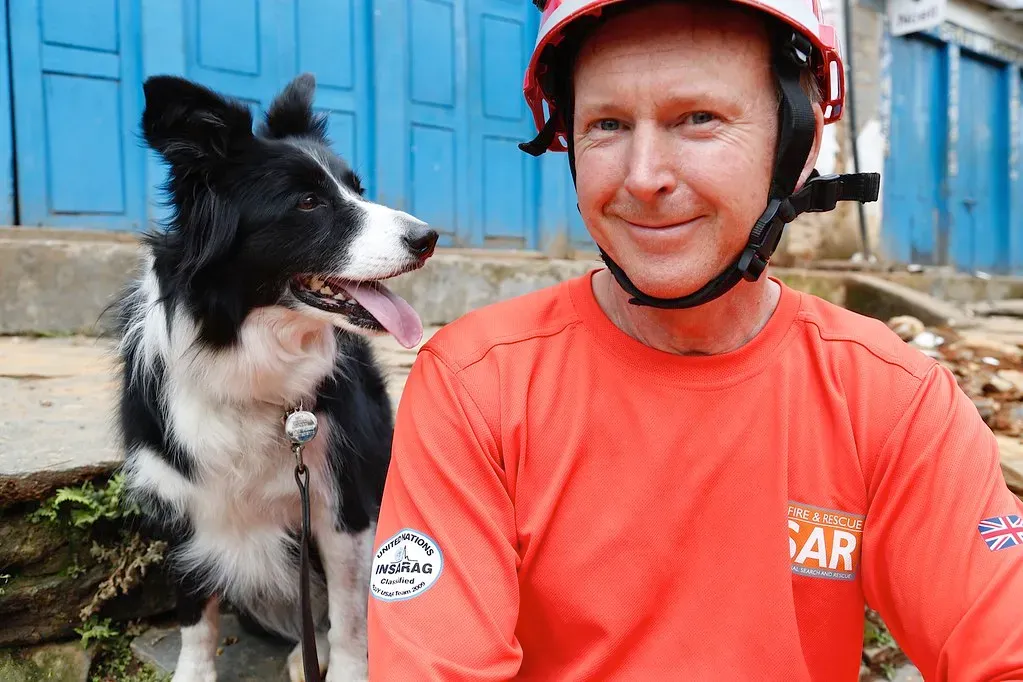
Building trust with a rescue dog is a journey that takes time, patience, and love, as every dog is unique, and some may take longer to adjust than others, yet trust isn’t built overnight, but with consistent care, your dog will learn to trust and love you unconditionally. Some dogs become cuddlebugs within weeks. Others might take months or even longer. The timeline matters less than the trajectory.
What you’re really doing here is rewriting your dog’s story about what humans mean. You’re showing them that touch brings comfort, not pain. That closeness brings safety, not danger. That vulnerability with you is rewarded, not punished. One day, probably when you least expect it, your dog will hop up beside you on the couch, circle once or twice, and settle in with a contented sigh. In that moment, you’ll realize all the patience was worth it. What do you think about your rescue’s journey so far? Have you noticed any small breakthroughs that hint at the cuddlebug waiting to emerge?