

You’ve probably noticed it. Some dogs can’t get close enough to you, practically melting into your lap like they’re trying to become one with the couch. Others? They’re content across the room, maybe offering a glance or tail wag but definitely keeping their personal bubble intact. If you’ve ever wondered whether your pup’s breed plays a role in their cuddling habits, you’re asking the right question.
Here’s the thing. Breed does matter, but it’s not the whole story. Think of it more like a predisposition rather than a guarantee. Your Golden Retriever might be genetically wired to adore close contact, while your Shiba Inu might prefer admiring you from afar. Yet individual personality, early experiences, and even how you’ve raised your dog can shift those tendencies in surprising ways. Let’s dig into what really influences whether your furry friend is a snuggle champion or more of an independent spirit.
The Genetics Behind the Cuddles
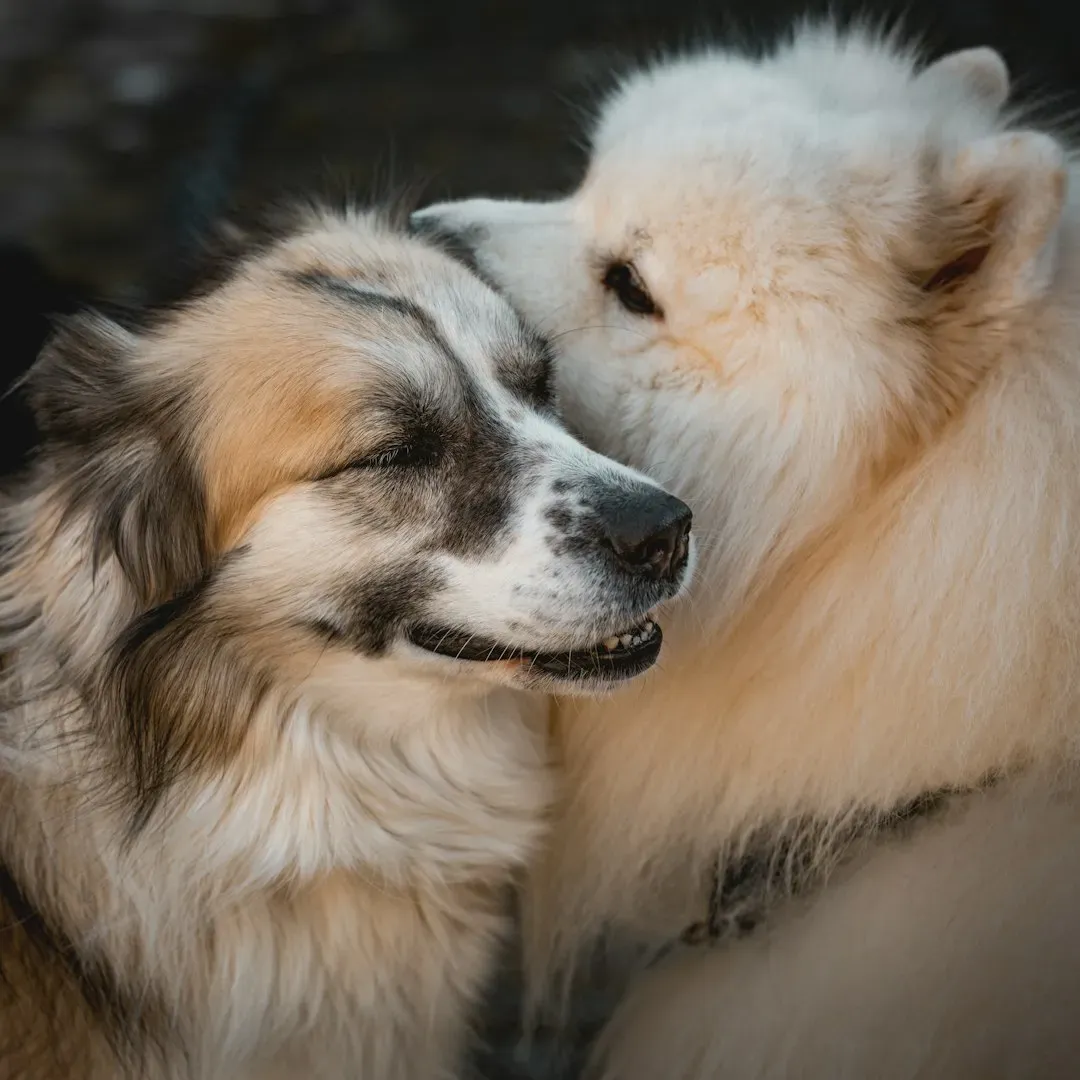
Genetics can certainly play a part, as some dogs have been bred to exhibit these traits over others. For centuries, humans have selectively bred dogs for specific jobs and temperaments. Some dog breeds have been bred to be independent and less affectionate, while others are bred for the opposite, such as the Maltese, Pomeranian and Yorkshire Terrier which have been bred to be lap dogs.
When breeders selected dogs who thrived on human closeness, they weren’t just choosing friendly pups. They were selecting for oxytocin responses, pack bonding behaviors, and a desire to stay near their humans. Some dogs are born lovers, with breeds like Golden Retrievers, Cavaliers, and Labs being famously affectionate. This isn’t just anecdotal. Research involving over 40,000 responses from pet owners with single-breed dogs showed that customers rated their dog’s cuddliness from 1 to 5 in a General Behaviors survey, with responses grouped by breed.
The work a breed was originally designed to do matters too. Retrievers and spaniels were bred to work closely alongside humans, which naturally fostered affection and cooperation. Compare that to hounds bred for independent hunting over vast distances, and you’ll see why some breeds just aren’t hardwired for constant contact.
The Snuggle Champions: Breeds That Live for Lap Time
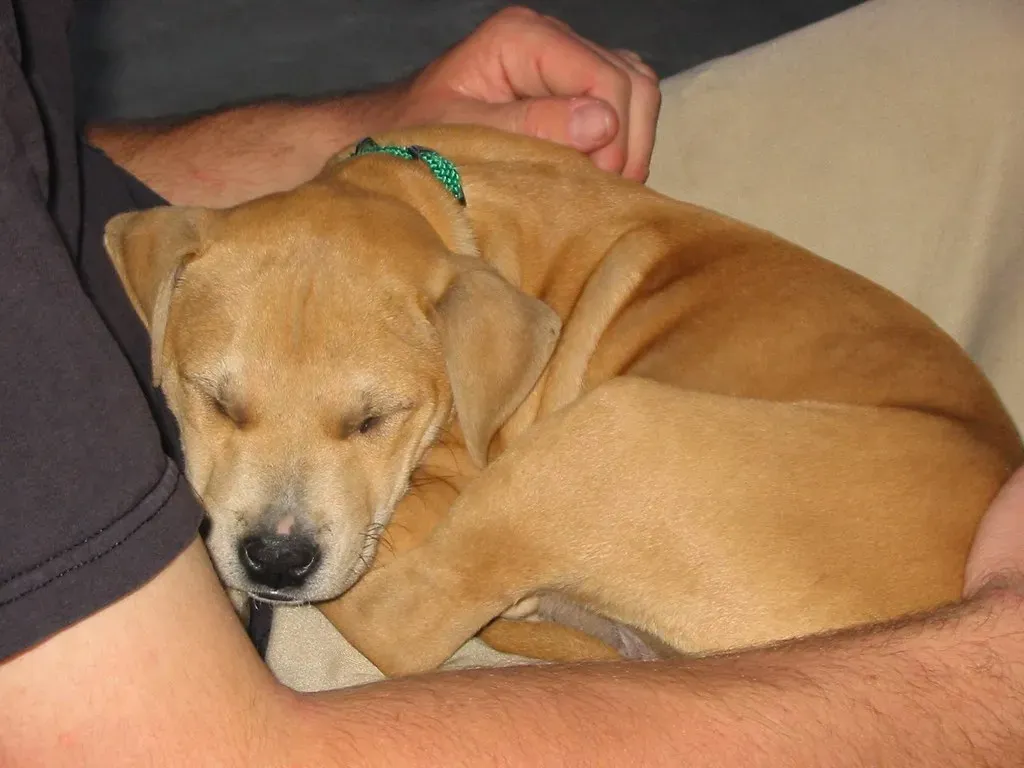
Let’s be real. If you want a dog who treats your lap like their personal throne, certain breeds are practically guaranteed to deliver. Labradors have gained a reputation as the world’s favorite dogs for a reason – they are one of the most affectionate dog breeds. Labs aren’t just friendly with you. They’re friendly with everyone, and they show it through enthusiastic tail wags, constant companionship, and yes, plenty of cuddles.
Bernese Mountain Dogs love to cuddle and show their affection through physical contact. Despite their massive size, these gentle giants act like they weigh about ten pounds when it comes to snuggling. Brussels Griffons earned the nickname “Velcro dogs” because they want to be with their humans all the time, being both playful and sensitive.
Then there’s the Cavalier King Charles Spaniel, which was literally bred to warm royal laps. Their personality and temperament can be described as merry, endearing, gentle, playful, trusting, and devoted. Pugs also rank high on the cuddle scale. Recent studies published in PLOS ONE found that short-nosed dogs tend to be more affectionate than their long-nosed counterparts, and the Pug certainly fits in quite nicely with this description. Who knew that smushed faces came with extra love?
The Independent Spirits: Breeds That Value Their Space
Not every dog wants to be draped across your chest while you binge-watch your favorite show. Some breeds were built for independence, and honestly, there’s something refreshing about their self-sufficiency. These less affectionate dog breeds are simply more independent, liking to hang out with their humans but not going to give a kiss to any old person.
Considered to be one of the oldest breeds, Afghan Hounds don’t like strangers and tend to be aloof, having been bred to survive in the cold mountains of Afghanistan. Similarly, the Basenji has a reputation for being reserved. The Basenji is the “barkless dog” that howls instead, and this small African hunting breed is famous for bonding with one special person and guarding them for life.
Chow Chows might look like living teddy bears, but appearances can be deceiving. The Chow Chow may look incredibly snuggly but they are known to be almost cat-like in their behaviour – fiercely independent and largely eschewing cuddling, petting or patting. Scottish Terriers, Malamute pups and Cairn Terriers also don’t enjoy cuddles, with much like humans, not all dogs showing affection the same way. These breeds aren’t cold or unloving. They just express their devotion differently, often through loyalty and protection rather than physical touch.
Beyond Breed: What Else Shapes Snuggle Behavior
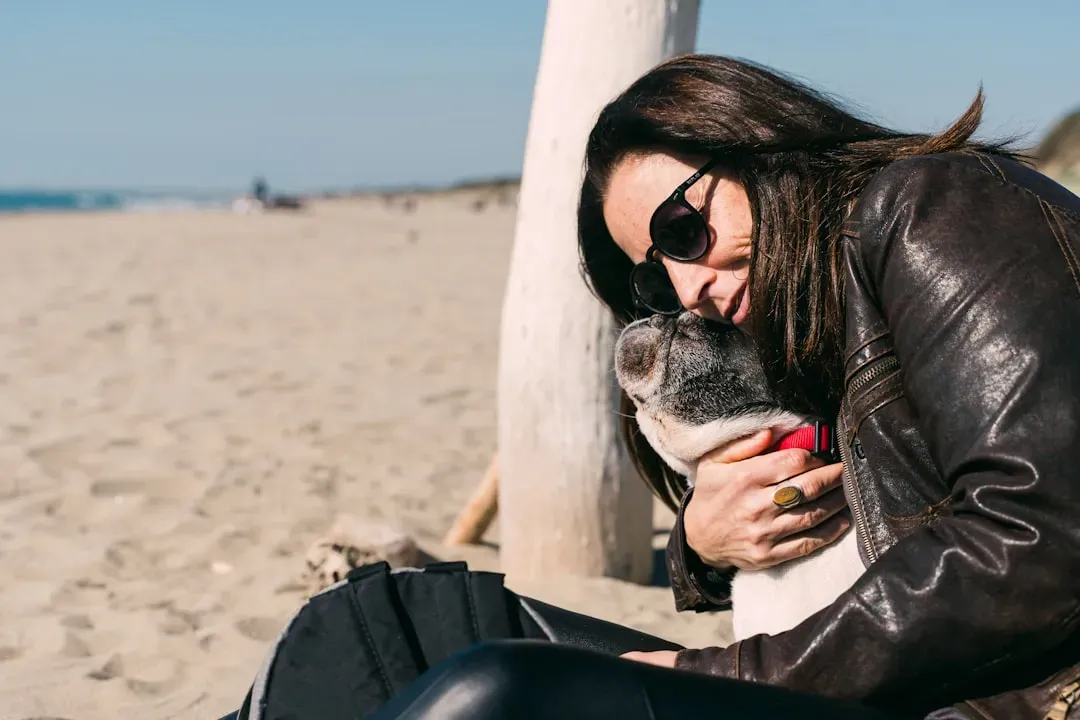
Here’s where it gets interesting. Every dog has a different way of showing affection, which could be dependent on their breed or genetic makeup, or because of early life experiences. A Golden Retriever raised in isolation might not be as cuddly as expected, while a typically independent breed raised with constant positive reinforcement and gentle handling might surprise you with their affection.
Some dogs don’t like to cuddle because of the heat, as our dogs have a higher body temperature than we do and it’s harder for them to cool down, so cuddling produces a lot of heat your dog might not want when it’s hot out. Temperature matters more than most people realize. Your pup who’s glued to your side in January might suddenly prefer the tile floor come July.
If you have a dog that has a seemingly sudden change in their preferences, from either changing from cuddly to aloof or shifting from standoffish to velcro, it is possible that this change could be due to a medical condition. Pain, arthritis, or discomfort can make a previously snuggly dog avoid touch. It’s not personal. It’s survival instinct kicking in to protect a sore spot.
Trust plays an enormous role too. Establishing trust is the number one way to get your dog to be more affectionate, as dogs who feel relaxed, content, and comfortable with humans are more likely to show affectionate behaviors, with consistent training expediting the process.
Reading Your Dog’s Unique Cuddle Language
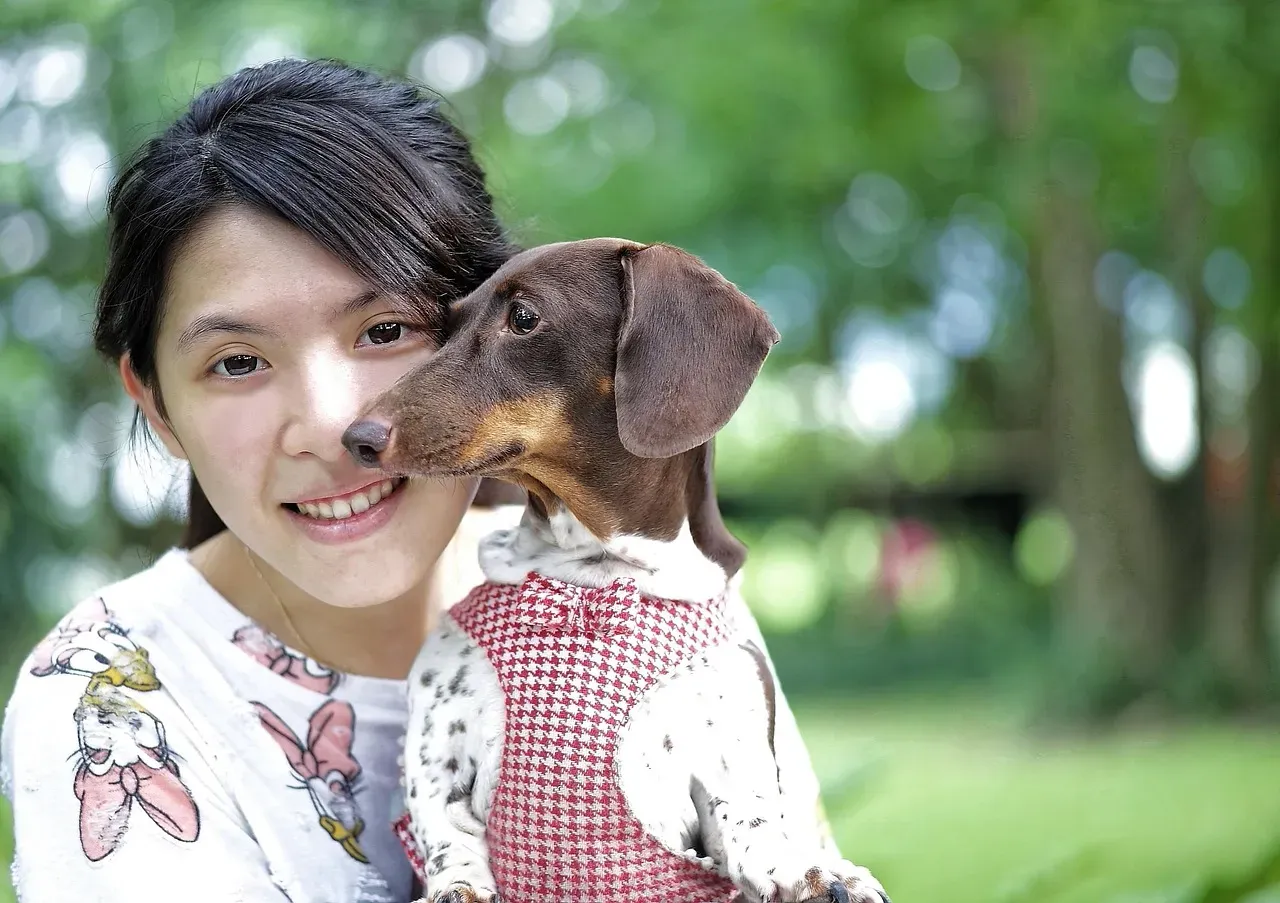
Your dog might not be a lap sitter, but that doesn’t mean they’re not showing you love. Just like us, dogs want and need physical contact, with many sitting or sleeping near their owner as a way to cuddle, while others invite cuddles or pets by rolling over, vocalizing in a specific way, or approaching with a wiggly body.
Pay attention to the signals. Does your dog lean against your leg when standing? That’s their version of a hug. Do they bring you toys or follow you from room to room? That’s affection, just not the cuddly kind. Some prefer to snuggle on your lap, while others want to keep their distance a bit but will allow belly rubs or ear scratches, with some dogs rolling over on their back to ask for a belly rub while others keep that belly fully protected and only ask for their back or ears to be scratched.
The key is respecting what your dog wants, not forcing what you want. The main reason why some dogs dislike cuddles and hugs is that they are physical communicators and when you cuddle or embrace them it restricts their ability to effectively communicate, making them feel uncomfortable and vulnerable. Forcing cuddles on a dog who doesn’t want them won’t make them more affectionate. It’ll just make them more anxious.
Can You Teach a Dog to Love Cuddling?
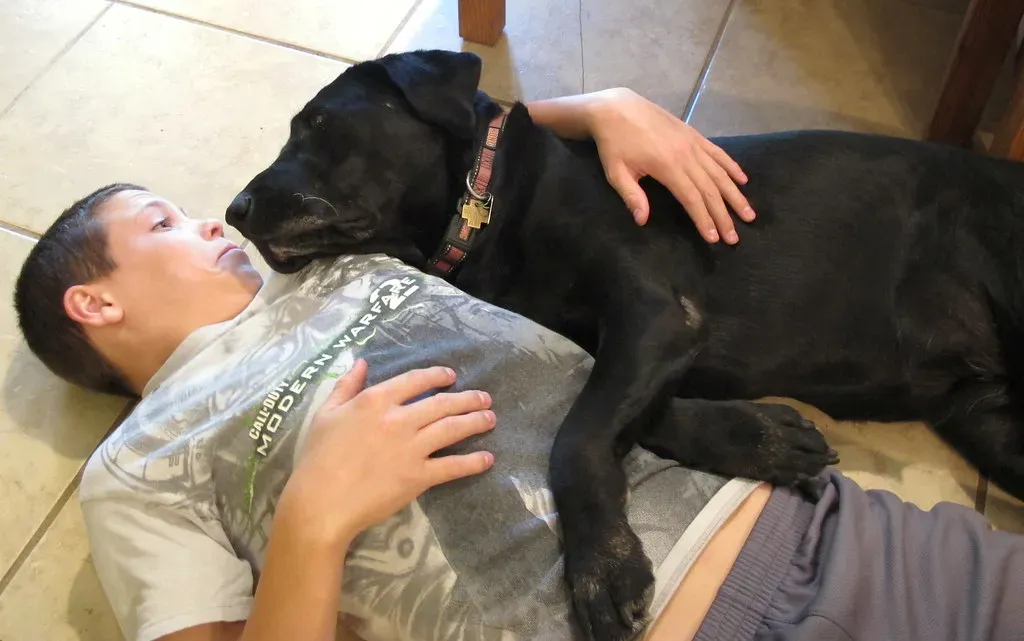
Short answer? Sort of. You can’t fundamentally rewire a dog’s temperament, but you can absolutely build positive associations with closeness. Socializing and training your dog from the first day they come home is crucial, as every dog is unique and has unique needs, with rescued dogs requiring different approaches than puppies, and in many cases it may be helpful to enlist the services of a dog behavior specialist or dog trainer.
Start small. If your dog tolerates being near you, reward that with treats and calm praise. Gradually work up to gentle touches, then longer contact. Never force it. Puppies are like sponges willing to soak up everything you teach them, especially everything that is taught with love and kindness, so always keep the training positive and teach your little dog the house rules without using harsh methods.
Any breed with the right amount of love and care can be affectionate. The truth is that some dogs will always prefer a little distance, and that’s perfectly fine. It’s perfectly fine if your pooch doesn’t want to cuddle, as you’ve probably noticed many other ways he thinks you’re awesome, such as during playtime, traveling together, or even waiting patiently for you to return home, with many other activities being essential for your bond and their physical, emotional, and social wellbeing.
Conclusion
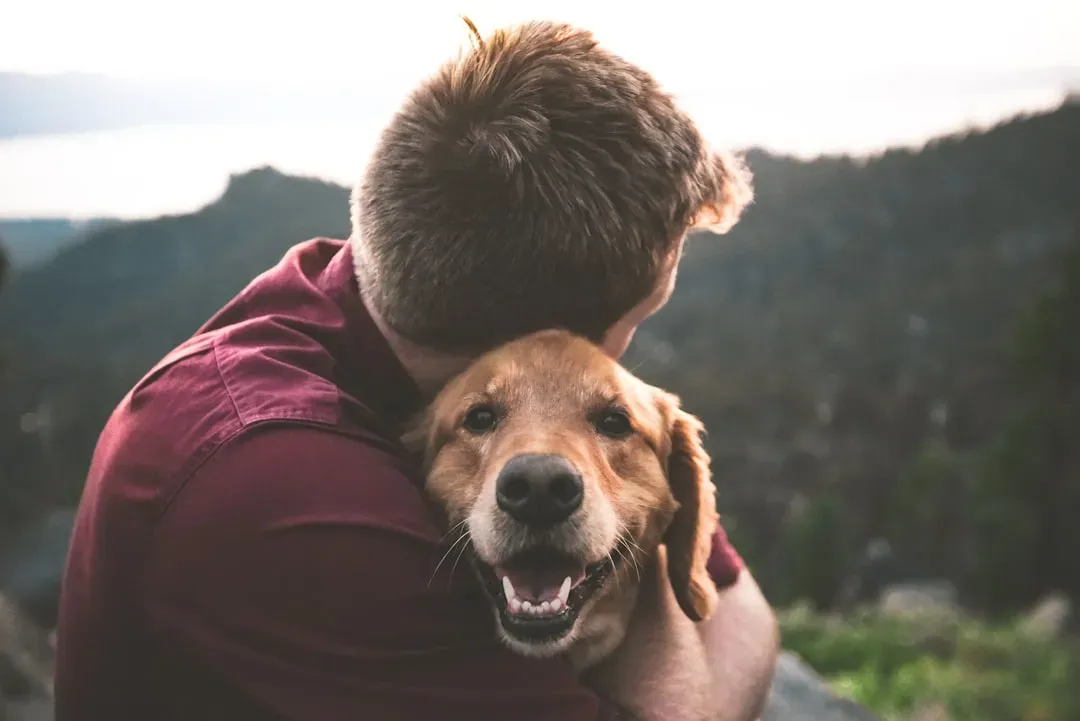
So does breed influence snuggle behavior? Absolutely. All dogs feel love, but breed and genetics influence how they prefer to show and receive it. A Labrador is statistically more likely to be a cuddle bug than a Basenji, and there’s solid science behind that. Yet your individual dog is more than just their breed. They’re a complex mix of genetics, upbringing, experiences, and personality.
The best approach? Choose a breed whose general temperament aligns with what you’re looking for, but stay open to who your specific dog actually is. Some of the most rewarding bonds come from meeting your dog where they are, whether that’s on your lap or across the room. What matters most isn’t how much they physically cuddle you. It’s the mutual respect, trust, and love you build together.
What’s your dog’s cuddle style? Do they match their breed’s reputation, or are they delightfully unpredictable? Either way, you’re lucky to have them.


