
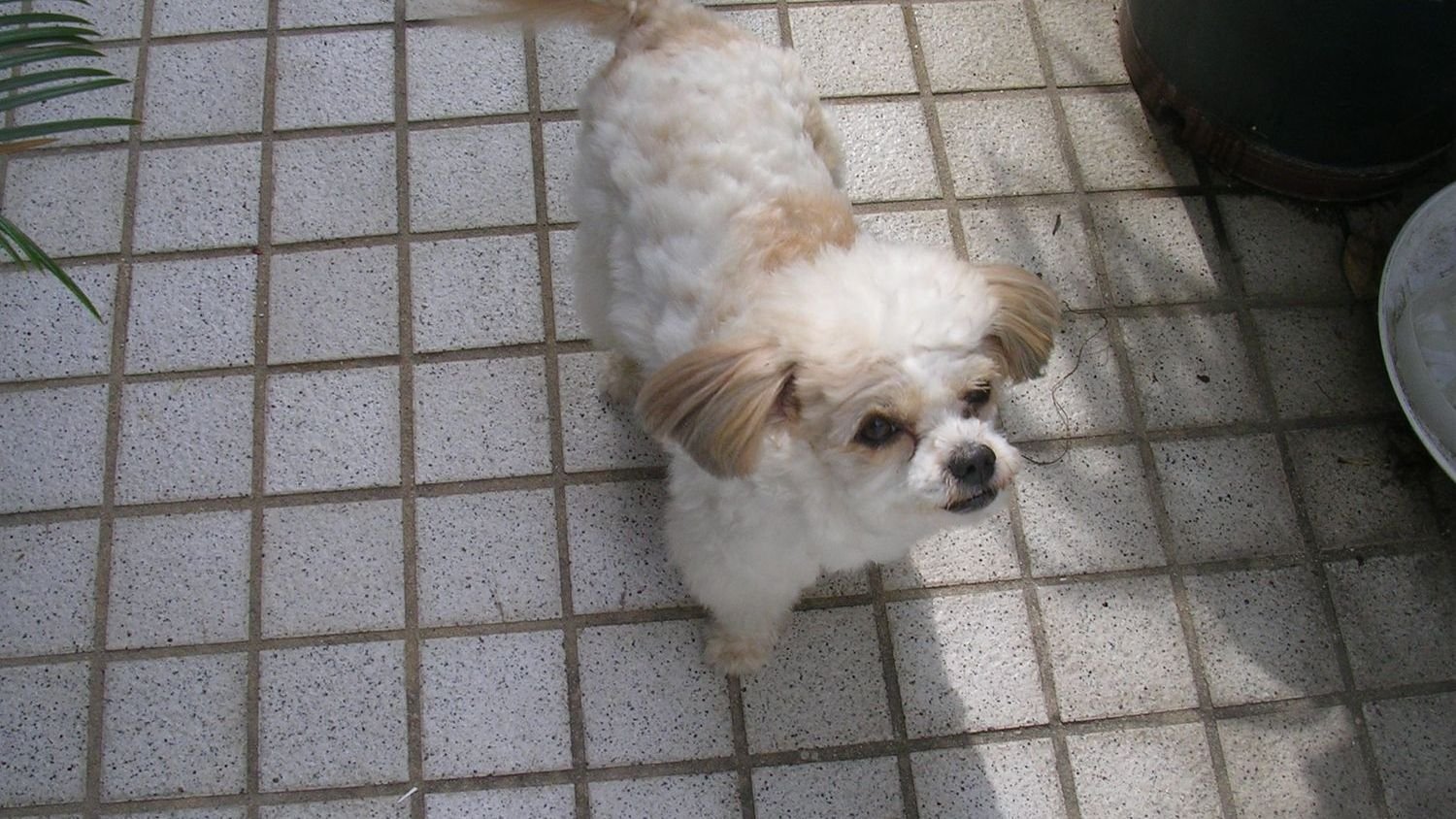
You’ve probably walked through your front door countless times to see your dog’s tail going full helicopter mode, right? It makes your heart swell every single time. We’ve all been taught that a wagging tail equals a happy dog, but here’s the thing: it’s not always that simple. The truth is, your dog’s tail is one of the most sophisticated communication tools in the animal kingdom, and most of us are missing half the conversation.
Think of your dog’s tail like an emotional barometer, constantly shifting and adjusting to tell you exactly what’s going on in their furry head. Sometimes it’s pure joy. Other times, it’s nervousness, uncertainty, or even a warning. Learning to read these signals isn’t just fascinating; it can actually keep you and your dog safer and deepen your bond in ways you never imagined.
The Speed of the Wag Reveals the Intensity of Emotion
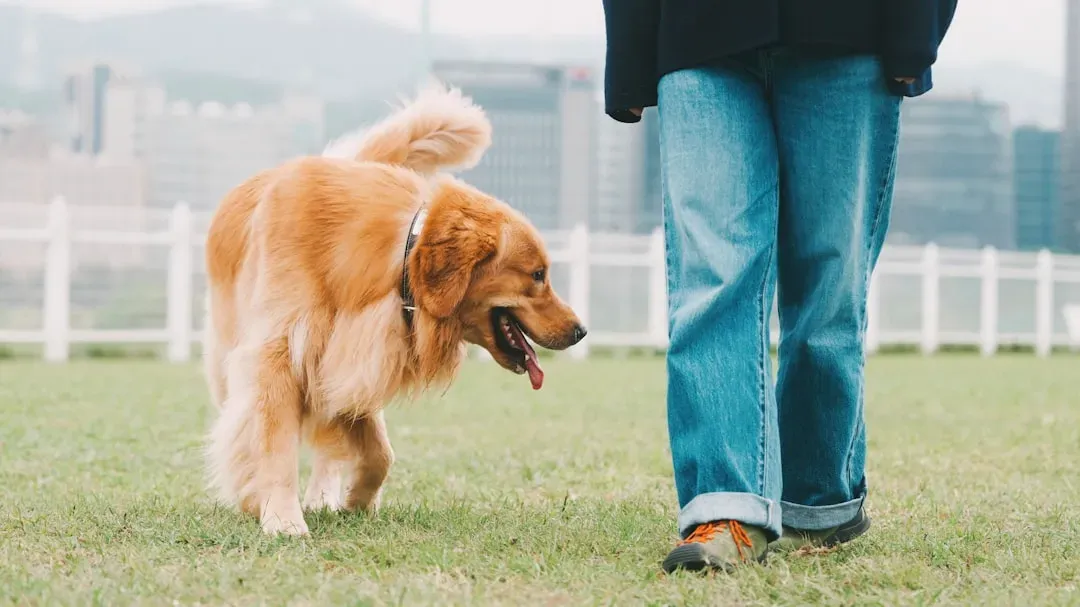
The faster the wag, the more aroused the dog. Picture this: you’re getting your pup ready for a walk, and their tail is moving so fast it’s practically a blur. That rapid-fire movement tells you they’re experiencing heightened excitement or strong emotions. It’s like they’re shouting at full volume.
The wag indicates the intensity of that emotion, and the faster the tail wag, the louder the voice. Slower wags? That’s your dog speaking more quietly, perhaps feeling cautious or uncertain about something in their environment. When you see that leisurely, side-to-side sweep when you come home, that’s contentment mixed with joy.
Generally, a faster wag indicates heightened excitement or a happy dog, though a fast tail wag can also indicate arousal. This is where context becomes everything. A lightning-fast wag at the dog park probably means playtime excitement, but that same speed combined with a stiff body at the vet’s office might signal stress or overstimulation.
Tail Position Is Your Dog’s Emotional Compass
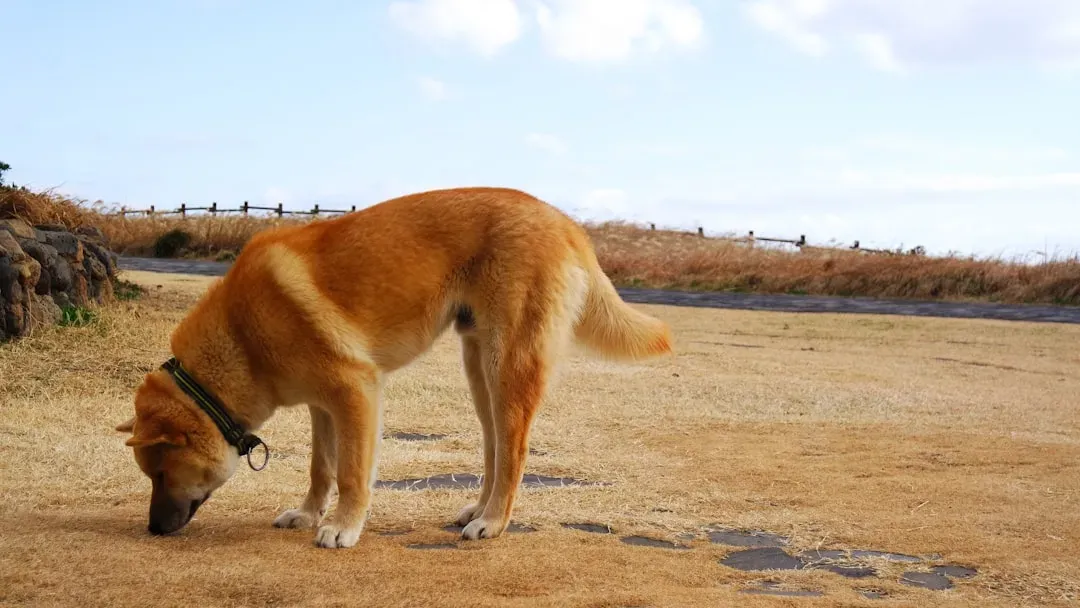
Essentially, the higher the tail, the more assertive the dog. Dogs with their tails pointing down to the ground or even tucked between their legs are feeling fear and stress, while dogs with their tails held up like a flag are feeling confident, perhaps even aggressive. It’s honestly one of the clearest signals you’ll ever get from your pup.
When a dog is expressing happiness or friendliness, their tail is often in a neutral position (the base of the tail is parallel to the ground). This neutral zone is your dog’s relaxed state, their baseline. Every dog breed has a slightly different neutral position though. Most dogs have tails that hang down near their heels when they are relaxed, but some dogs, for example beagles, hold their tails more vertically, while breeds such as greyhounds and whippets curl their tails under their bellies.
A tail held high and stiff? That’s confidence bordering on dominance, and sometimes a warning. When a tail moves from neutral, to taut vertical, to a tight arch over the back, it indicates increased arousal and this tail position is an assertive posture that can progress to an intense aggressive display. Meanwhile, a tucked tail is your dog trying to make themselves smaller, signaling fear or submission.
The Surprising Science Behind Left and Right Wags
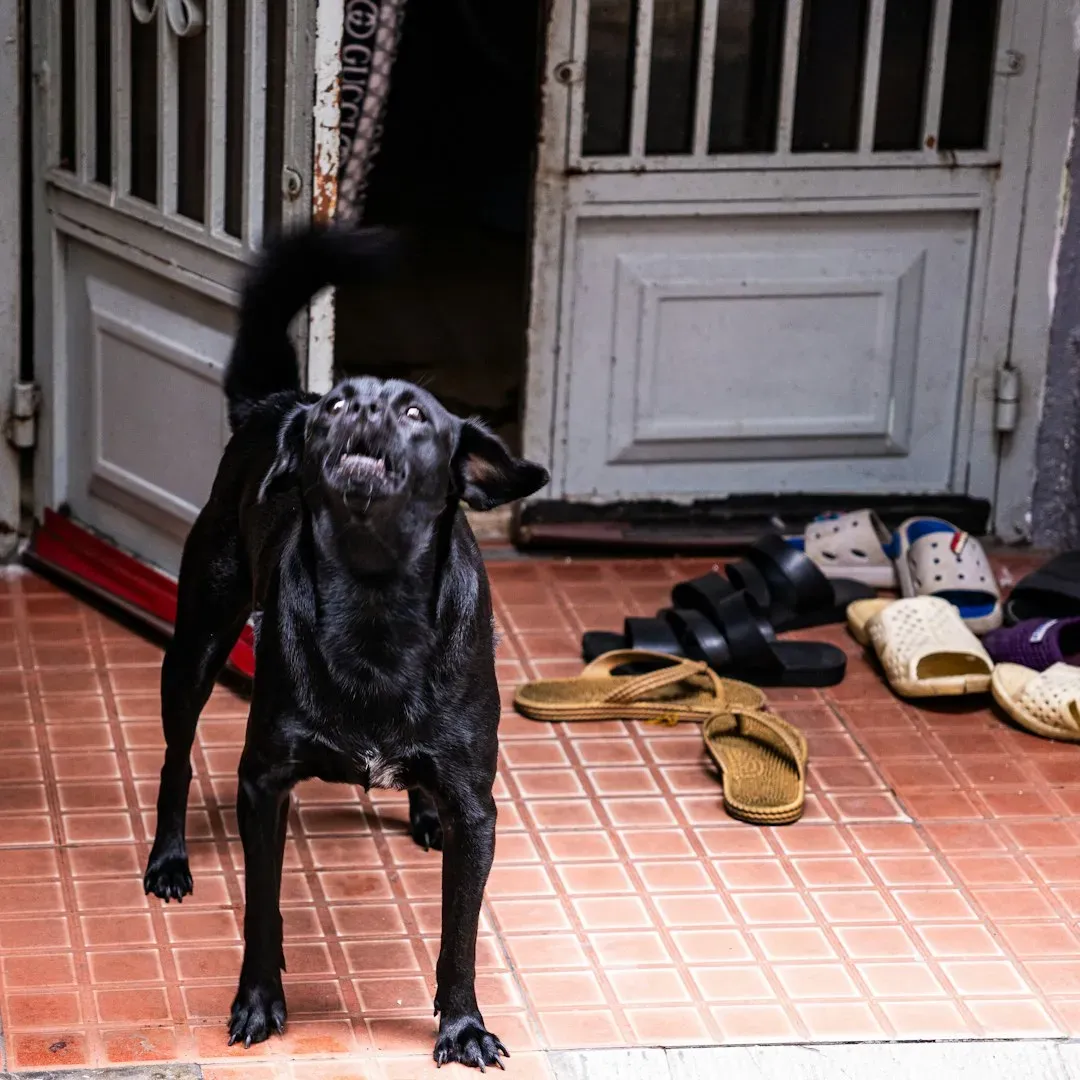
Here’s where it gets really interesting. Research has shown that dogs tend to wag their tails to the right when experiencing positive emotions and to the left when feeling negative or uncertain. I know it sounds crazy, but the direction actually matters.
Often if there’s something a dog encounters that it wants to approach, it wags more to the right side of its body, whereas if there’s something it wants to withdraw from, it wags to the left side of its body, and dogs can perceive those asymmetries in other dogs. This isn’t just random either. It’s connected to brain hemisphere lateralization.
When dogs saw their owners, their tails all wagged vigorously with a bias to the right side of their bodies, while an unfamiliar human caused their tails to wag moderately to the right. Looking at the cat, the dogs’ tails again wagged more to the right but more slowly and with restrained movements, however, the sight of an aggressive, unfamiliar dog caused their tails to wag with a bias to the left side of their bodies. Your dog is literally showing you their emotional response through subtle directional shifts.
Different Wag Styles Tell Different Stories
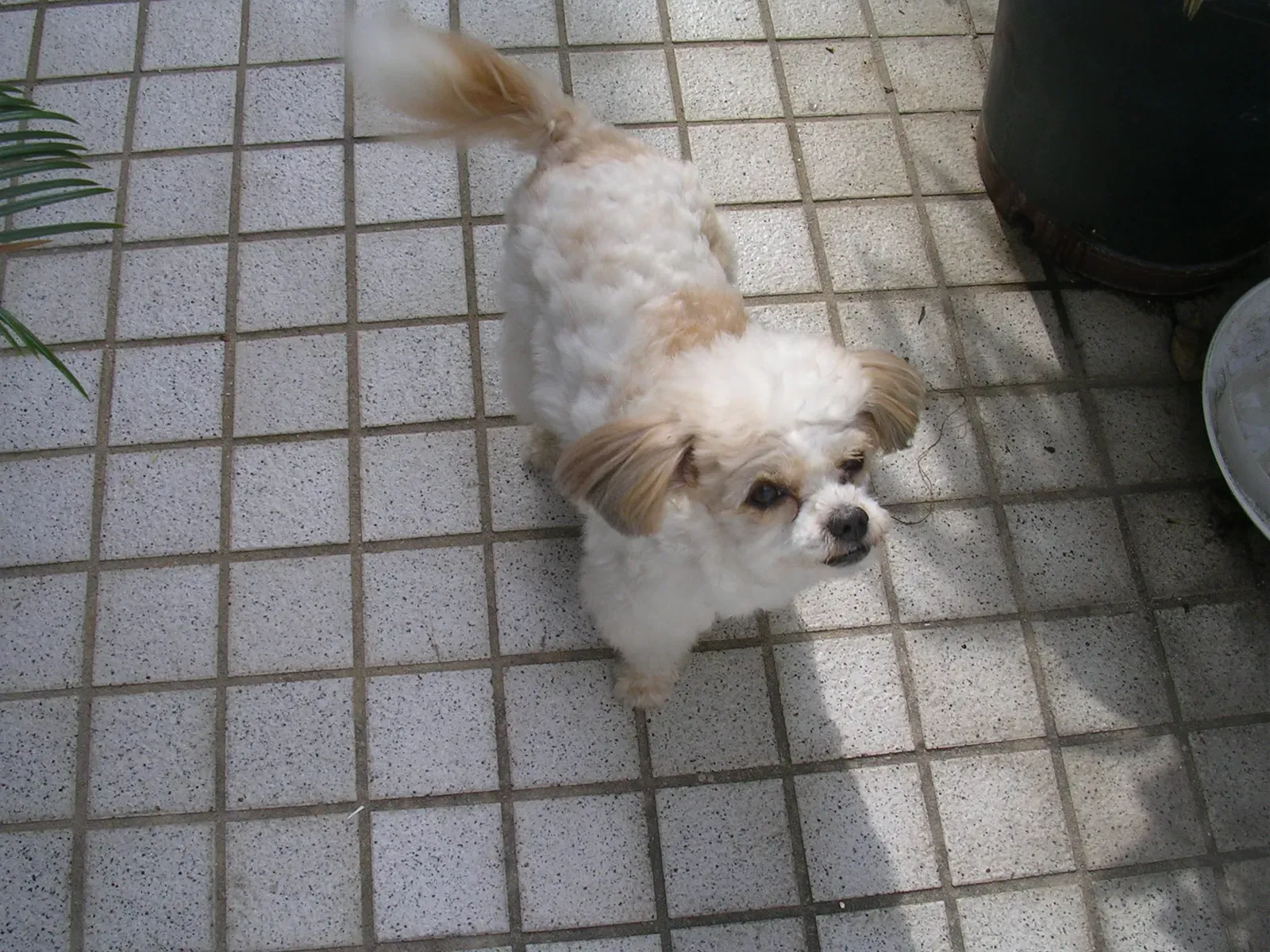
A wide, fast-moving tail wag usually indicates excitement and happiness. Dogs display this type of wag when they see their favorite humans, are about to receive treats, or are engaging in playtime, often accompanied by other friendly body language, such as a relaxed face, wiggling body, and perky ears. This is the wag we all know and love.
Then, there’s the helicopter tail wag (where the dog’s tail spins in a circle). Without question, that’s a happy wag, and you’ll usually see it when a dog is greeting a beloved person. If you’ve never seen this, you’re missing out on one of life’s purest joys. It’s basically your dog’s way of saying they couldn’t possibly be happier to see you.
A very slow wag, while the rest of the body is very still, can mean that a dog is uncertain, anxious, or insecure, and it also can be a warning sign of potential reactivity or dominant behavior. This slow, deliberate movement is your dog weighing their options, trying to figure out if they should approach or retreat. When you see this, give your pup some space and let them decide their comfort level.
Reading the Whole Picture Beyond Just the Tail
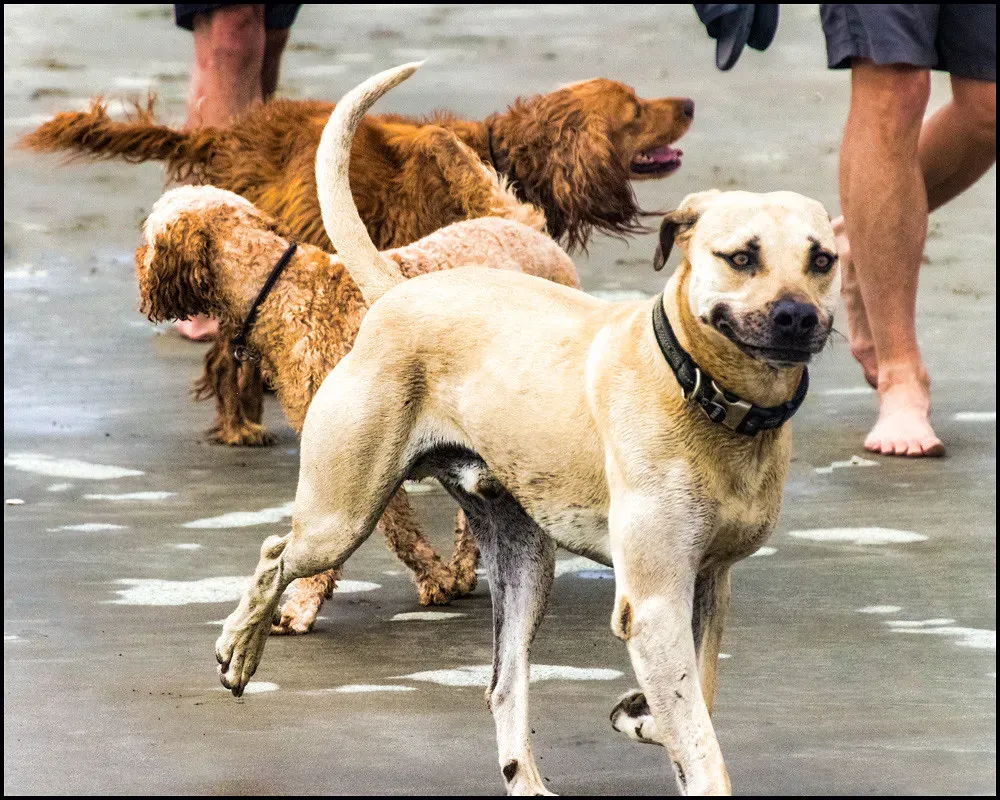
Let’s be real: focusing only on the tail is like listening to just the bass line and ignoring the rest of the song. No dog body language signals act alone. They’re all part of a package, so when you read a dog’s communication, look at every signal the dog is using from the tail height to the eye shape.
Start at the dog’s ears, moving down their body all the way to what the tail is doing to give you a wide spectrum on all of the communication cues the dog is expressing physically. Then zoom out and observe the surrounding environment. For example, when a dog’s tail is tucked, it’s crouching and the whites of its eyes are prominent, it’s likely anxious and nervous.
Body posture, ear position, facial expression, and even where your dog’s weight is distributed all matter. A wagging tail on a dog with a stiff body, hard stare, and raised hackles? That’s not friendly. A dog who is aggressive, overly excited, or anticipating a fight may hold their tail directly upright with a very fast and stiff wag, almost like a rattlesnake tail movement rather than a full-swing tail wag. Context is everything.
What Your Dog’s Tail Communication Means for Your Bond
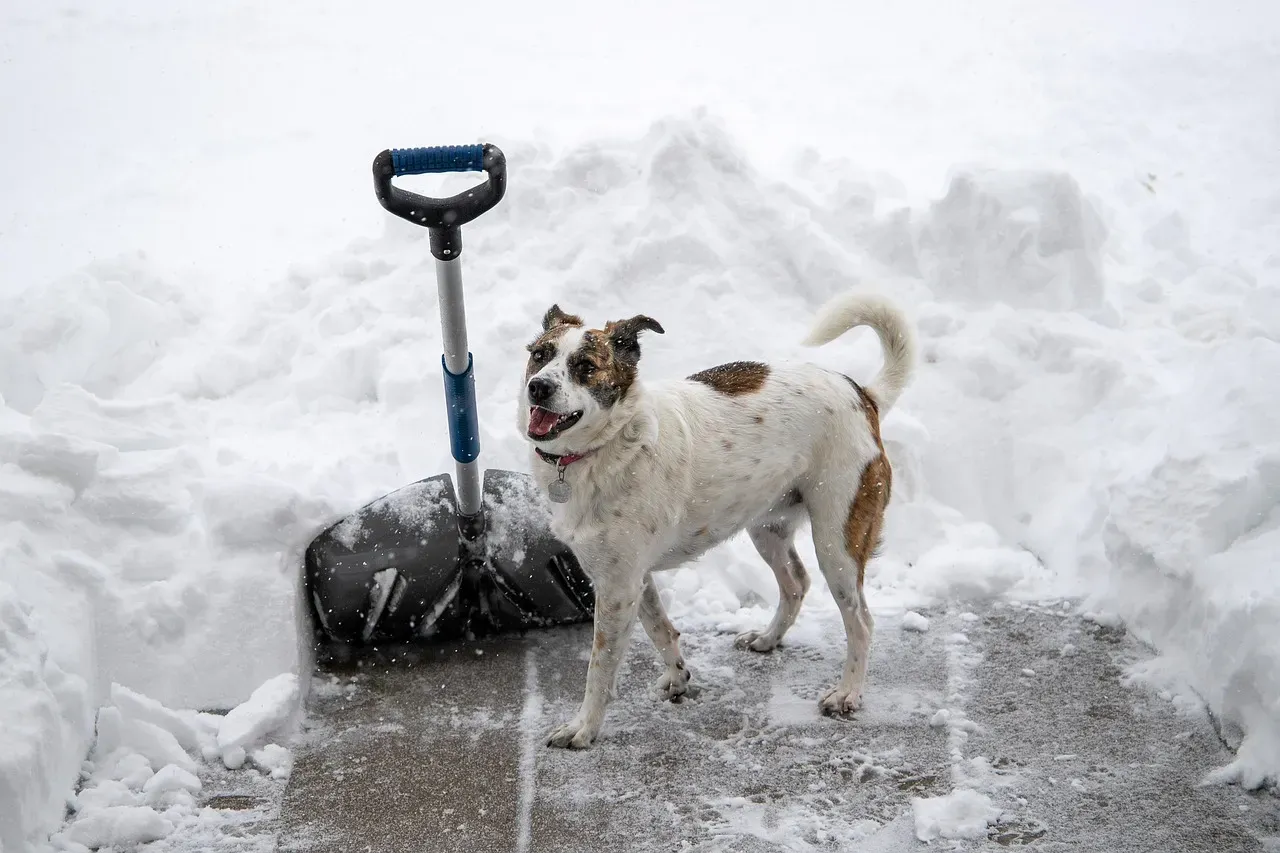
Like human infants, dogs must learn their language. Puppies aren’t born knowing what a wagging tail means any more than newborn babies understand words, but when puppies are about a month old, they recognize the need to communicate with their mother and siblings, so they pick up the lingo. A pup wags his tail to tell his littermates that he’s tired of playing or to tell his mother that he’s hungry.
Dogs, on the other hand, are watchers. Lacking a verbal vocabulary, dogs communicate broader messages with body language. Understanding this changes everything about how we interact with our dogs. They’re constantly talking to us; we just need to learn their language.
Your dog is talking to you all the time. If you learn what your dog is saying, you will develop a deeper bond of trust and respect, plus your newfound understanding of your dog’s emotional state can help you predict their behavior and prevent problems before they arise. This isn’t just about preventing bites or misunderstandings. It’s about truly seeing your dog for who they are and what they’re feeling in every moment.
Think about it: when you can read your dog’s tail language fluently, you become a better advocate for them. You can remove them from stressful situations before they escalate. You can reassure them when they’re uncertain. You can celebrate with them when they’re overjoyed. That’s the kind of relationship every dog deserves.
Conclusion
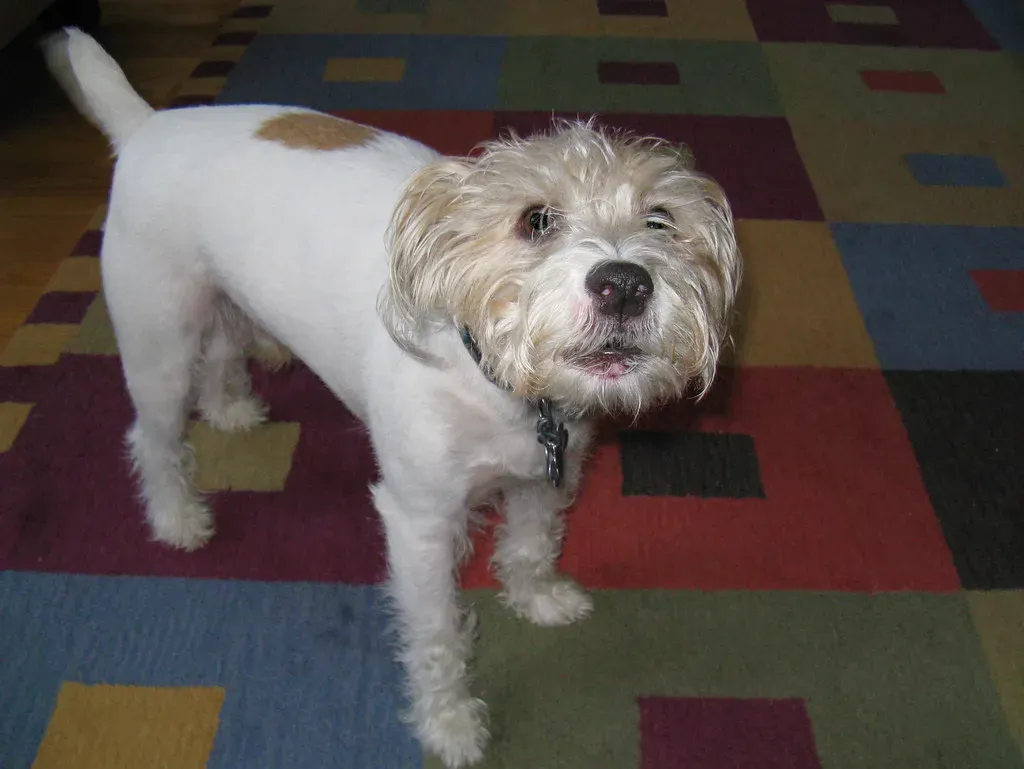
Your dog’s tail is telling you stories every single day, stories about fear and joy, confidence and uncertainty, excitement and caution. The wagging isn’t just some cute quirk; it’s a sophisticated communication system that evolved over thousands of years. By paying attention to speed, position, direction, and the whole-body context, you’re not just observing behavior. You’re having a conversation.
Start watching your dog’s tail with fresh eyes today. Notice the subtle shifts when they meet new people, the different speeds when they’re excited versus anxious, the directional biases when they see you versus a stranger. The more you tune in, the more fluent you’ll become in their language. What messages has your dog been sending that you’ve been missing? Share your observations in the comments.


