
Ever wonder why some dogs seem to instinctively know when you’re sad, while others barely glance your way? It’s a question that goes deeper than you might think. While dogs as a species have evolved alongside humans for thousands of years, not every breed shares the same emotional radar. Some pups are like emotional sponges, tuned into your every sigh and tear. Others? They’re more like that friend who means well but misses all your subtle hints.
The truth is, certain breeds were developed for jobs that required independence, self reliance, and problem solving without constant human direction. These working dogs needed to make their own decisions in the field, whether guarding livestock or hunting across vast terrain. That same independence, however, can translate into a dog who doesn’t always pick up on or respond to human emotional cues the way we might expect. Let’s dive in and meet ten breeds that march to the beat of their own drum.
Afghan Hound
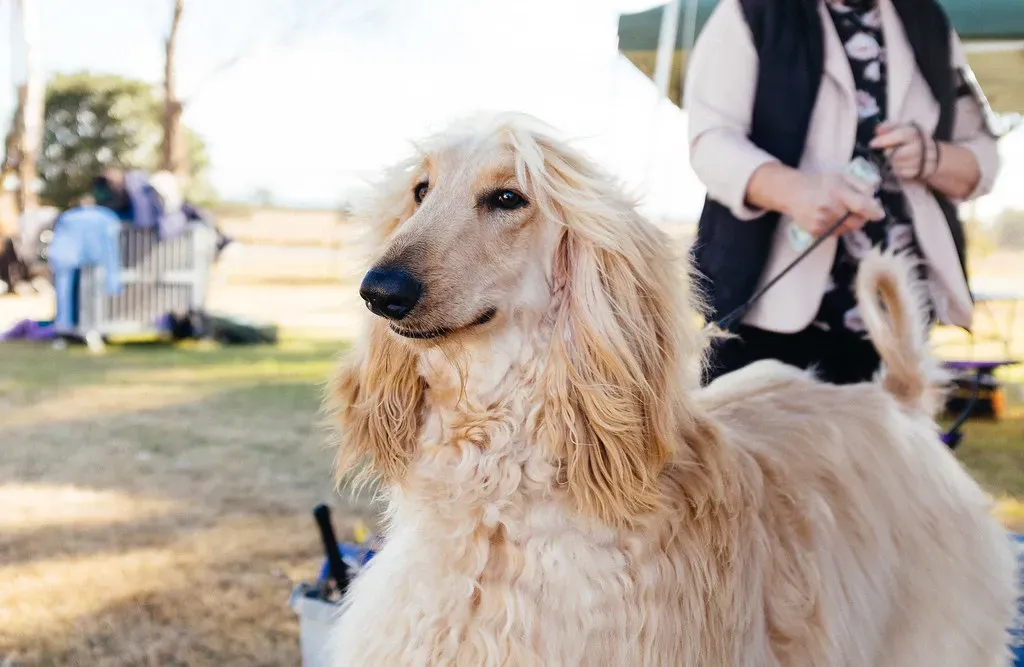
Afghan Hounds are elegant, independent sighthounds with a strong prey drive, and they don’t tend to listen very well to commands. Their aloof demeanor isn’t rudeness, it’s just who they are. These dogs were bred to hunt across rugged Afghan terrain without constant human input, making split second decisions on their own.
Afghan Hounds are known for their elegant appearance and aloof demeanour, and they were originally bred for hunting in the rugged terrain of Afghanistan, making them highly alert and capable of making their own decisions. They’re stunningly beautiful dogs, almost regal in their bearing. However, that same independence means they’re not always checking in to see how you’re feeling. If you’re having a rough day, an Afghan might glance at you from across the room and go back to gazing out the window like a canine philosopher.
Basenji
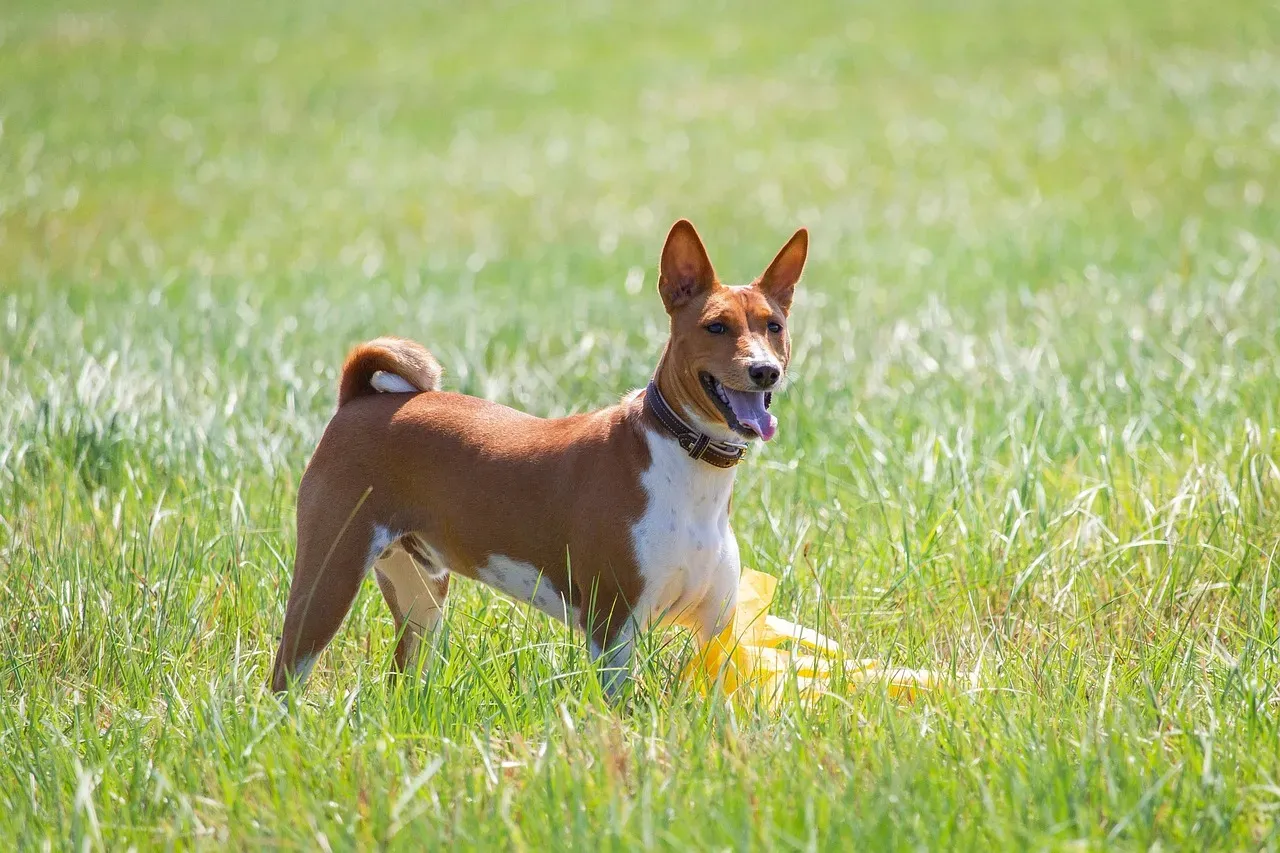
The Basenji is a highly independent breed that hails from Africa, known for their self-sufficiency, intelligence, and cat-like cleanliness, and they’re famous for being “barkless”. Instead of barking, they make yodel like sounds called baroos. Their hunting heritage shaped them into dogs who work well alone, relying on their own instincts rather than human guidance.
Basenjis are agile hunters with a strong prey drive and can be aloof with strangers, and honestly, sometimes with their own families too. They form bonds, sure, but emotional support isn’t really their forte. Think of them as the cool, detached artist type who loves you but isn’t going to cancel their plans because you had a bad meeting. Their independent streak runs deep, making them less likely to tune into subtle emotional shifts.
Chow Chow
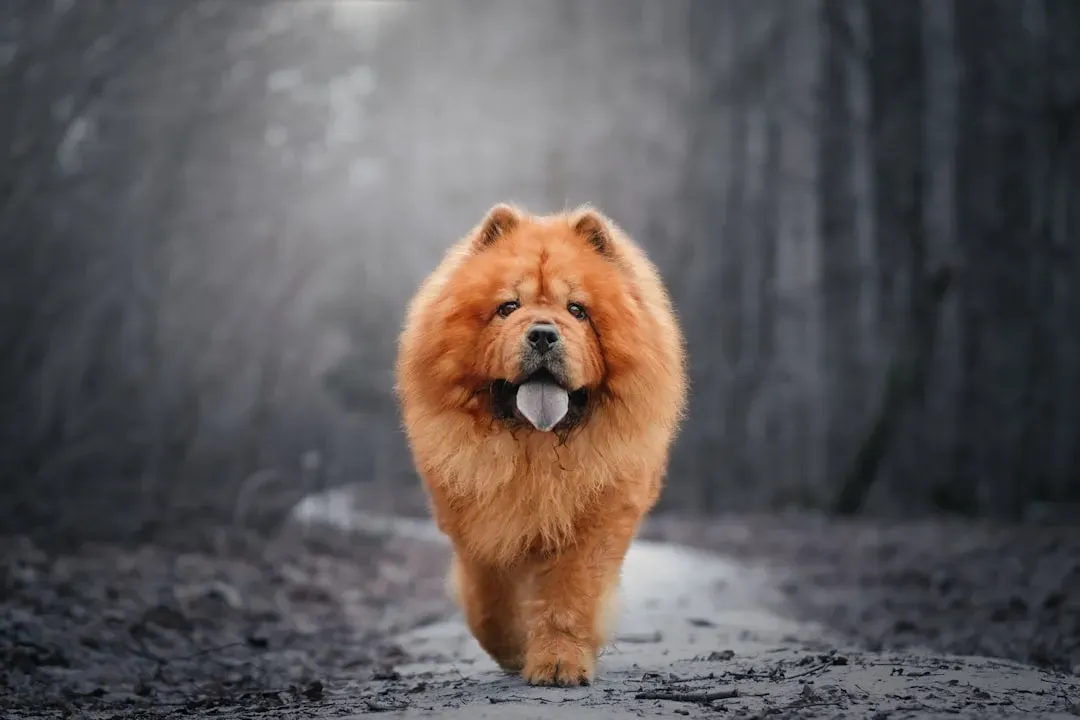
Historically, the Chow Chow worked as a guardian and hunter in ancient China, and this working heritage, combined with their calm disposition, makes them one of the most independent dog breeds. That fluffy teddy bear exterior hides a surprisingly aloof personality. Though independent, Chow Chows are loyal to their family and typically bond deeply to one person.
The Chow Chow is not the most obvious choice for an emotional support animal, and on the whole, they tend to have an independent personality that isn’t always compatible with providing emotional support when their owner needs it. They’re dignified dogs who prefer their own space and aren’t particularly demonstrative with affection. If you’re crying, don’t expect a Chow to come running. They might acknowledge you exist and then resume their post by the door.
Shiba Inu
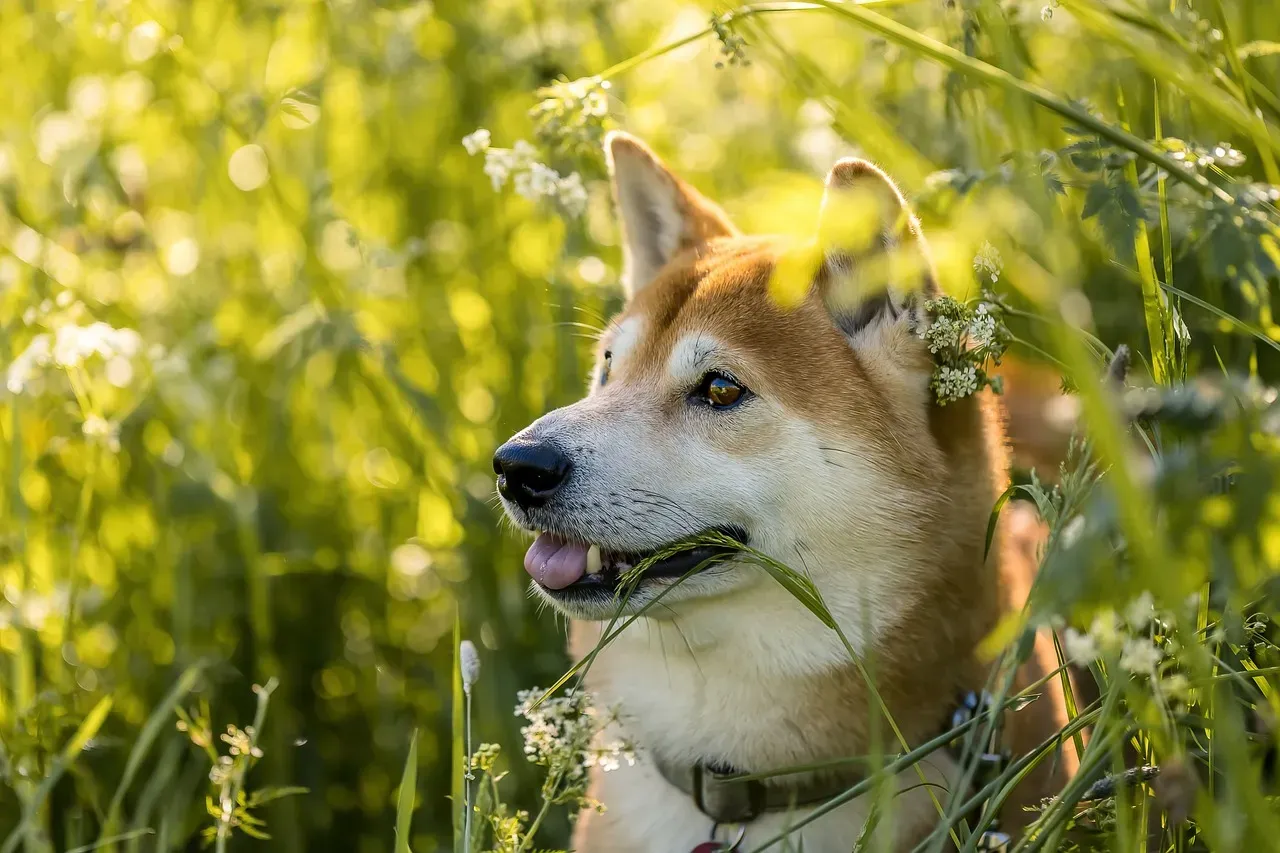
Shiba Inus are famously independent, almost catlike in their self-sufficiency, and they’ll accept your affection when they want it, but they’re just as happy sitting by themselves. These compact Japanese dogs have huge personalities packed into a small frame. Shiba Inus are small to medium-sized dogs known for their spirited and independent nature, and they’re incredibly alert and can be very cautious around new people and environments.
Shiba Inus are very intelligent and can learn commands quickly, but their independent streak can make them appear aloof, and despite this, they are deeply affectionate with their families, showing loyalty and love in a reserved manner. Let’s be real, Shibas are stubborn little souls. They know you’re upset, they just might not care enough to interrupt their nap. They’re clean, quiet, and tend to be emotionally low-maintenance, and when a Shiba chooses you, it feels like winning over the aloof kid in class, making them perfect for those who don’t want a dog hanging on their every move.
Alaskan Malamute
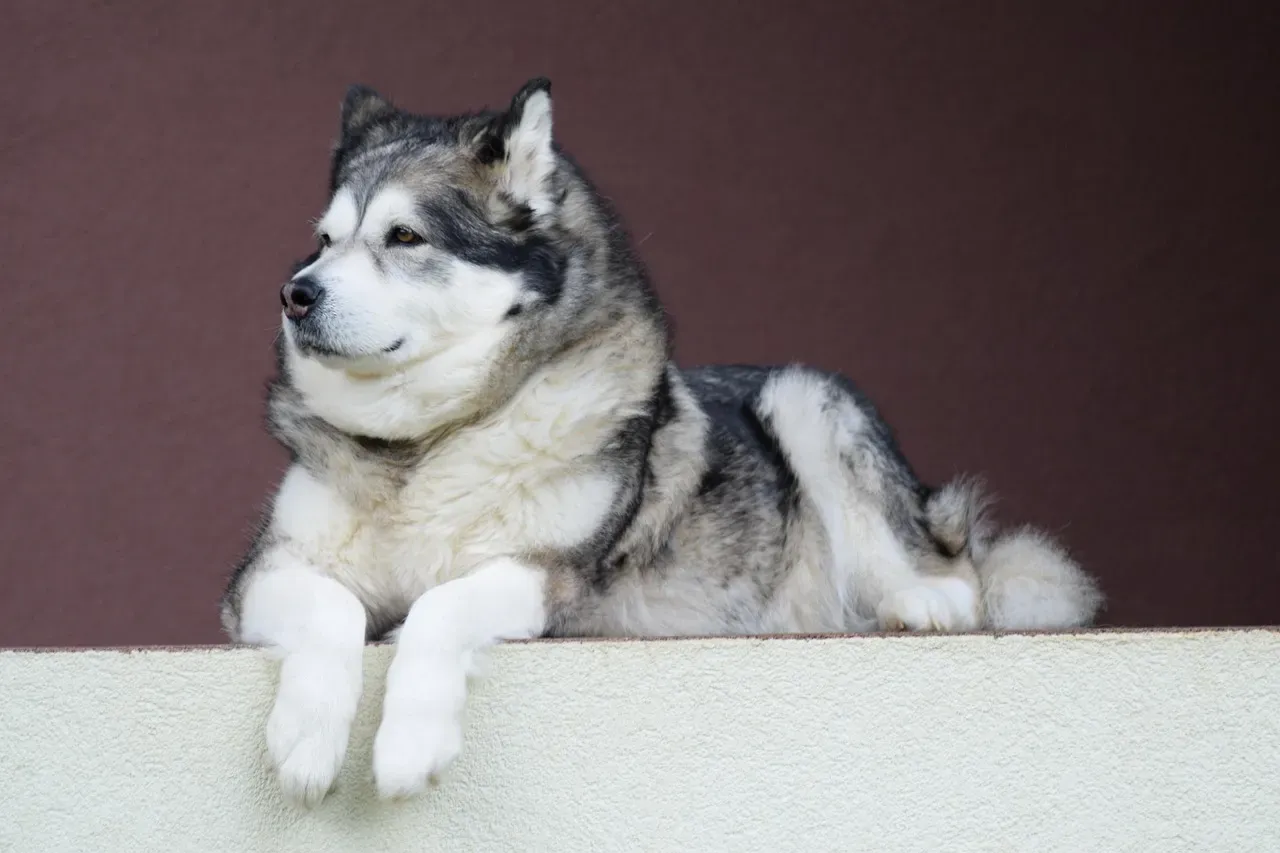
Malamutes are independent and strong-willed, requiring plenty of extra training, and they are bred for sled pulling and are known for their endurance and self-reliance, not for following commands. These powerful Arctic dogs were designed to haul heavy loads across frozen tundra, often working in packs with minimal human direction. That kind of job requires dogs who think for themselves.
These giant, muscular dogs are highly loyal to their pack (family) but may assert their independence, and they have a friendly and dignified demeanor, though they’re only recommended for experienced dog owners. Malamutes are loving, don’t get me wrong, but they’re not overly concerned with reading your emotional state. They have their own agenda. You might be stressed, but if it’s time for their walk or dinner, that’s taking priority.
Rhodesian Ridgeback
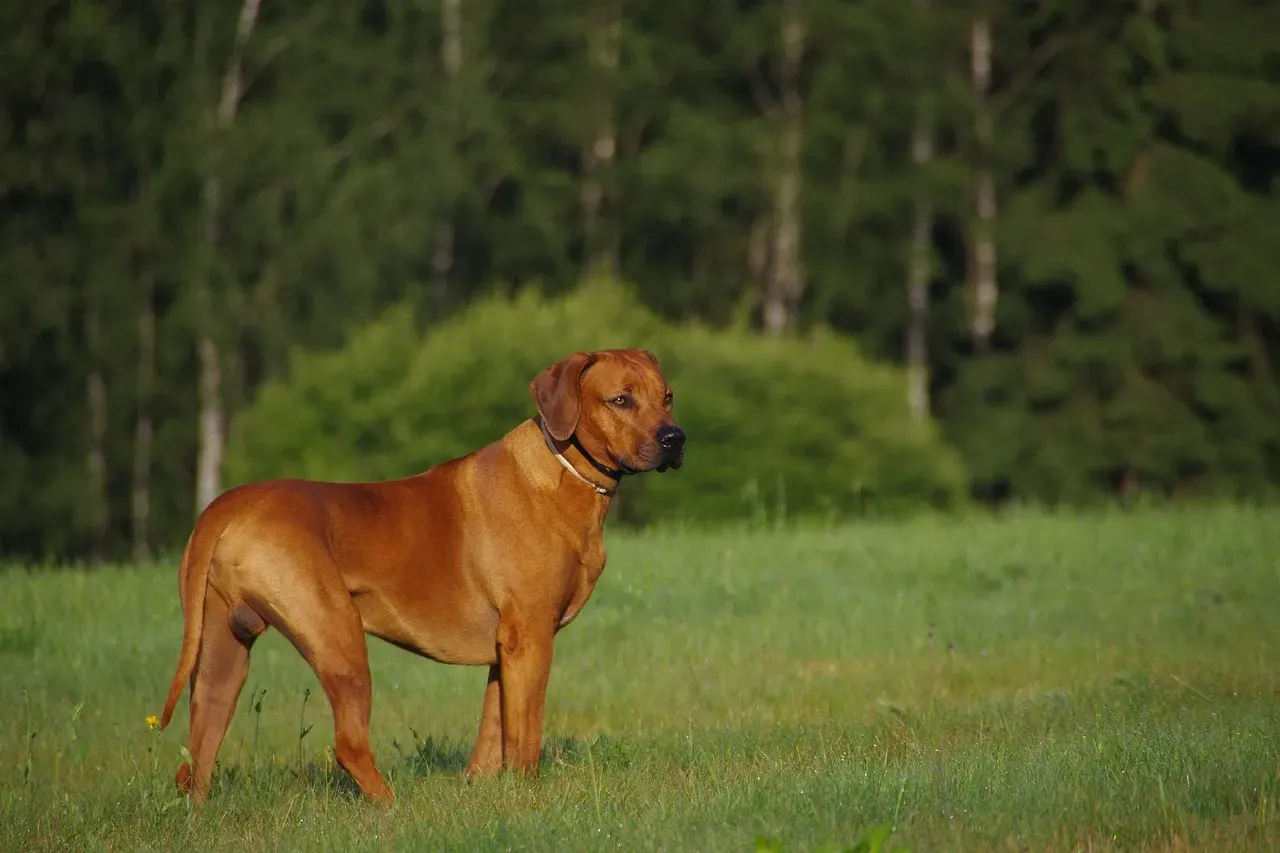
This breed is known for being independent and confident, originally used in Africa to hunt big game, and like most hunting dogs, they were bred for their hunting ability and willingness to perform without their human’s constant commands. Imagine a dog bred to track lions. That takes serious courage and self reliance.
They tend to be pretty strong-willed and sometimes even aloof, however, they are loyal and protective towards their families. Ridgebacks aren’t cold, they just process the world differently. Plenty of socialization is recommended to prevent wariness towards strangers. They might notice you’re upset, but their response is more likely to be quiet observation than active comfort seeking. They’re watching, assessing, but not necessarily rushing to your side with a sympathetic paw.
Saluki
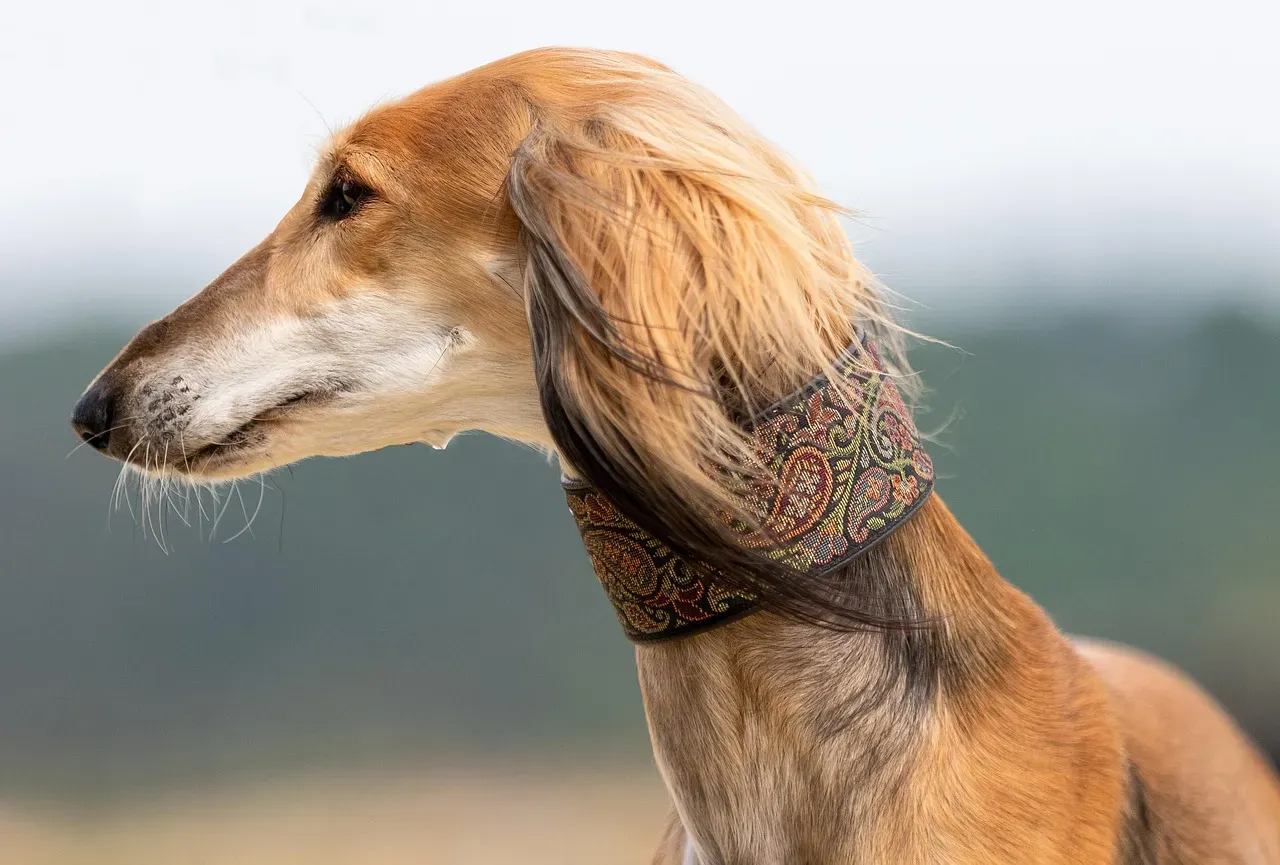
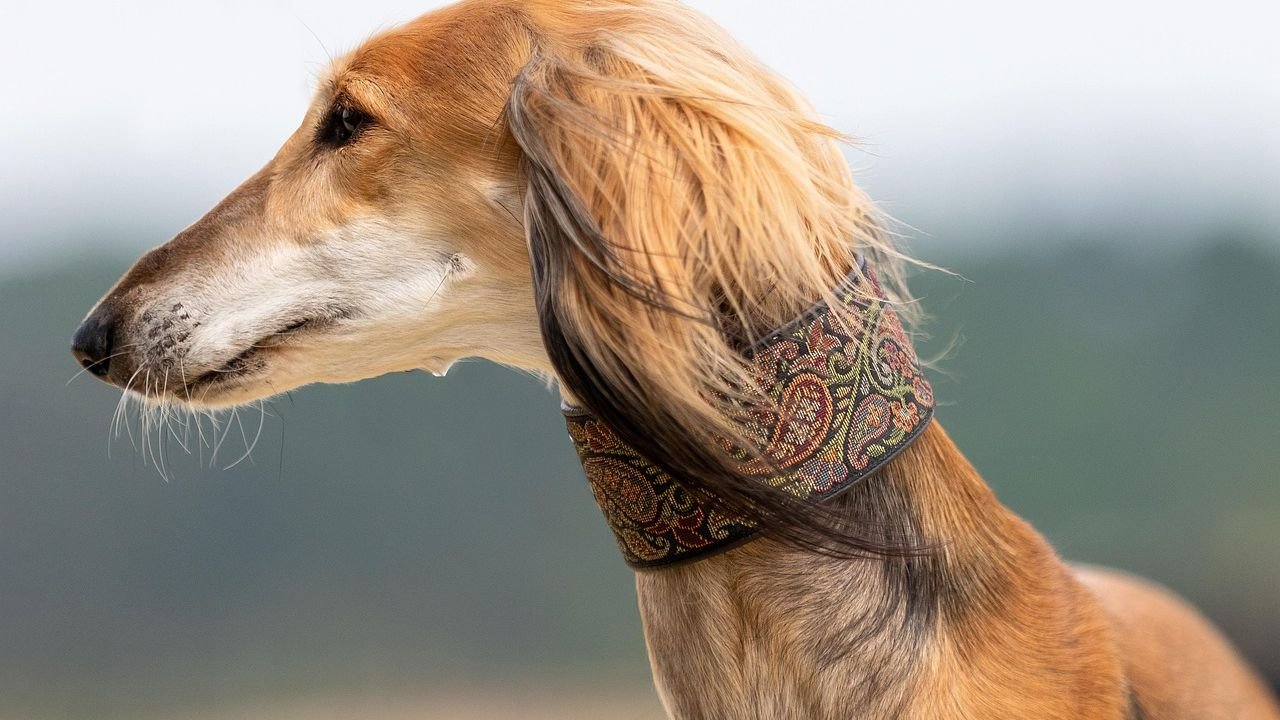
Salukis are one of the oldest dog breeds, known for their independence and aloof demeanor. These ancient sighthounds are graceful, almost ethereal in appearance, and they carry themselves with a certain reserve. Bred for hunting across vast desert landscapes, they learned to work at a distance from humans.
That hunting heritage means Salukis are less focused on human emotional connection and more attuned to movement and their environment. They’re sensitive dogs, but their sensitivity is directed outward toward their surroundings rather than inward toward human feelings. You could be having the worst day of your life, and your Saluki might be more interested in watching a bird through the window. It’s not that they don’t love you, they just show it differently.
Akita
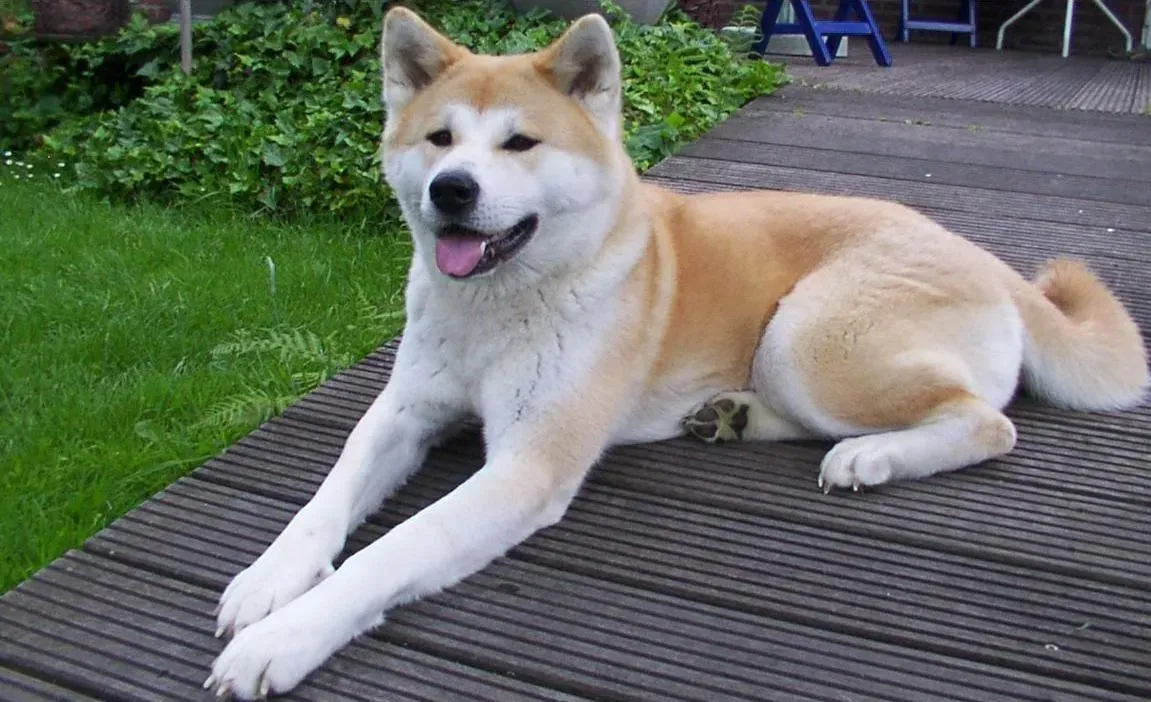
Akitas enjoy companionship with their humans but are also somewhat independent. These large Japanese dogs are fiercely loyal and protective, but emotional attunement isn’t their strong suit. They are known for their protective nature, and while they can be independent, they are also fiercely loyal and affectionate toward their loved ones, however, they do tend to be one-person dogs and may bond closely with only one person in the family and ignore everyone else.
Akitas have a stoic, dignified presence. They’re not the type to smother you with kisses when you’re sad. Instead, they might sit nearby, a silent guardian, offering their presence but not their overt sympathy. Their emotional expression is subtle, reserved, and easily missed if you’re expecting a Golden Retriever style response.
Canaan Dog
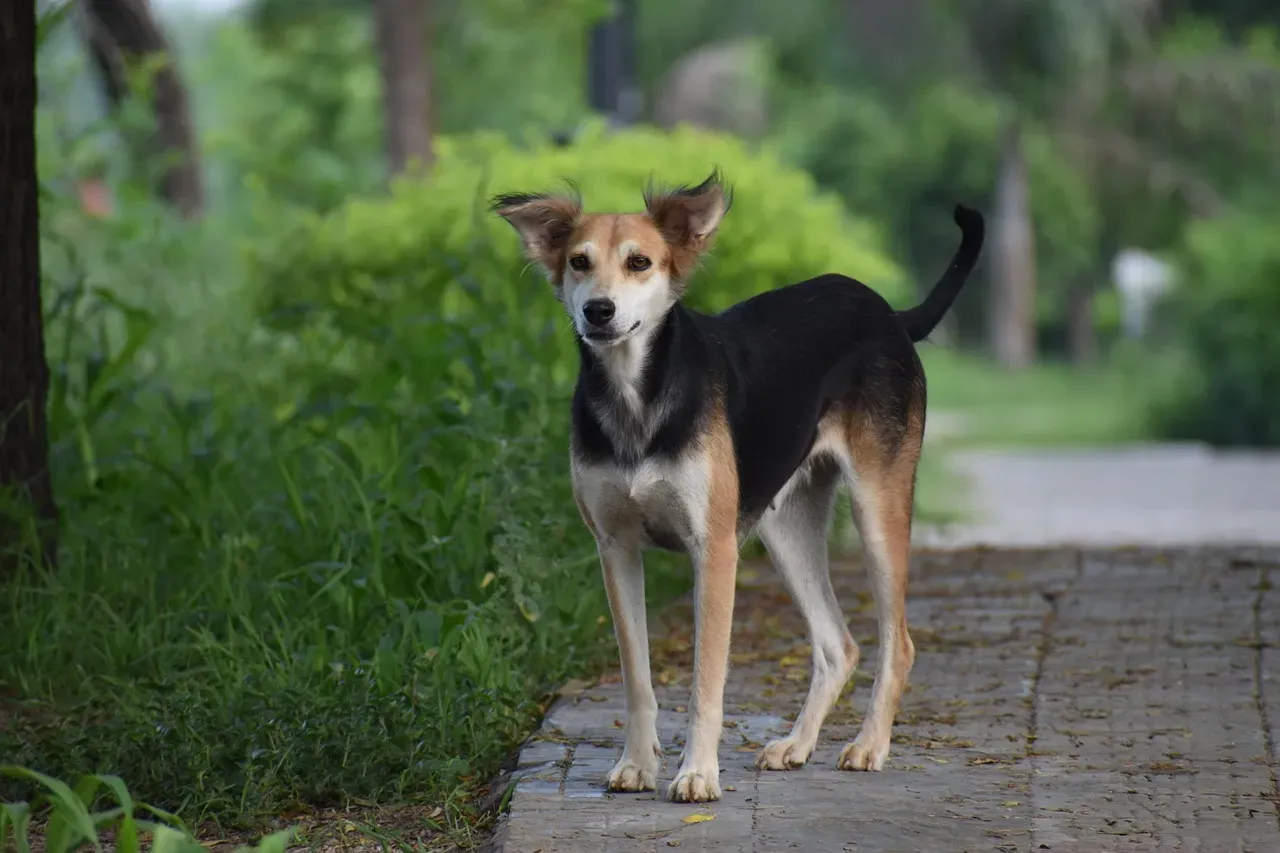
This dog is ancient and fairly rare, and they tend to be very intelligent and resourceful, and while they will bond with their families, they are wary of strangers and need plenty of socialization, and they have a strong survival instinct and do perfectly fine on their own. Canaan Dogs are survivors, literally bred to thrive in harsh desert conditions with minimal human support.
These agile dogs are not like many of the modern breeds popular today, but they easily fit into this independent category. Their emotional intelligence is focused on self preservation and environmental awareness rather than reading human moods. They’re not being difficult, they’re just wired differently. If you need constant emotional feedback from your dog, a Canaan probably isn’t your match.
Shar Pei
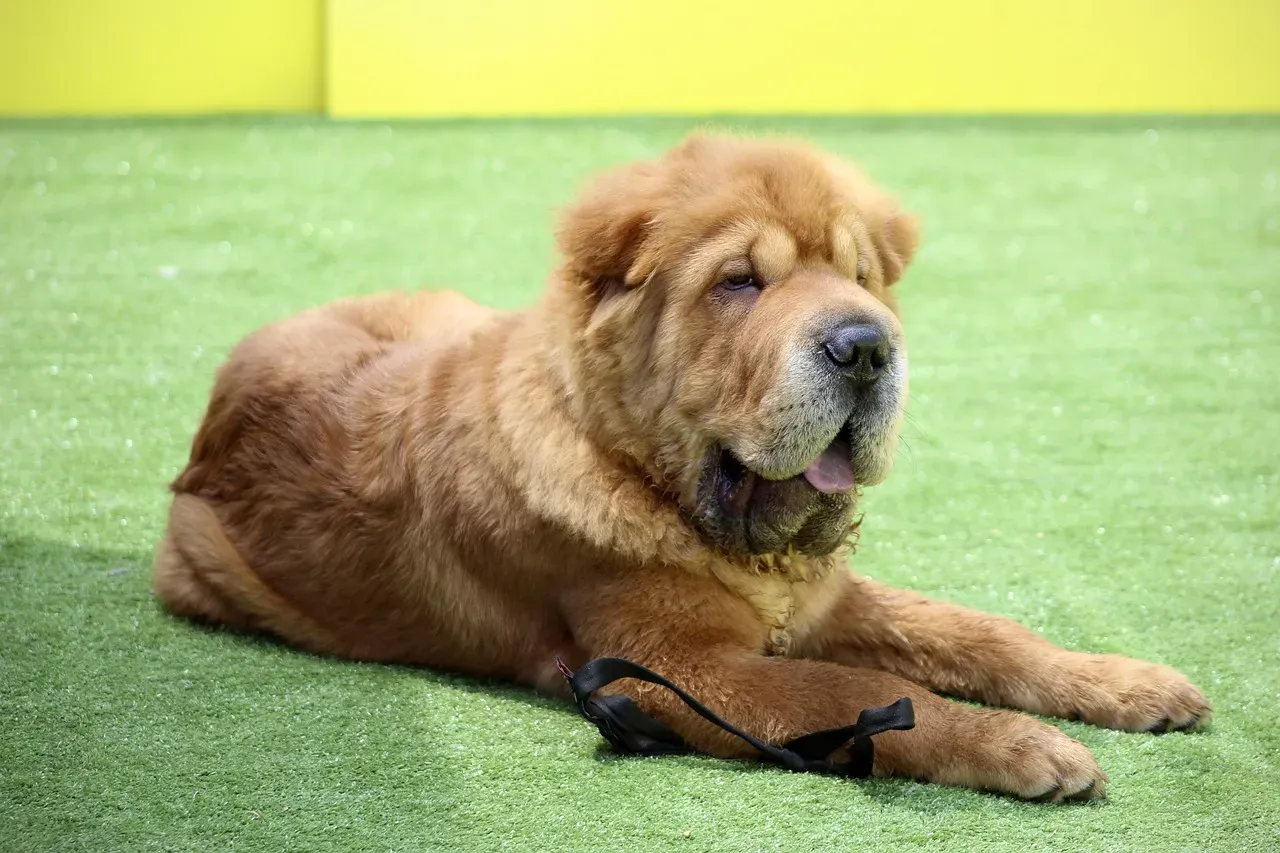
Chinese Shar-Pei dogs are another breed originally bred for hunting and guarding, giving them an independent personality that still shows through today, and early training and socializing this breed is important so they are confident and comfortable no matter the situation. Those adorable wrinkles and blue black tongue hide a dog who’s more interested in doing their own thing than constantly checking in with you emotionally.
Shar Peis are calm, often quiet dogs who carry themselves with a certain aloofness. They’re not unfriendly, just reserved. Their guard dog heritage means they’re watchful and protective, but not necessarily empathetic in the way we typically expect from dogs. They might love you deeply, but they’re not going to drop everything to comfort you the moment you tear up during a movie.
Greyhound
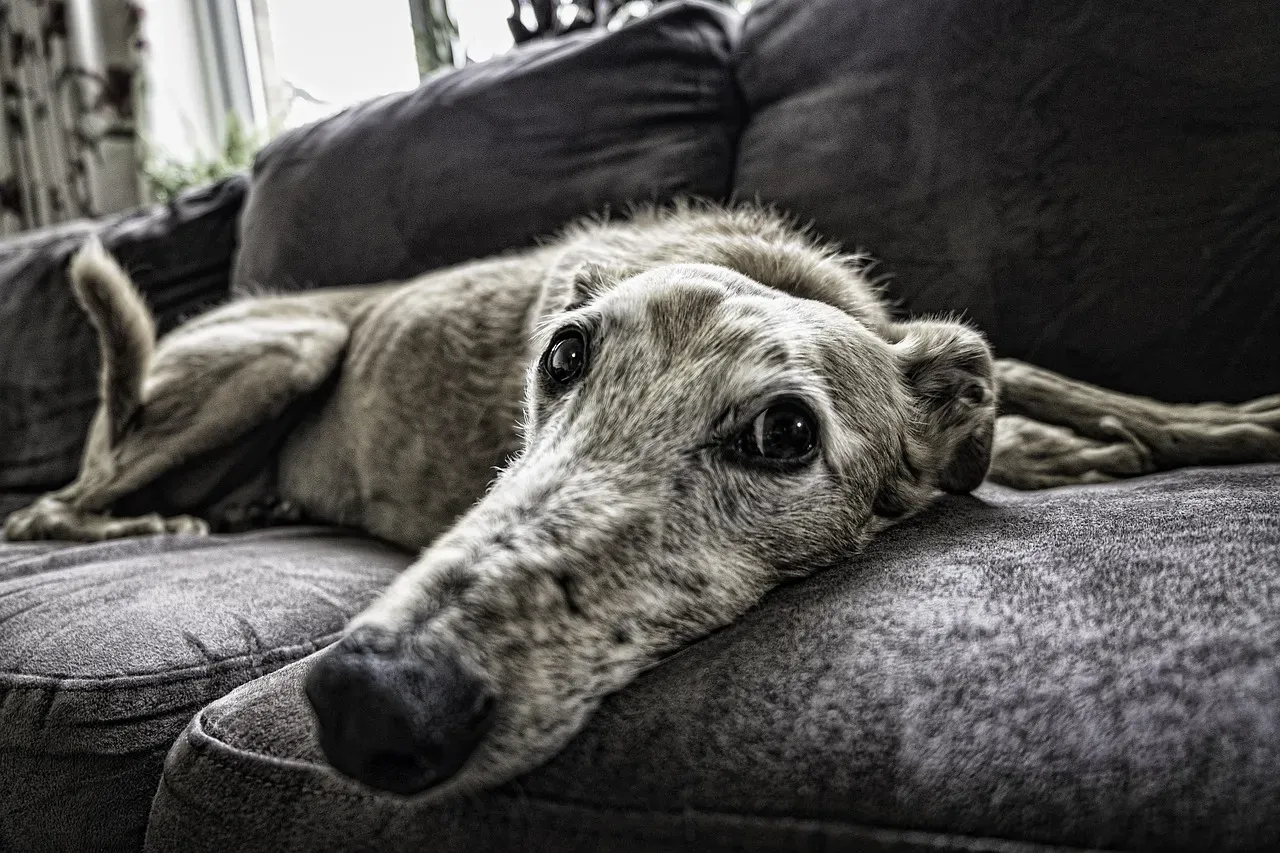
Greyhounds are best known for their running skills and can reach speeds of more than 40 miles per hour, but they also make calm, quiet, and independent dogs at home, and they usually prefer to have their own dog bed in a quiet place where they can retreat for some solitude as needed. These gentle couch potatoes are surprisingly independent despite their affectionate nature.
Some Greyhounds are more needy and clingy, while others are a little more independent and able to give space to their humans as needed, they can be outgoing and friendly as well as aloof with strangers, they aren’t very noisy as they don’t tend to bark much, though it can be difficult to train a Greyhound since they are intelligent, sometimes stubborn and avoid doing tasks they don’t want to do. Greyhounds are polite, gentle dogs, but they’re not always emotionally demonstrative. They’ll love you from their cozy bed across the room, thank you very much.
Understanding Independence Isn’t Rejection
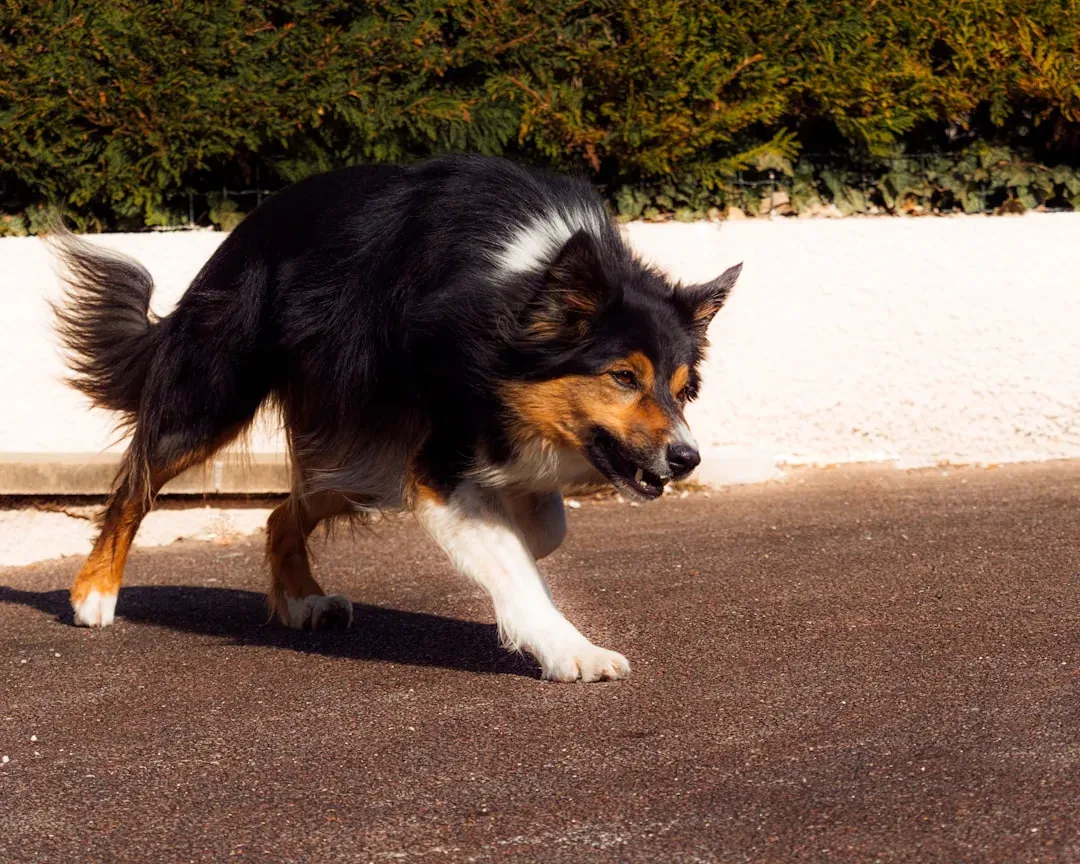
The first step is just to be aware that we are not that good at reading dogs’ emotions, we need to be humbler in our understanding of our dogs, and once we can start from a basis of understanding our biases, we can begin to look at our pups in a new light. Here’s the thing, these breeds aren’t emotionally broken or incapable of love. They simply express connection differently. Misinterpretations may arise from quick assumptions such as a wagging tail always showing joy or a still posture always showing fear.
Breeds having less general responsivity to humans and work independently show different learning patterns, and breed differences in learning and behavioural performance may not entirely be in line with the cooperative-independent working classification, and the differences across breeds may also depend on the type of learning feature or cognitive trait being studied. Independence was bred into these dogs for specific purposes. Respecting that heritage means appreciating them for who they are rather than expecting them to be something they’re not. They offer loyalty, companionship, and love, just on their own terms. What do you think, does your dog read you like a book or keep you guessing?


